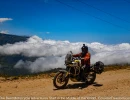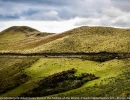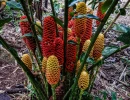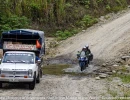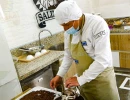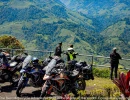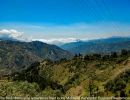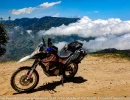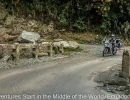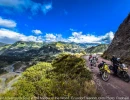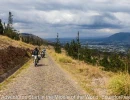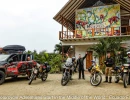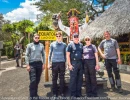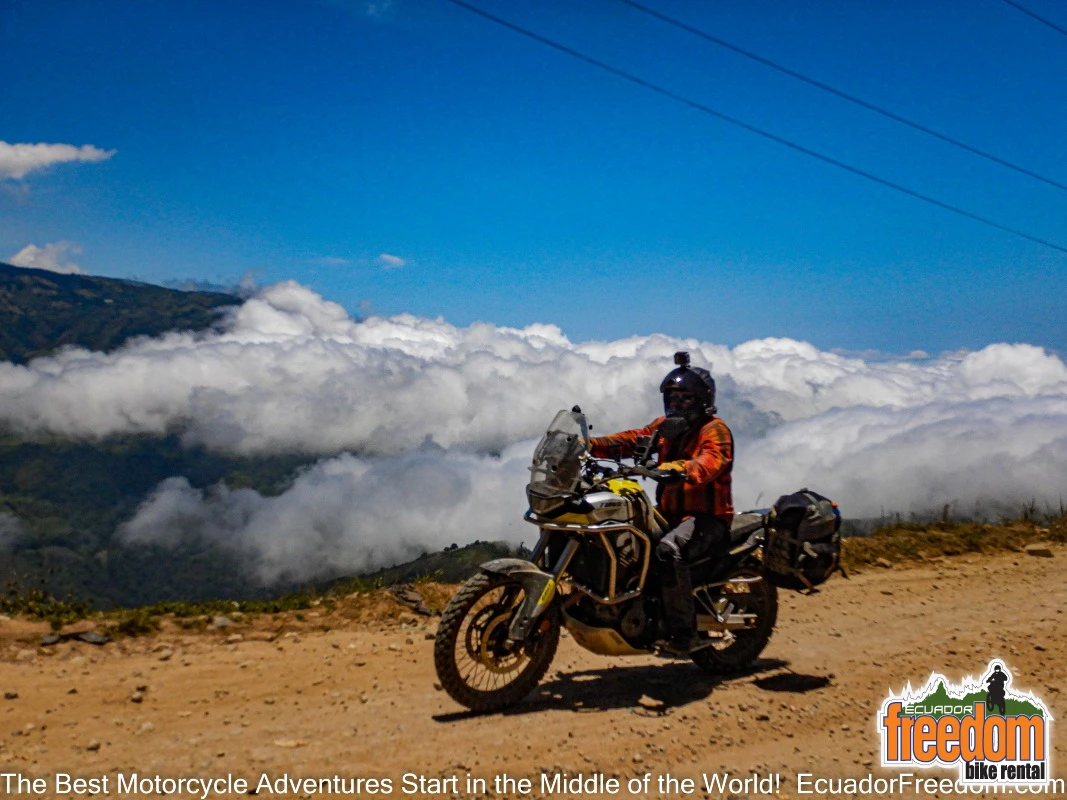

Cloudforest, Coast & Craters Guided Motorcycle Tour
70% PAVED
~30% unpaved
SERVICE LEVEL
Casual
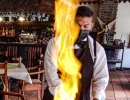
à la carte dining
GROUP SIZE
1-9 Motorcycles
GUARANTEED DEPARTURE
Guided Dual-Sport Motorcycle Tour Overview
- Tour Start and End: Quito, Ecuador. Airport Code: UIO
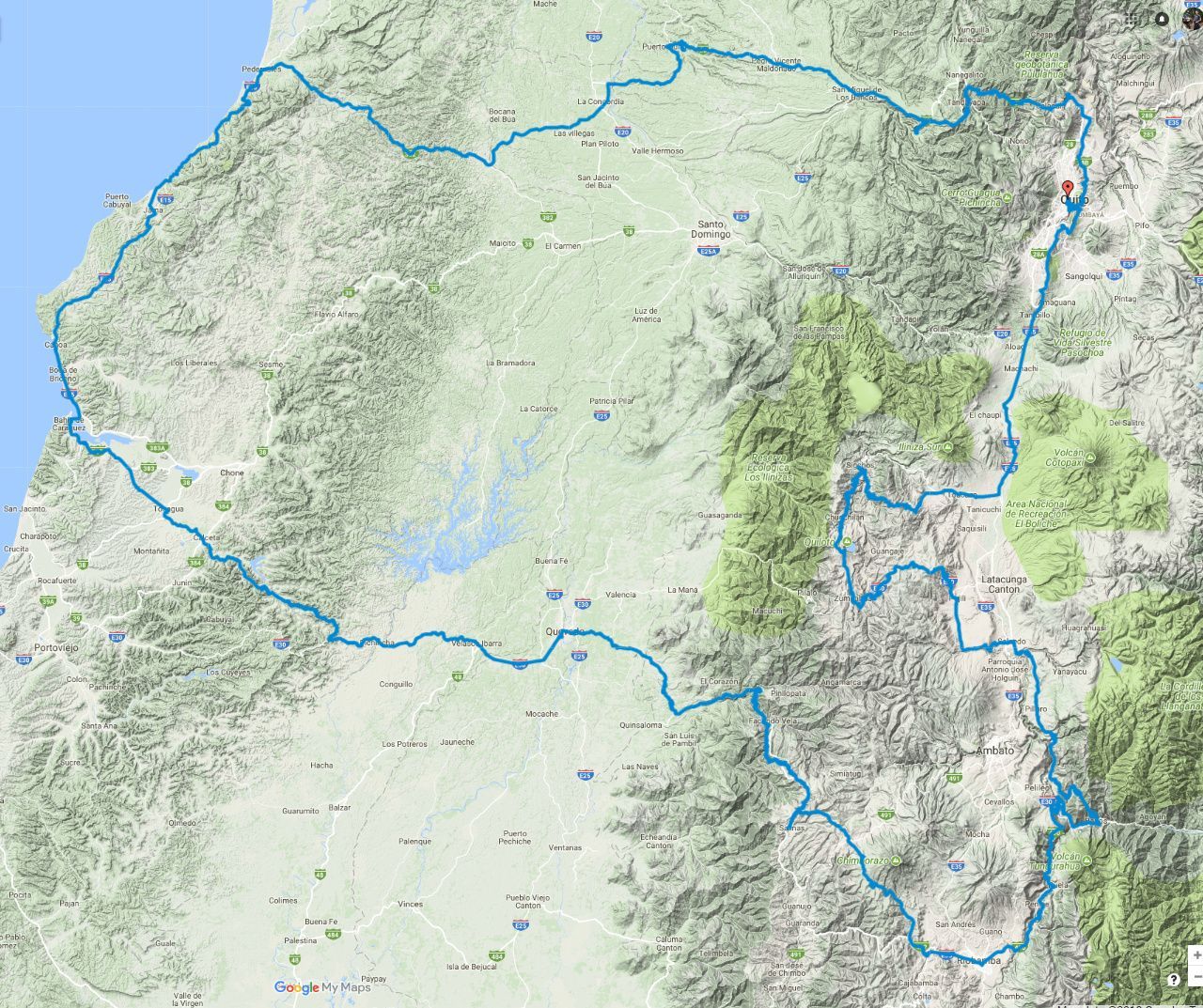
- Distance: 1,237 kilometers / 769 miles 75% paved road / 25% unpaved road
- Lowest Elevation: 0 meters | 0 feet
- Highest Elevation: 4445 meters | 14,583 feet
- Elevation Gain / Loss: 14,350 meters | 47,080 feet
- Tour Duration: 7 days
- Riding Days: 7
- Rest Days: 0
- Time Needed: 8-9 days vacation
- Climates: Cloudforest, Tropical Rainforest, Tropical Grasslands, Desert, Highlands Pampa, Dry Forest
- Route: 70% paved 30% unpaved - dual sport adventure tour
- All-inclusive pricing includes all meals, gas, and entrance fees. You won't have to pull out your wallet...
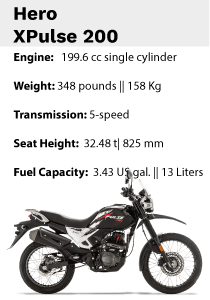
| Hero Xpulse200*
| $3,420 |
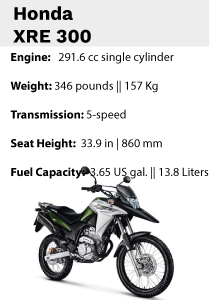
| Honda XRE 300*
| $3,560
This is the standard pricing if you are traveling alone (or traveling with friends but each with a single room). Single occupancy is standard on all of our self-guided and guided motorcycle tours. |
| SWM Gran Milano 440
| $3,280
This is the standard pricing if you are traveling alone (or traveling with friends but each with a single room). Single occupancy is standard on all of our self-guided and guided motorcycle tours. |
| Honda XR650L*
| $3,770 |
| Suzuki DR650*
LOW SEAT: 33.2 inches REGULAR: 34.8 inches | $3,700
This is the standard pricing if you are traveling alone (or traveling with friends but each with a single room). Single occupancy is standard on all of our self-guided and guided motorcycle tours. |
| Suzuki DR650 LOW*
LOW SEAT: 33.2 inches REGULAR: 34.8 inches | $3,700
This is the standard pricing if you are traveling alone (or traveling with friends but each with a single room). Single occupancy is standard on all of our self-guided and guided motorcycle tours. |
| SWM RS650S*
| $3,700
This is the standard pricing if you are traveling alone (or traveling with friends but each with a single room). Single occupancy is standard on all of our self-guided and guided motorcycle tours. |
| Suzuki V-Strom 650
REGULAR: 32.9 Inches LOWERED: 31.7 Inches | $3,910
This is the standard pricing if you are traveling alone (or traveling with friends but each with a single room). Single occupancy is standard on all of our self-guided and guided motorcycle tours. |
| Suzuki V-Strom 650 LOW
REGULAR: 32.9 Inches LOWERED: 31.7 Inches | $3,910
This is the standard pricing if you are traveling alone (or traveling with friends but each with a single room). Single occupancy is standard on all of our self-guided and guided motorcycle tours. |
| Aprilia Tuareg 660
| $4,120
This is the standard pricing if you are traveling alone (or traveling with friends but each with a single room). Single occupancy is standard on all of our self-guided and guided motorcycle tours. |
| Yamaha Tenere 700
| $4,050
This is the standard pricing if you are traveling alone (or traveling with friends but each with a single room). Single occupancy is standard on all of our self-guided and guided motorcycle tours. |
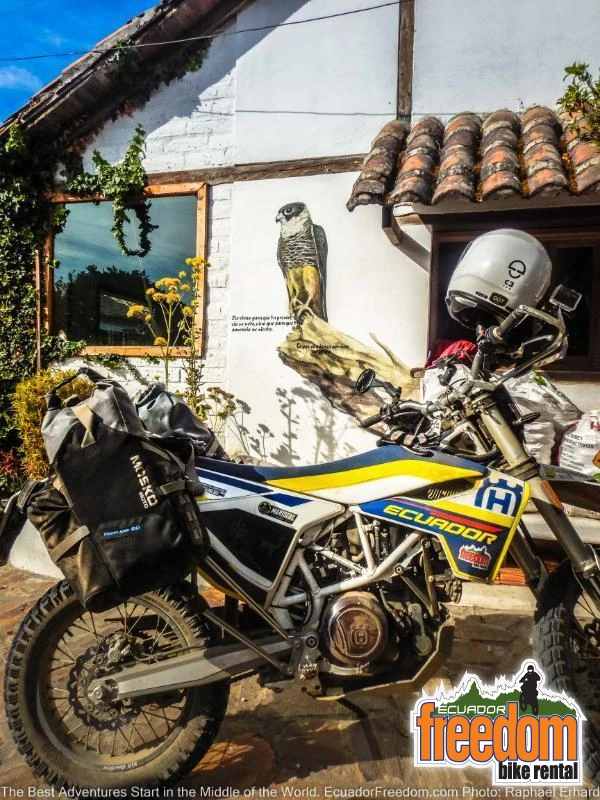
| Husqvarna 701 Enduro*
| $4,050
This is the standard pricing if you are traveling alone (or traveling with friends but each with a single room). Single occupancy is standard on all of our self-guided and guided motorcycle tours. |
| BMW F750GS
| $4,050
This is the standard pricing if you are traveling alone (or traveling with friends but each with a single room). Single occupancy is standard on all of our self-guided and guided motorcycle tours. |
| Triumph Tiger 800 XC
| $4,120 |
| BMW F800GS
| $4,120
This is the standard pricing if you are traveling alone (or traveling with friends but each with a single room). Single occupancy is standard on all of our self-guided and guided motorcycle tours. |
| Triumph Tiger 850 Sport
| $4,120 |
| BMW F850GS
| $4,190
This is the standard pricing if you are traveling alone (or traveling with friends but each with a single room). Single occupancy is standard on all of our self-guided and guided motorcycle tours. |
| Moto Guzzi V85 TT
| $4,190 |
| Triumph Tiger 900 Rally
| $4,190
This is the standard pricing if you are traveling alone (or traveling with friends but each with a single room). Single occupancy is standard on all of our self-guided and guided motorcycle tours. |
| Husqvarna Norden 901
| $4,190
This is the standard pricing if you are traveling alone (or traveling with friends but each with a single room). Single occupancy is standard on all of our self-guided and guided motorcycle tours. |
| Suzuki V-Strom 1000
| $4,120
This is the standard pricing if you are traveling alone (or traveling with friends but each with a single room). Single occupancy is standard on all of our self-guided and guided motorcycle tours. |
| Honda Africa Twin 1100 DCT
| $4,330
This is the standard pricing if you are traveling alone (or traveling with friends but each with a single room). Single occupancy is standard on all of our self-guided and guided motorcycle tours. |
| Passenger Sharing Room
If you will be riding with a passenger, (pillion) who will share your double room (1 or 2 beds), add this price. | $1,625
If you are traveling with someone who will be riding a separate motorcycle and sharing your room (1 or 2 beds), take 10% off the price of each bike! |
| 2 Vehicles Sharing Room
If you are traveling with someone who will be riding a separate motorcycle and sharing your room (1 or 2 beds), take 10% off the price of each bike! | 10% Discount
If you are traveling with someone who will be riding a separate motorcycle and sharing your room (1 or 2 beds), take 10% off the price of each bike! |
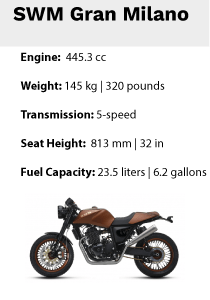
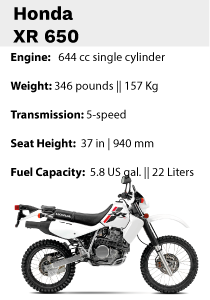
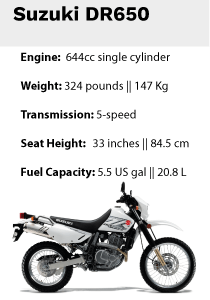
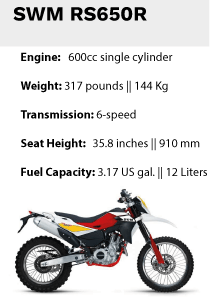
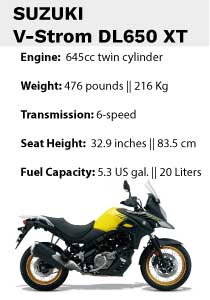
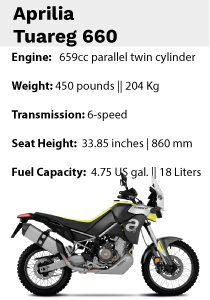
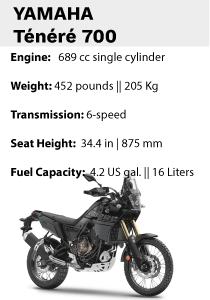
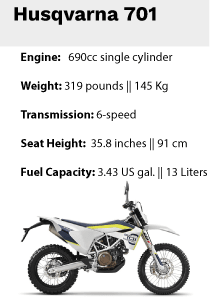
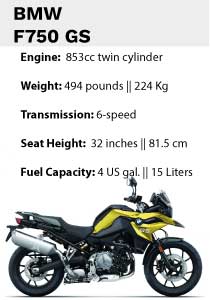
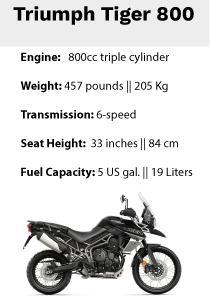
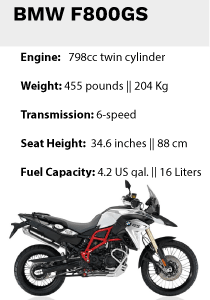
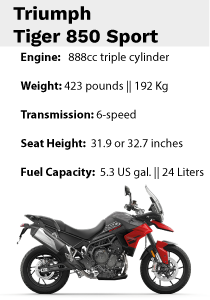
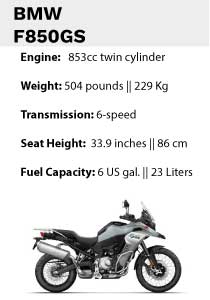
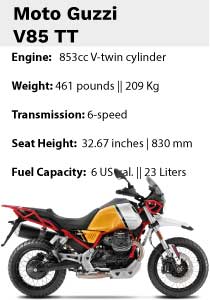
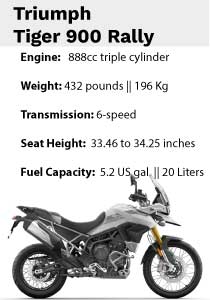
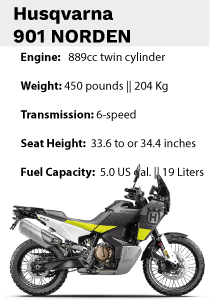
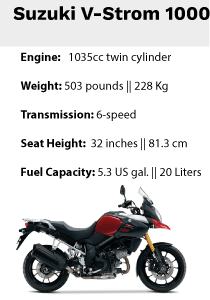
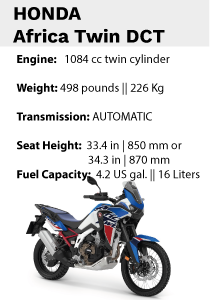
* Bikes marked with an asterisk are not configured to take a passenger.
All prices are in United States Dollars (USD) - the official currency of the Republic of Ecuador
As featured in

Itinerary
Day 1 - Mindo
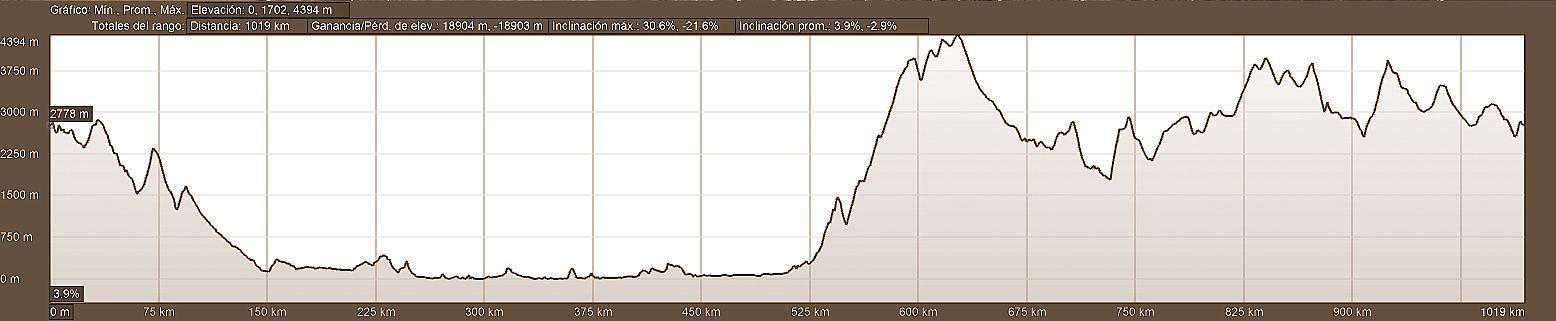
Elevation Profile - Day 1


Day 1
Quito - Intiñan - Mindo
Distance Covered: 64 miles / 103 km
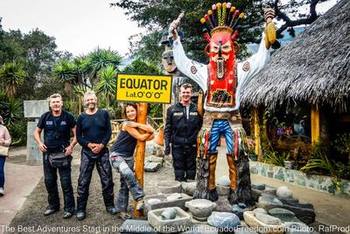 You'll begin this 7-day /6-night “Cloudforest, Coast and Craters” dual sport tour from our shop in Quito, Ecuador. In 1978, Quito became the first place on the planet to be designated as a UNESCO World Heritage Site for having the best-preserved historic center in Latin America. Quito is high on the Altiplano Plateau (the second highest in the world) in the Andes at 9,350 feet. We suggest you arrive a day or two early to experience our magnificent capital city while getting acclimated to high elevation before beginning the tour.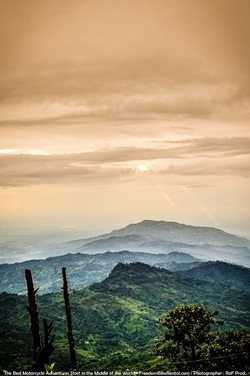
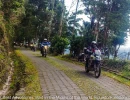
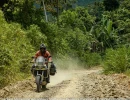
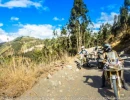
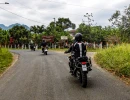
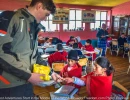
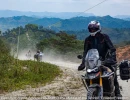
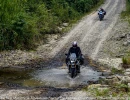
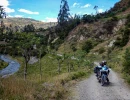
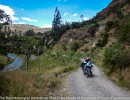
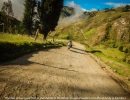
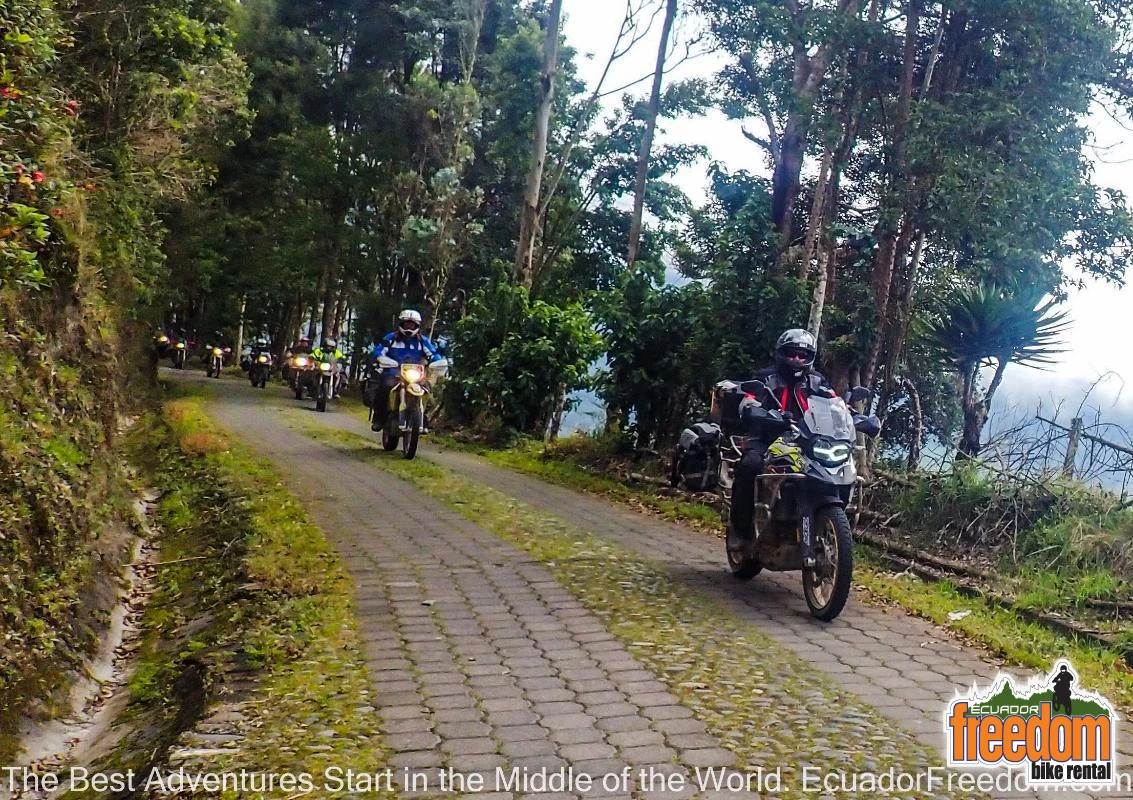
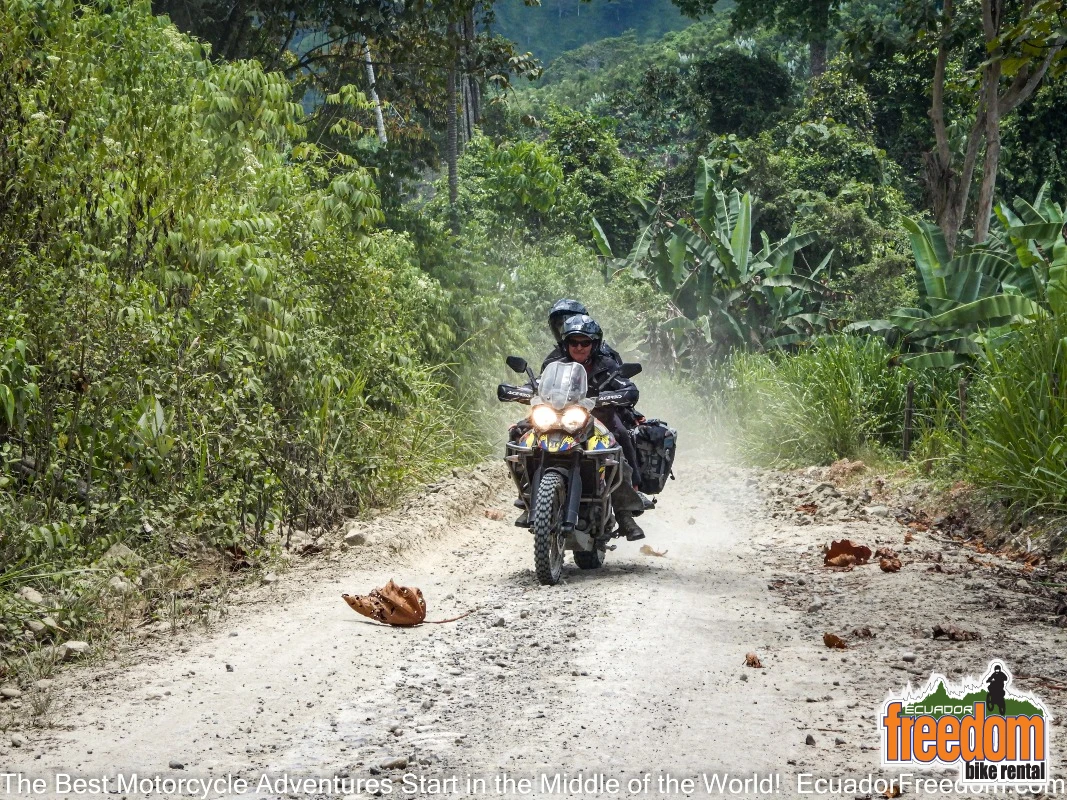
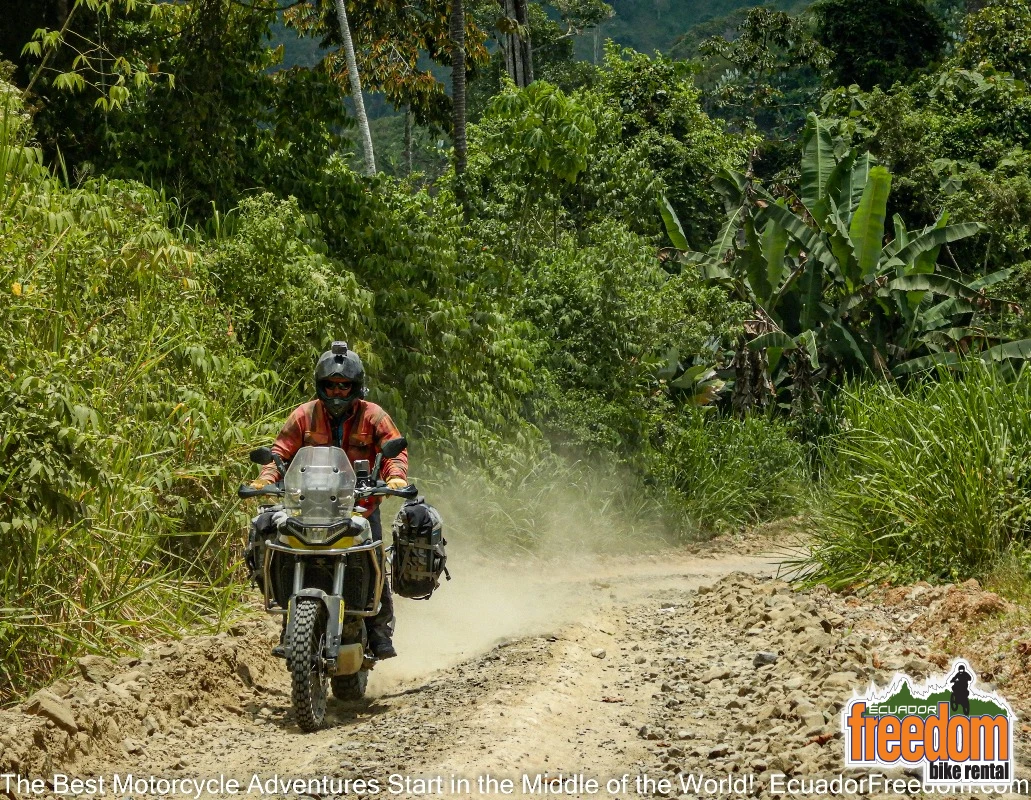
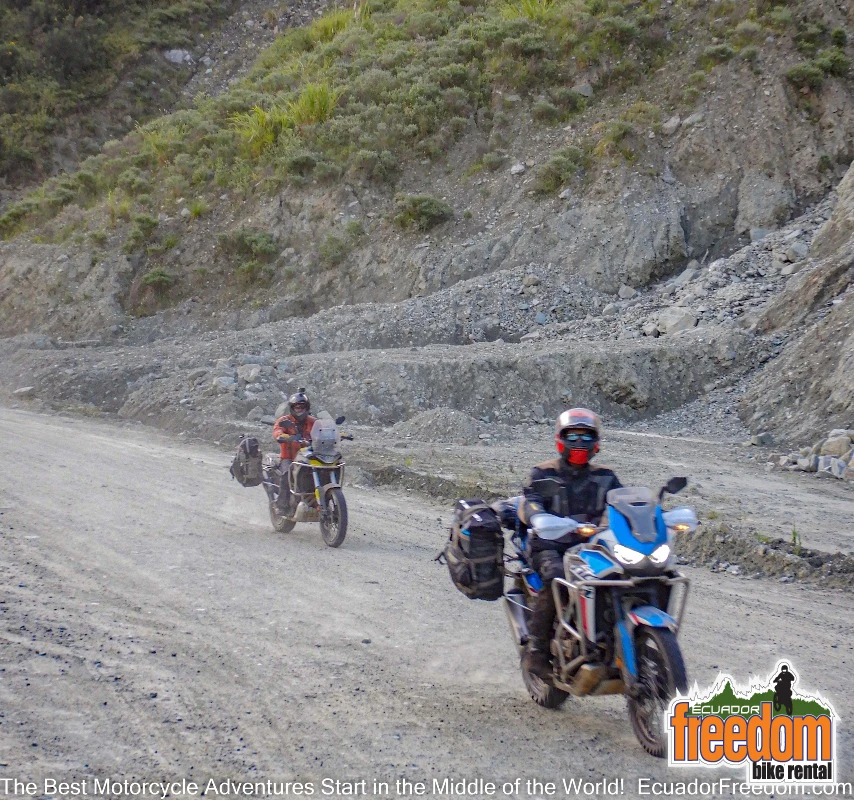
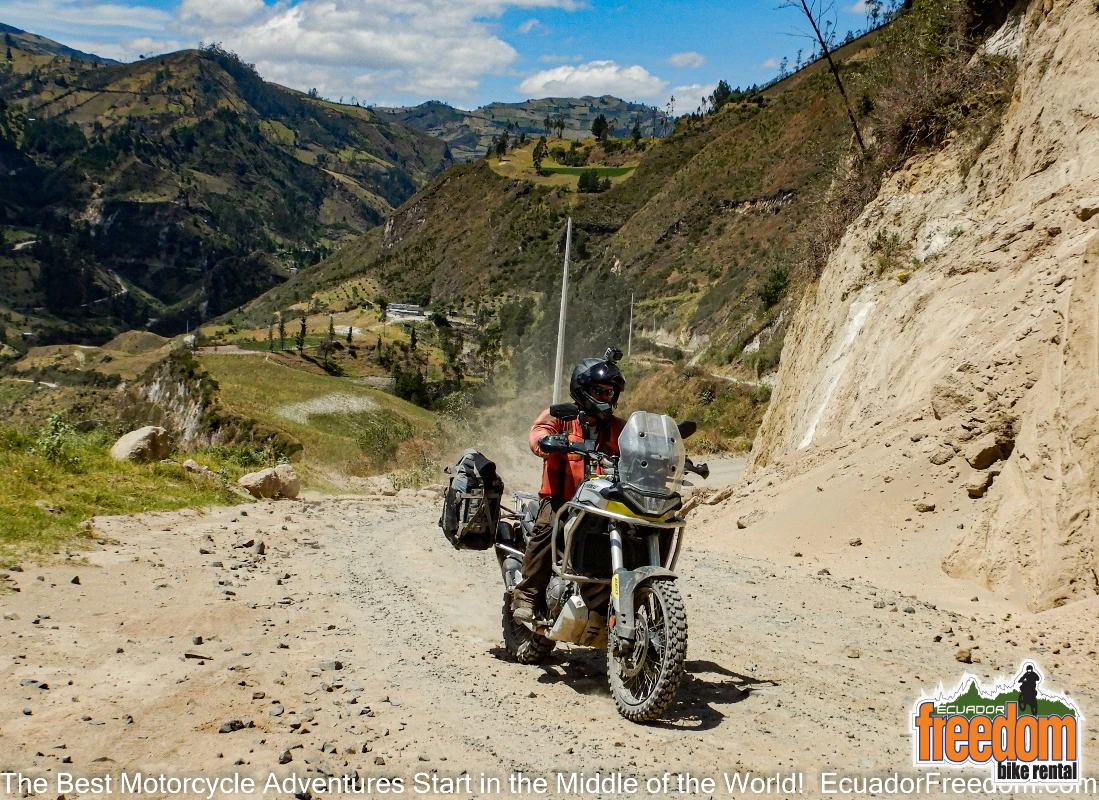
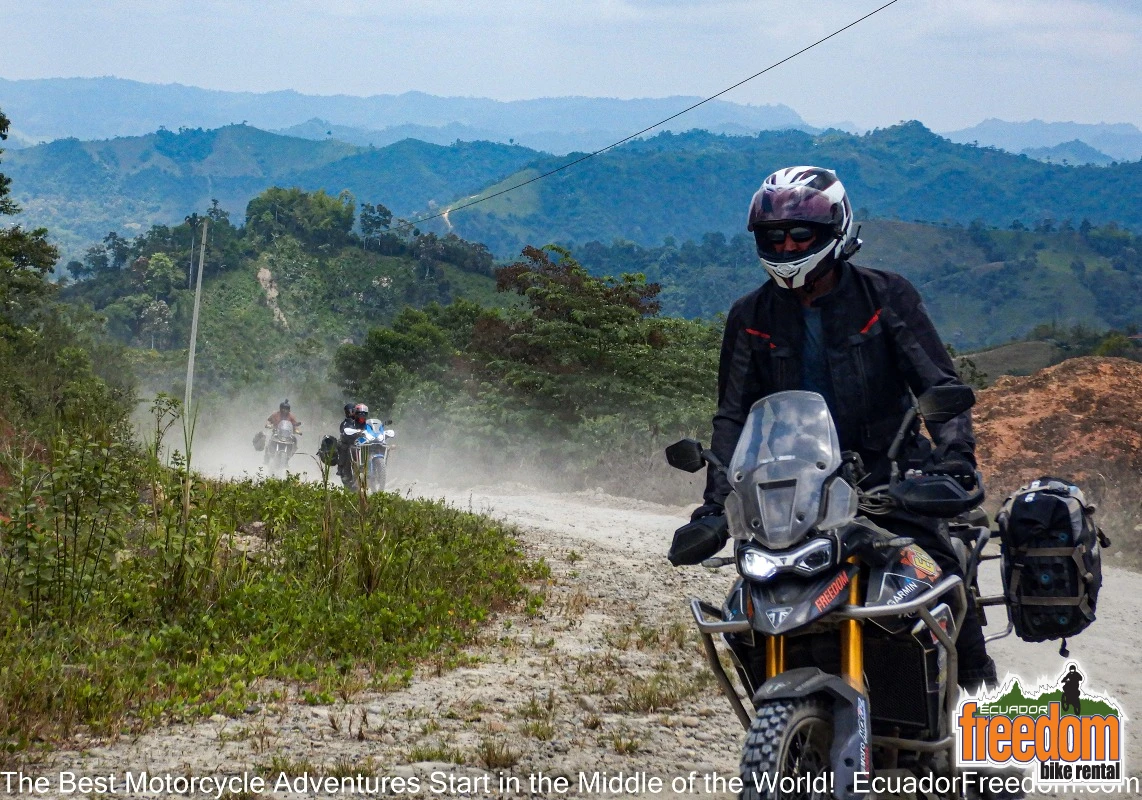
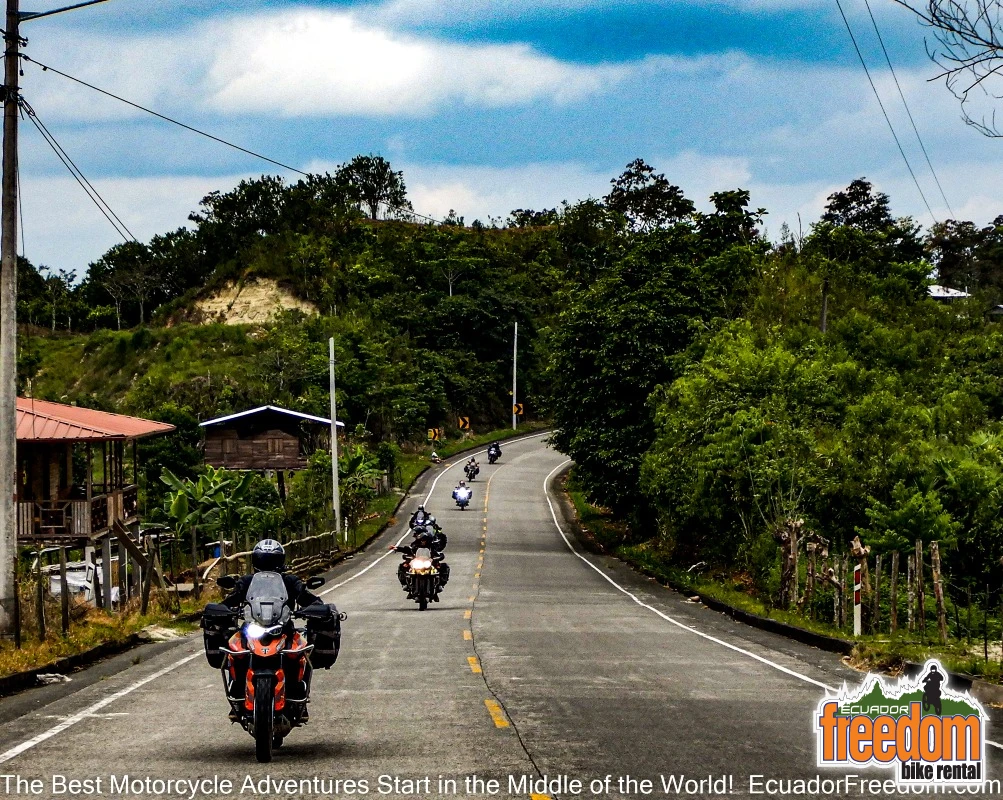
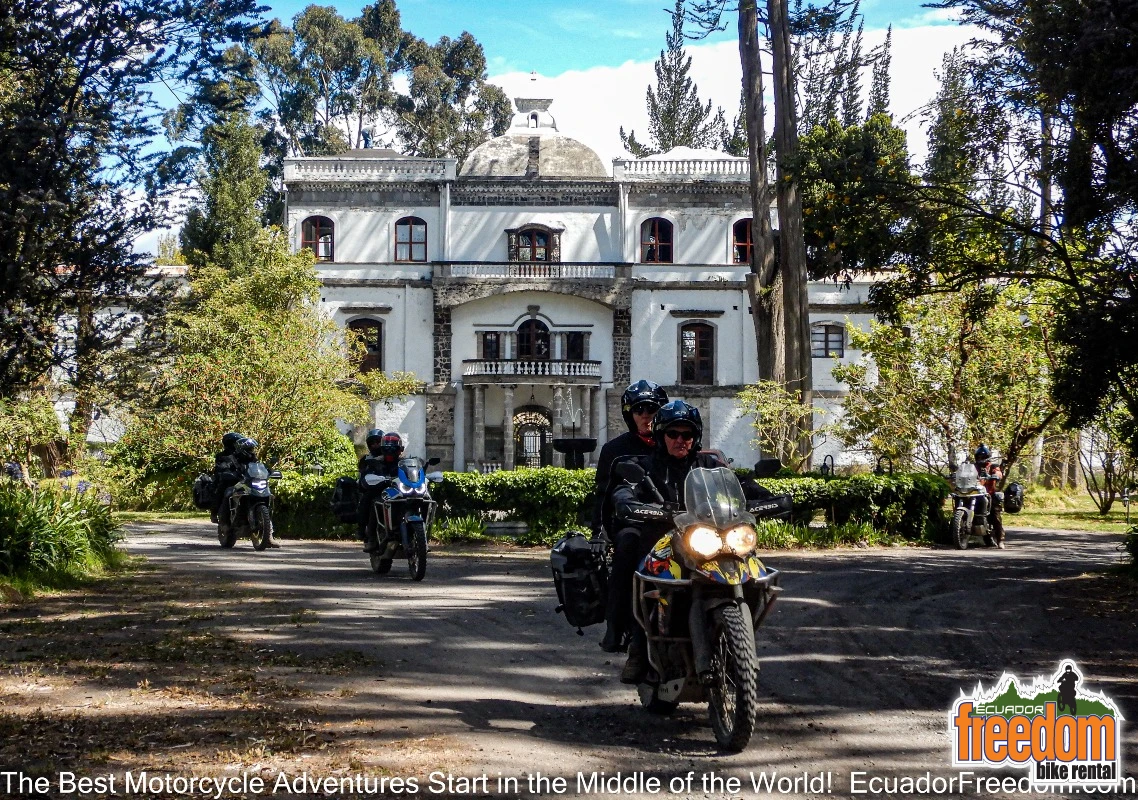
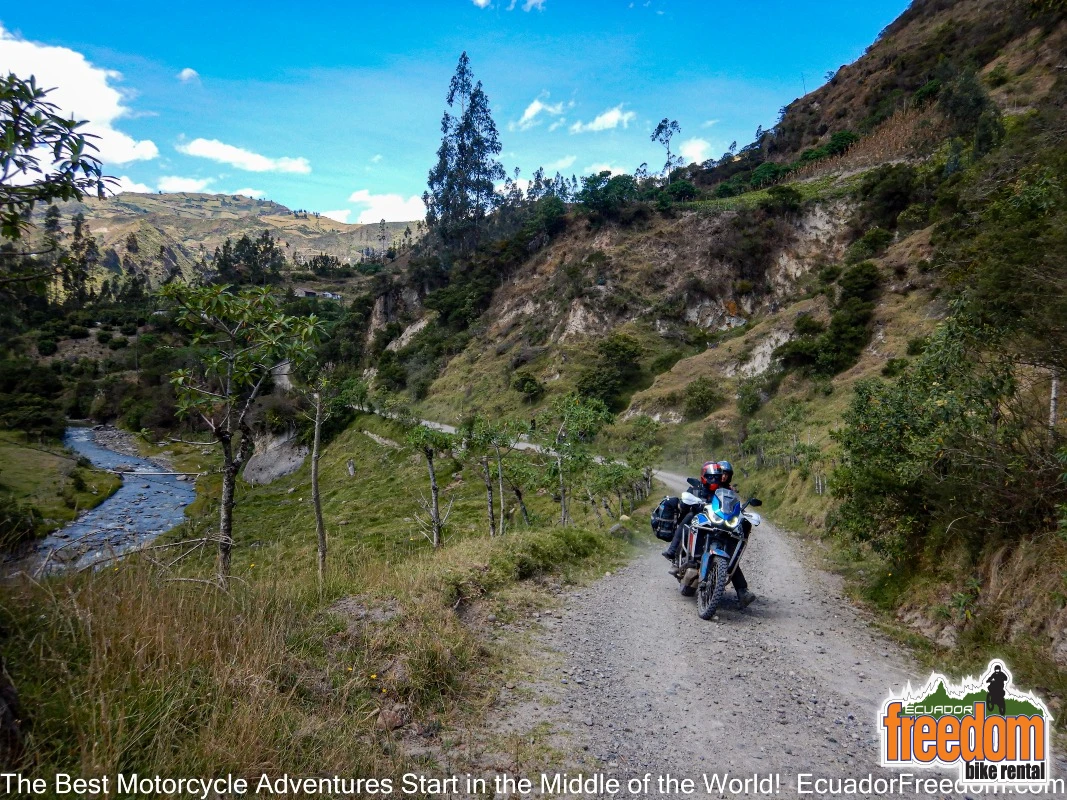
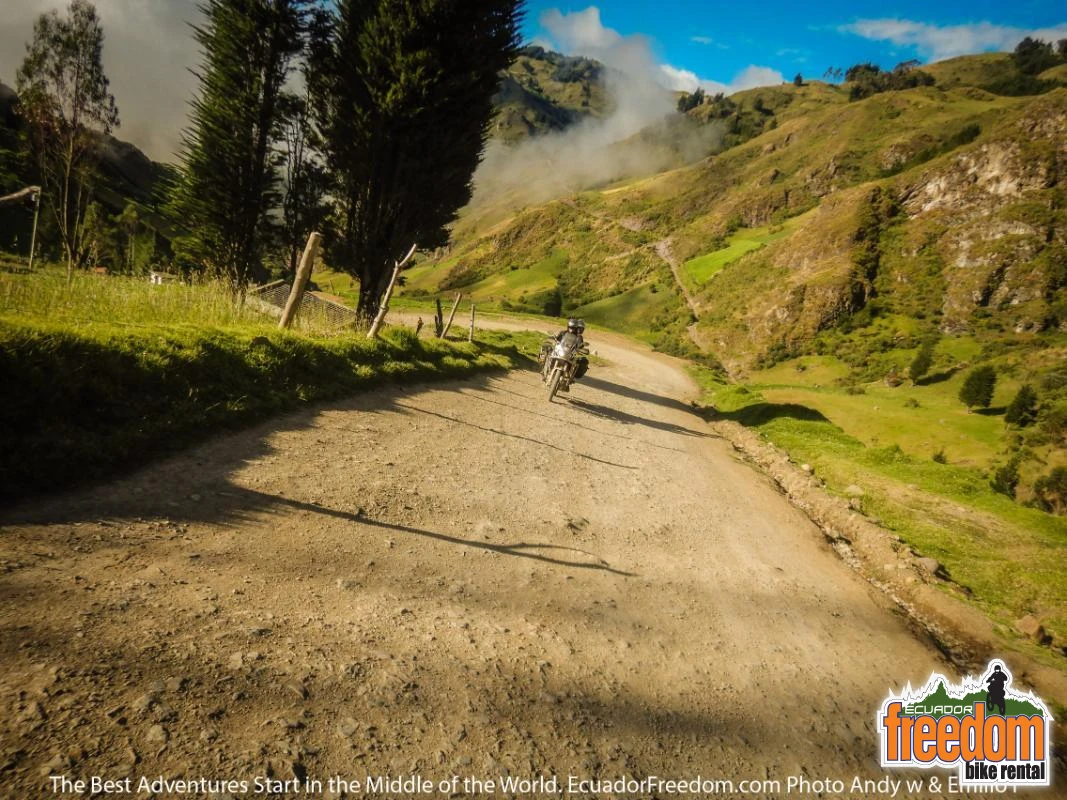
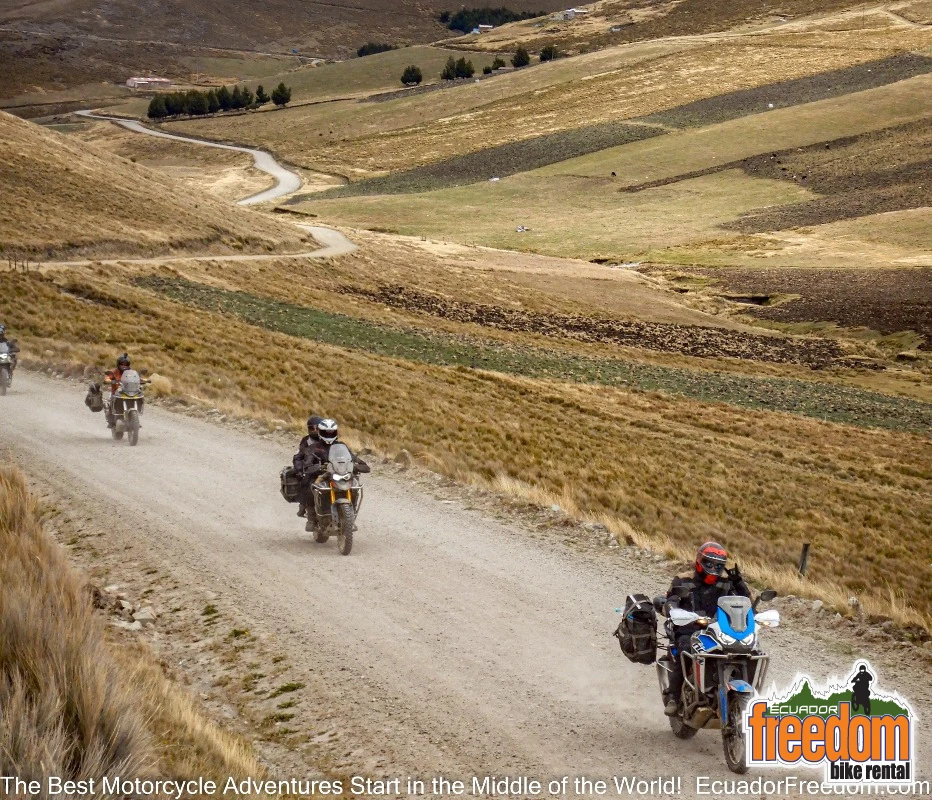
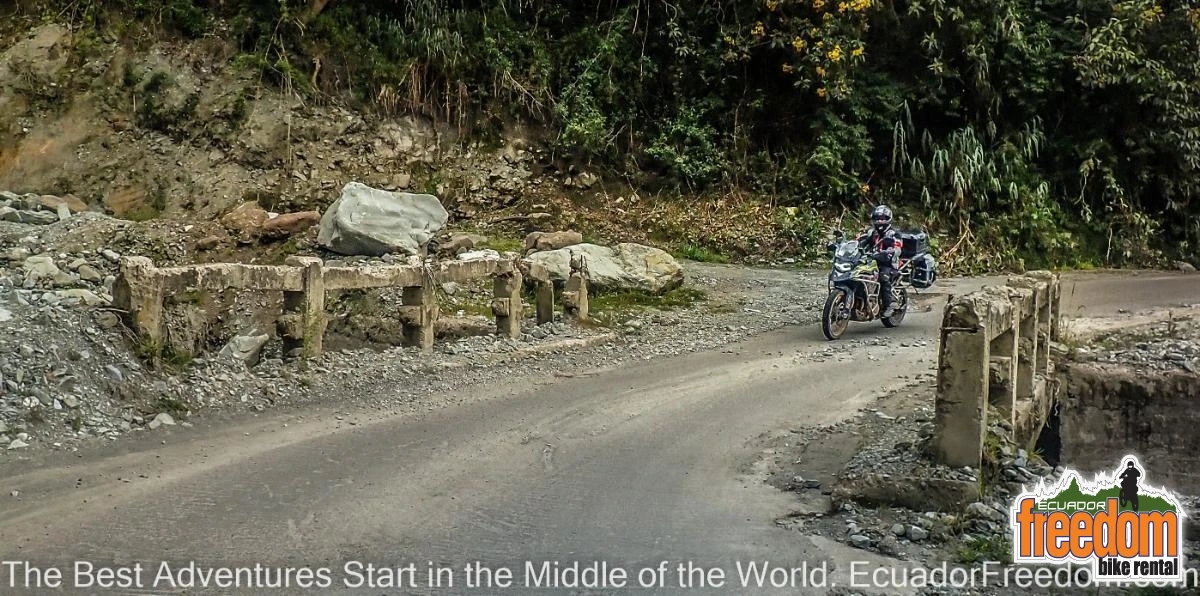
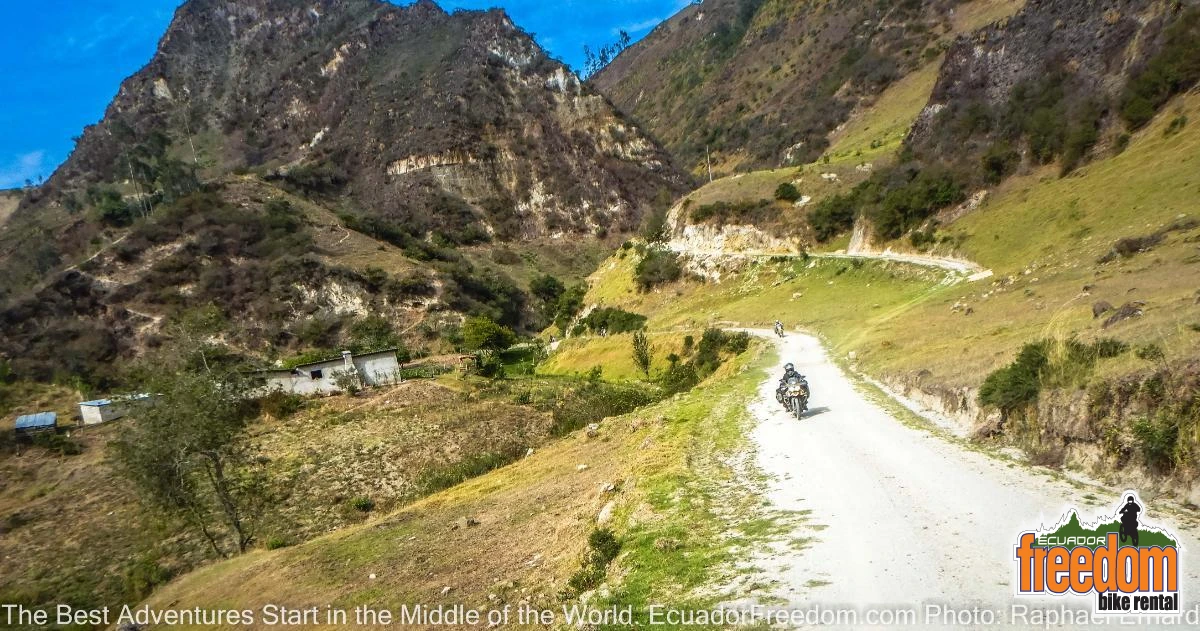
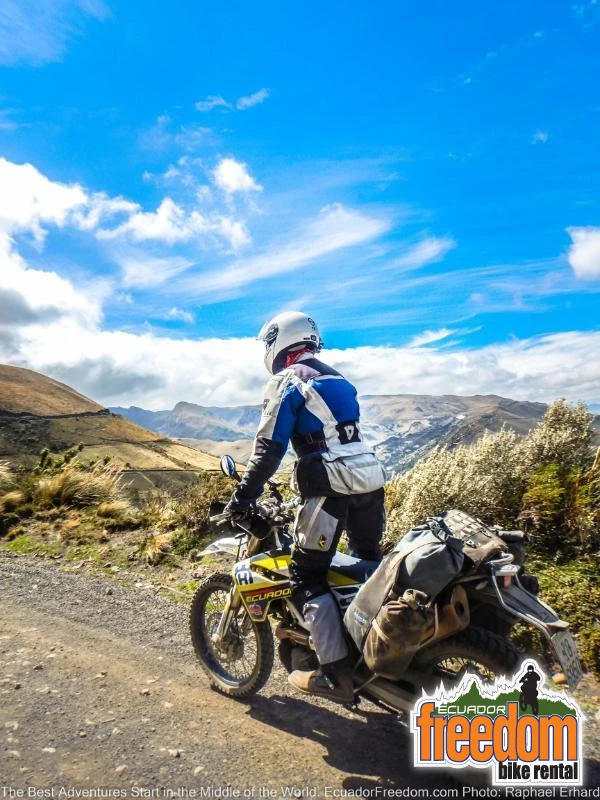
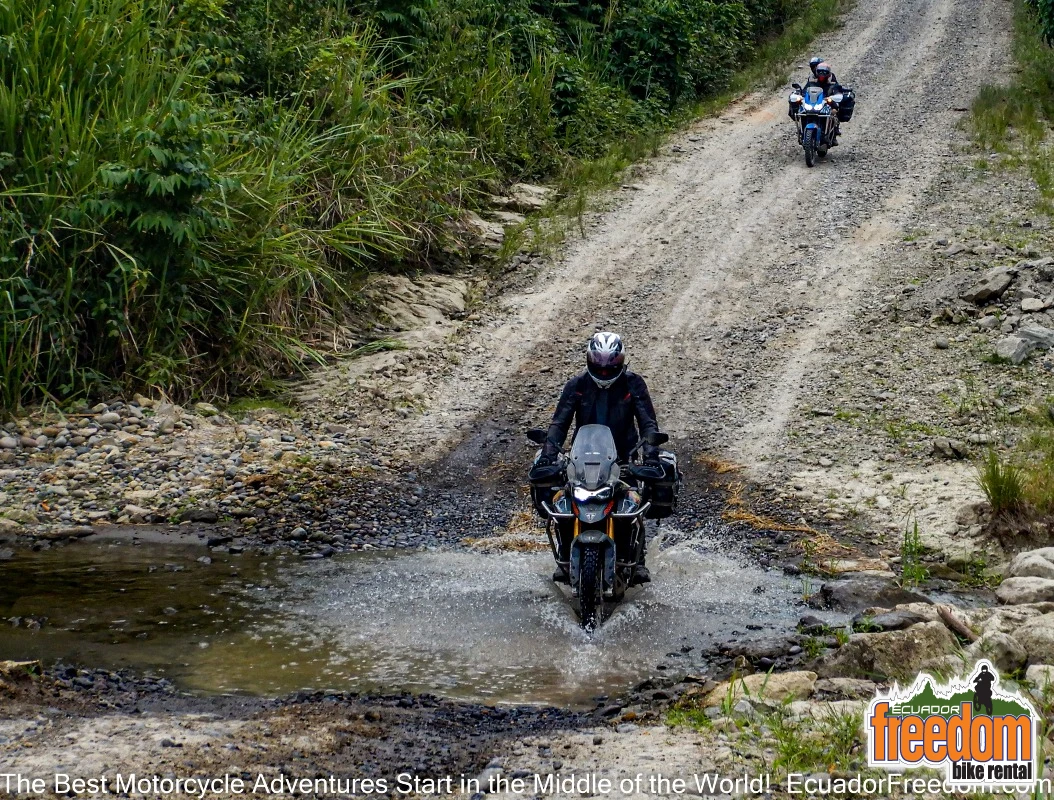
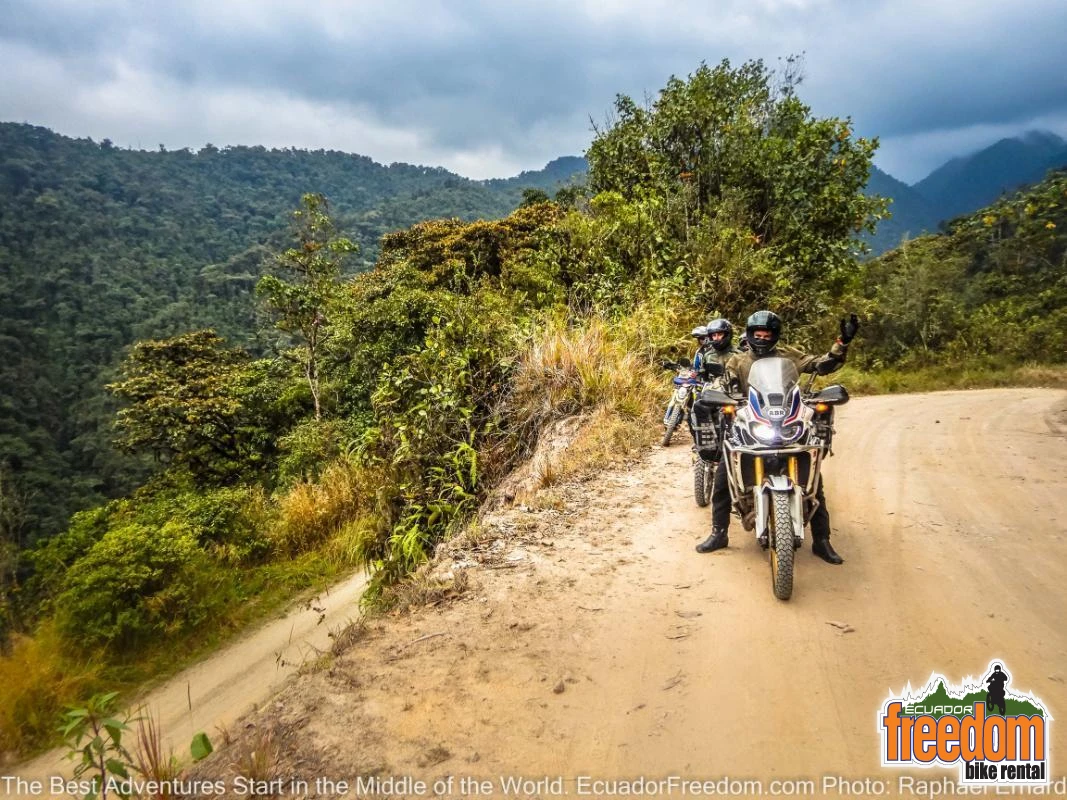
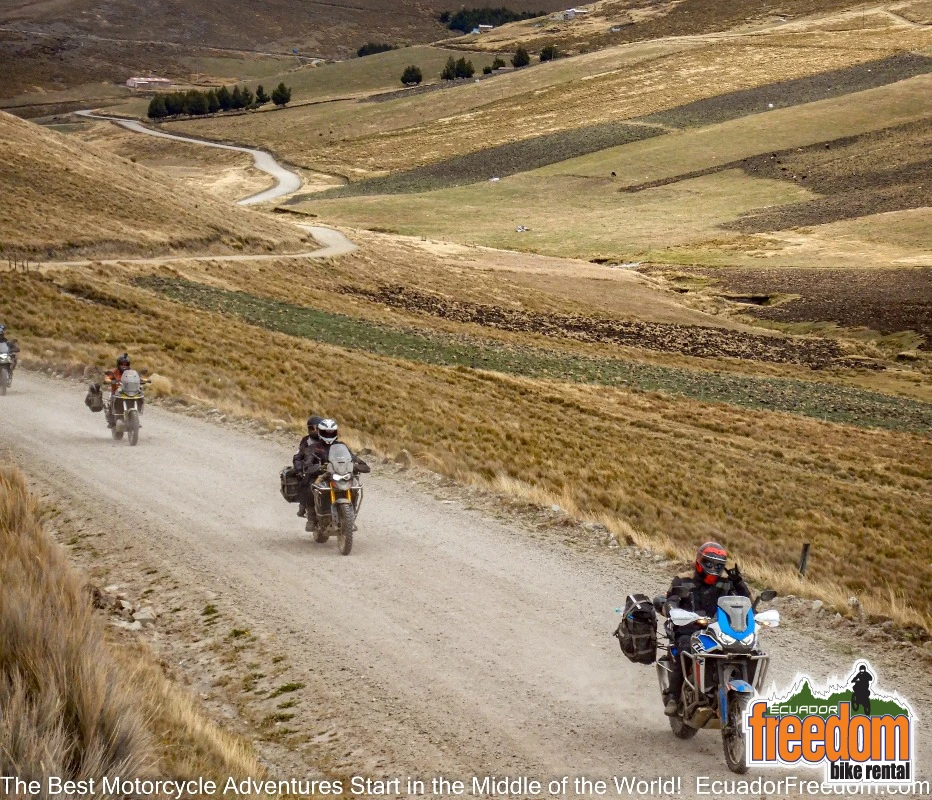
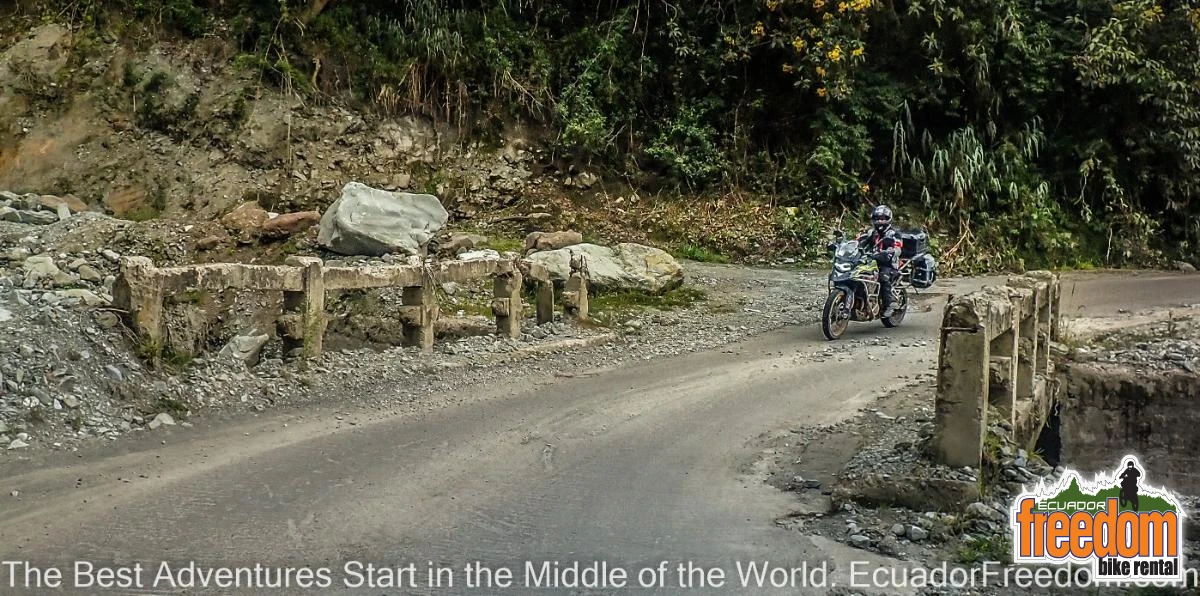
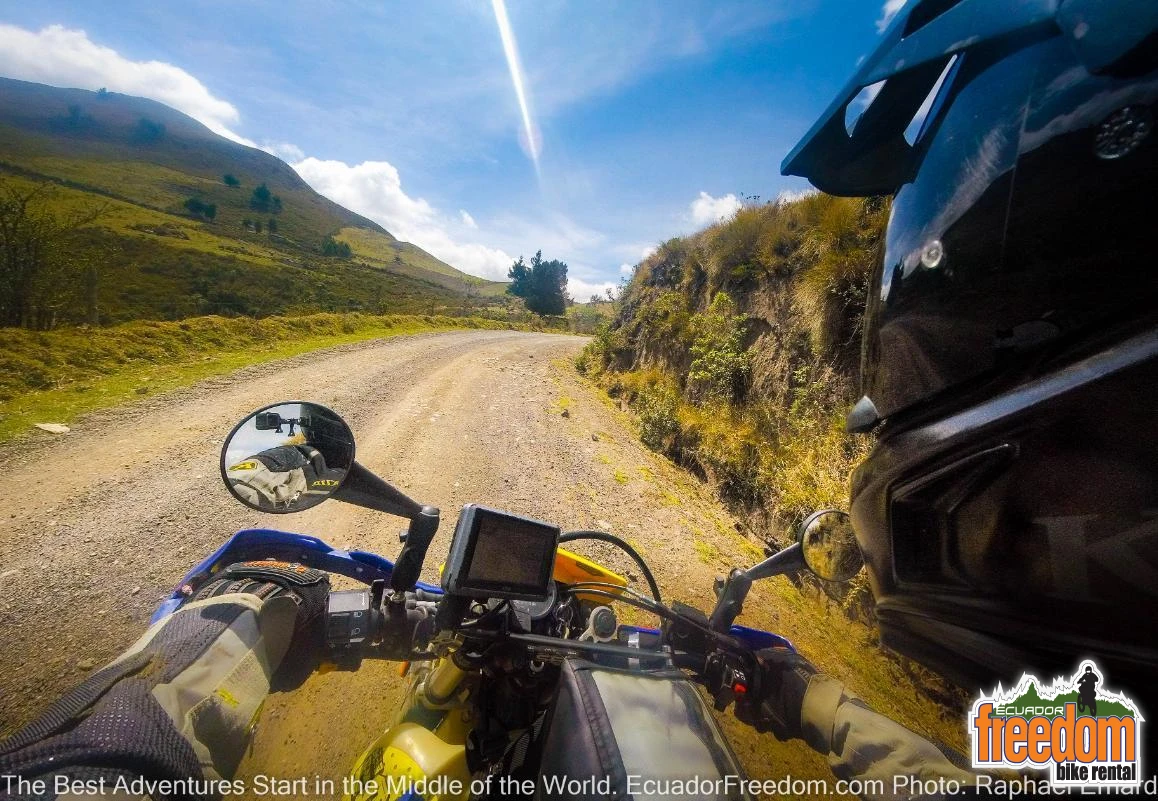
During the first morning of the tour, you’ll be outfitted with the motorcycle of your choice and given a thorough orientation answering all questions concerning local customs, rules of the road, riding signals, Ecuadorian driver courtesies, and more. The first day’s ride purposefully includes a sampling of the different types of roads that will be ridden. You will have the opportunity to safely become accustomed to asphalt, dry gravel, cobblestone, and dirt farm roads.
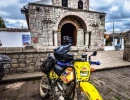
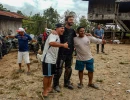
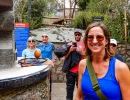
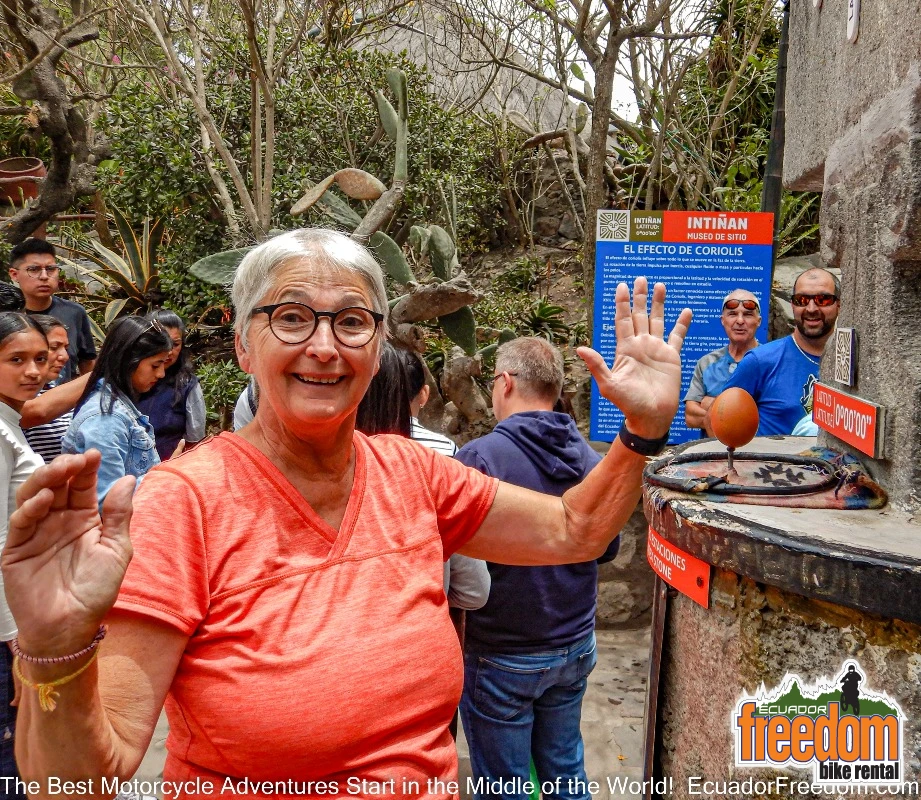
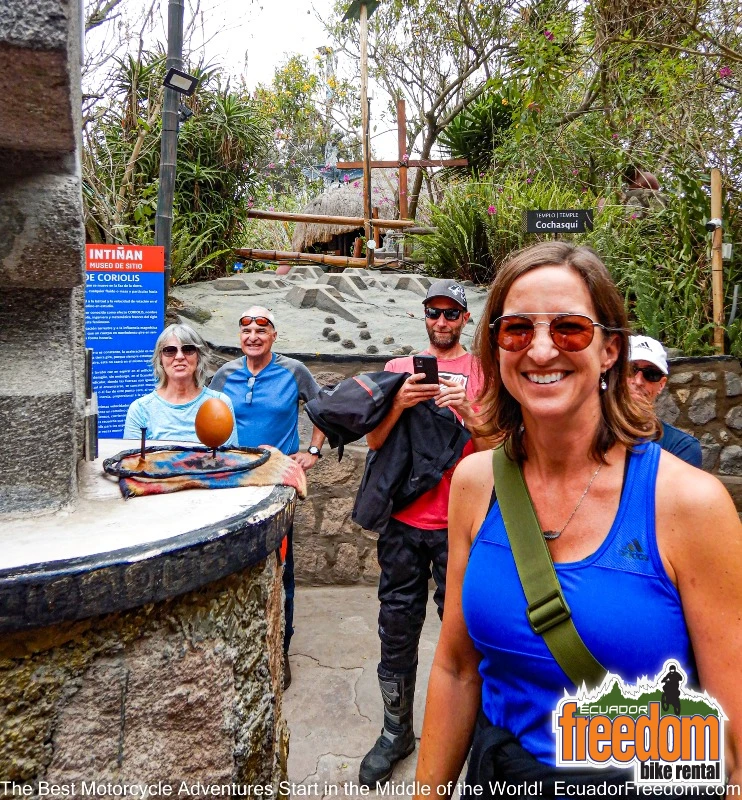
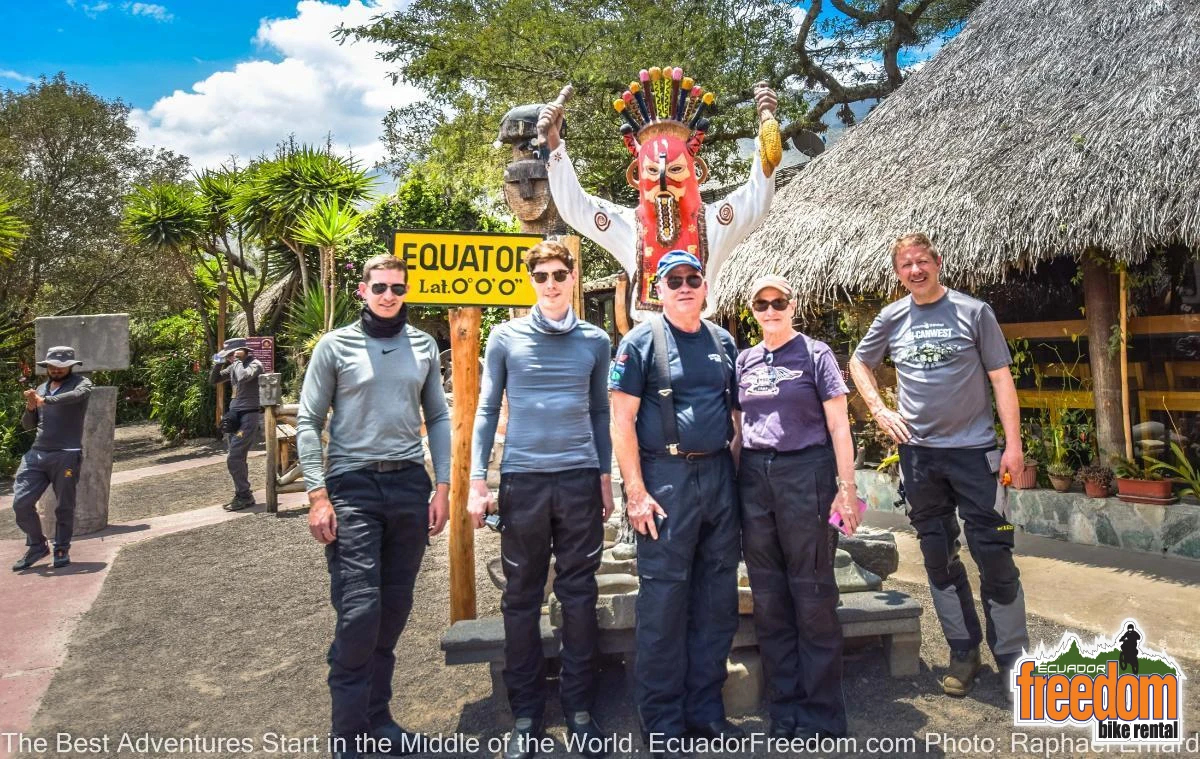
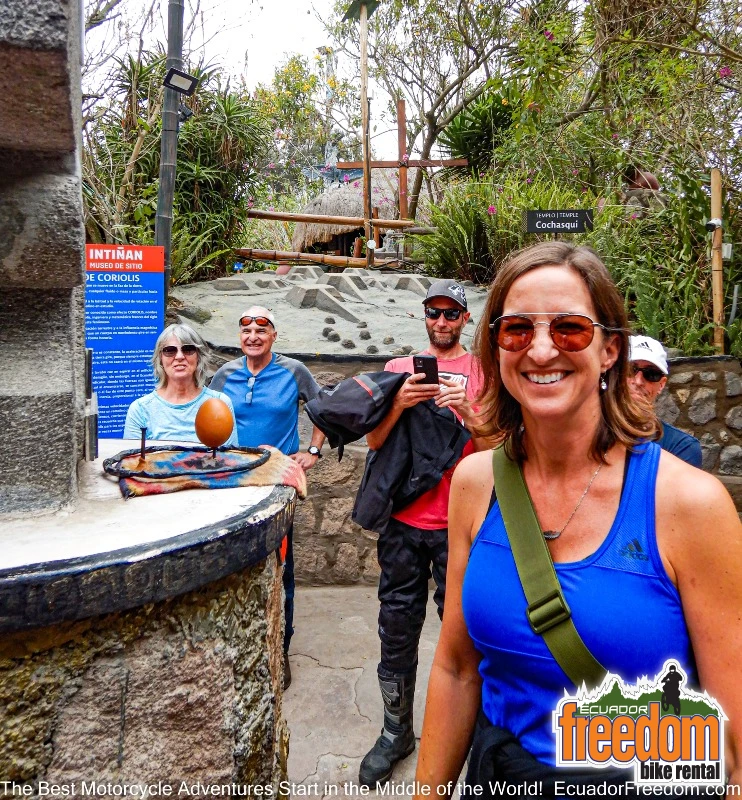
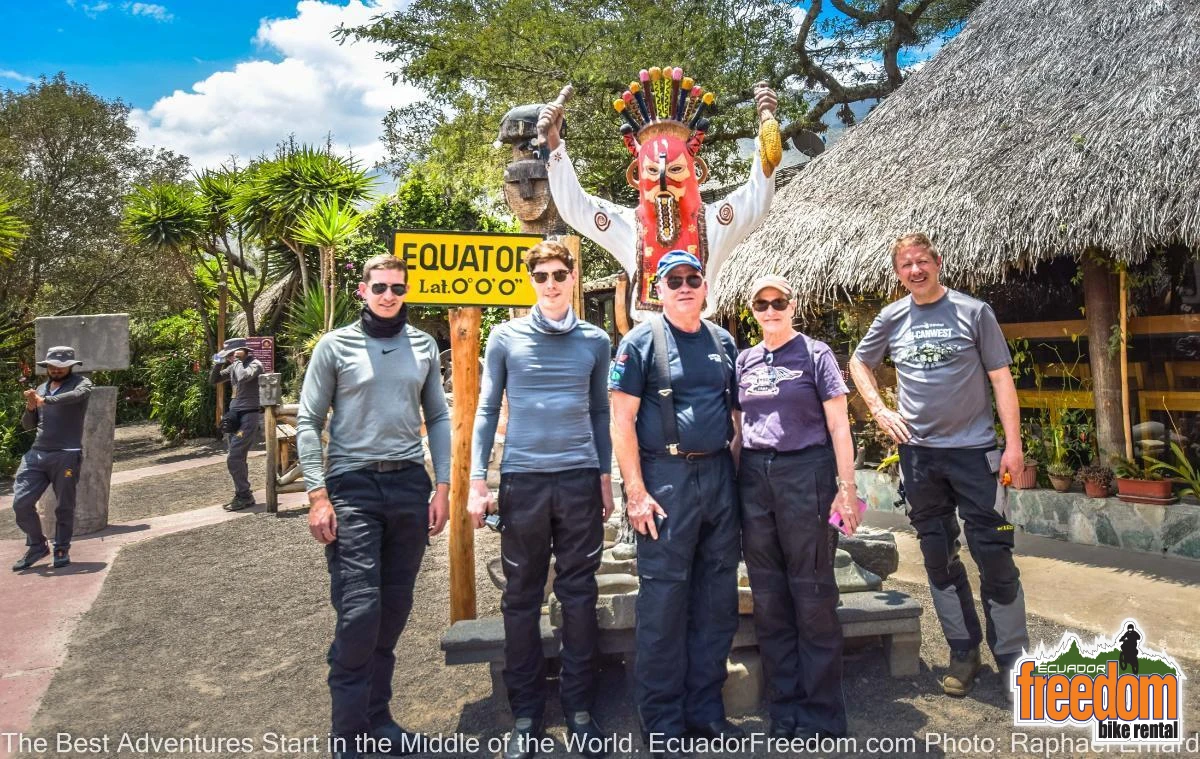
 Inti-ñan means “path of the Sun” in the Quechua language, and the Inti-ñan Museum is situated directly on the Equator. The indigenous peoples have revered this site for thousands of years. Our group will learn how ancient people understood that this was the center of the world centuries before the advent of modern geography or GPS devices. During our first stop directly on the “red line,” you will experiment with gravity, including witnessing how water drains either clockwise or counter-clockwise, depending on which side of the Equator you are standing. You will also have the opportunity to see how the indigenous populations of Ecuador live by visiting models of their homes. This will enable you to better understand the cultures and ways of life you will experience as we pass through the various regions.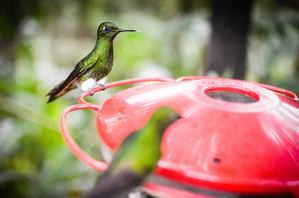
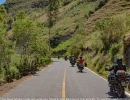
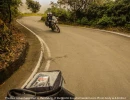
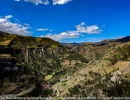
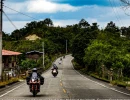
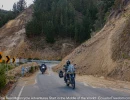
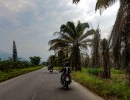
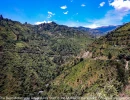
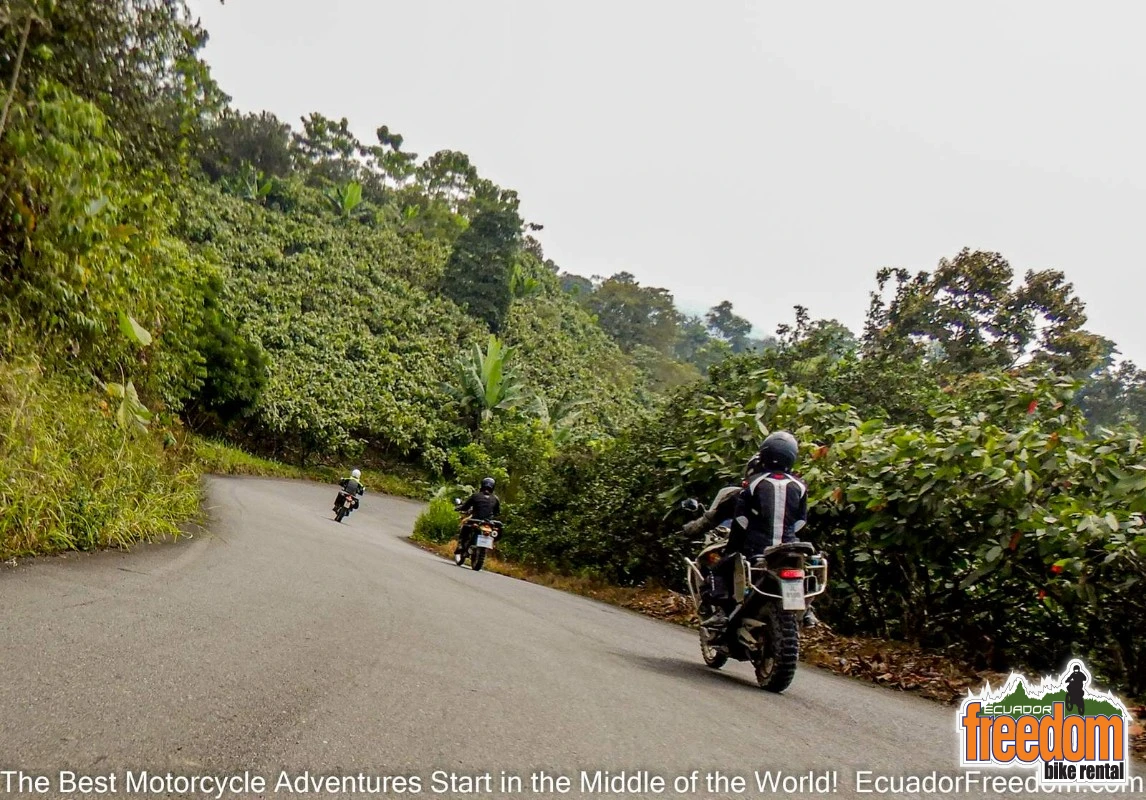
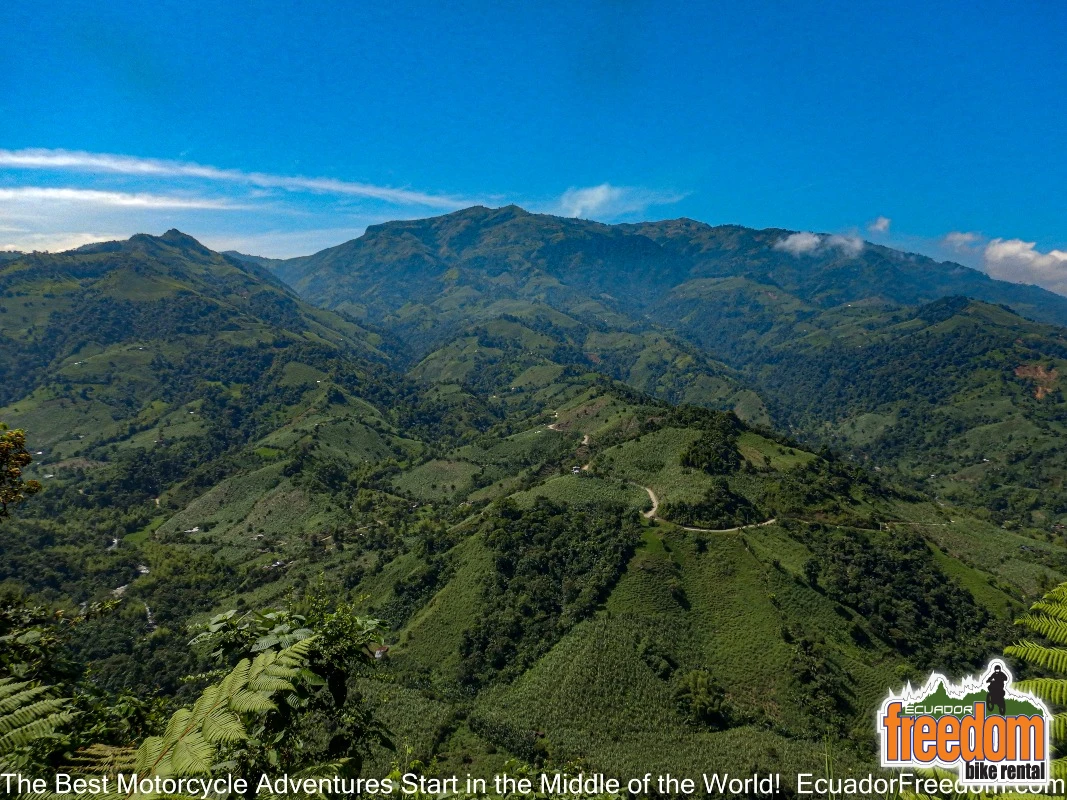
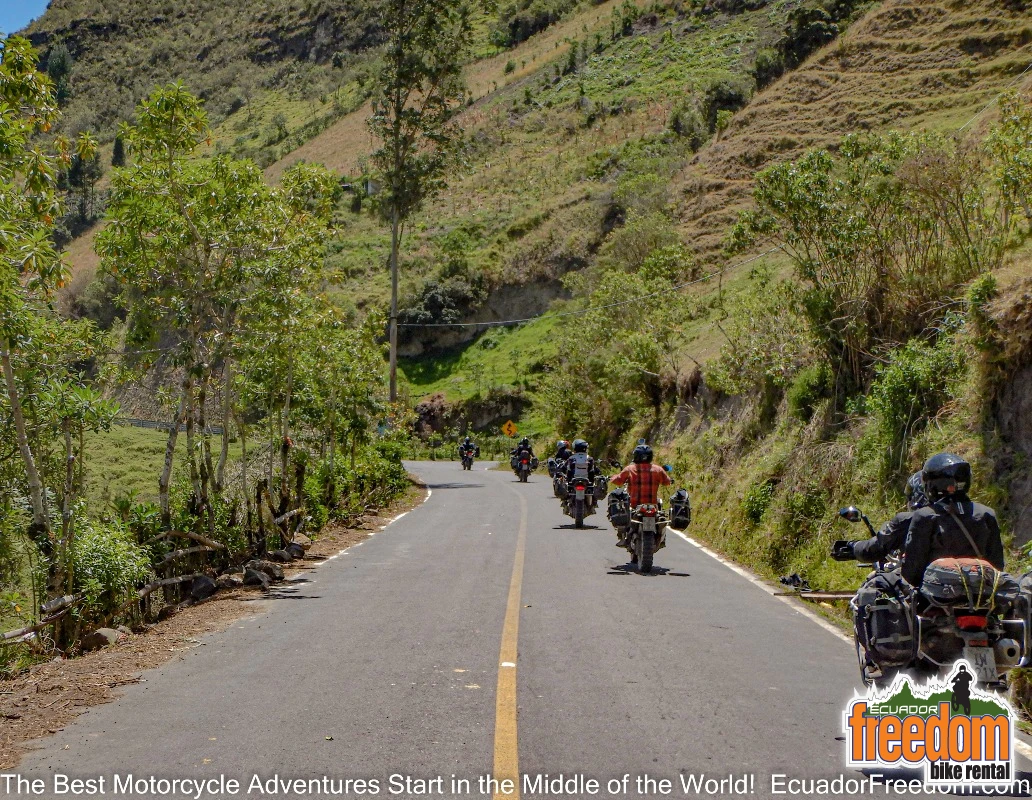
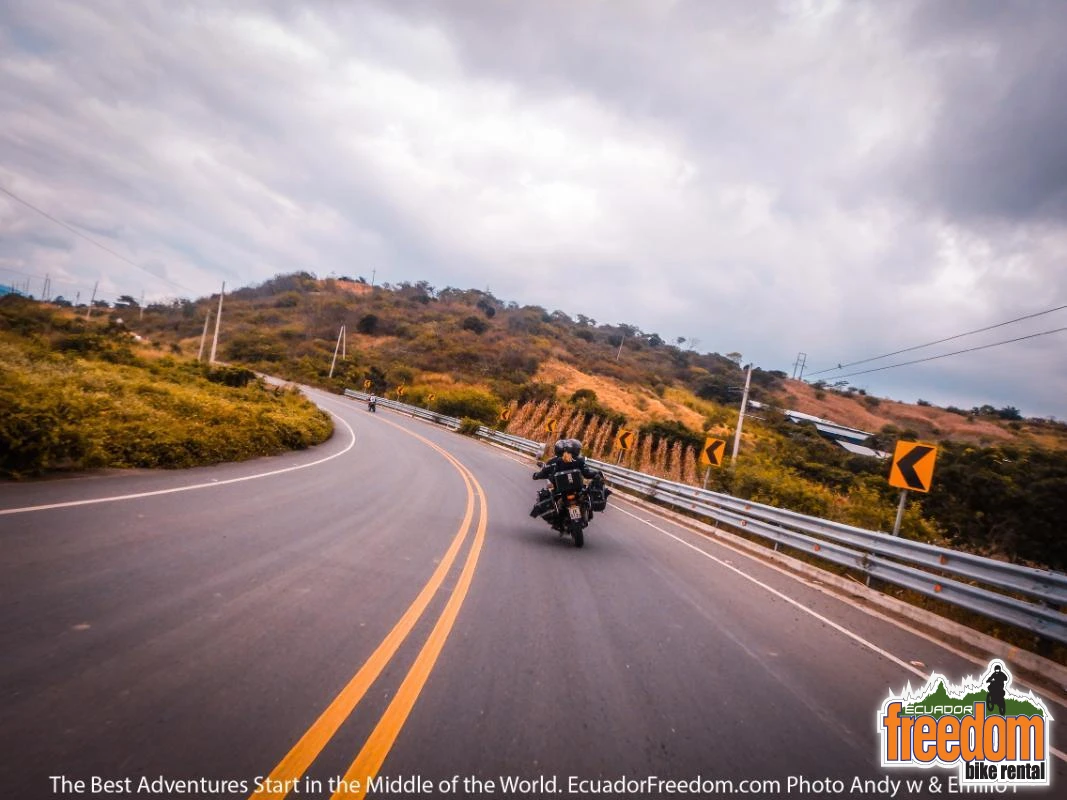
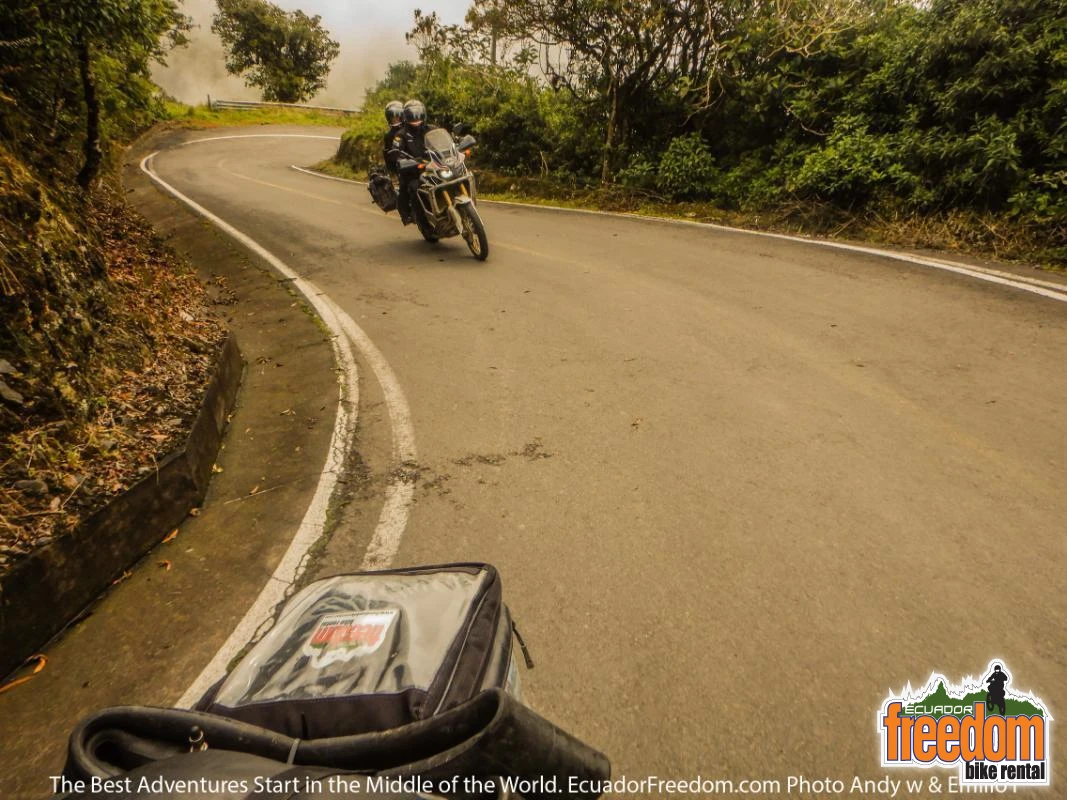
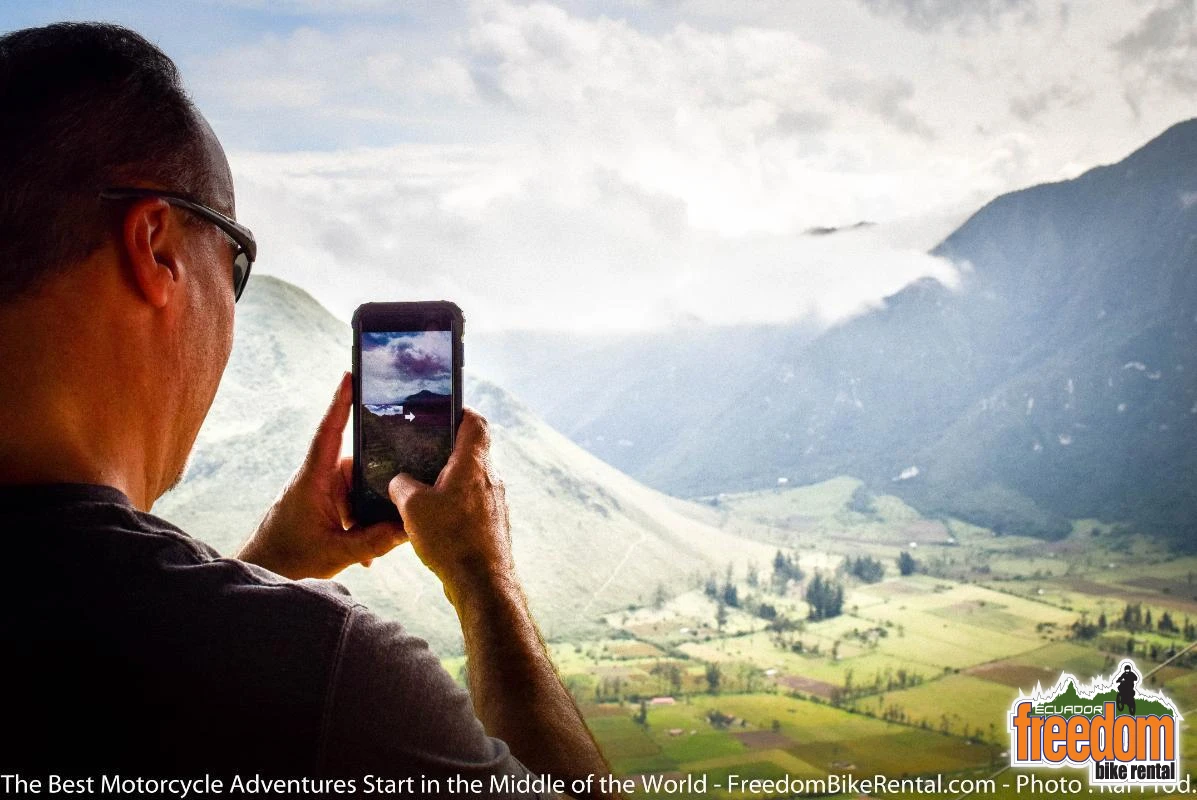
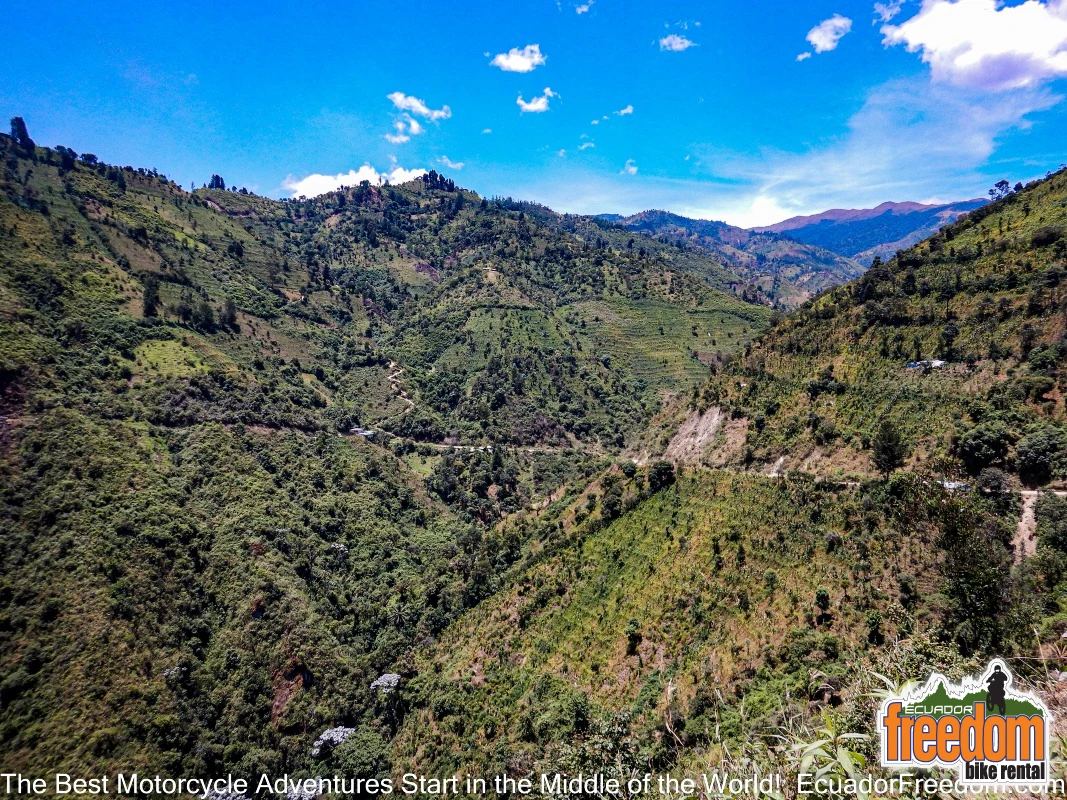
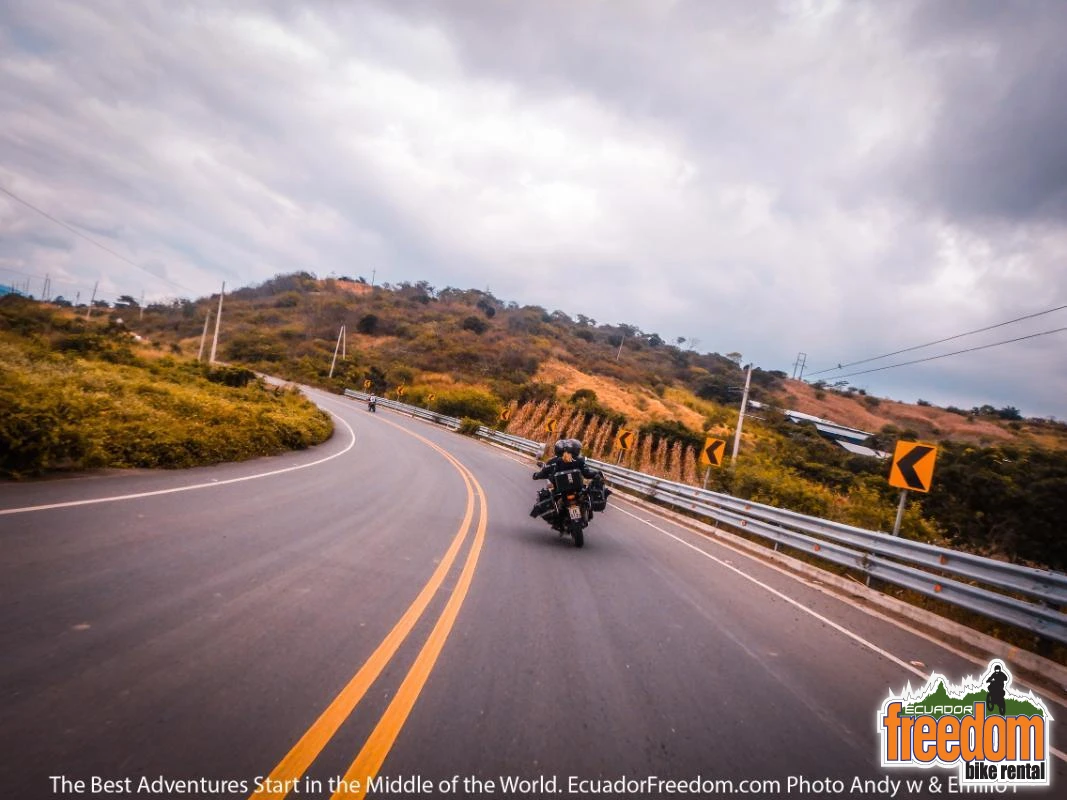
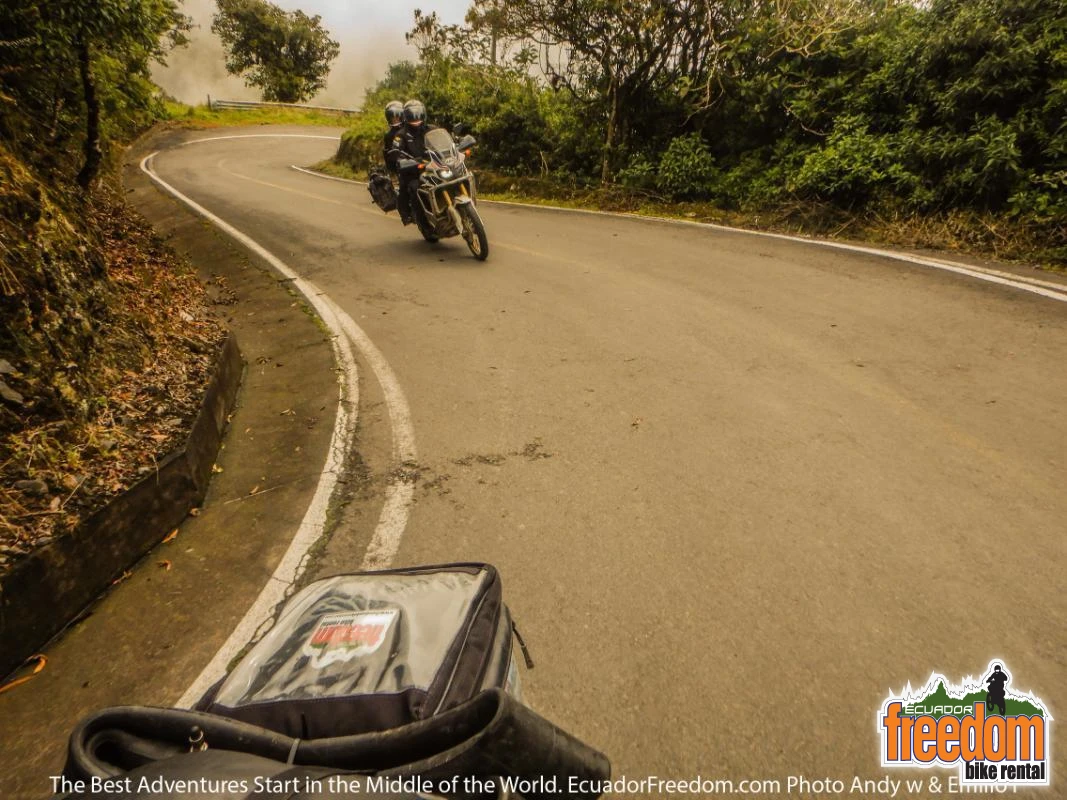
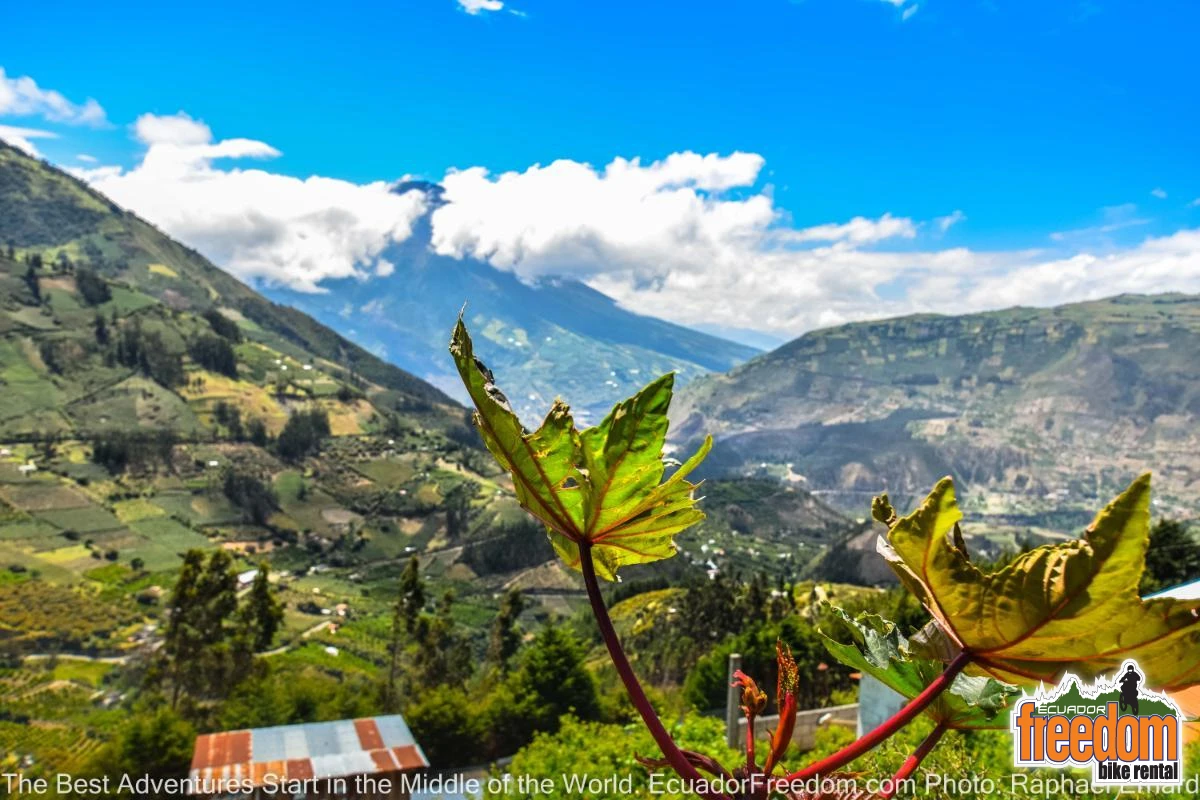
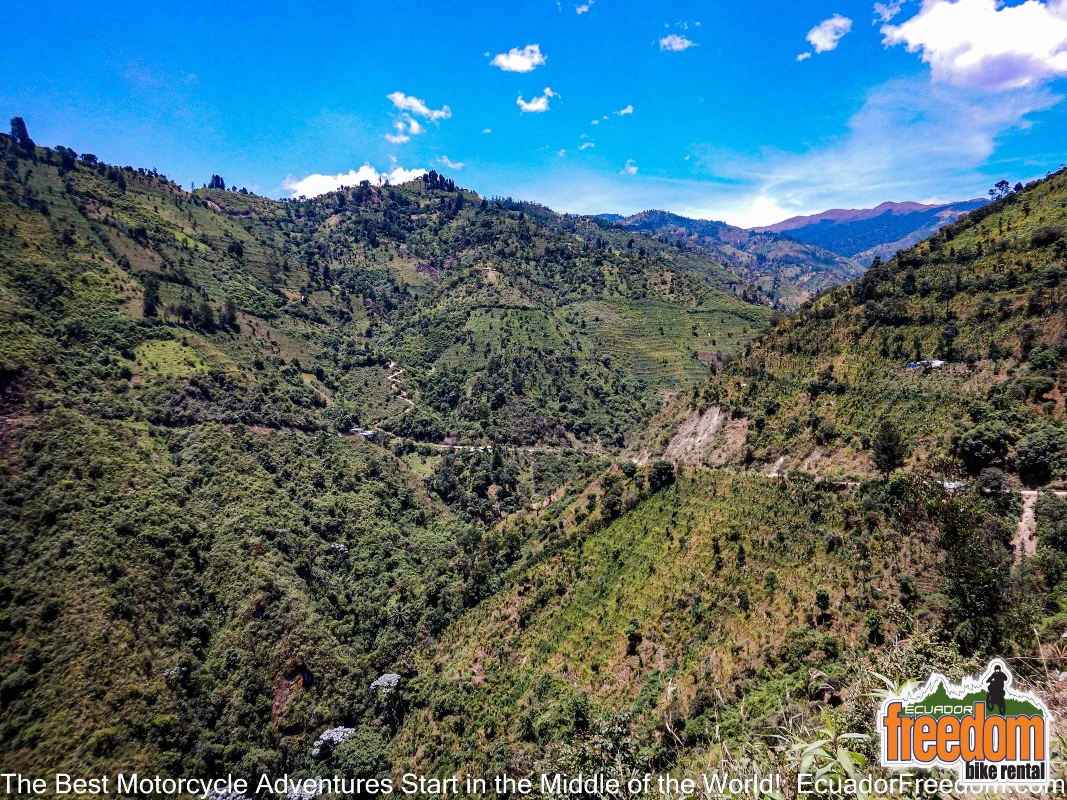
Departing the Inti-ñan Museum, we are officially outside the Quito metropolitan region and have begun riding in the Northern Hemisphere. Our second stop is to view the beautiful Pululahua Crater Geo-Botanical Reserve, a crater formed by a volcanic eruption 2,500 years ago. From there, head onto the Andes' western slopes full of dense, green forests and steep mountains. The roads have been recently paved, and riding these sharp curves is sure to be exhilarating fun.
We will have lunch in the garden of a fantastic restaurant in the heart of the cloudforest. We'll watch in amazement as hundreds of colorful birds surround us as we enjoy our first Ecuadorian meal together.
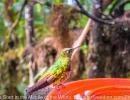
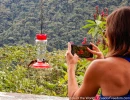
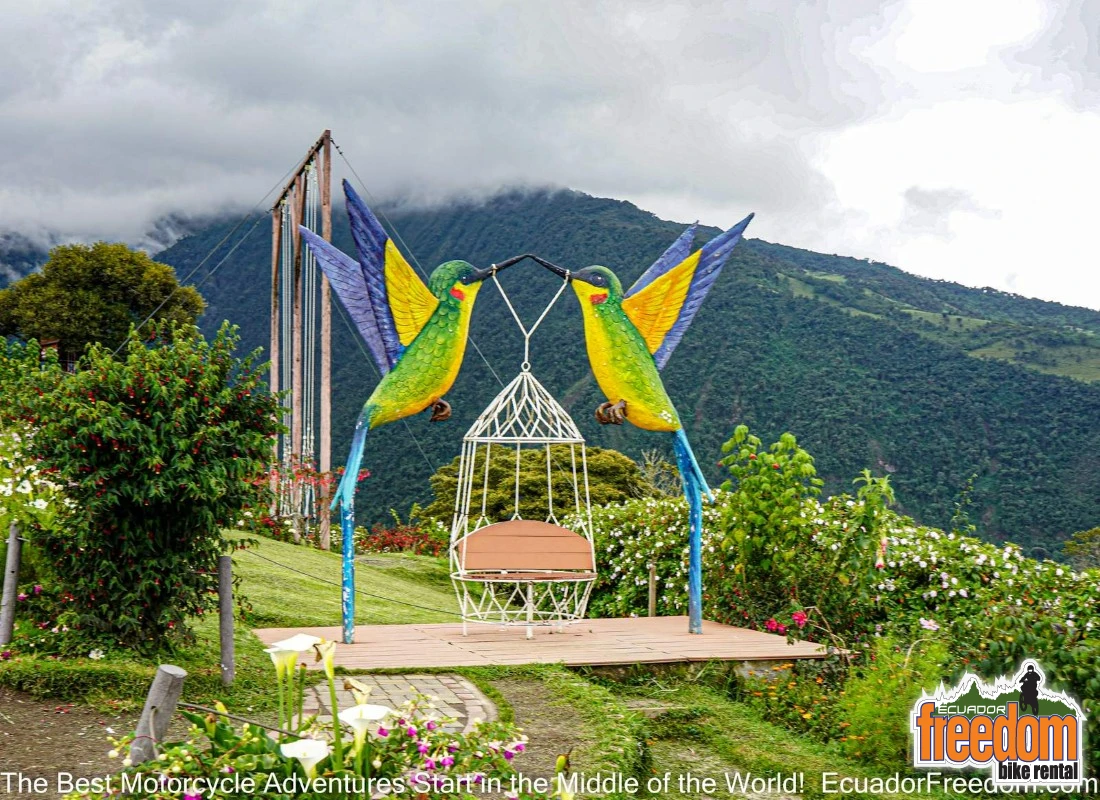
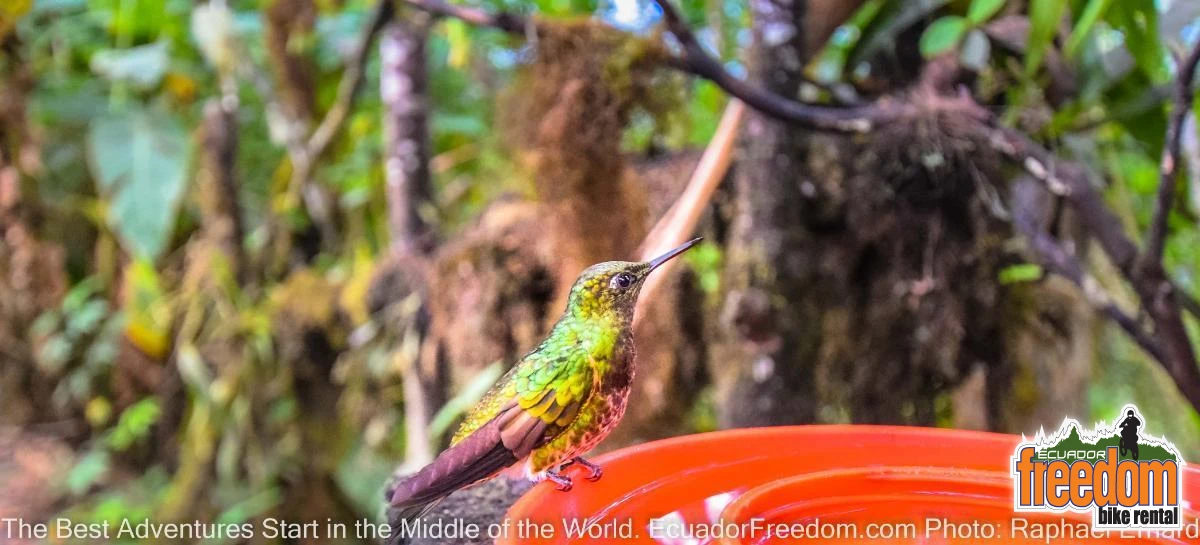
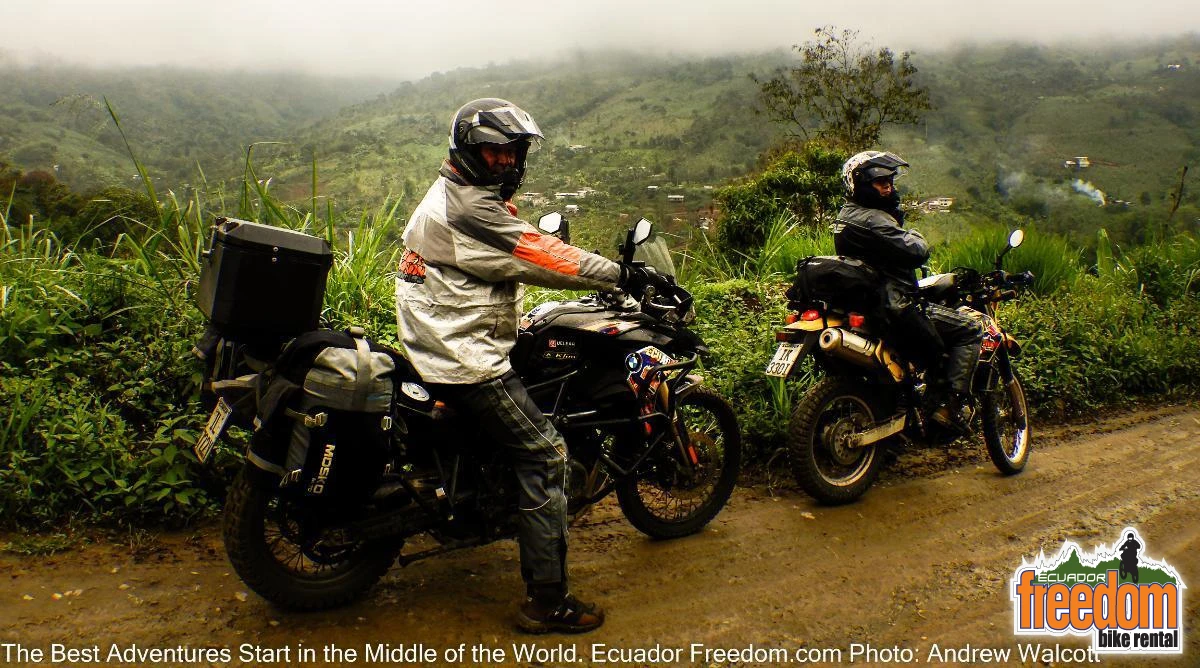
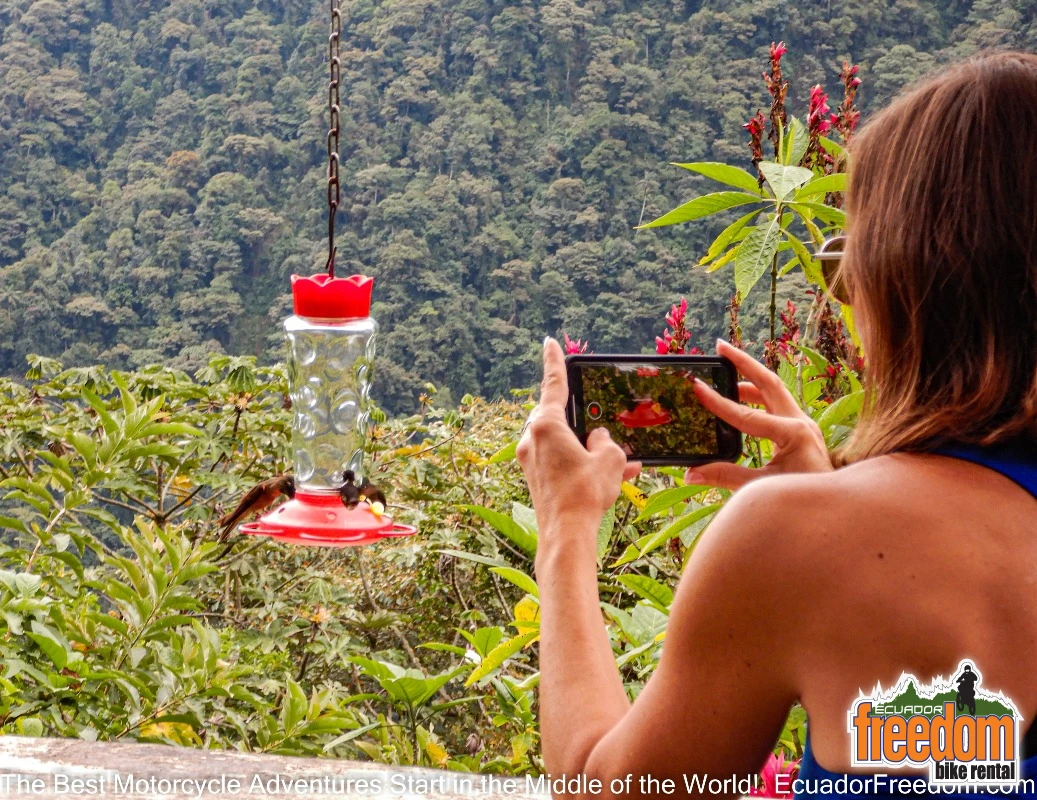
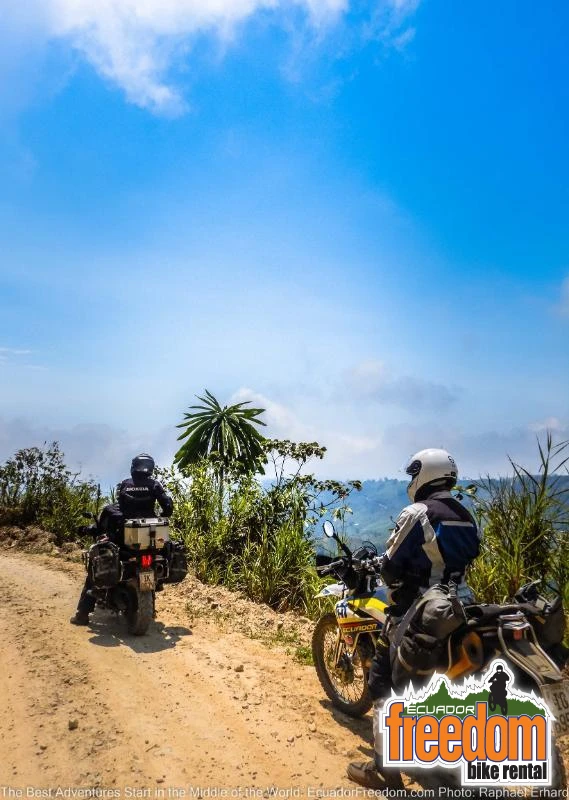
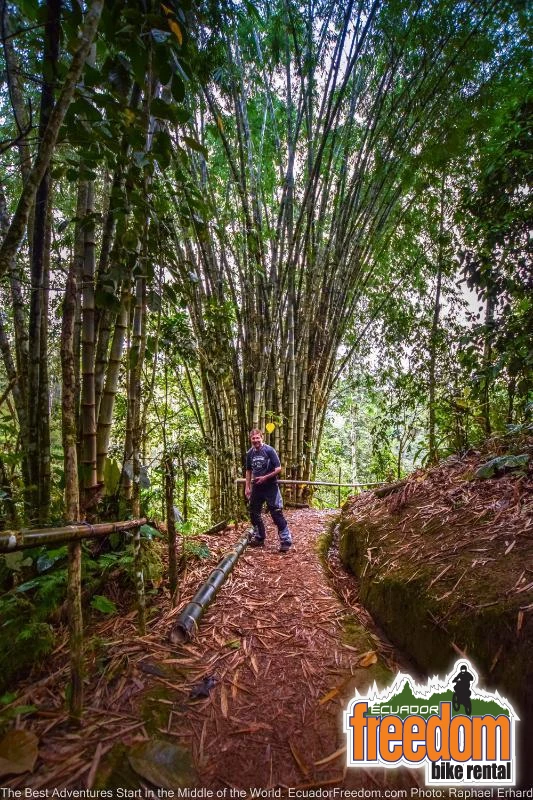
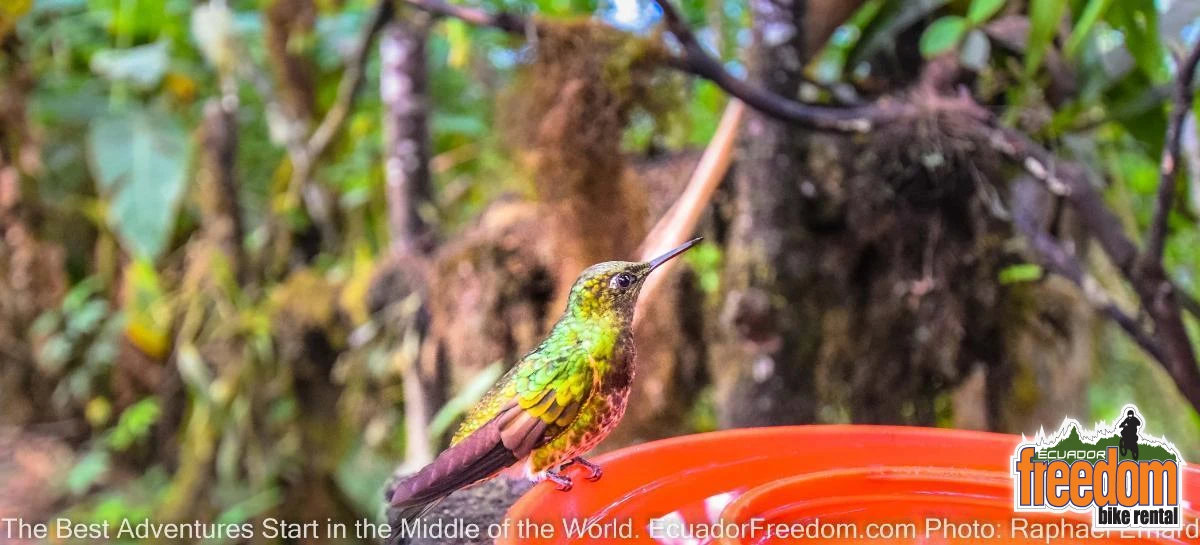
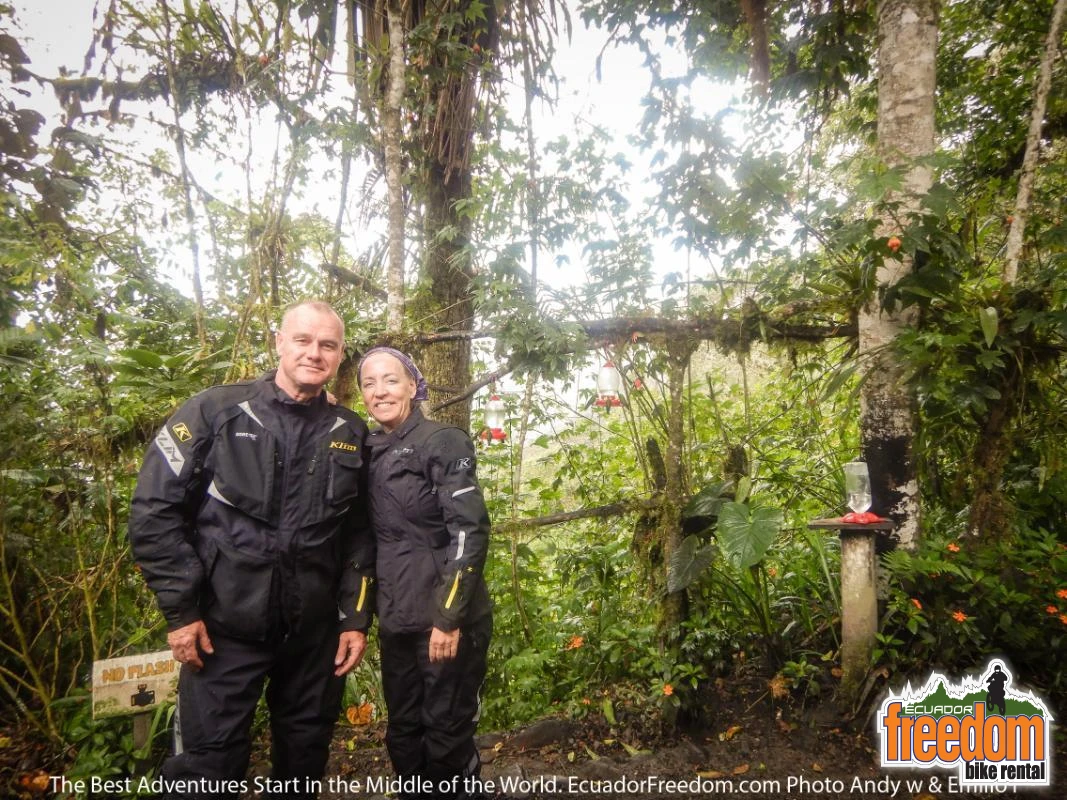
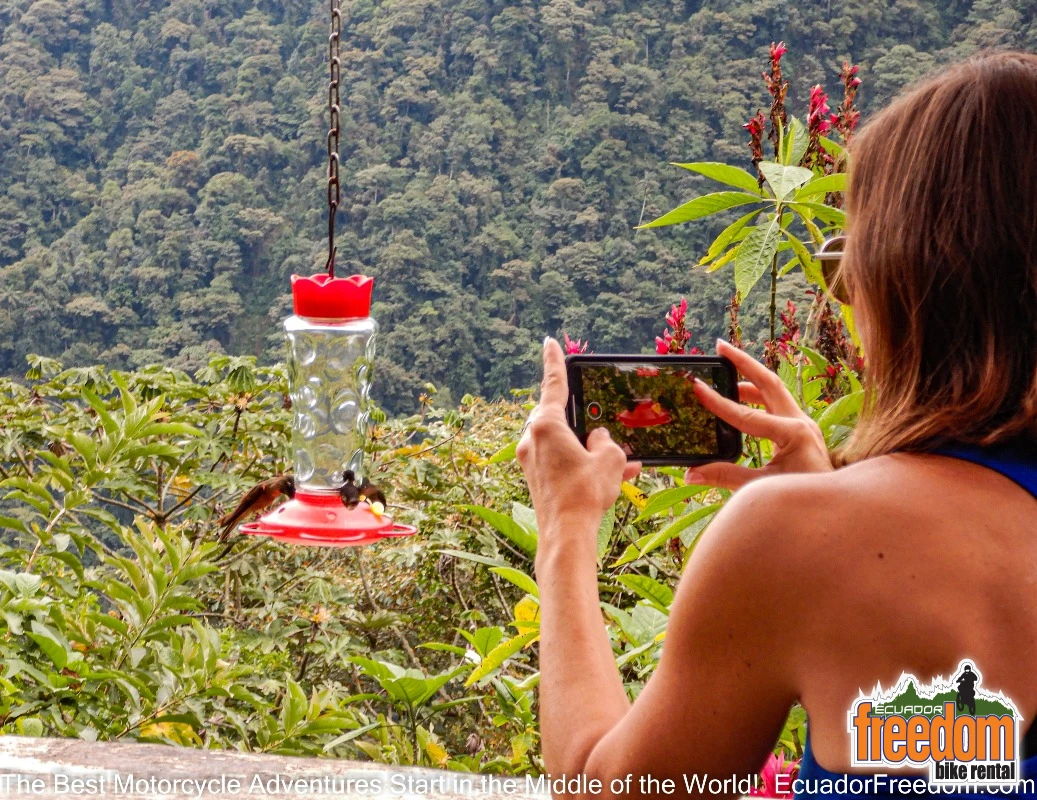
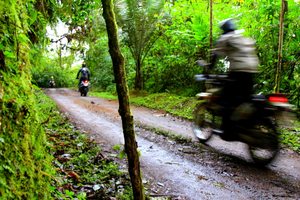 Changing the pace a little bit, we take a left turn off the main highway and venture onto an unpaved, unmarked road that leads even deeper into the cloudforest. Here, at the world-famous Bellavista Cloudforest Bird Lodge, we take a break on their fantastic patio and watch hundreds of hummingbirds flitting around us. These are all of a completely different species than the birds seen at lunch. There is no other place on earth where many species of birds can be viewed. Note that the unpaved section is optional - we can continue along the newly paved highway to Mindo if you are not comfortable riding on unpaved roads.
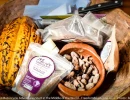
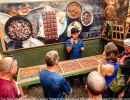
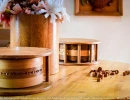
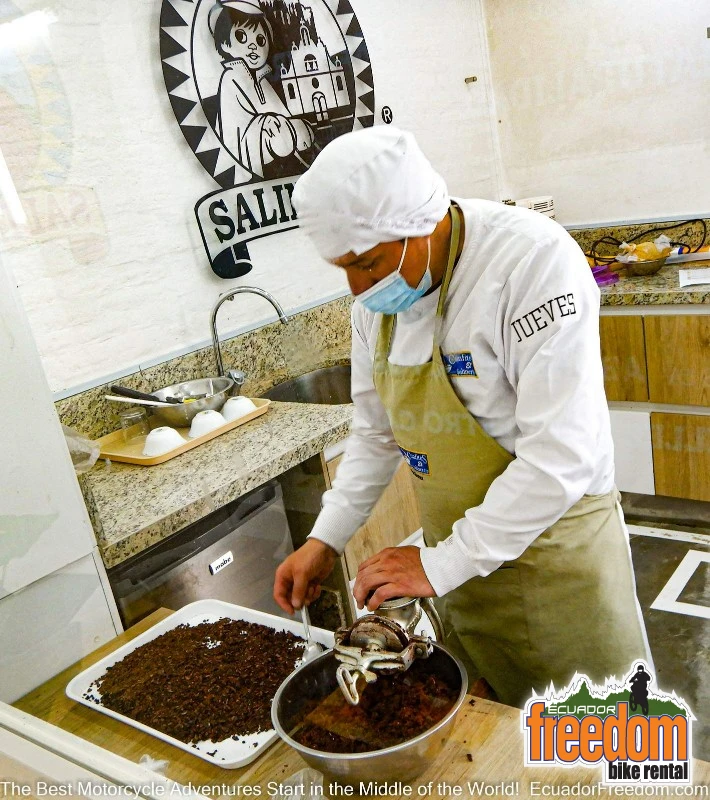
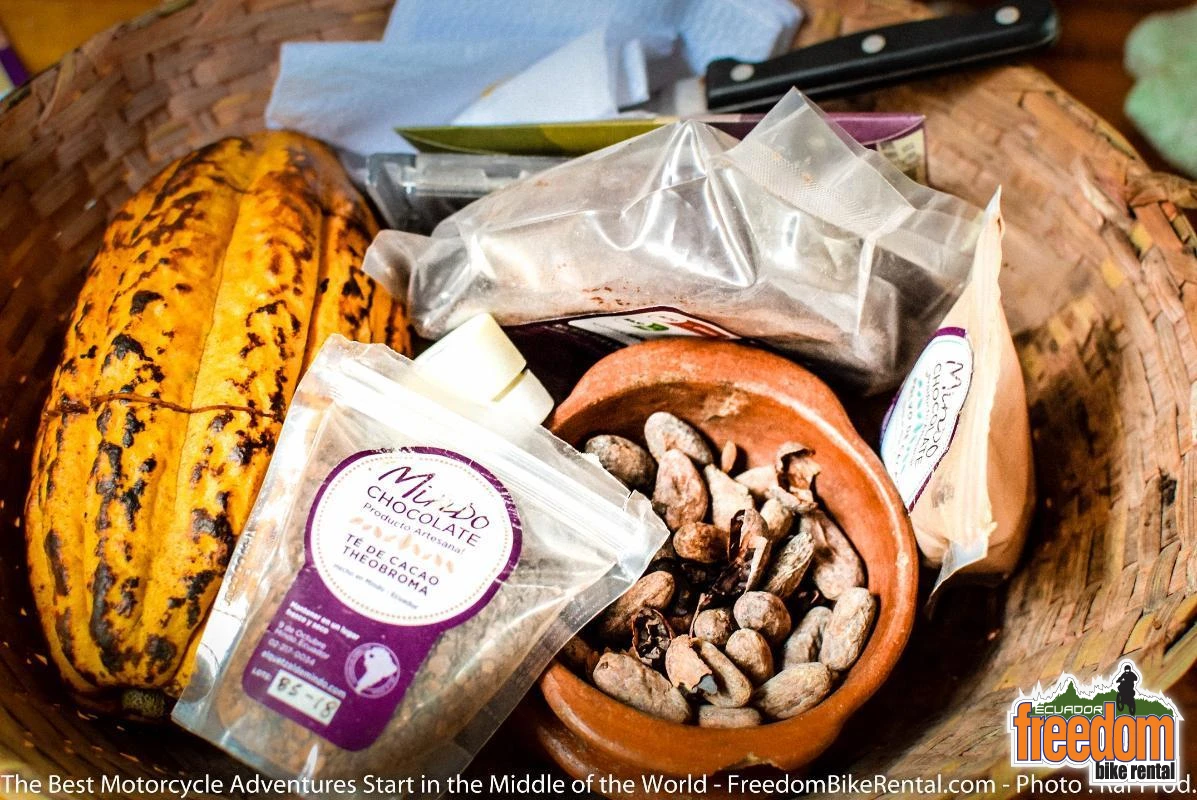
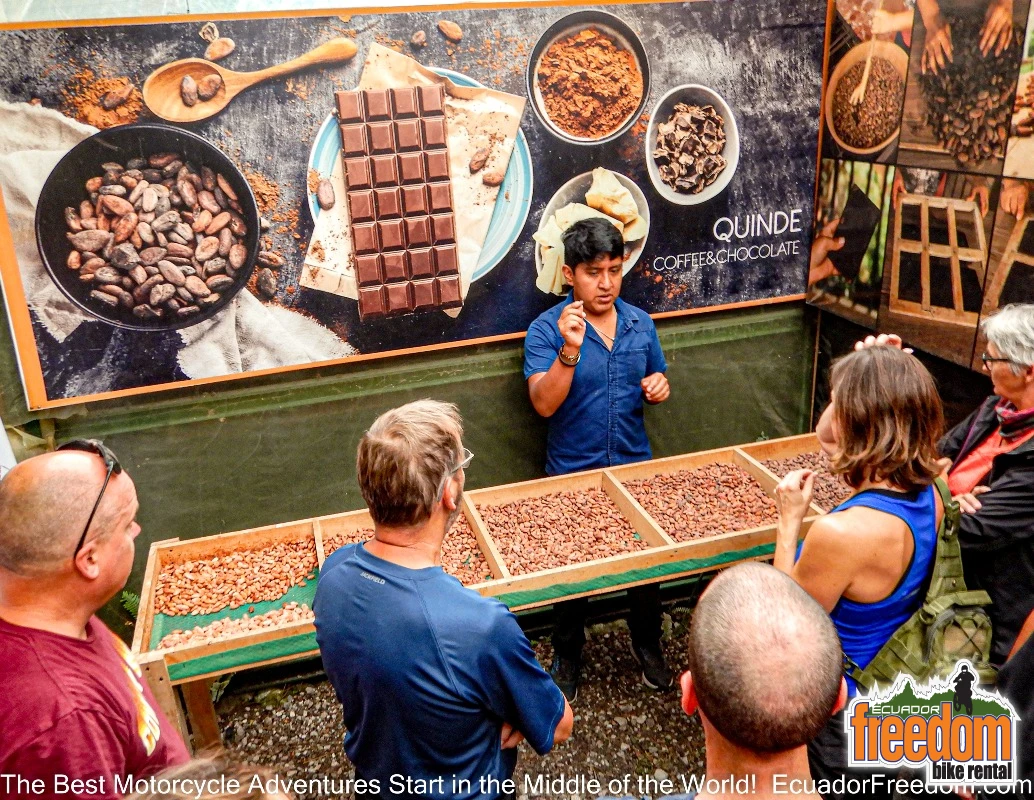
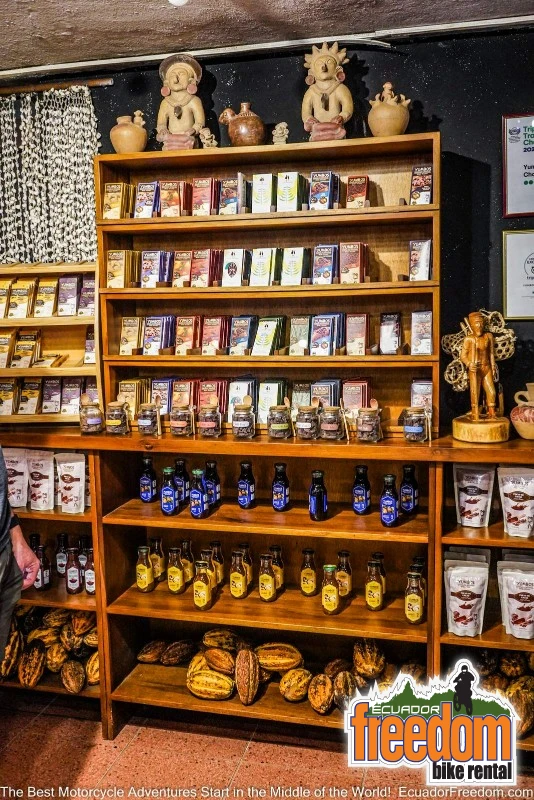
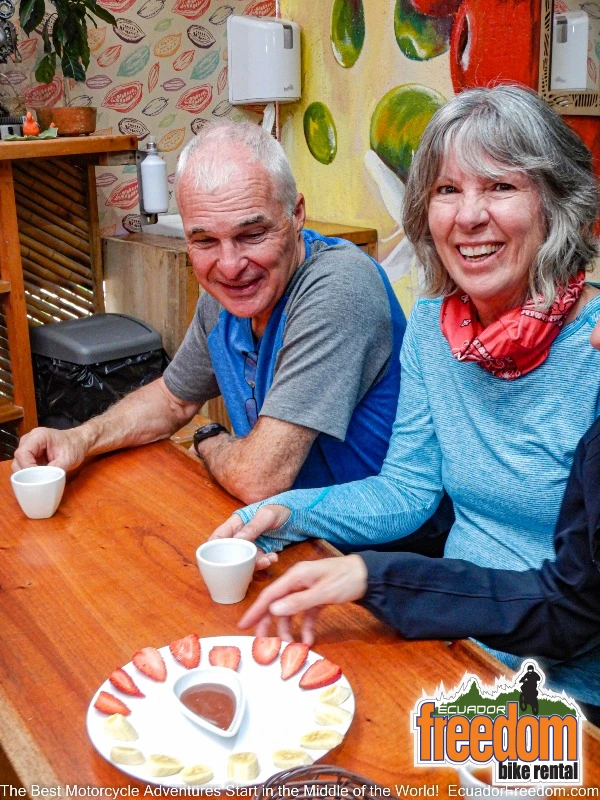
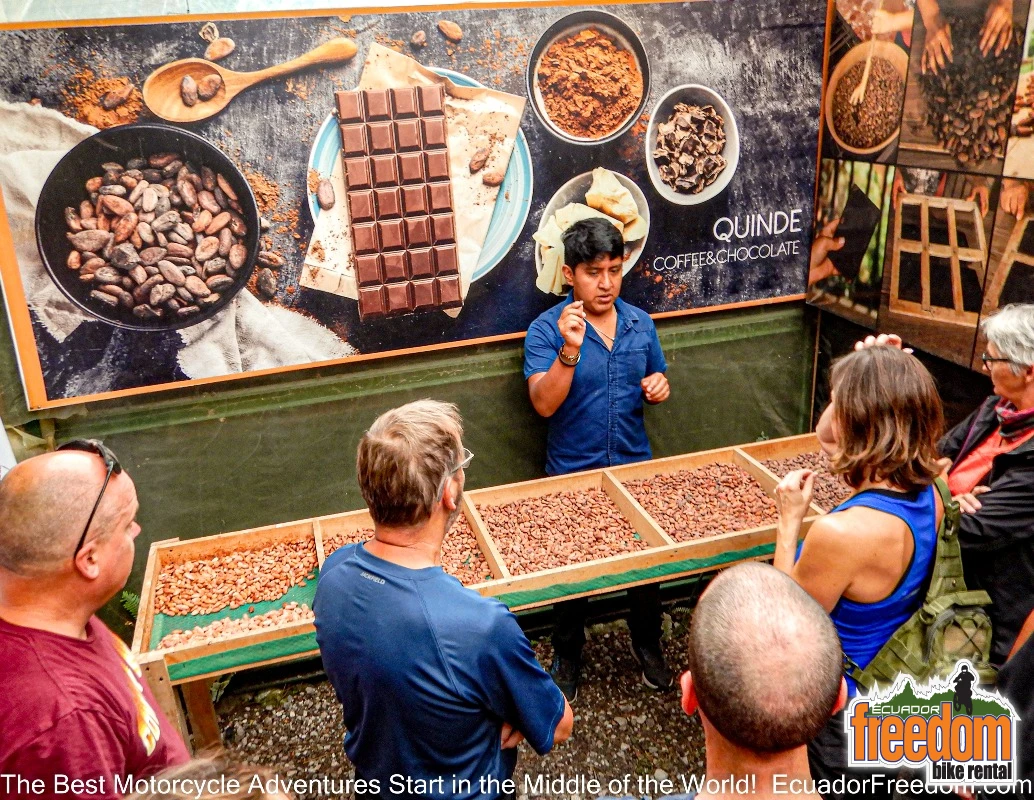
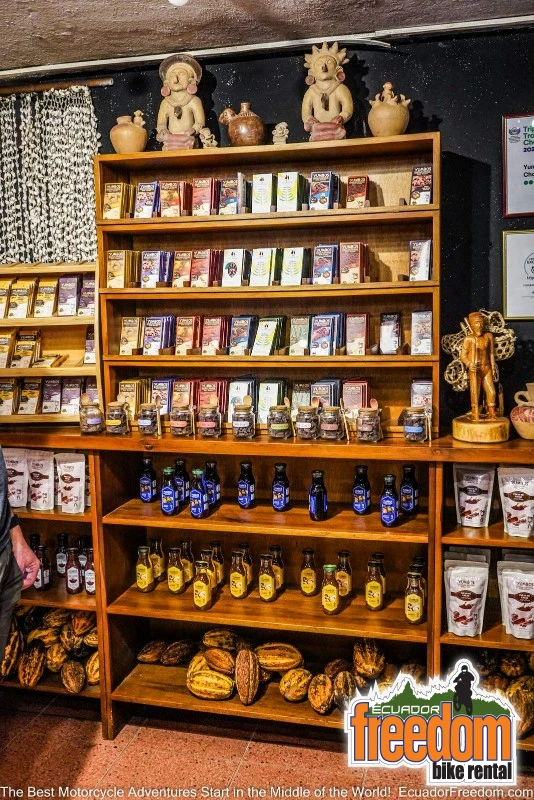
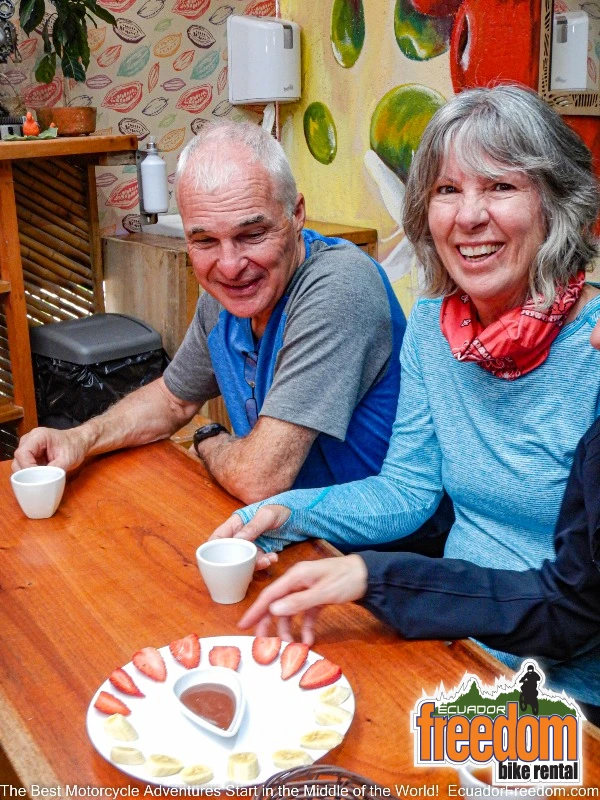
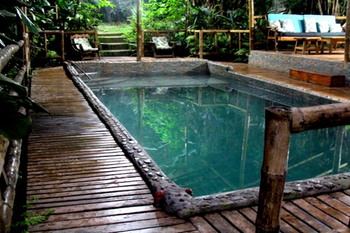 Continue through the lush cloudforest along clear streams with cascading waterfalls to the funky, eclectic town of Mindo. Mindo is situated in a warm microclimate cloudforest that’s known for its natural beauty and great restaurants. We will visit the Yumbos chocolate factory for a tour that entertains us while educating us about the farming and processing of organic cocoa and how it is turned into chocolate and formed into bars. You will want to sample this chocolate, as Ecuador produces some of the best chocolate in the world.
After we visit Yumbos Chocolate, we check into the carefully selected accommodations for the night deep in the cloudforest setting at the charming Septimo Paraiso Cloudforest Reserve Lodge, winning several awards from many travel publications.
2
Day 2 - Canoa
Elevation Profile - Day 2

Mindo - Laguna Azul - Pedernales - Jama - Canoa
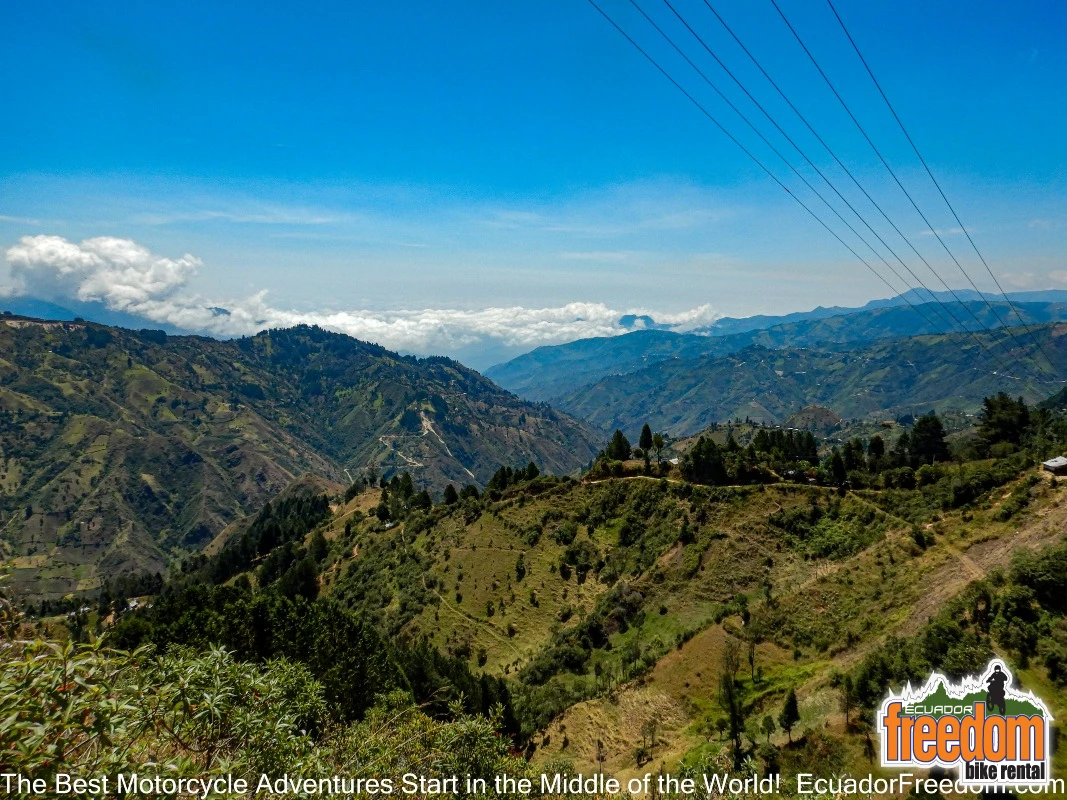
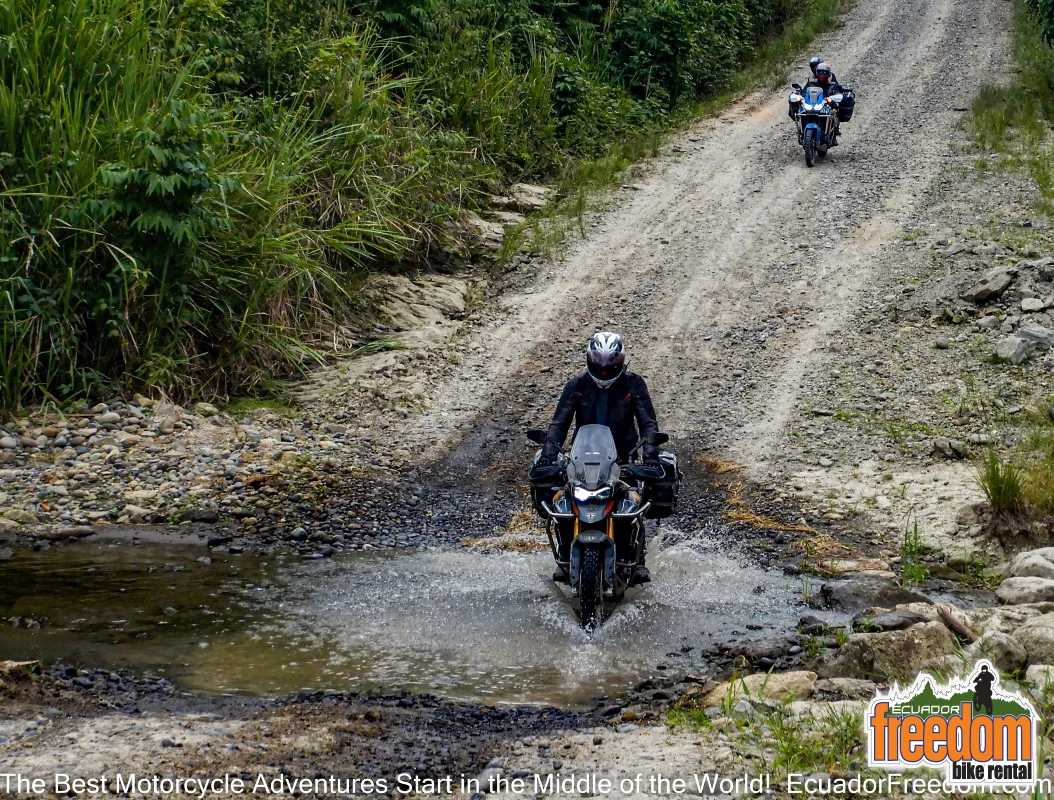
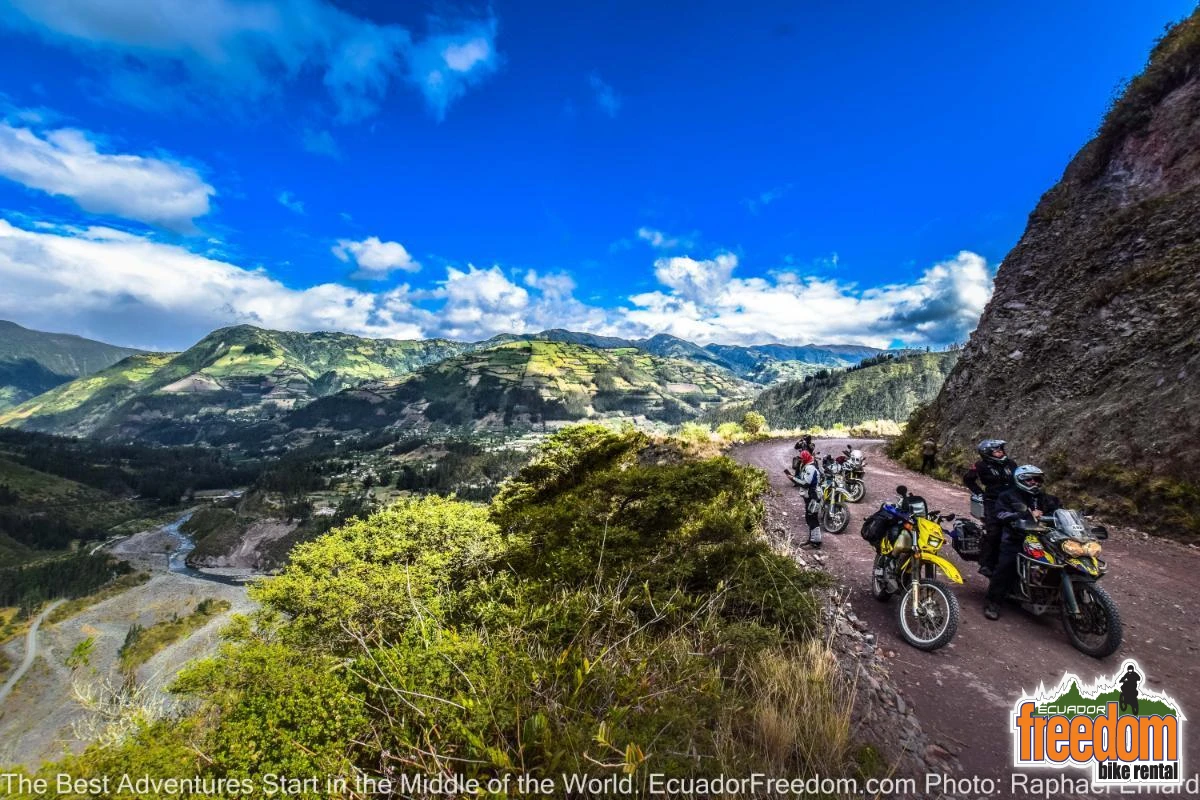
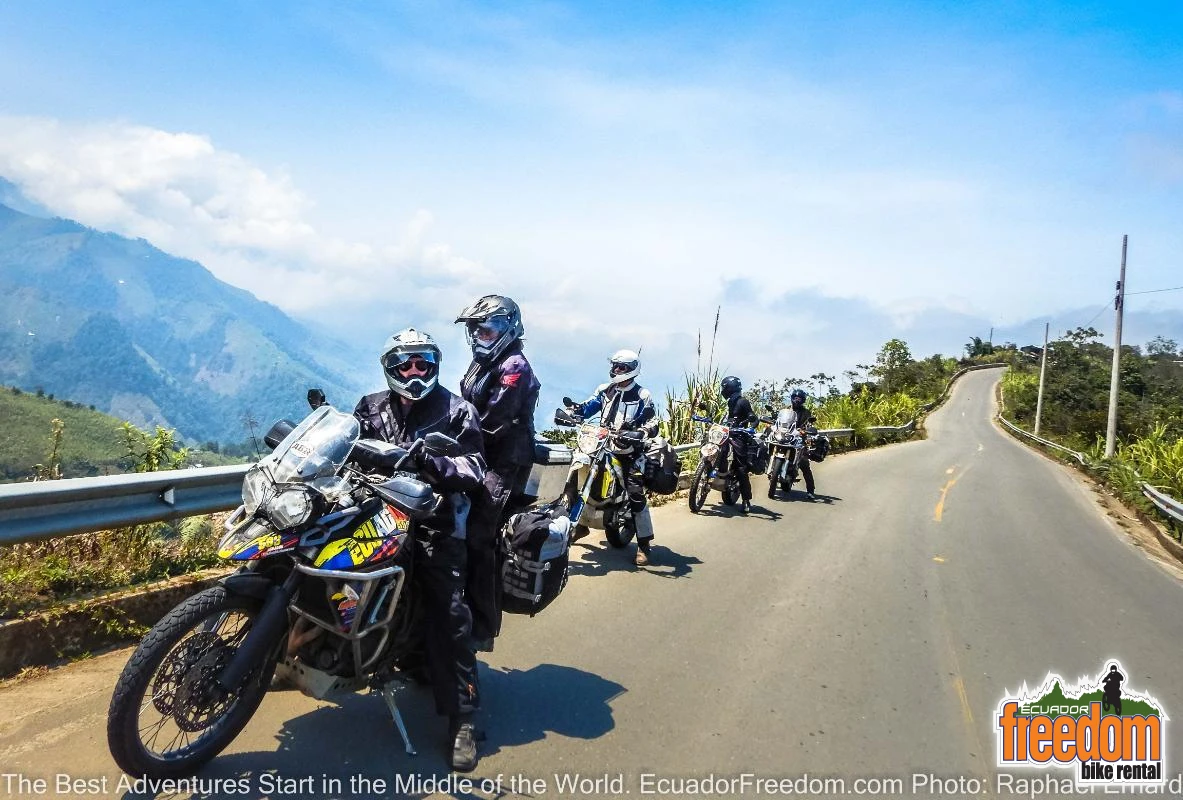
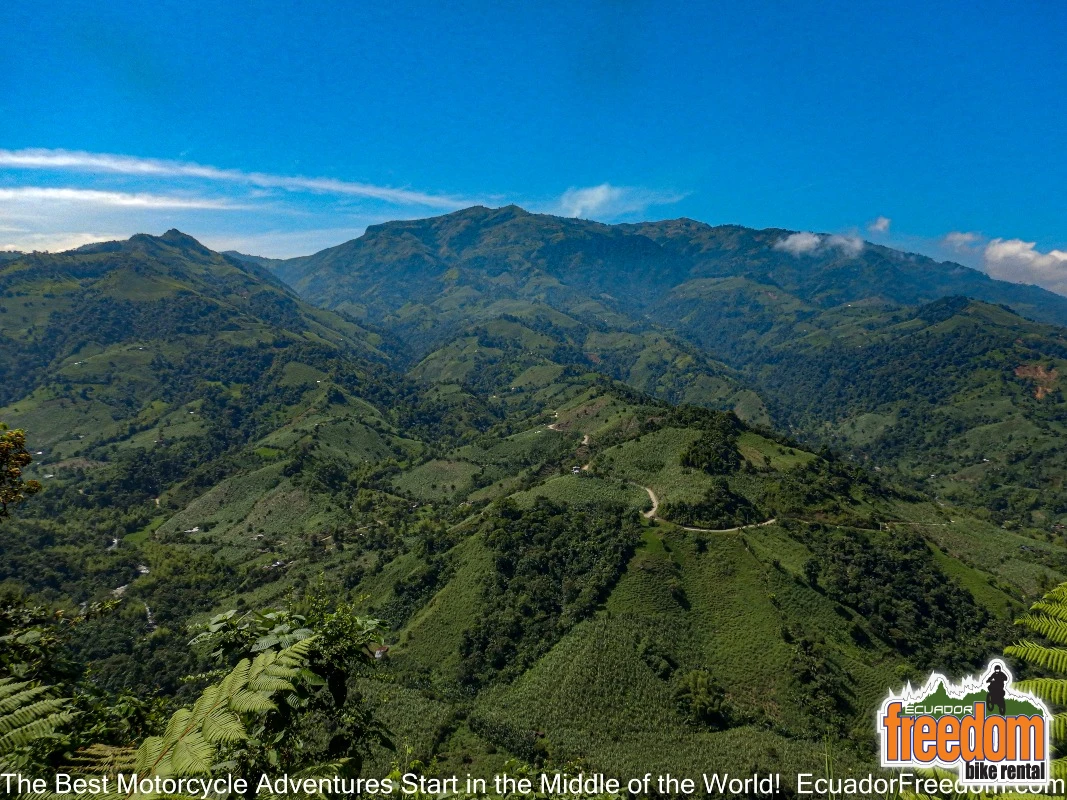
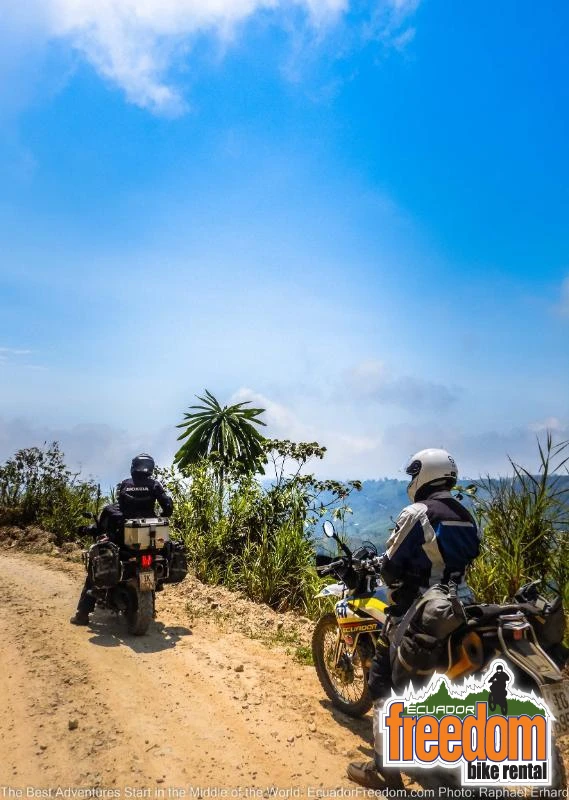
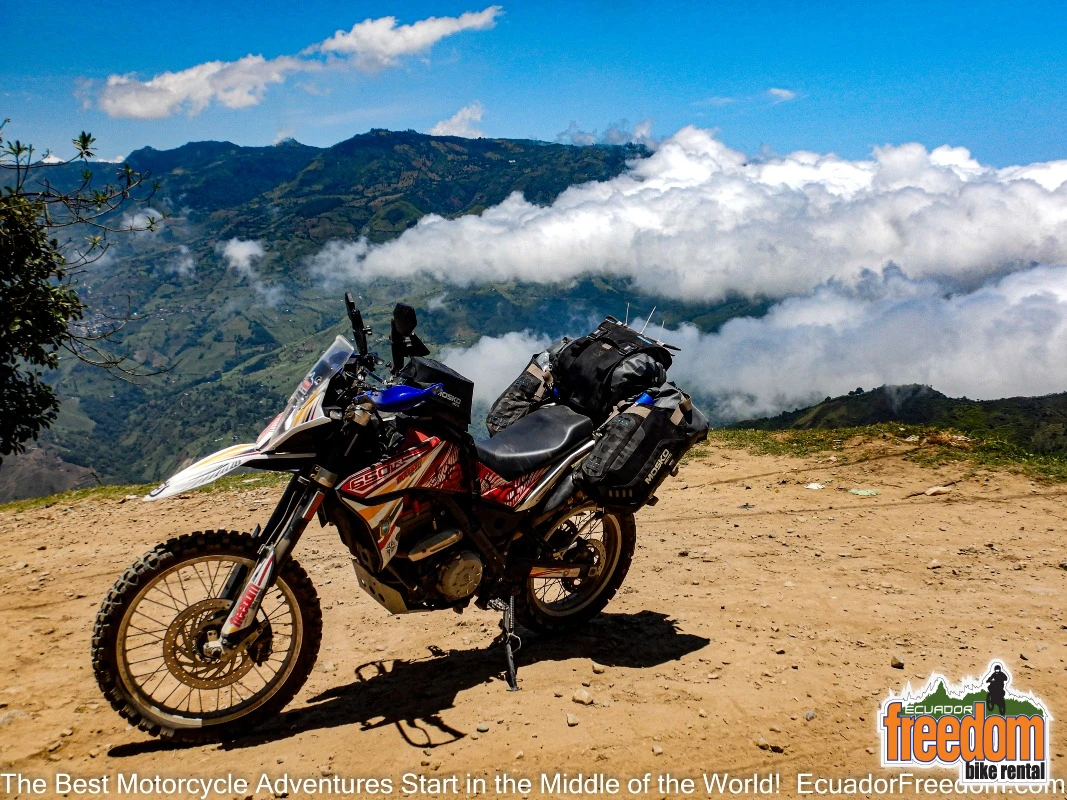
After a hearty breakfast, hop on your bike, and we will head out of the Septimo Paraiso Cloudforest Reserve. We first climb in elevation and then begin to descend along the western slope of the Andes. Expect fog as we pass through the cloudforest and down into the tropical rainforest. From San Miguel de Los Bancos, we continue a long, gradual descent towards the Pacific coast. The temperature begins to rise as we decrease 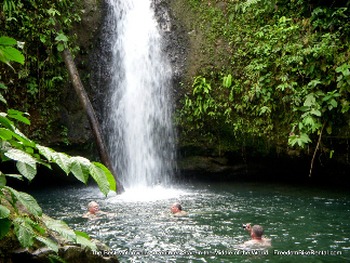 our altitude, rolling through sweeping corners, crossing roaring rivers, and experiencing breathtaking views.
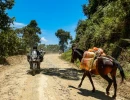
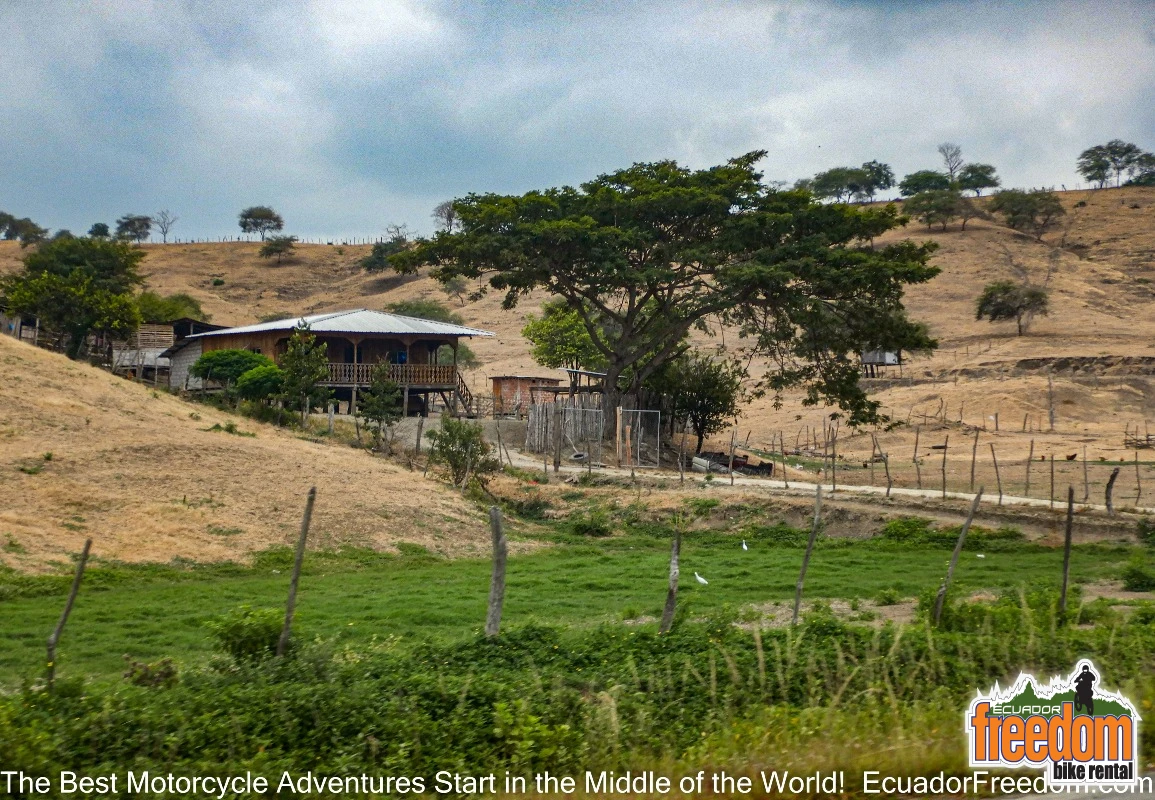
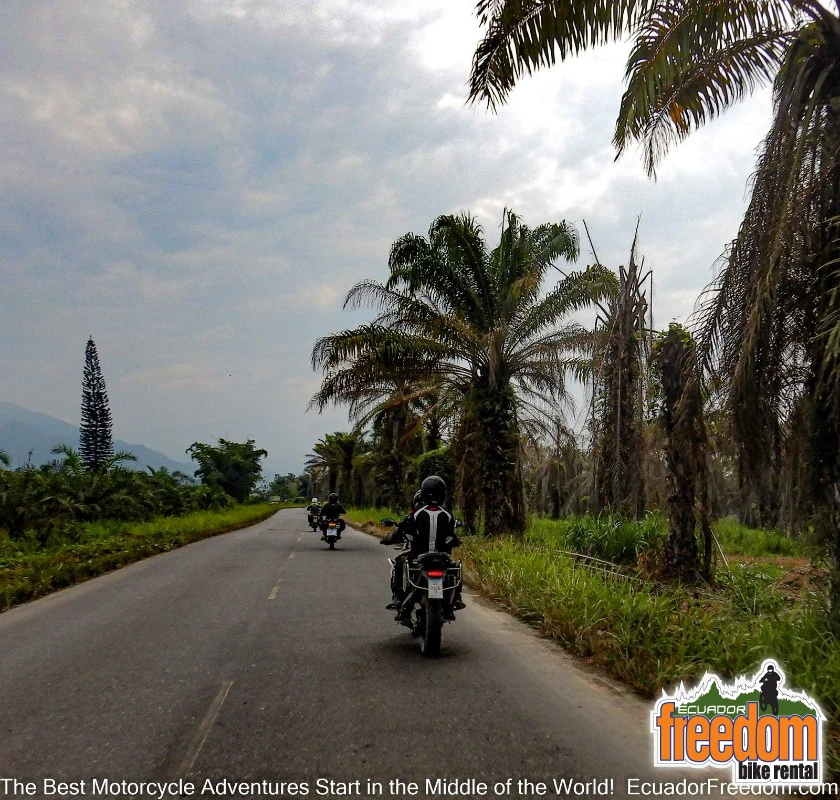
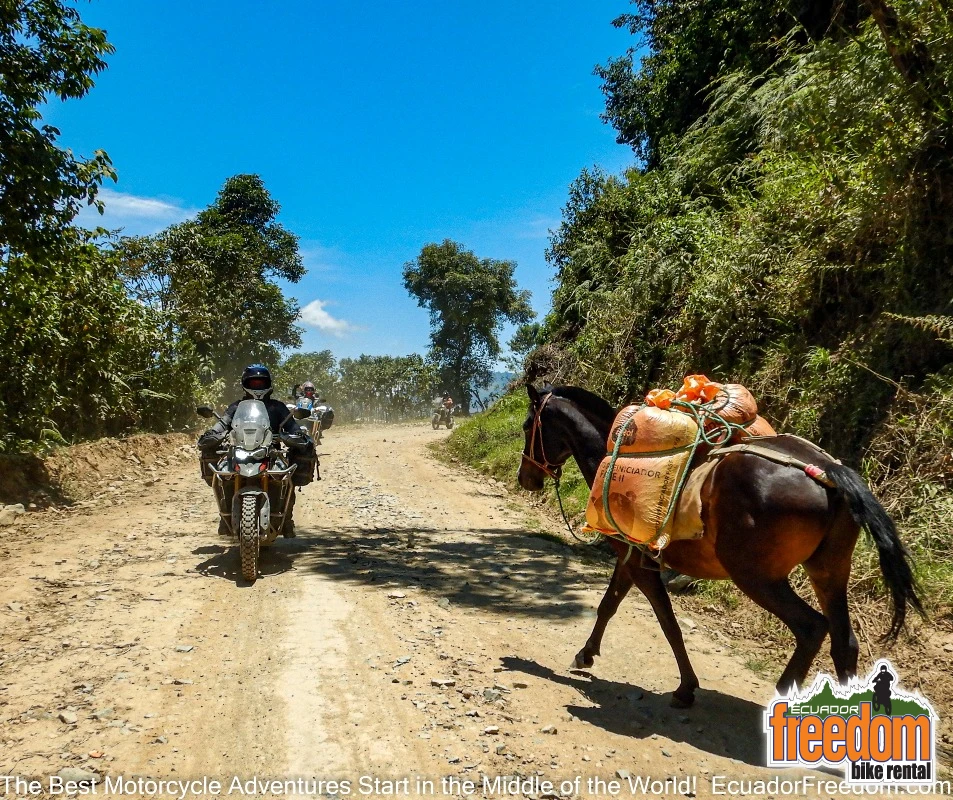
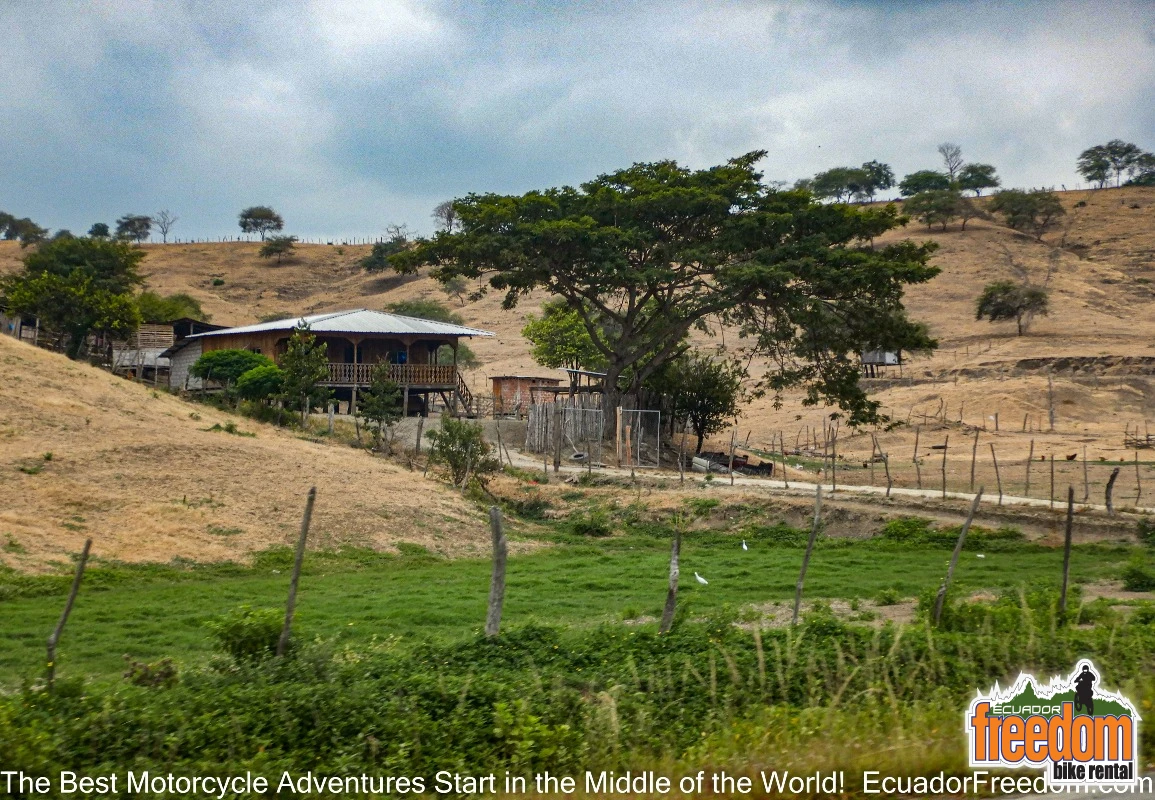
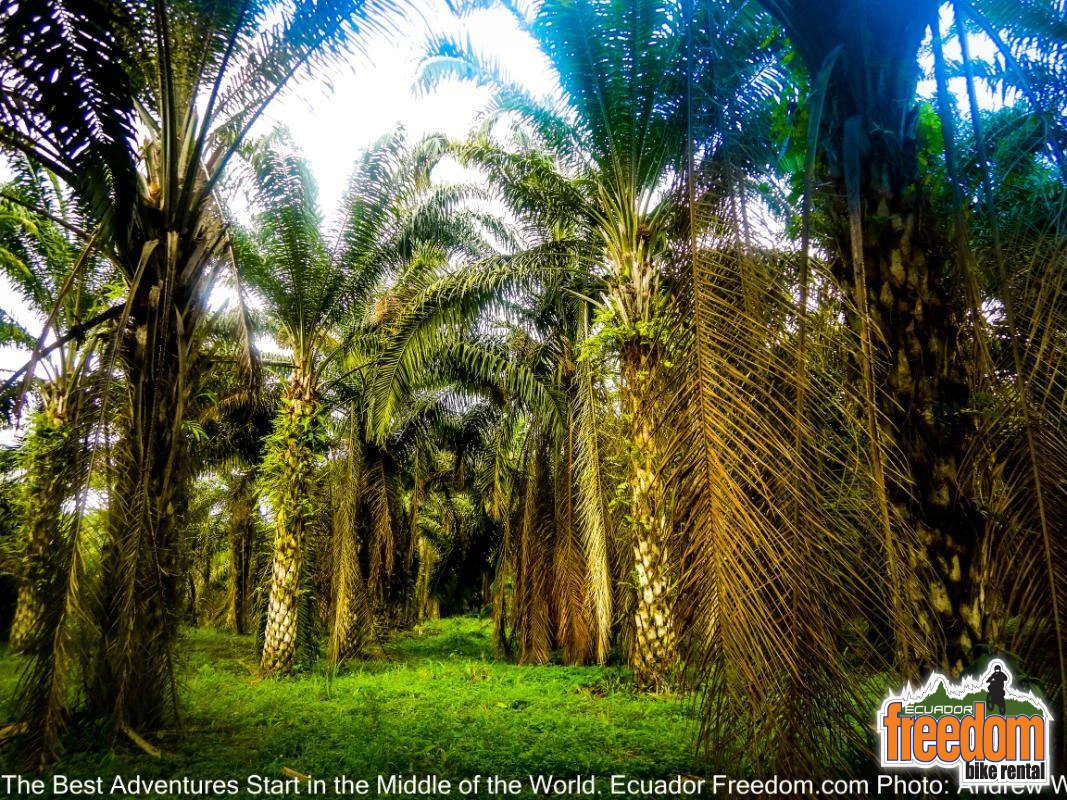
Palm trees appear, and the leaves of “junglesque growth” along the road grow in size the farther west we travel. Crossing the coastal savannah of Manabi Province, we notice that horses are a more common mode of transportation than cars or buses.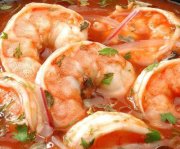
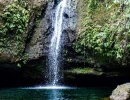
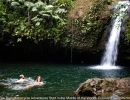
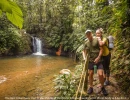
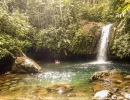
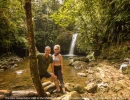
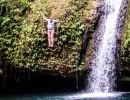
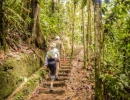
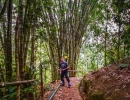
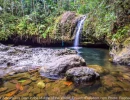
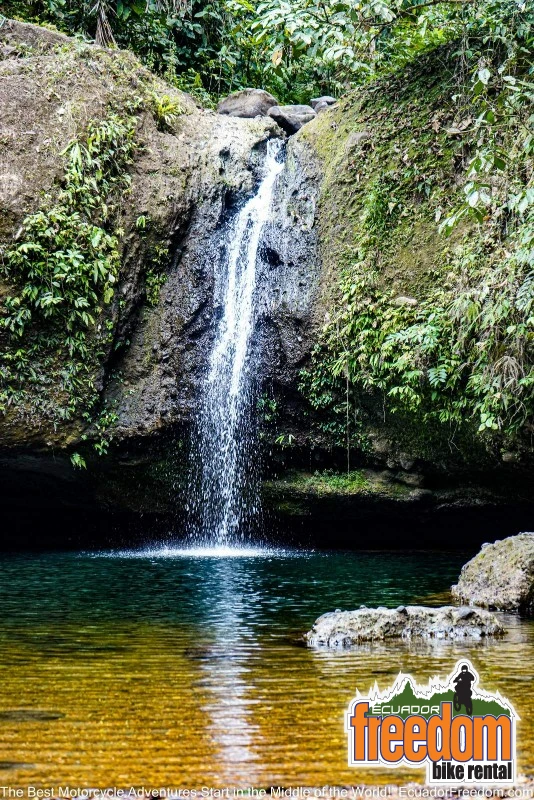
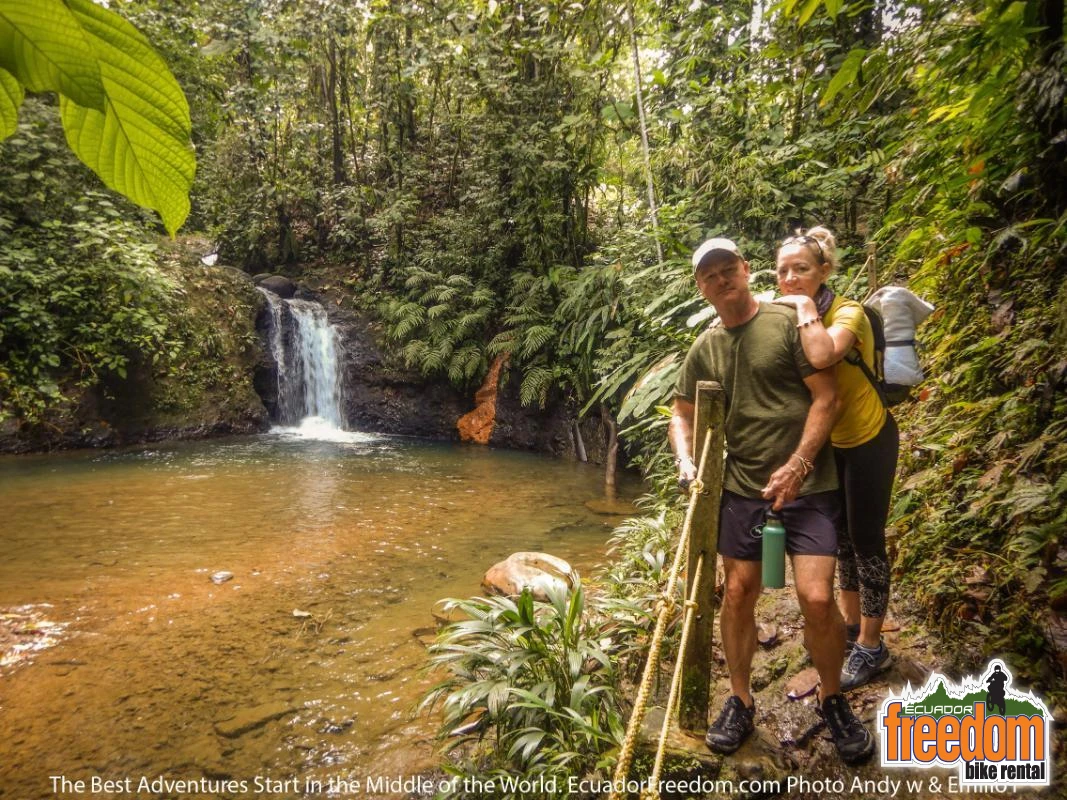
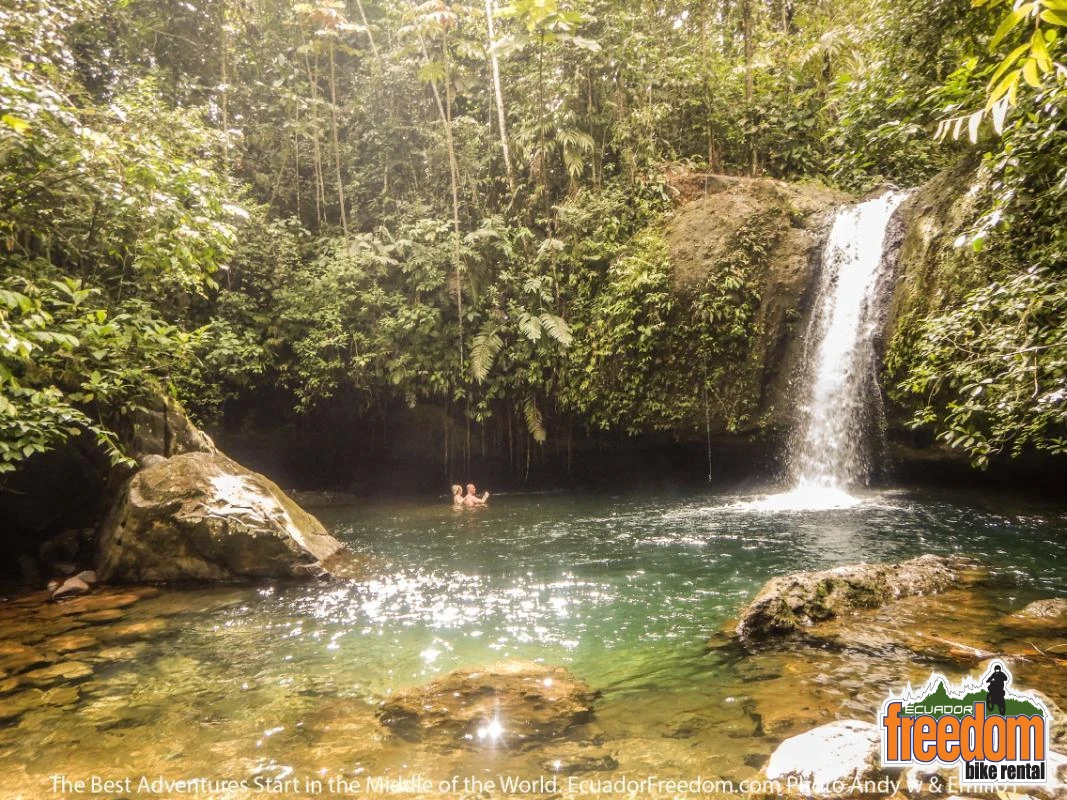
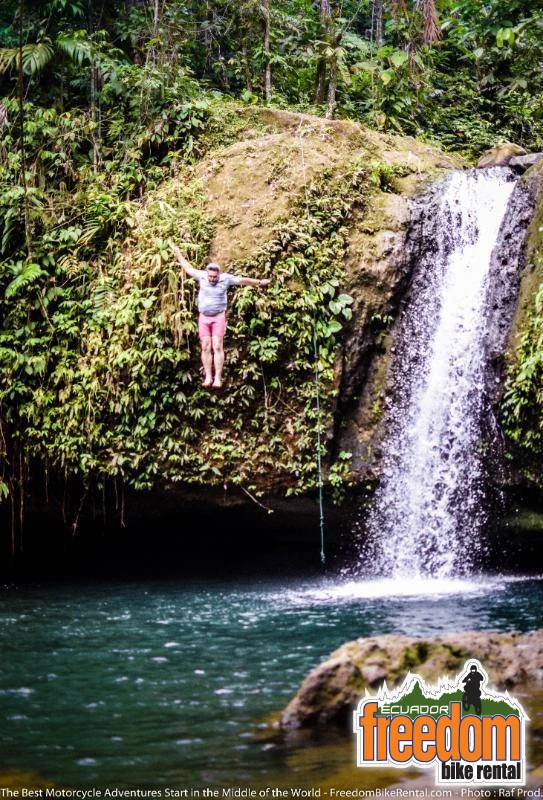
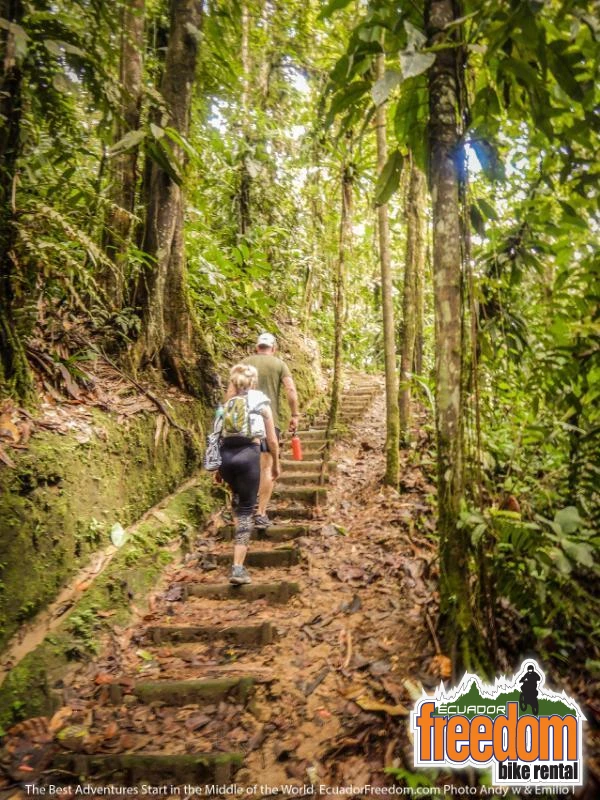
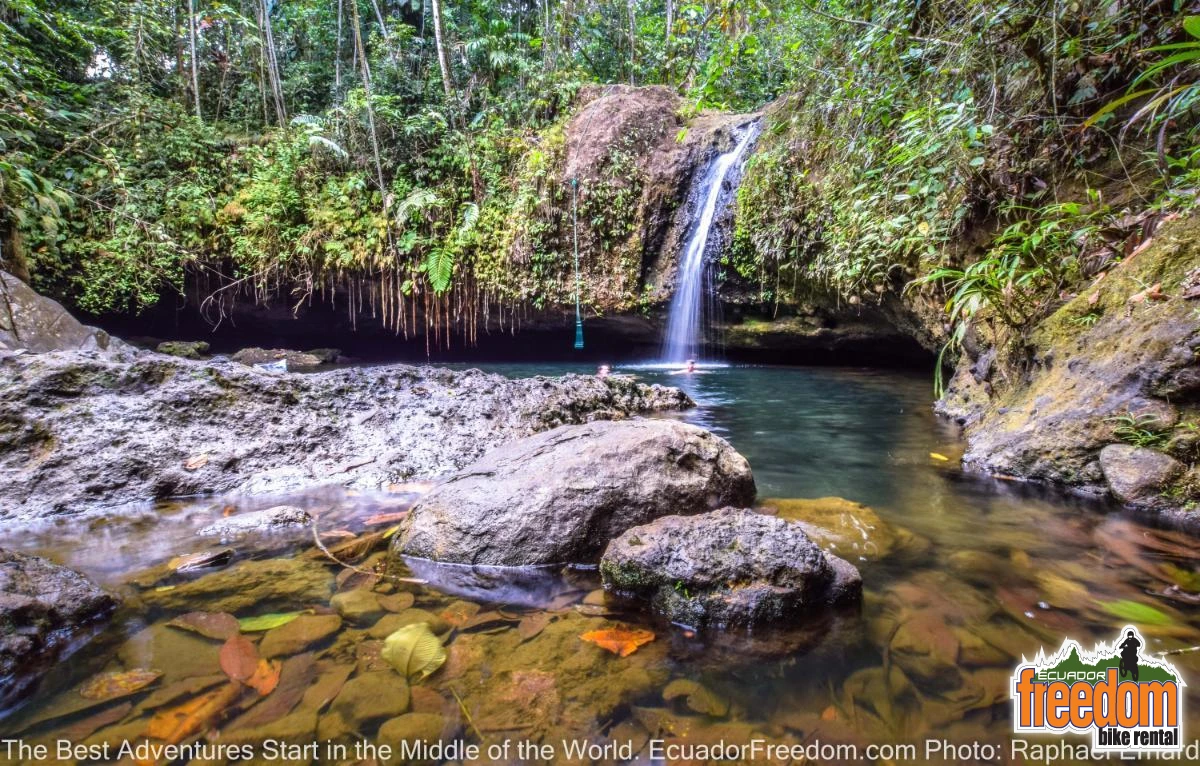
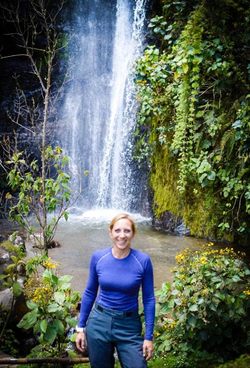
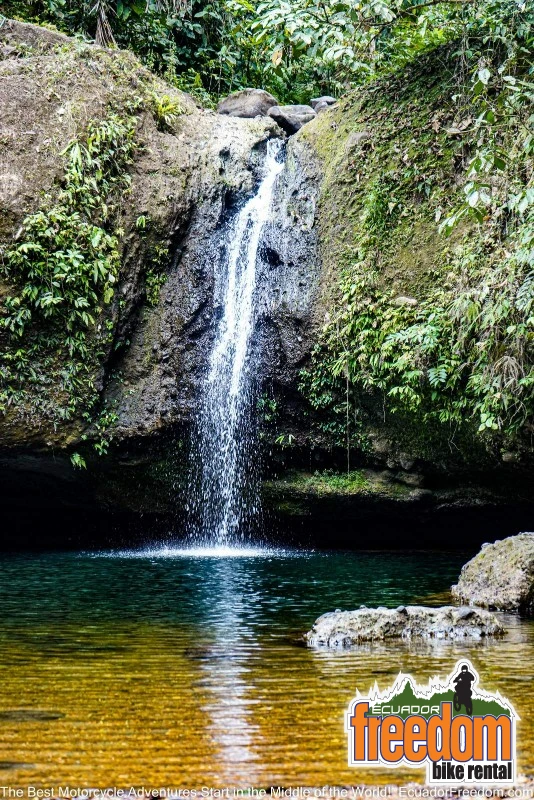
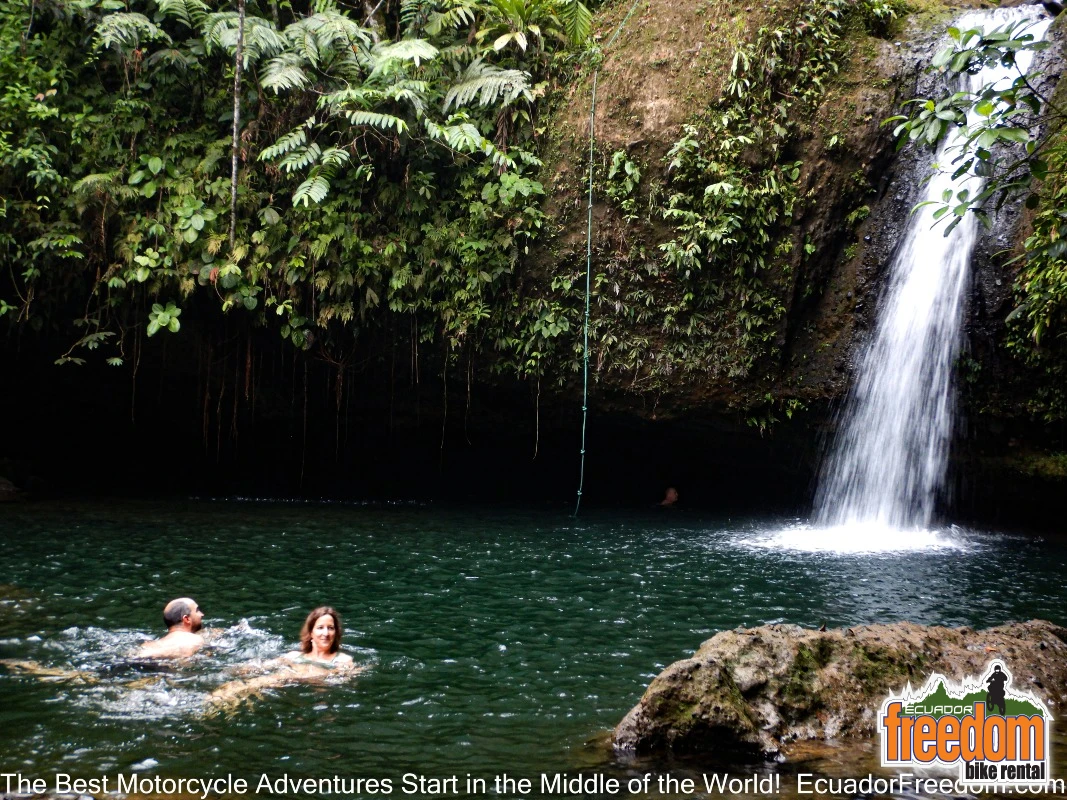
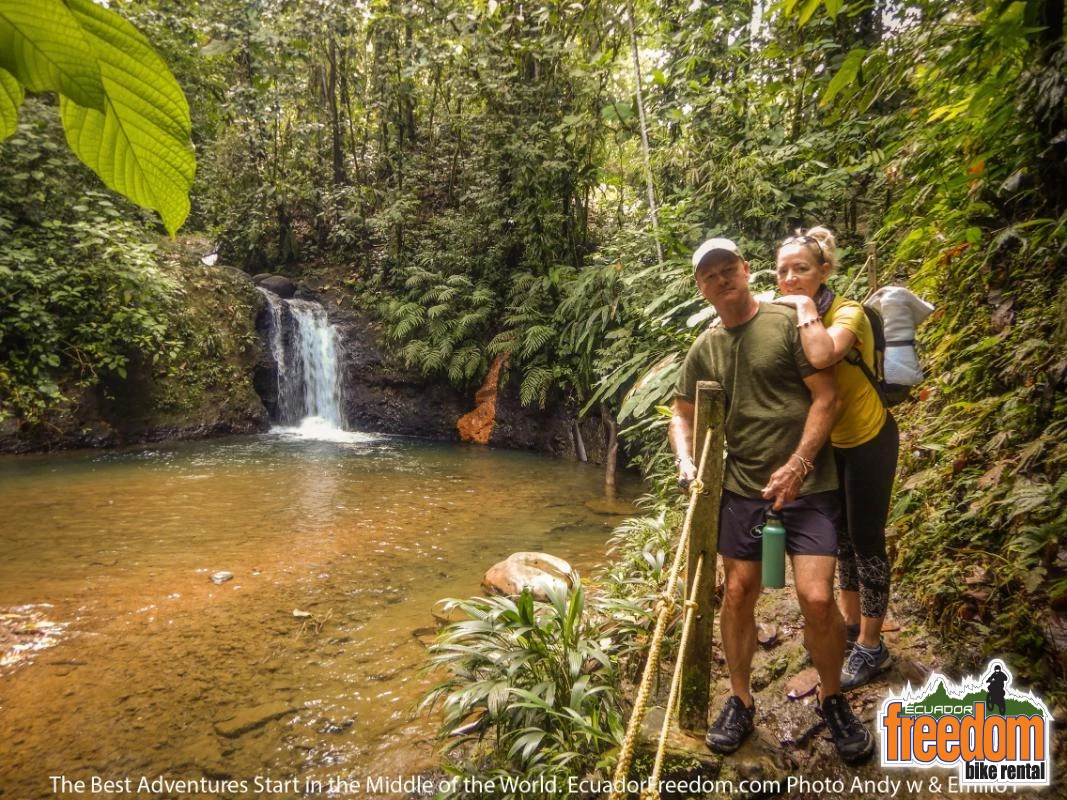
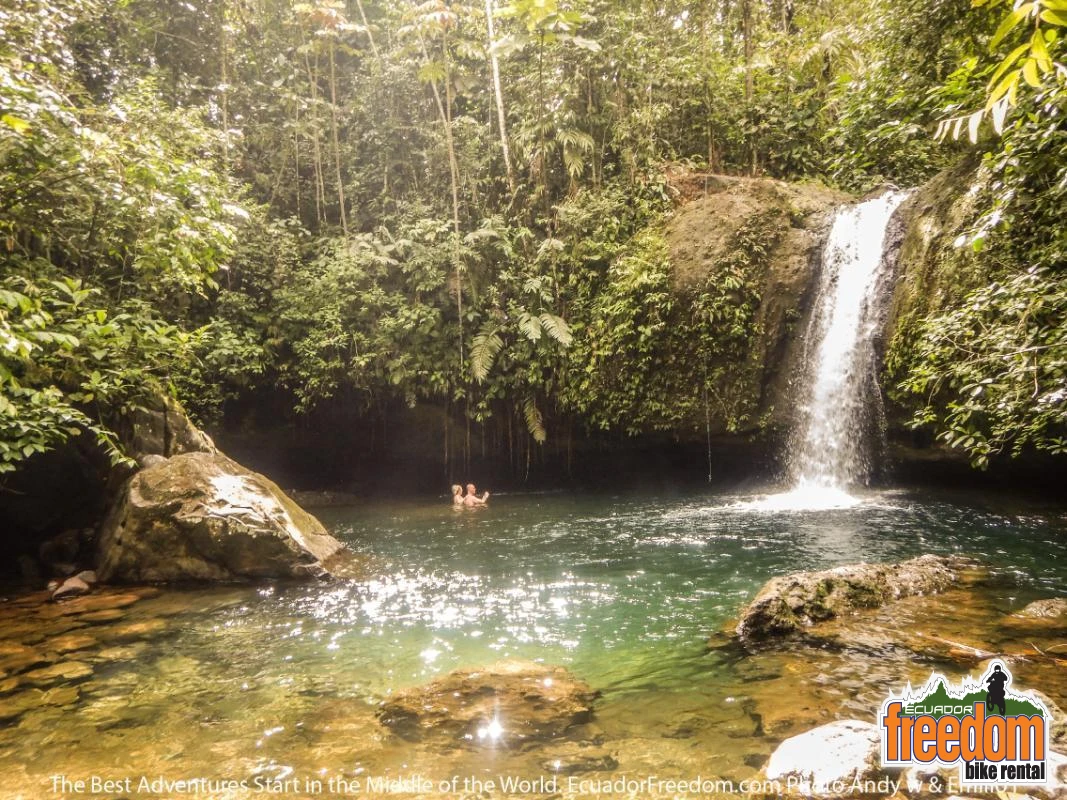
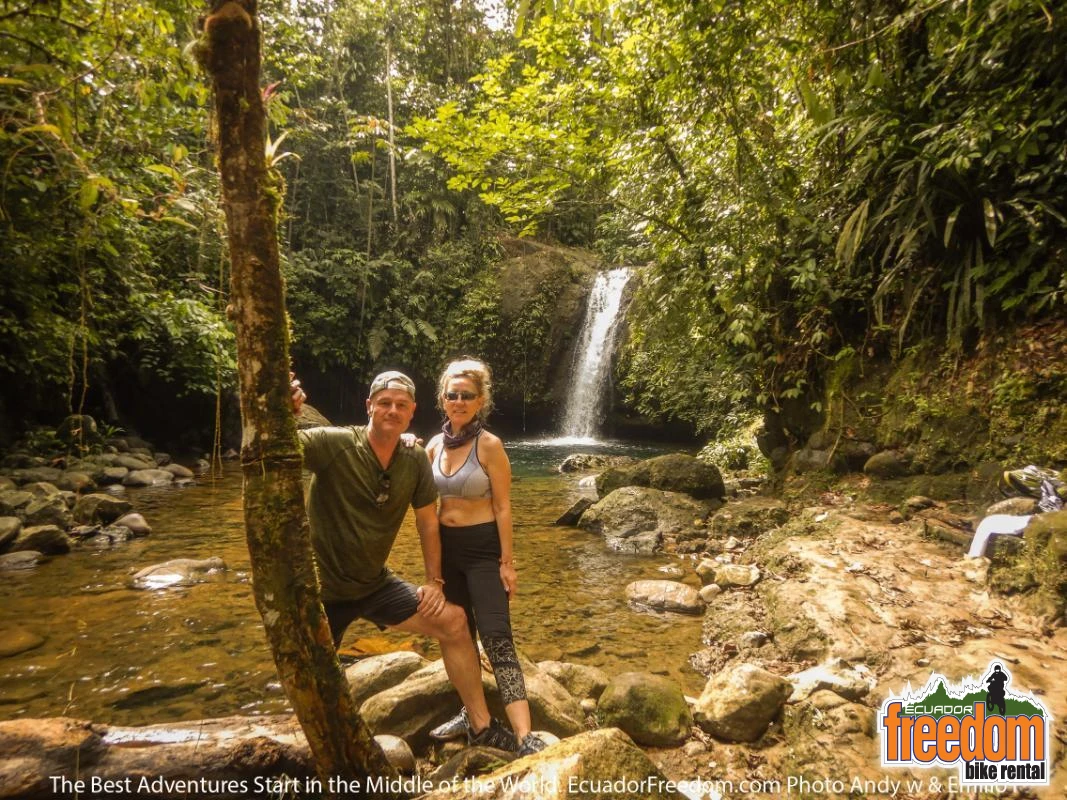
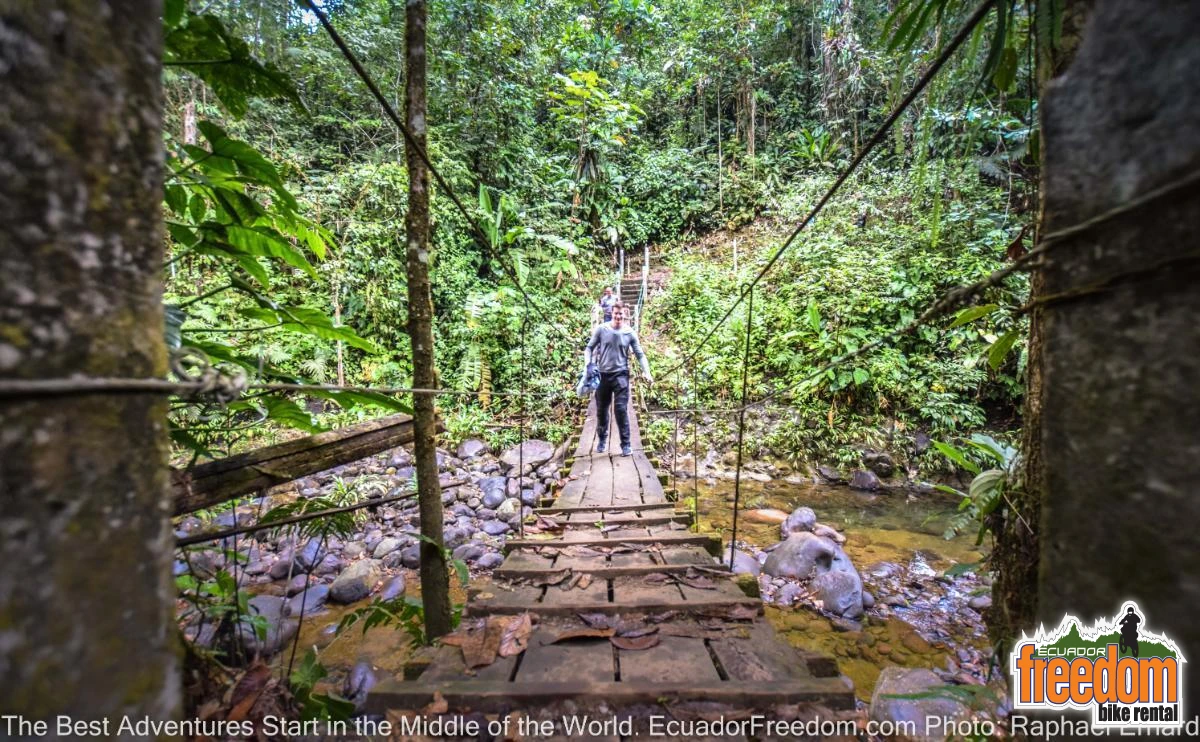
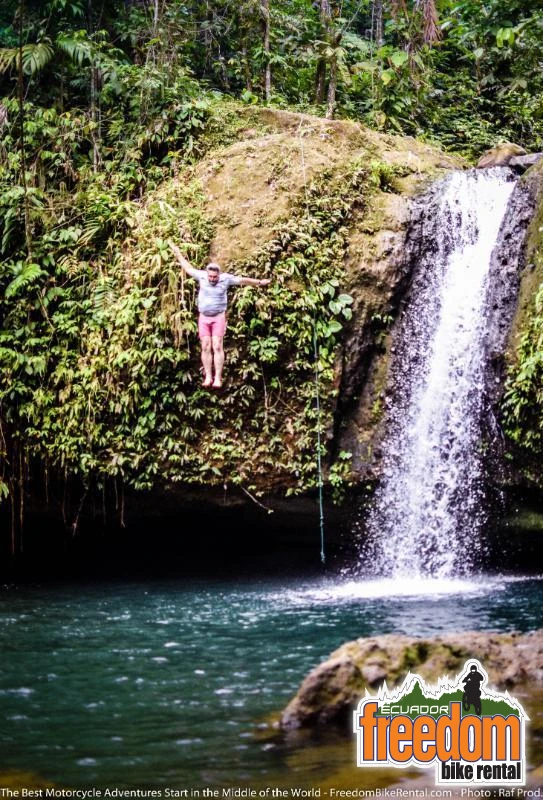
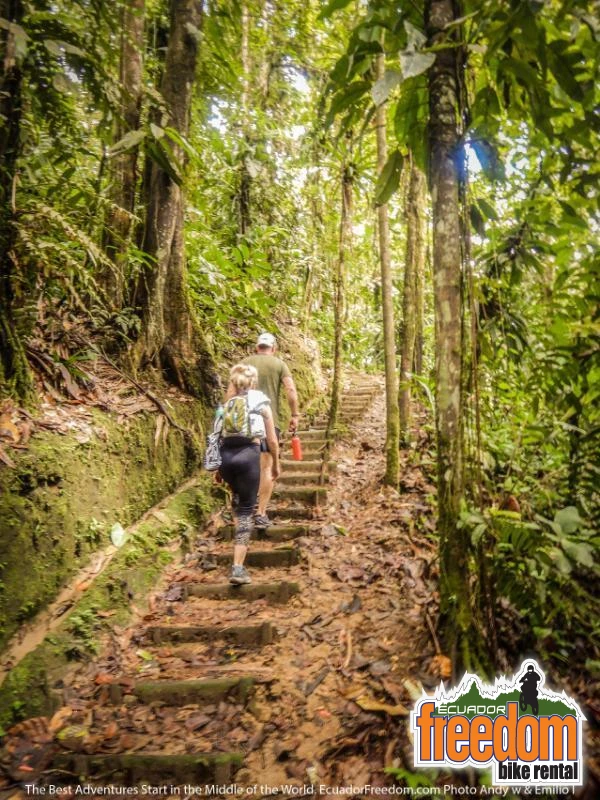
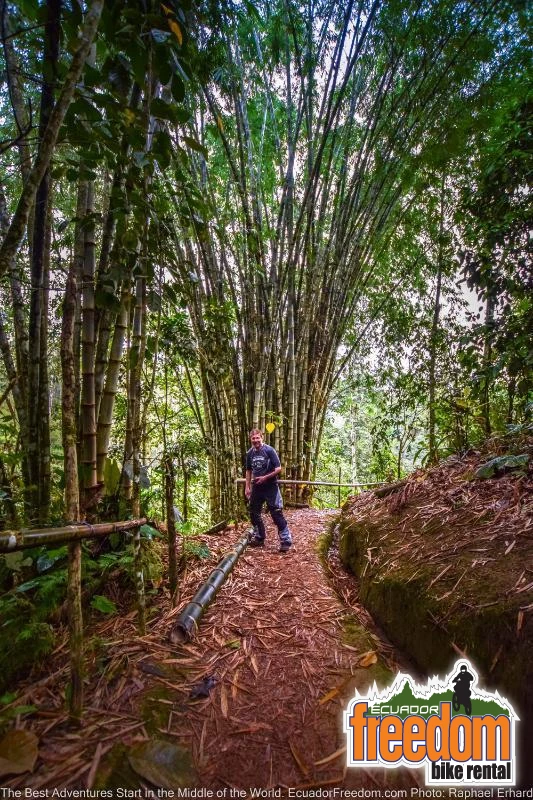
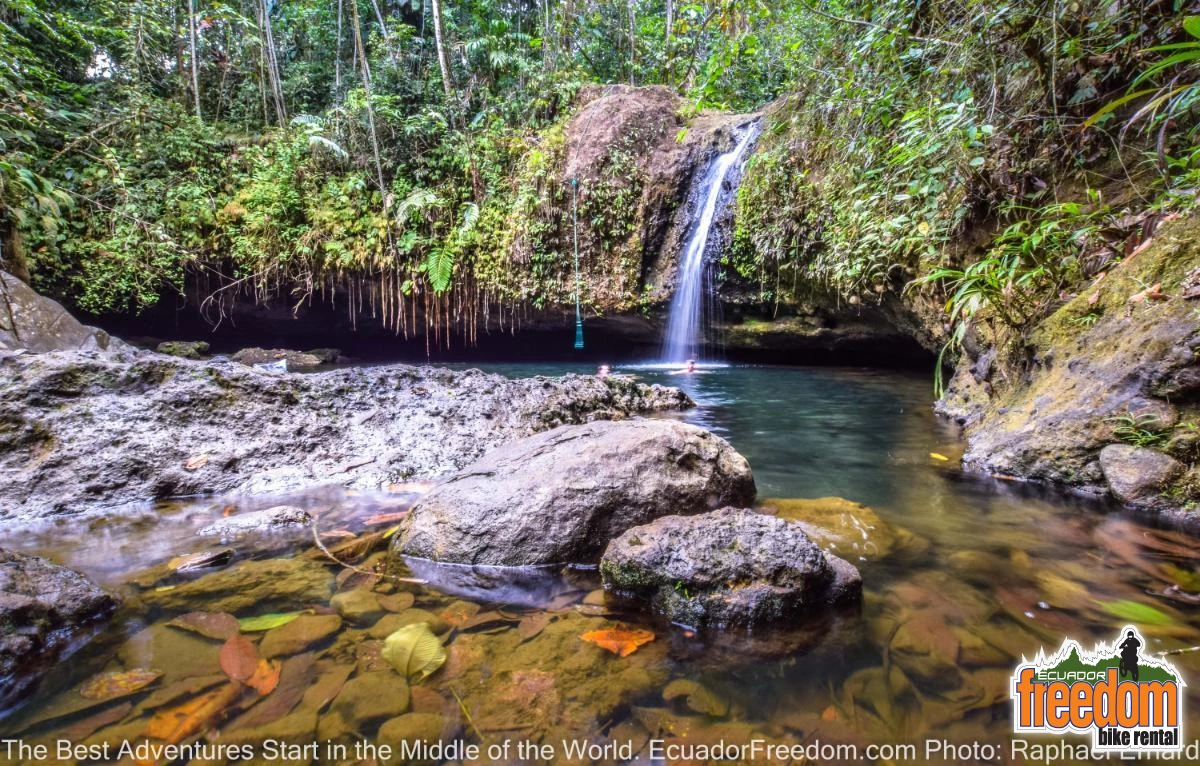
We stop to take a short hike into the rainforest for a swim in one of the most beautiful swimming holes in Ecuador - the Blue Lagoon (Laguna Azul) with its serene, deep, warm water and cascading waterfall.
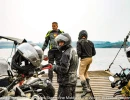
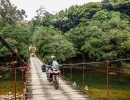
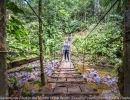
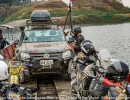
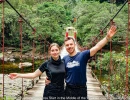
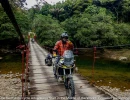
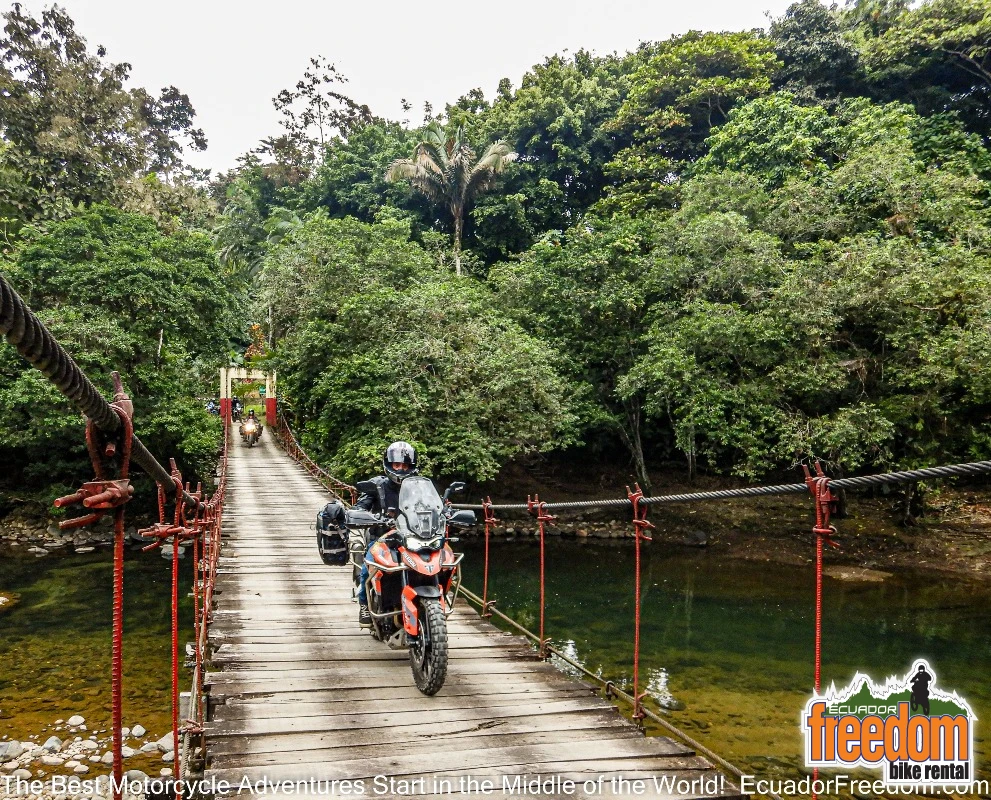
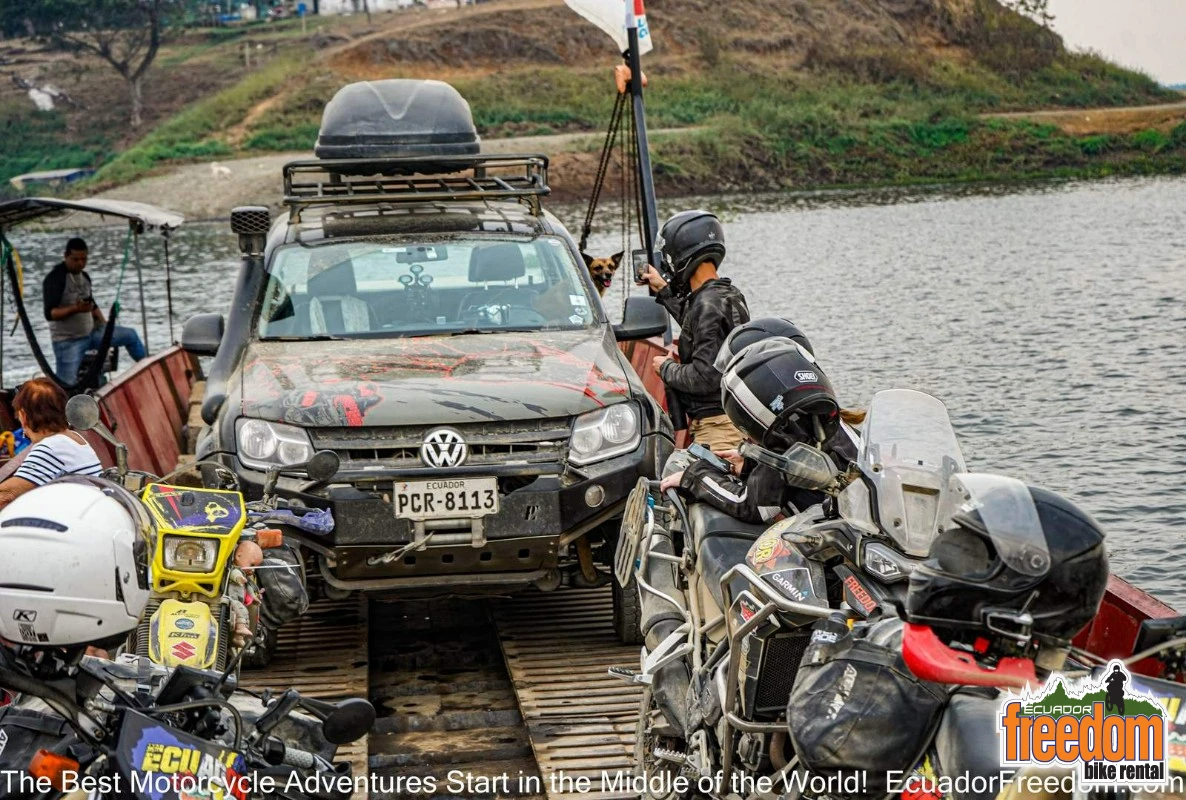
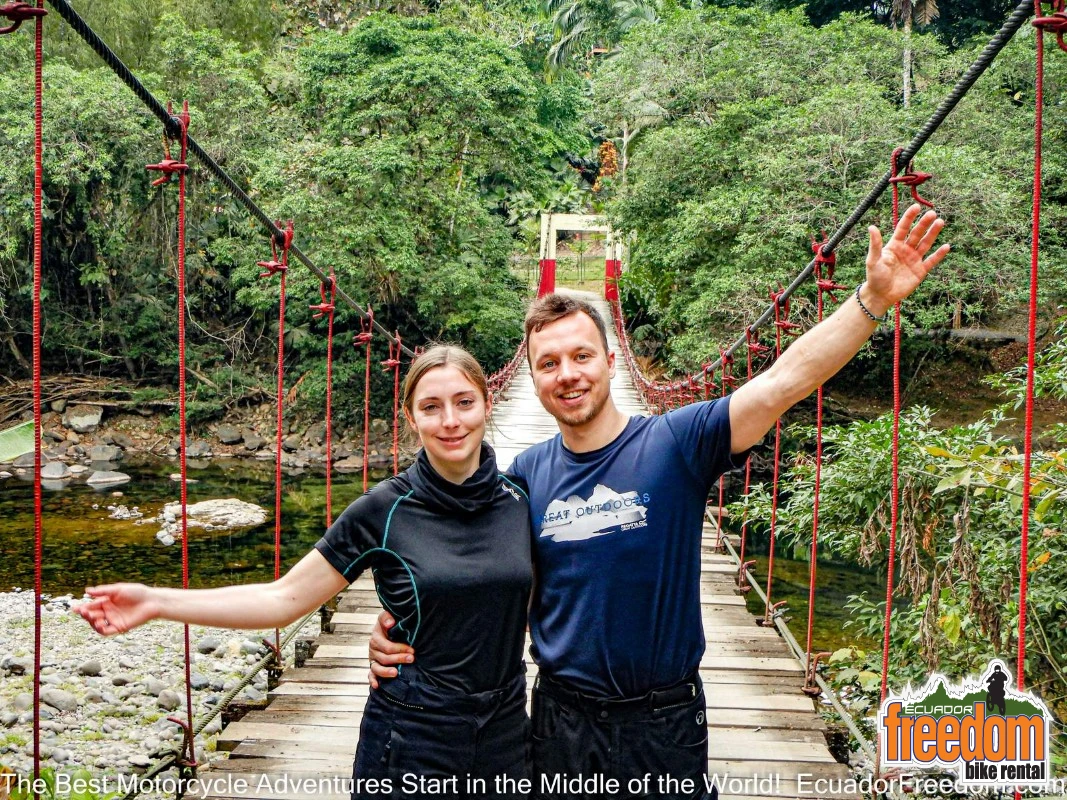
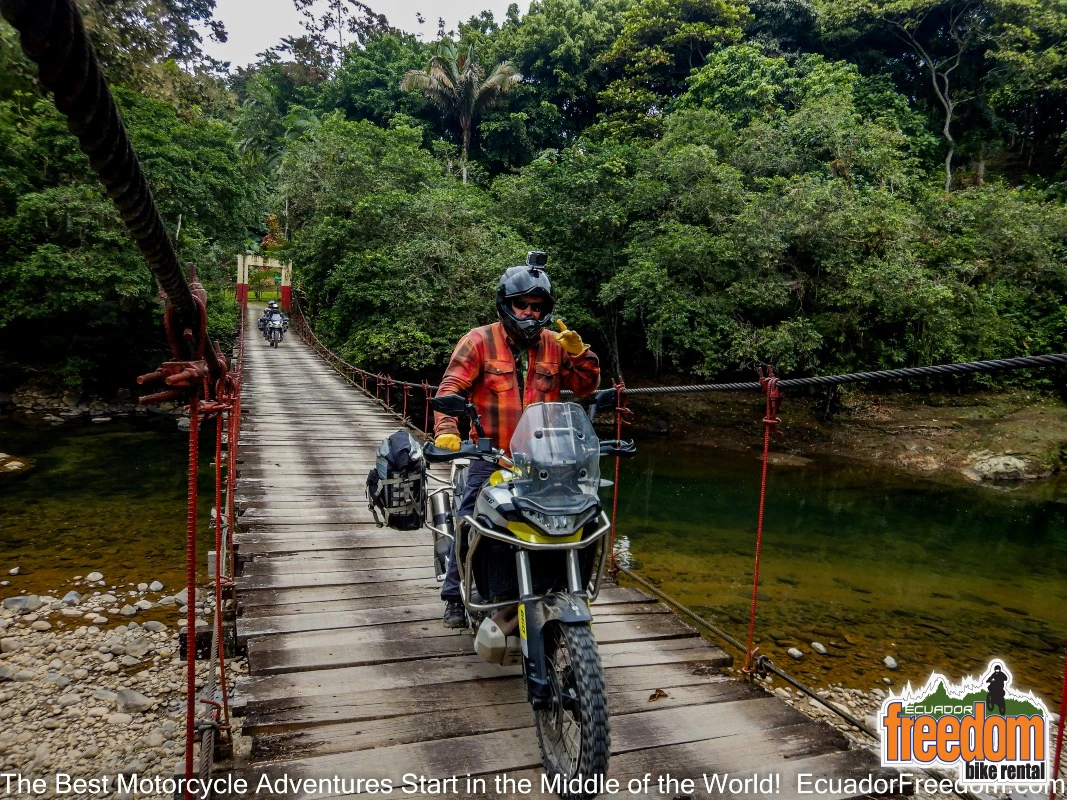
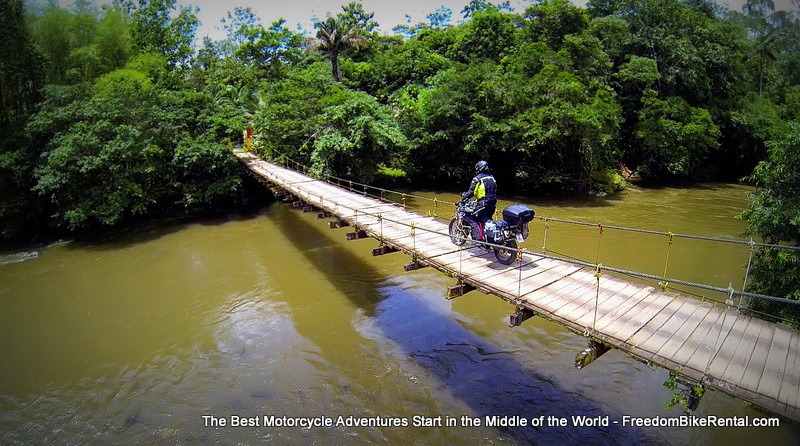
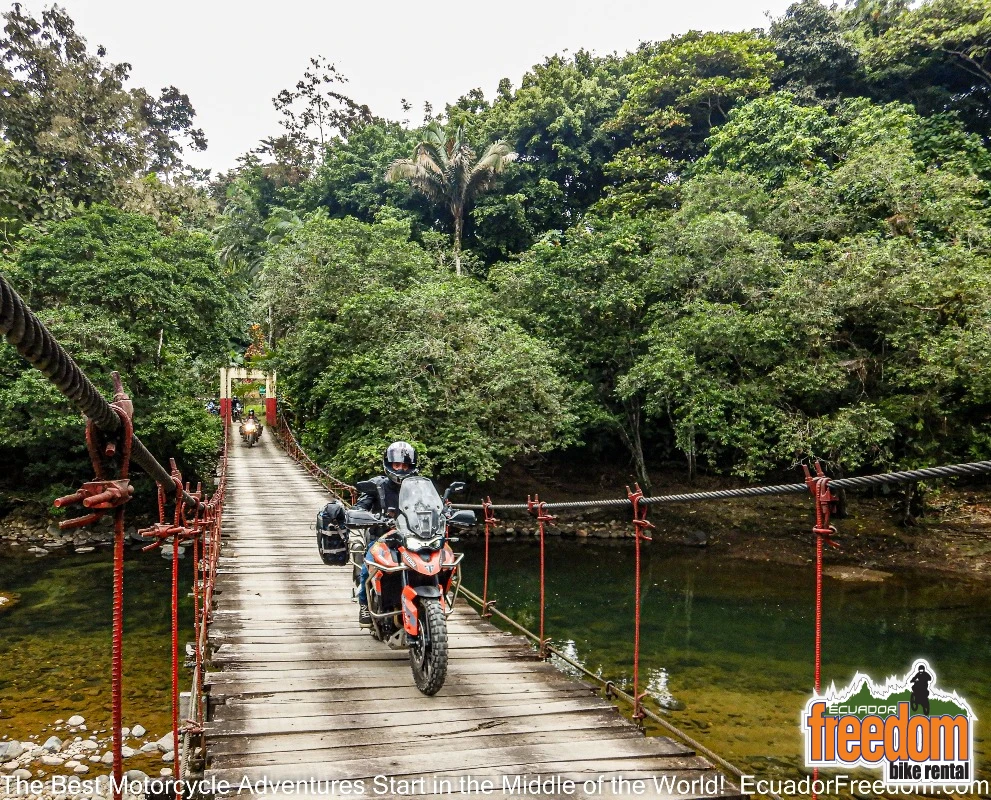
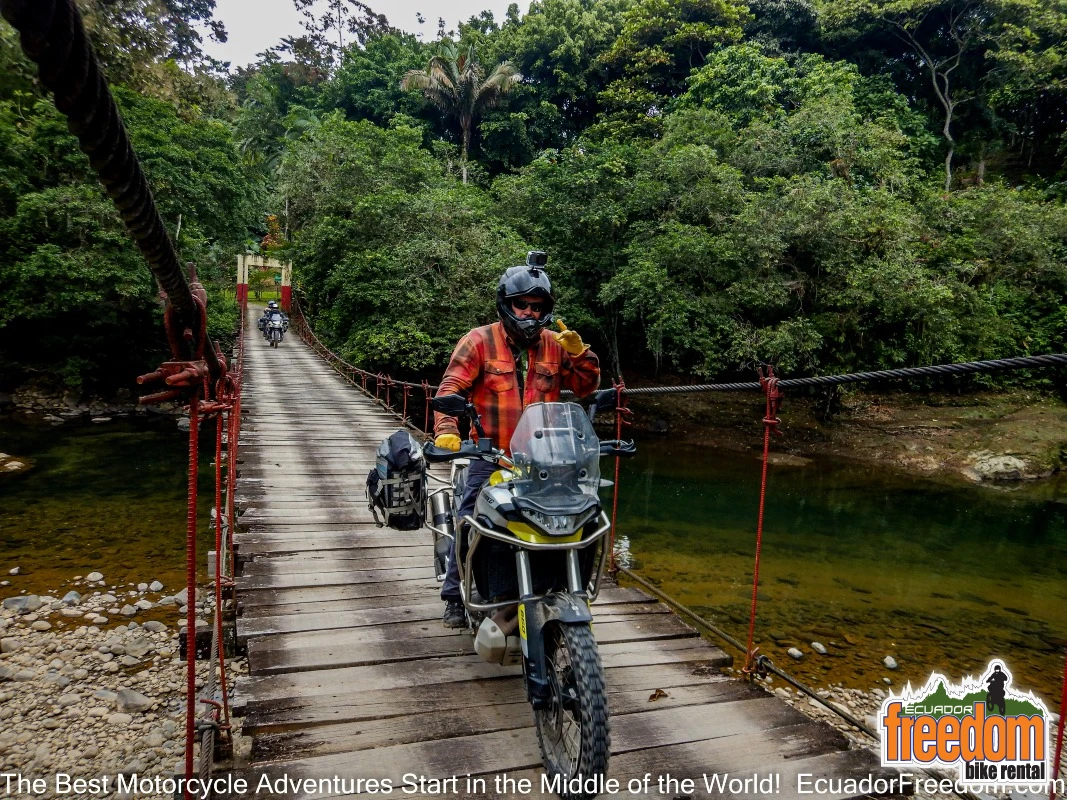
After your swim, we will cross over a wire suspension bridge (photo above) that will take us to an island in the Caony River for a wonderful lunch stop in a beautiful rainforest setting.
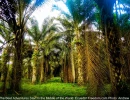
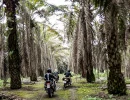
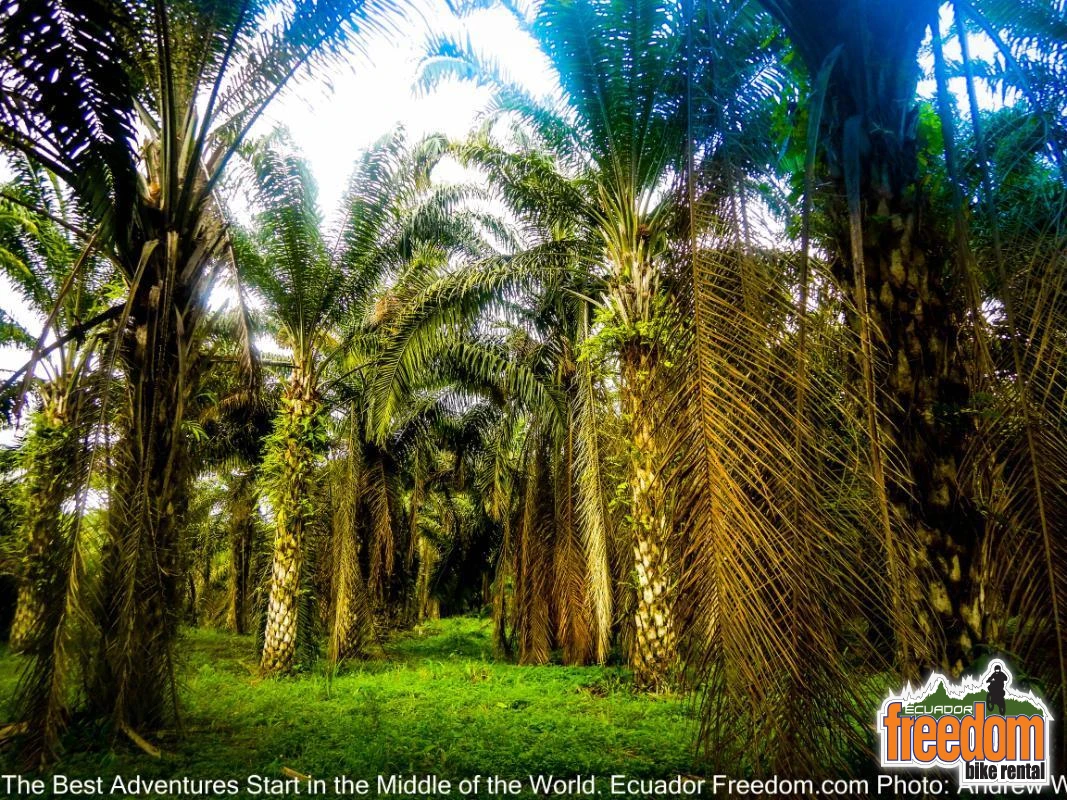
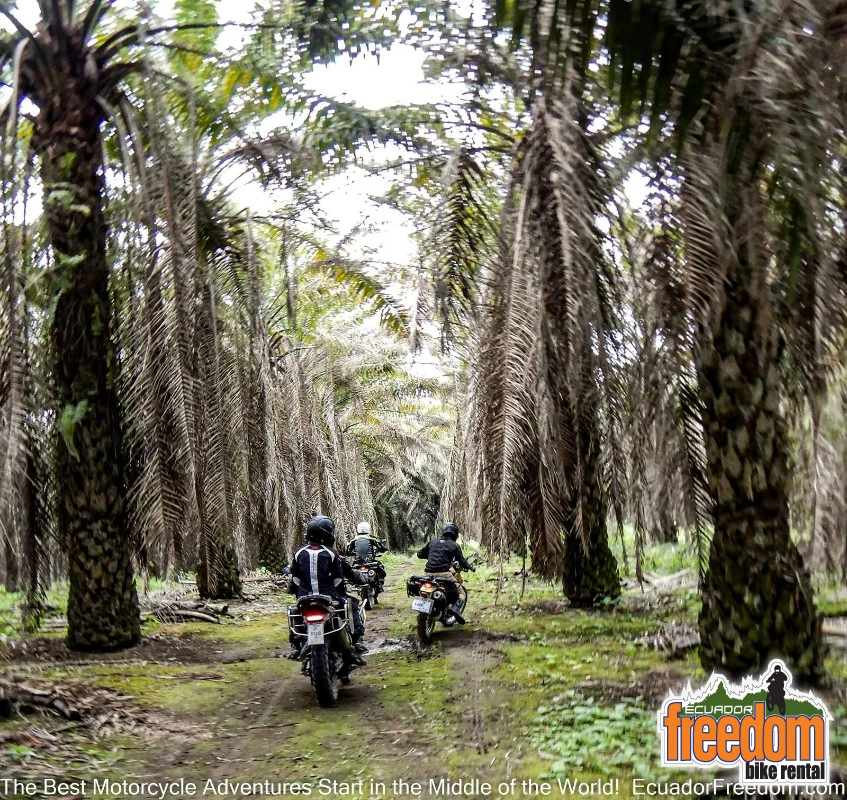
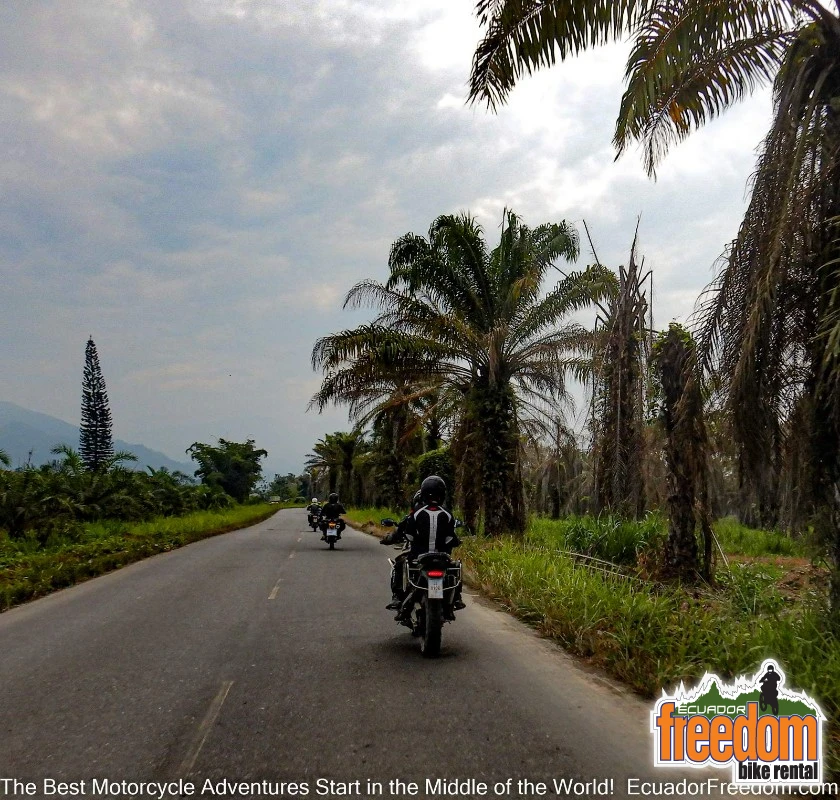
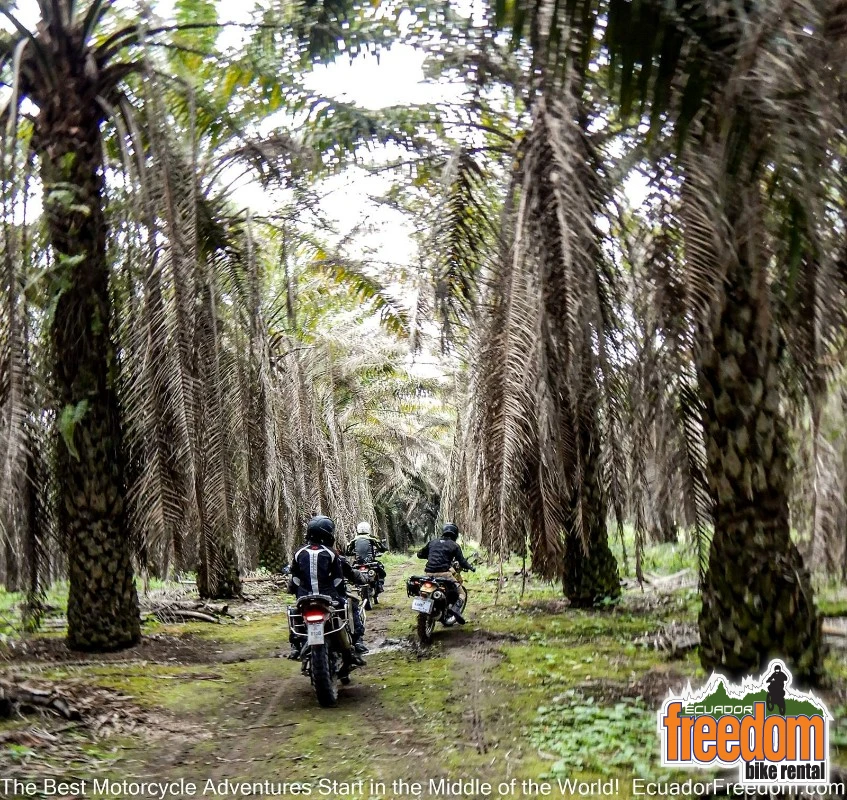
La Concordia is a commercial city and trading center for the area’s most prominent crop: palm oil. The palm groves that surround this city appear almost magical.
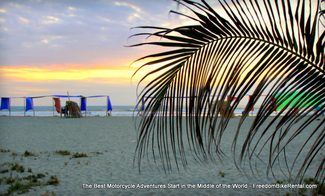 On the Pacific coast, Pedernales, sometimes referred to as the "Wild Wild West," -- is known for its chaotic markets, plentiful restaurants, nightclubs, and fun-loving residents. The closest beach to Quito, this resort town is Ecuador’s shrimp capital, and naturally, we will stop at one of the ocean-side restaurants for a taste. Expect to enjoy the freshest and most delicious shrimp you’ve eaten in your life.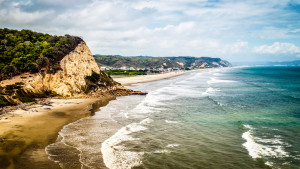
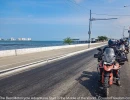
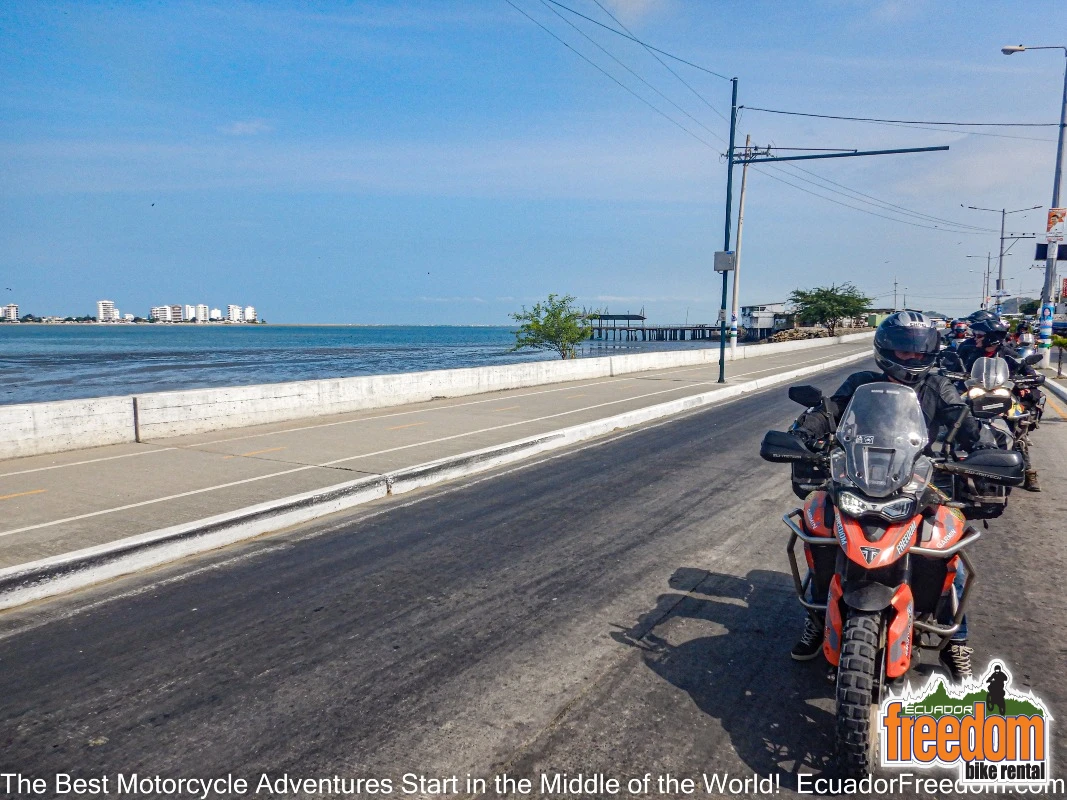
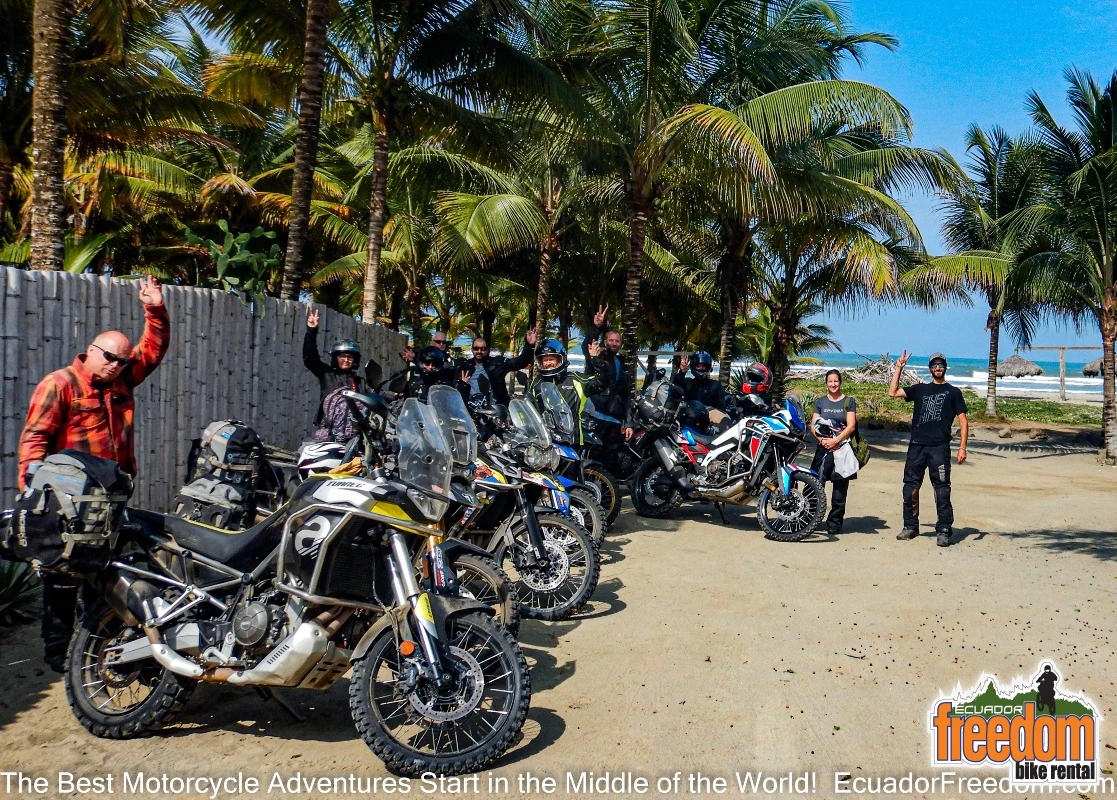
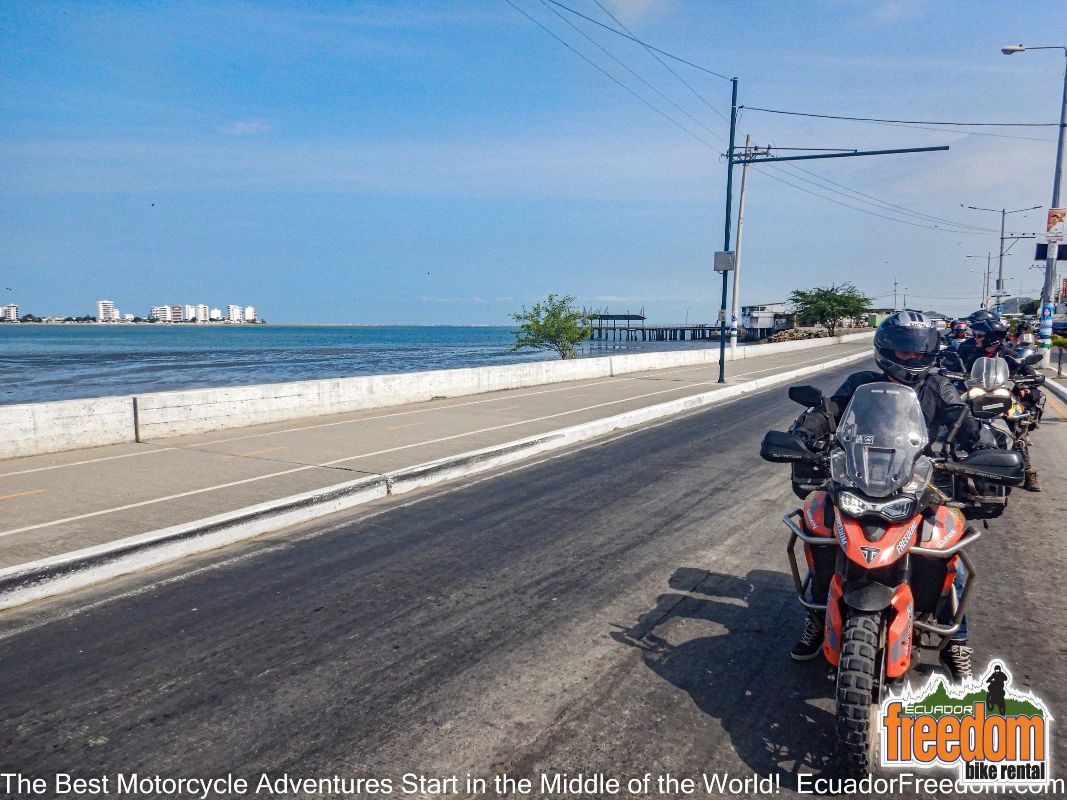
We ride south along the coastal road from Pedernales, passing wild, undeveloped beaches and shrimp farms. We will pass through the quiet town of Jama, a throwback to a simpler time where the tides and fishermen set the pace.
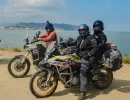
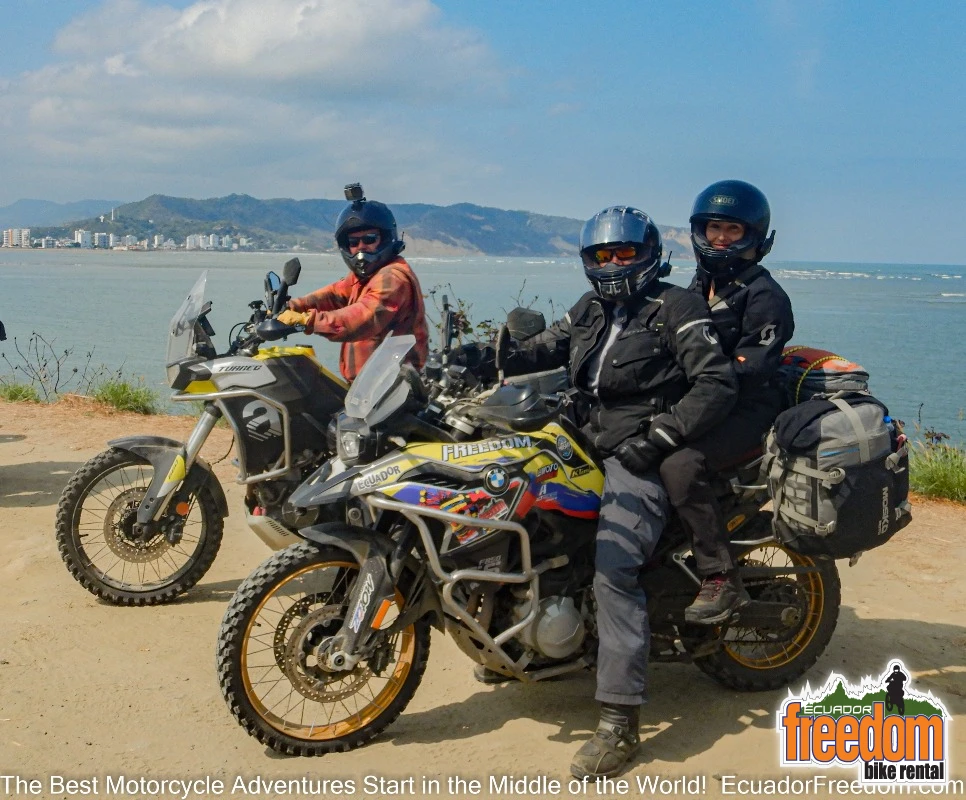
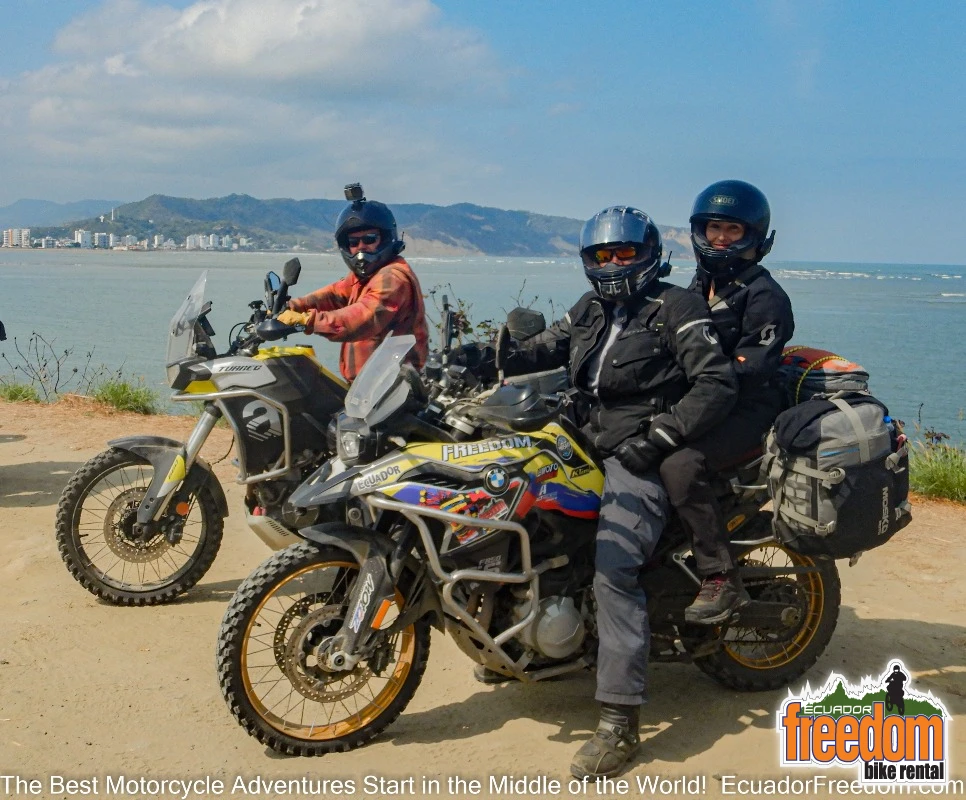
Our day ends in the town of Canoa. This town is home to a mixed population of native fishermen, transient surfers, and expatriate retirees seeking sun and relaxation. Our carefully selected accommodations are at the Canoa Beach Hotel, right on the beach, with a great atmosphere thanks to its friendly, helpful, and fun staff.
Day 3 - Quevedo
Elevation Profile - Day 3
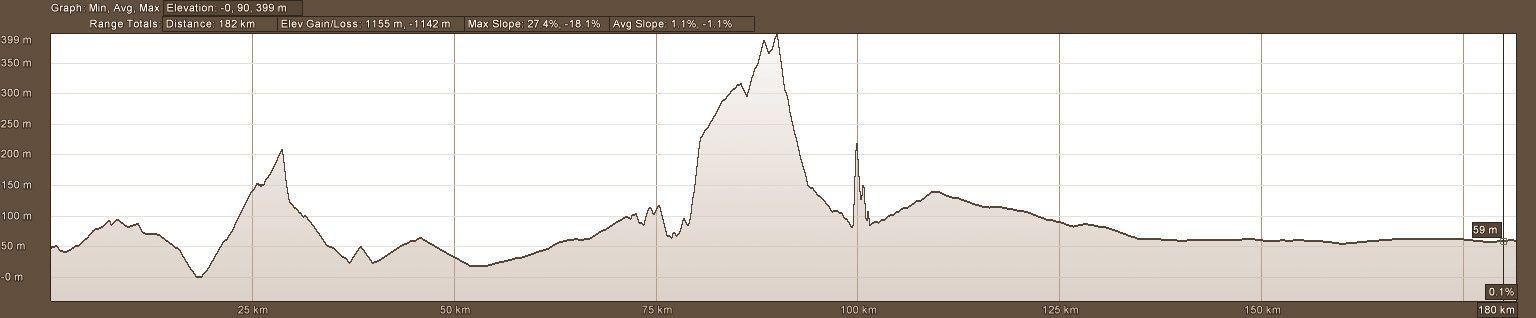
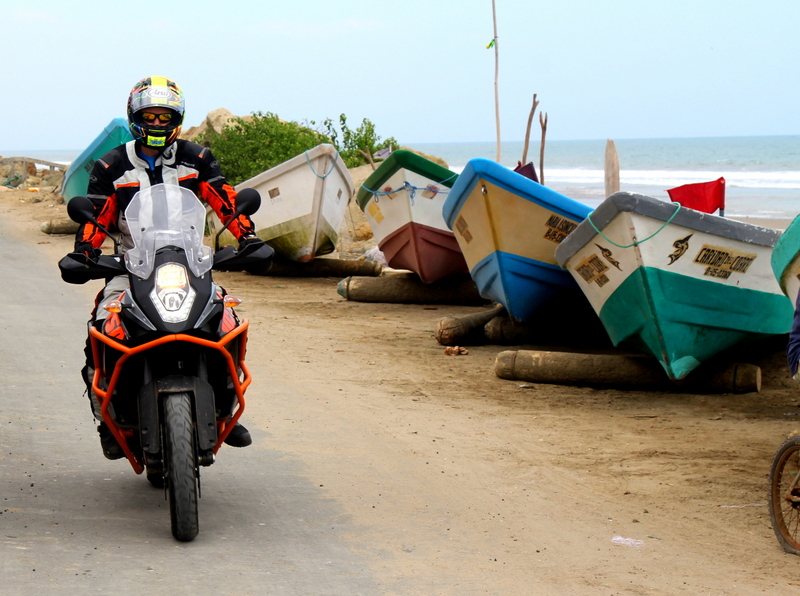
Canoa - Bahia de Caraquez - Quevedo
 Enjoy a last swim on the beautiful beach in Canoa and a filling breakfast. Our morning ride will continue down the coastal road, also known as "Ruta del Sol." After crossing the Bahia de Caraquez and through the city of the same name, we’ll begin to climb on high cliffs that overlook the beautiful Chone River and the mangroves of El Corazon Island.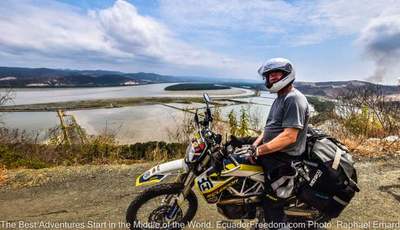
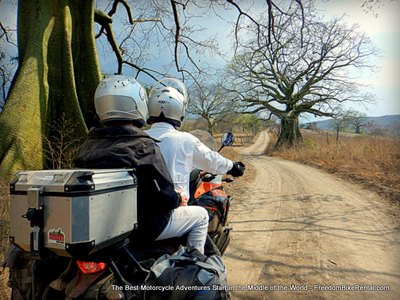
We'll cross through cattle farms, rice paddies, cacao plantations, and the towns of Calceta, Quiroga, and Tosagua. Here we will see many of the majestic Ceibo Trees. The ancient people fabled these trees as the Earth's ties to the spiritual world. Since the only place they grow in the world is along the equatorial belt, their bare branches were thought to be roots that kept the world attached to heaven. They flower only once every five years and can store thousands of liters of water in their massive trunks.
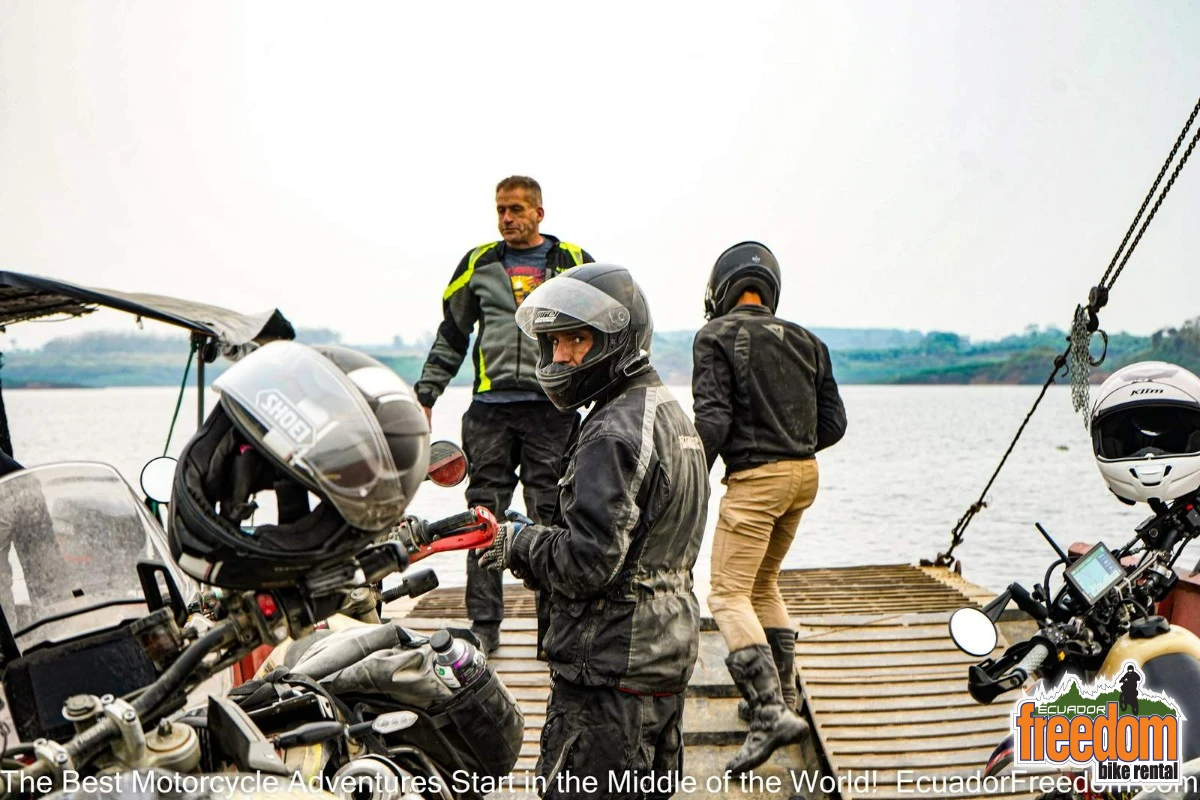
We'll cross over a bridge over the serene Santa Teresa reservoir, full of fishing birds. Then we'll pass through a dense rainforest full of twists and curves and small farms growing exotic fruits and coffee.
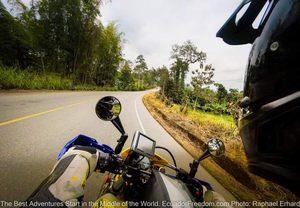 This part of the country is full of South American squirrels that live in the wild. You will hear - and may be lucky - to glimpse the famous howling monkey.
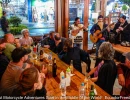
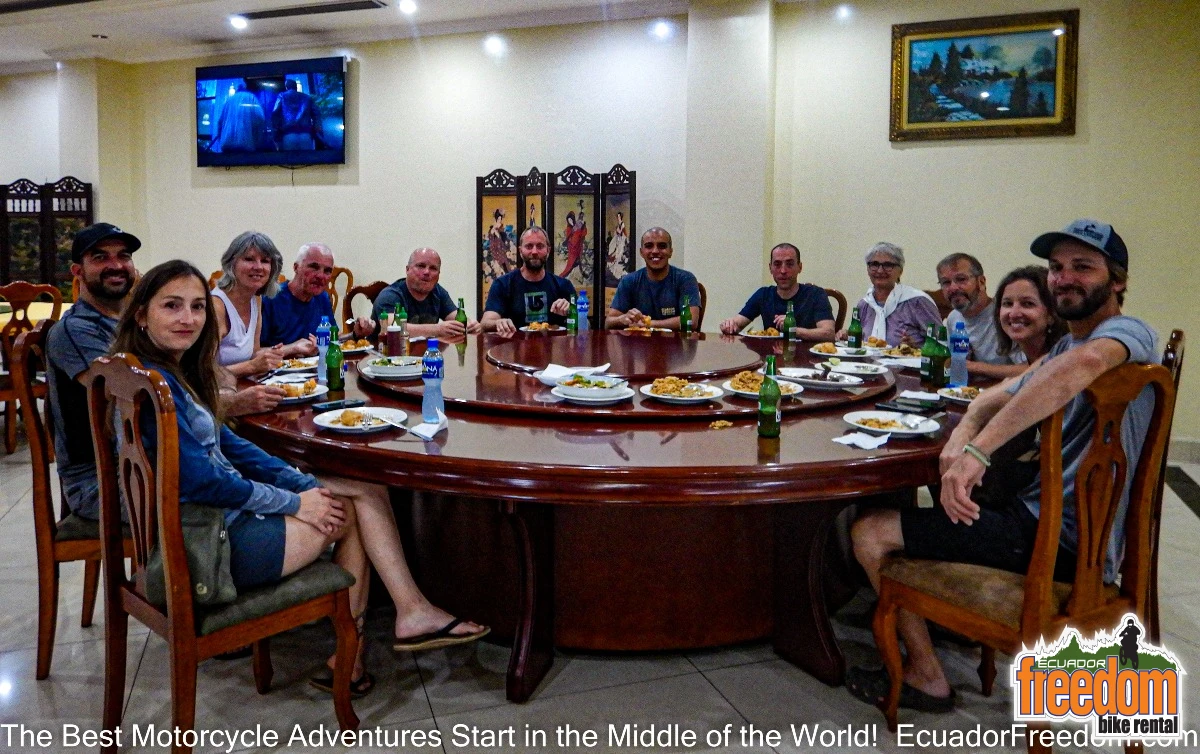
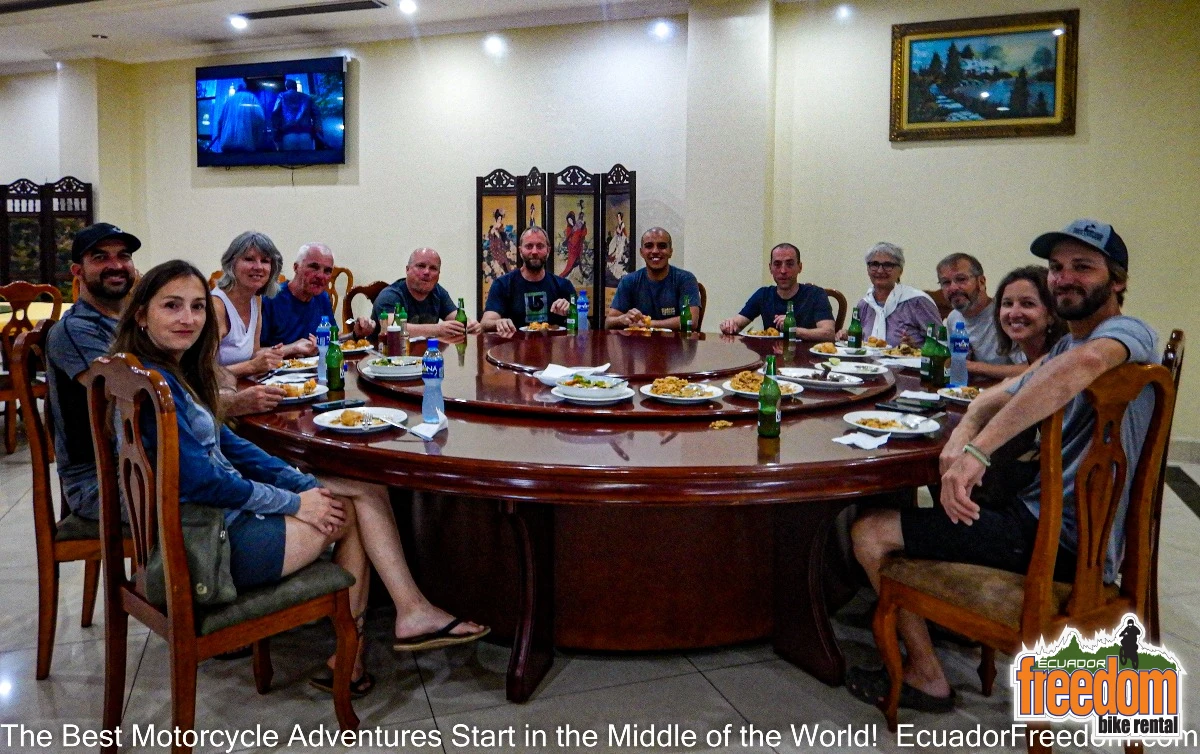
The population in this area of Ecuador makes their living from agriculture, mostly rice, cacao plantations, and cattle. We will spend the night at the Olimpico Hotel in Quevedo. Quevedo was the first Chinese settlement community in Ecuador, and many of the Chinese restaurants date back to the 1920’'s. We will have a Chinese feast at the best Ecuadorian-Chinese restaurant in the world.
Day 4- Salinas de Guaranda
Elevation Profile - Day 4
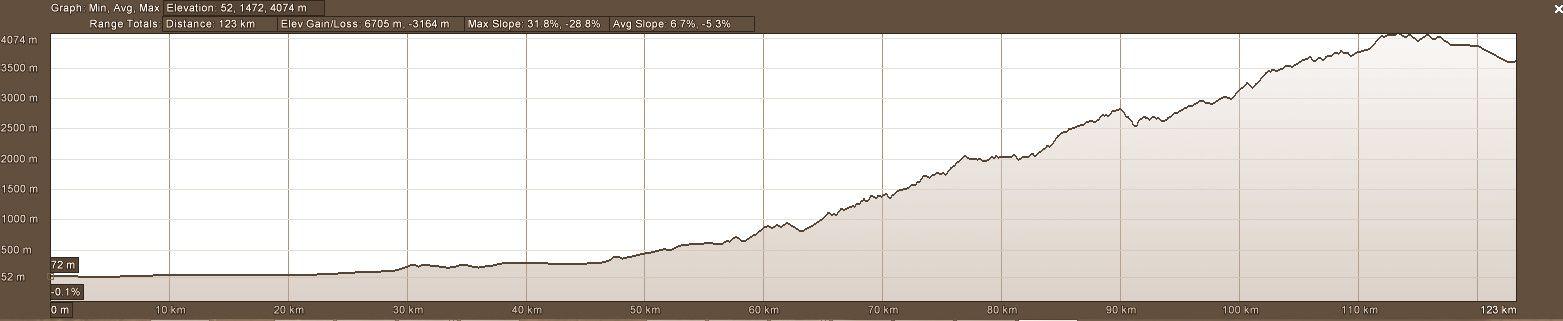
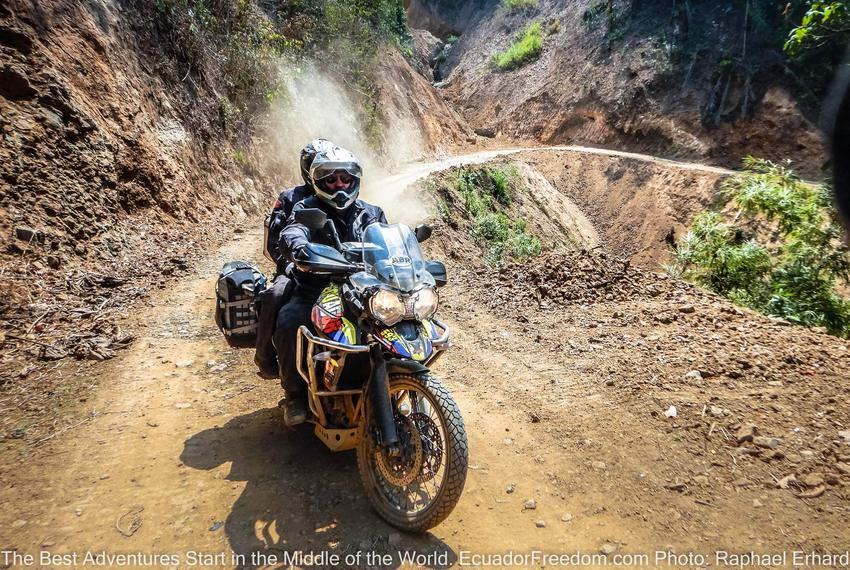
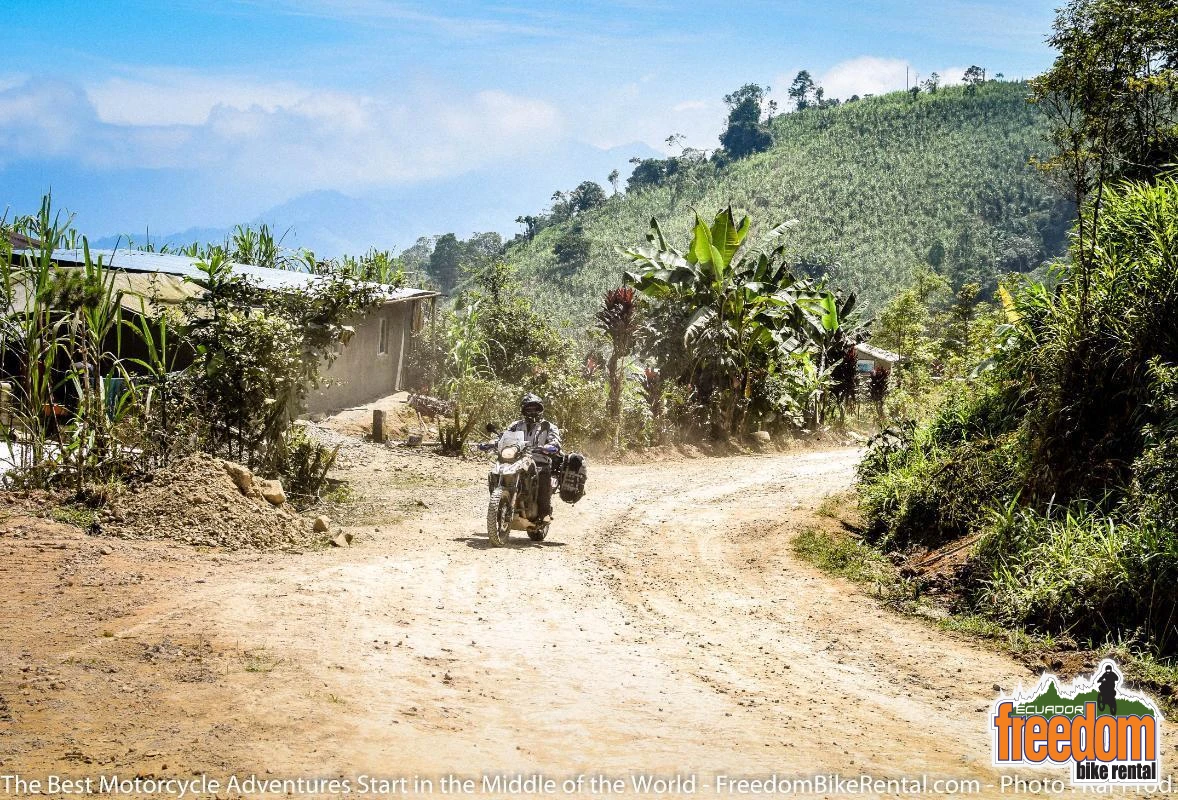
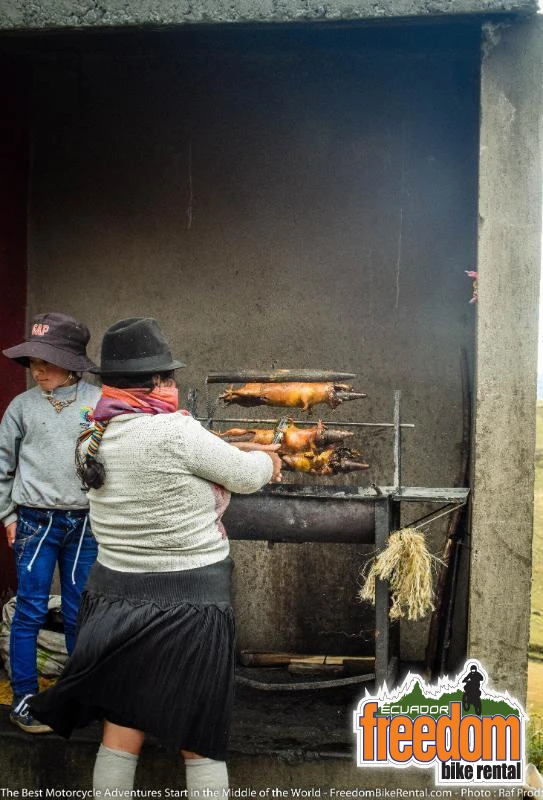
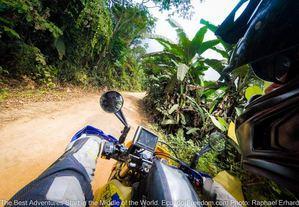 Today's ride may not be very many kilometers long but will be somewhat challenging as it includes unimproved dirt roads. We will start the ride leaving the bustling city of Quevedo through miles of palm, cacao, and banana plantations. The fragrances of ripening bananas and cacao beans roasting in the sun will waft through your helmet. We will climb in elevation on spectacular country roads, arriving in the small town of El Corazon - where they brew and bottle their unique moonshine - flavored alcohol that is quite good, yet inexpensive. El Corazon is an amicable town and we know the place to get the best chicken you will ever taste in your life.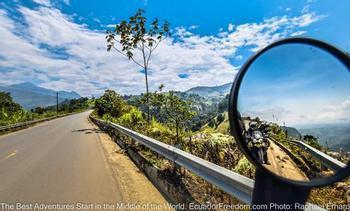
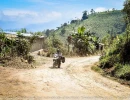
From El Corazon, you will again face some challenging dirt roads that wind through thick jungles and arrive in the picturesque, isolated village of Facundo Vela, a place that seems like it hasn't changed much over the past 100 years. The town is usually full of horses with not a single car to .be seen. You may feel like you have ridden into a time warp, which is now 1922.
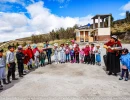
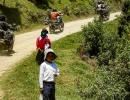
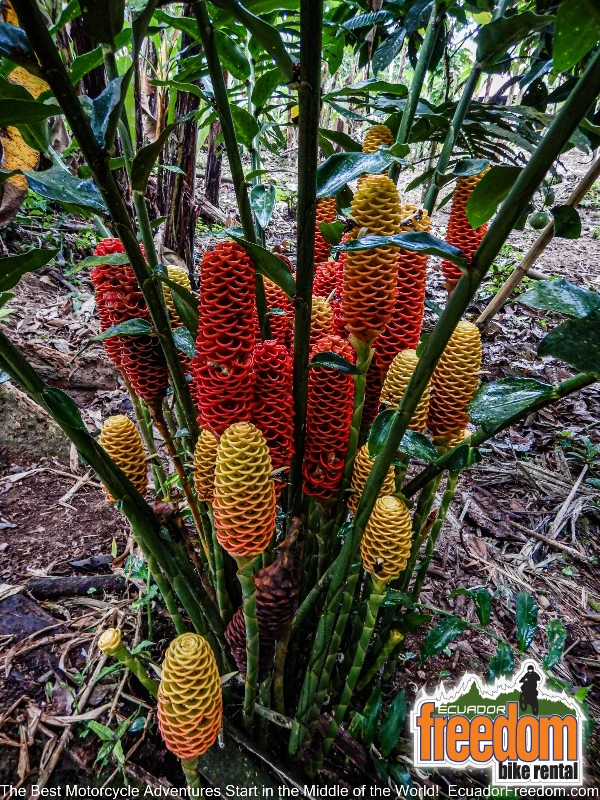
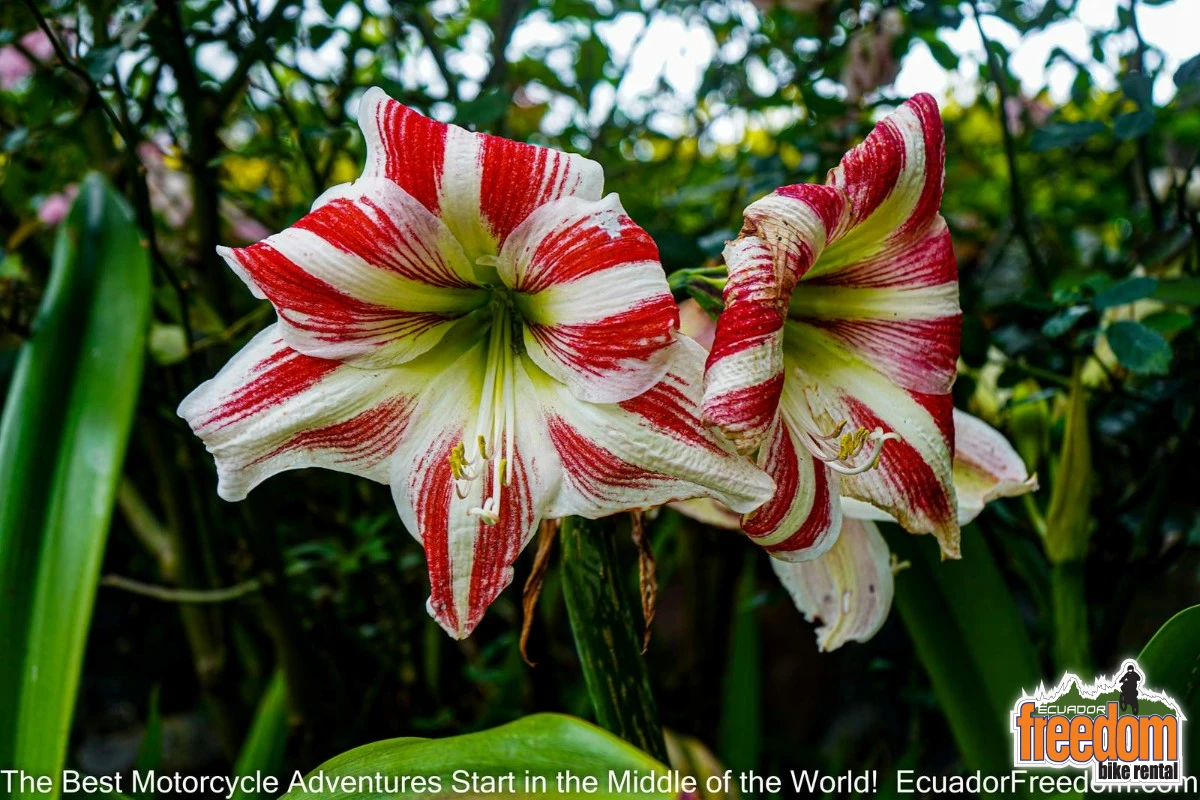
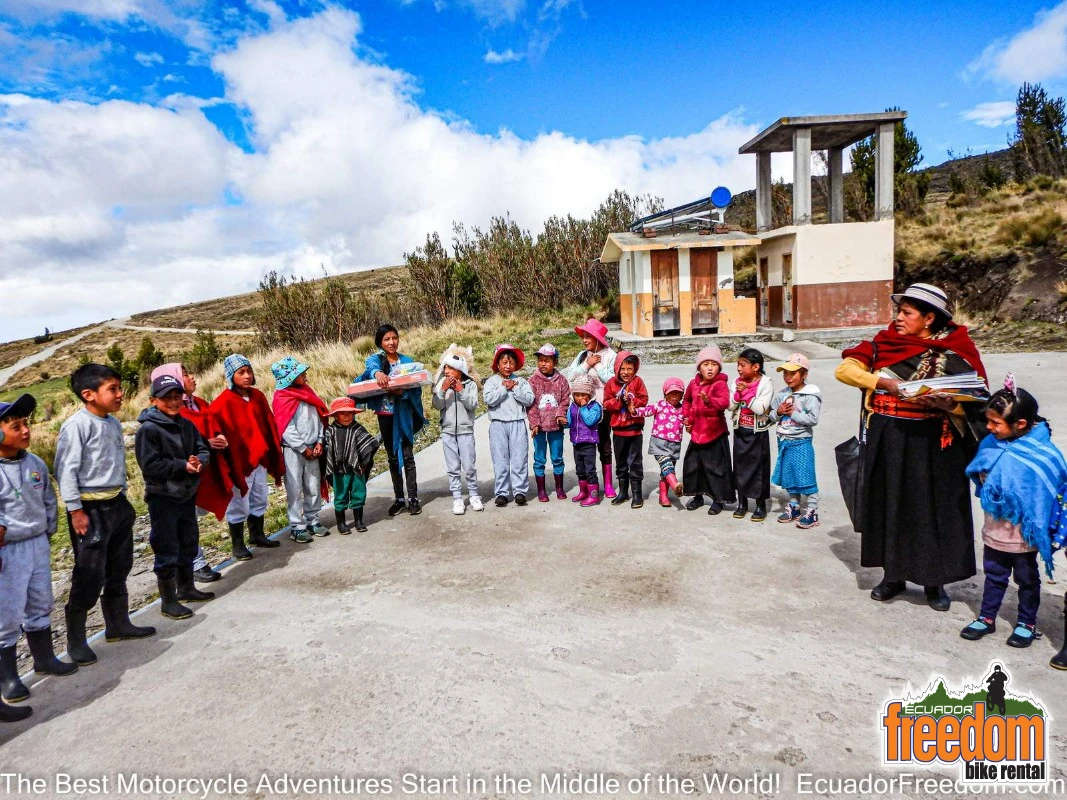
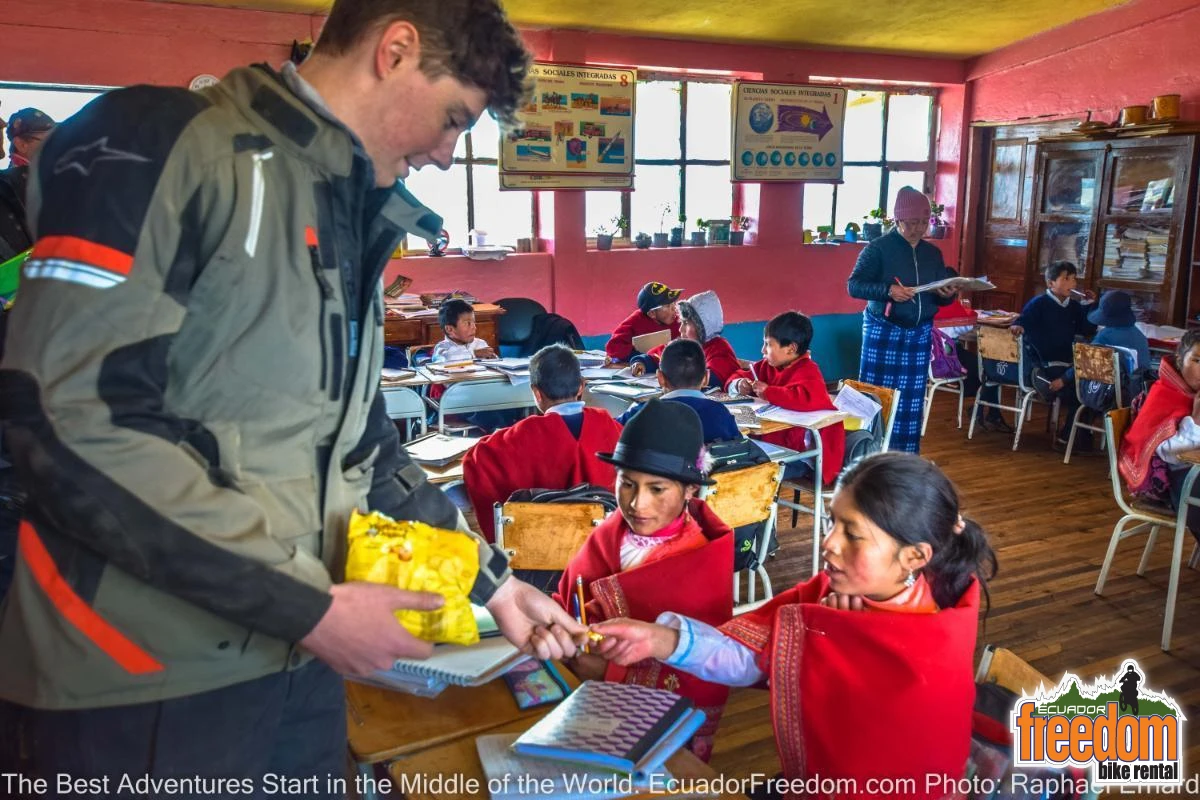
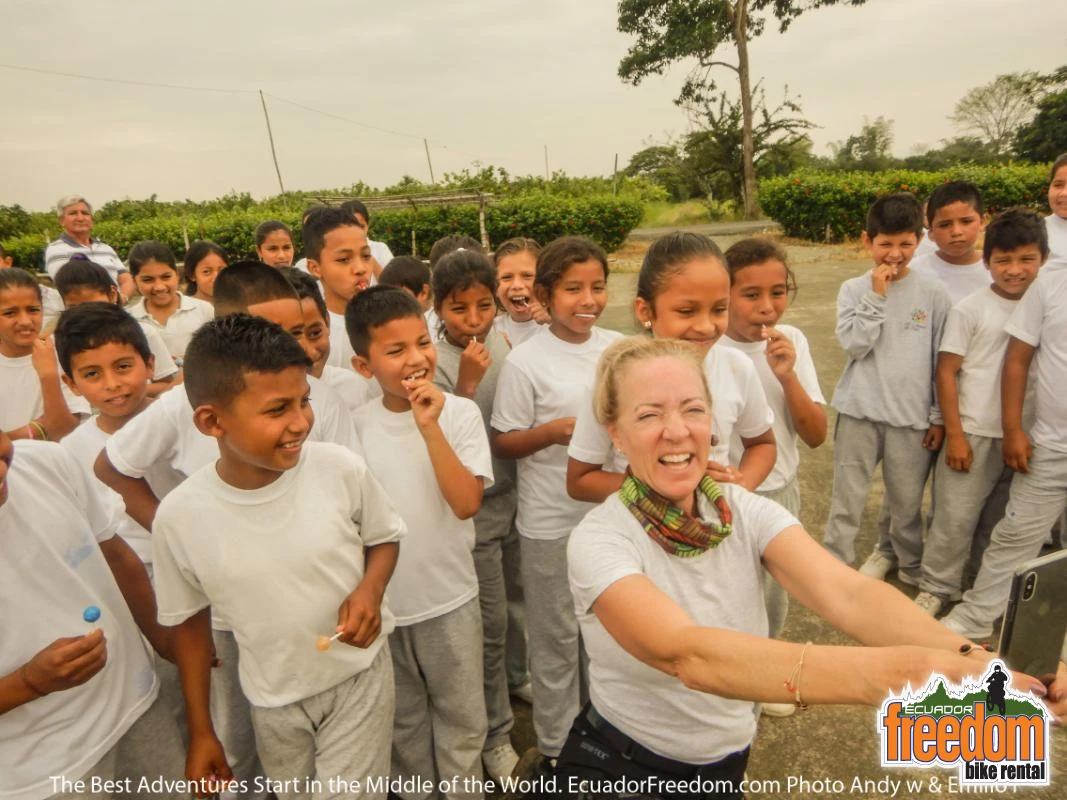
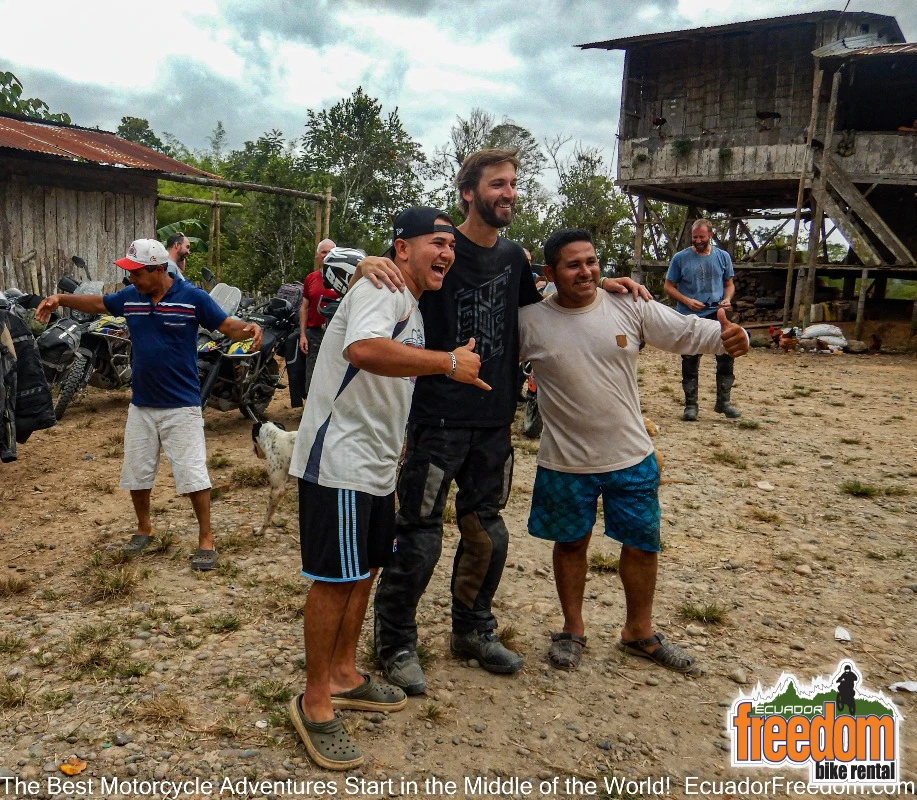
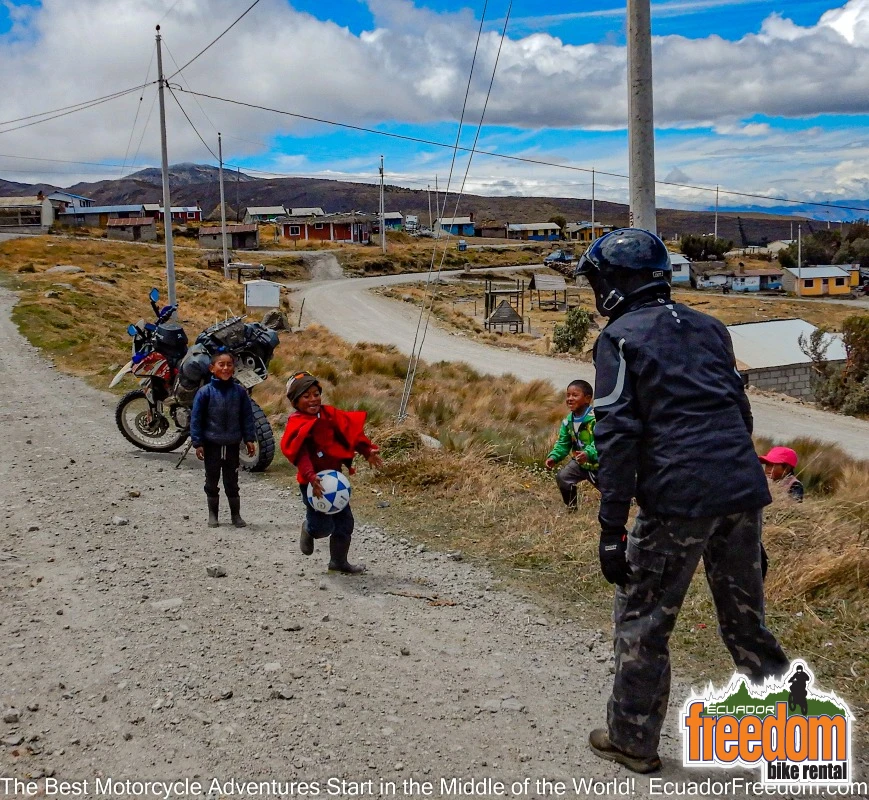
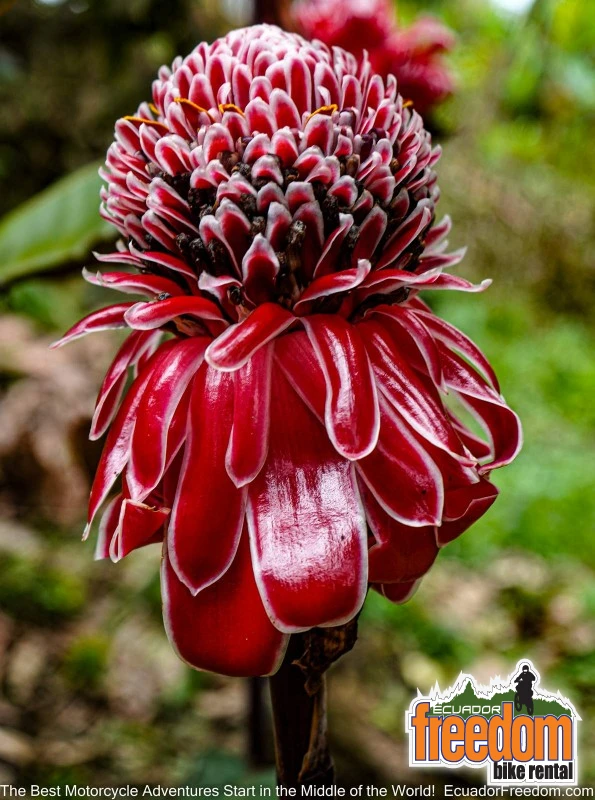
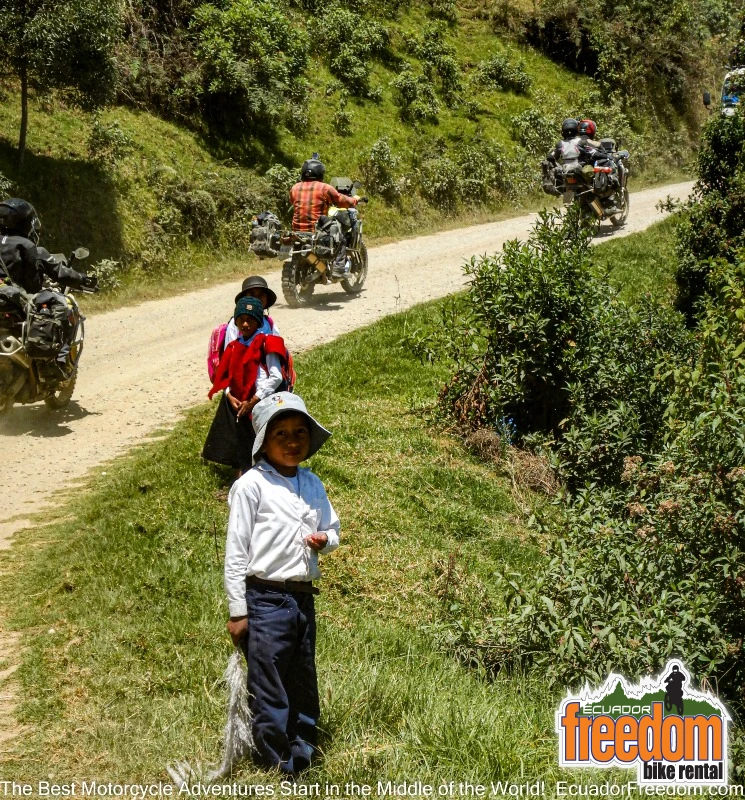
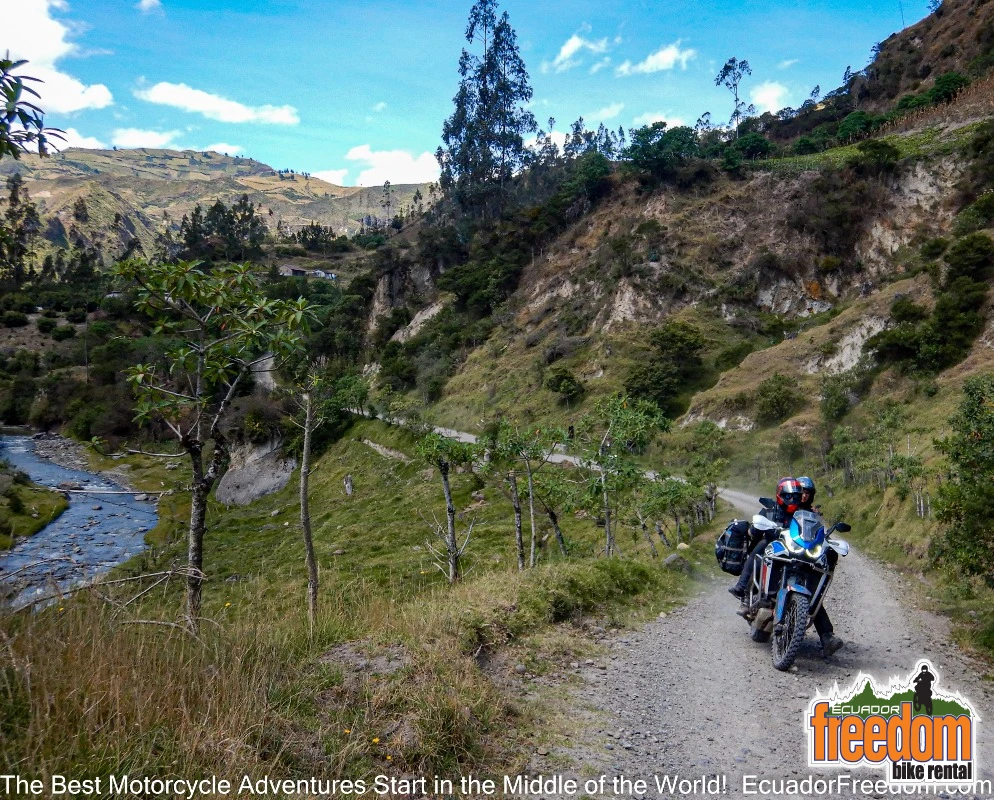
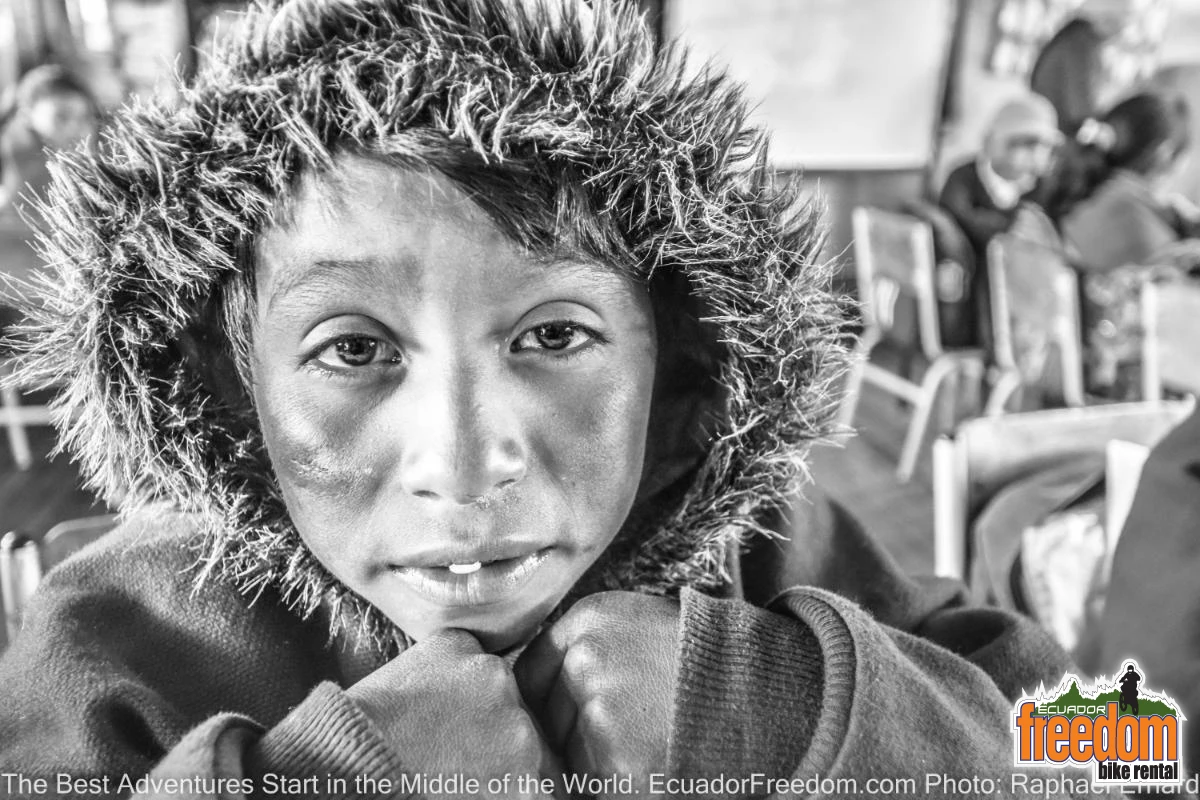
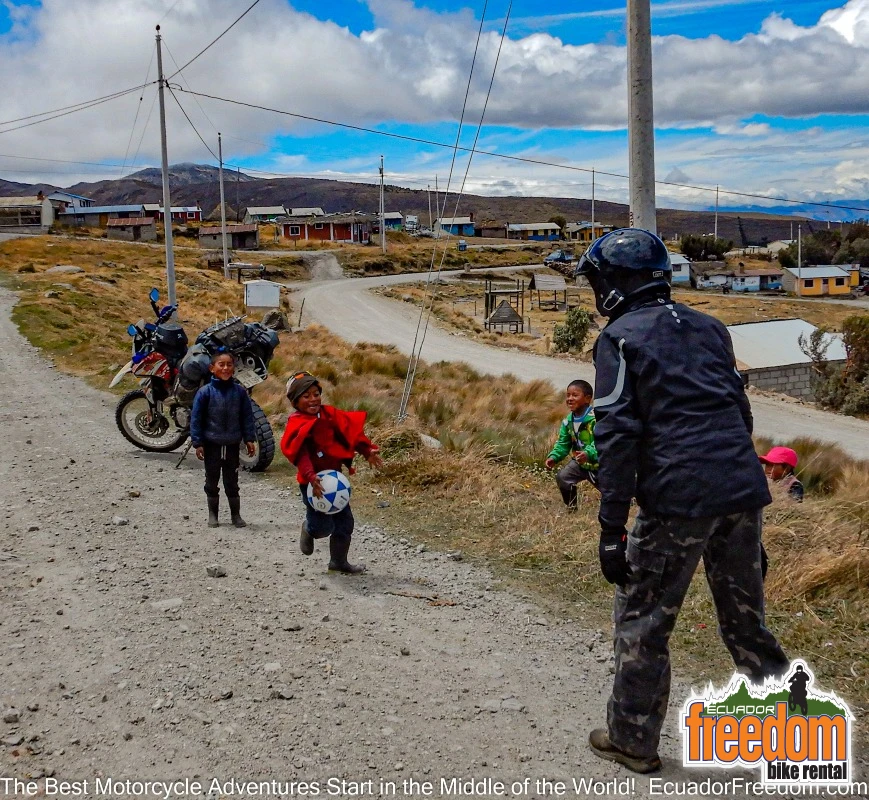
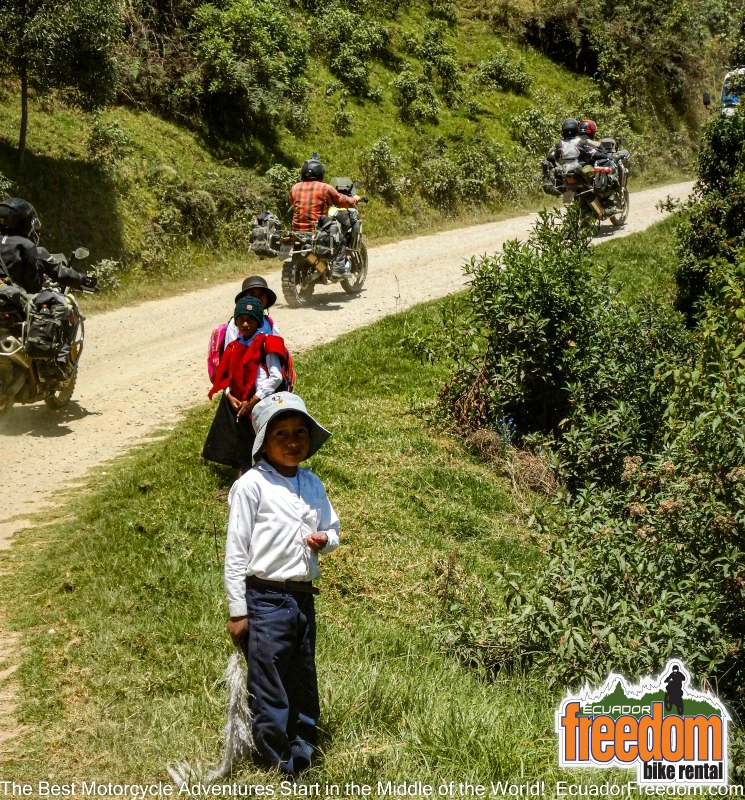
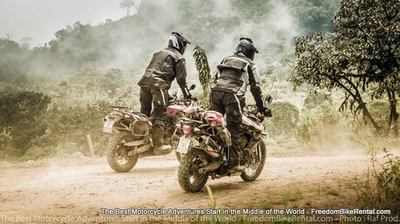 Taking the dirt road out of Simiatug, we will continue to ride and gain altitude on a series of switchback cobblestone trails. The air through this section of the cloudforest is scented with wild orchids and tropical plants and will get cooler and more relaxed as we continue the climb. In this part of Ecuador, farming is still done without modern machinery. You'll see plenty of oxen, horses, alpaca, and donkeys. The indigenous inhabitants wear colorful, traditional dress and enjoy a simple life here. They are usually pretty surprised to see foreigners come through their villages.
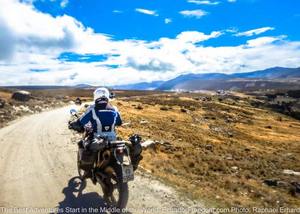 Once you've crossed over a towering mountain pass, you'll arrive in the quaint town of Salinas de Guaranda. It might seem peculiar to some people but this place also has Swiss roots! One thing you can't leave without eating is their famous cheese - so don't forget to order it for dinner at one of the local restaurants here! At Kachi Yacu, there are plenty of rooms available with views overlooking the serene little village from above - it's perfect for getting some rest and relaxation after an exciting day exploring all there is to see.
Day 5 - Baños de Agua Santa
Elevation Profile - Day 5
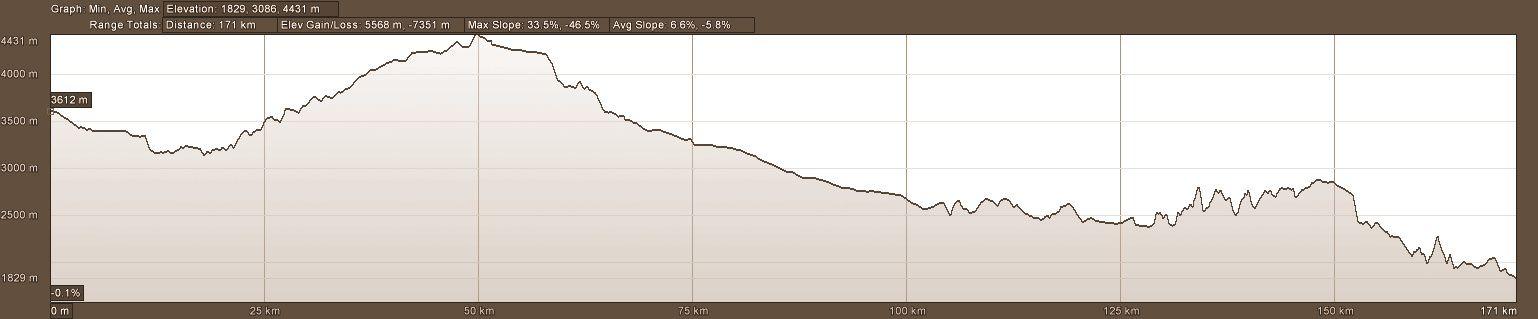
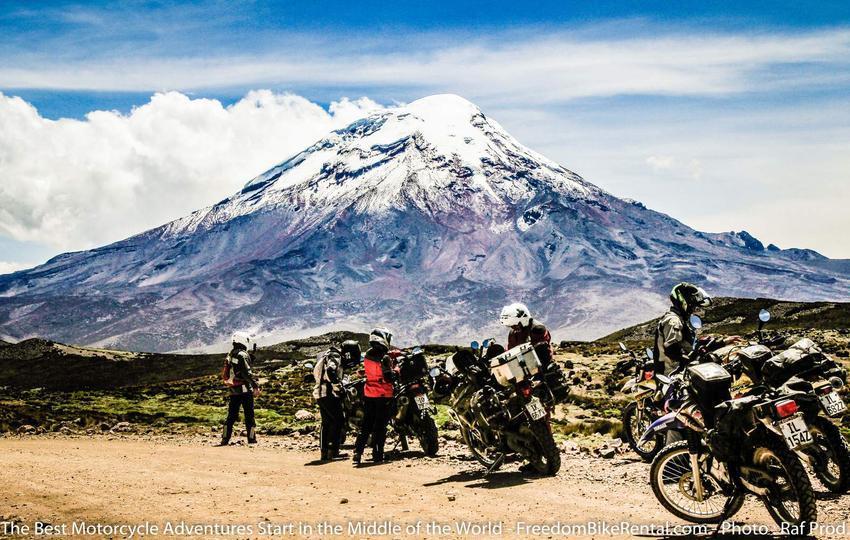
Salinas de Guaranda - Chimborazo - Riobamba - Baños
You will wake up in the high-altitude "Swiss" village of Salinas - you should have some additional layers ready for today's ride - you will be riding through some extreme temperature and climate changes - so be prepared.
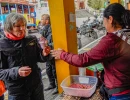
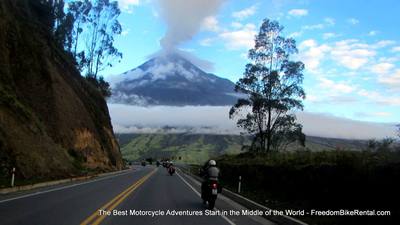 After a hearty breakfast, we will get a tour of this unique town. We'll see how the locals bring their fresh milk on alpacas, donkeys, and horseback to the cooperative cheese factory. We will learn how they turn this milk into Gruyere, Parmesan, Swiss, and Gouda cheese.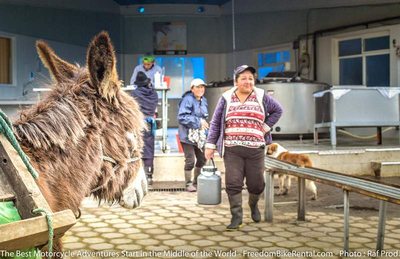
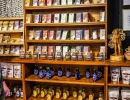
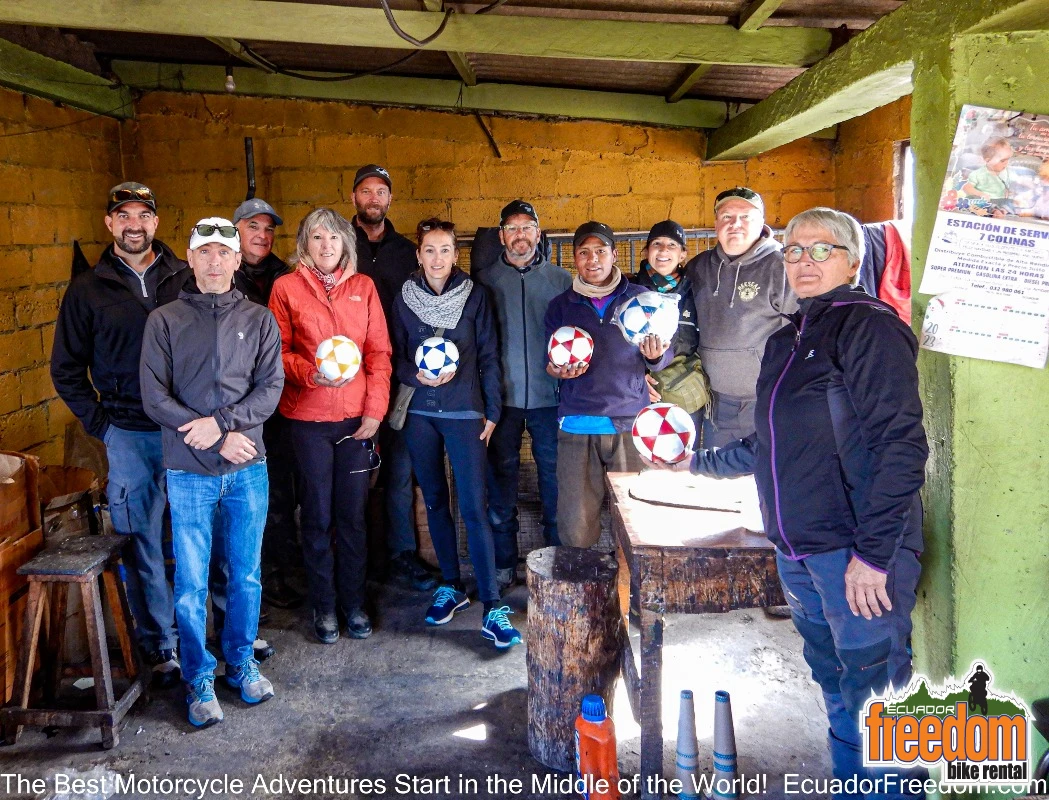
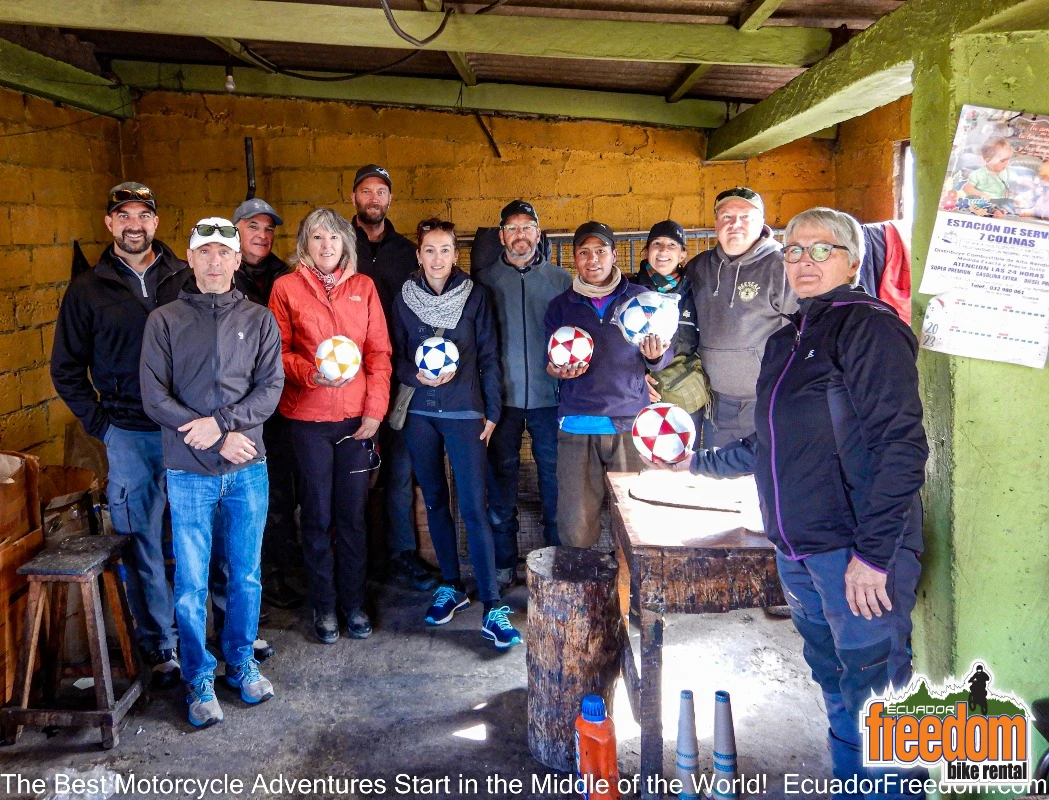
Then we will see the yarn mill where they shear the sheep and alpaca and run the raw woold through `100-year-old machines that are hand-me-downs from New England's closed mills in the USA. We'll also see how they make soccer balls by hand, and then we'll visit the chocolate factory to get a taste of the incredible chocolates made here. Then, we will head out on paved farm roads through the rolling green pastures surrounding Salinas.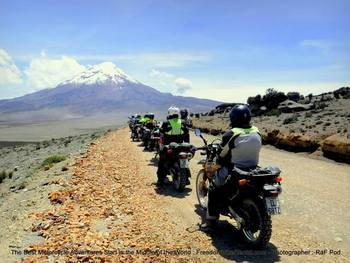
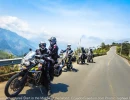
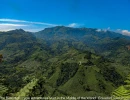
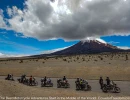
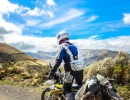
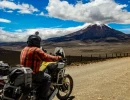
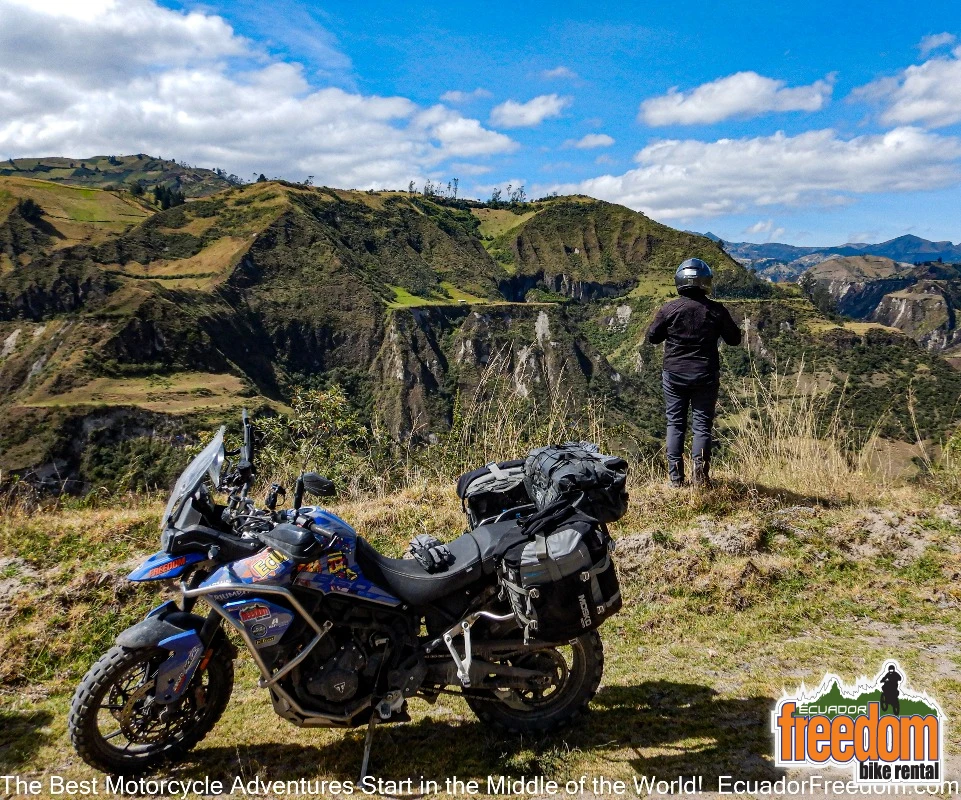
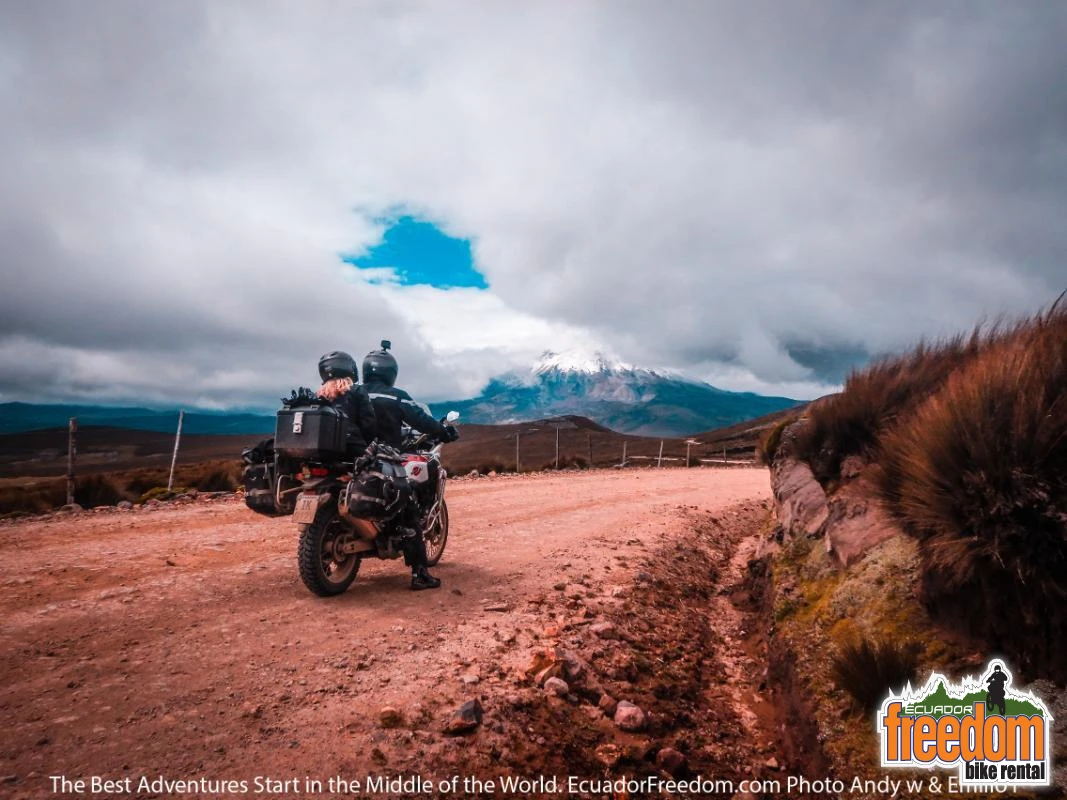
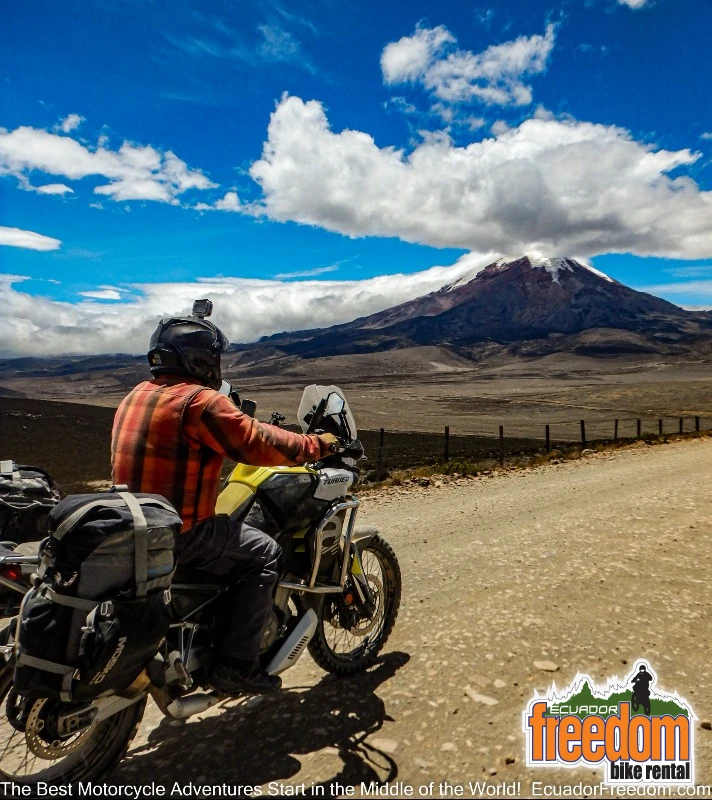
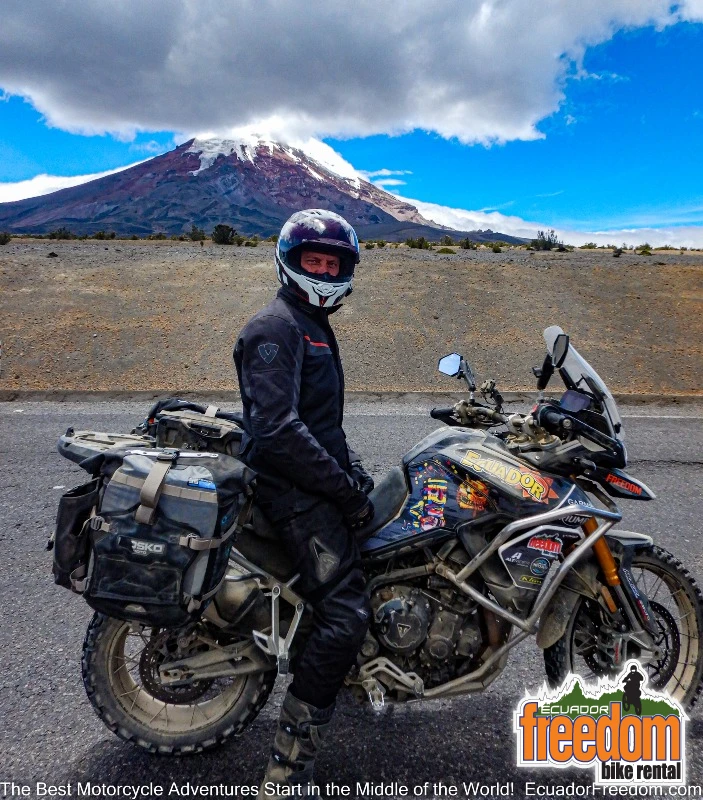
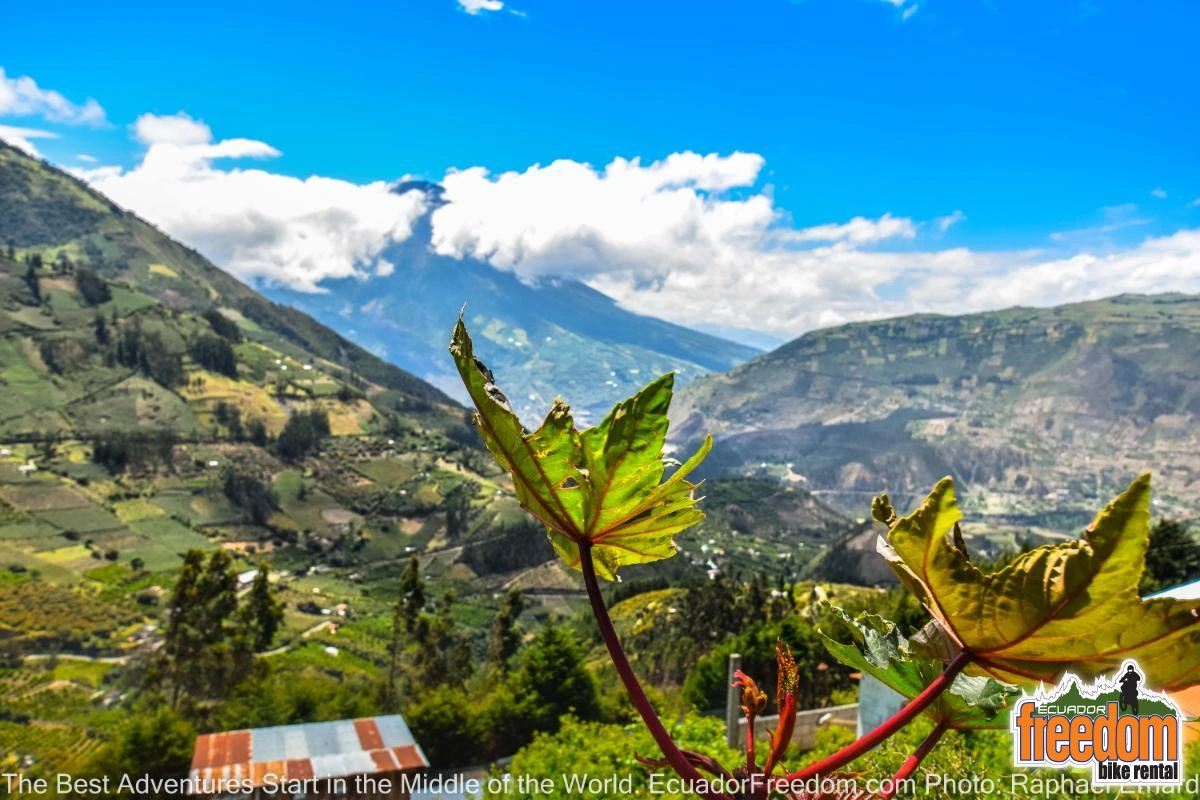
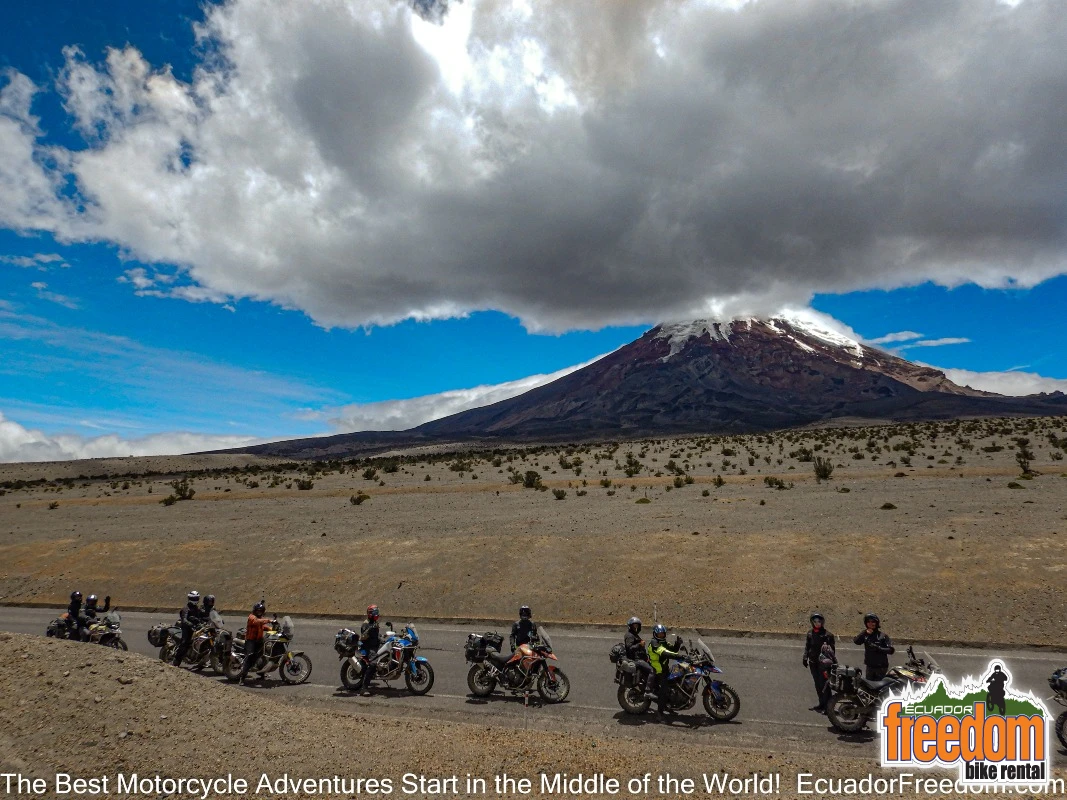
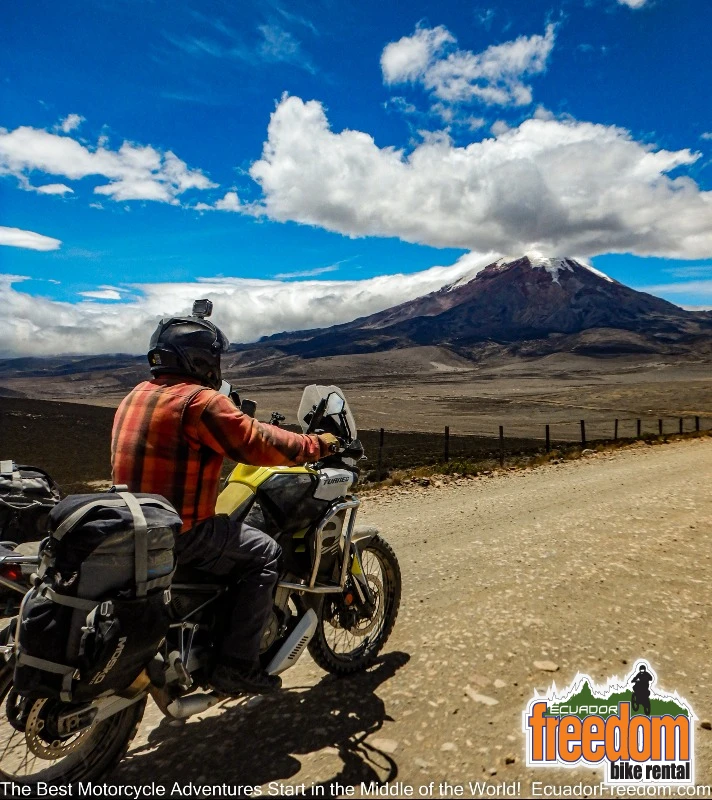
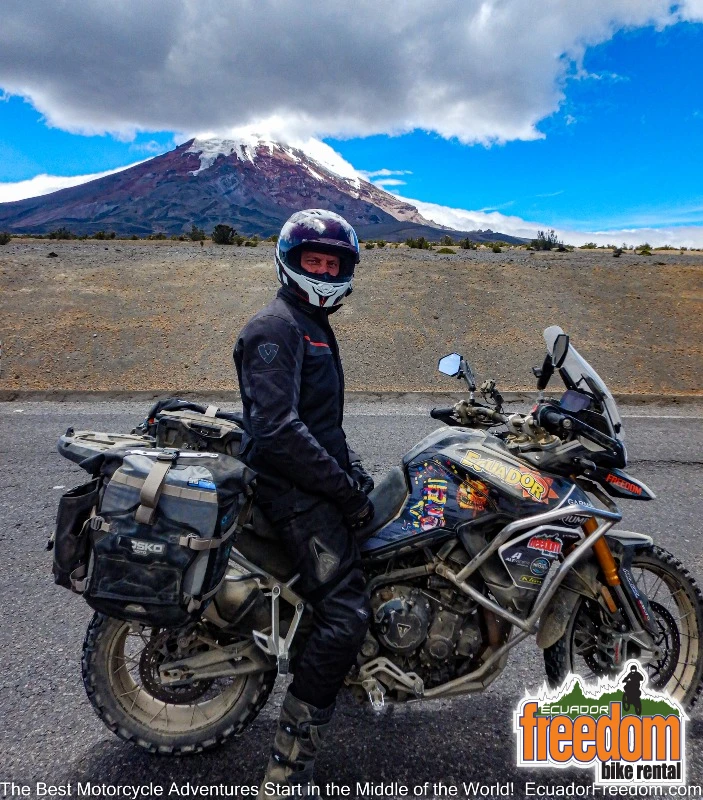
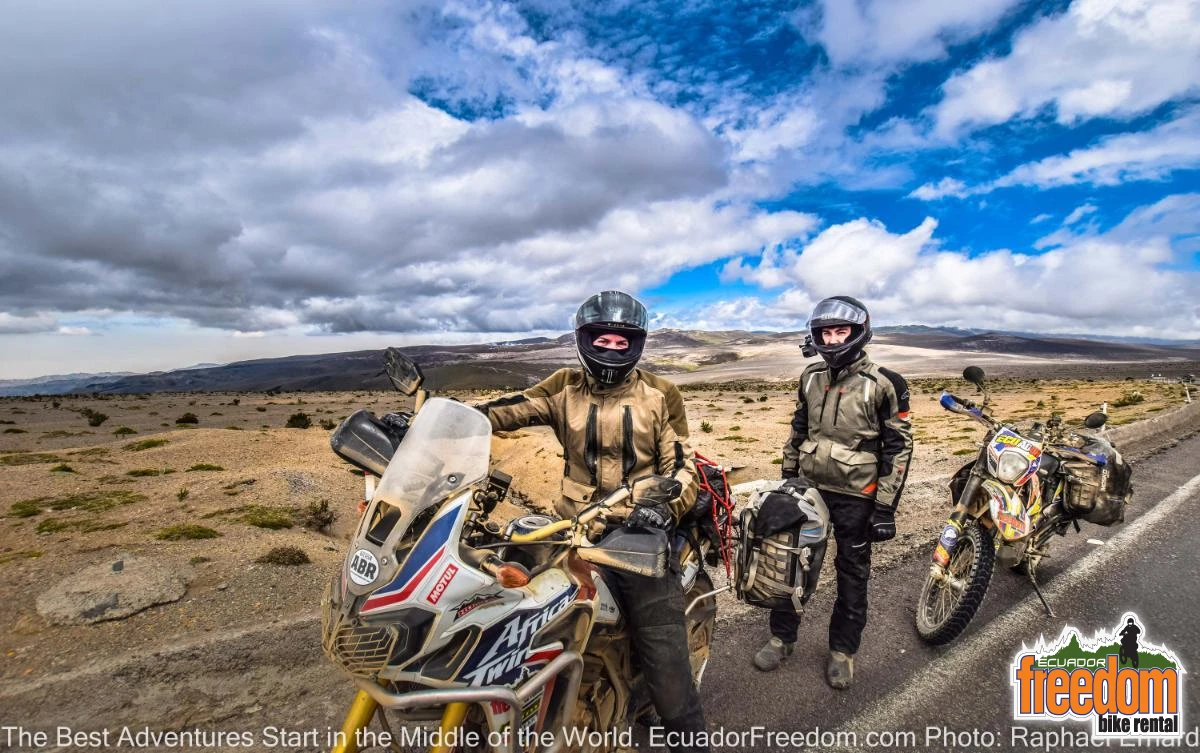
With fantastic scenery at all times, we turn onto the Avenue of Volcanoes to ride around the Chimborazo Volcano, which soars above at the height of 6,310 meters (20,702 feet). Father or "Taita" Chimborazo is the father of all Ecuadorian mountains, according to local folklore. It is the highest mountain in Ecuador and the highest landmass on earth when you consider its proximity to the Equator.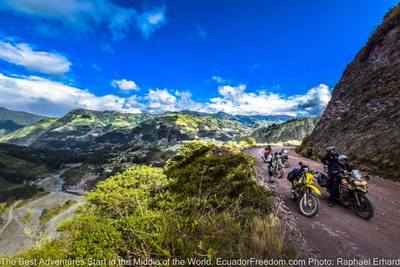
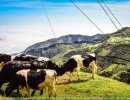
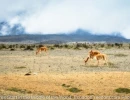
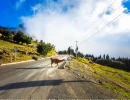
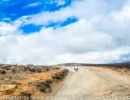
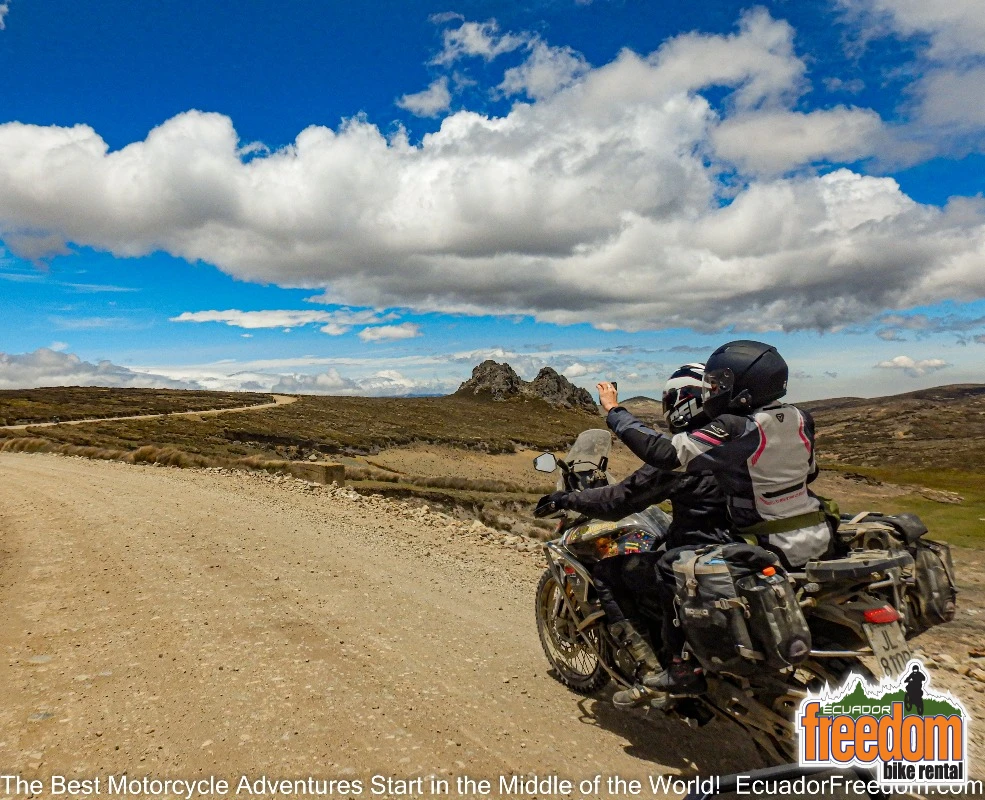
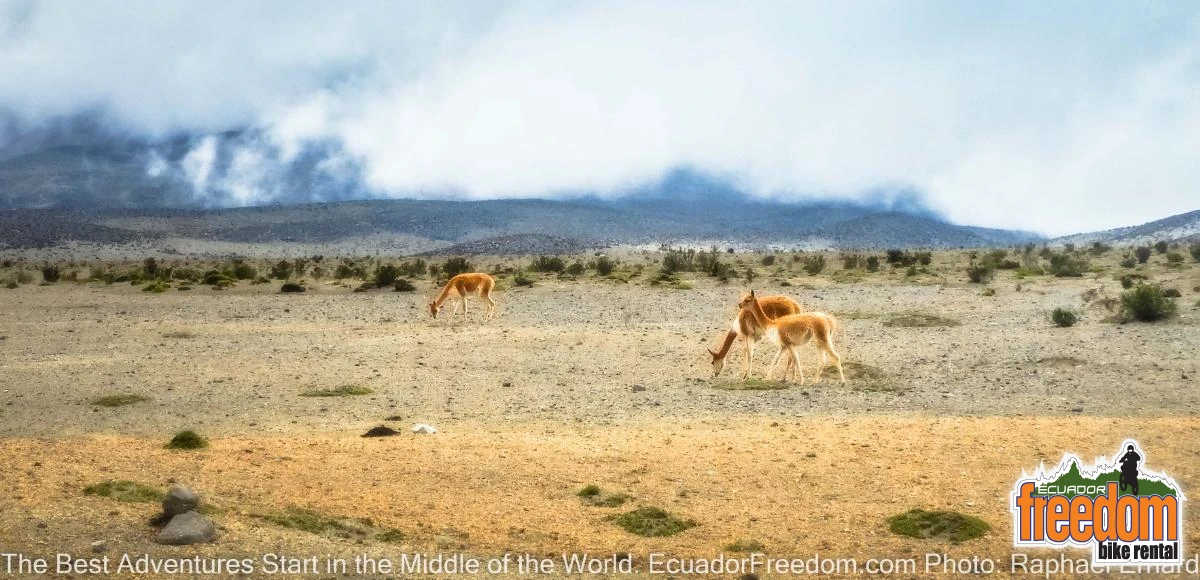
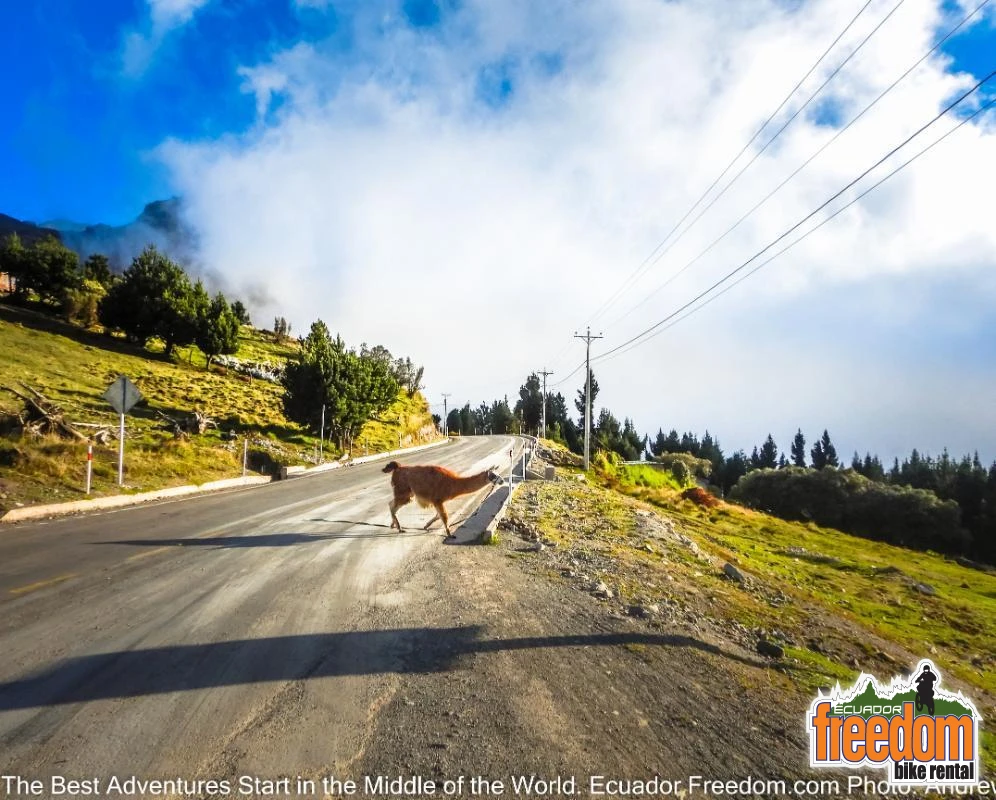
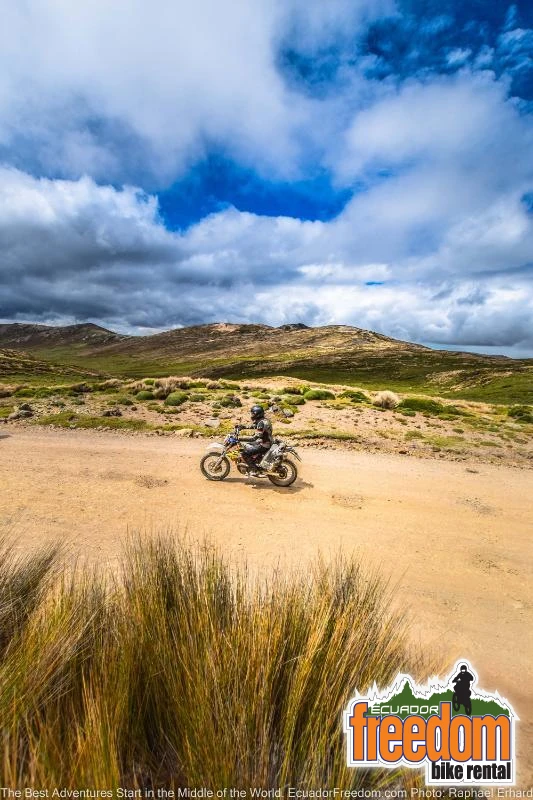
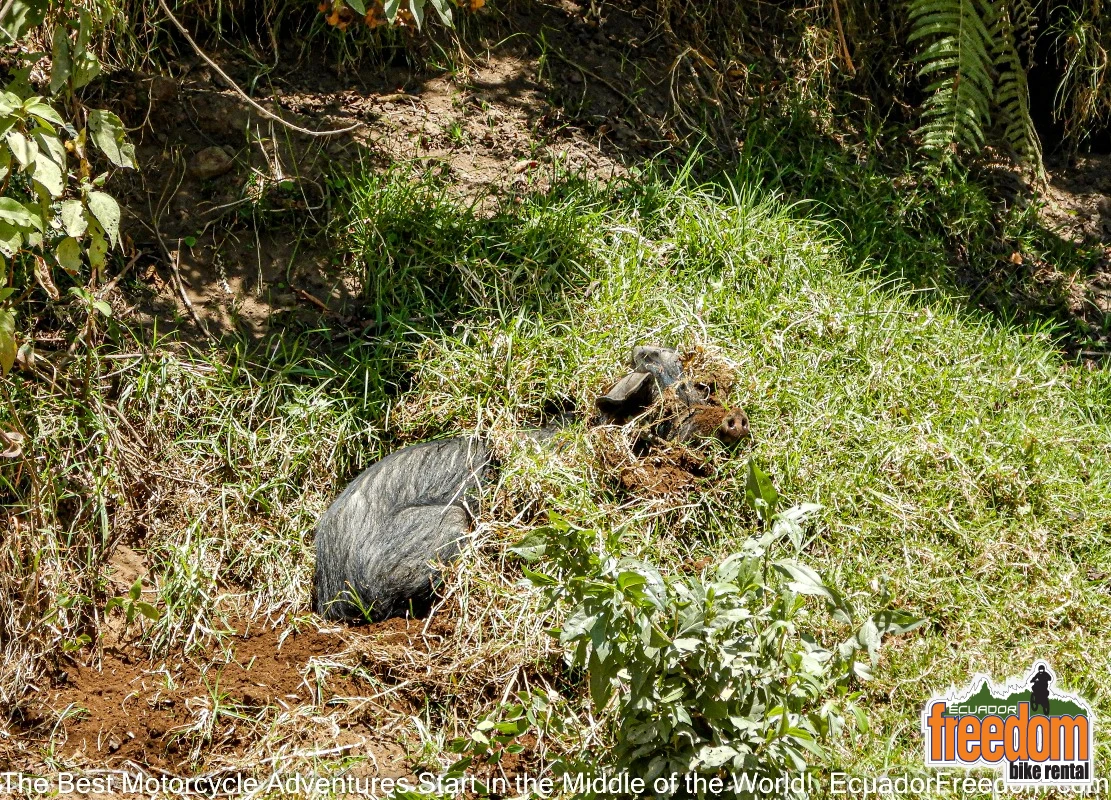
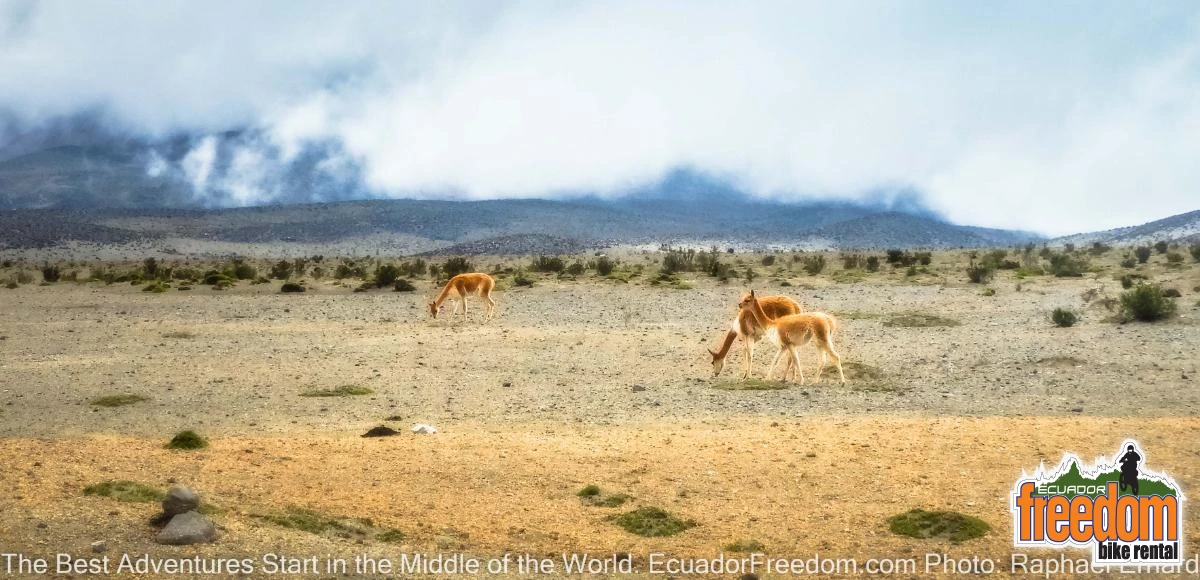
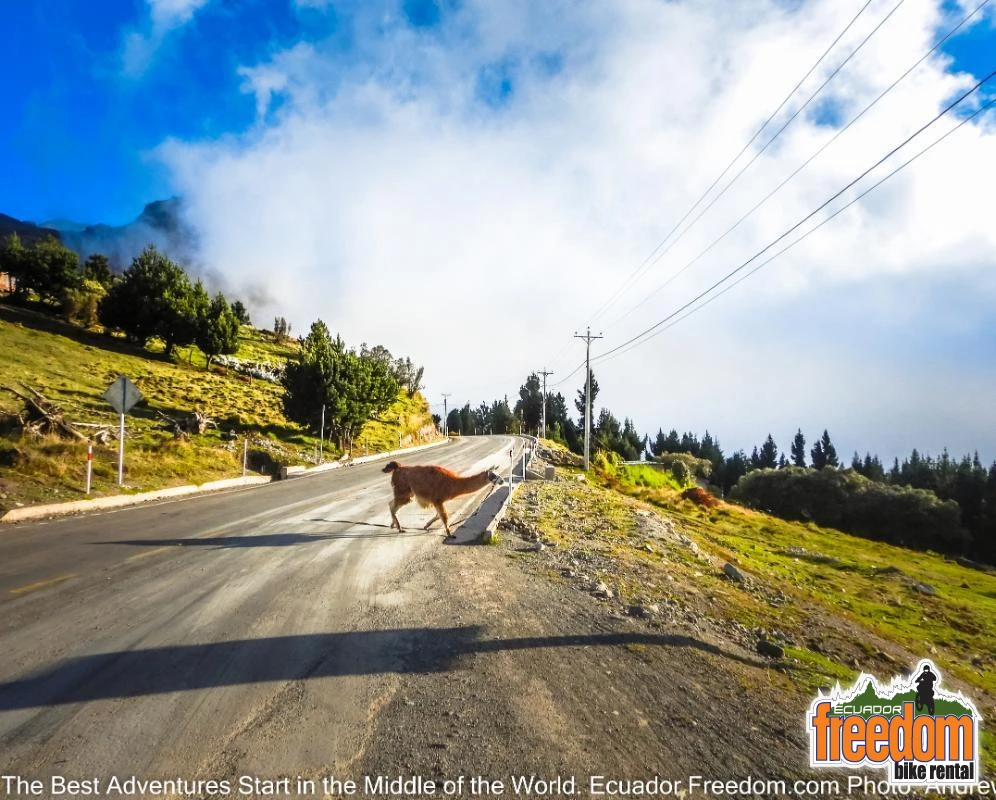
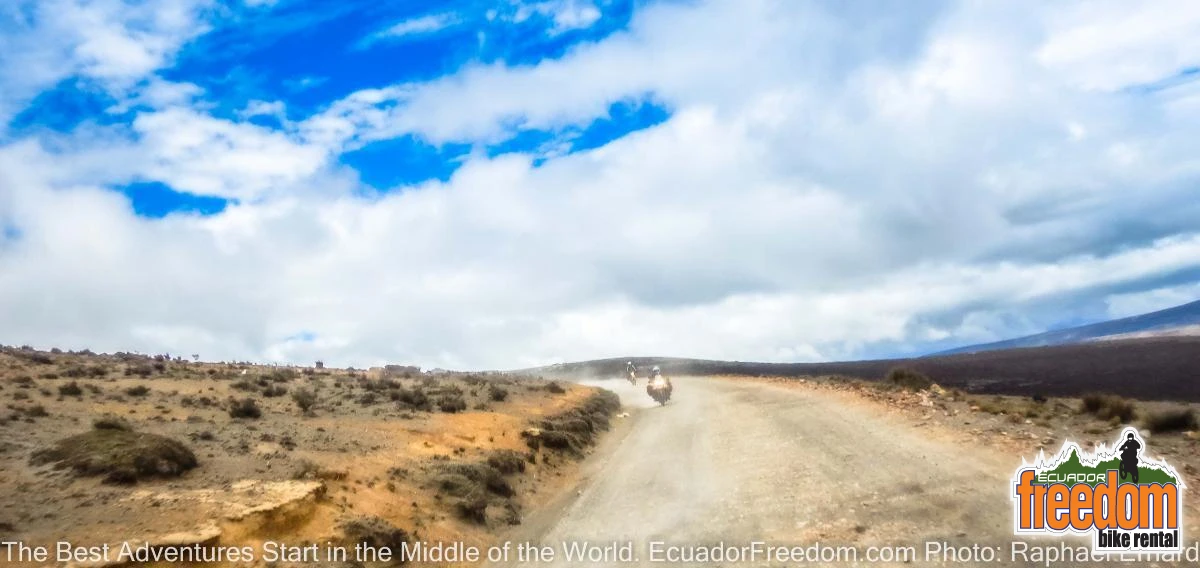
Our ride around Chimborazo will take us through the Chimborazo wildlife refuge, where if you hadn't gotten a glimpse of wild llamas earlier, you will surely see plenty here today! There are also wild guinea pigs and other wild animals. You will be at about 14,500 feet (4,350 meters) - so be sure to have your warm gloves on. The views will be stunning!
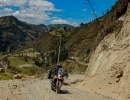
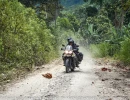
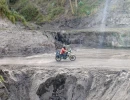
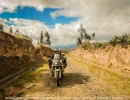
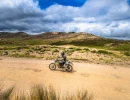
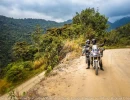
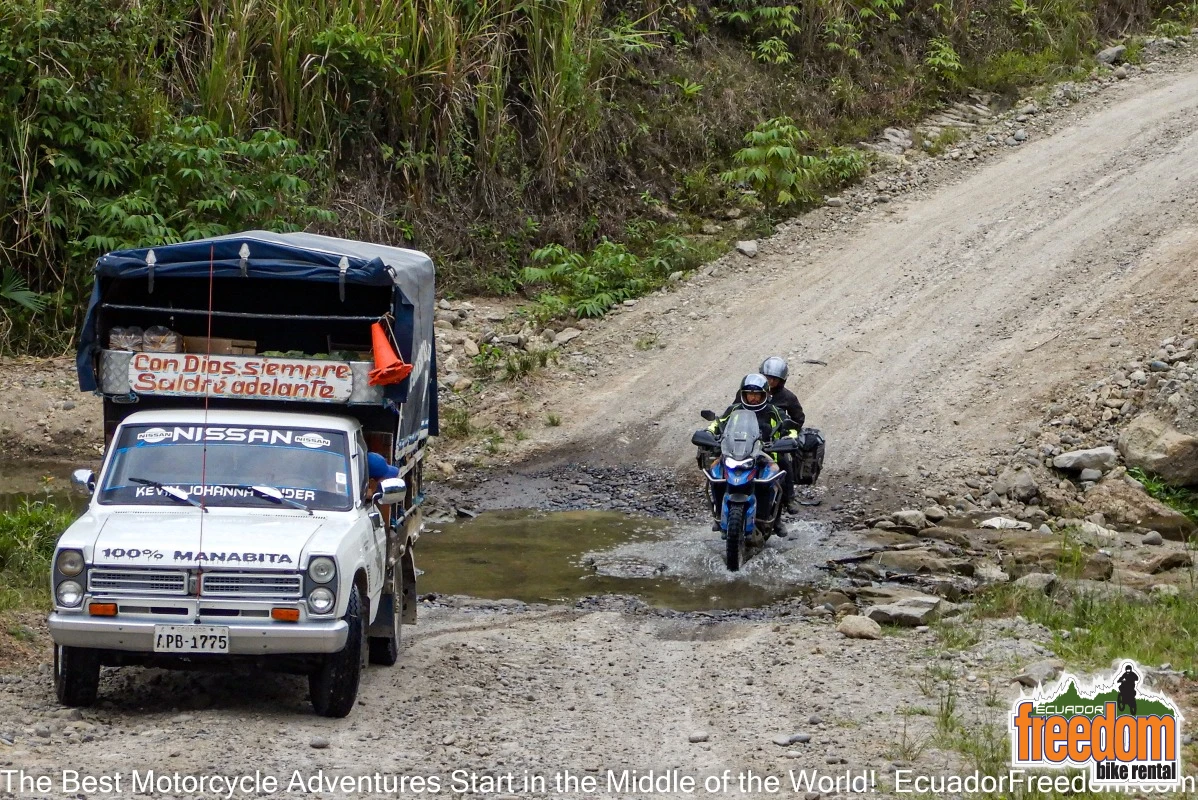
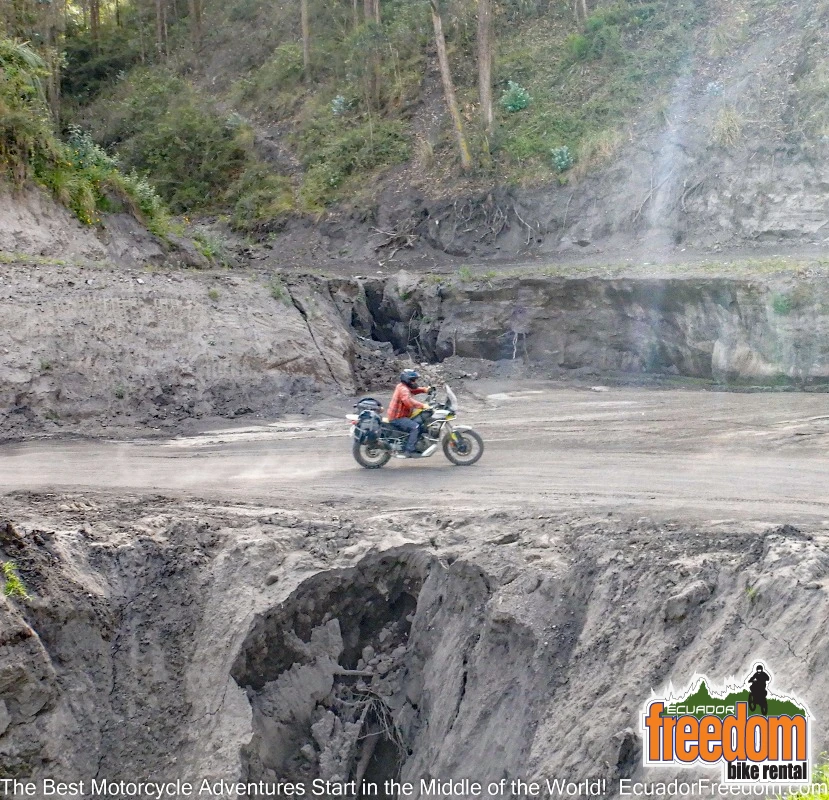
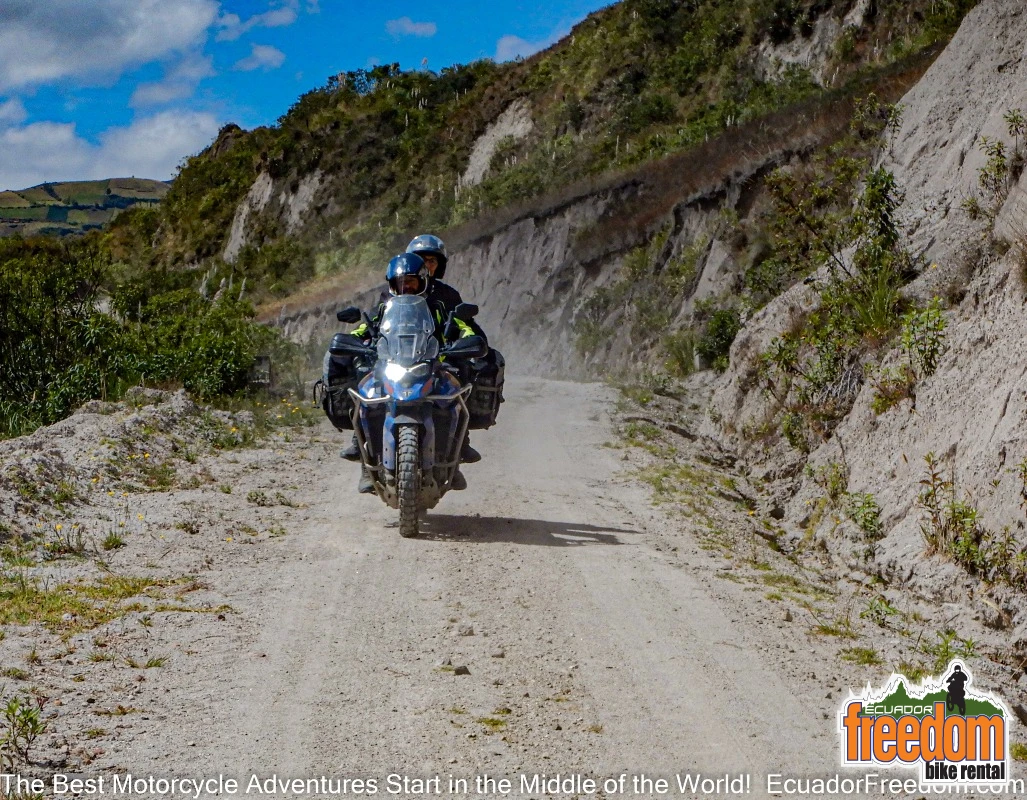
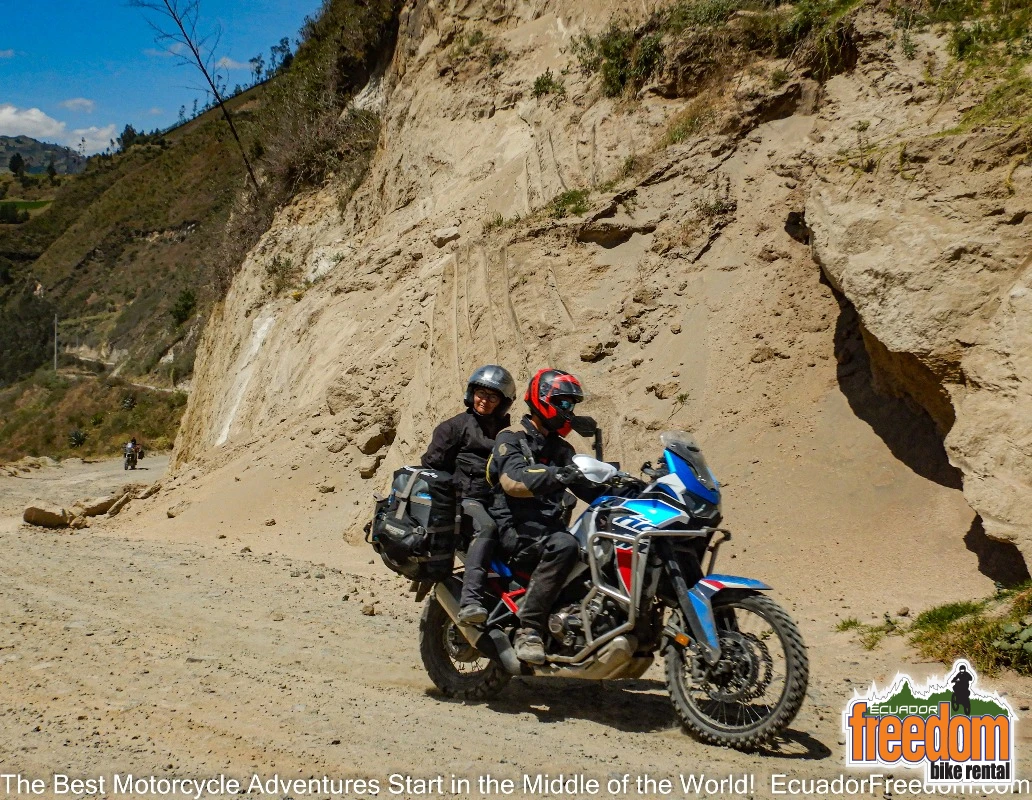
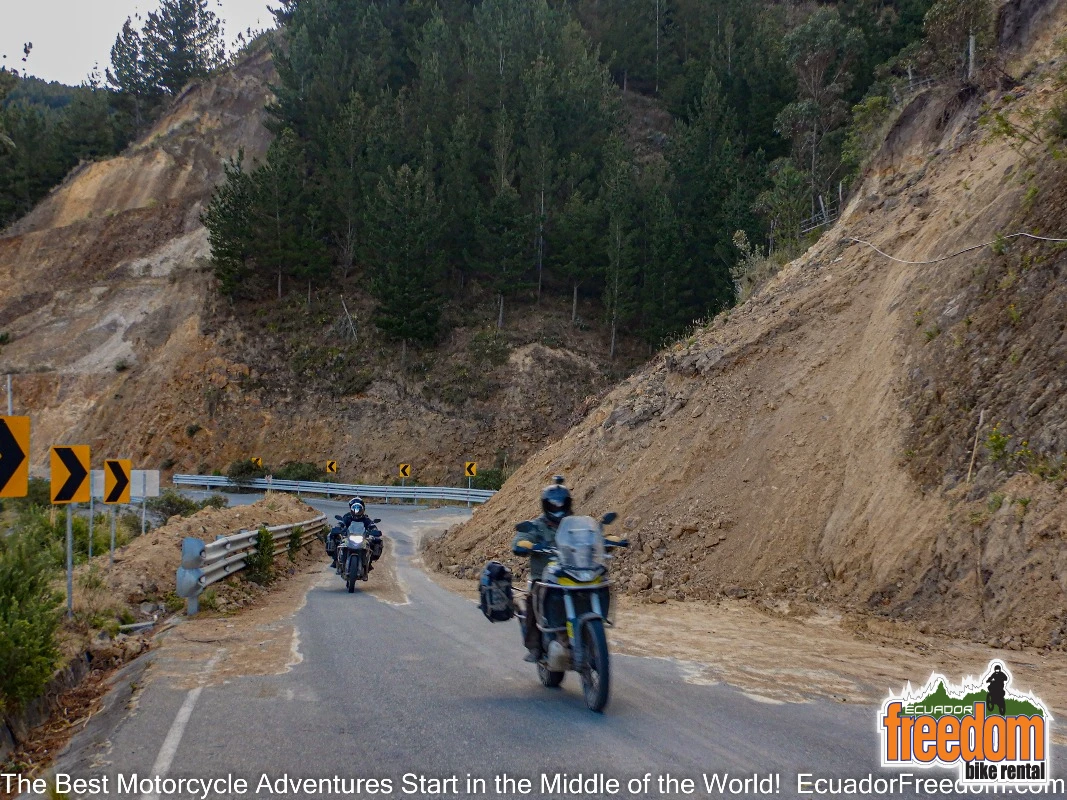
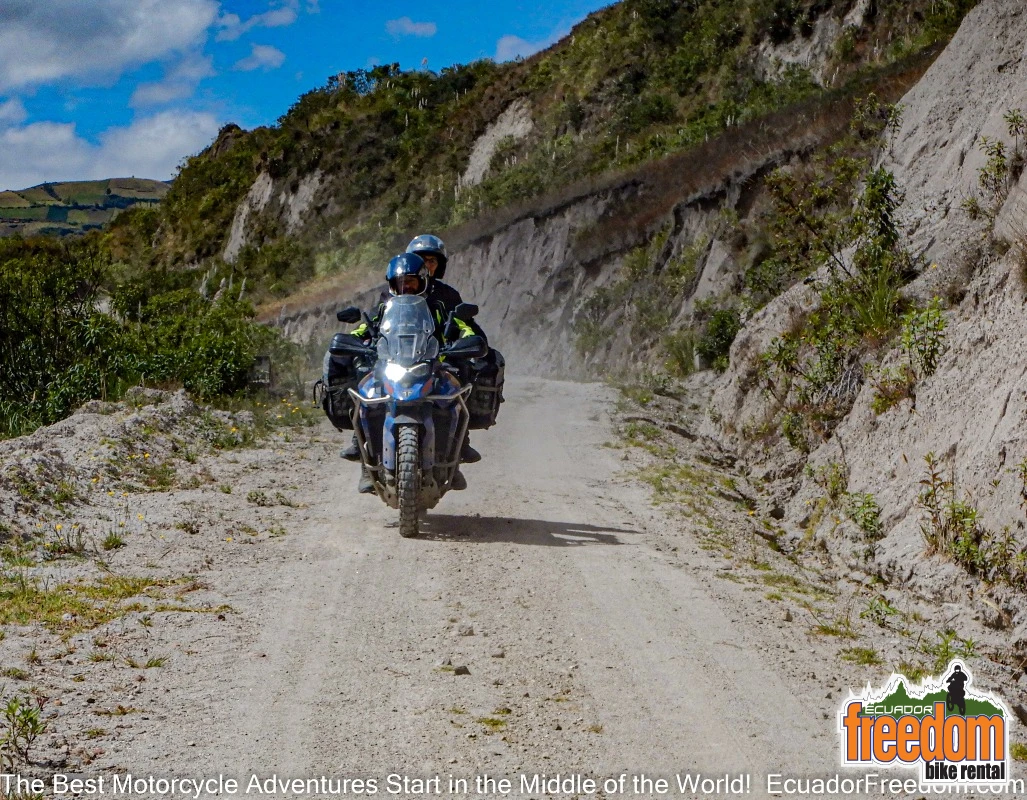
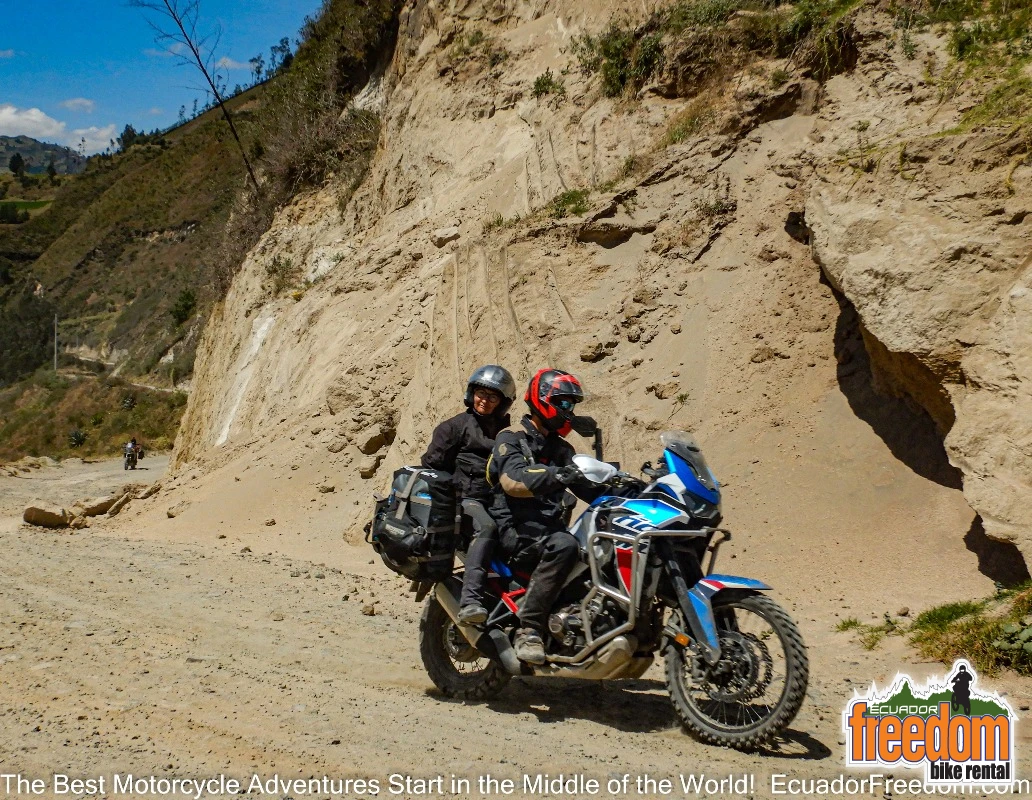
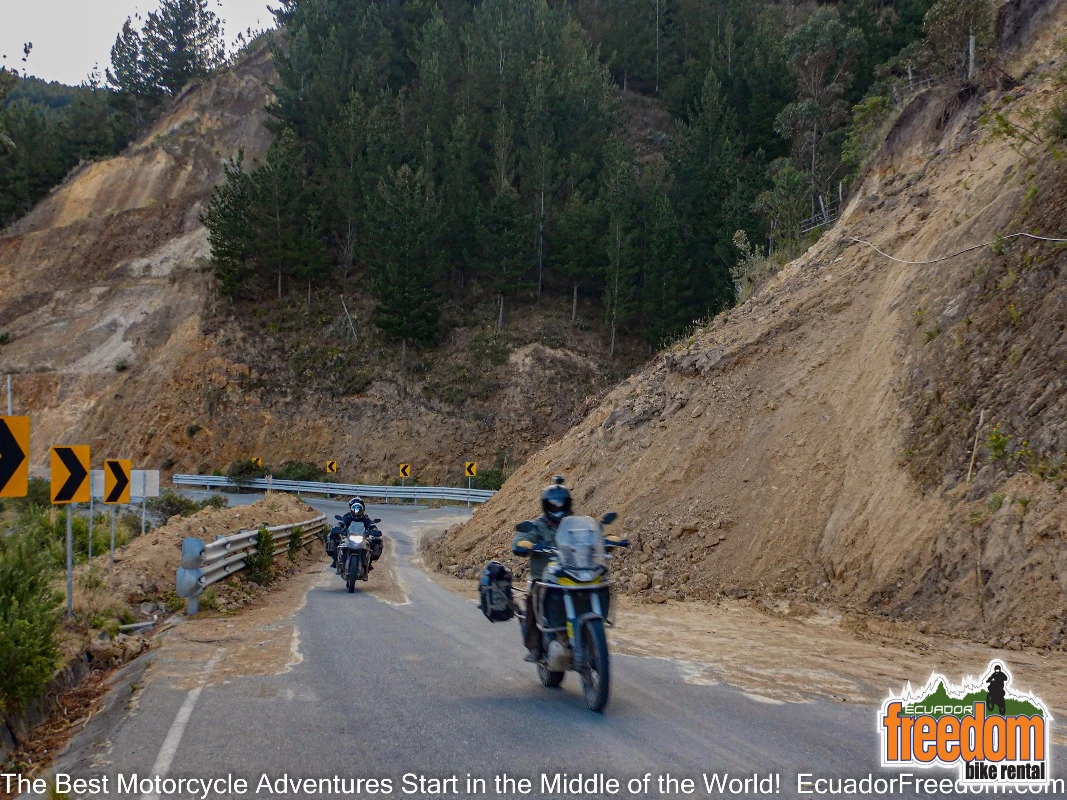
We will then cross through the colonial city of Riobamba and continue eastward, following the Chambo River and scenic valleys. The road will become a dirt road for about 15 miles but easy to ride and a completely different terrain of shifting faultlines and high cliffs.
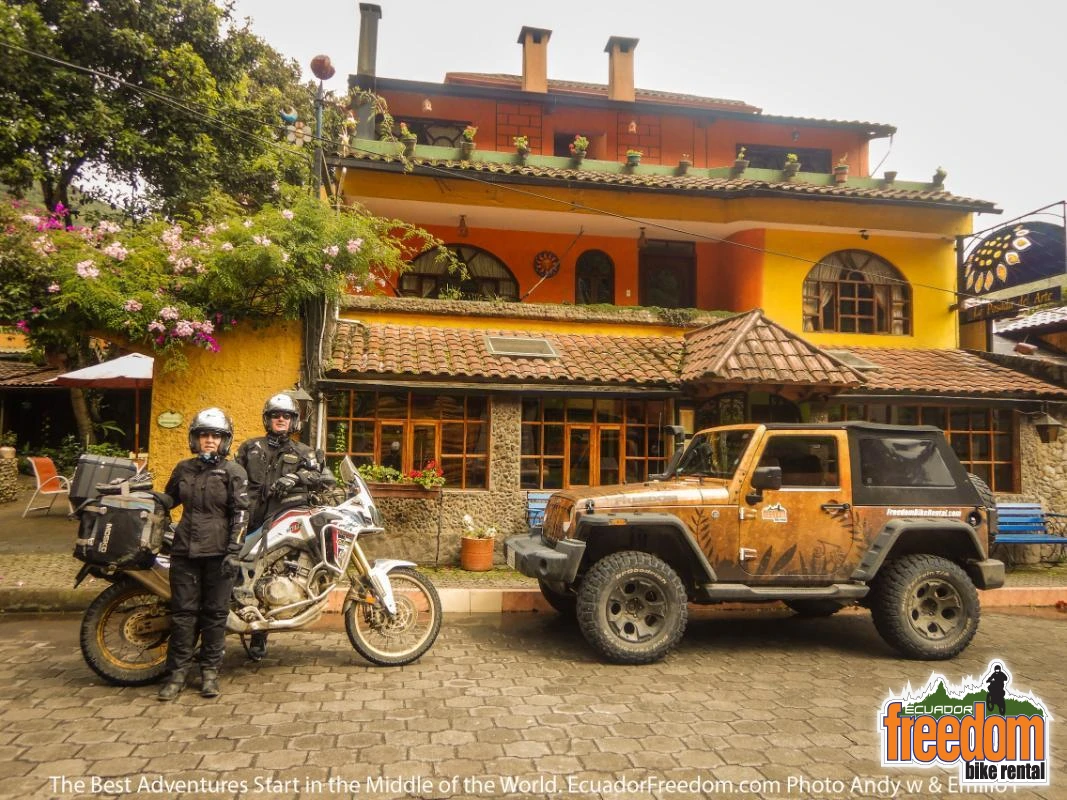
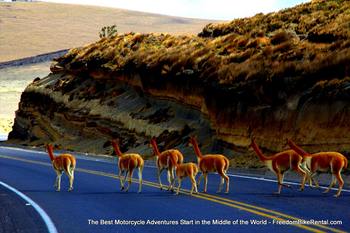 We will then arrive in the town of Banos - one of the world's best adventure capitals. We will be sure to soak away the day's ride in the volcanic baths that are kept at varying temperatures before we head to one of the town's excellent restaurants with an outdoor garden. Our carefully selected accommodations for tonight are at the friendly and comfortable Posada del Arte Bed & Breakfast Inn.
Day 6- Chugchilan
Elevation Profile - Day 6
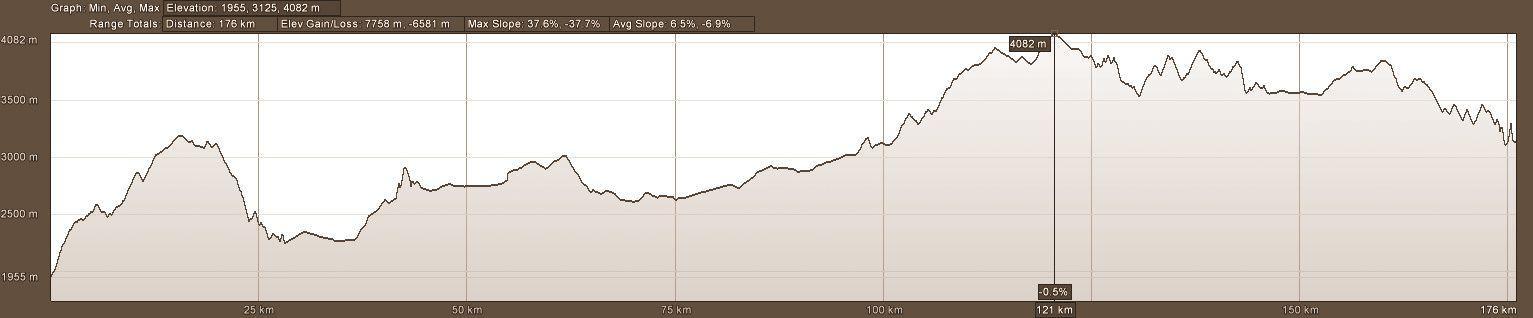
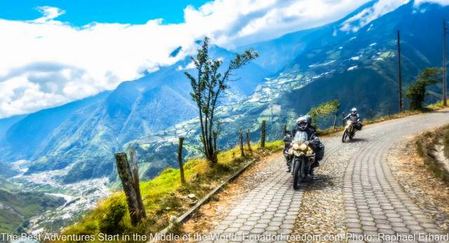 This morning, we can take the time to have another soak in the town's volcanic spring baths before heading out on the road. The morning will be spent riding some curvy, narrow, paved country roads that take you past dairy farms and vistas above the city of Ambato.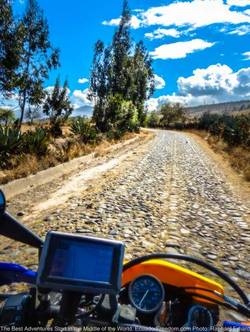
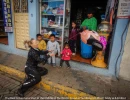
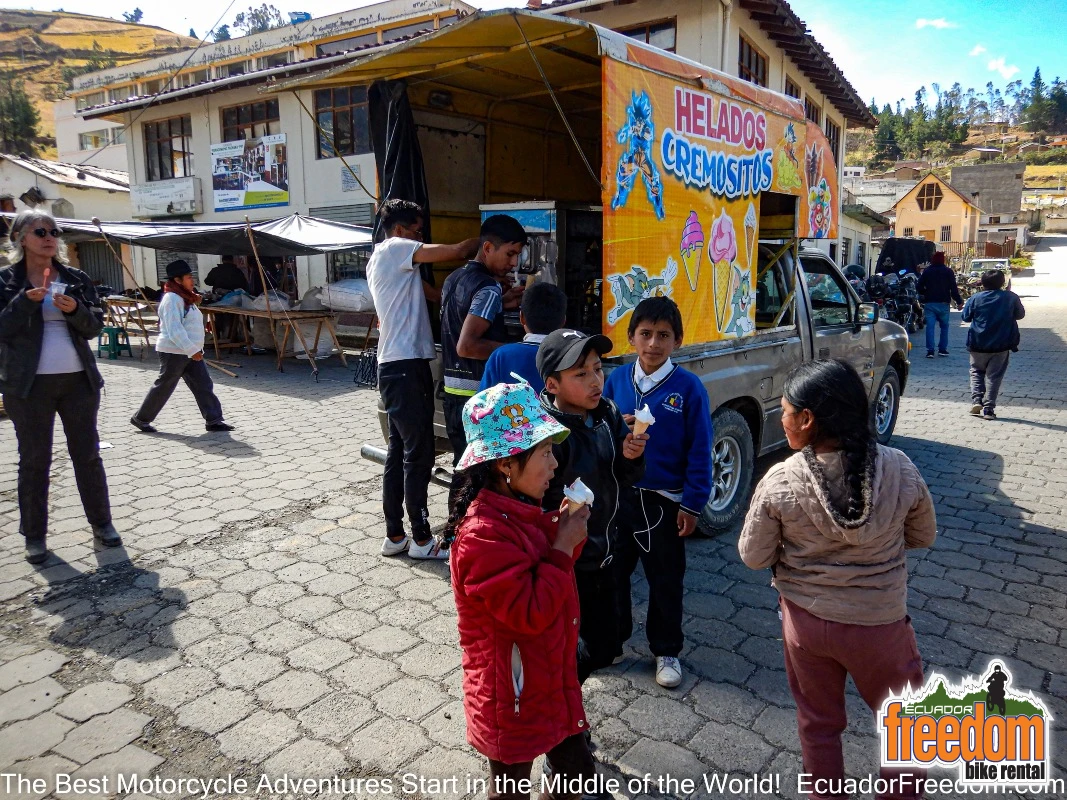
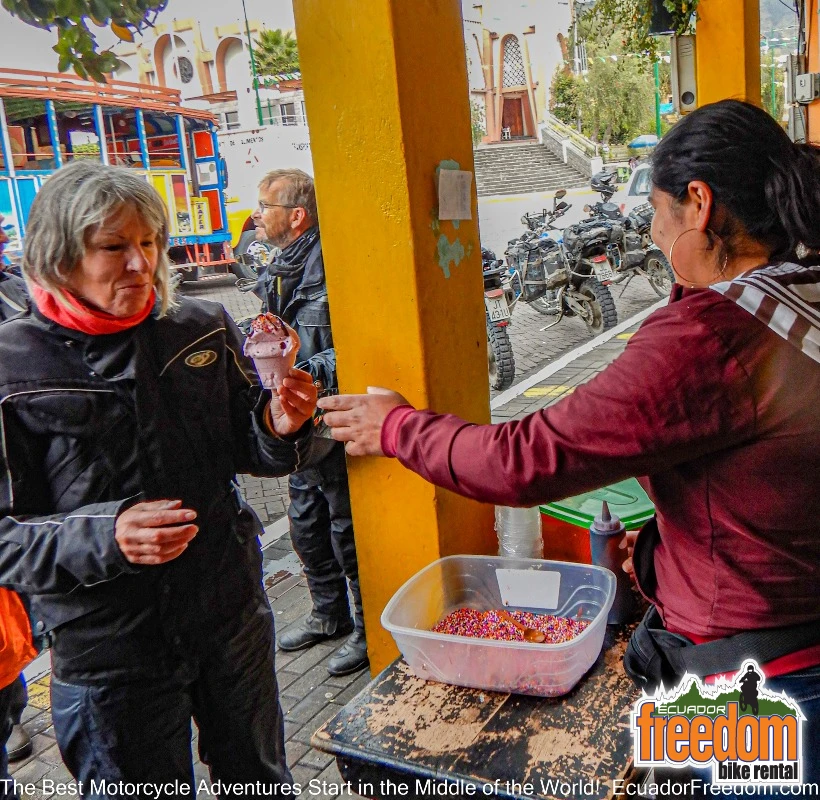
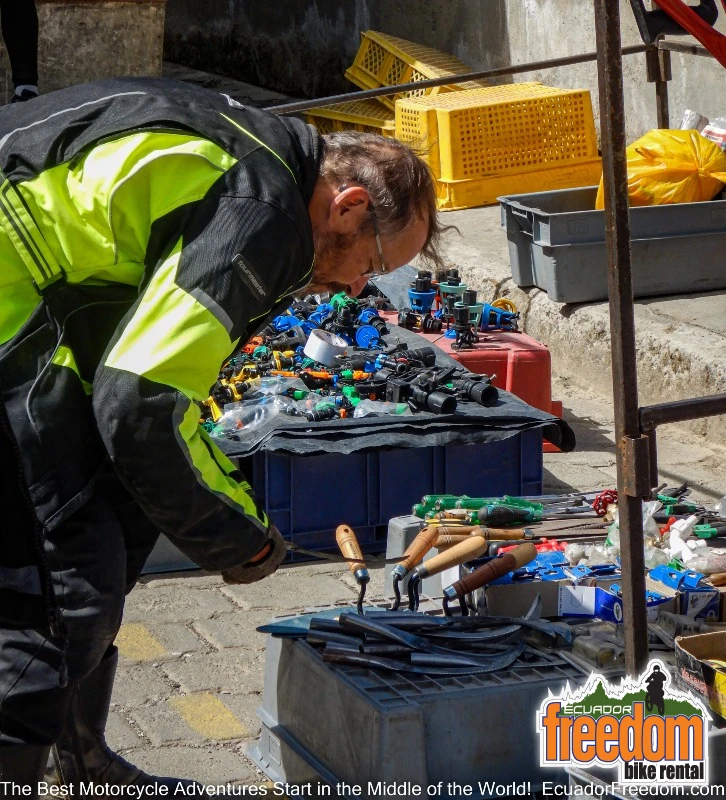
We will pass through the beautiful colonial city of Latacunga with its Spanish colonial historical center and then ride westward, up into the mountains. You have now begun riding on the famous "Quilotoa Loop." The Quilotoa Loop is known for its beautiful scenery and friendly indigenous people. We will stop in Pujilli, which has a great indigenous market - not very touristy - but with great textiles and other useful but inexpensive goods. This stop is a great chance to chat with local people.
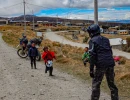
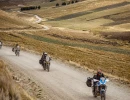
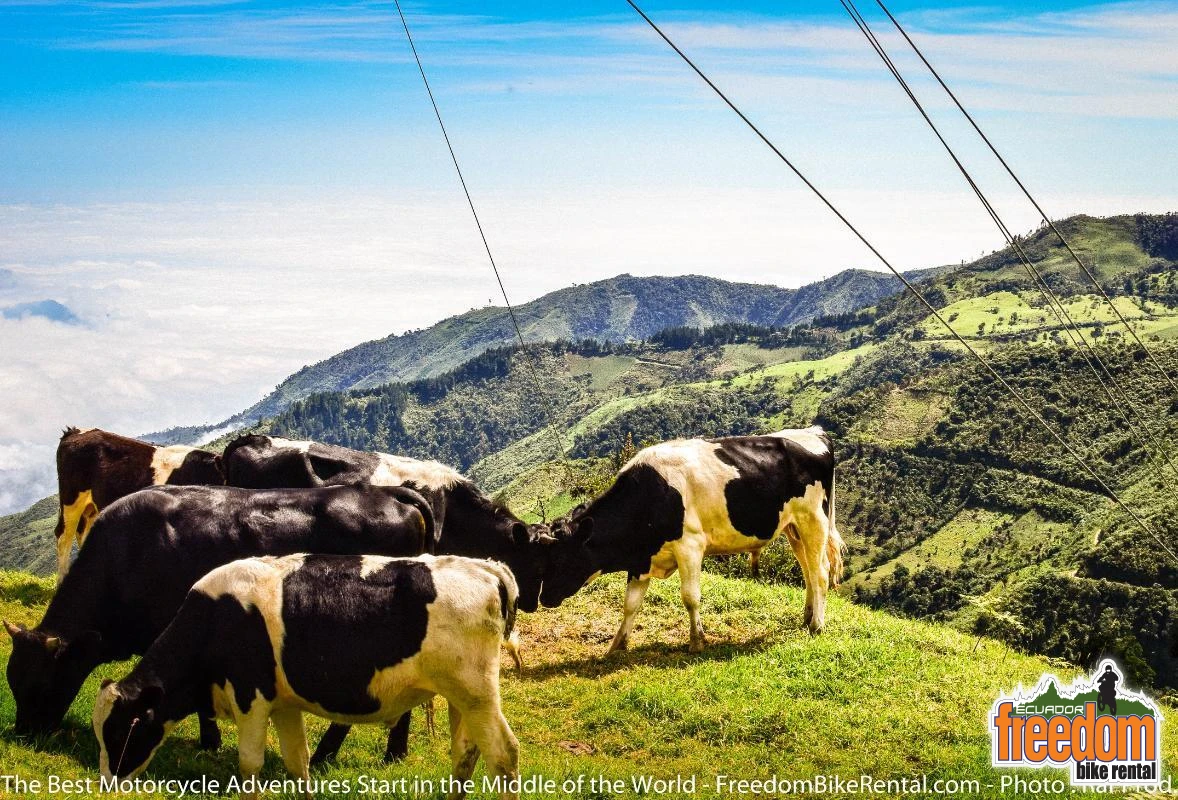
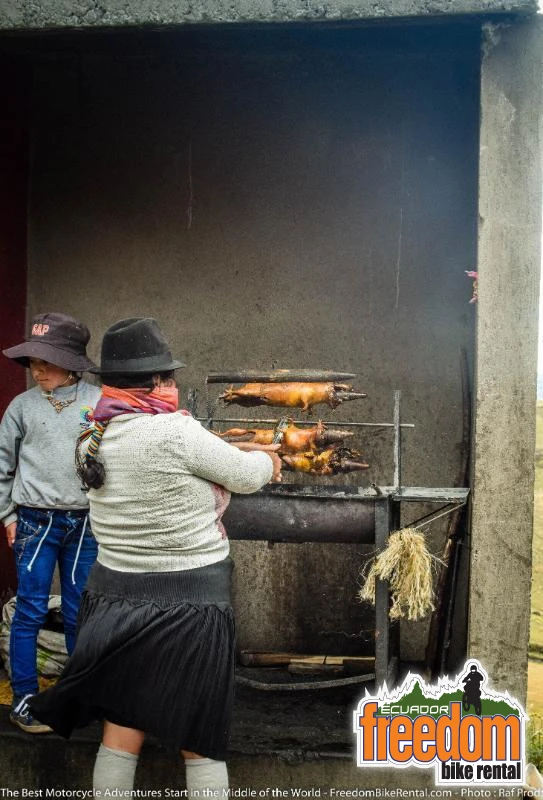
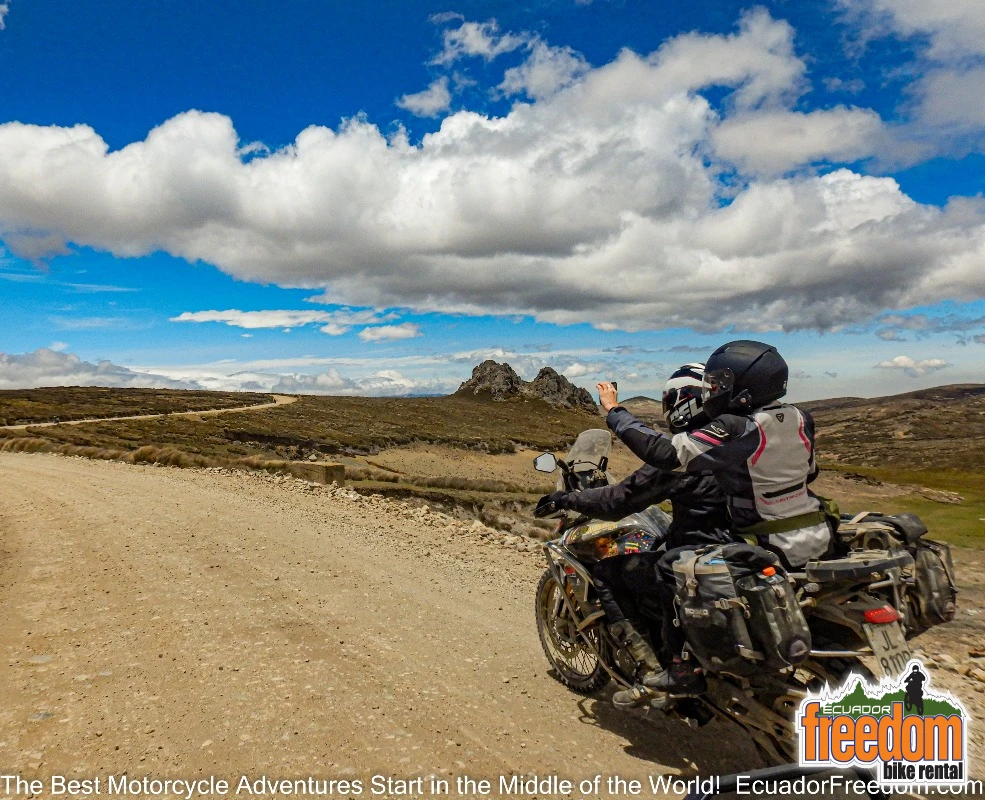
You will steadily rise in altitude again and have a chance to see more llamas and alpacas grazing in the highlands pampa. If just looking at them doesn't satisfy you-you can enjoy some llama meat at the Llama cafe just before you get to the town of Tigua. Tigua is known for its colorful paintings and ceramics, and this small village has a fantastic gallery - worth a stop at least to see some of the fine art created in this part of the world.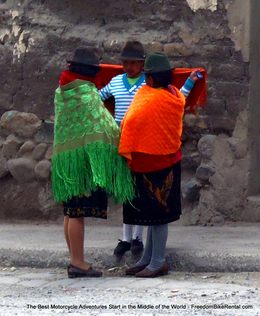
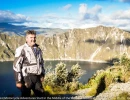
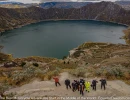
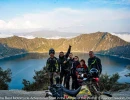
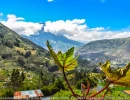
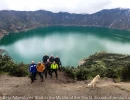
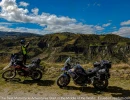
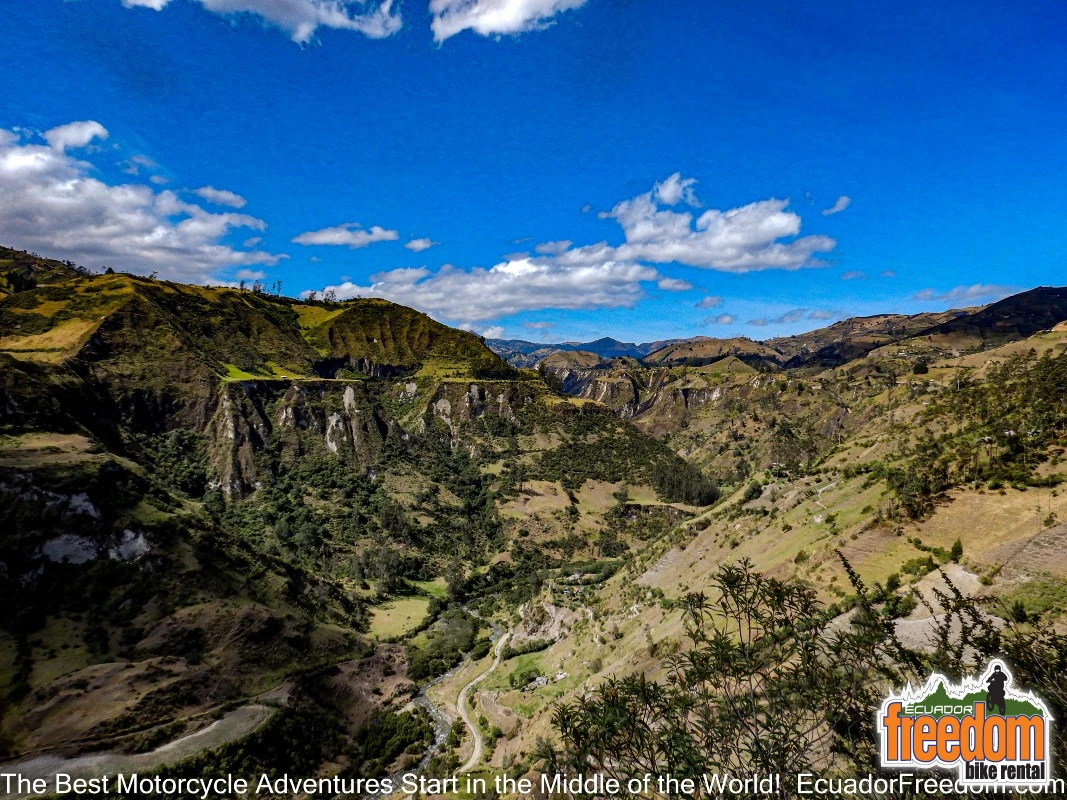
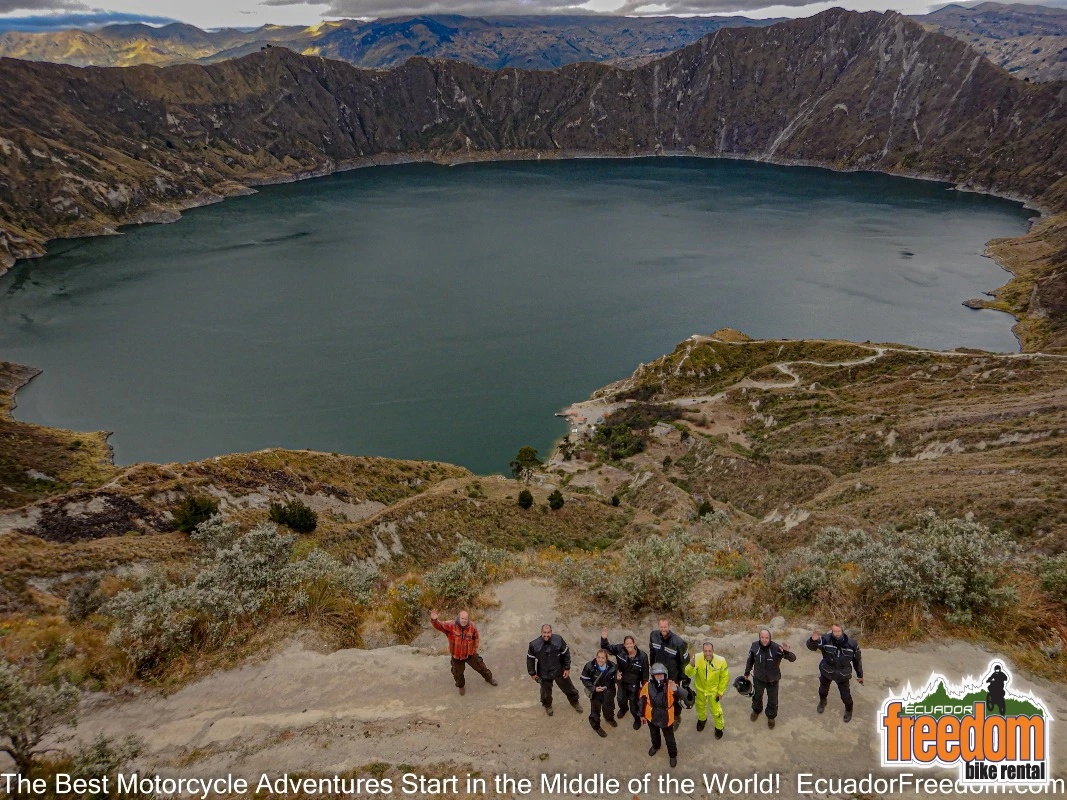
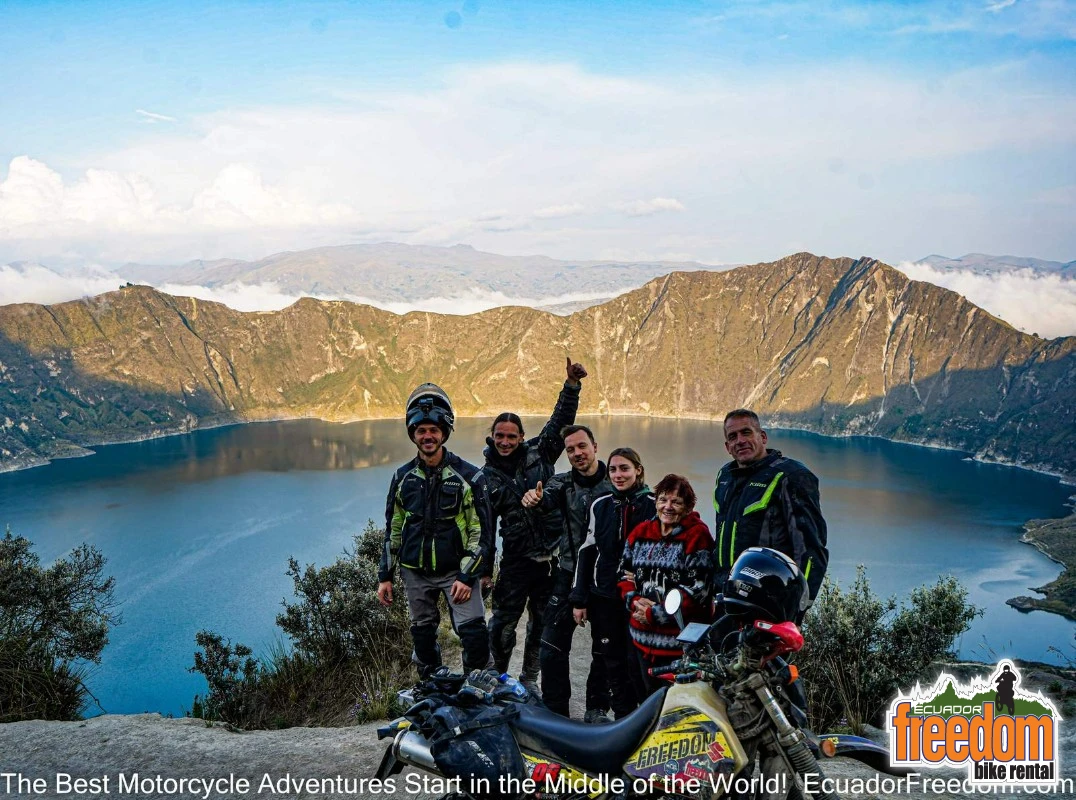
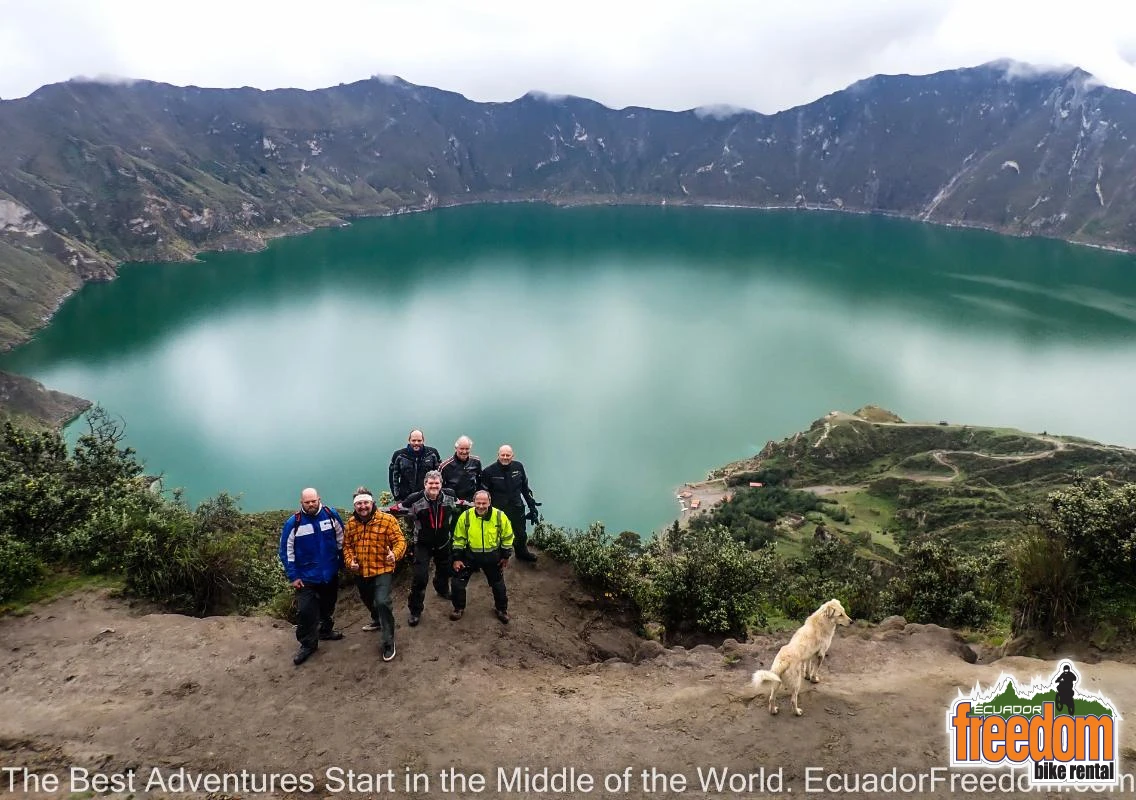
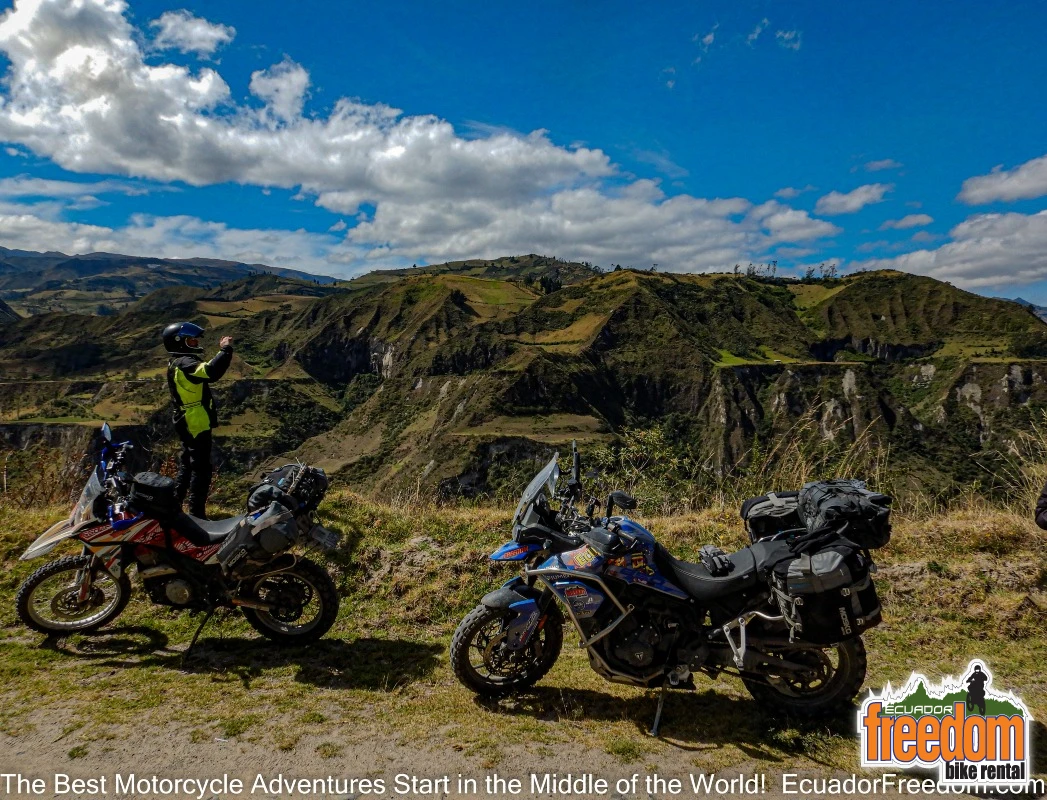
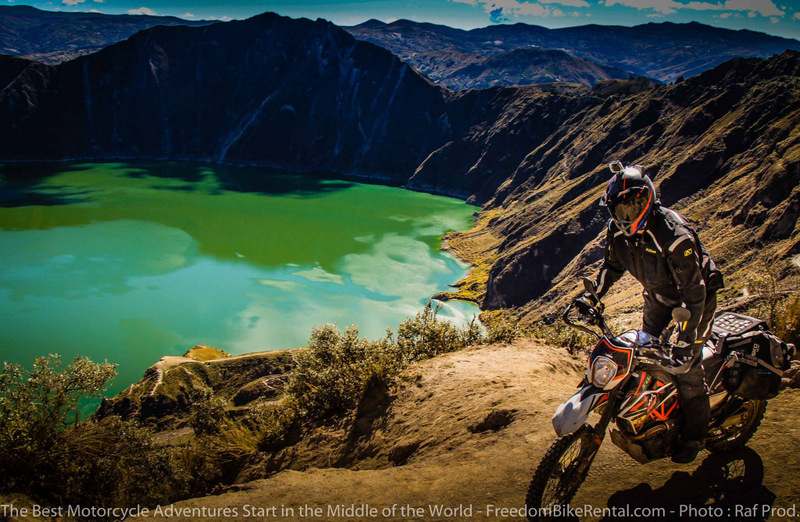
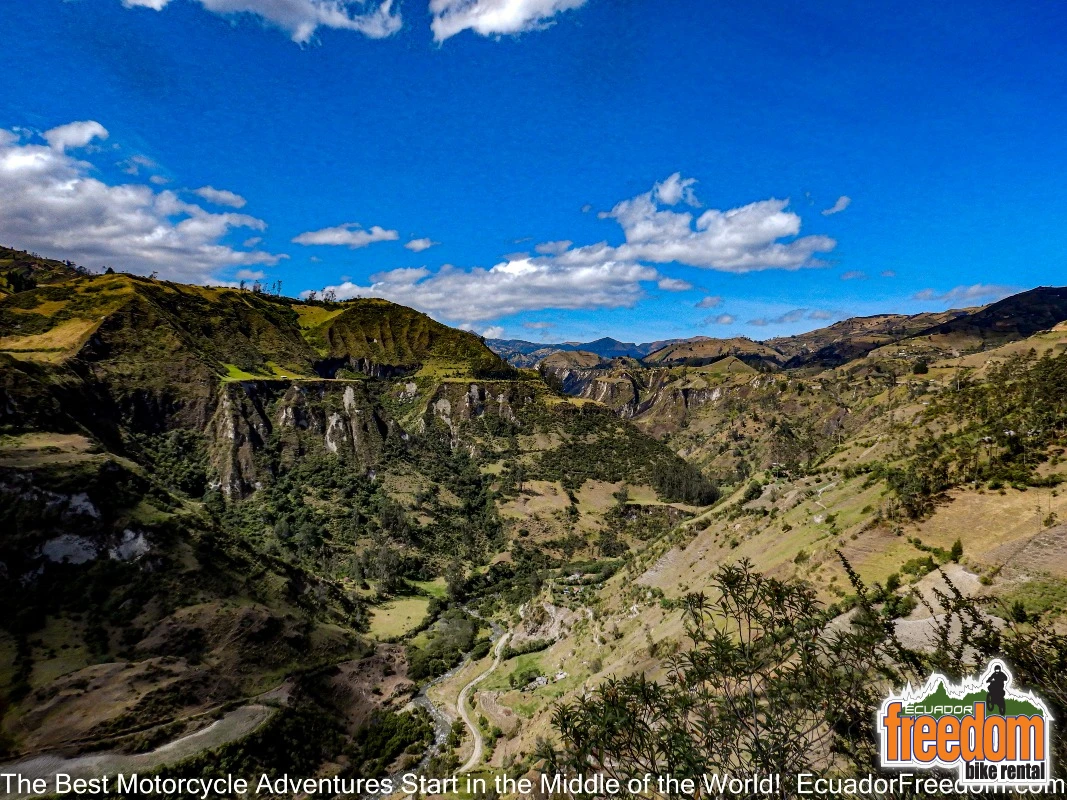
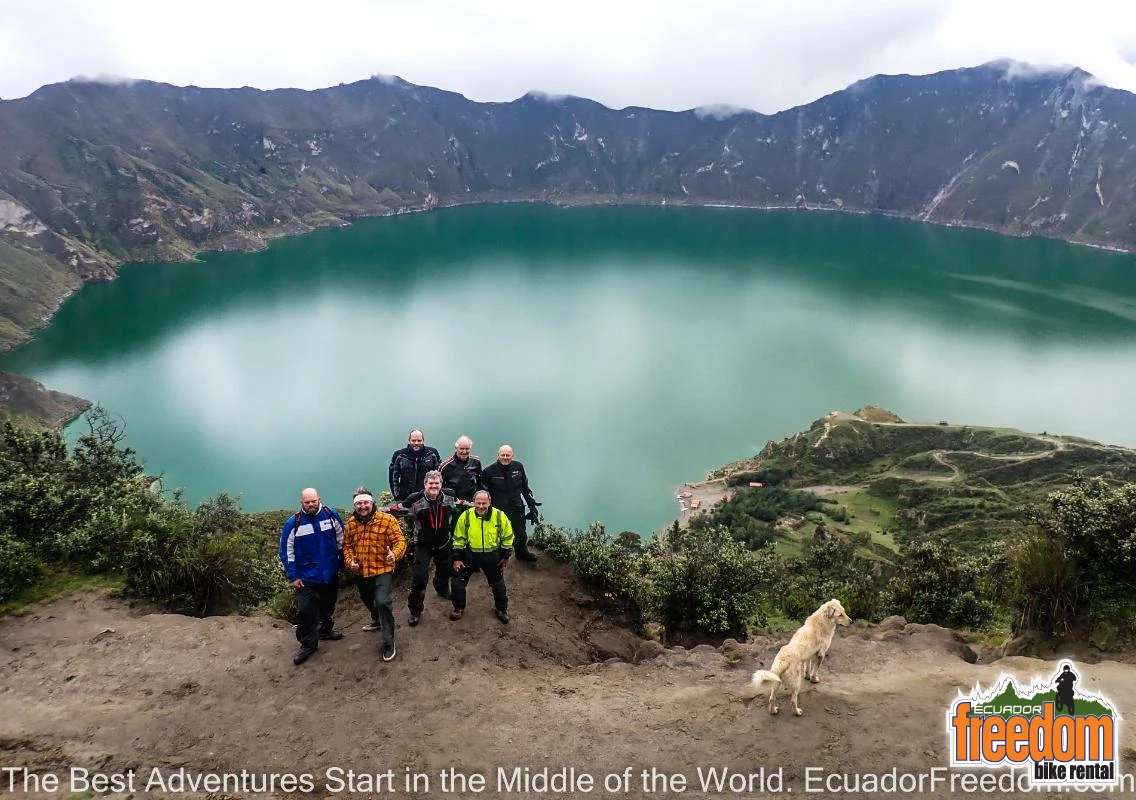
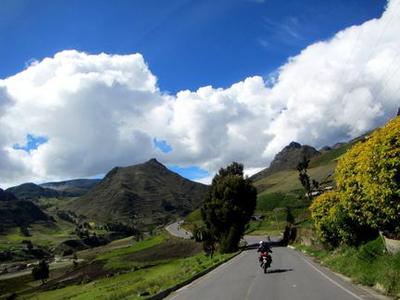 Once in the town of Zumbahua, we will turn north and ride through a beautiful valley to the Quilotoa Crater Lake. This amazing lake was created by a collapsed volcano that left behind minerals that now give the deep crater lake an odd blue-green color.
From Quilotoa Lake, the road will wind through some incredibly picturesque countryside. We will stay for the night at Mama Hilda's Hostel. The staff at Mama Hilda's will serve you a delicious, family-style Ecuadorian dinner with pots and pots of food.
Day 7 - Quito
Day 7 - Elevation Profile

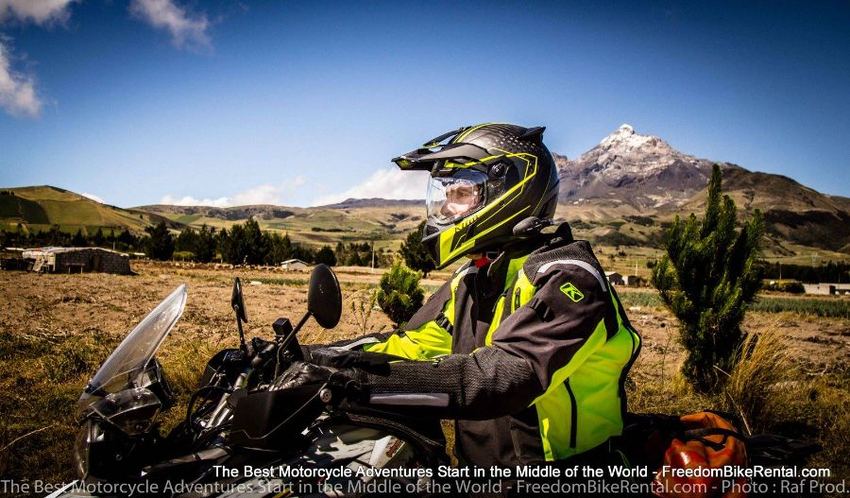
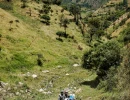
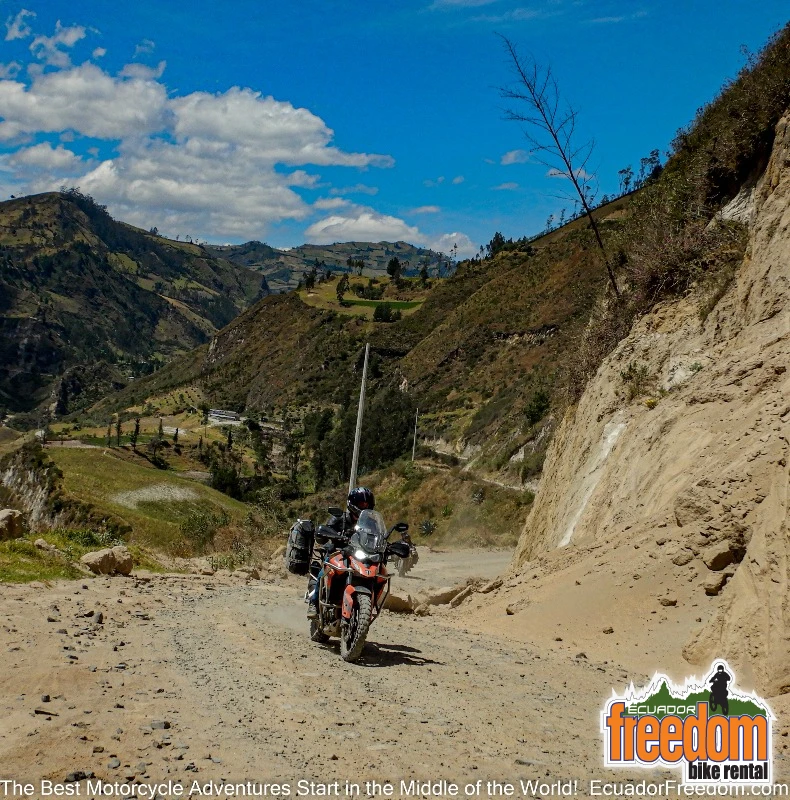
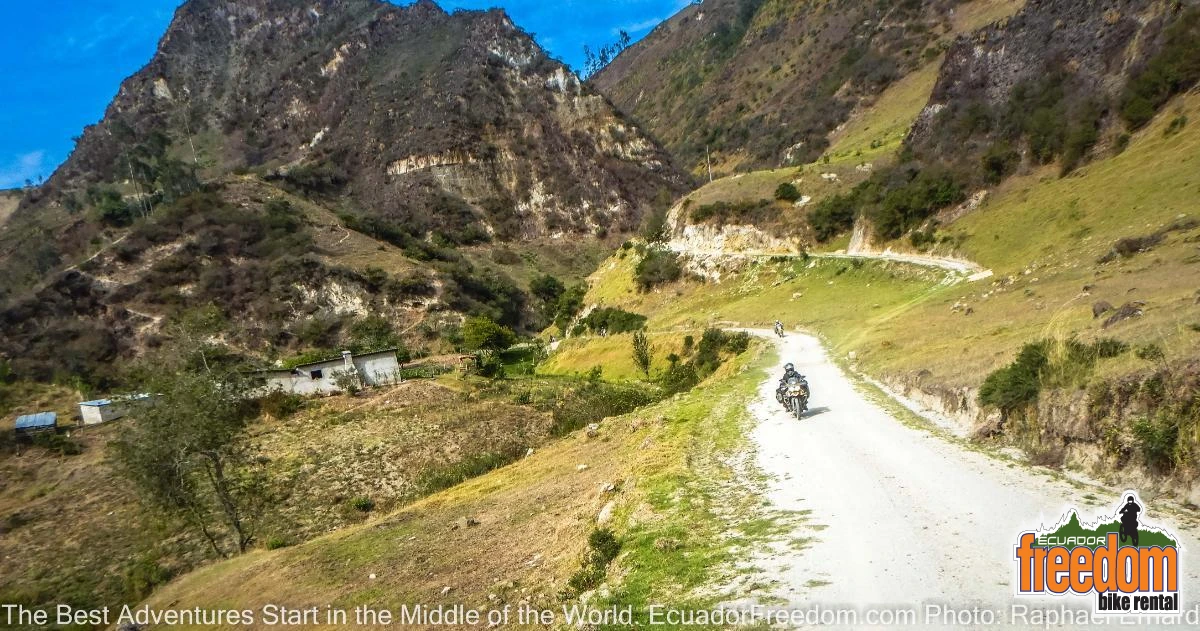
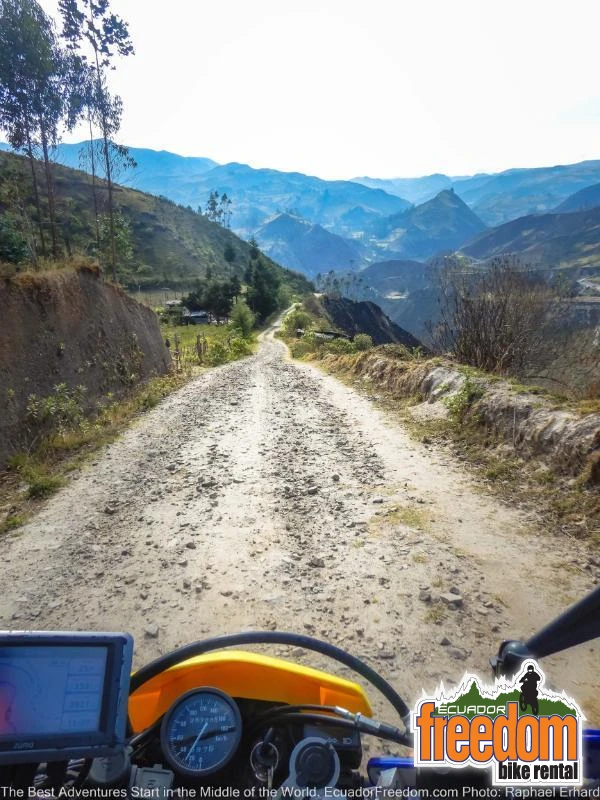
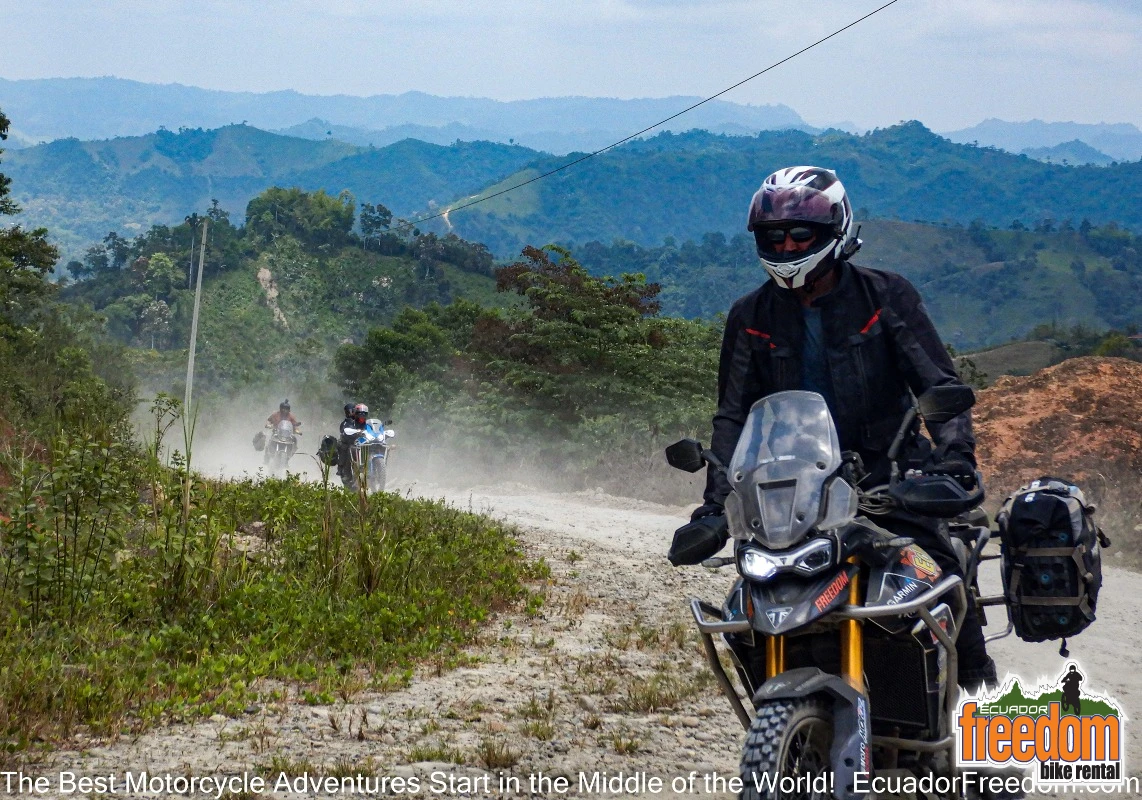
We will enjoy a hearty breakfast with fresh fruits and juices and then head out on the road. We will take unpaved through tranquil villages and valleys.
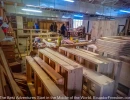
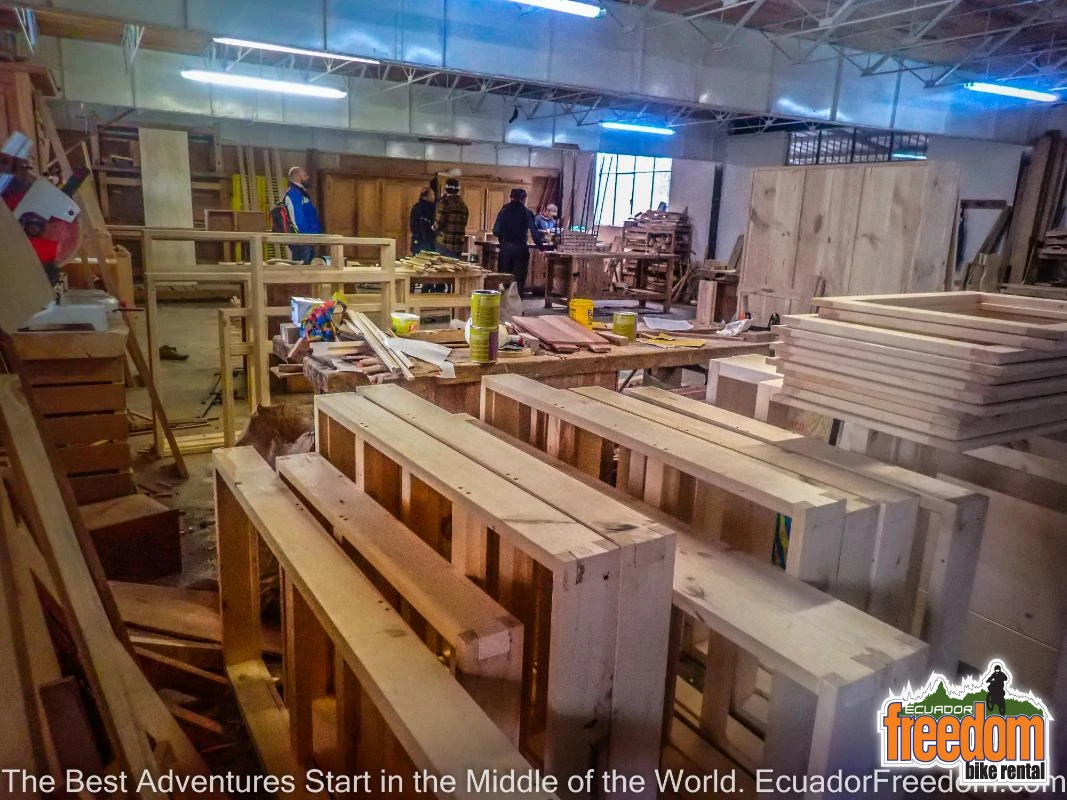
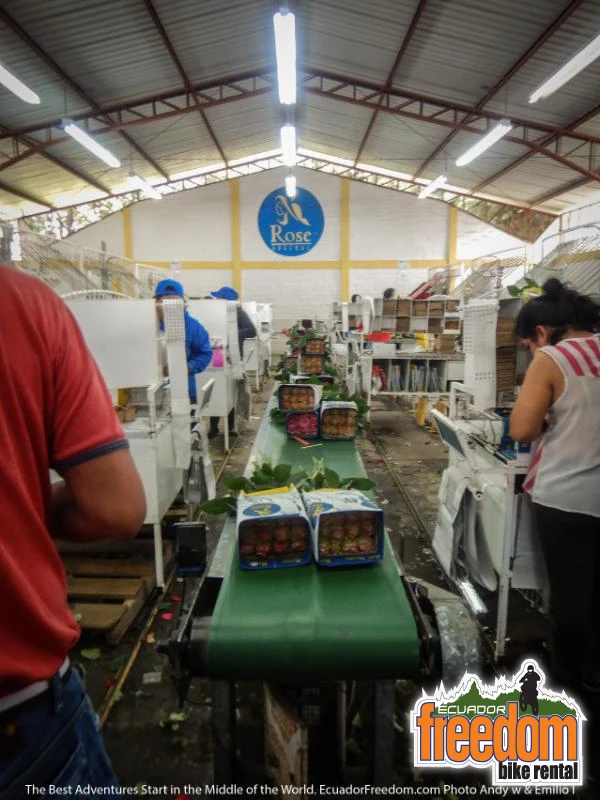
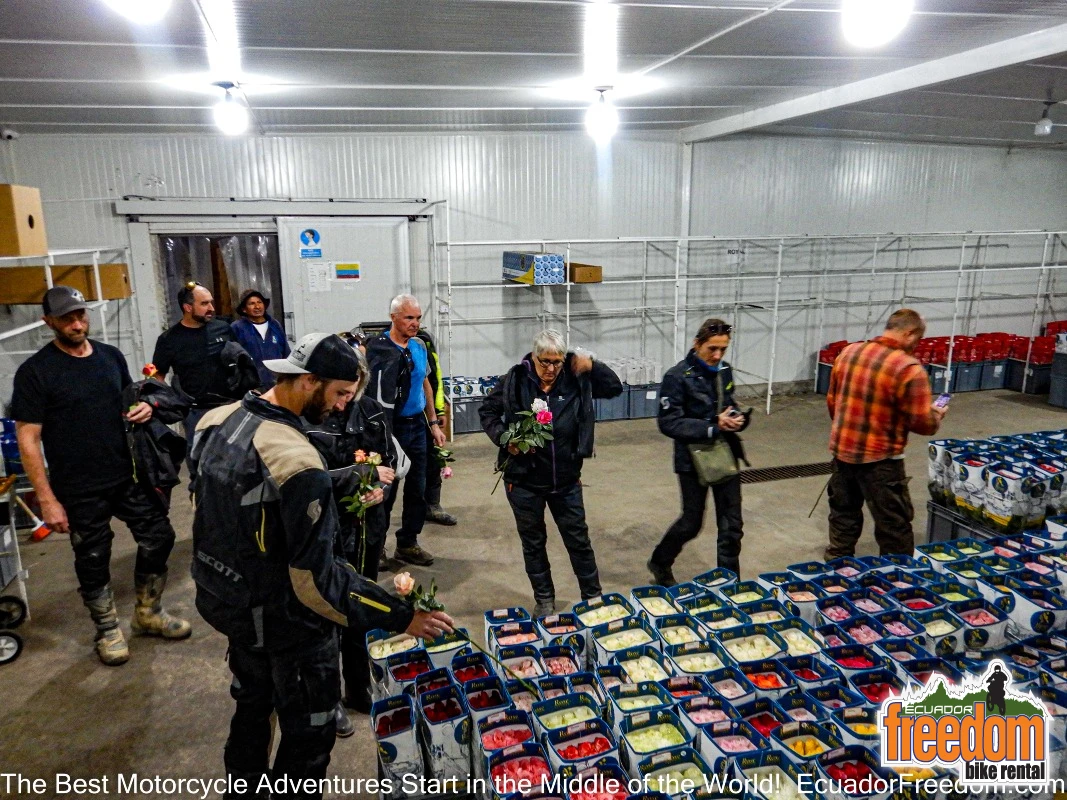
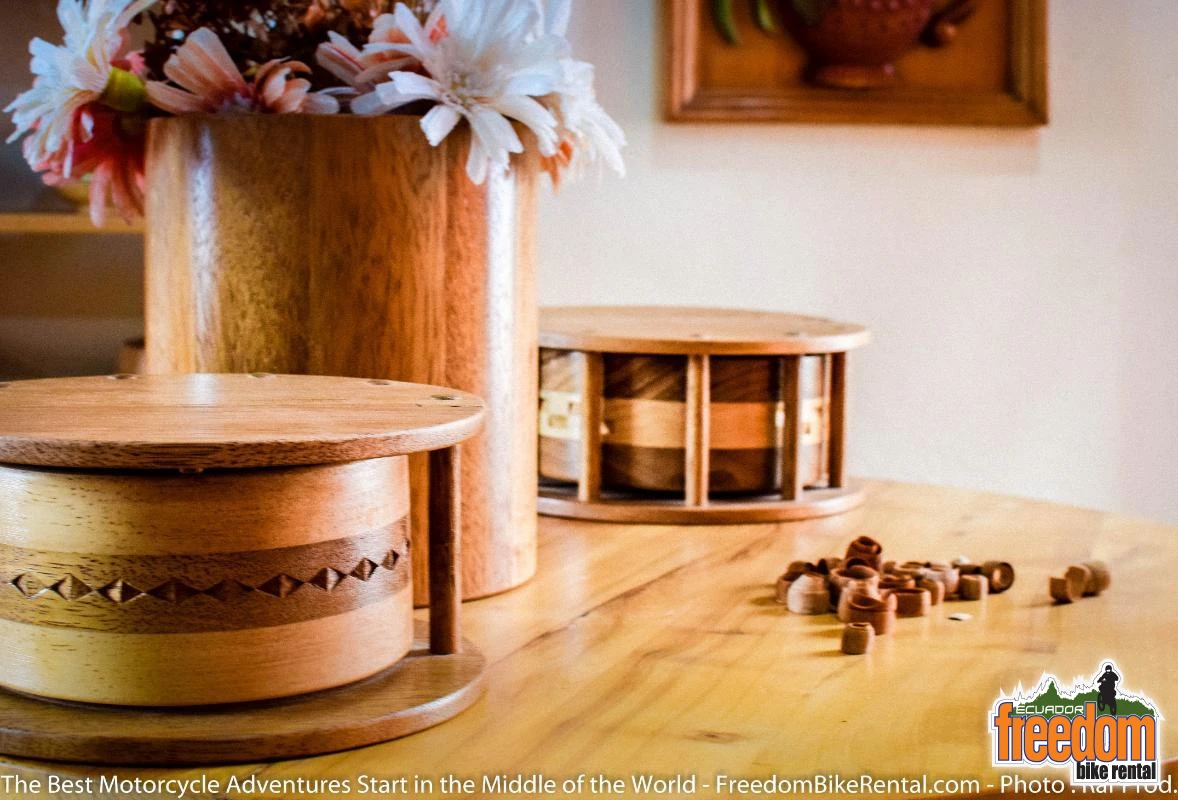
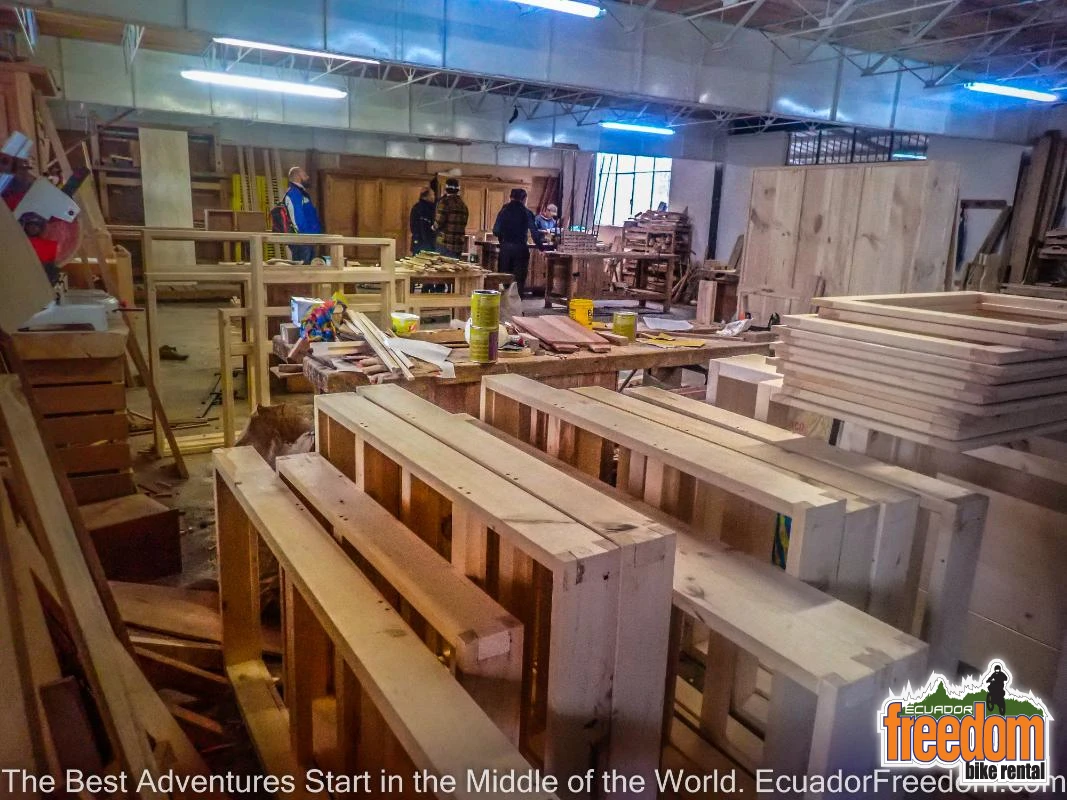
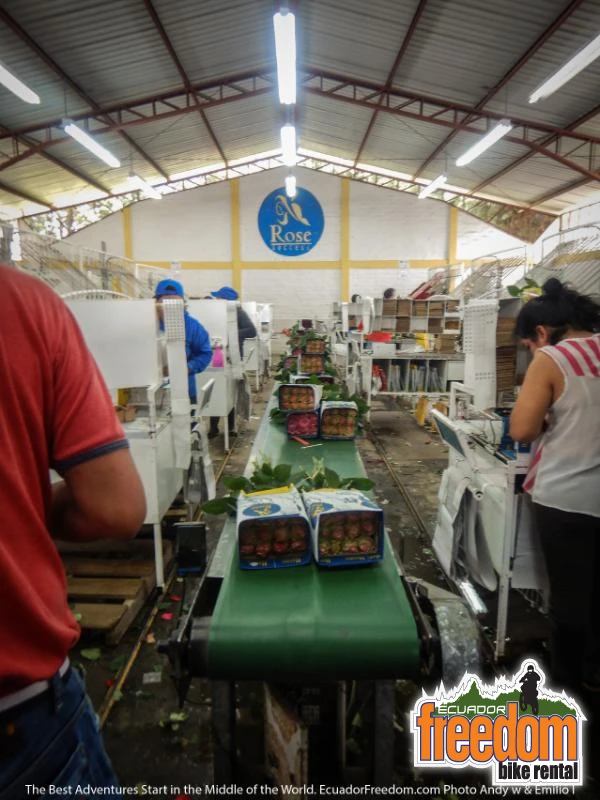
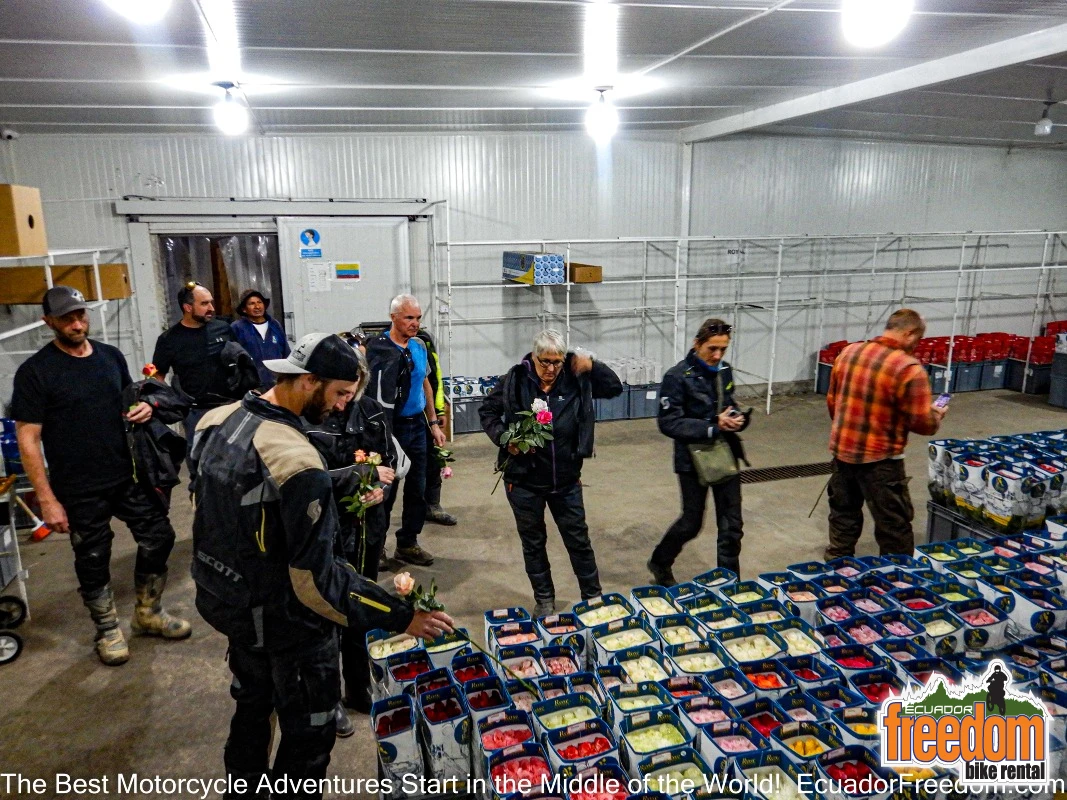
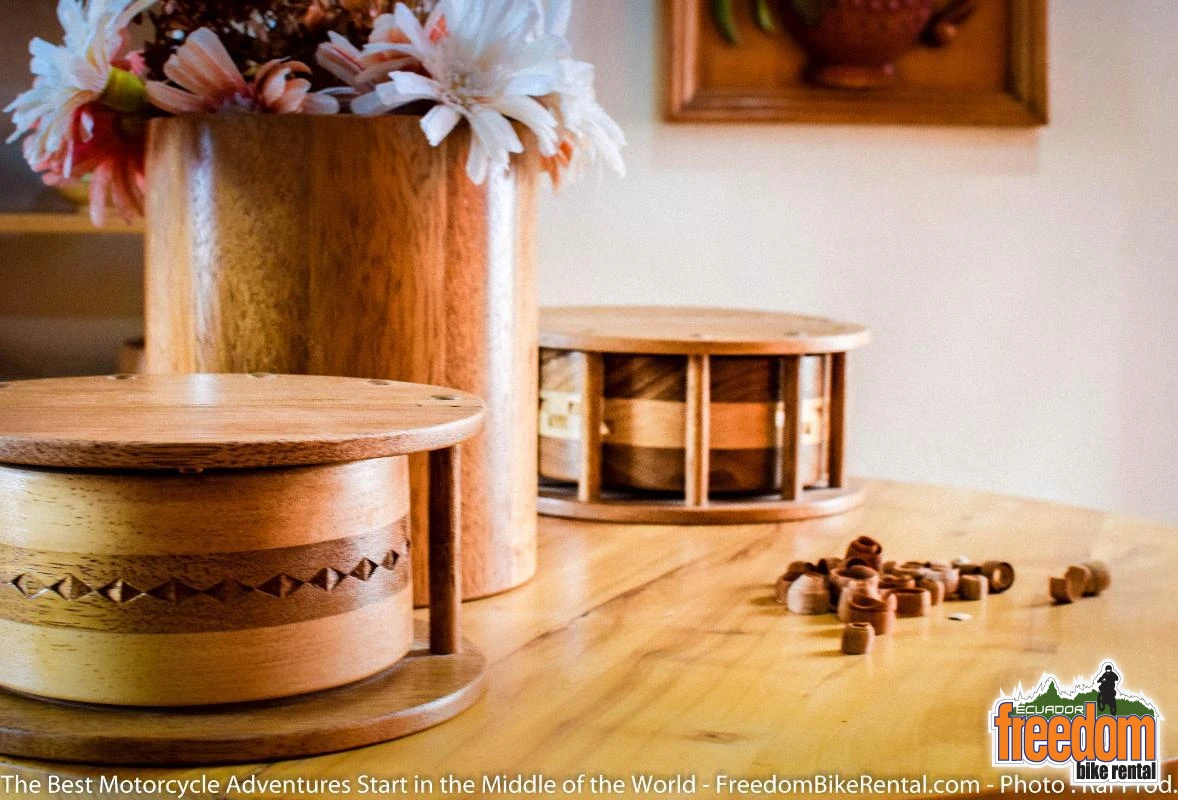
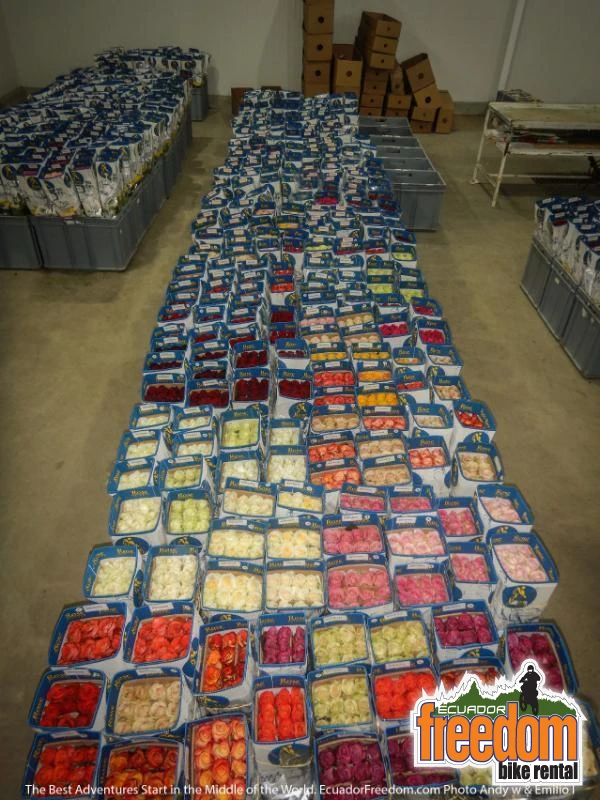
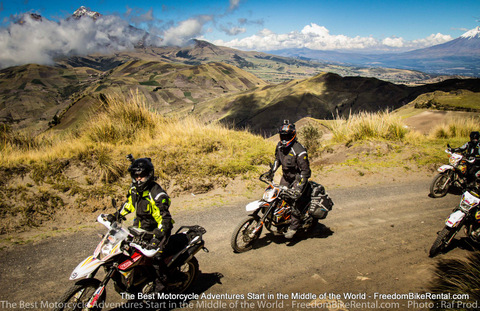 We will stop in the town of Isinlivi to visit a local carpentry shop focused on teaching kids the art of woodworking. Their Italian designs and beautiful South American wood produce some of the best-looking, high-quality furniture that will astound you. After a series of switchbacks and other small indigenous villages, we will stop to visit a rose farm where you will see how roses are planted, cultivated, and prepared for export around the world. You'll have a chance to send home flowers to your loved ones and a meager price.
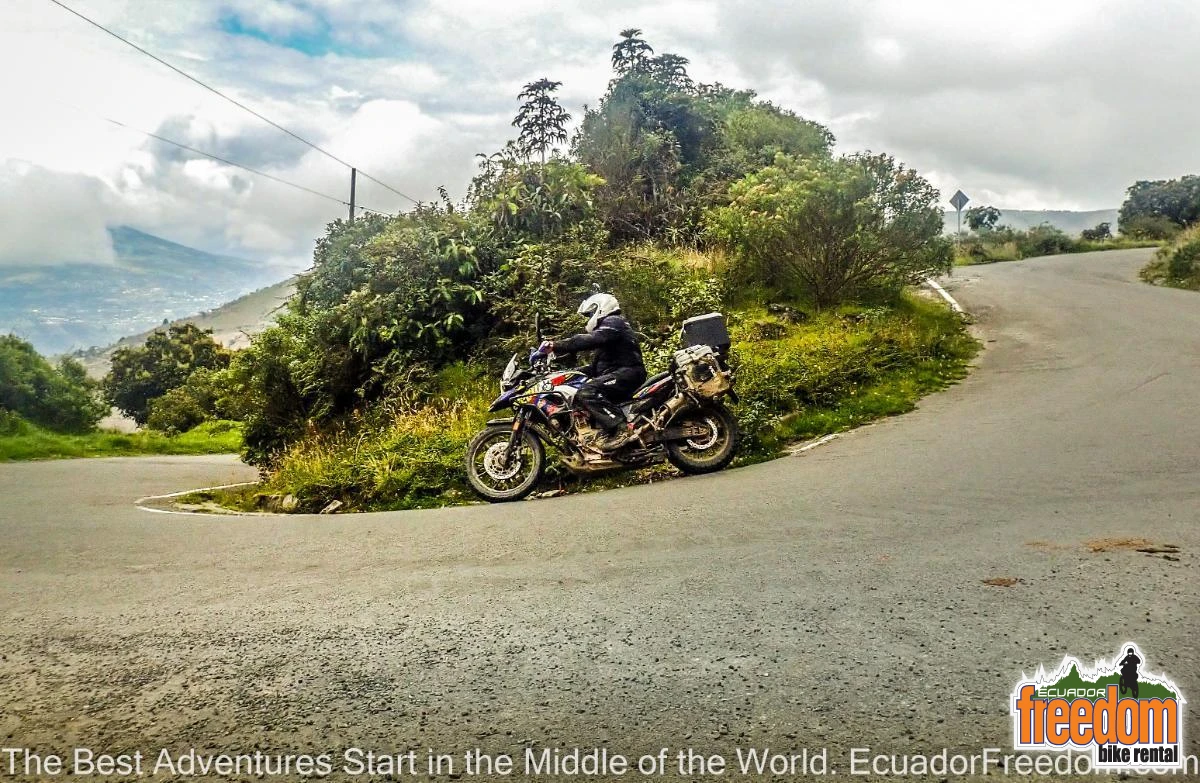
We will wind through some dizzying switch-back roads, climbing first in elevation and then descending into the town of Saquisilli. Saquisilli is famous for its large indigenous market.
From Saquisilli, we will head north towards Quito on the Pan-American highway, otherwise known as the Avenue of Volcanoes. You will be surrounded by towering snow-capped volcanoes along this highway - with the Cotopaxi Volcano on one side and the Illiniza on the other. 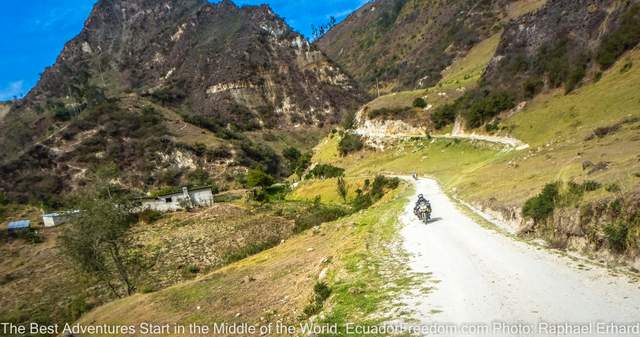
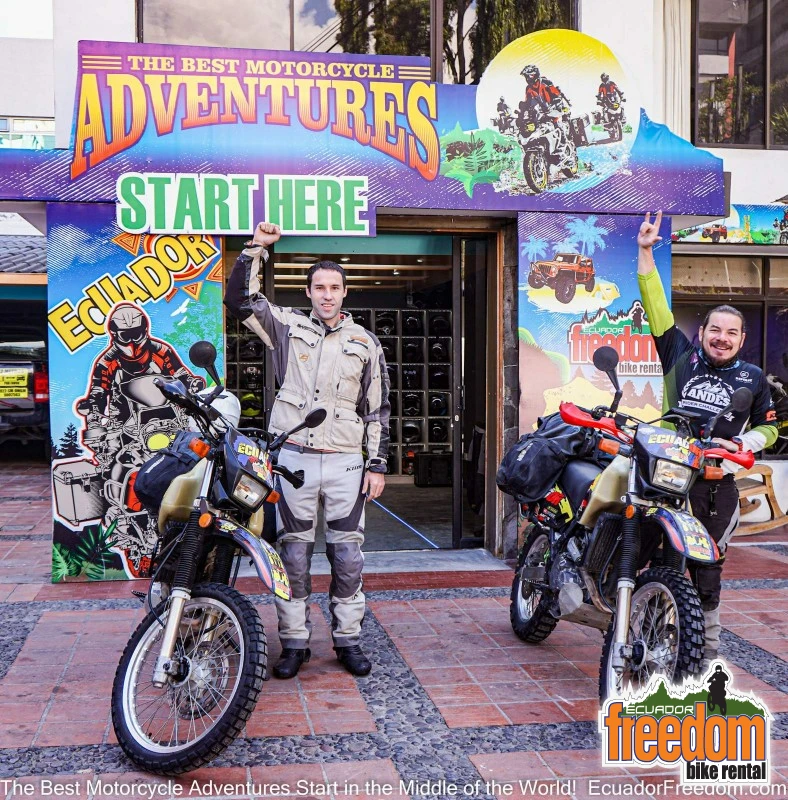
You will finish your "Cloudforests, Coast and Craters" Tour where you began - at our offices in the fashionable Carolina neighborhood of Quito. You can relax at our shop, take a shower, and enjoy a relaxing soak in our jacuzzi before heading out on the town to celebrate. Now that you have finished your tour, we hope you have some memories to last a lifetime.
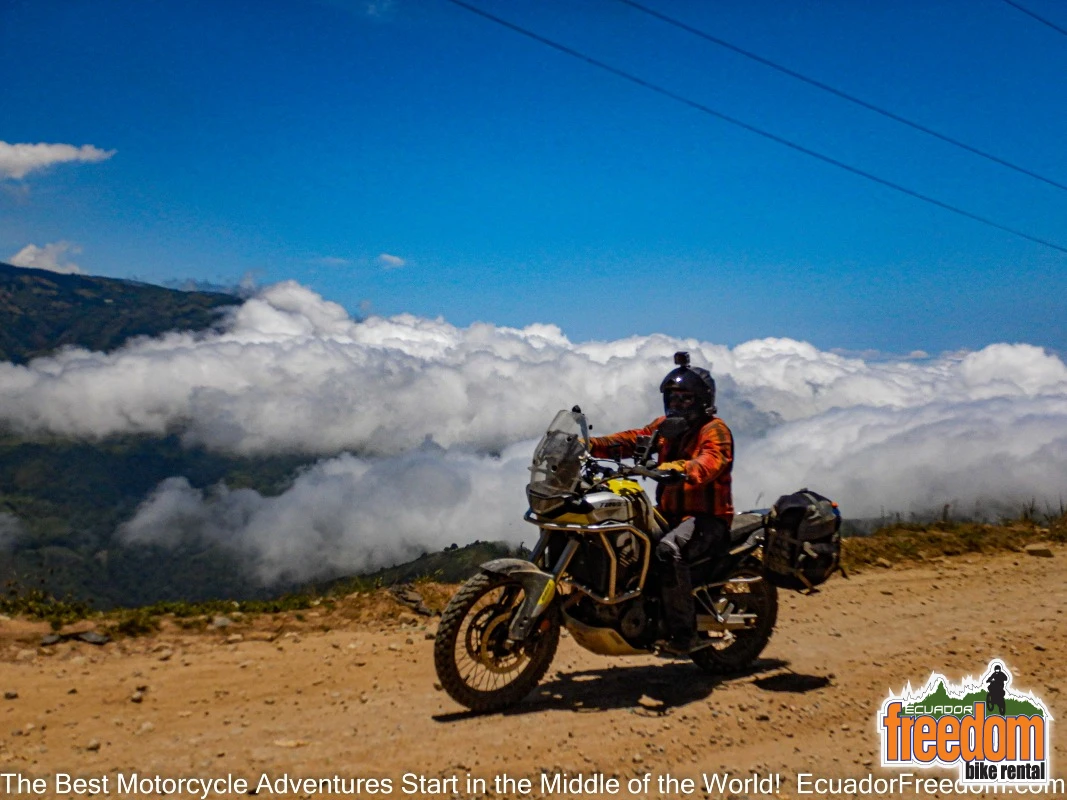
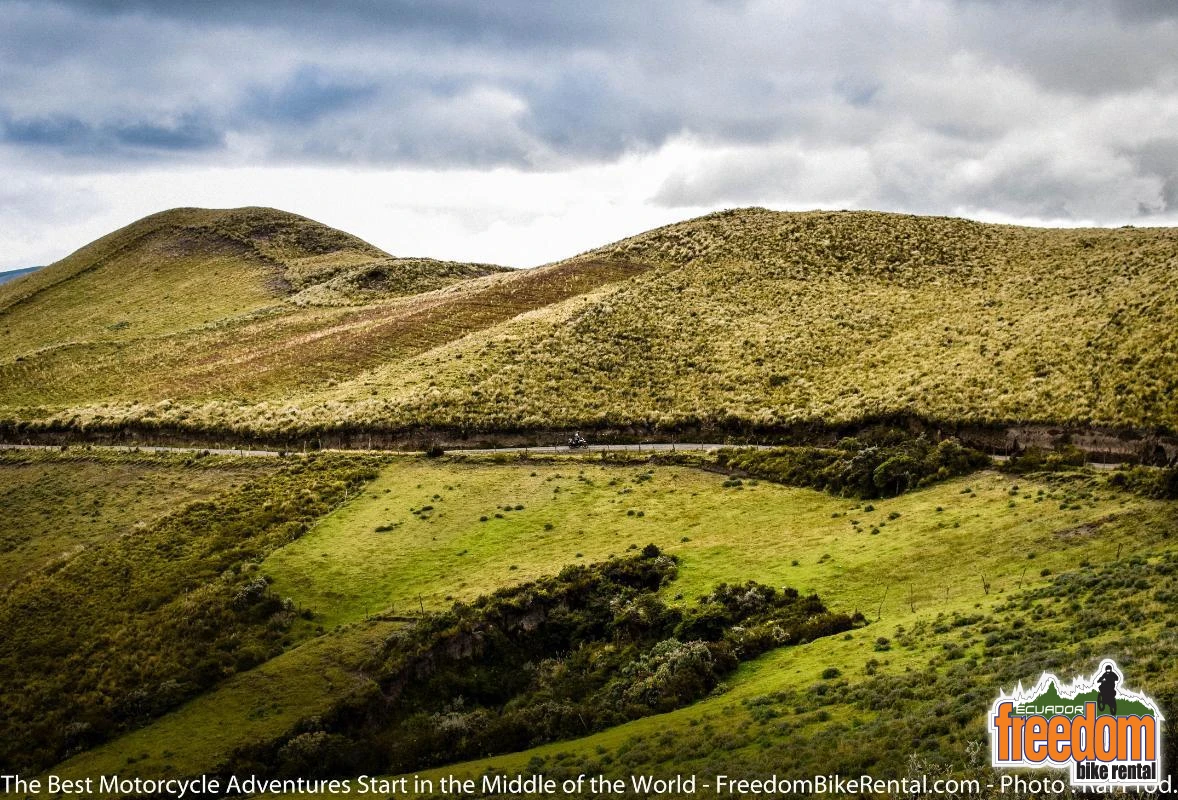
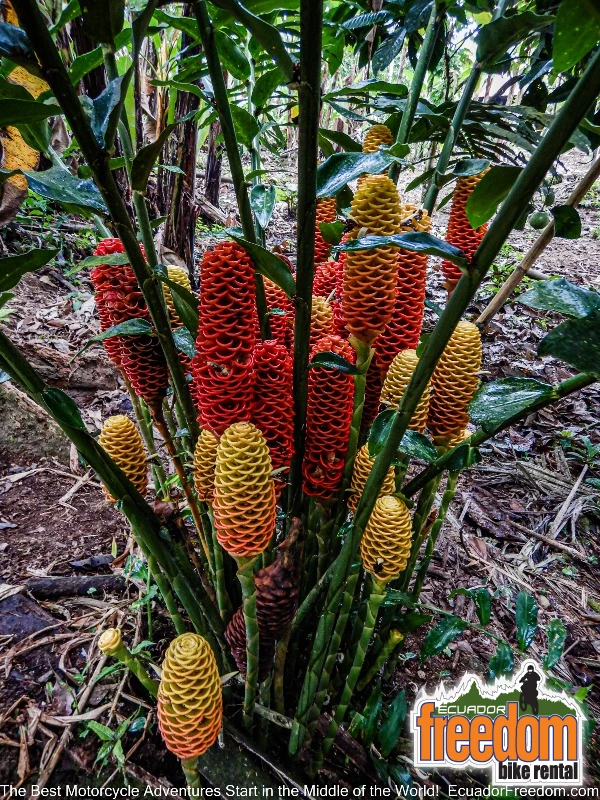
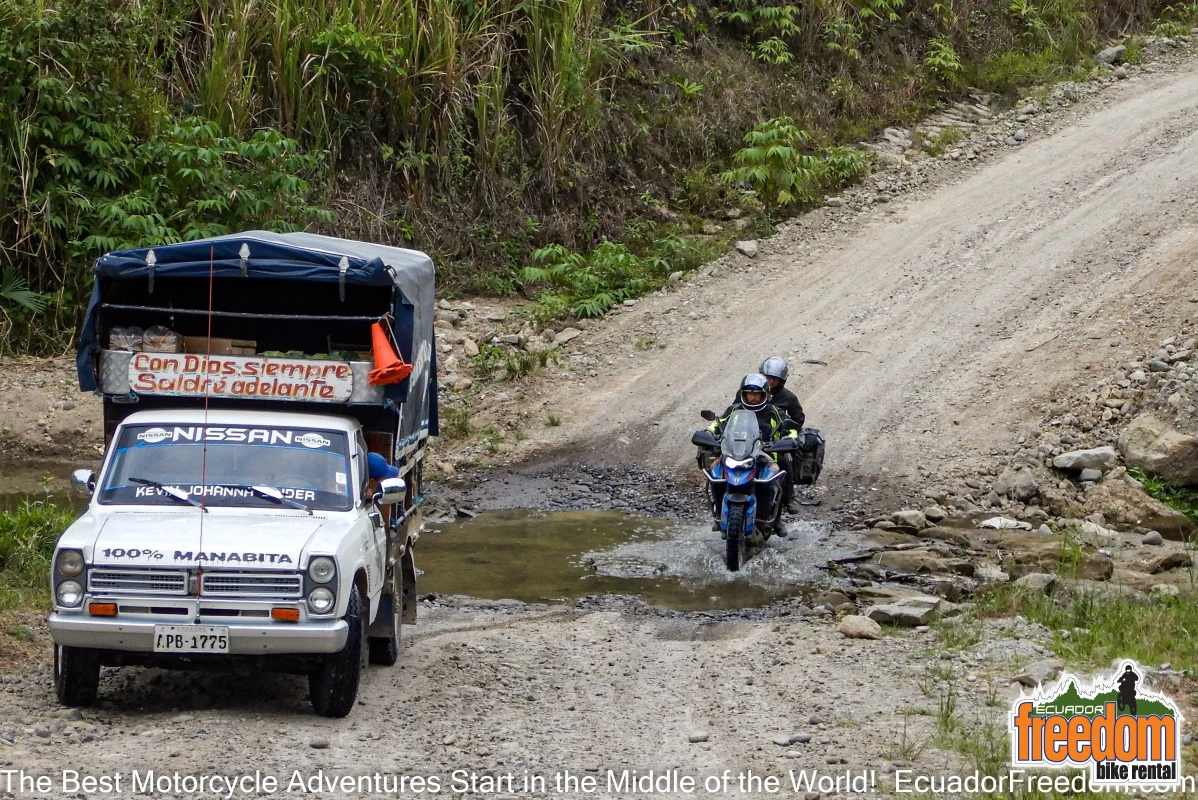
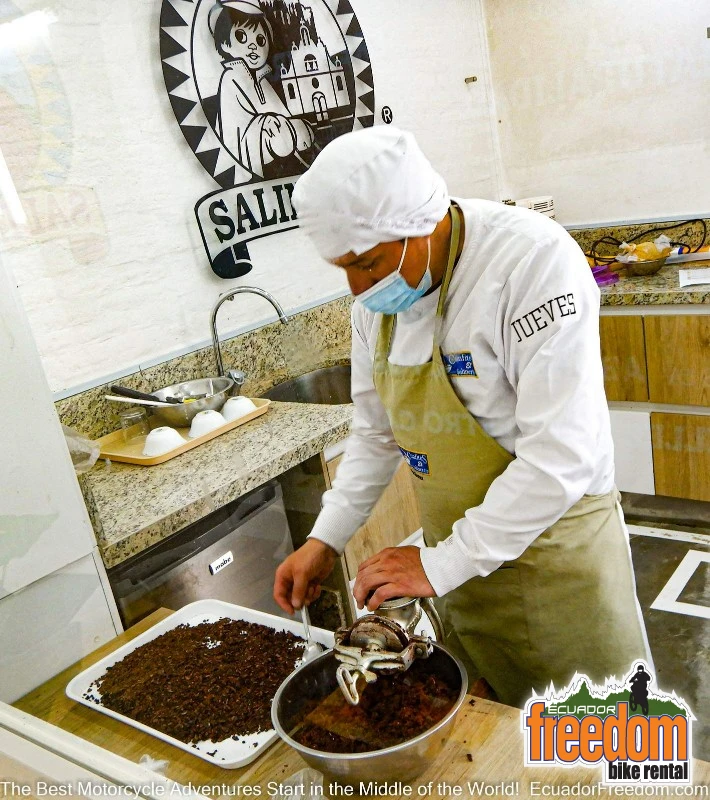


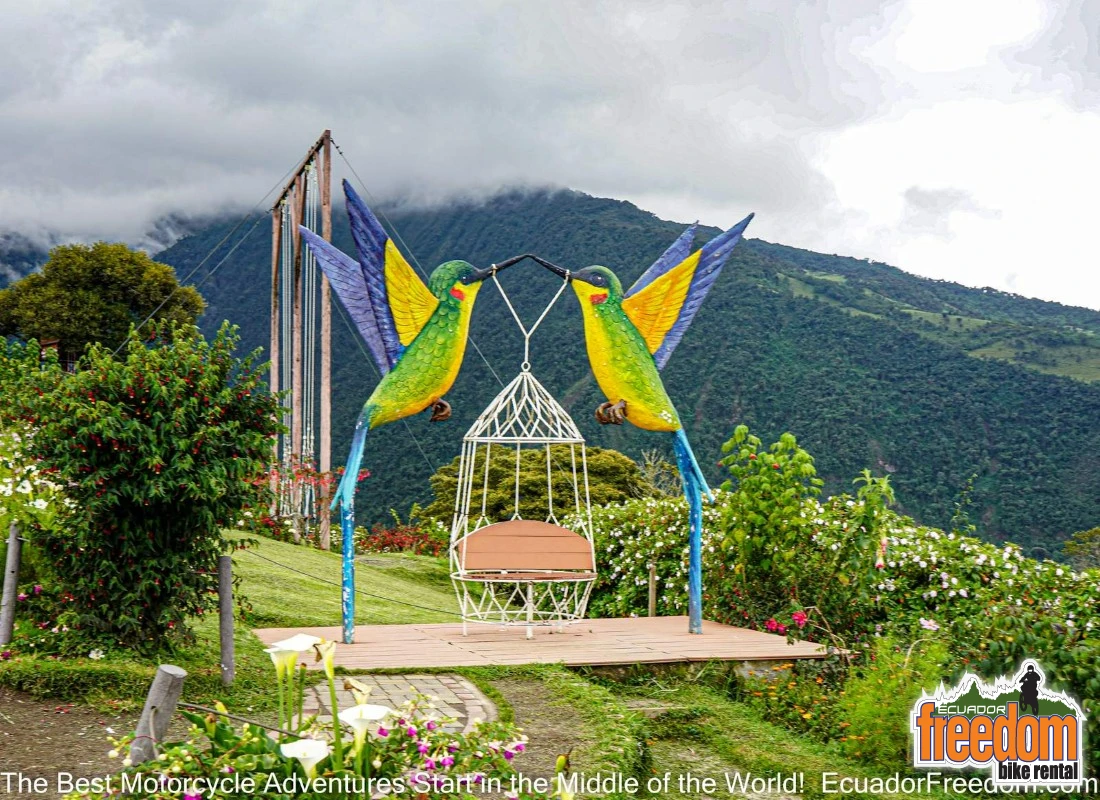
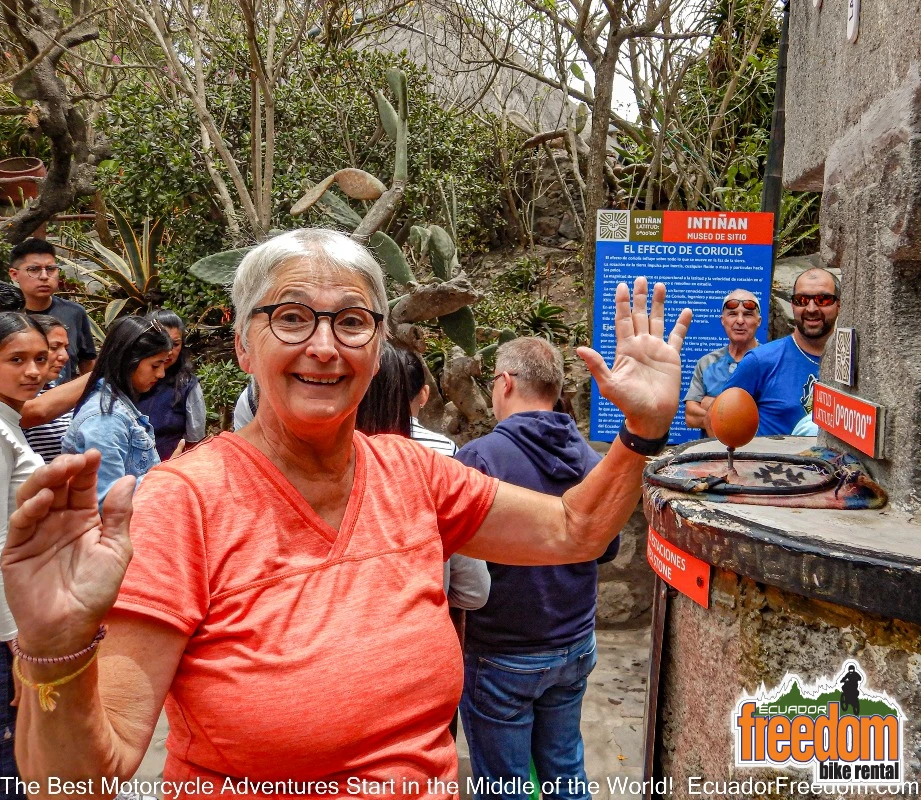
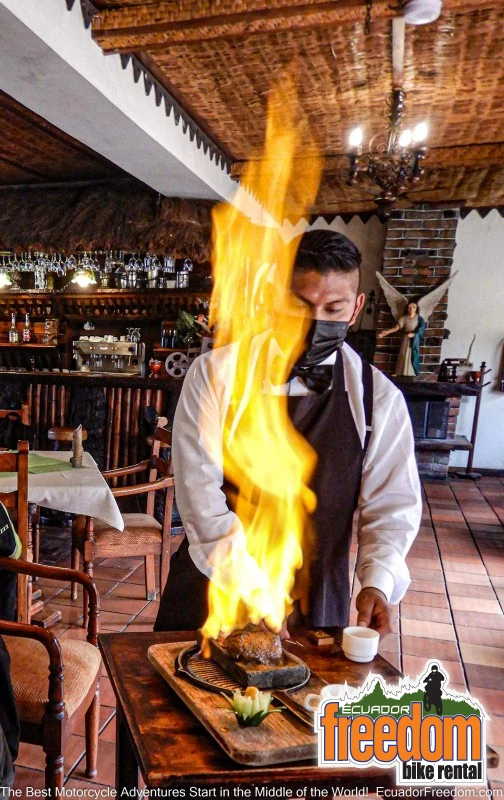

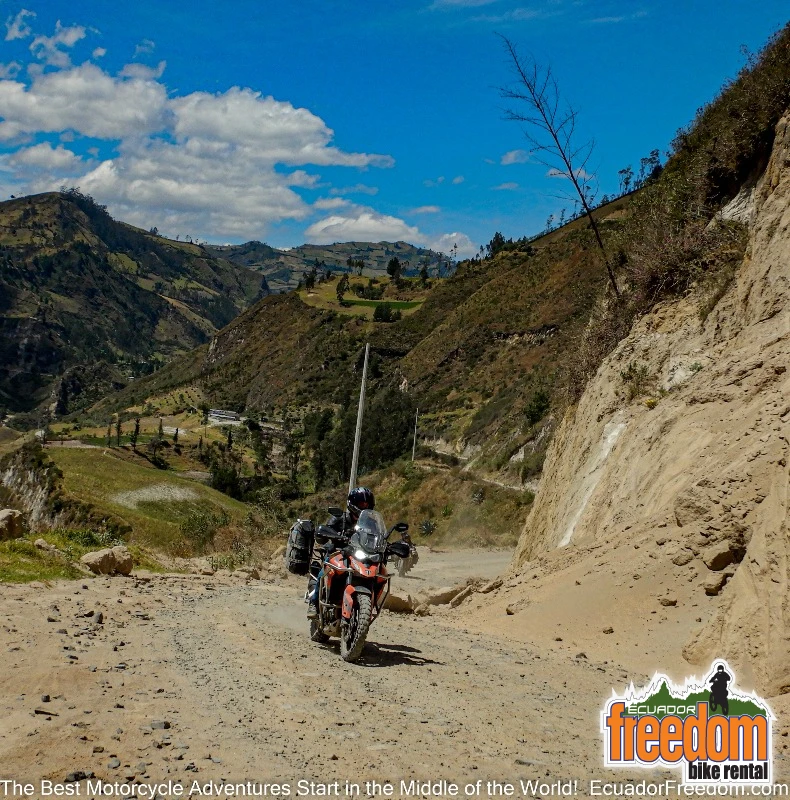
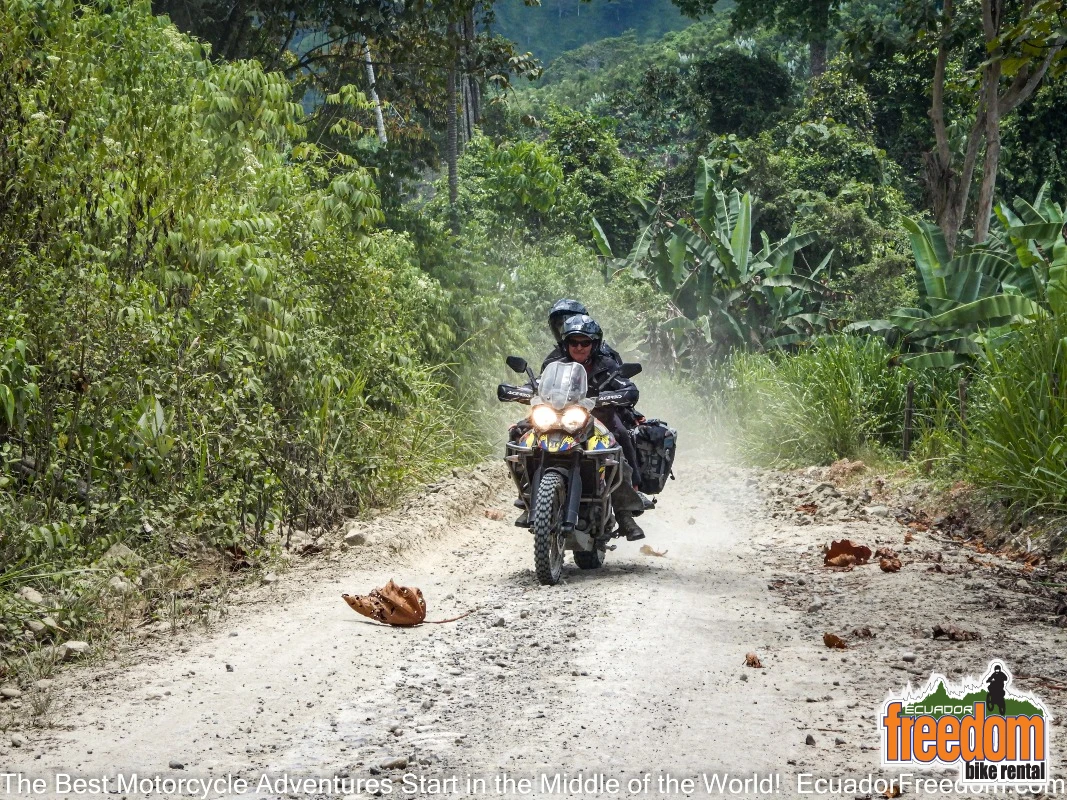
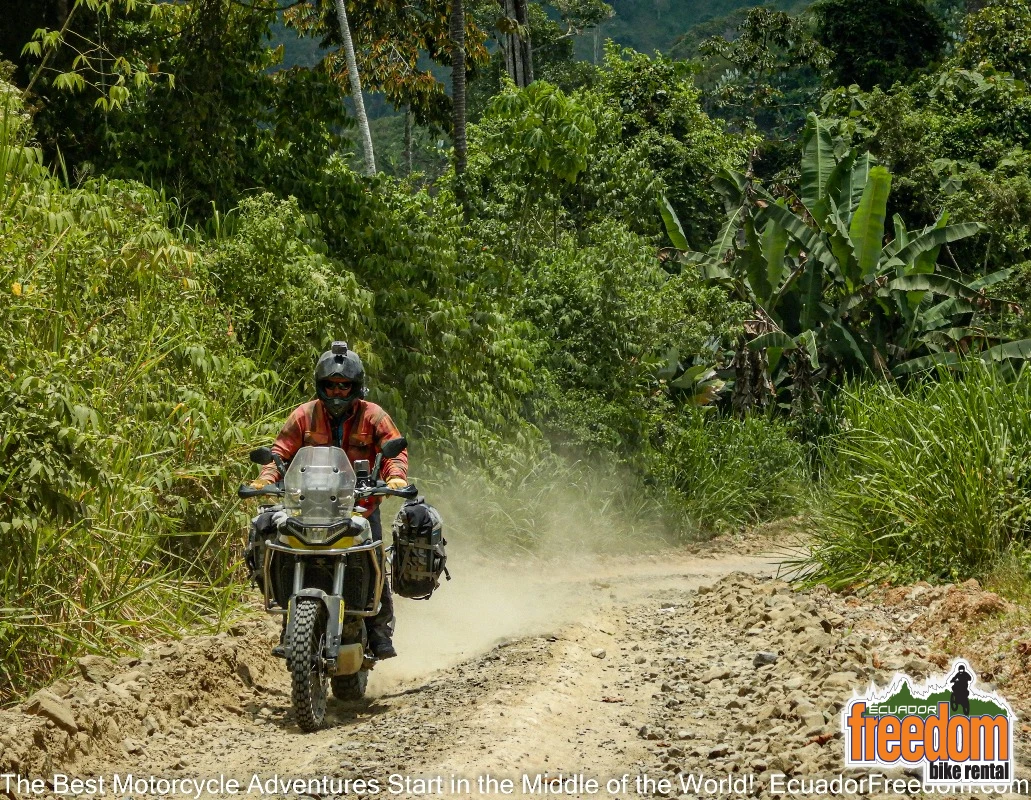
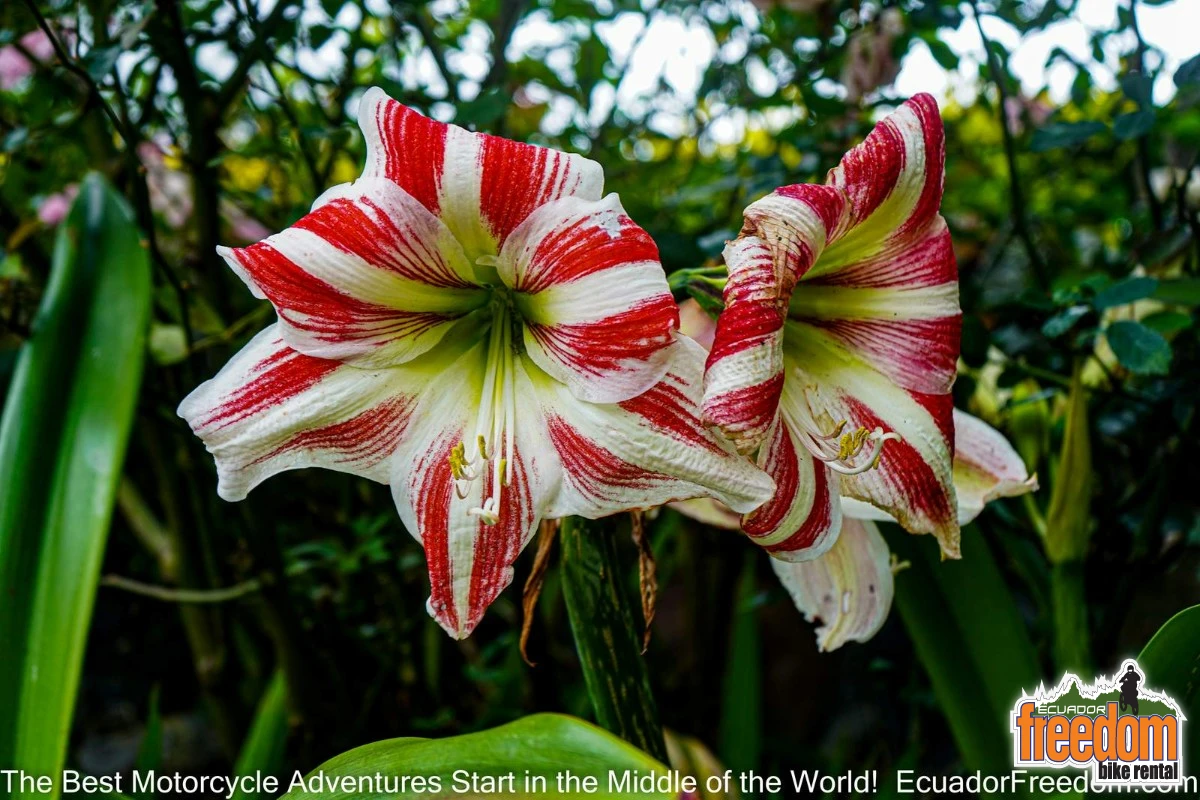
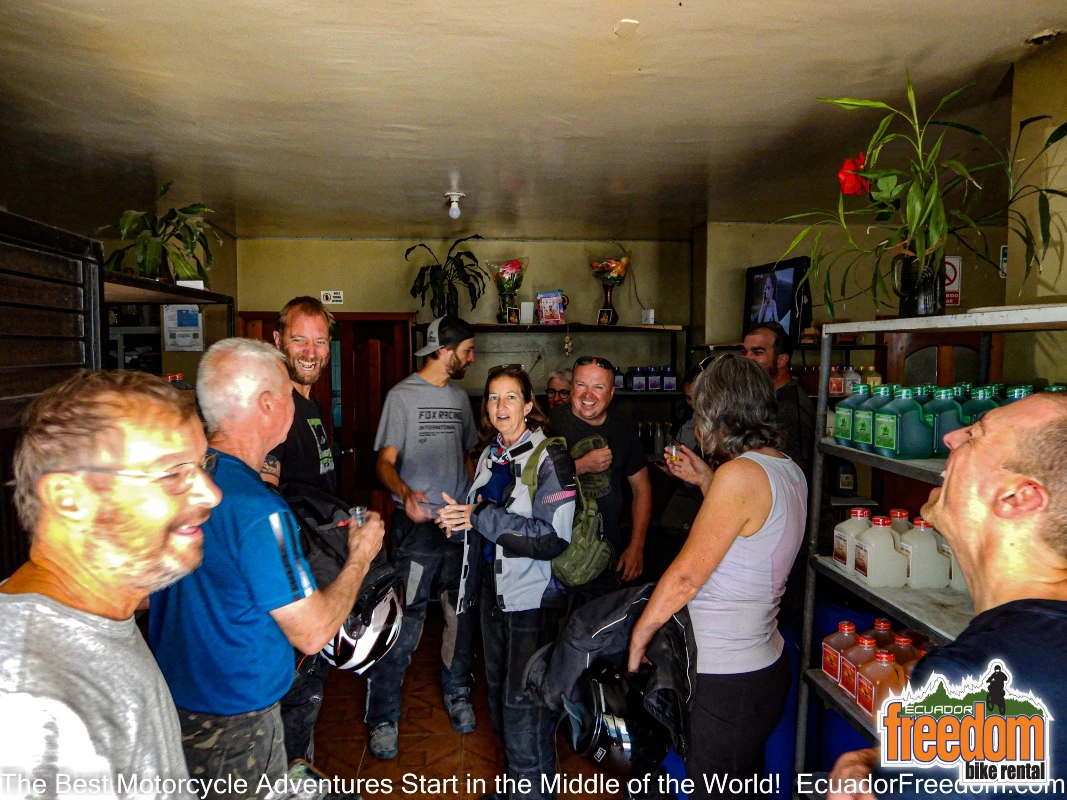
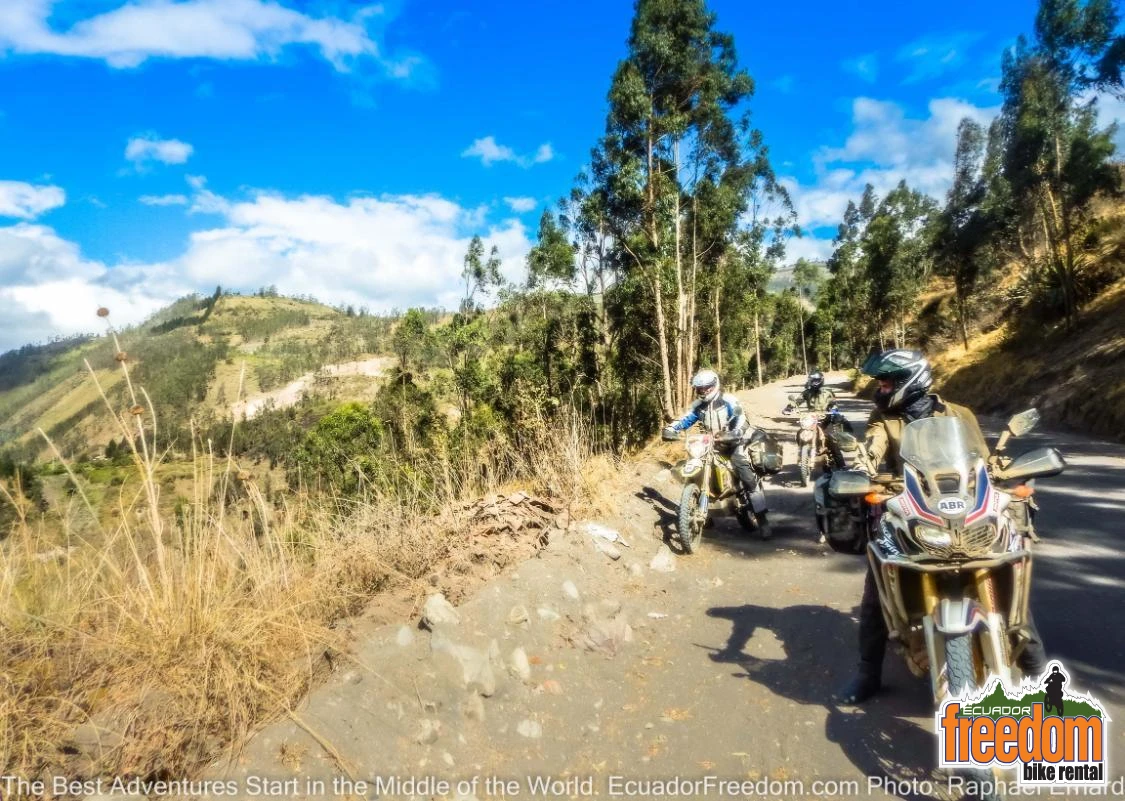
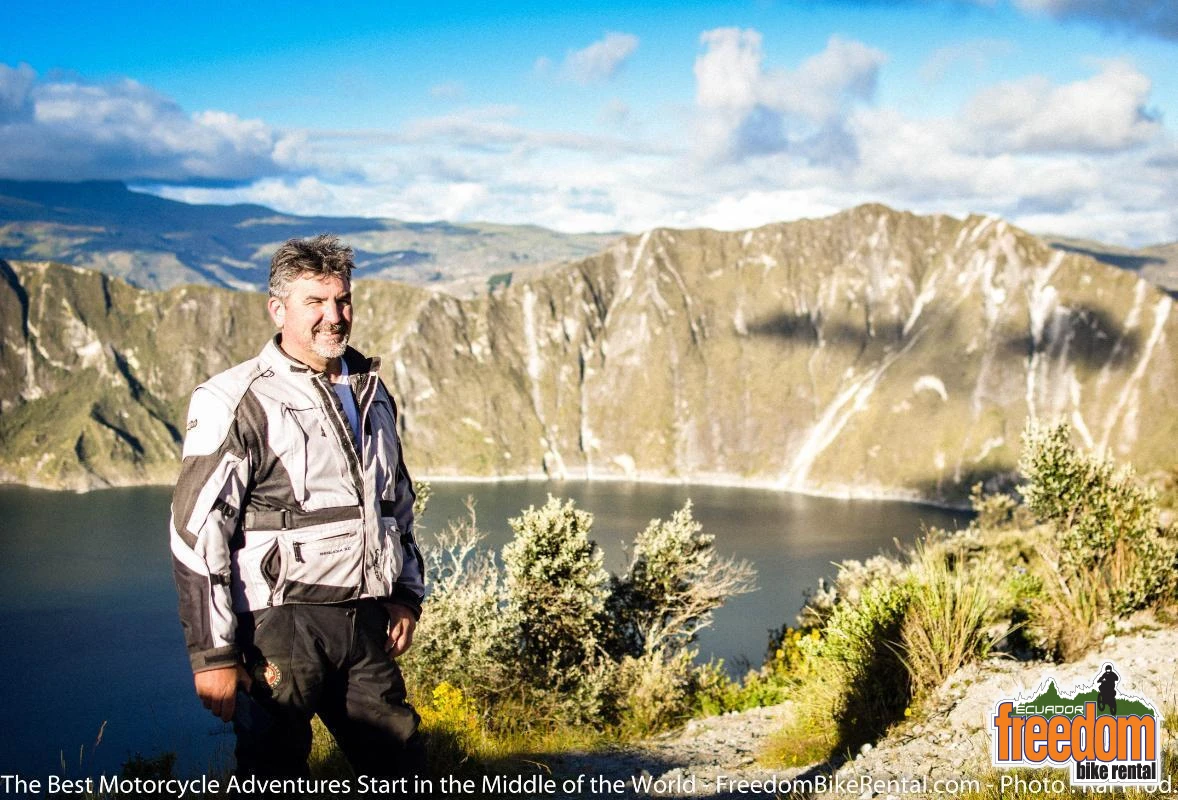
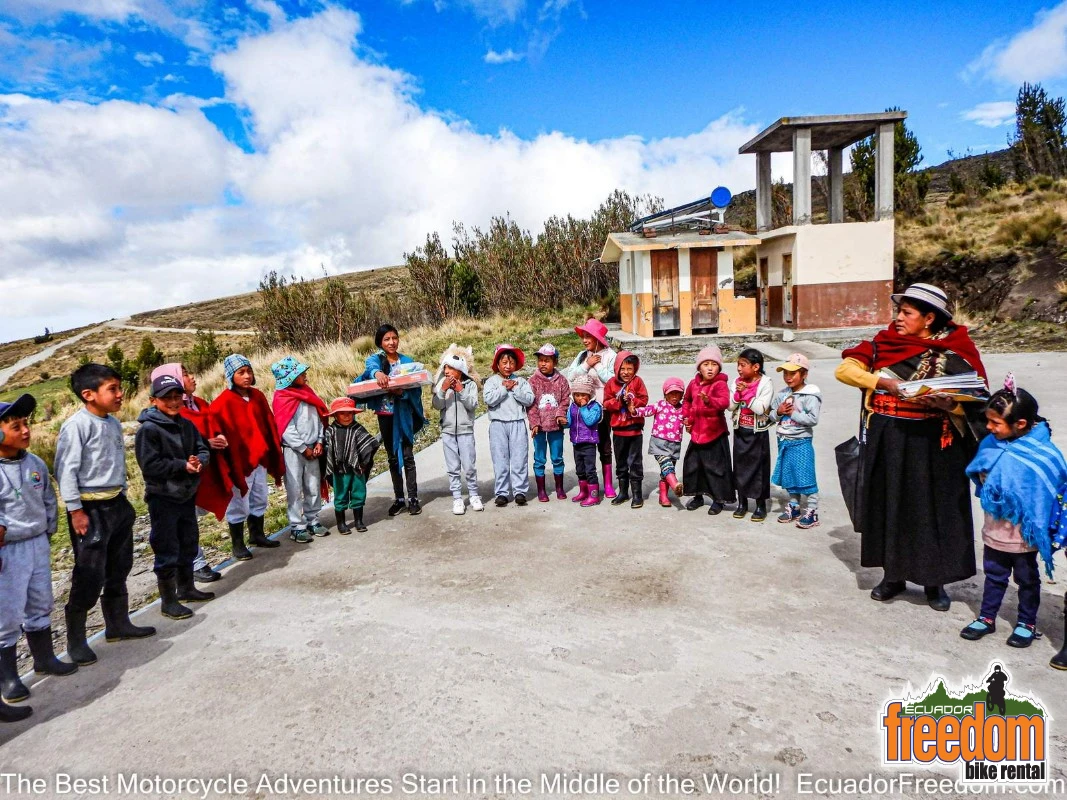



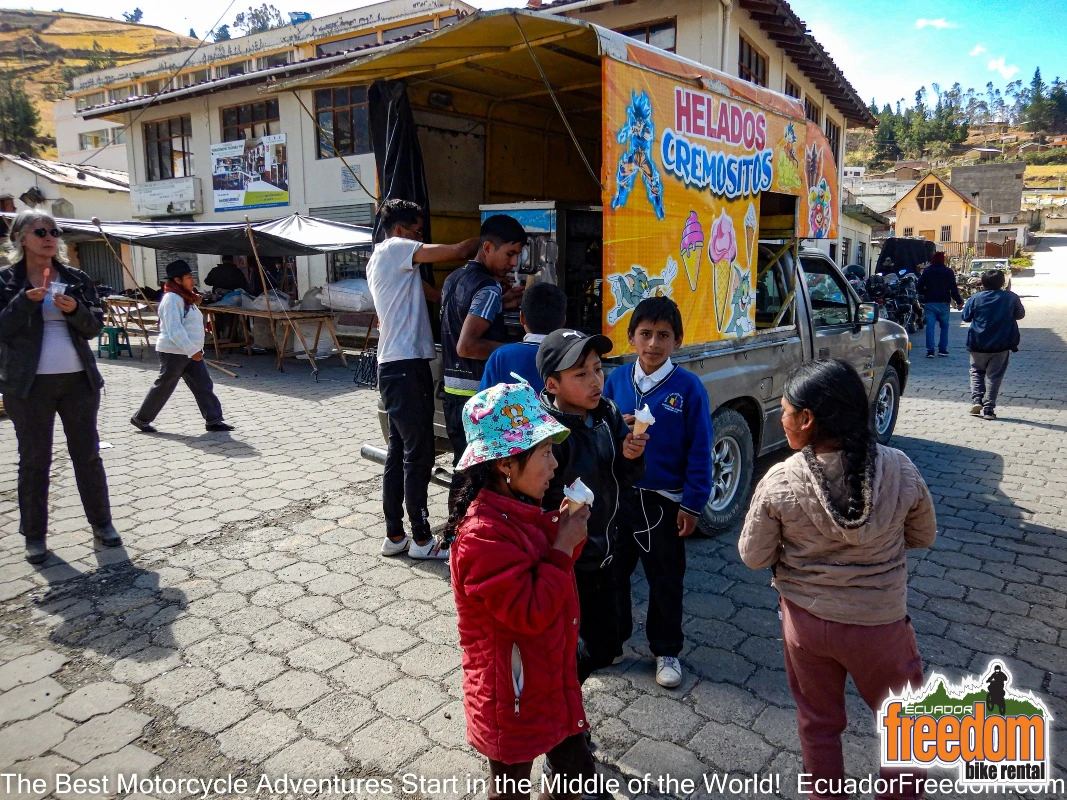


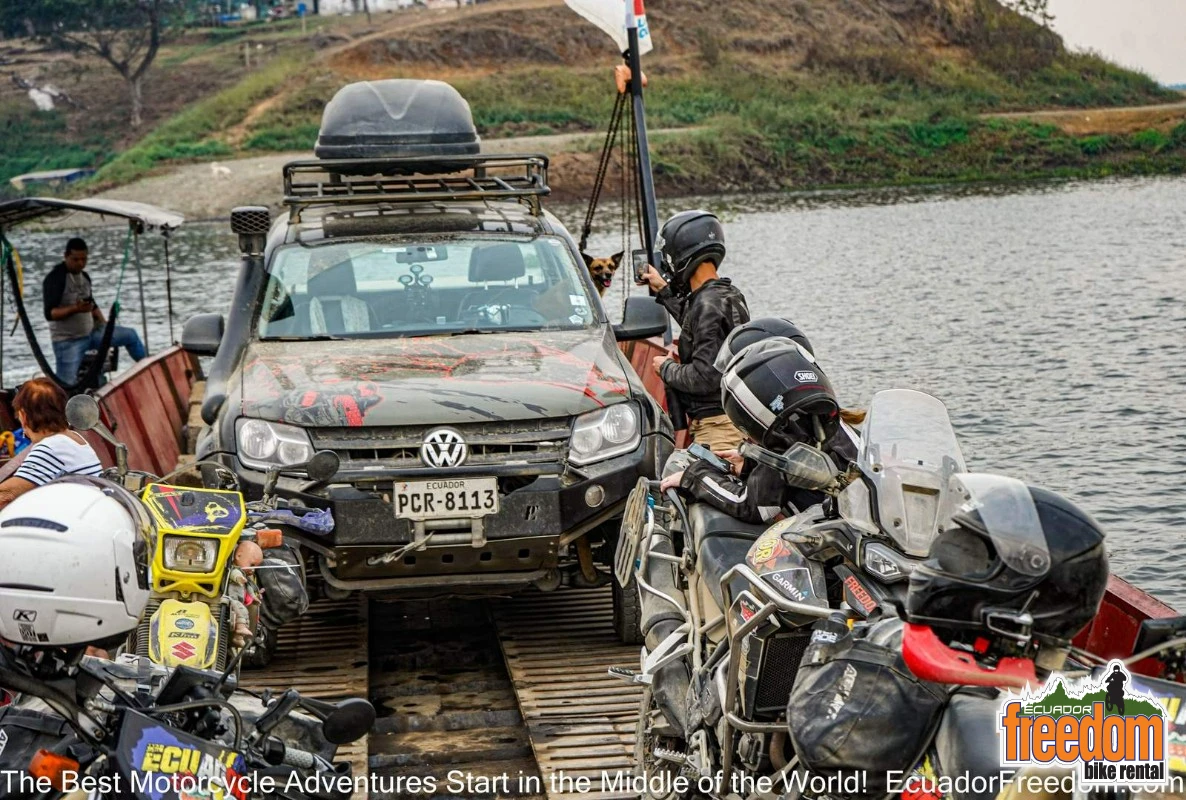

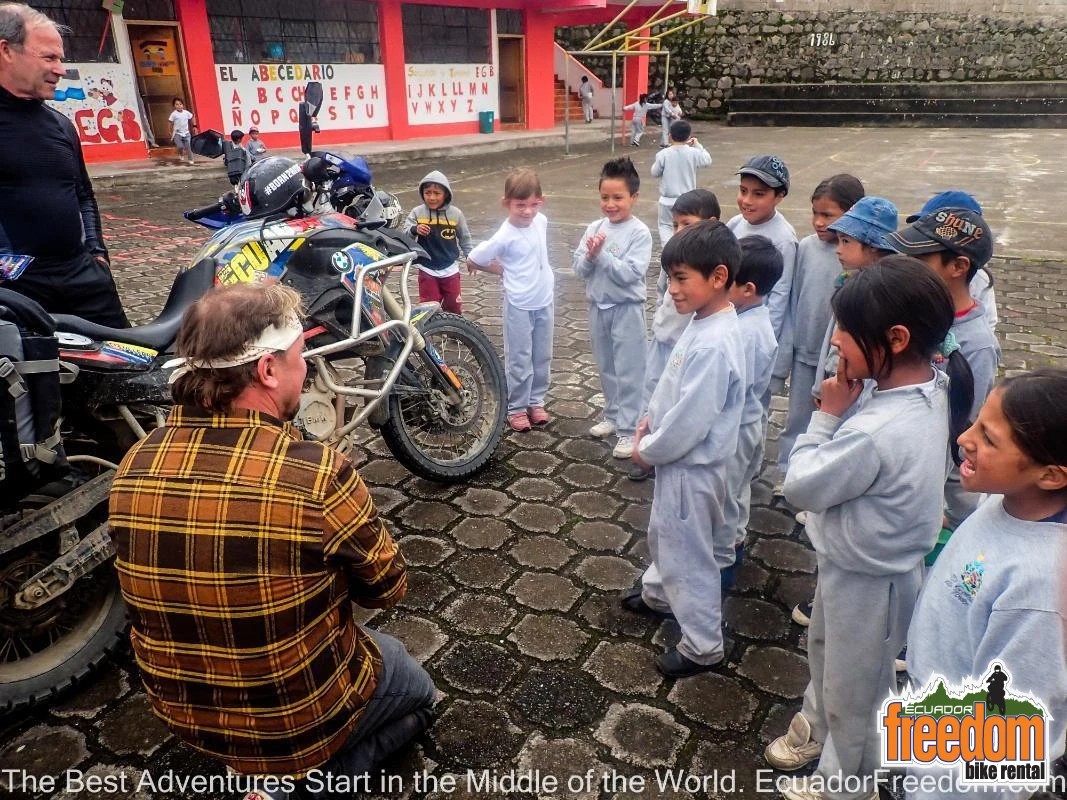
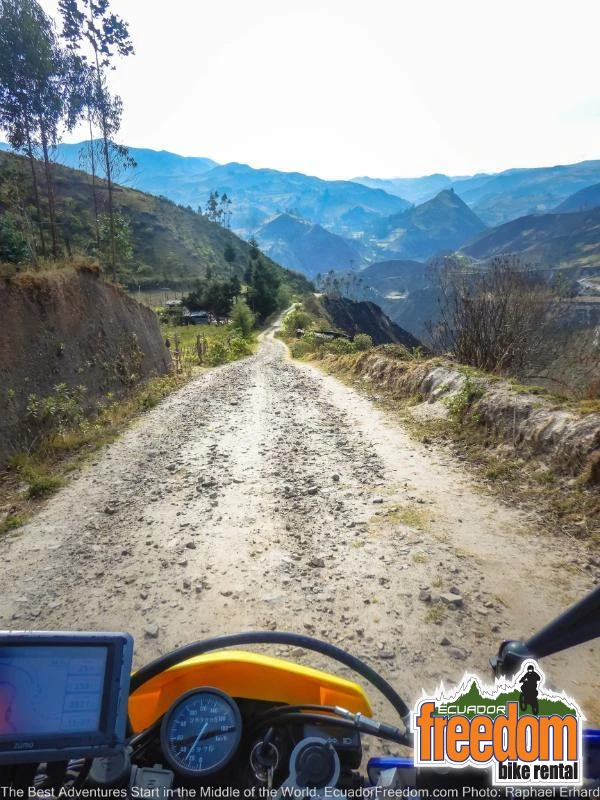
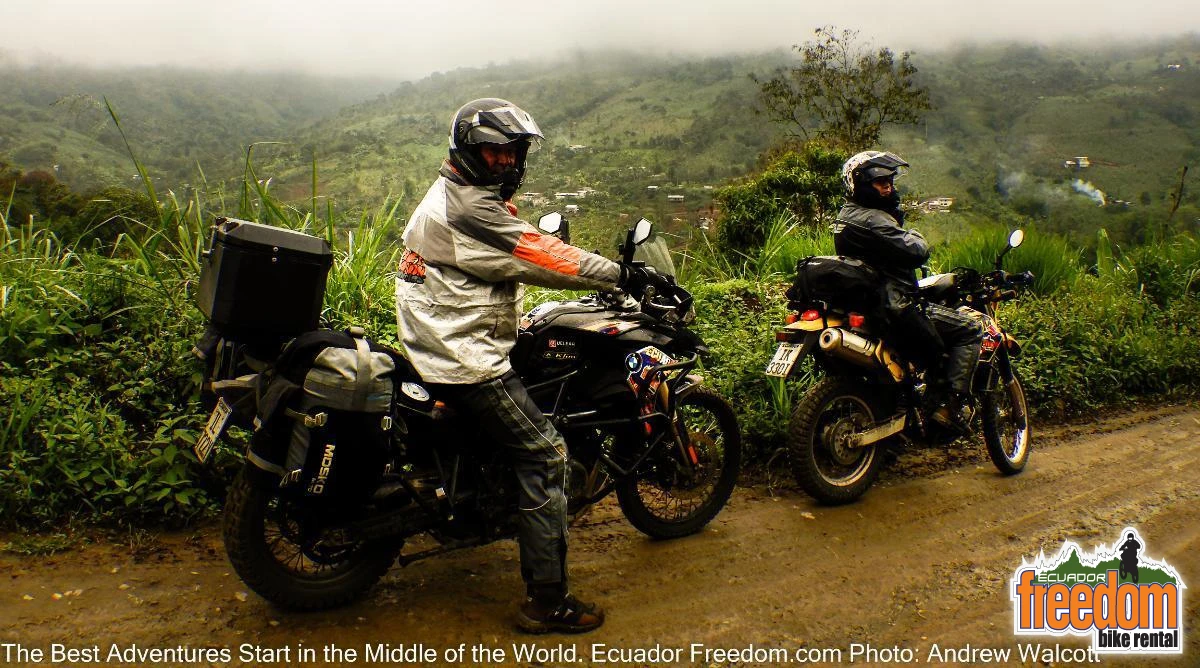



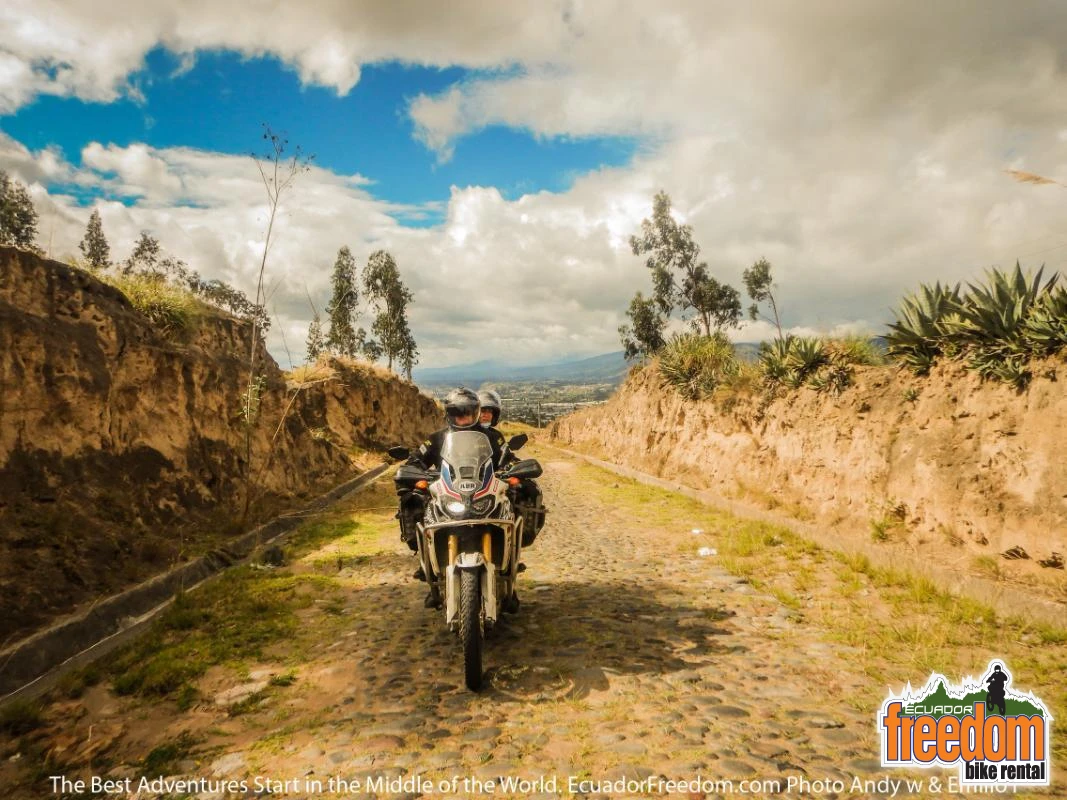
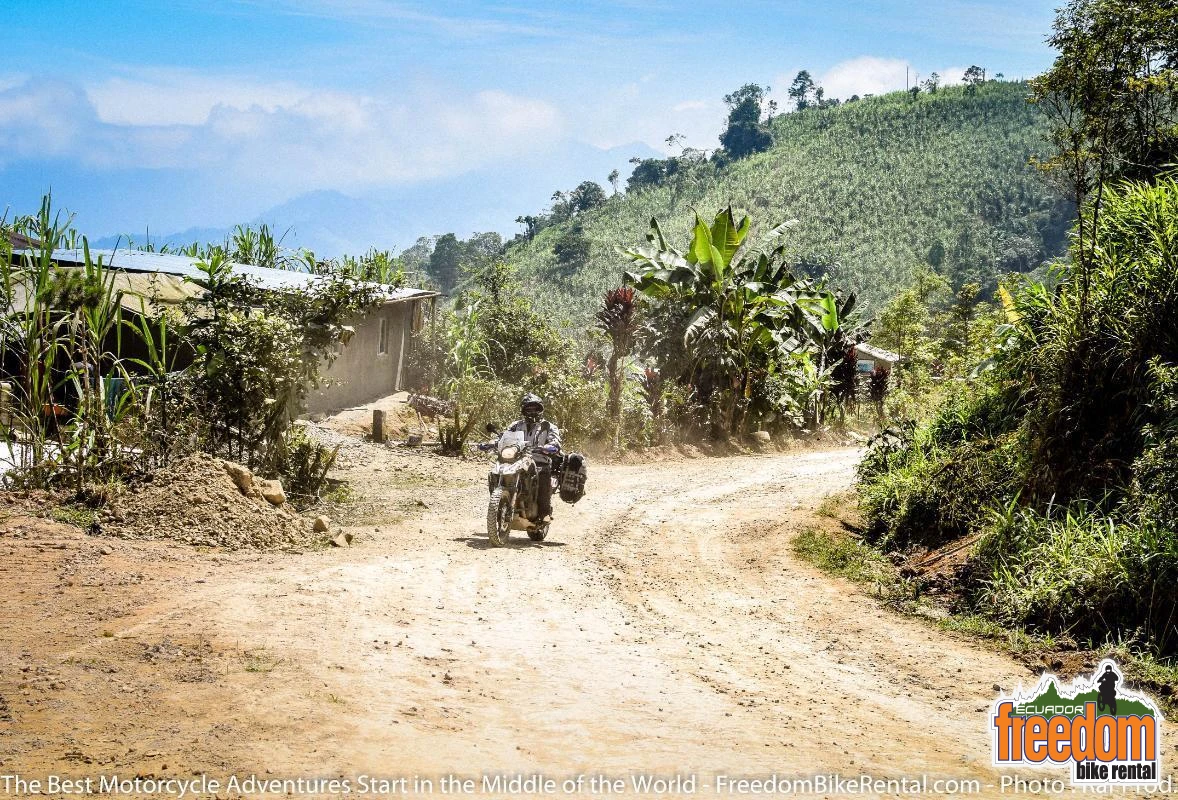

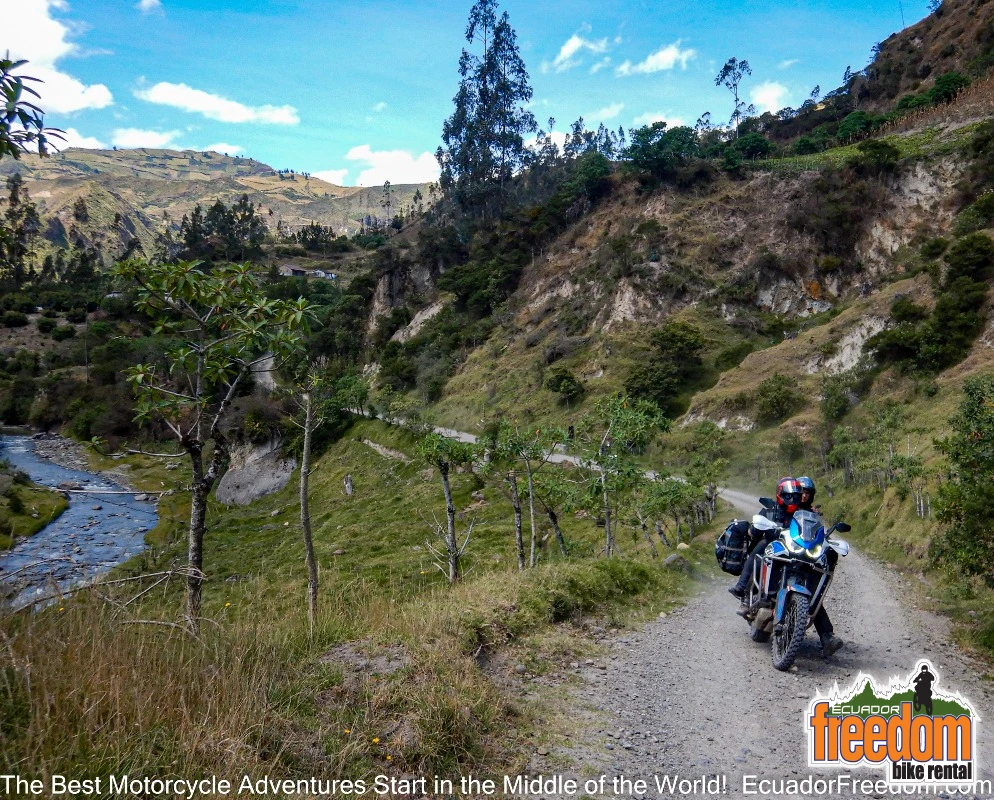
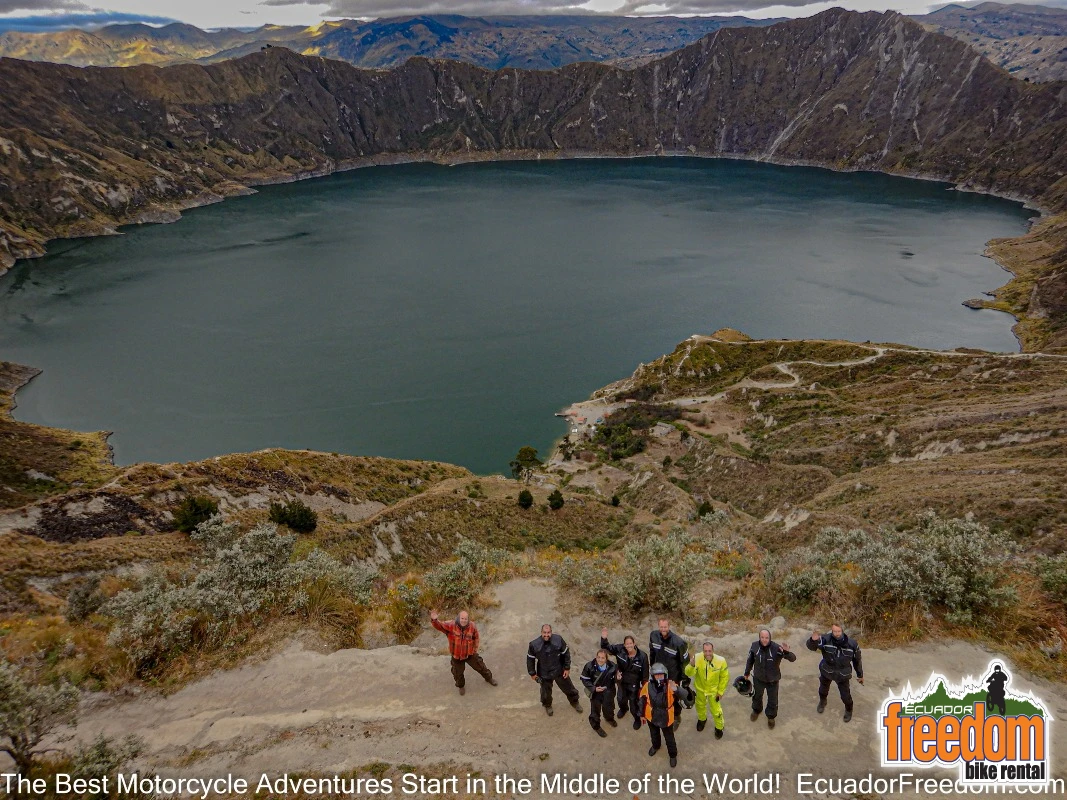
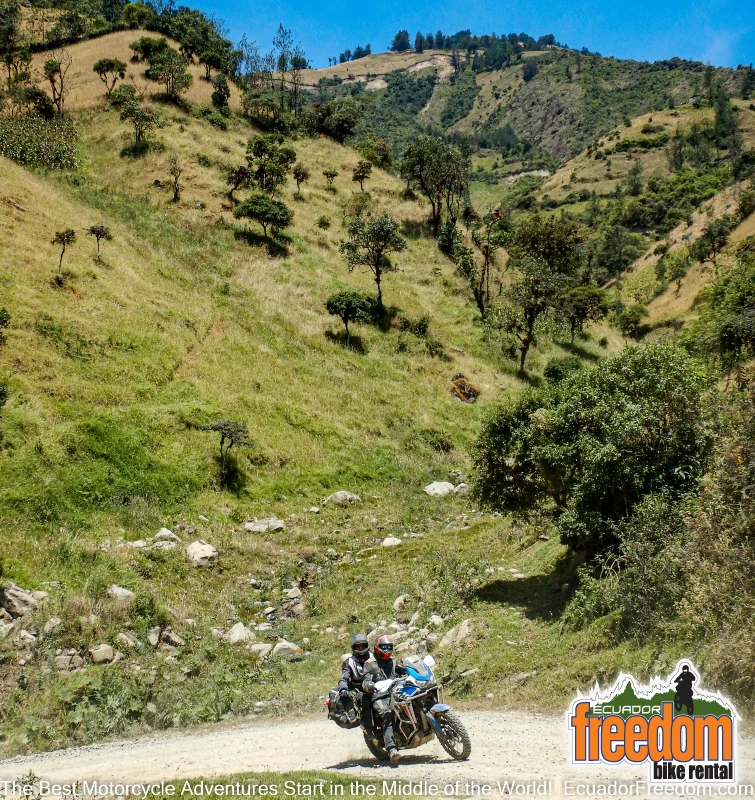
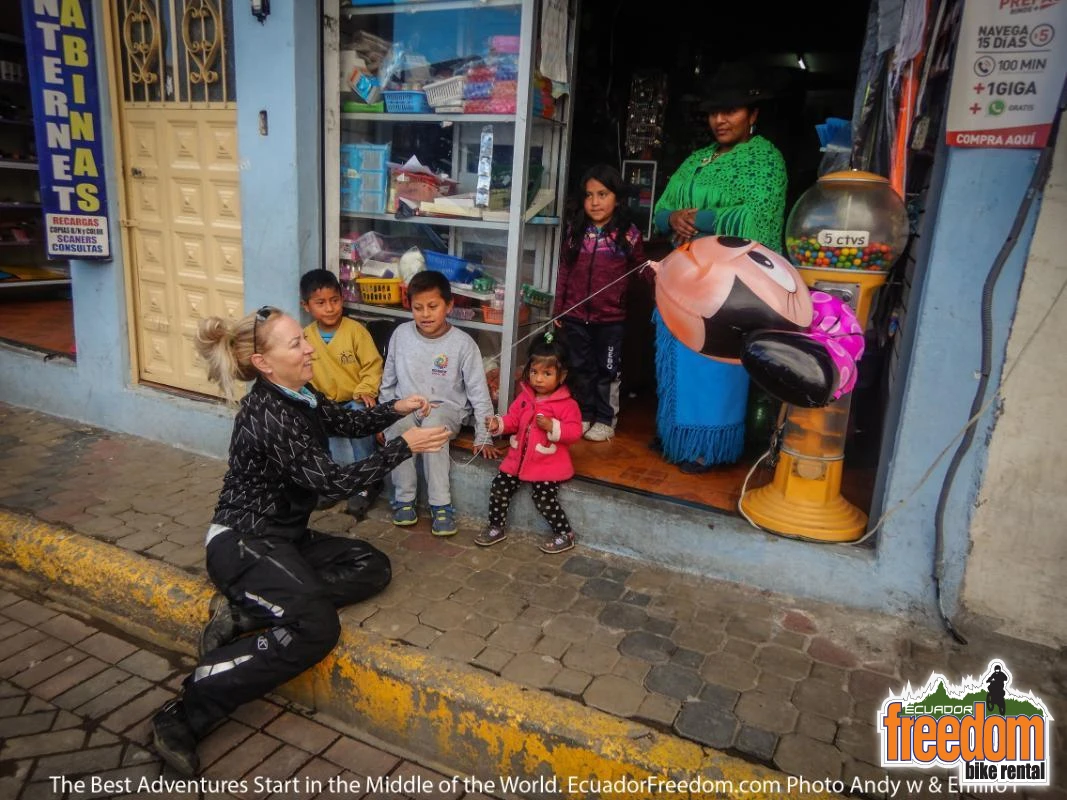
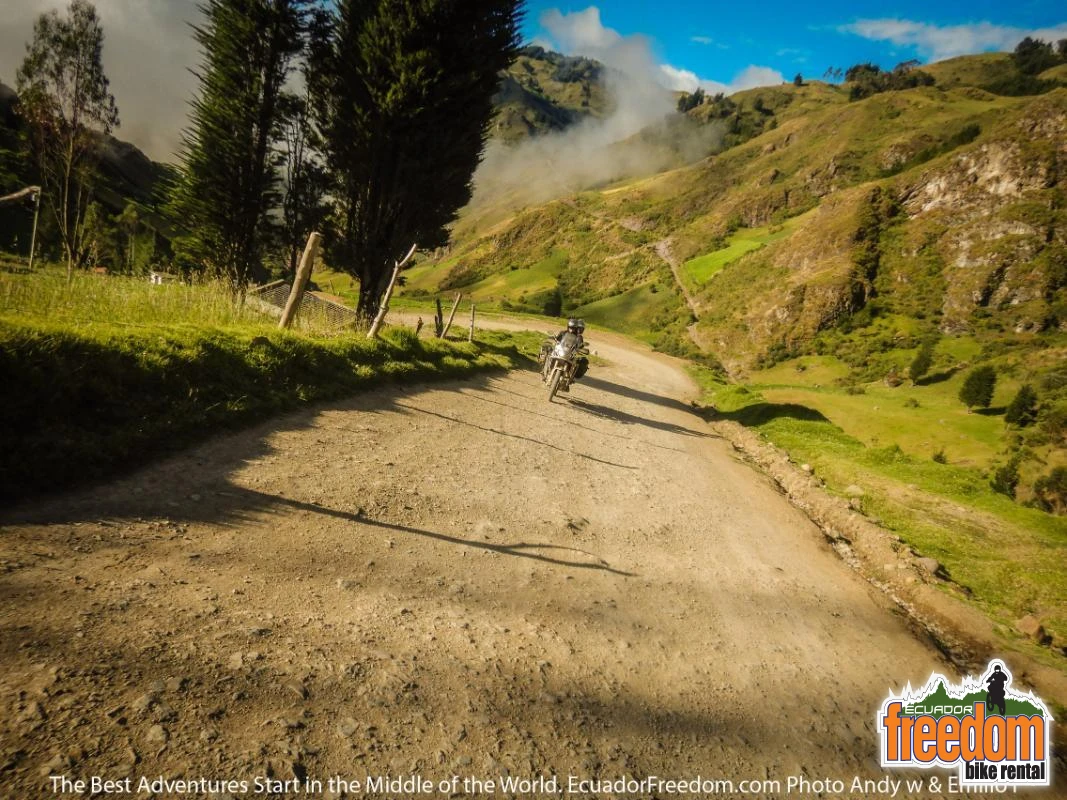
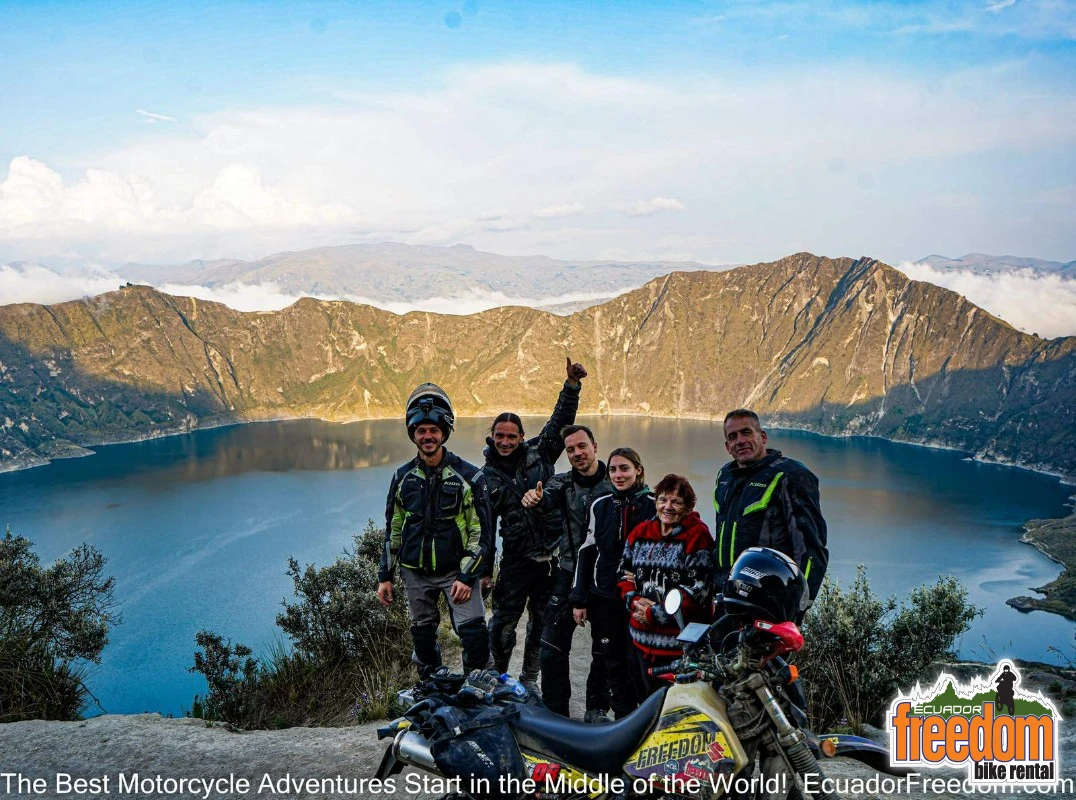

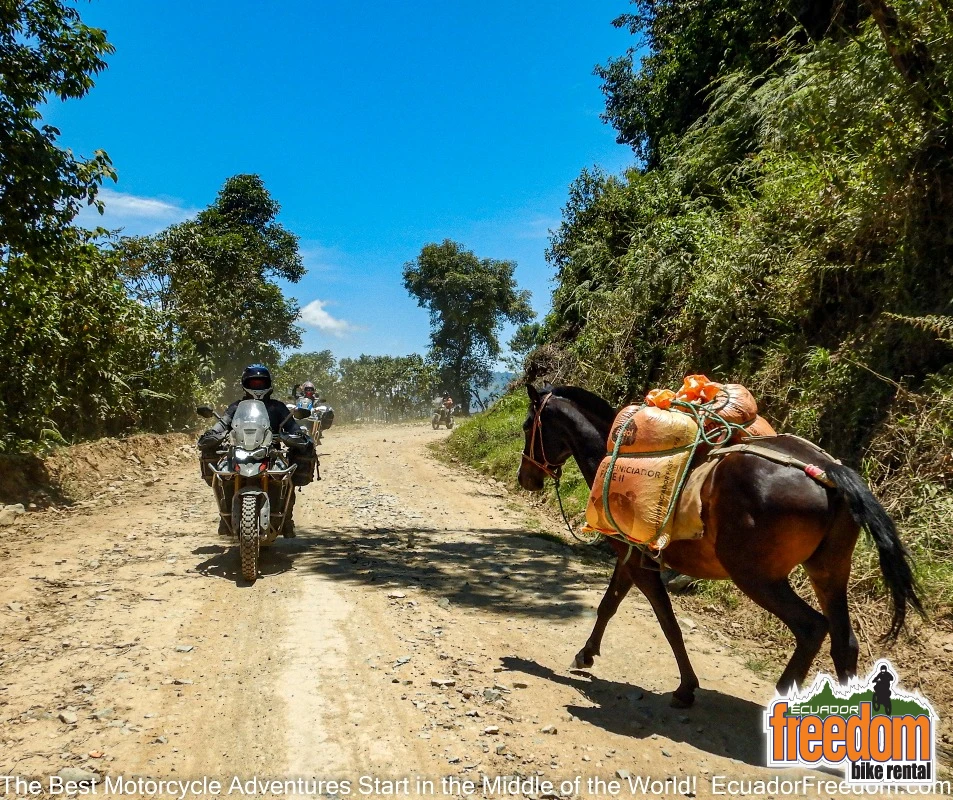
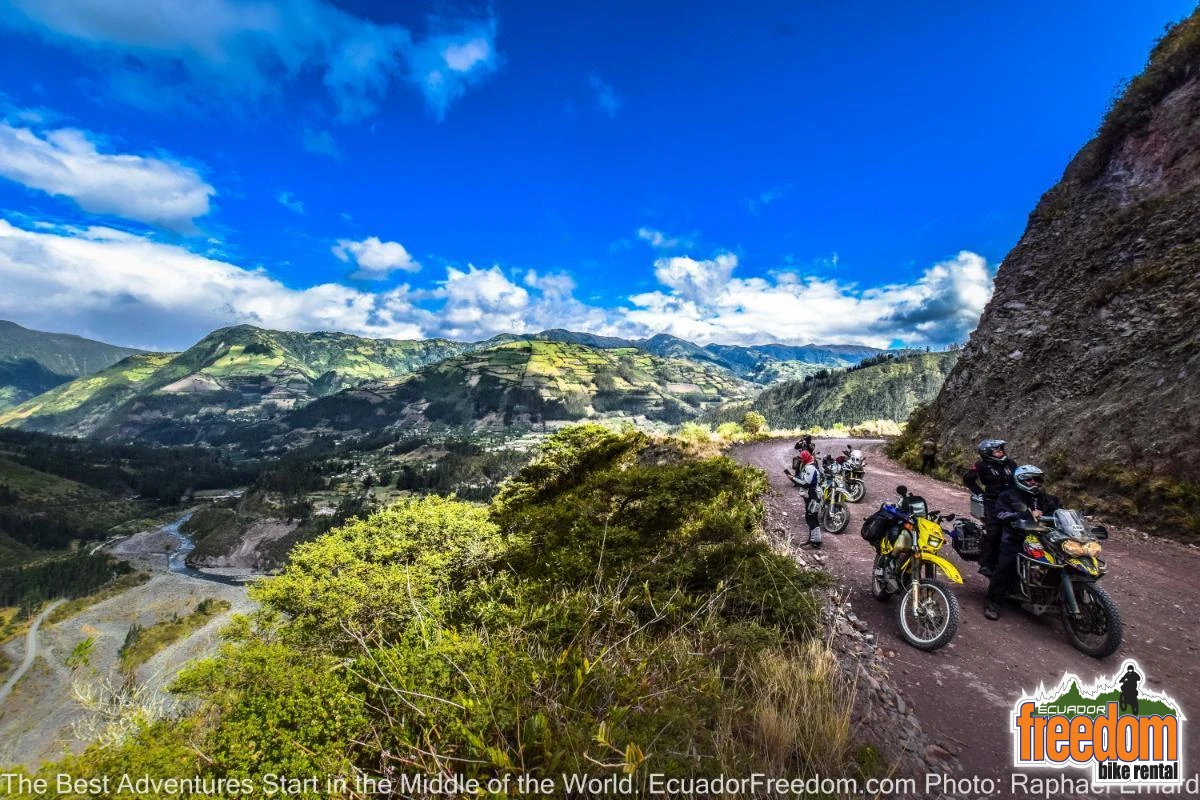
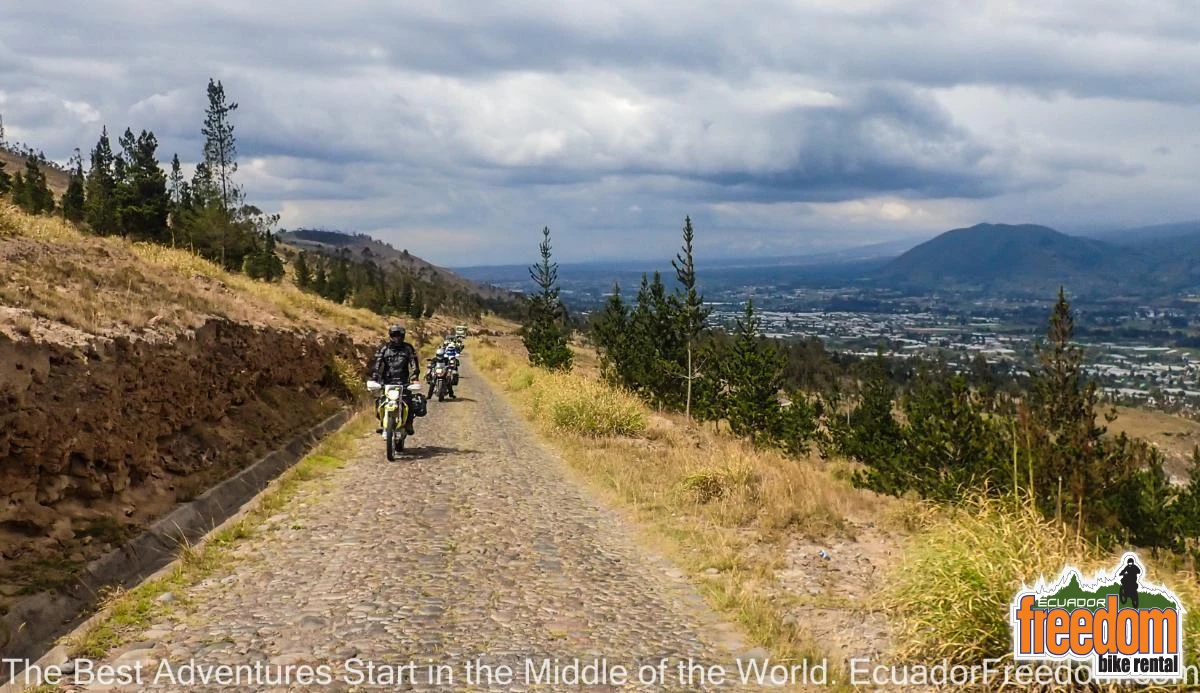
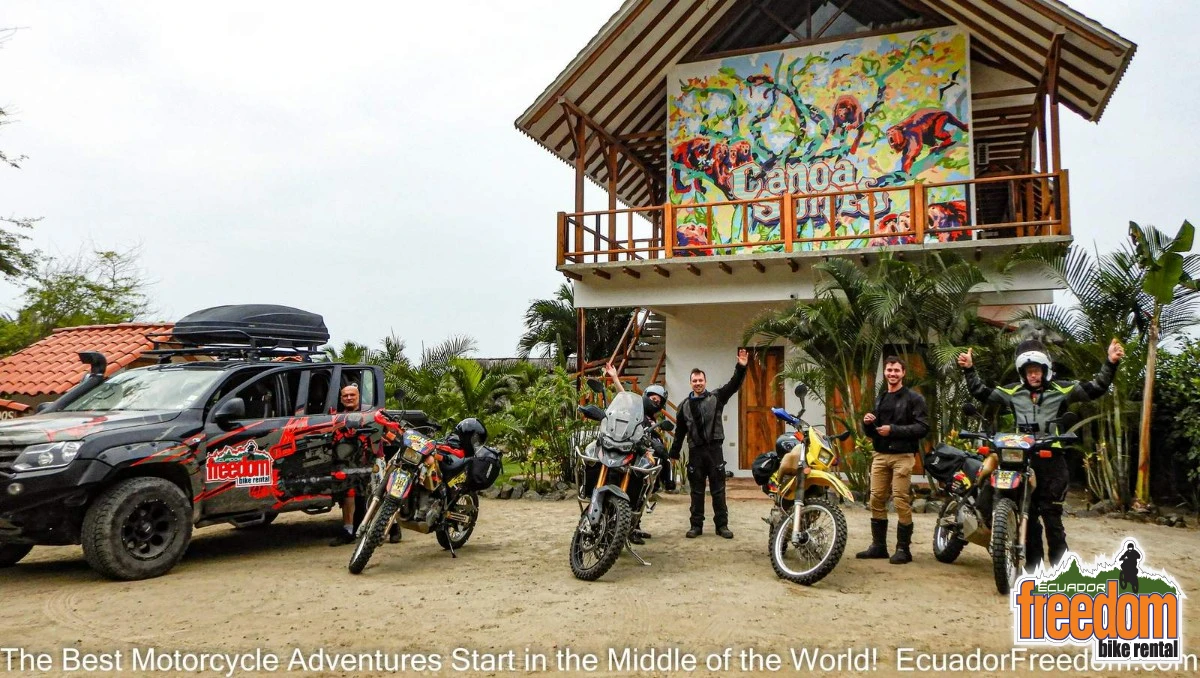
What to Expect
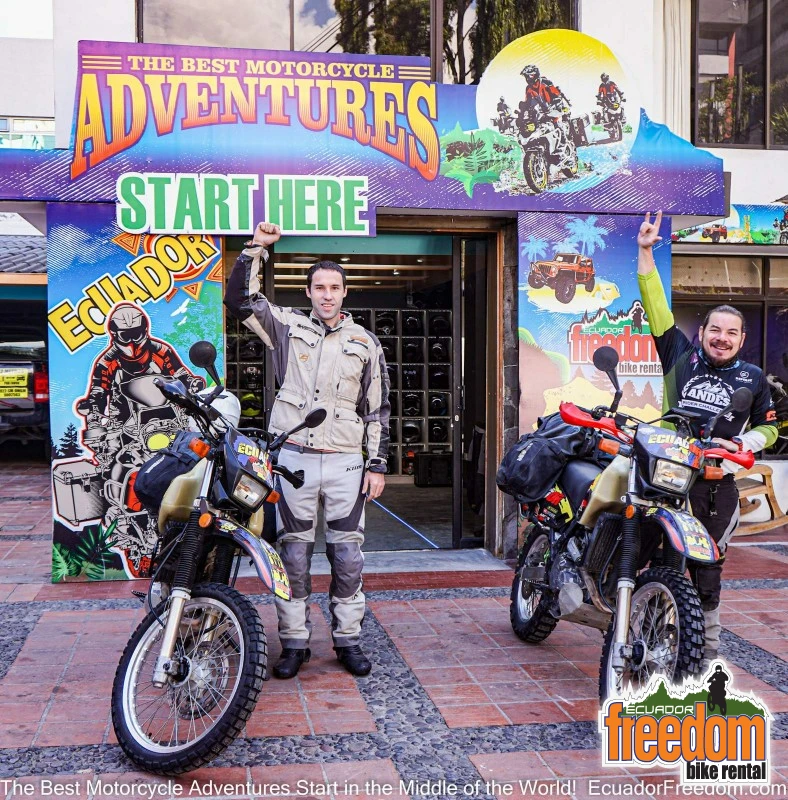
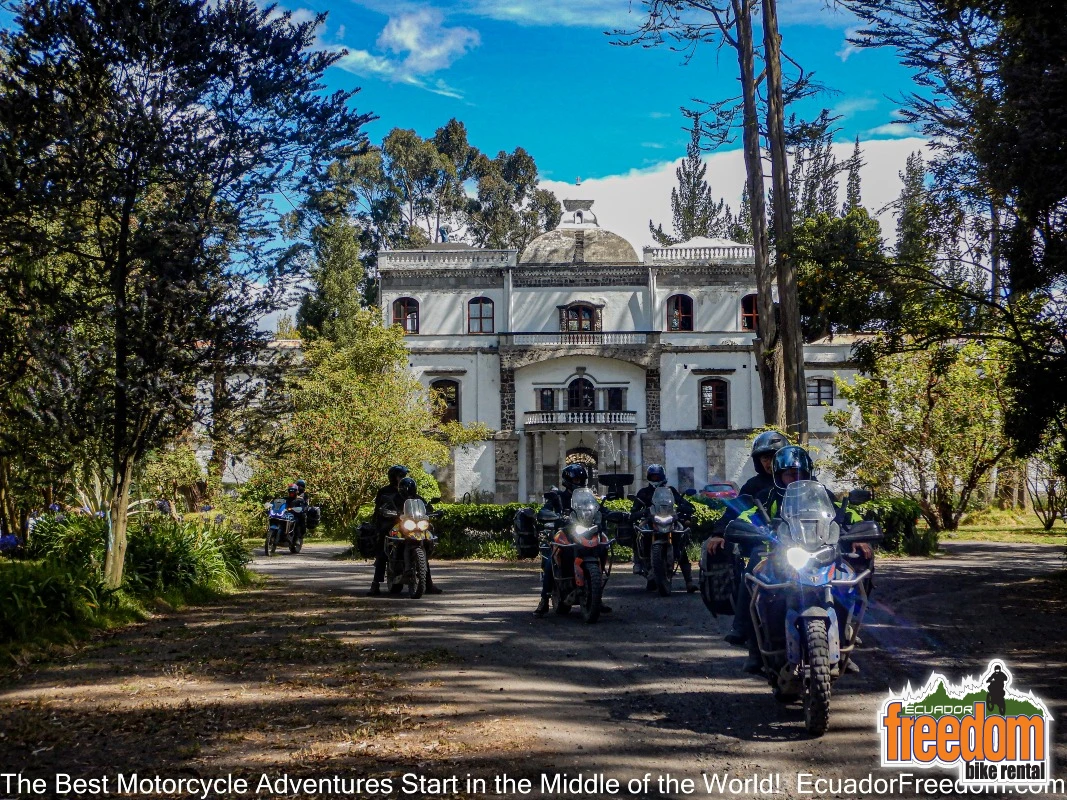
This guided dual-sport motorcycle adventure tour will start and end in our offices in Quito's Carolina neighborhood - near many hotels, restaurants, galleries, shopping malls, and museums. We suggest arriving in Quito a day or two early to enjoy the city and get the paperwork out of the way to have a more relaxed start on Day 1.
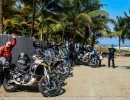
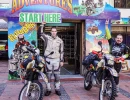
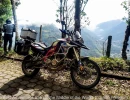
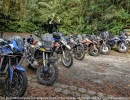
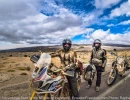
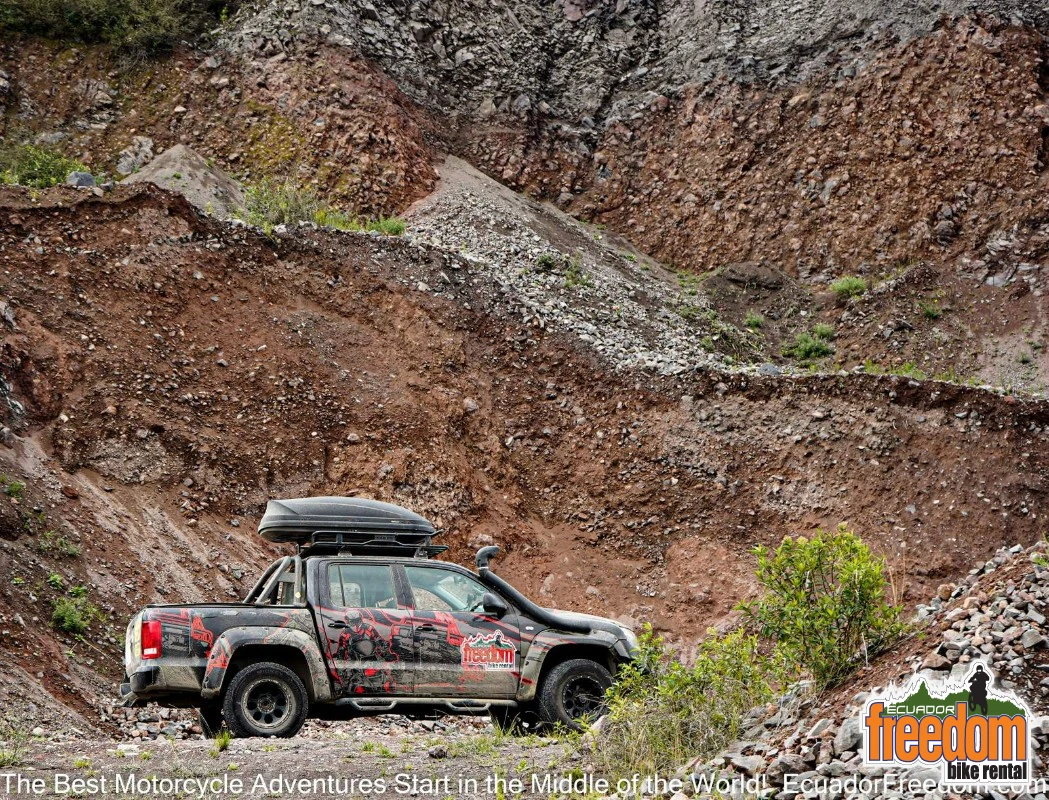
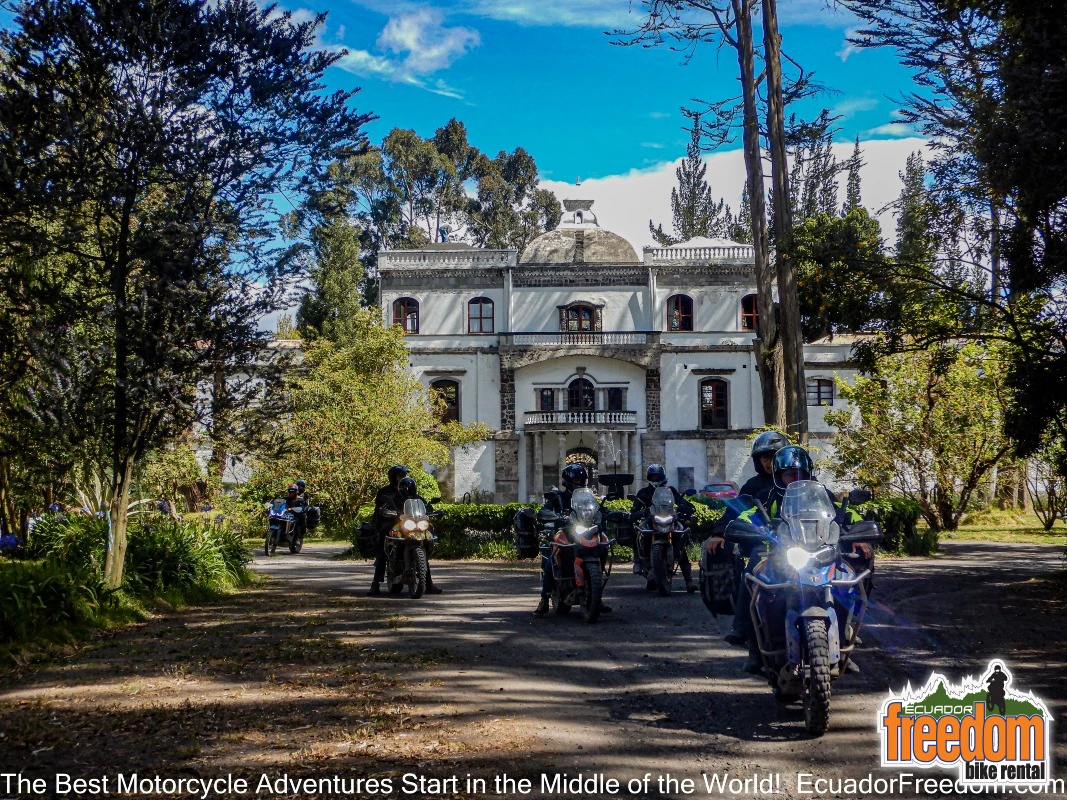
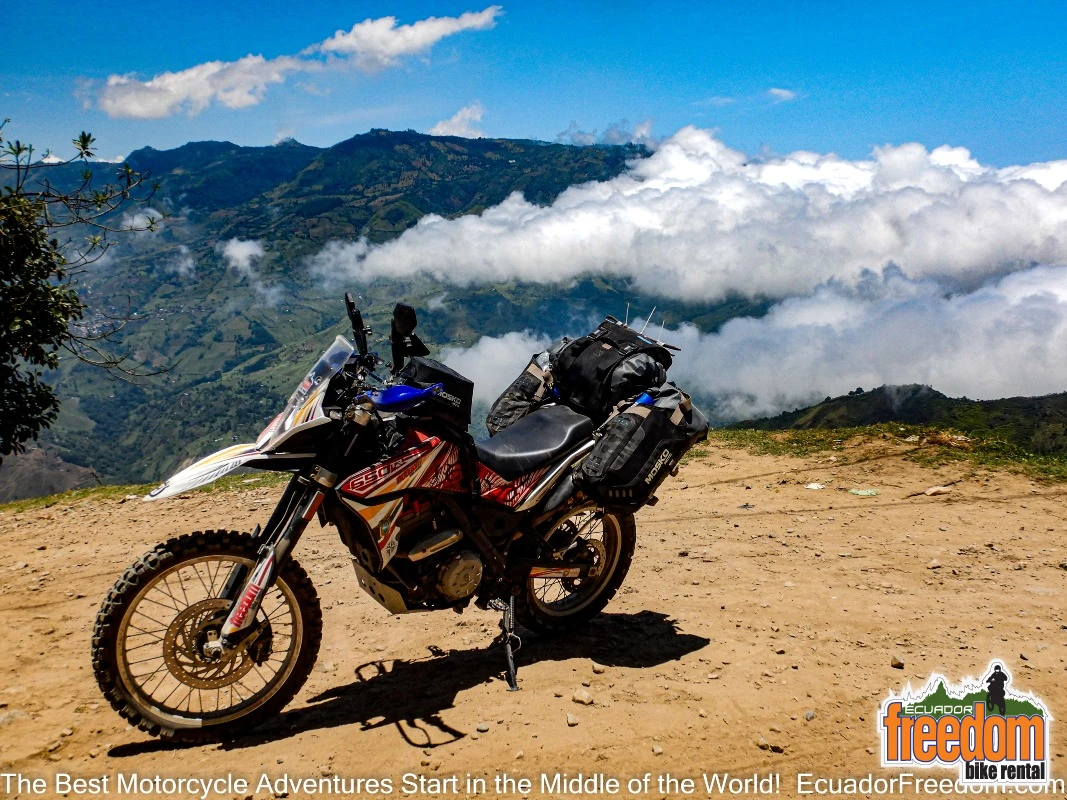
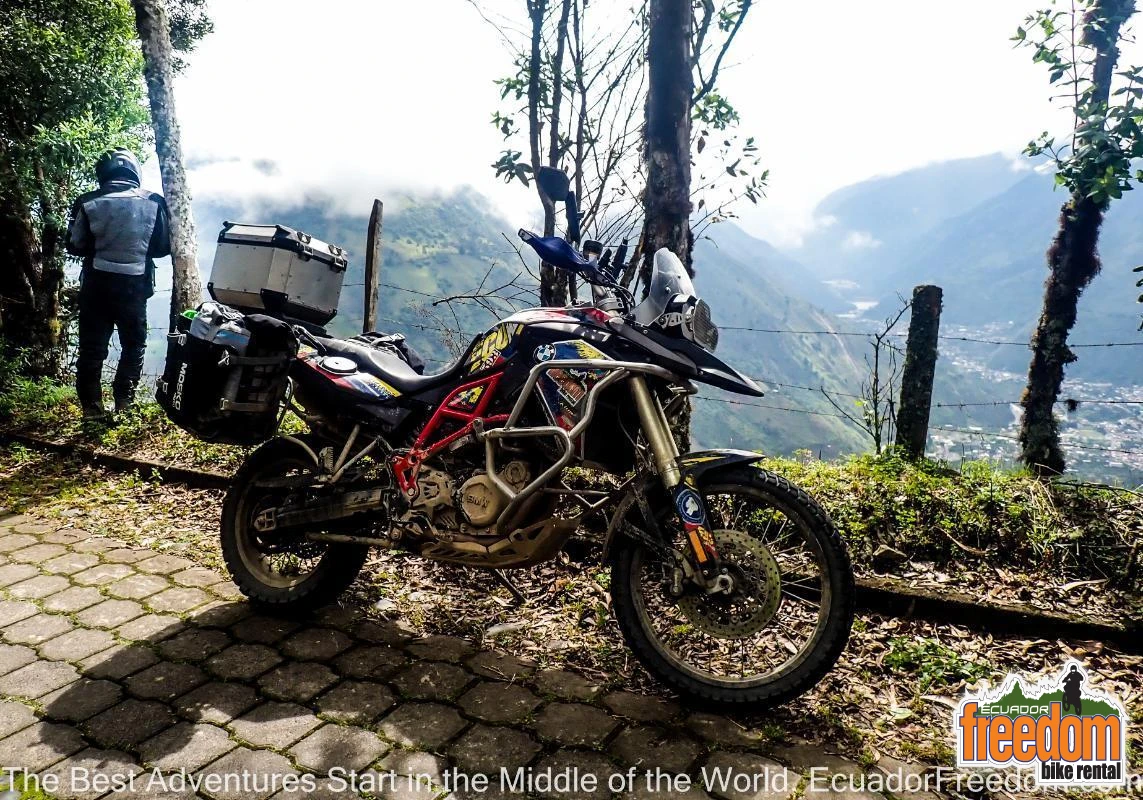
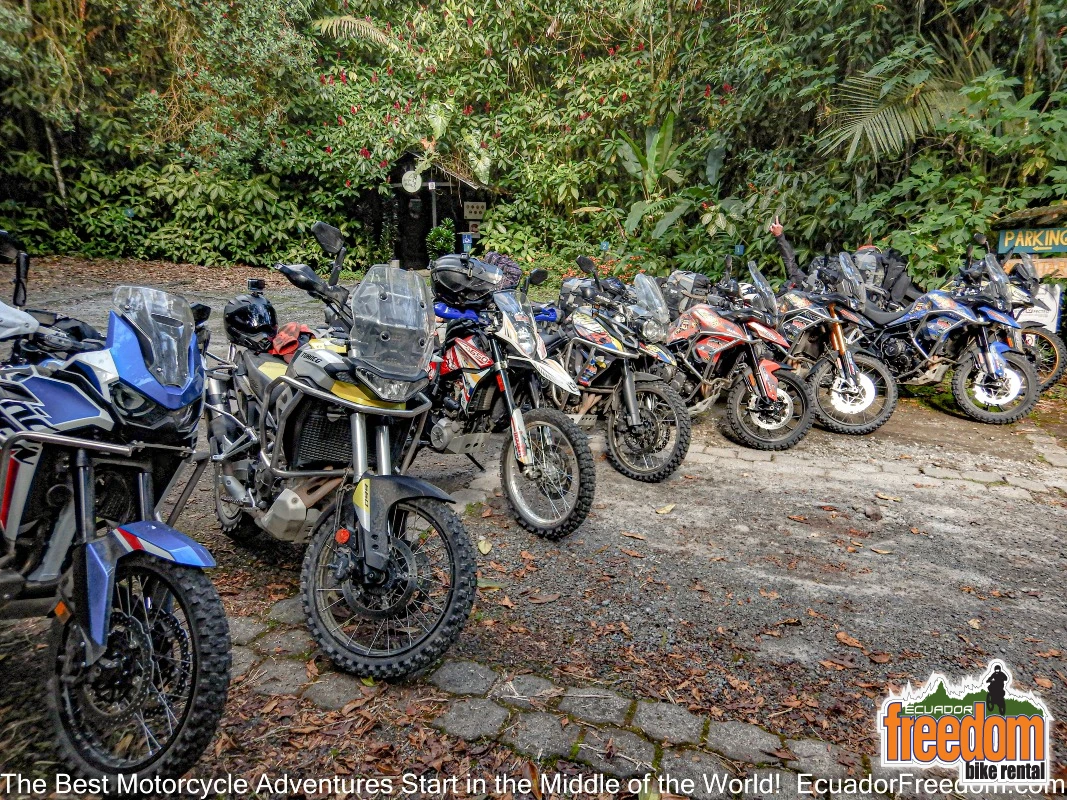
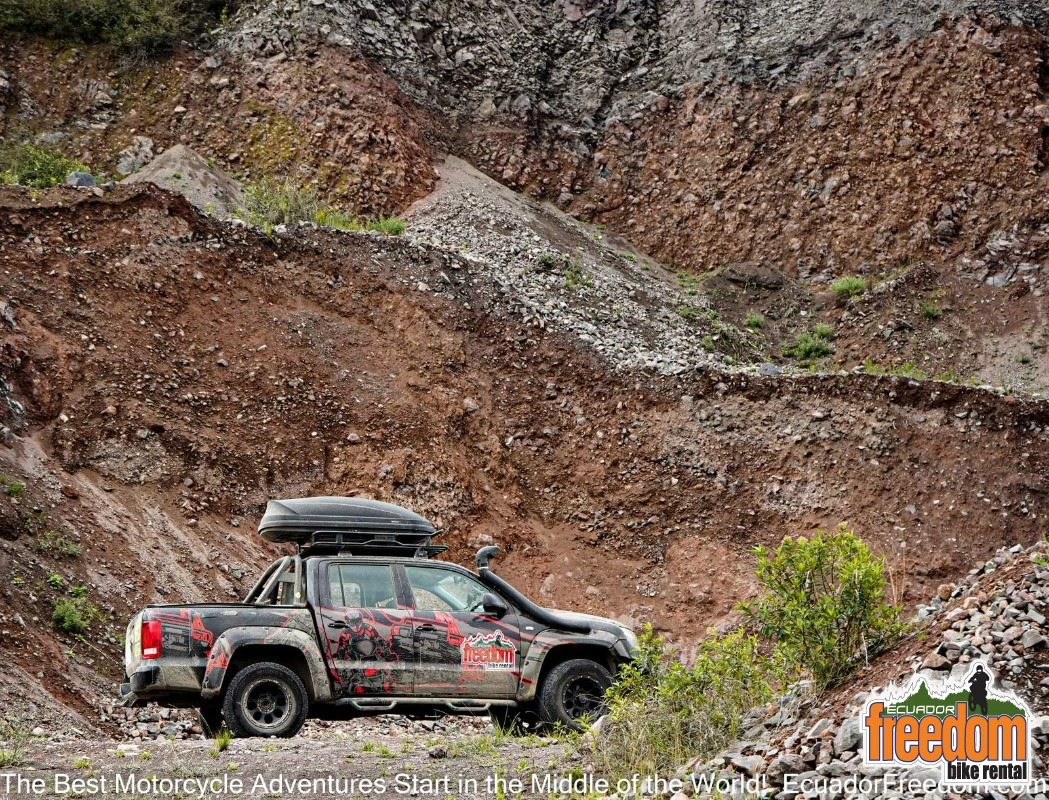
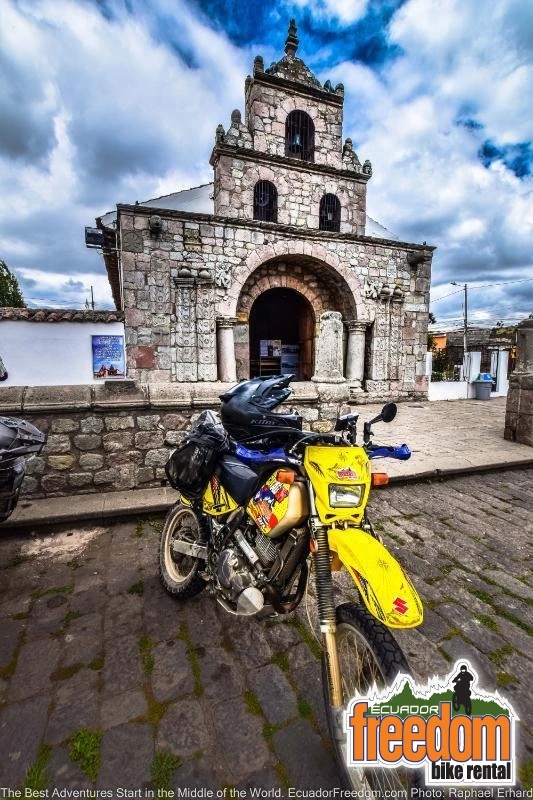
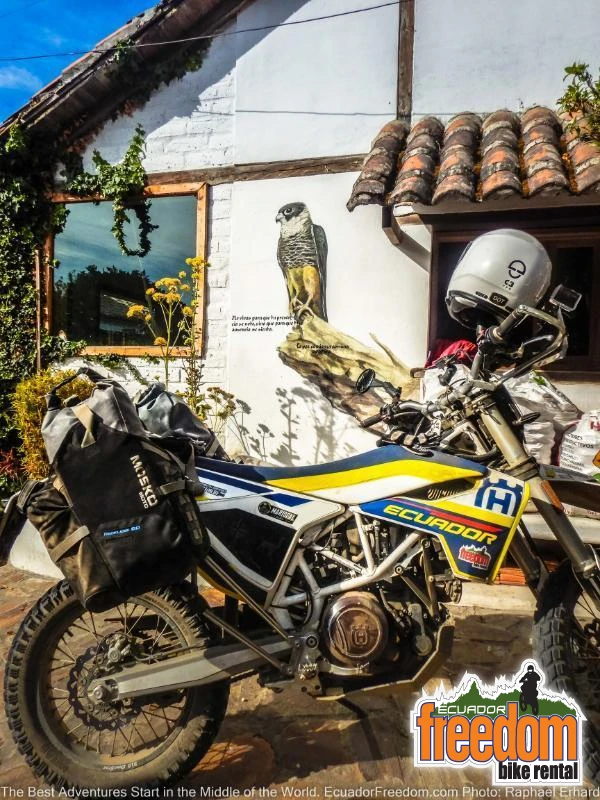
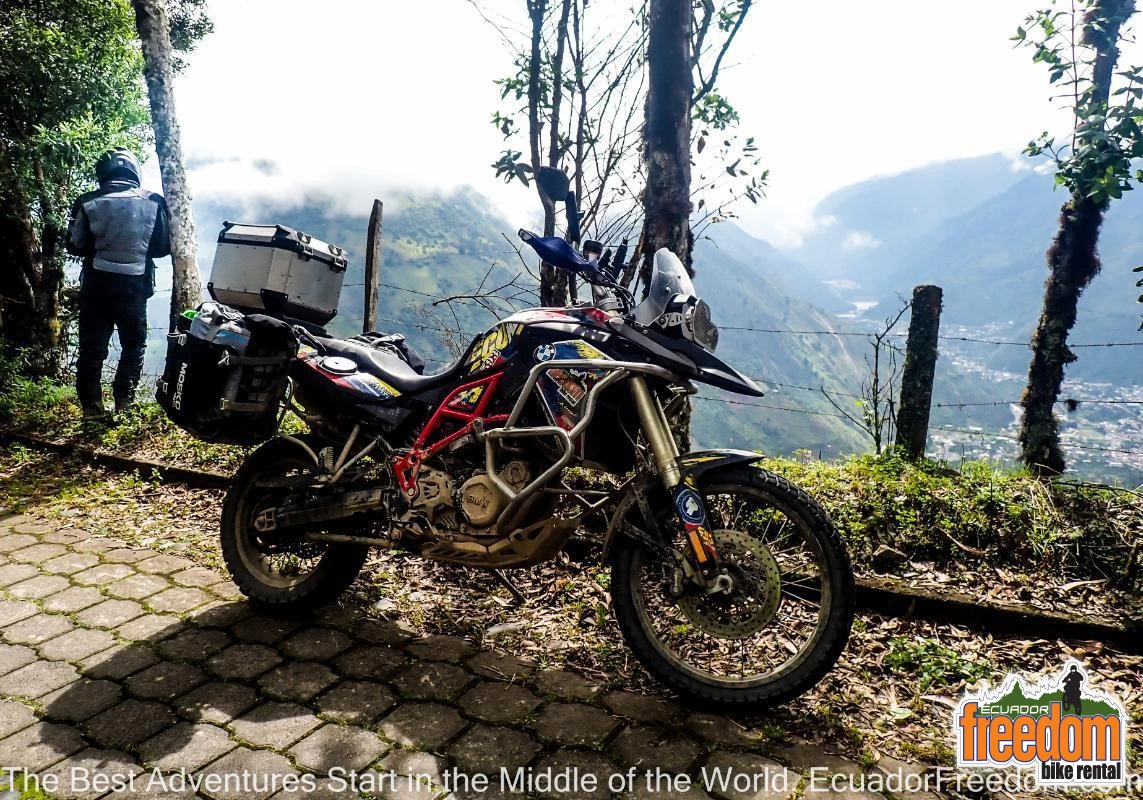
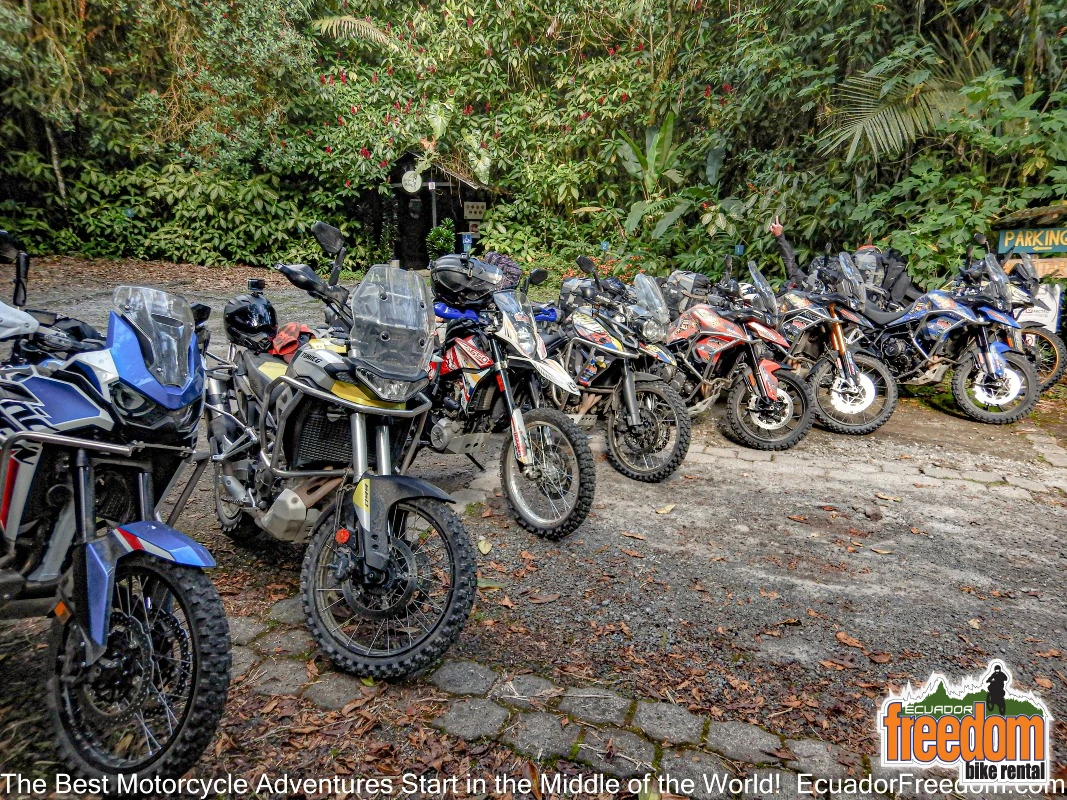
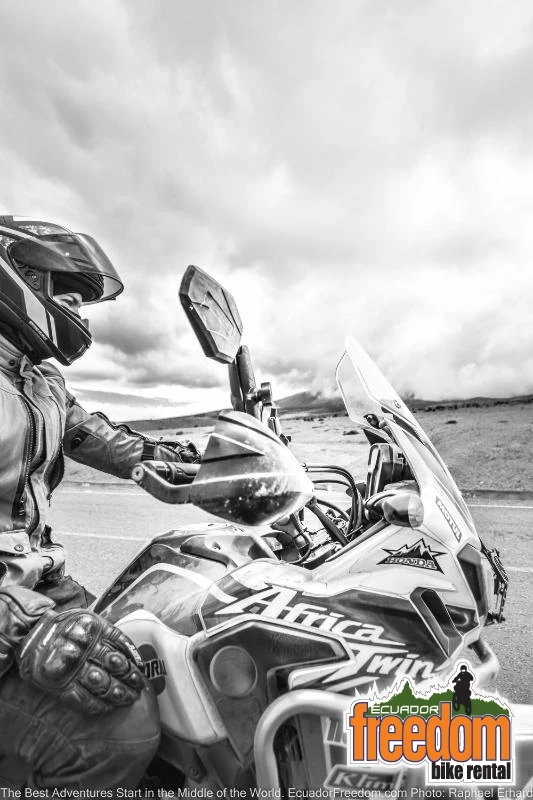
On the morning of our departure, you will receive a detailed and thoughtful presentation on Ecuadorian rules of the road, customs, courtesies, and group riding protocols. We provide you with the offroad-capable motorcycle of your choice, fitted with a waterproof luggage system and a tankbag (if you want one). If more than five riders are on the tour, a support truck will be available to carry your luggage and bottled water. The support truck can respond in an emergency and make your ride more comfortable. If fewer than five riders are on the tour, we may not provide a support truck, and you will carry your gear in the large-capacity saddlebags or luggage system supplied with your bike.
You may store your luggage and personal belongings in our storage room and lockers during your ride.
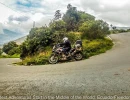
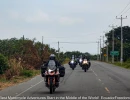
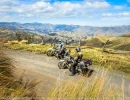
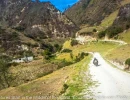
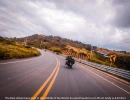
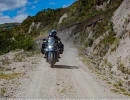
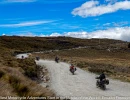
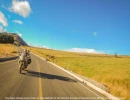
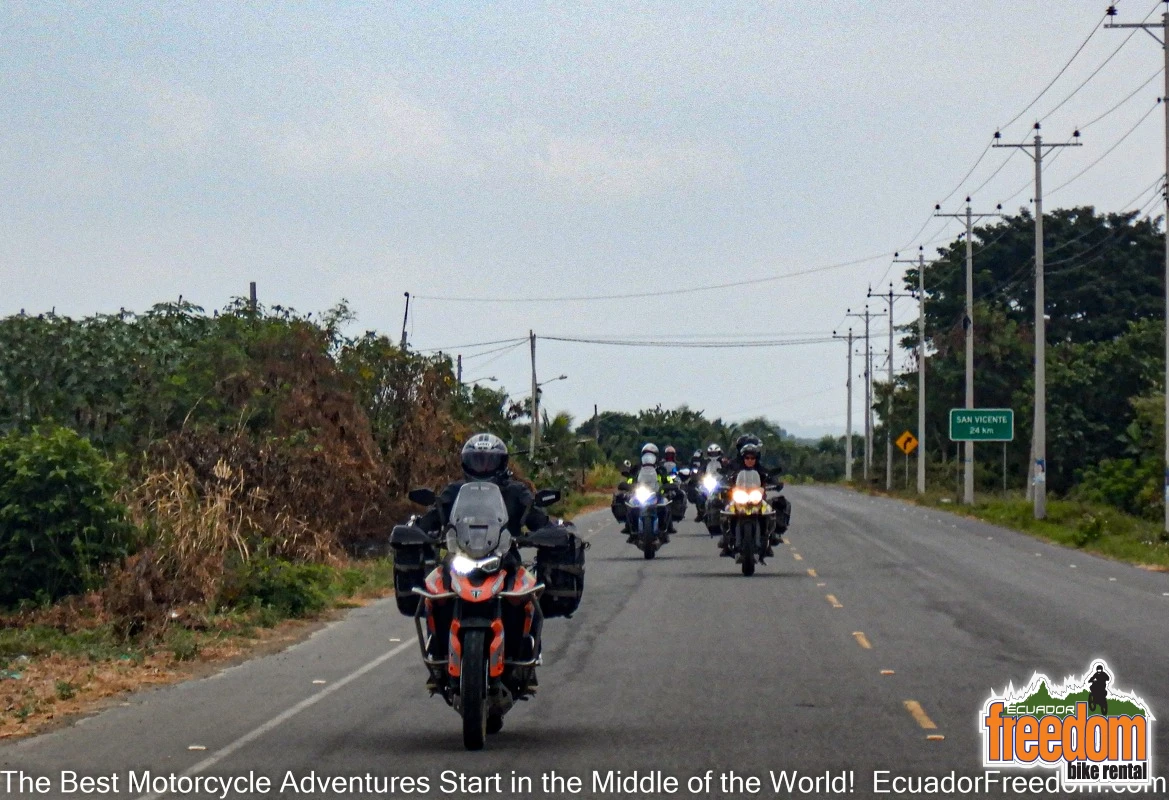
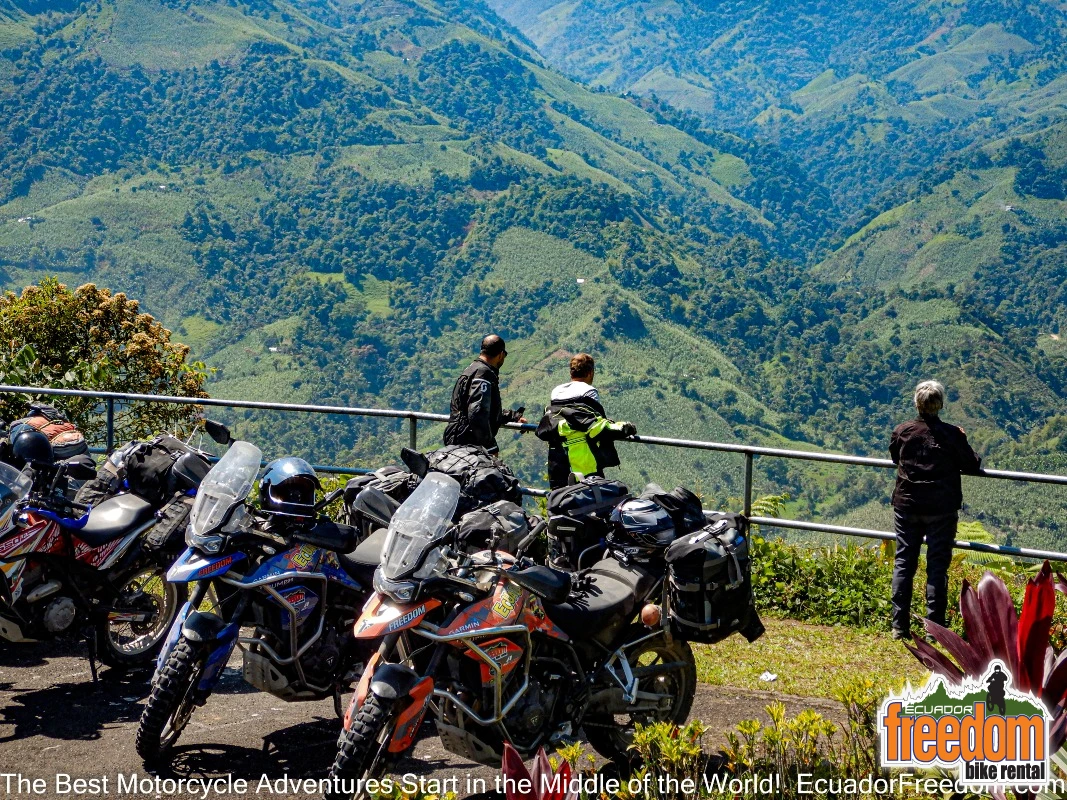
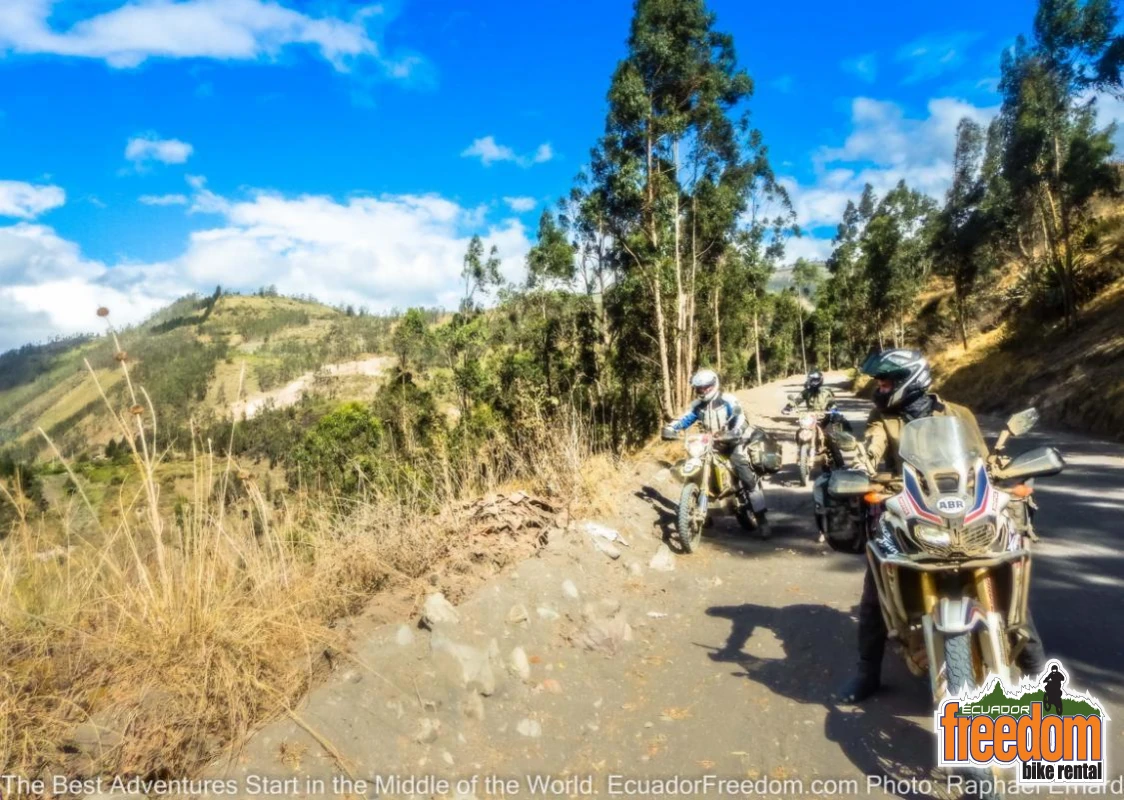
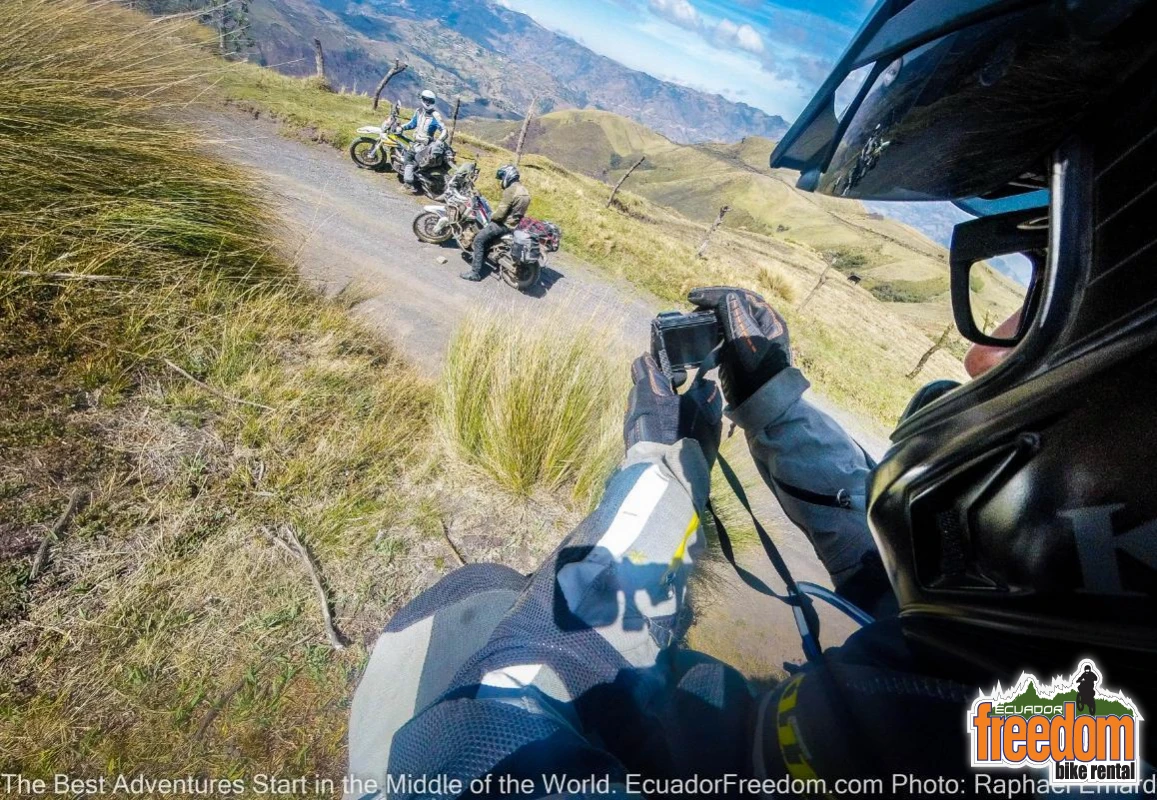
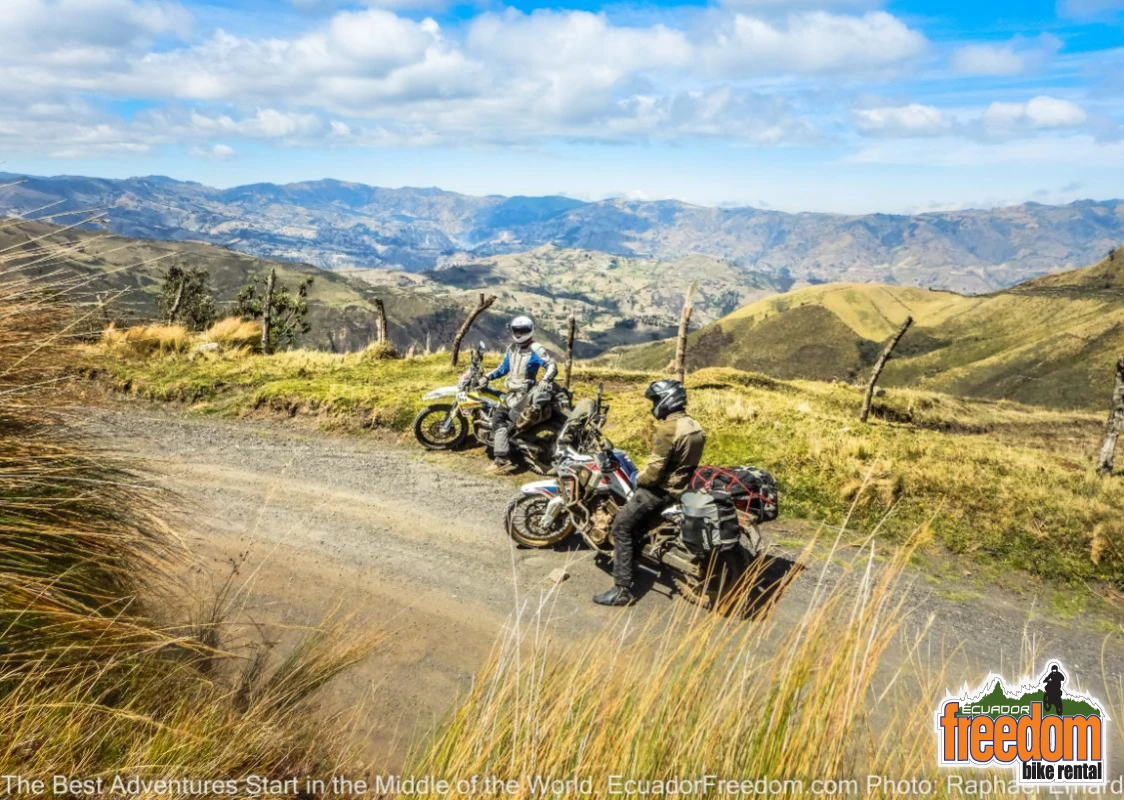
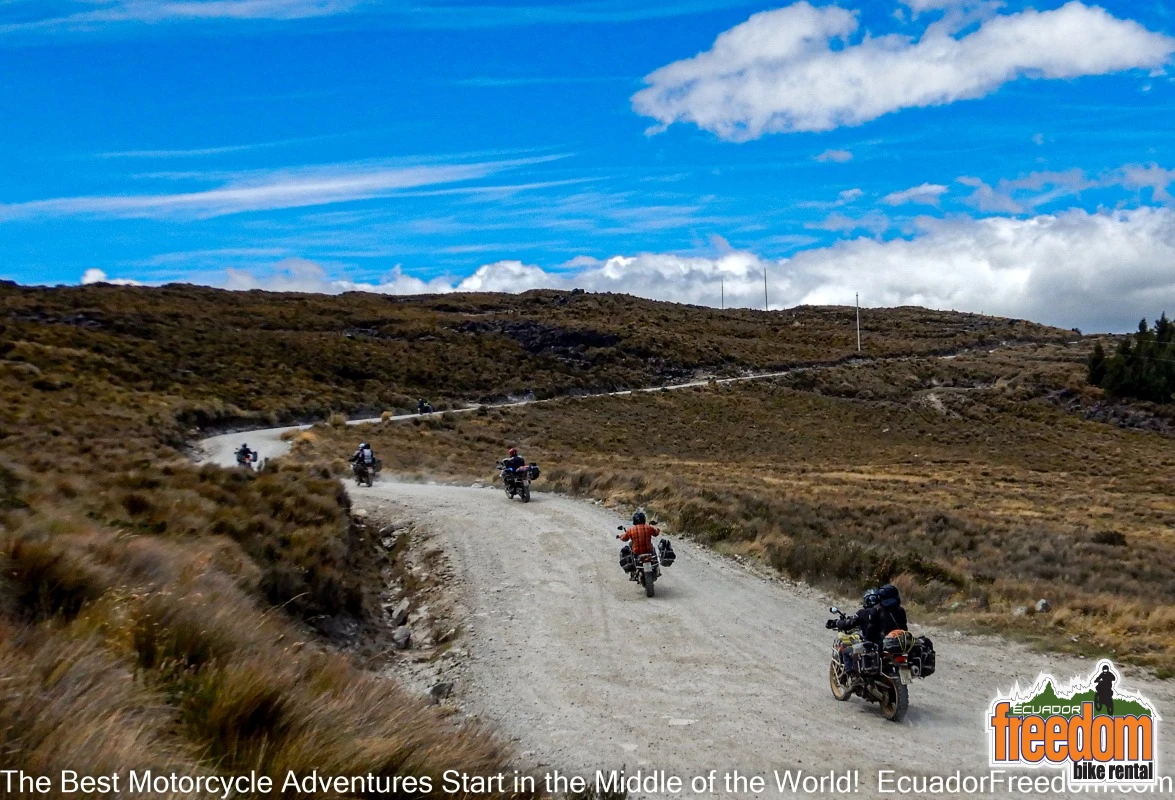
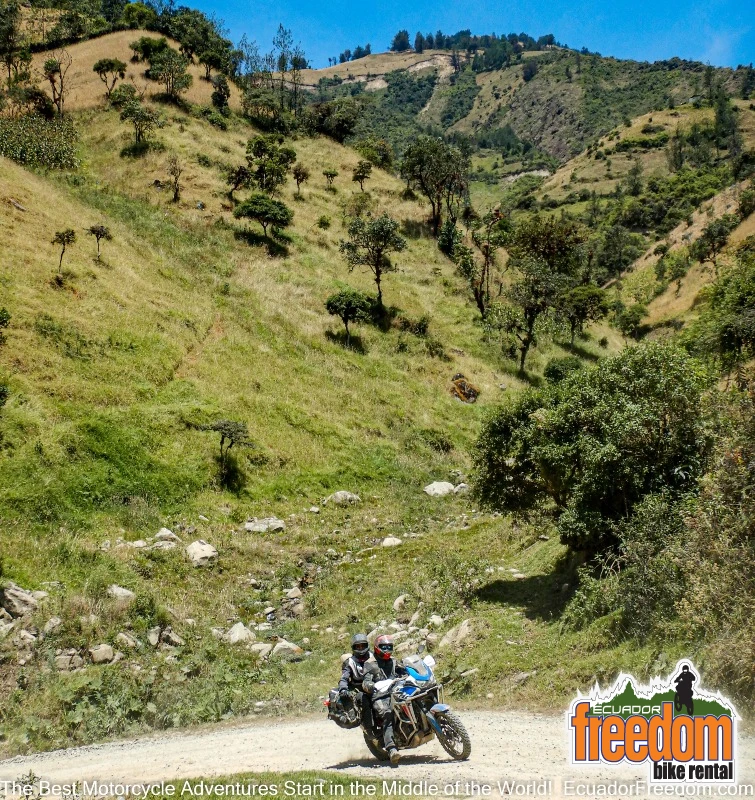
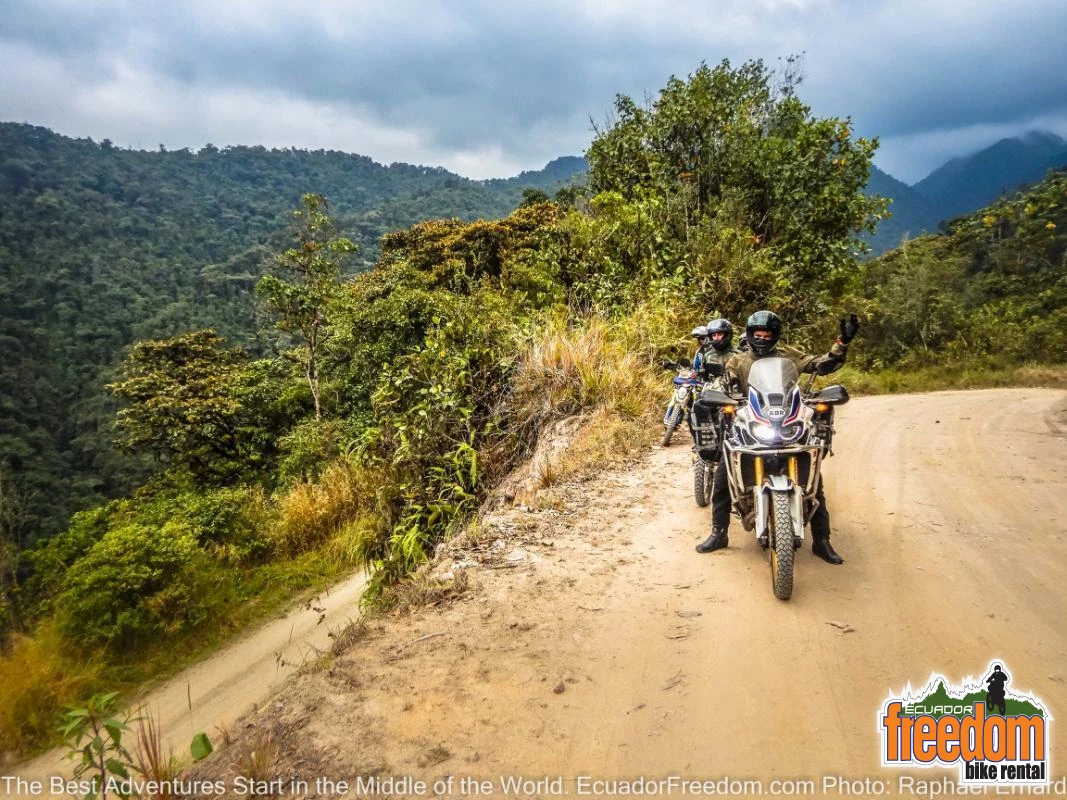
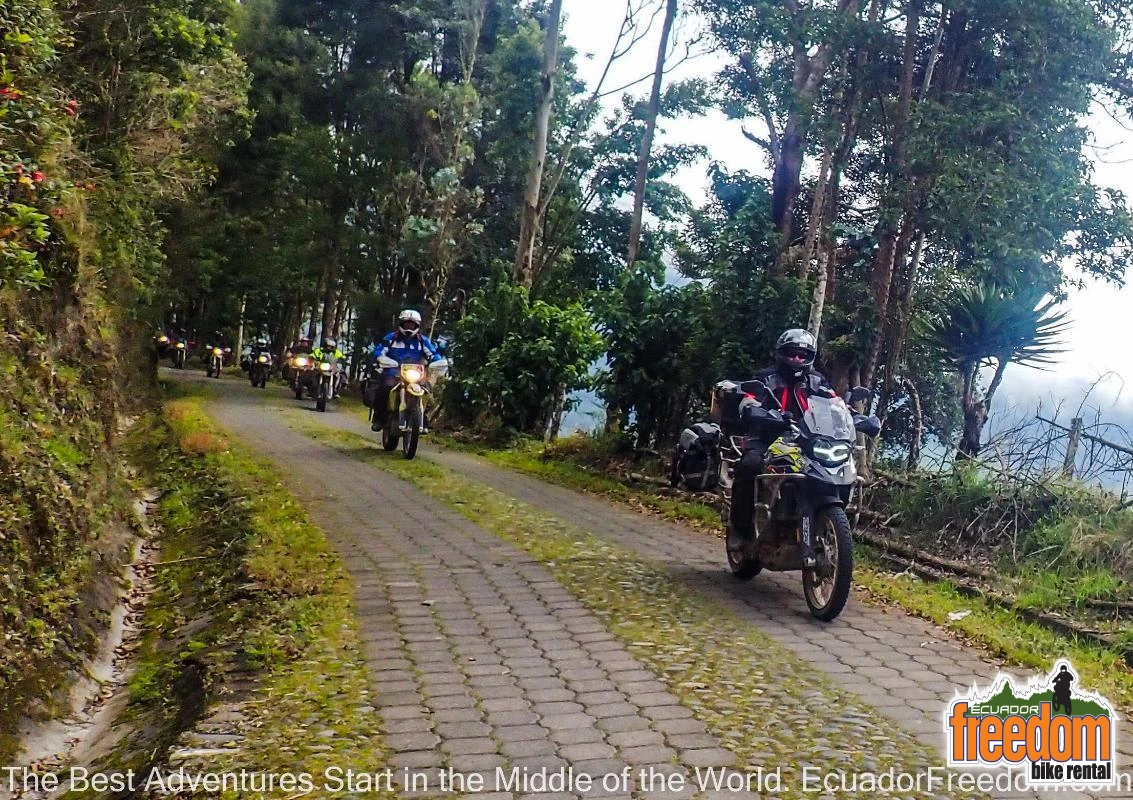
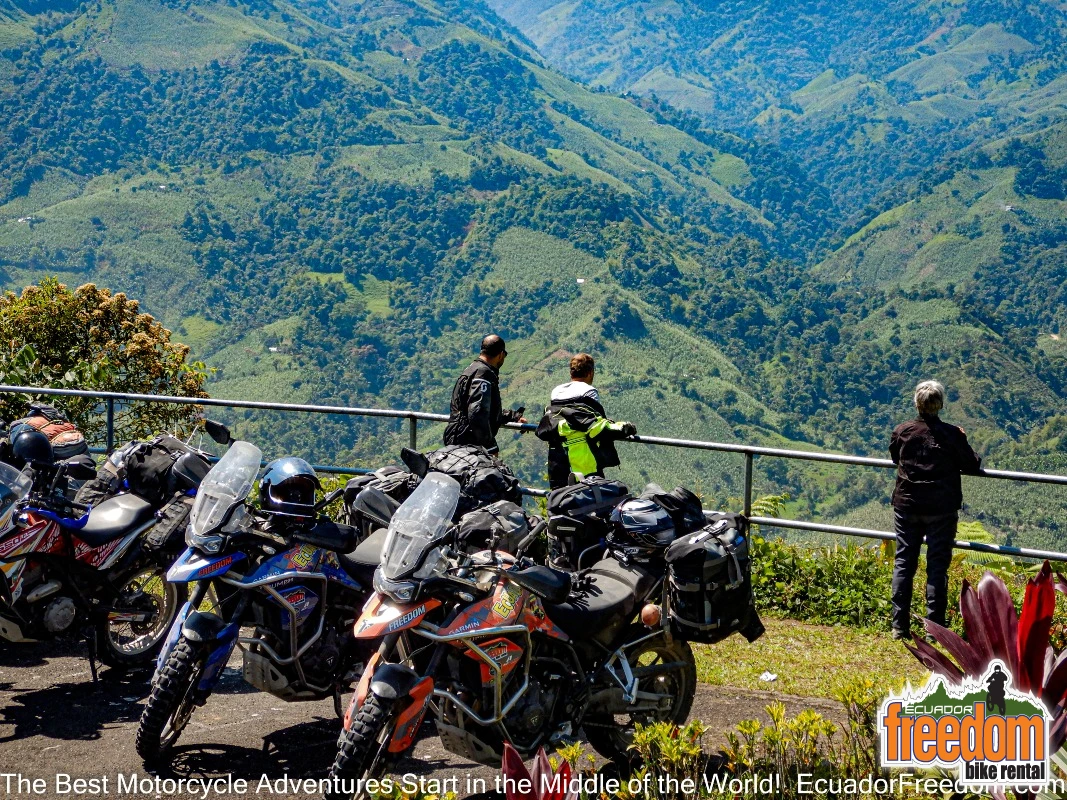
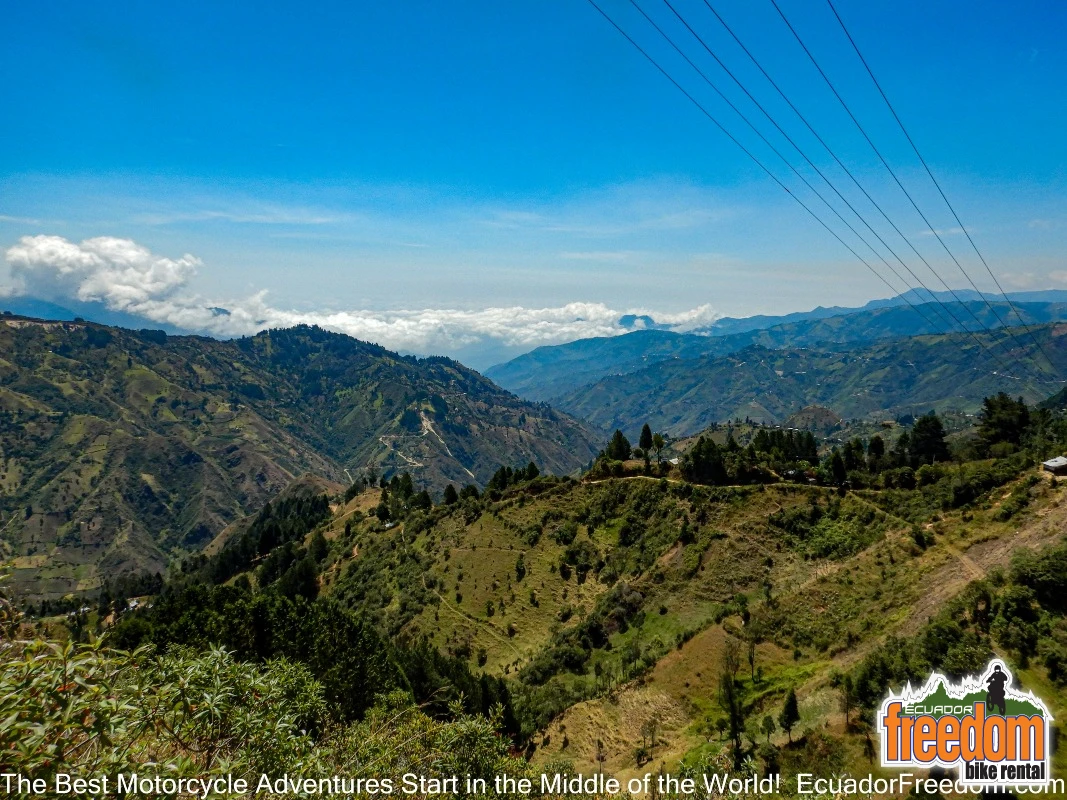
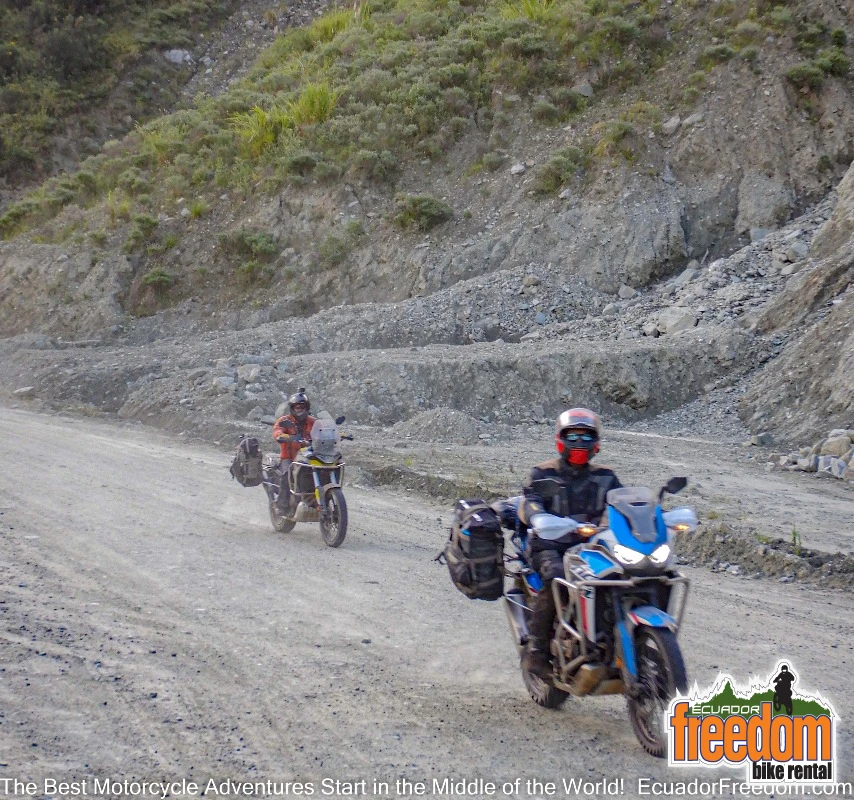
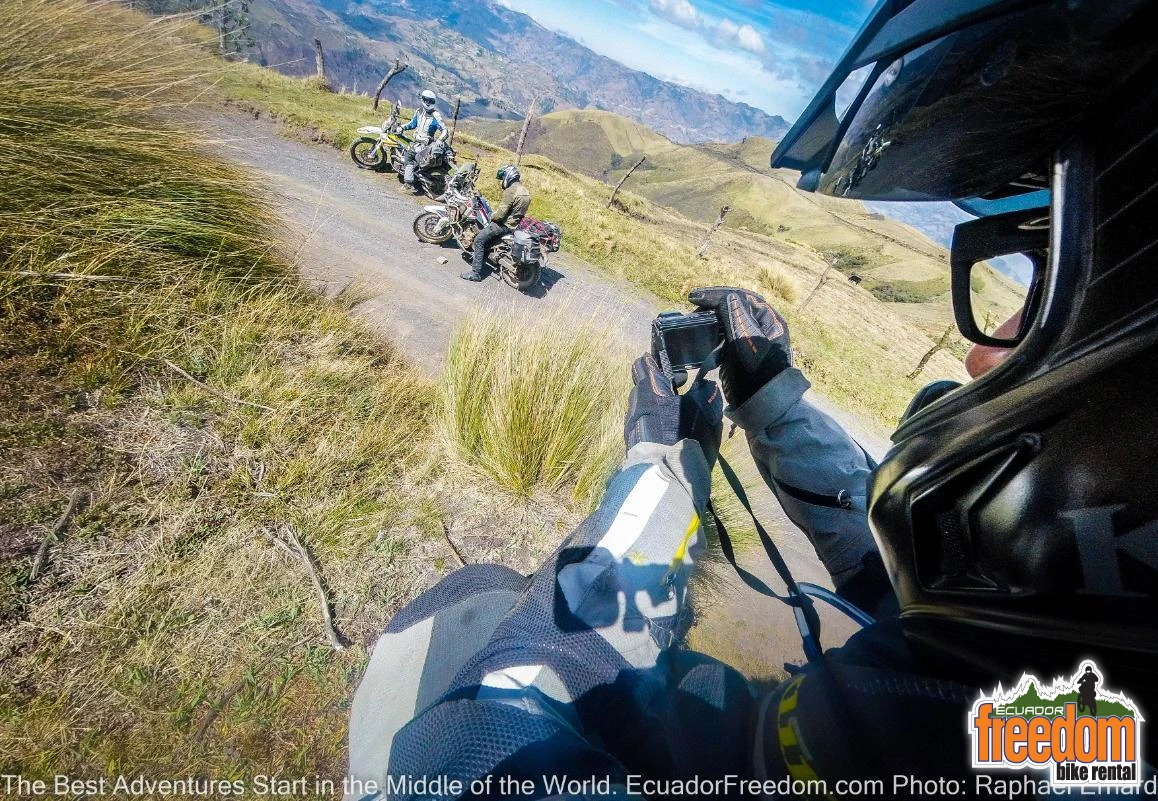
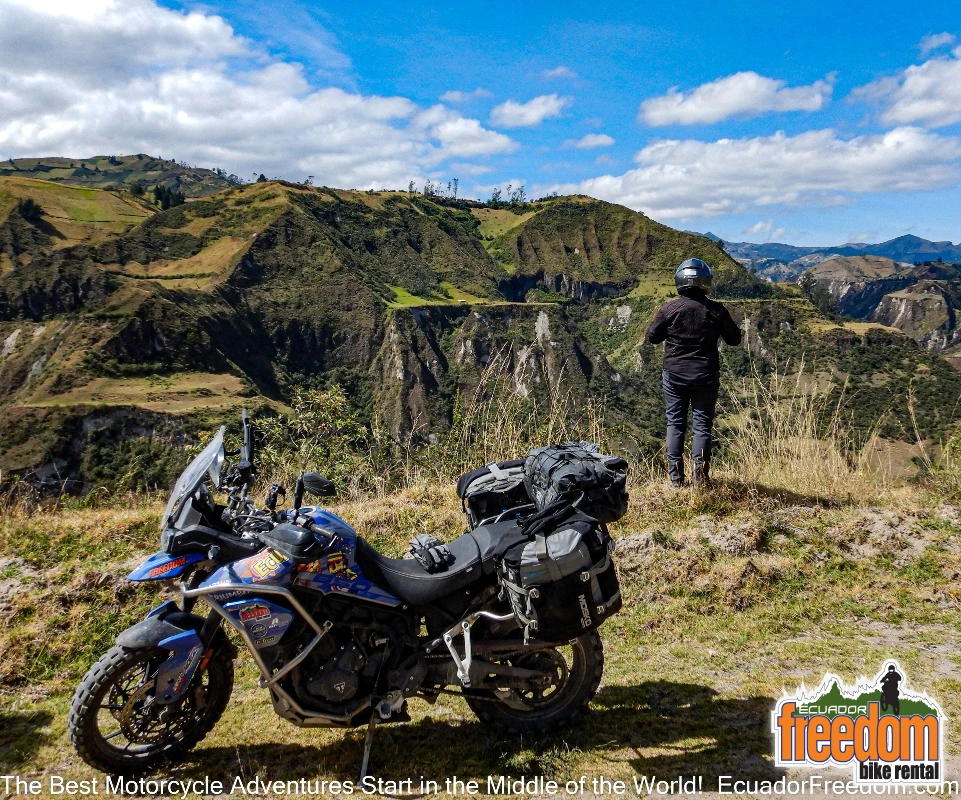
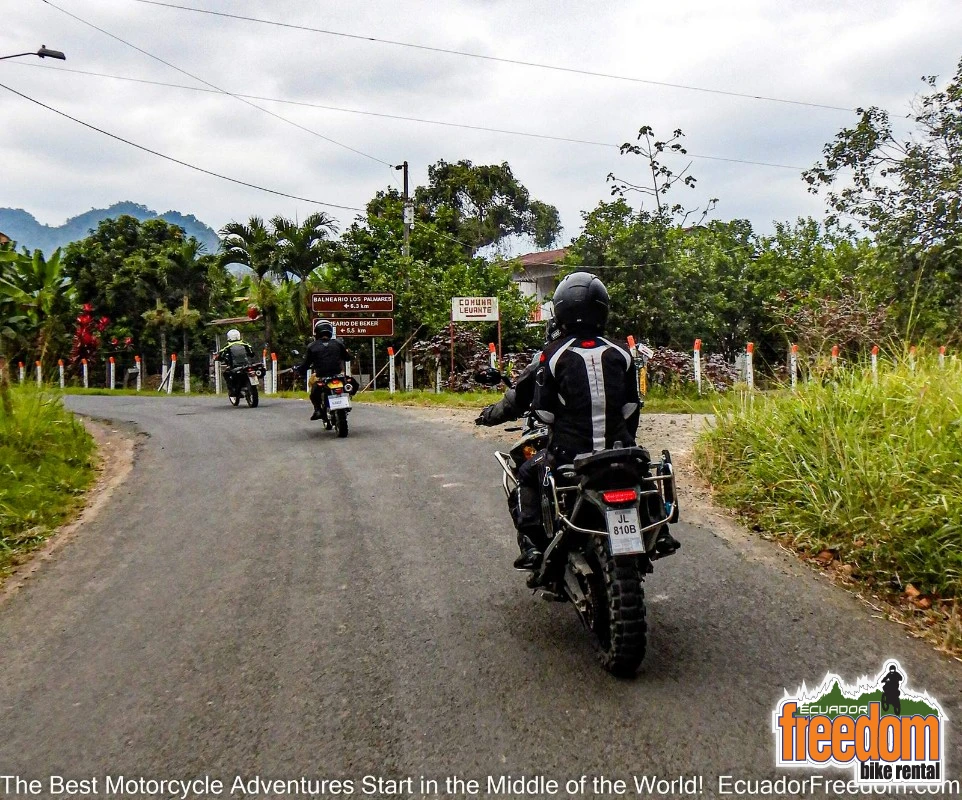
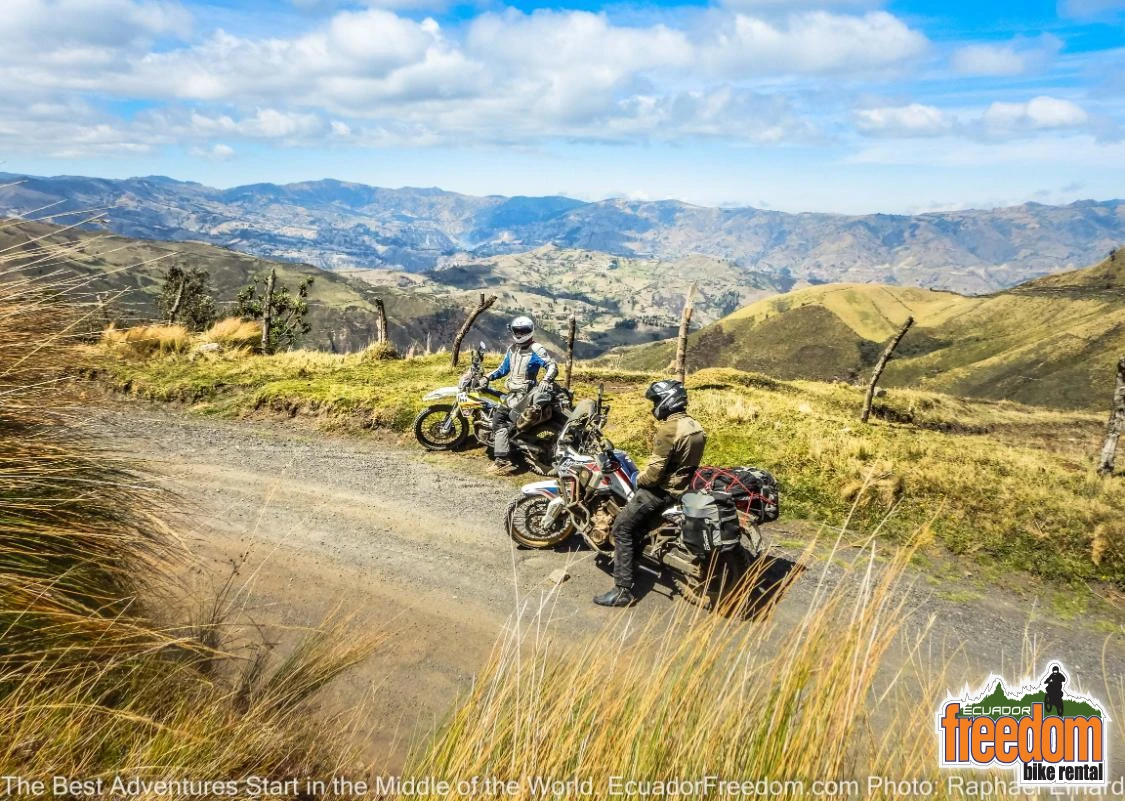
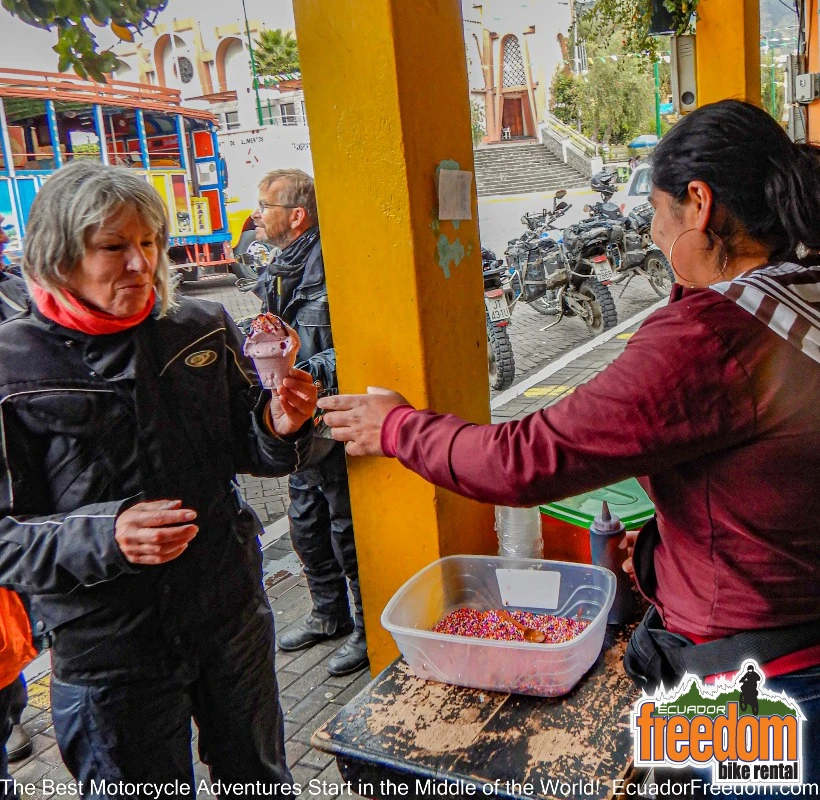
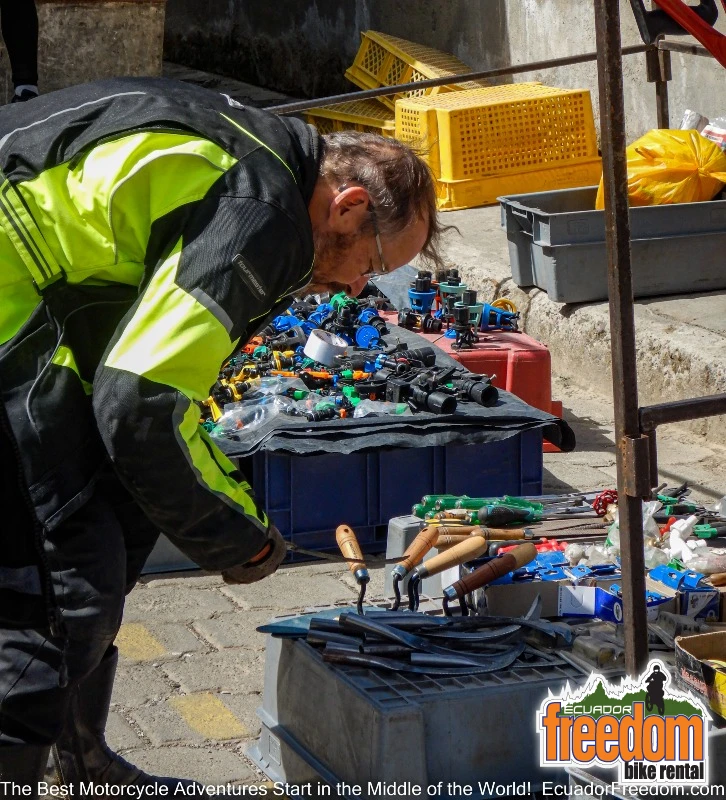
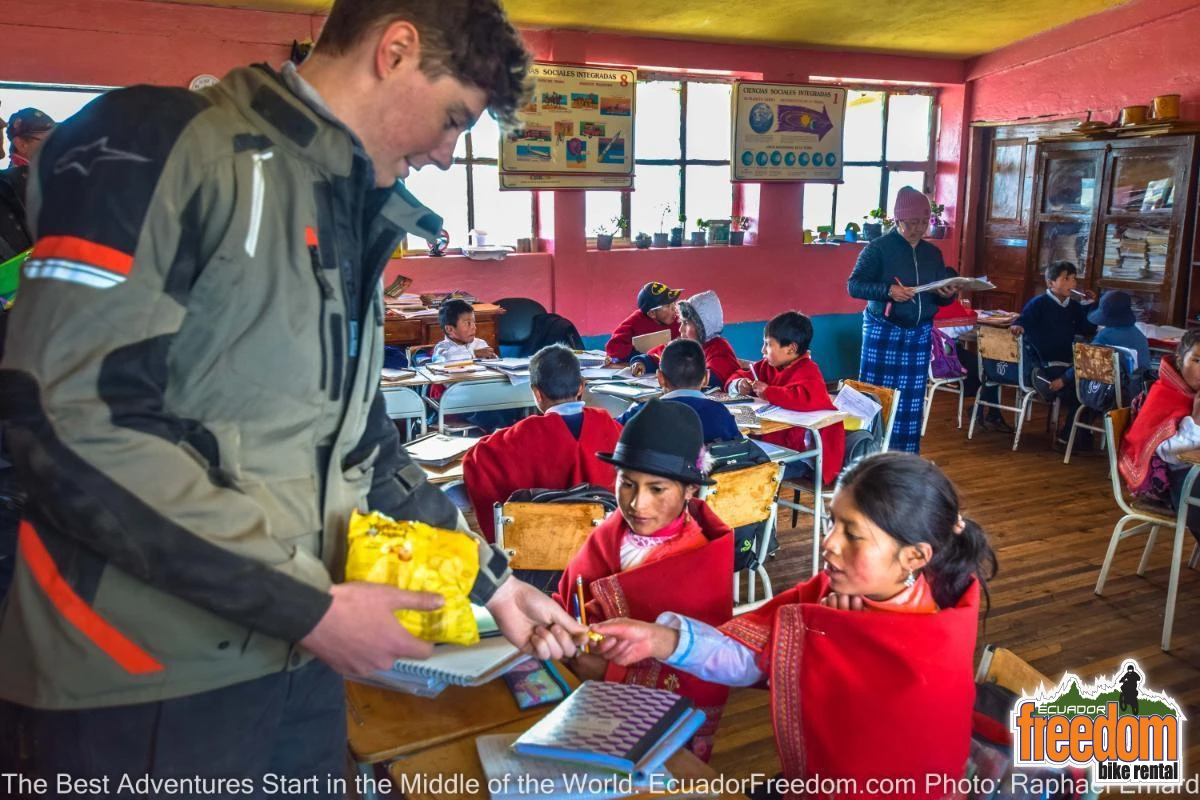
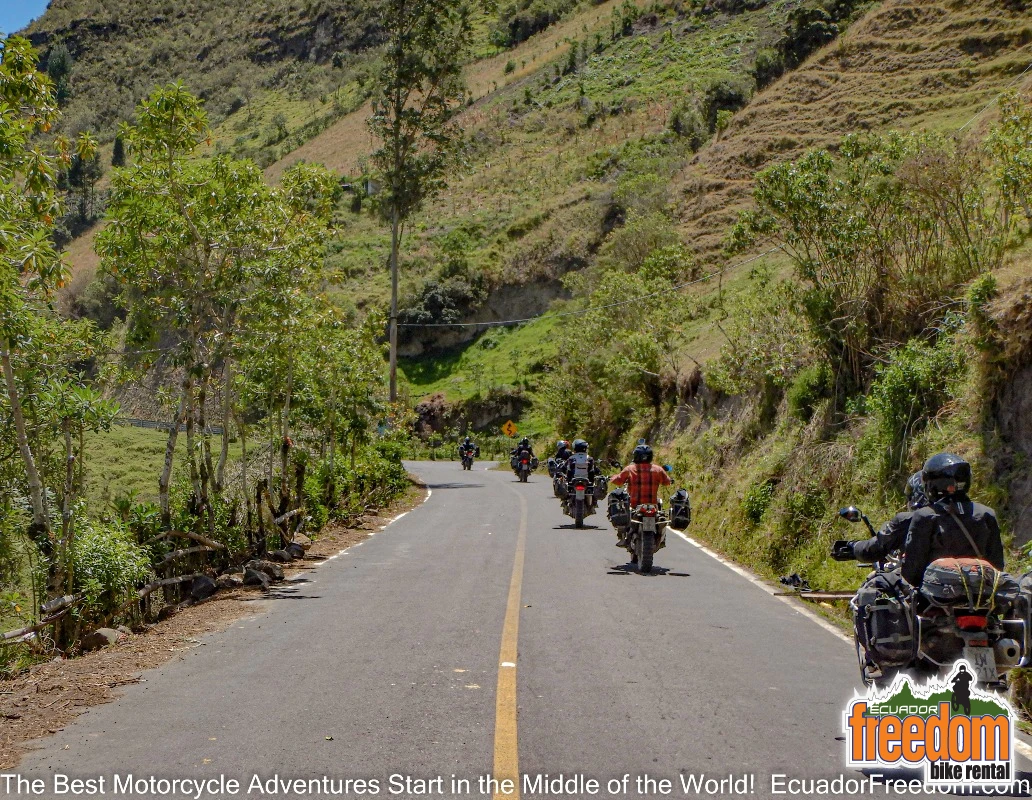
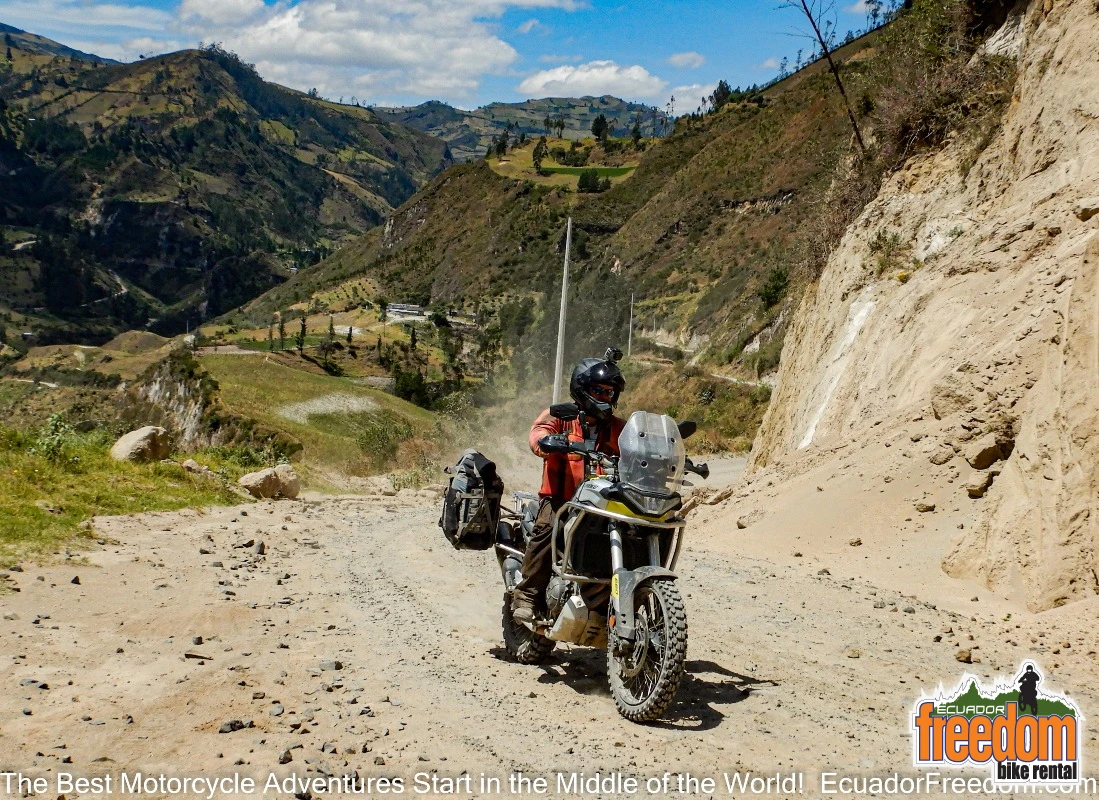
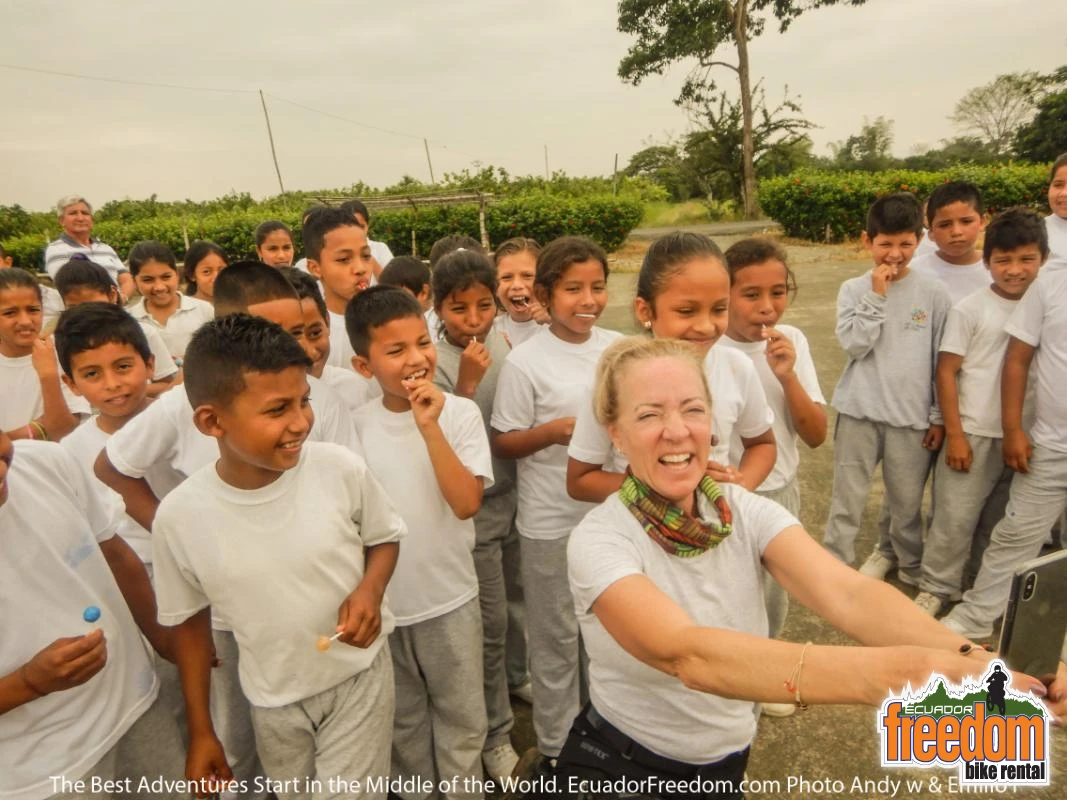
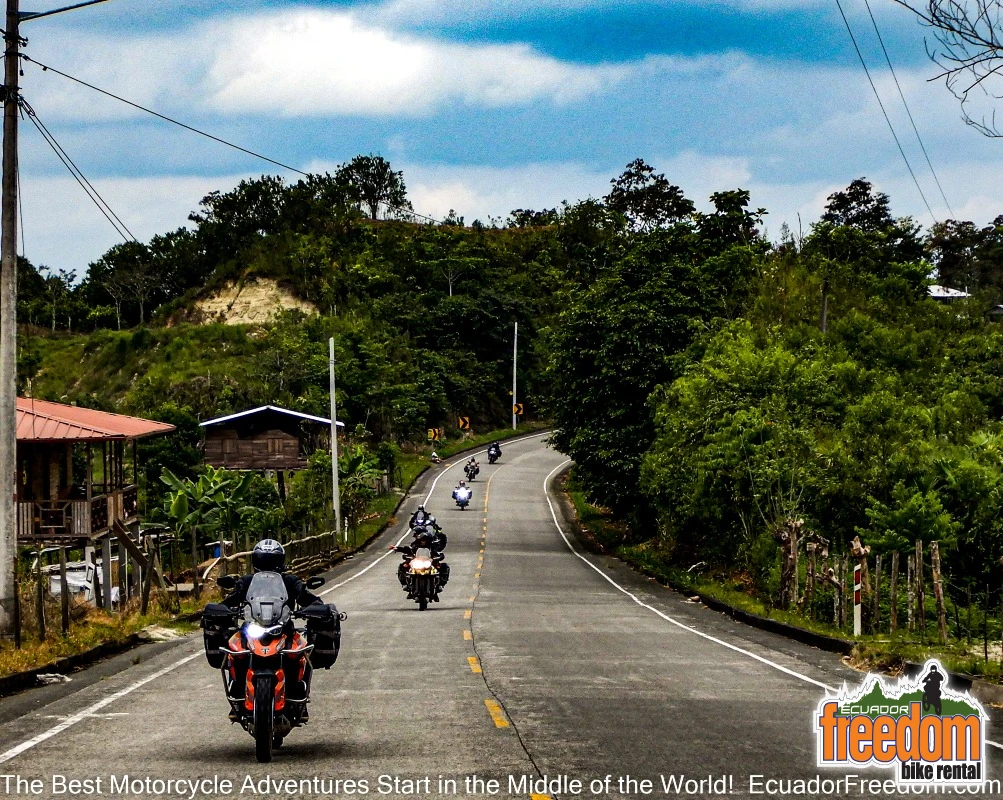
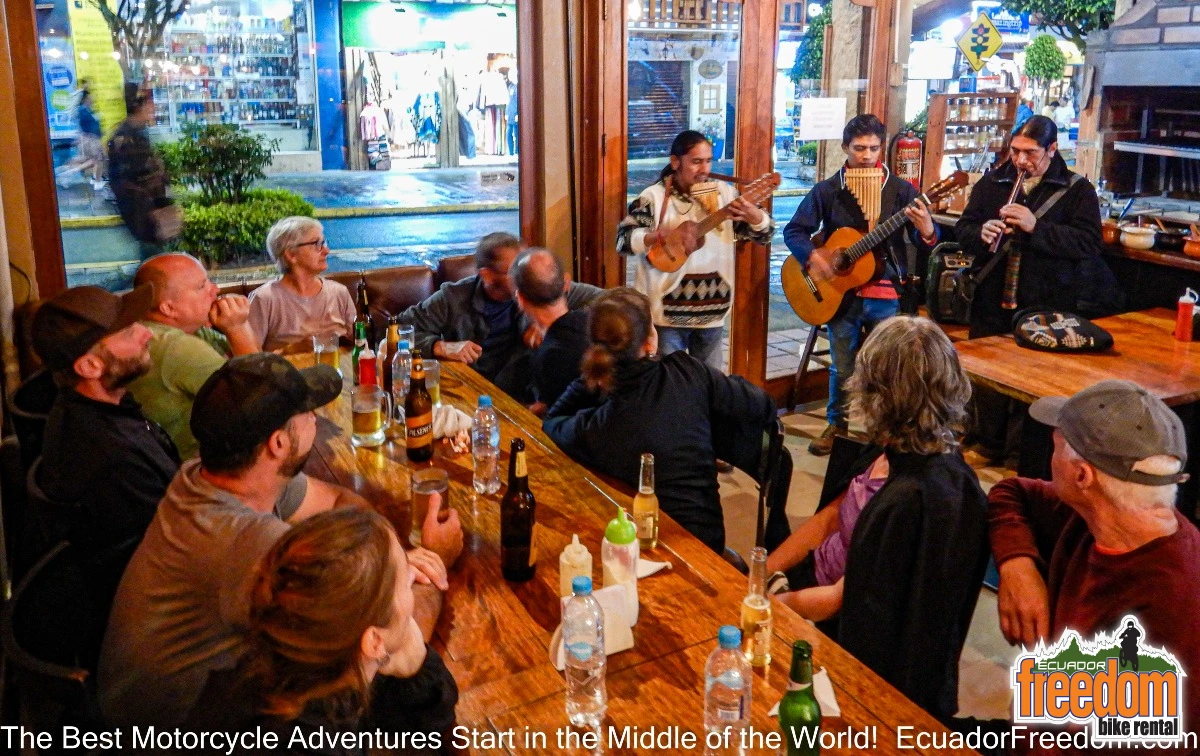
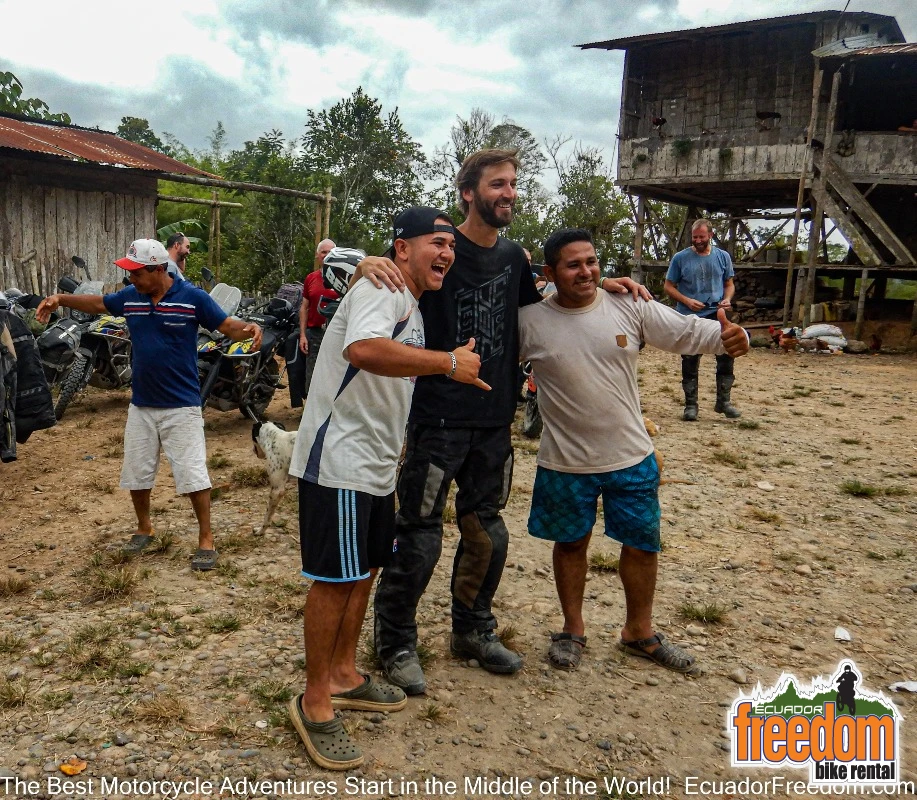
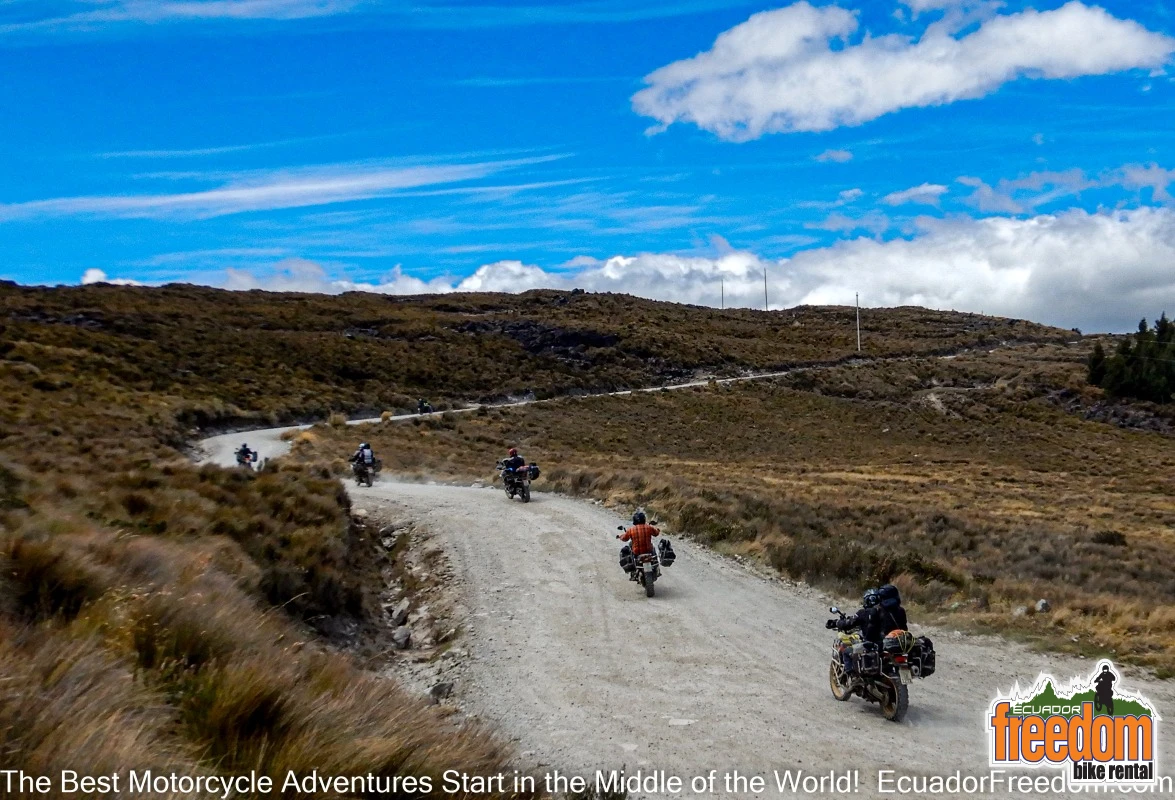
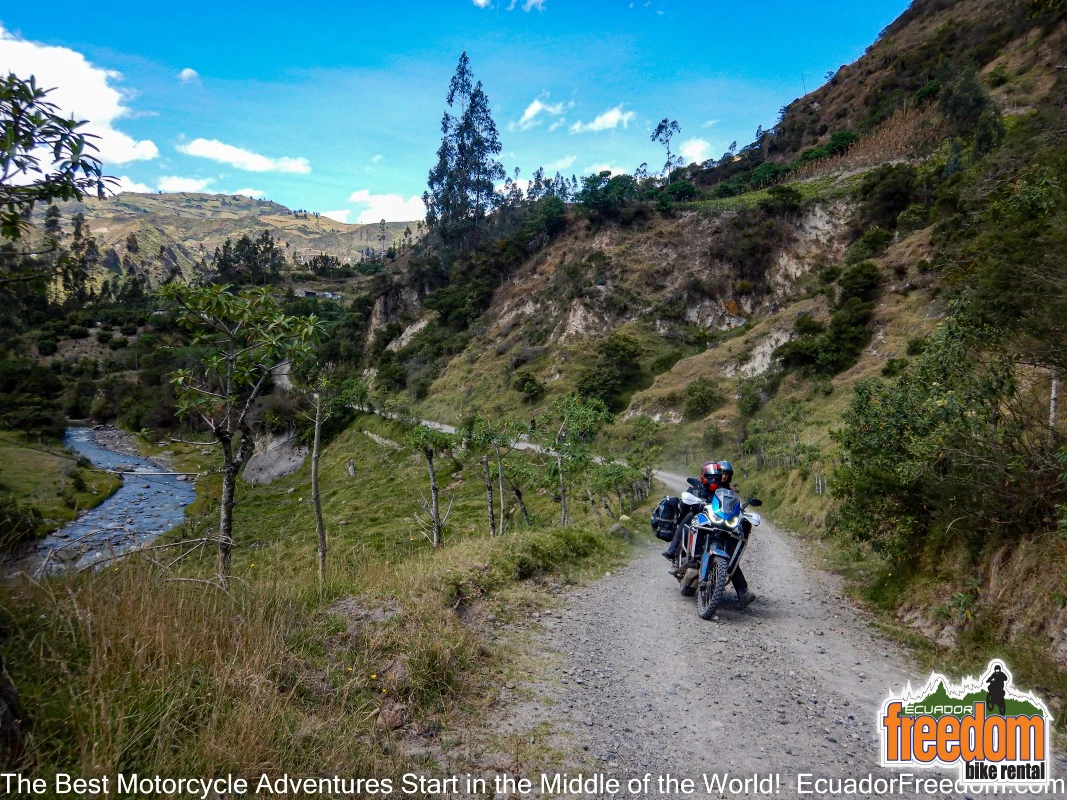
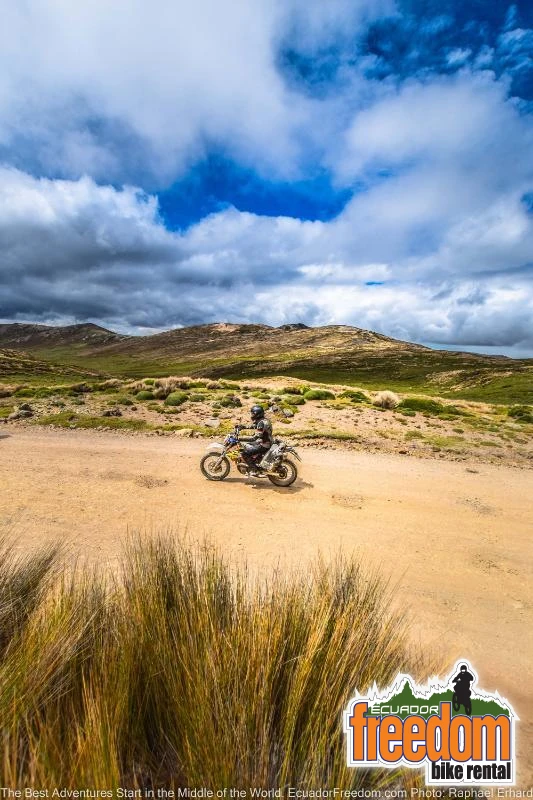
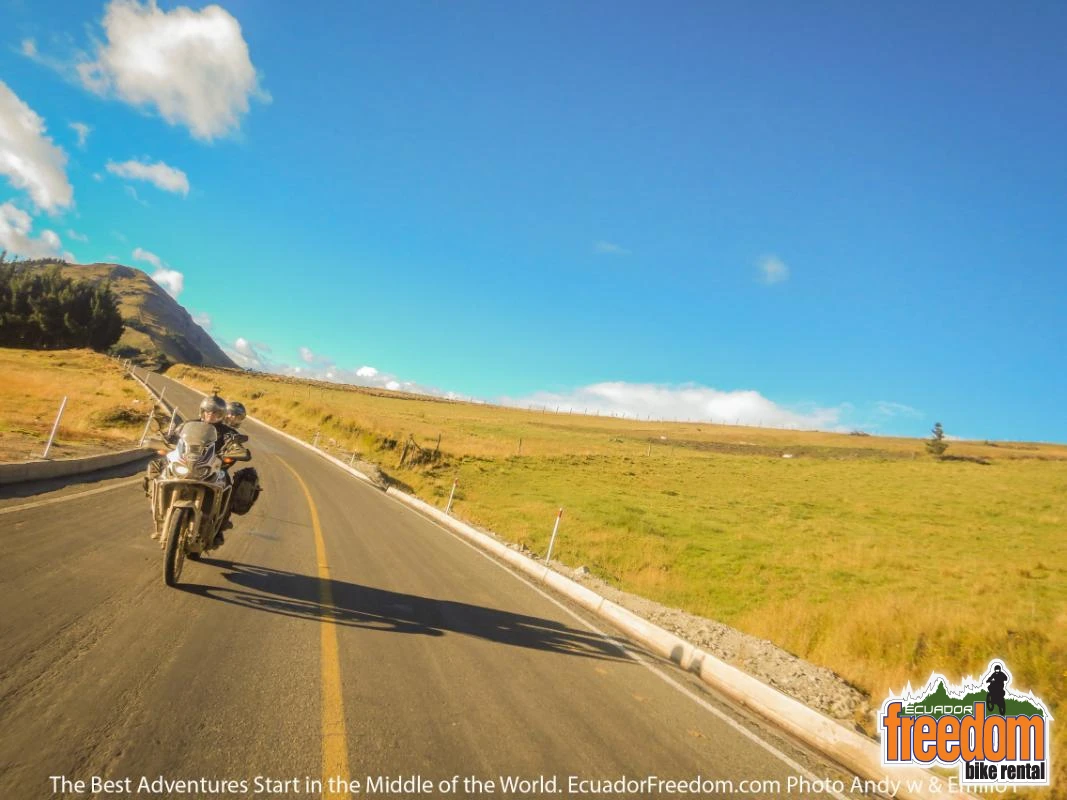
The route you will follow over the next seven days is based on several years of experience and riding these routes many times. Your guide knows the route thoroughly, having ridden it several times before. The route combines paved backroads and unpaved, unimproved dirt roads through the country's remote regions. The roads are chosen for lack of traffic, engaging off-bike activities, and outstanding scenery. The Guide will make many stops throughout the day to introduce you to the locals, explain the local history, and show you "hidden gems" that are not common knowledge.
You will not need to pull out your wallet on this ride, as this is an all-inclusive guided tour. All meals, gasoline, entrance fees, etc. are included in the tour price. Just relax and enjoy the experience!
We do not want you to "push your limits"; instead, we want you to be able to lift your head, look around, and enjoy the amazing scenery during the ride.
Upon returning, you will have access to our honor bar, jacuzzi, hot shower, and staff that can assist you with your next destination.
Weather and Temperatures
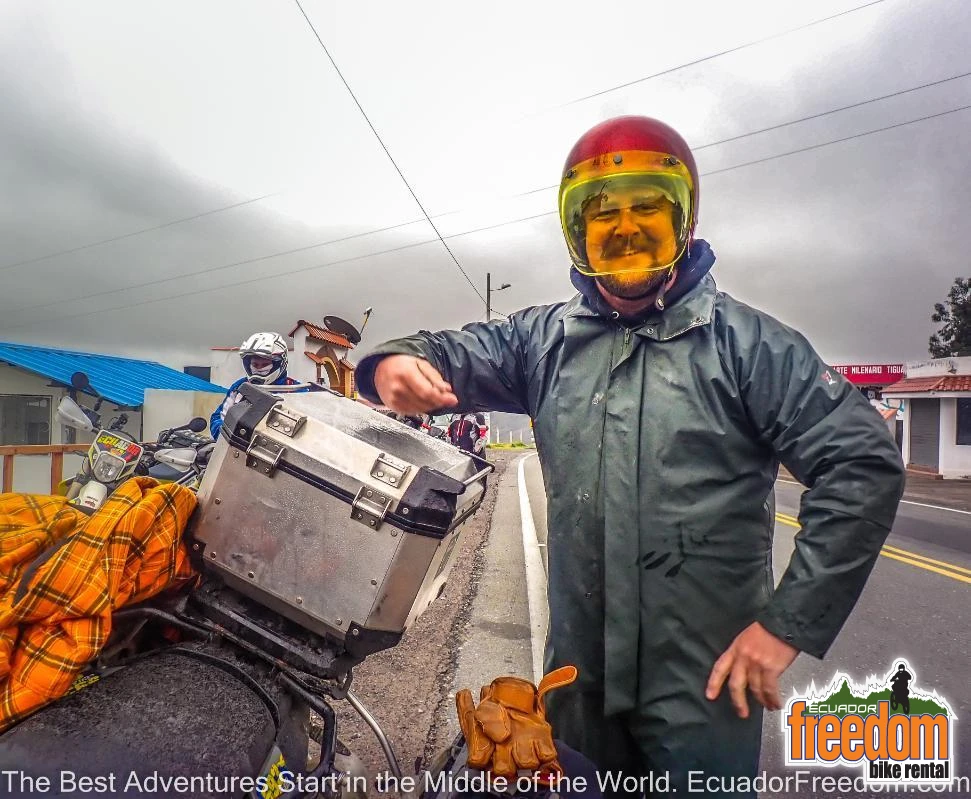
Weather and temperature ranges in Ecuador are generally the same year-round. You can expect the chance of passing showers in the highlands but rarely a full day of rain. Chances for a full day of rain are more likely on the western slopes of the Andes in March, April, and early May. This ride will be in elevations between sea level (where temperatures can be around 90 degrees Fahrenheit) to 14,500 feet (where temperatures are in the 30s Fahrenheit). Dressing in layers is recommended. Please see this article for more information about the weather in Ecuador.
Accommodations
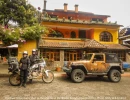
We will stay in carefully selected, biker-friendly hotels, lodges, and inns throughout the tour. See below for details, photos, and links to the accommodations provided. Ecuador Freedom has the right to substitute accommodations of equal quality due to availability and will notify you of these changes.
Packing List and Preparation
Ecuador Freedom will provide detailed information to prepare for the ride, including a packing list. No knowledge of Spanish is required - your Guide can speak English and Spanish fluently. Before you travel, we recommend you familiarize yourself with these recommended guidebooks and maps.
Accommodations
Our accommodations are selected for their exceptional quality, location, and unique character. Below are the accommodations featured on this tour.
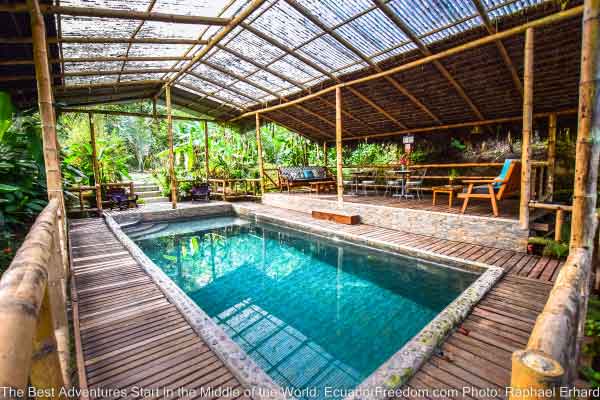
Septimo Paraiso Cloudforest Lodge
The Lodge has 23 rooms with private bathrooms, hot water (from their own spring), and they are decorated in an elegant vintage country style. There is a heated pool, jacuzzi and spring-fed pool. The hotel is situated in the upper Mindo Valley, surrounded by exotic and lavish cloud forest, and offers an extraordinary experience of the amazing biodiversity of the area.
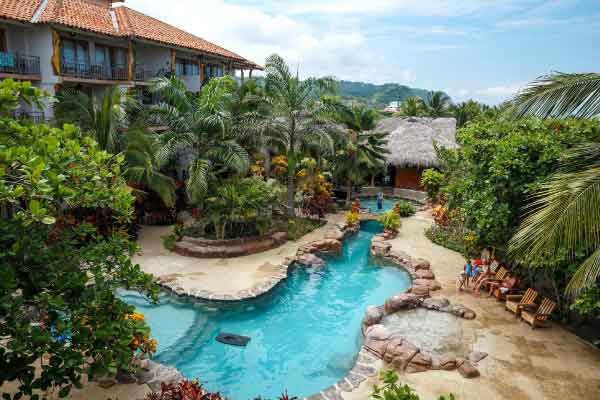
Canoa Beach Hotel
Canoa Beach Hotel is located about a mile south of the small fishing village of Canoa, on a quiet part of the beach. It has 21 air-conditioned oceanfront rooms with verandas, a beautiful pool, a poolside bar, and a restaurant serving up Ecuadorian and American favorites. The friendly fun-lovoing staff can help arrange surfing lessons and local excursions.
Hotel Olimpico
Hotel Olimpico is a 3-star hotel in the center of the city of Quevedo. Each room and suite has airconditioning, fast wi-fi, and flat-screen tv. The main attraction is the giant, Olympic-sized pool with waterslides.
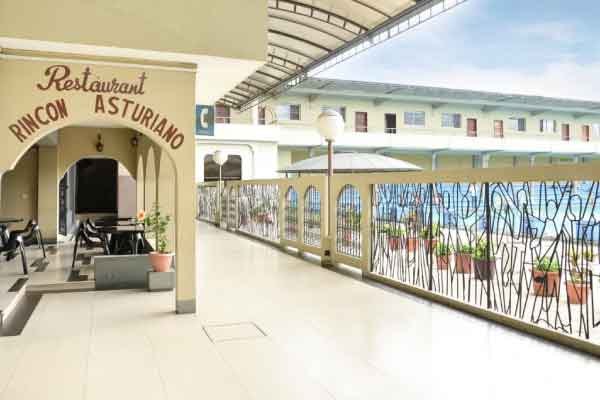
Hotel Cachi Yaku
The Hotel Cachi Yaku is in the village center of Salinas de Guaranda. It is a newly constructed hotel, opened in 2018 and offers bright rooms. The staff are knowledgeable about the town and the activities that can be done in the area. They serve a country-style breakfast with local cheeses, meats and eggs.
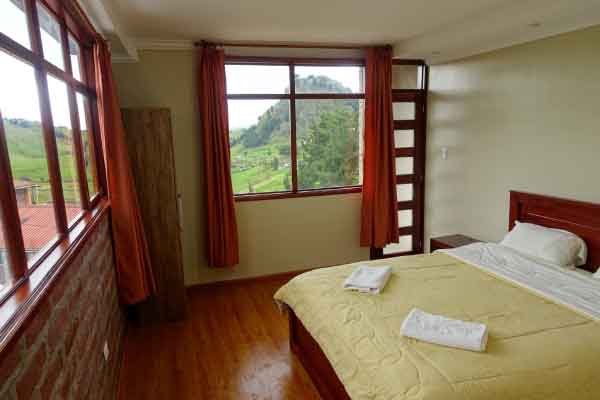
Posada del Arte
This small, cozy, 15-room bed and breakfast is also a showcase for Ecuadorian painters. The presence of these fine works sets the tone for the overall ambiance. Their restaurant serves up hearty breakfasts and local favorites such as fresh trout, steaks, and locro (potato-cheese soups). The hotel is ideally located just a block from the volcanic hot springs.
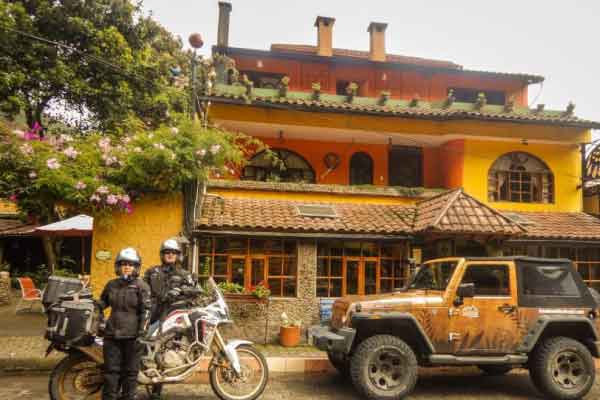
Mama Hilda's
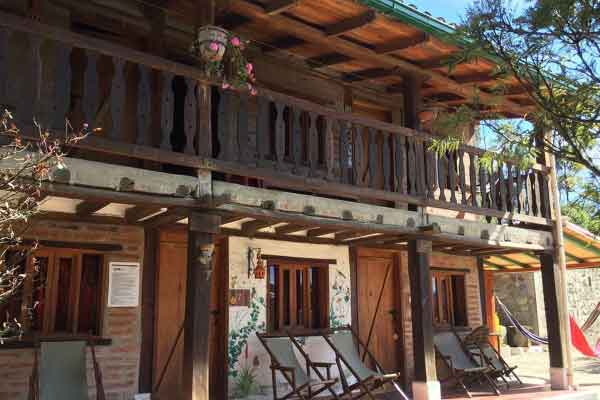
Mama Hilda Inn is located in the center of the village of Chugchilan. They have very comfortable rooms, many with wood stoves. Each night a family-style Ecuadorian meal is served in its beautiful dining room furnished with locally-made wood furniture and weavings. You will feel part of the Mama Hilda's family with their generaous hospitality.
Pricing
| Hero Xpulse200*
| $3,420 |
| Honda XRE 300*
| $3,560
This is the standard pricing if you are traveling alone (or traveling with friends but each with a single room). Single occupancy is standard on all of our self-guided and guided motorcycle tours. |
| SWM Gran Milano 440
| $3,280
This is the standard pricing if you are traveling alone (or traveling with friends but each with a single room). Single occupancy is standard on all of our self-guided and guided motorcycle tours. |
| Honda XR650L*
| $3,770 |
| Suzuki DR650*
LOW SEAT: 33.2 inches REGULAR: 34.8 inches | $3,700
This is the standard pricing if you are traveling alone (or traveling with friends but each with a single room). Single occupancy is standard on all of our self-guided and guided motorcycle tours. |
| Suzuki DR650 LOW*
LOW SEAT: 33.2 inches REGULAR: 34.8 inches | $3,700
This is the standard pricing if you are traveling alone (or traveling with friends but each with a single room). Single occupancy is standard on all of our self-guided and guided motorcycle tours. |
| SWM RS650S*
| $3,700
This is the standard pricing if you are traveling alone (or traveling with friends but each with a single room). Single occupancy is standard on all of our self-guided and guided motorcycle tours. |
| Suzuki V-Strom 650
REGULAR: 32.9 Inches LOWERED: 31.7 Inches | $3,910
This is the standard pricing if you are traveling alone (or traveling with friends but each with a single room). Single occupancy is standard on all of our self-guided and guided motorcycle tours. |
| Suzuki V-Strom 650 LOW
REGULAR: 32.9 Inches LOWERED: 31.7 Inches | $3,910
This is the standard pricing if you are traveling alone (or traveling with friends but each with a single room). Single occupancy is standard on all of our self-guided and guided motorcycle tours. |
| Aprilia Tuareg 660
| $4,120
This is the standard pricing if you are traveling alone (or traveling with friends but each with a single room). Single occupancy is standard on all of our self-guided and guided motorcycle tours. |
| Yamaha Tenere 700
| $4,050
This is the standard pricing if you are traveling alone (or traveling with friends but each with a single room). Single occupancy is standard on all of our self-guided and guided motorcycle tours. |
| Husqvarna 701 Enduro*
| $4,050
This is the standard pricing if you are traveling alone (or traveling with friends but each with a single room). Single occupancy is standard on all of our self-guided and guided motorcycle tours. |
| BMW F750GS
| $4,050
This is the standard pricing if you are traveling alone (or traveling with friends but each with a single room). Single occupancy is standard on all of our self-guided and guided motorcycle tours. |
| Triumph Tiger 800 XC
| $4,120 |
| BMW F800GS
| $4,120
This is the standard pricing if you are traveling alone (or traveling with friends but each with a single room). Single occupancy is standard on all of our self-guided and guided motorcycle tours. |
| Triumph Tiger 850 Sport
| $4,120 |
| BMW F850GS
| $4,190
This is the standard pricing if you are traveling alone (or traveling with friends but each with a single room). Single occupancy is standard on all of our self-guided and guided motorcycle tours. |
| Moto Guzzi V85 TT
| $4,190 |
| Triumph Tiger 900 Rally
| $4,190
This is the standard pricing if you are traveling alone (or traveling with friends but each with a single room). Single occupancy is standard on all of our self-guided and guided motorcycle tours. |
| Husqvarna Norden 901
| $4,190
This is the standard pricing if you are traveling alone (or traveling with friends but each with a single room). Single occupancy is standard on all of our self-guided and guided motorcycle tours. |
| Suzuki V-Strom 1000
| $4,120
This is the standard pricing if you are traveling alone (or traveling with friends but each with a single room). Single occupancy is standard on all of our self-guided and guided motorcycle tours. |
| Honda Africa Twin 1100 DCT
| $4,330
This is the standard pricing if you are traveling alone (or traveling with friends but each with a single room). Single occupancy is standard on all of our self-guided and guided motorcycle tours. |
| Passenger Sharing Room
If you will be riding with a passenger, (pillion) who will share your double room (1 or 2 beds), add this price. | $1,625
If you are traveling with someone who will be riding a separate motorcycle and sharing your room (1 or 2 beds), take 10% off the price of each bike! |
| 2 Vehicles Sharing Room
If you are traveling with someone who will be riding a separate motorcycle and sharing your room (1 or 2 beds), take 10% off the price of each bike! | 10% Discount
If you are traveling with someone who will be riding a separate motorcycle and sharing your room (1 or 2 beds), take 10% off the price of each bike! |
* Bikes marked with an asterisk are not configured to take a passenger.
All prices are in United States Dollars (USD) - the official currency of the Republic of Ecuador
Before booking a tour with us, please carefully read our Motorcycle Tour Terms and Conditions.
Our reservation system is automated and accessible through the "Book Now" or "Reserve Online" buttons. The system will take you through a few easy steps to book your tour and any desired extensions. The system is secure and uses a third-party, Ecuadorian payment system called Kushki, which meets all international regulations and security standards. Payment may be made using any major credit card. Please note that we must collect a government-issued ID number from you when booking due to Ecuadorian banking regulations. You may use your passport, driver's license, or any other government identification number.
Alternatively, you may request payment through PayPal in the system (click the PayPal logo on checkout). If you prefer to send a wire transfer, please let us know (using the "Ask a Question" button or "Contact" menu item, and we will provide our banking details.
Deposits are refundable minus 10% of the total rental or tour price only if canceled at least 90 days before departure or pickup date. Cancellations are very costly to us as they impede our planning and ability to sell rentals and tours to other customers. Therefore, cancellations for any reason made less than 90 days before the pickup or departure date are not refundable, nor may they be applied to a future rental or tour.
To protect yourself from this loss of your deposit, it is up to you to secure travel insurance that covers cancellations due to health problems, civil unrest, acts of God, family tragedies or problems with flight departures, etc.
Global Rescue has created the industry’s most complete travel insurance that was built with the outdoorsman in mind. With minimal exclusions, the IMG Signature Travel Insurance is the perfect add-on to your Global Rescue membership.
To find out more information please visit our landing page at: https://partner.globalrescue.com/freedombikerental
The balance (second 50%) of your rental or tour is due when you pick up the bike in our office in Quito. The second 50% can be paid in cash (United States Dollars), with PayPal, or a credit card. We accept Mastercard, Visa, and American Express. A 100% refundable security deposit using a credit card for the rental motorcycle or 4x4 is also required and is separate from the payment for the tour. Security deposits are $500 - $2500, depending on the vehicle selected.
What's Included
- Unlimited Mileage Motorcycle Rental
- Knowledgeable, Experienced, Local Resident Guide
- Saddlebags or hard luggage system
- Tank bag
- Luggage storage and locker use while riding
- Guaranteed departure policy (we go even if only one participant signs up - we do not cancel tours on you!)
- Support Vehicle (5+ motorcycles with riders)
- Single occupancy in hotels is standard - your own private room at no extra charge.
- Breakfast, lunch, and dinner on each riding day
- Tolls
- Fuel
- Banana Plantation Tour
- Rose Plantation Tour
- Excursion to Cascada Verde / Laguna Azul
- Pre-tour 20% discount on any high-quality riding gear from Klim
- Souvenir T-Shirt
- Souvenir decal
- VIP access to the Freedom Riders' Lounge™ with hot shower, library, gym, jacuzzi, and honor bar.
You do not have to pull your wallet out on our guided tours!
What's Not Included
- 100% Refundable security deposit to cover any damage to the rental motorcycle
- Hotel accommodations before and after the tour in Quito
- Trip cancellation, medical and emergency evacuation insurance
- Any activity not described in What's Included
- Meals not listed
- Alcoholic Beverages
- Gratuities
Click on any of the dates above to begin the quick online reservation process. If you don't see a tour date that works for you, please request a new tour date.
 = The truck icon indicates that this tour date has enough riders to have a support truck provided. A support truck is guaranteed for the tour date(s) with this icon.