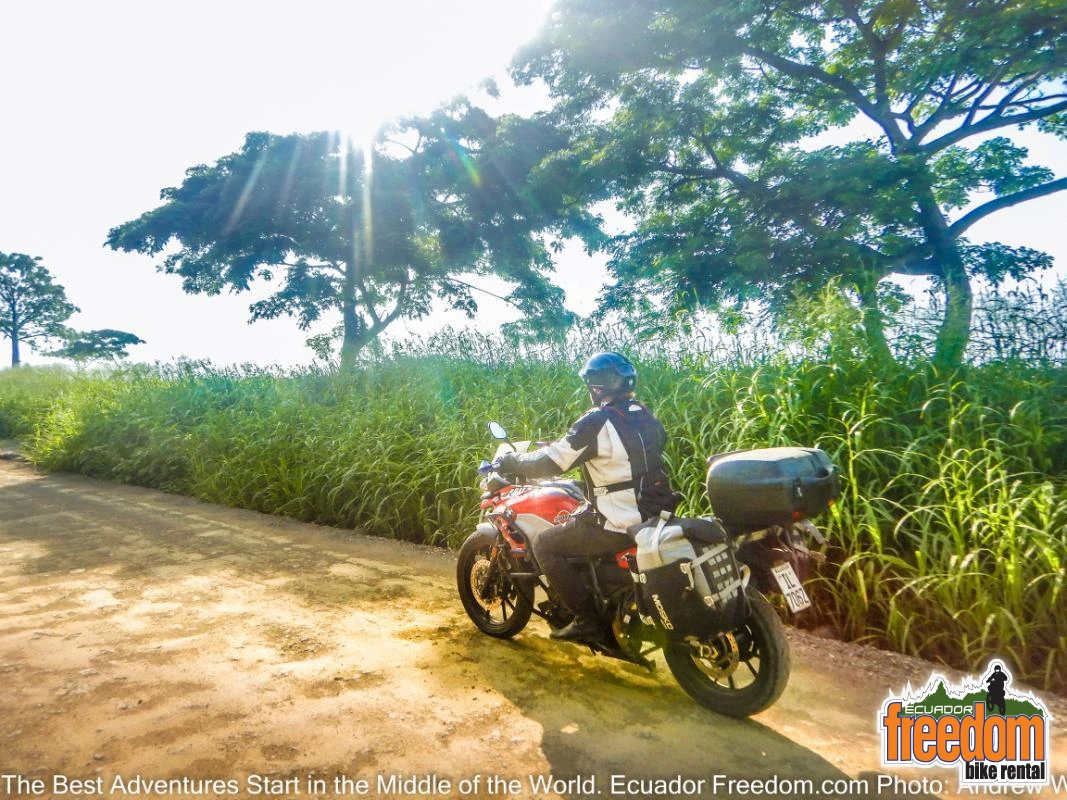

Inca Royal Roads Guided Tour
99% PAVED
<1% unpaved
SERVICE LEVEL
Mostly Upscale (one night in standard hotel)
A la carte dining
GROUP SIZE
1-10 Motorcycles
GUARANTEED DEPARTURE
Motorcycle Tour Overview
- Tour Starts and Ends: Quito, Ecuador. Airport Code: UIO
- Time Needed: 11-12 days vacation
- Tour Duration: 10 Days / 9 nights
- Riding Days: 9
- Rest Days: 1
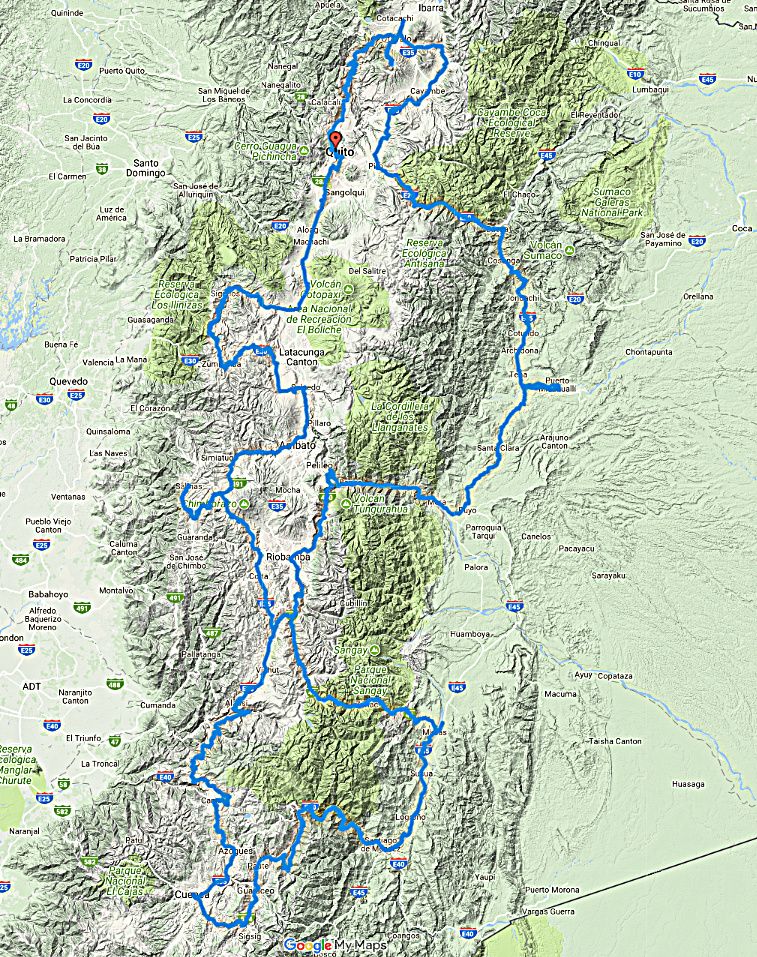
- Total Distance: approximately 1865 km / 1160 miles
- Average distance per day: 207 km / 129 miles of twisty Andean roads
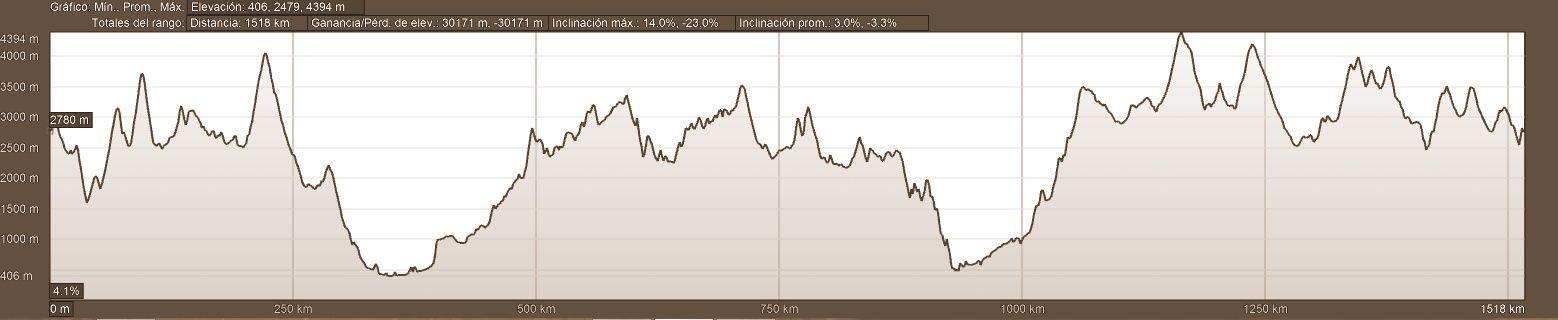
- Lowest Elevation::1332 feet / 406 meters
- Highest Elevation: 14,416 feet / 4,394 meters
- Paved Route: 97% asphalt road / <3% dirt or cobblestone roads
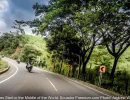
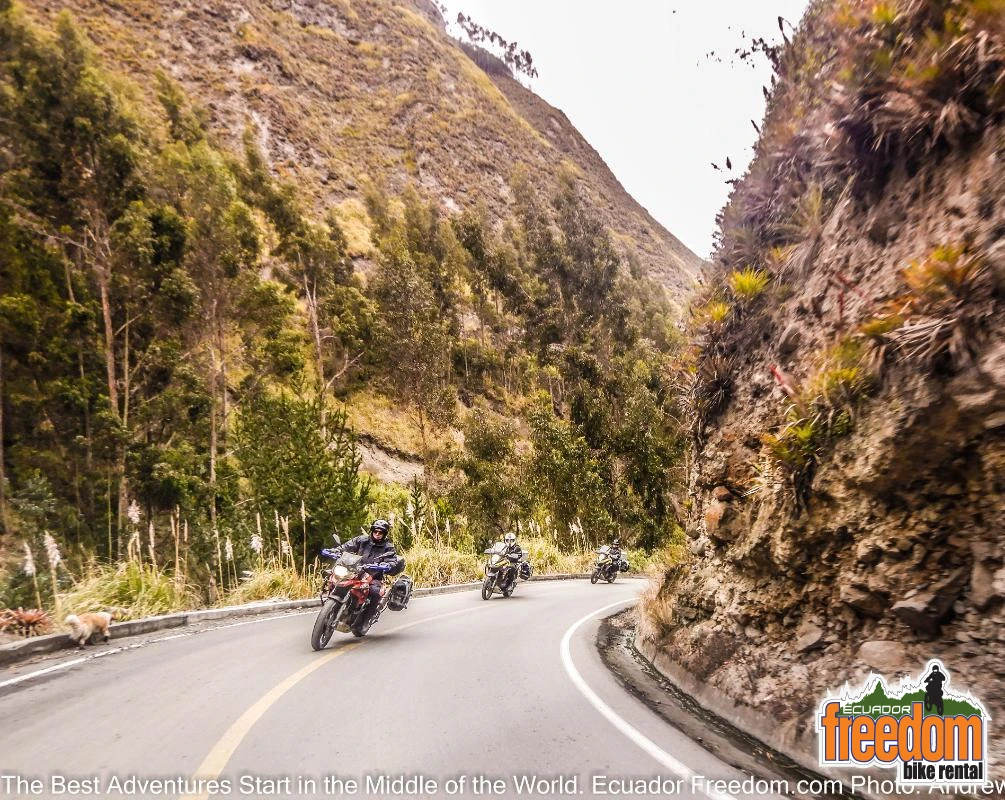
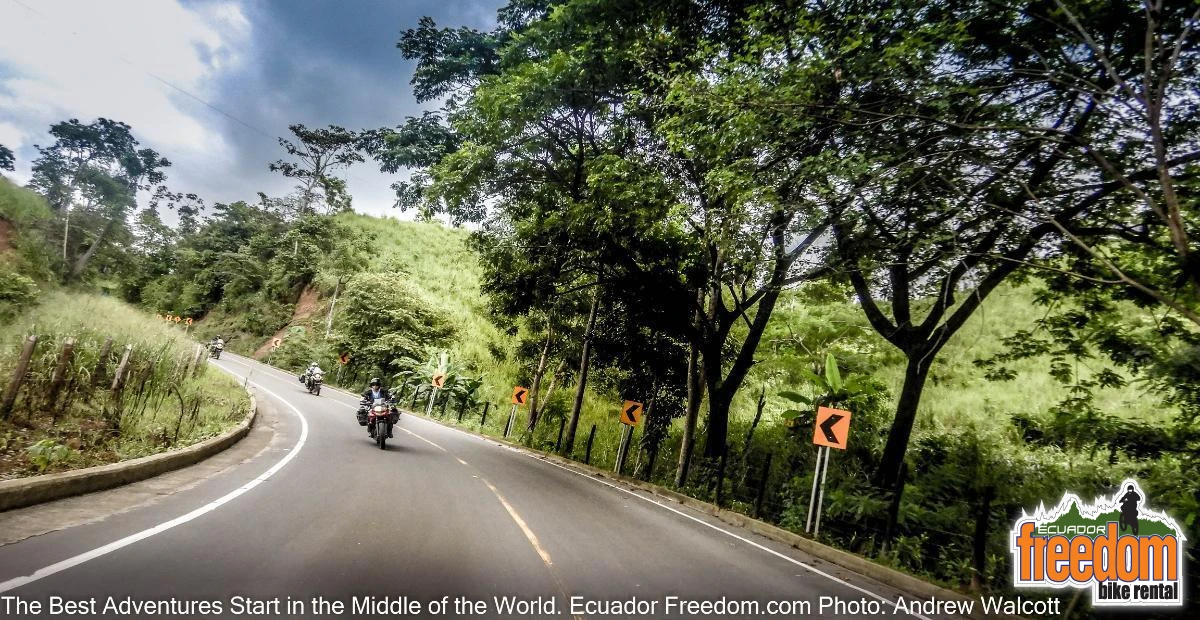
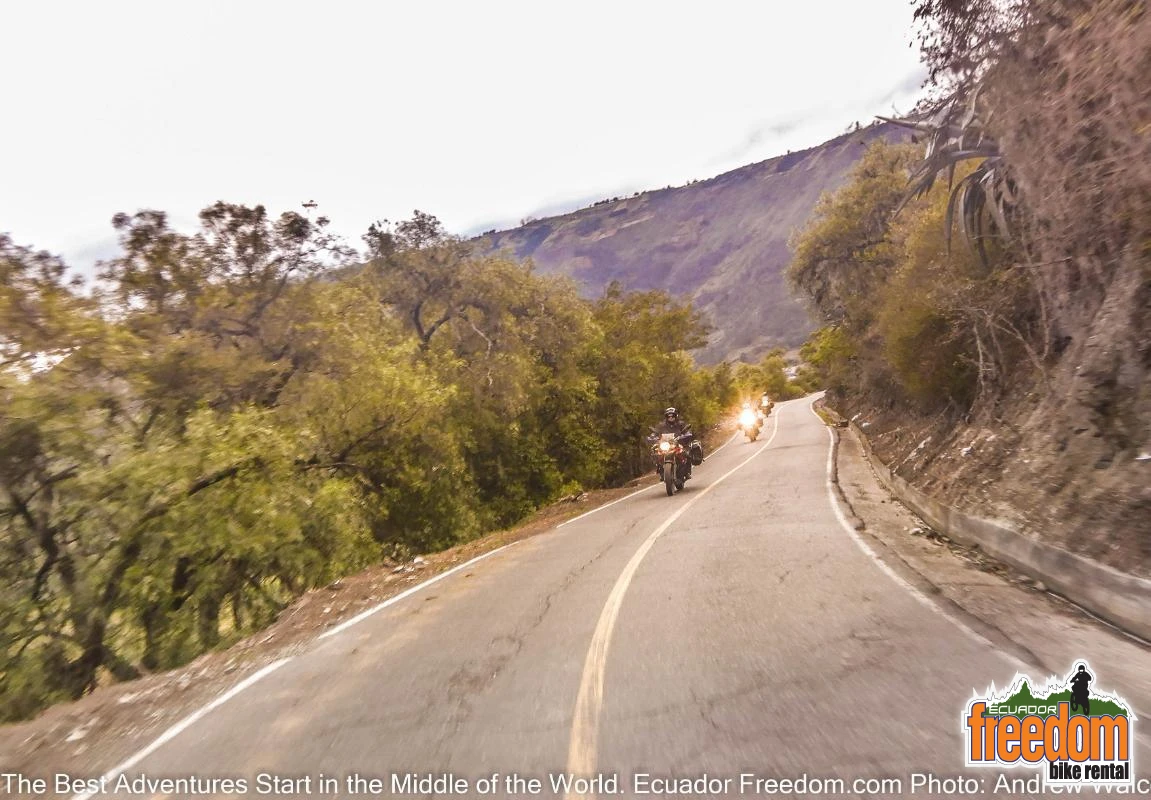
- Quality Riding: The best roads in Ecuador- only the most scenic and safest routes are taken.
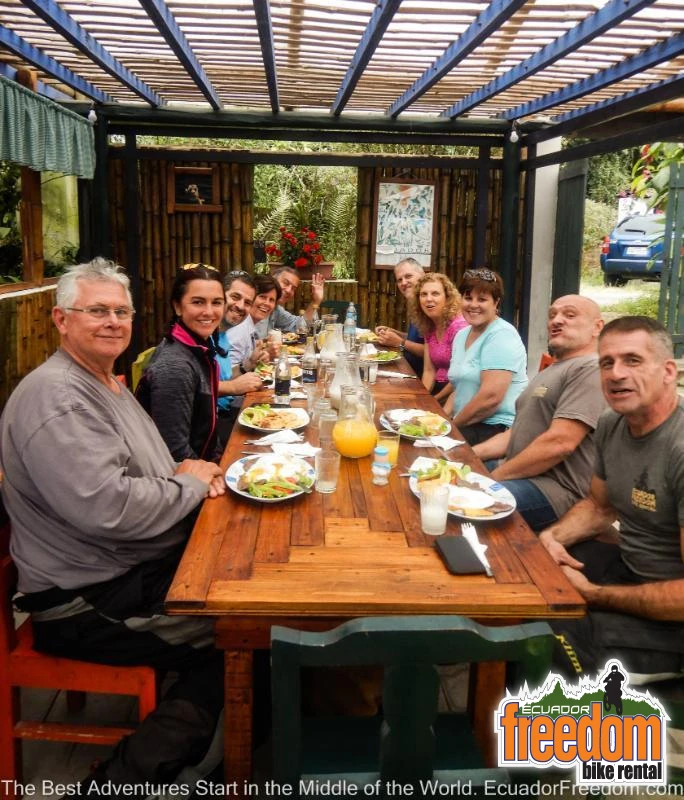
- Premium Lodging: Unique luxury hacienda and boutique hotel accommodations for most nights
- Single occupancy: Your own private hotel room)
- Guides: Experienced, LOCAL RESIDENT multilingual tour guide (you will be shown an insider's view of the country).
- Pricing: All 100% inclusive price including all meals, gasoline, and entrance fees to parks and attractions.
- Chase vehicle: For groups of 5+ riders.
- Guaranteed Departure: The tour runs no matter what - even if there is only one rider signed up!
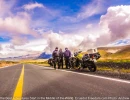
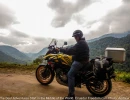
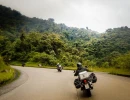
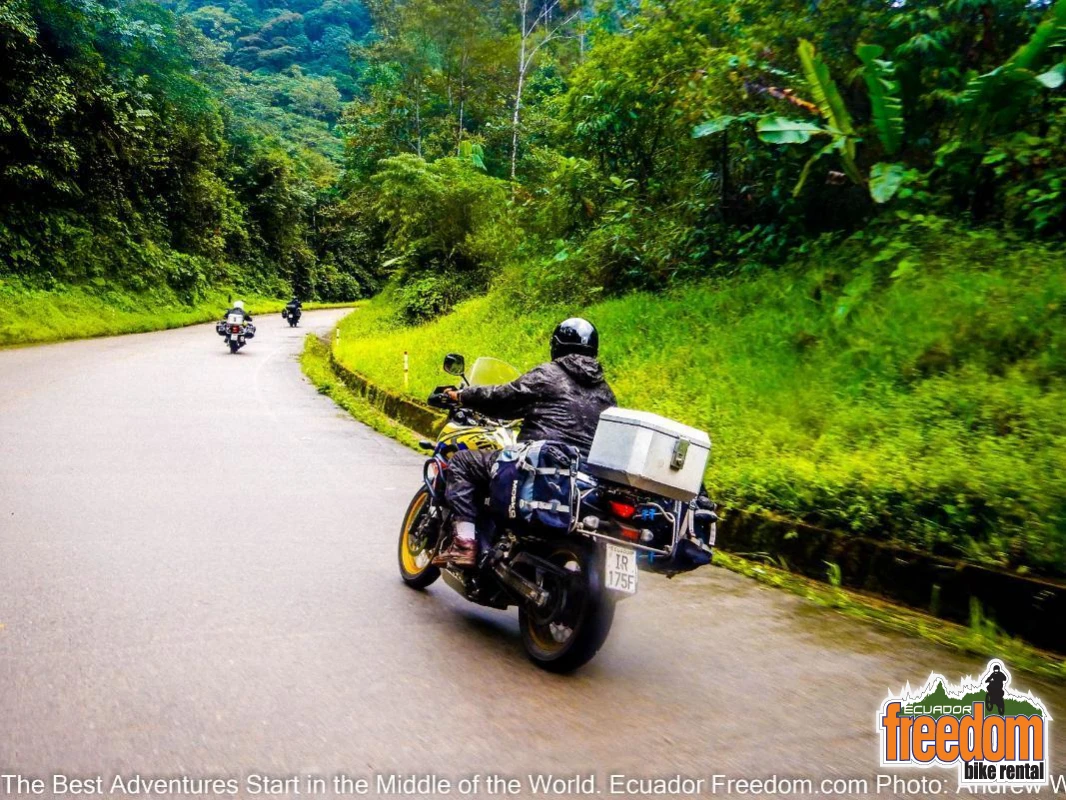
On this exhilarating tour, you'll follow in the footsteps of the Inca and explore many of Ecuador's national parks and wildlife areas. You'll experience Ecuador's mega-diversity of terrains, climates, and cultures as we ride through the Amazon Jungle and various altitudes of the Andes mountains. You will have the opportunity to visit rich cultural areas such as the famous markets in Otavalo, the UNESCO World Heritage city of Cuenca and the traditional villages of Salinas de Guaranda and Alausi.
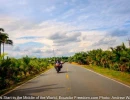
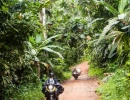
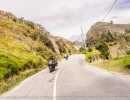
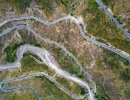
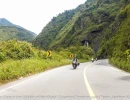
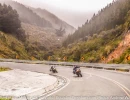
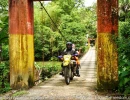
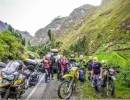
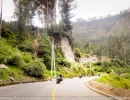
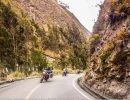
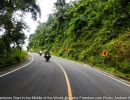
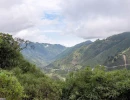
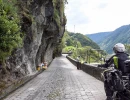
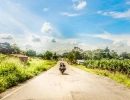
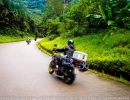
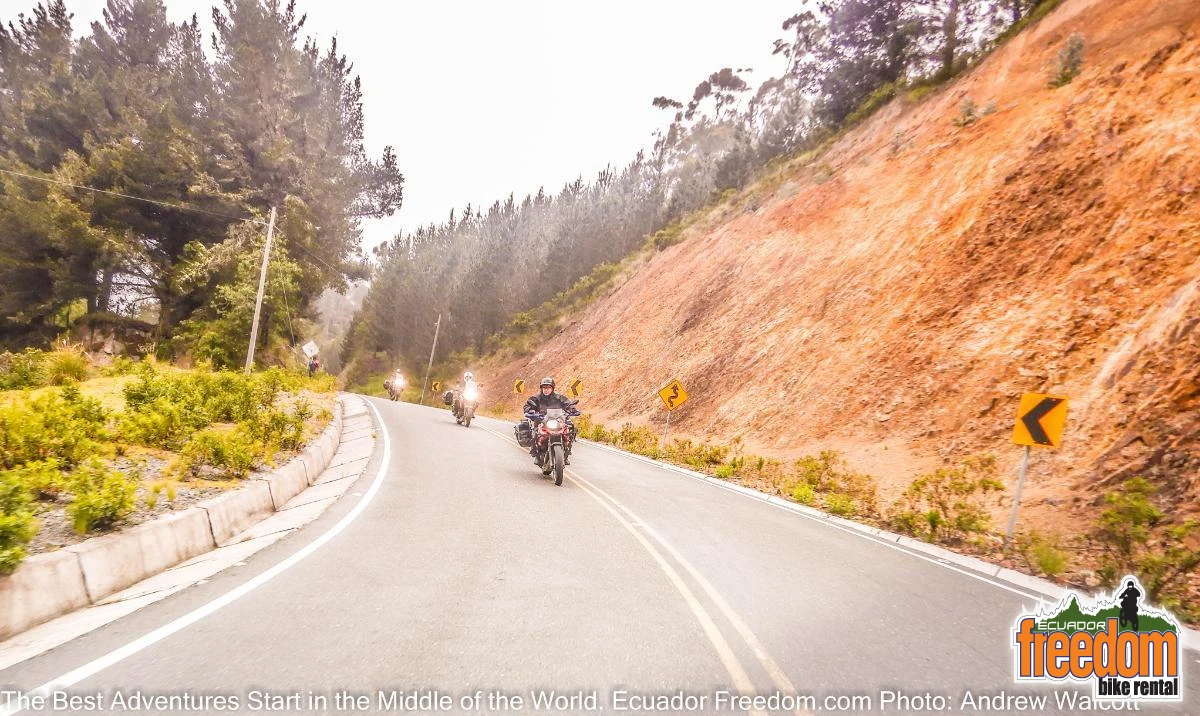
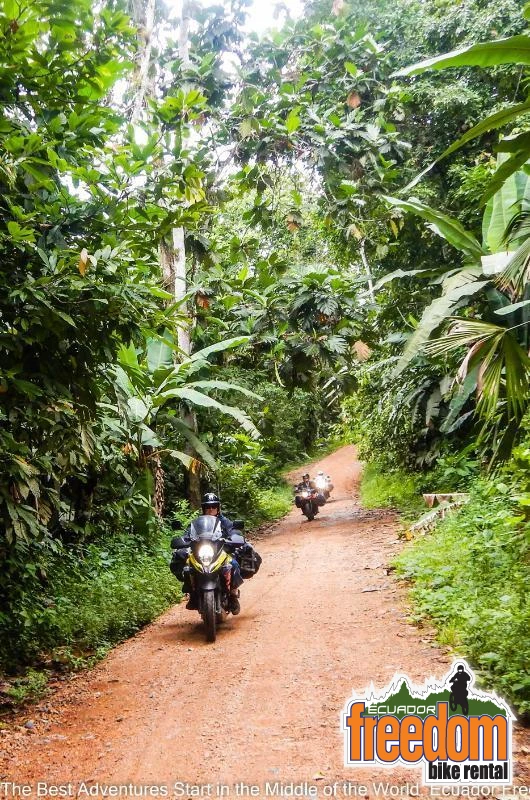
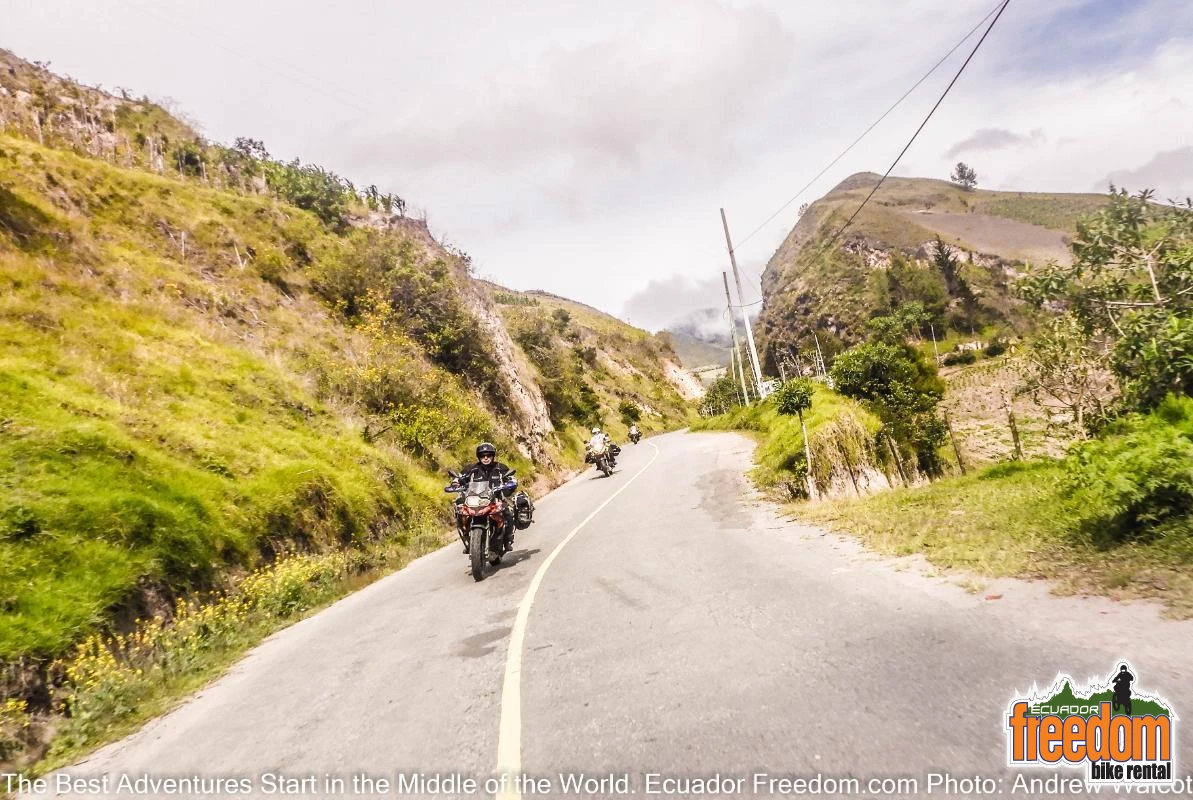
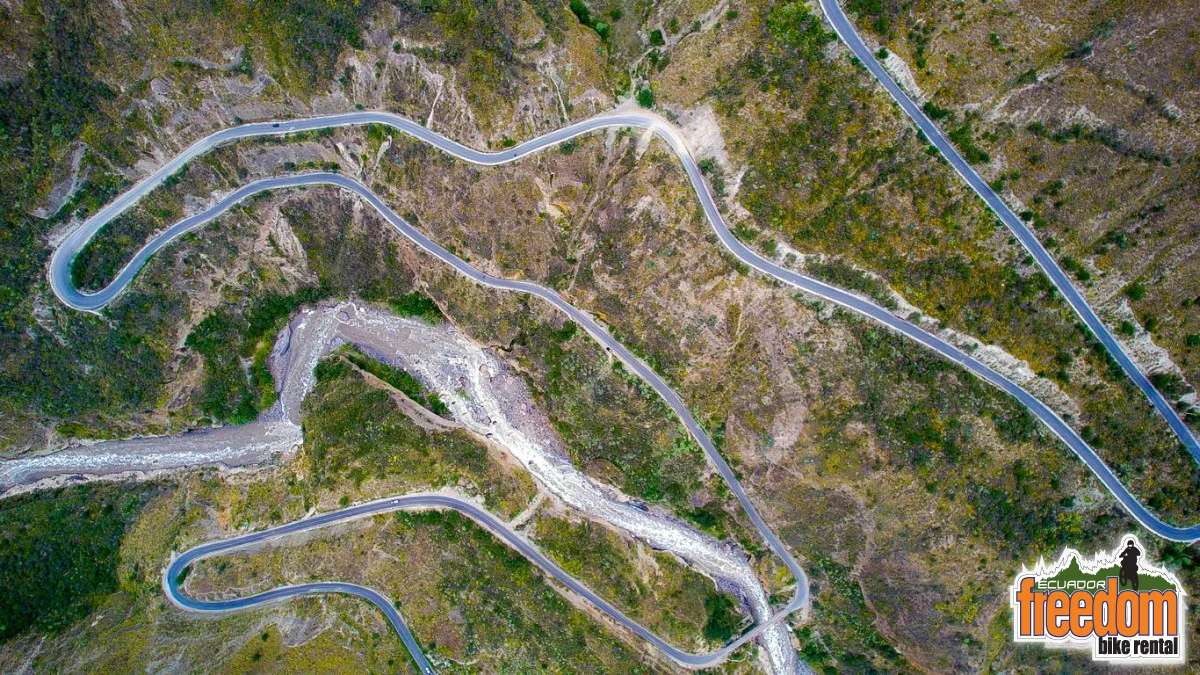
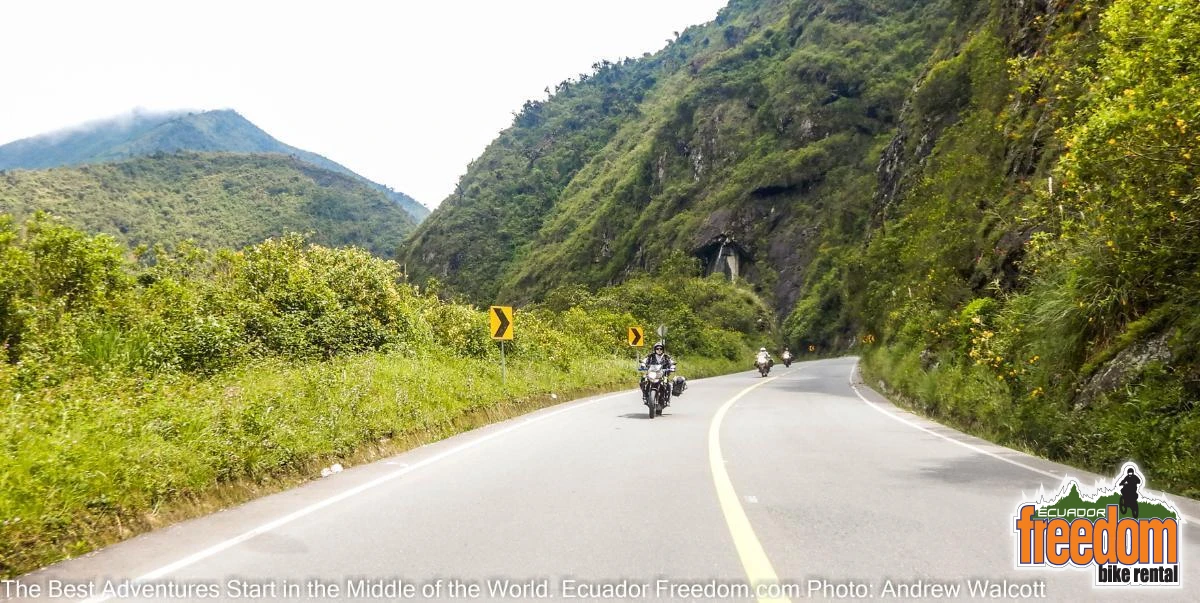
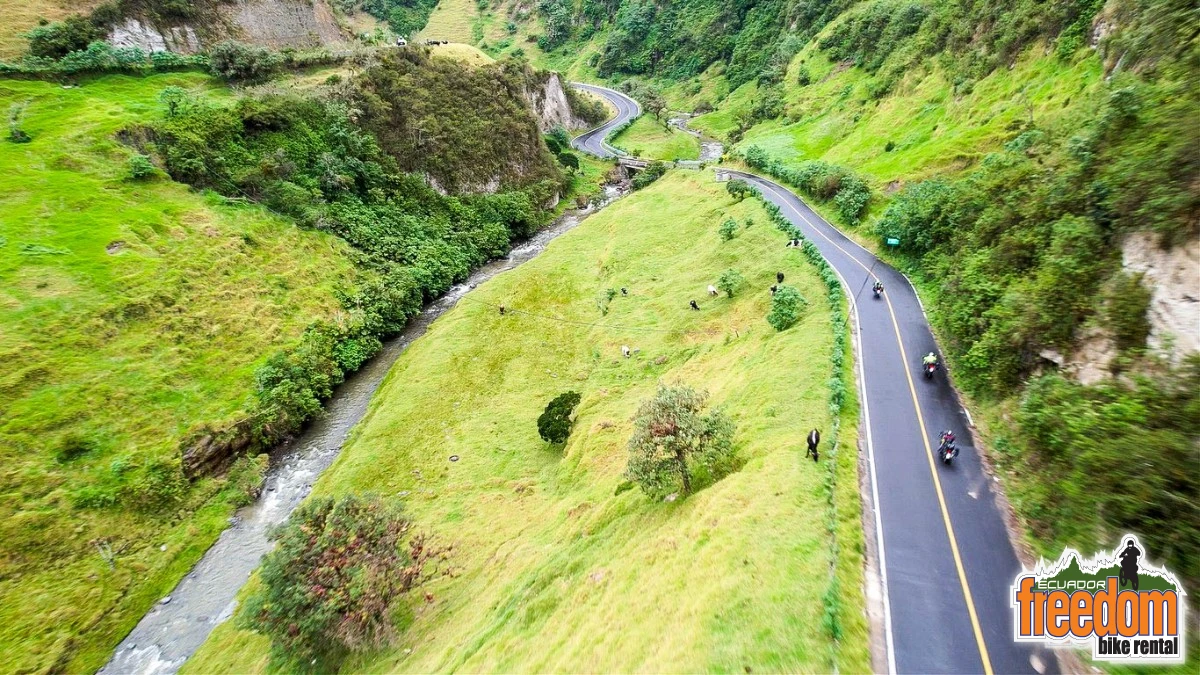
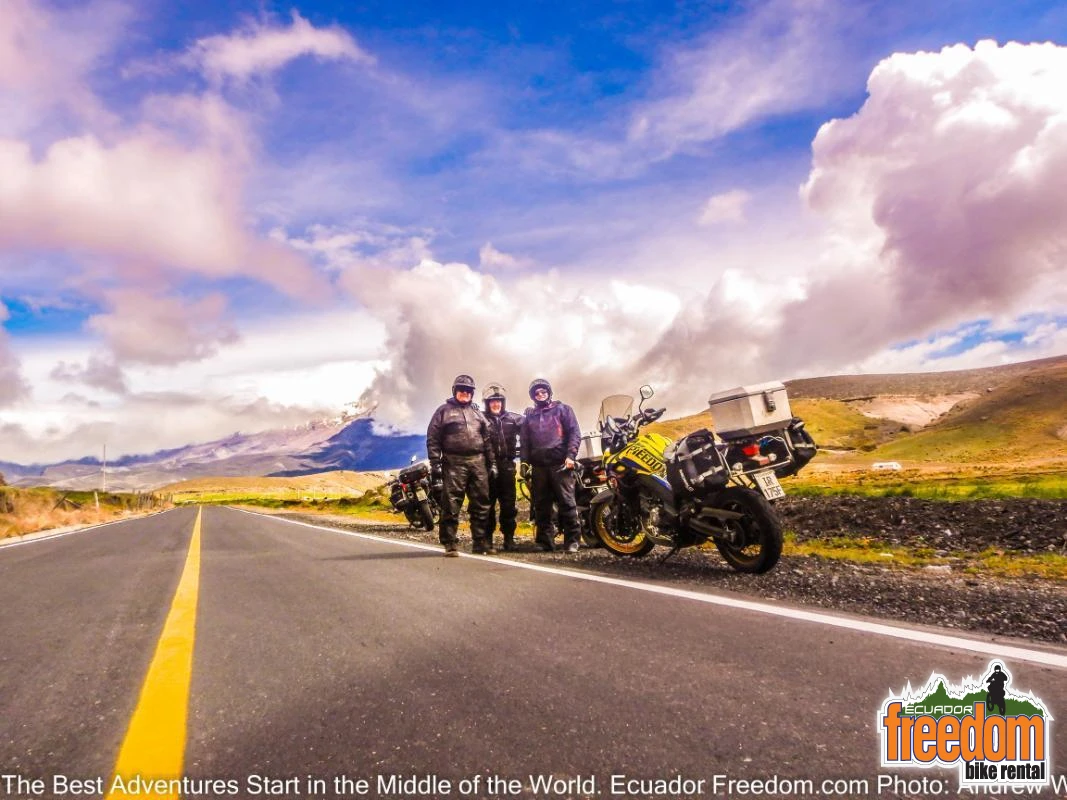
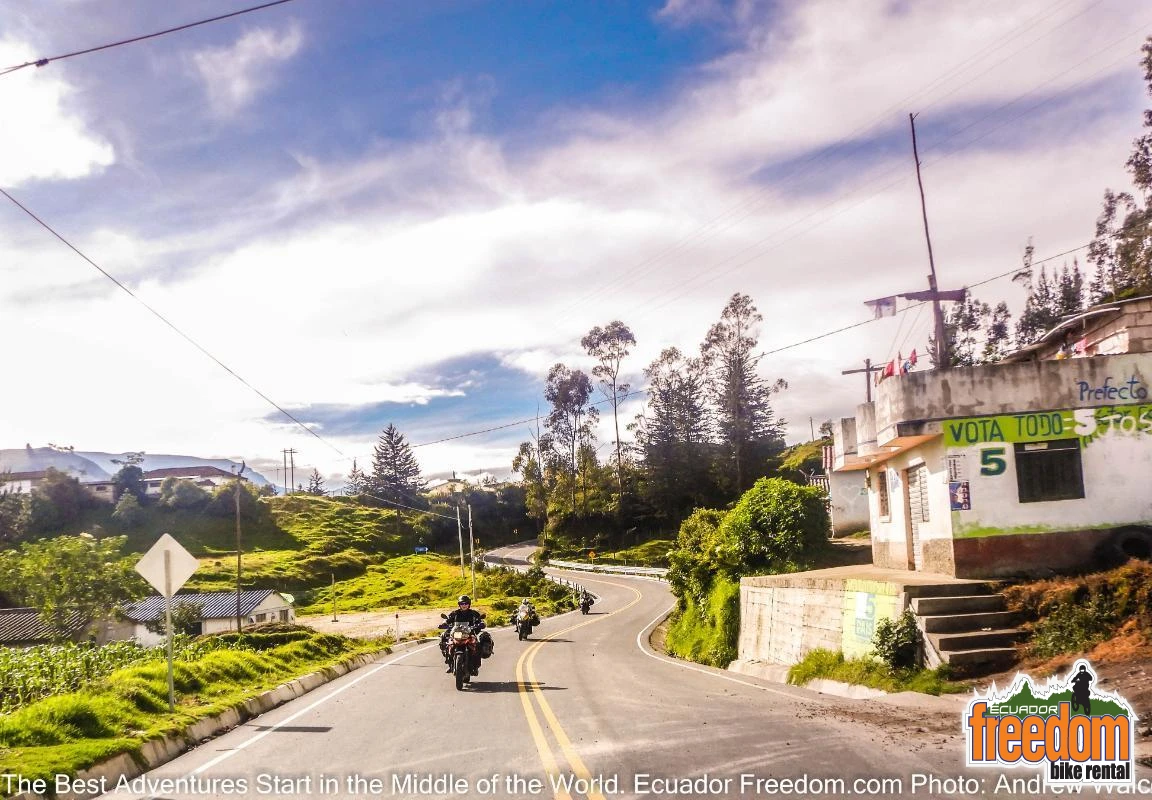
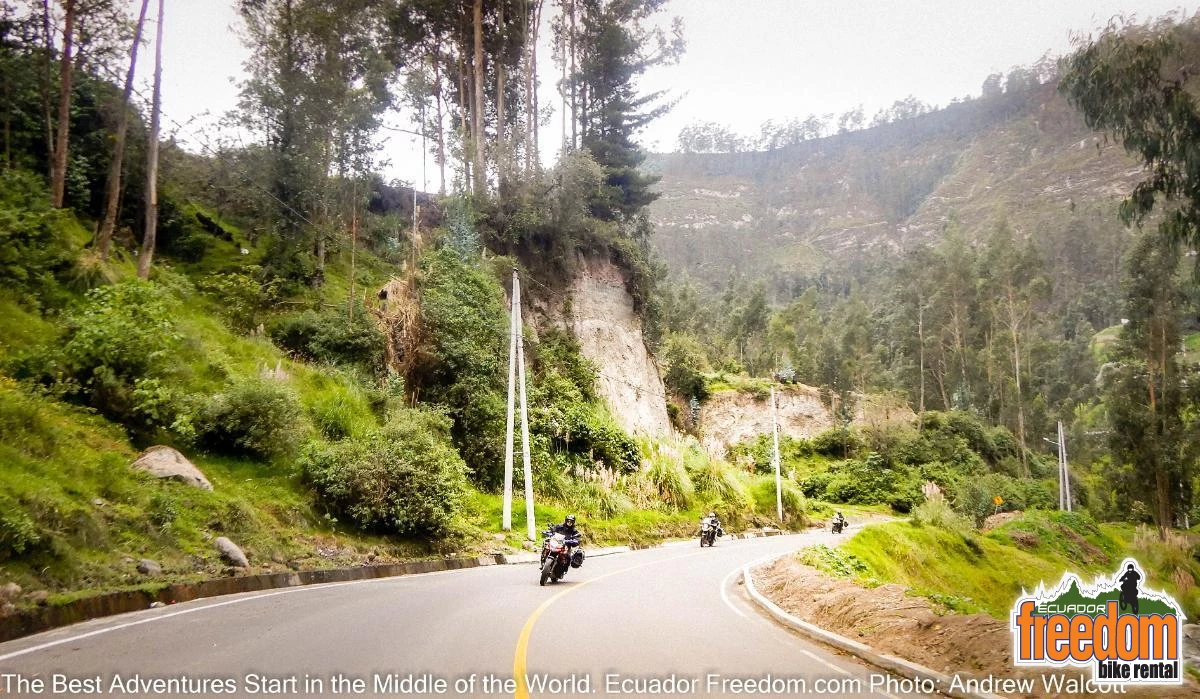
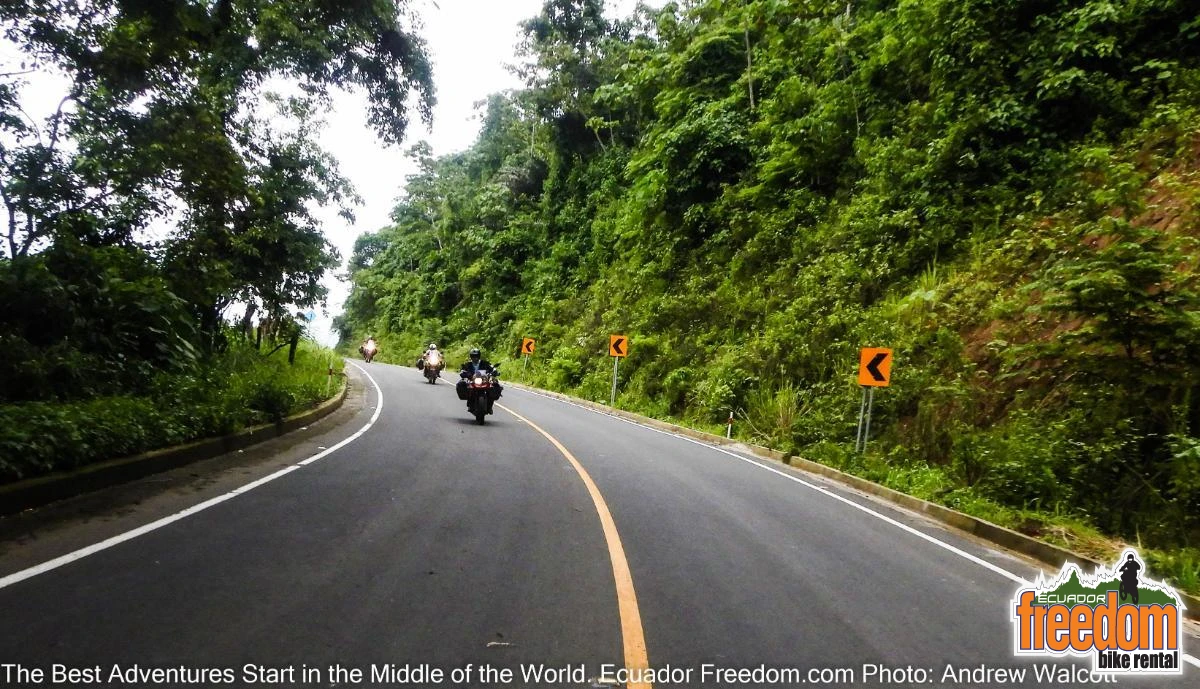
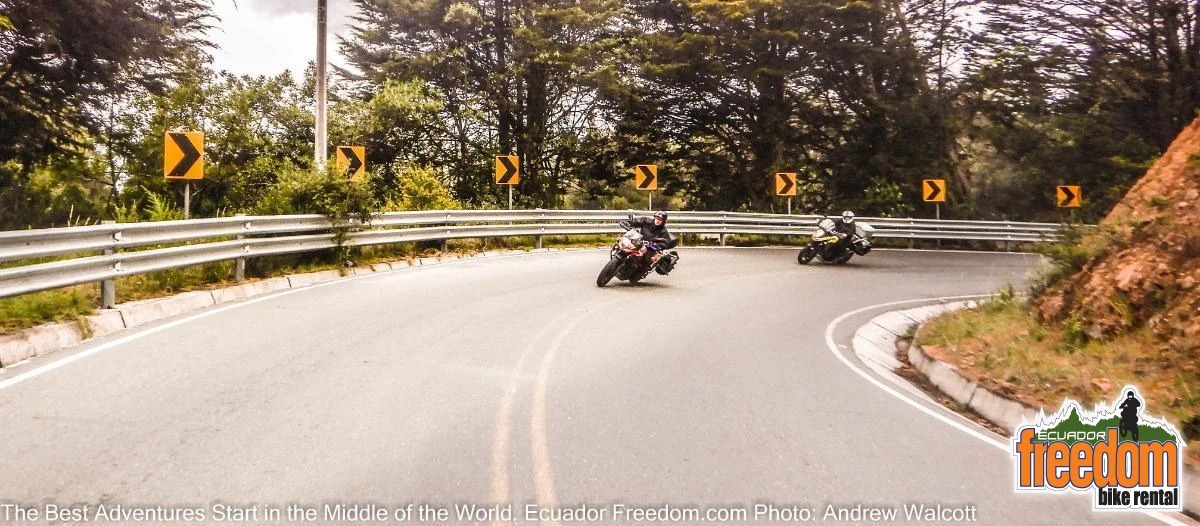
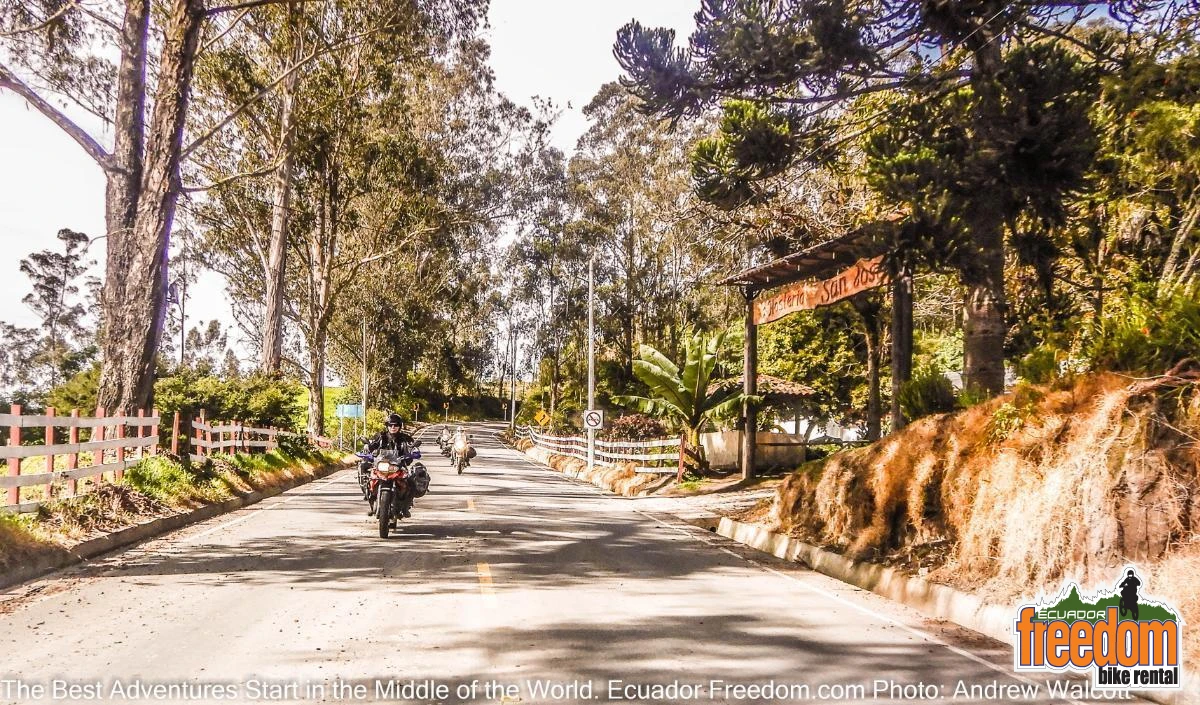
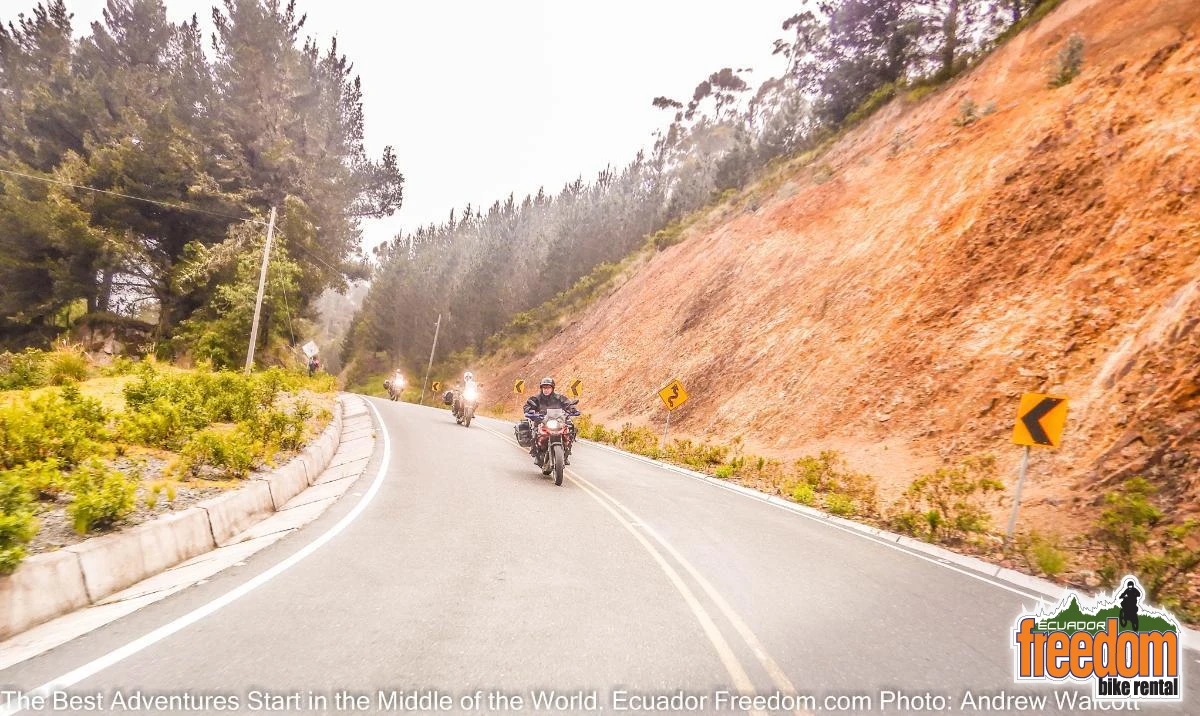
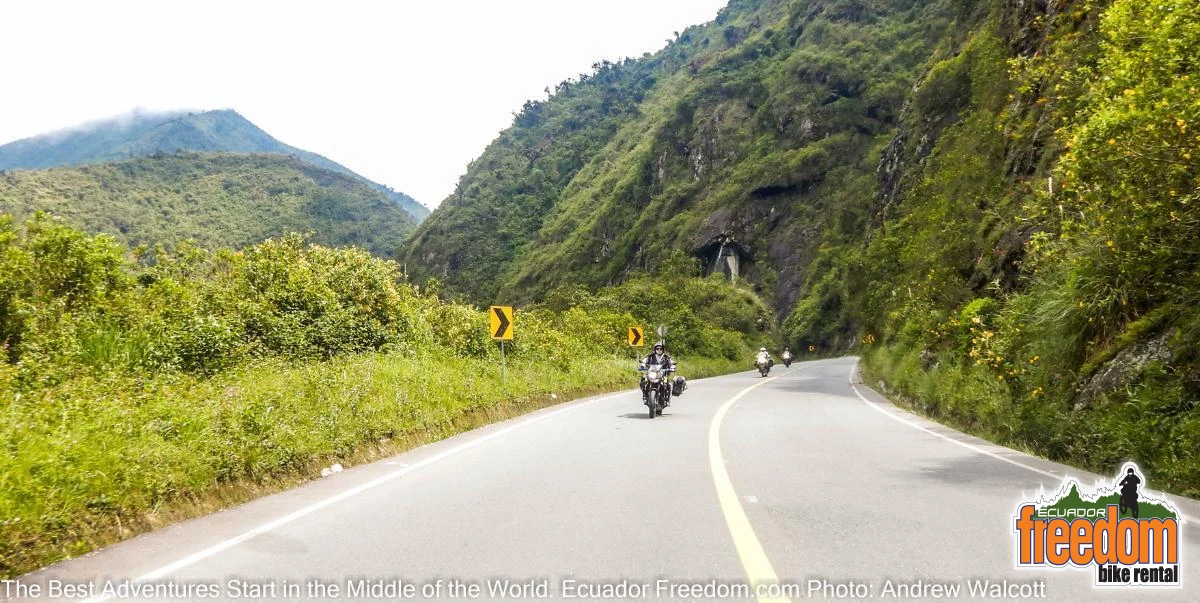
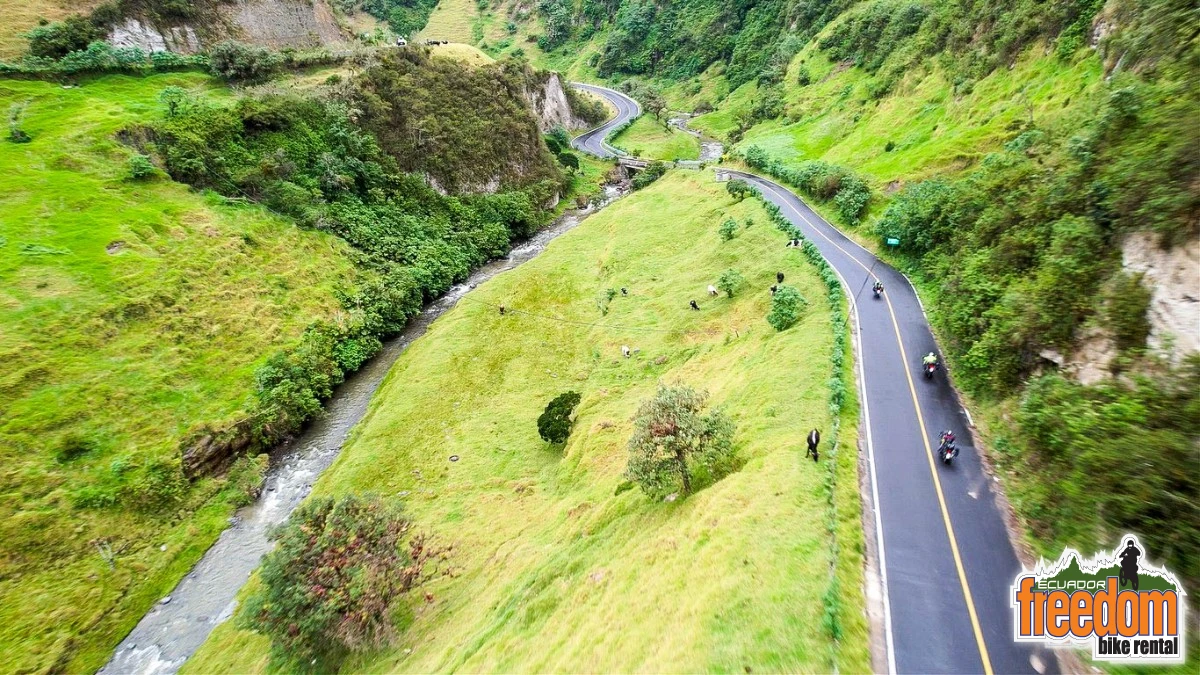
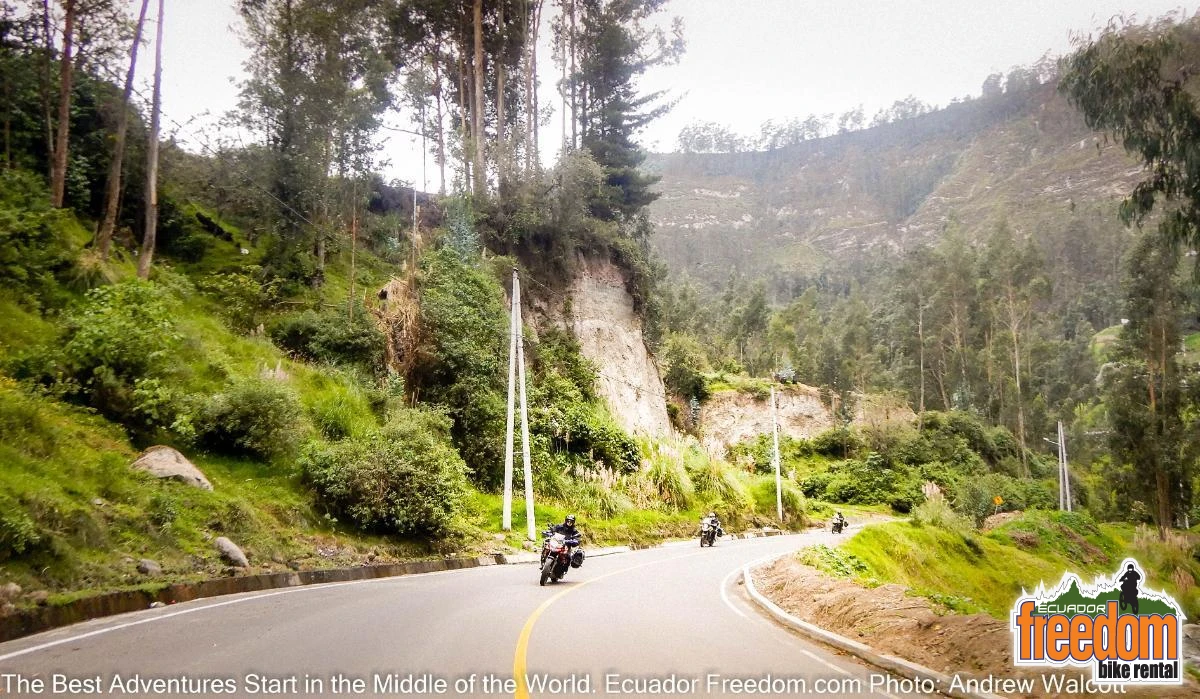
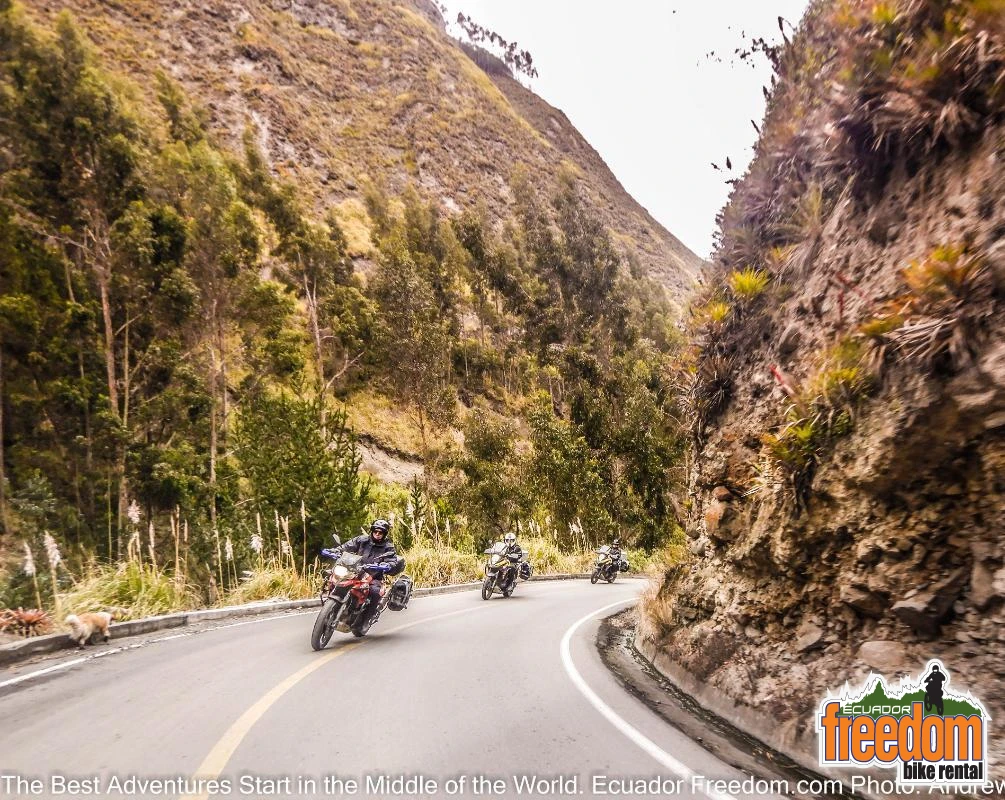
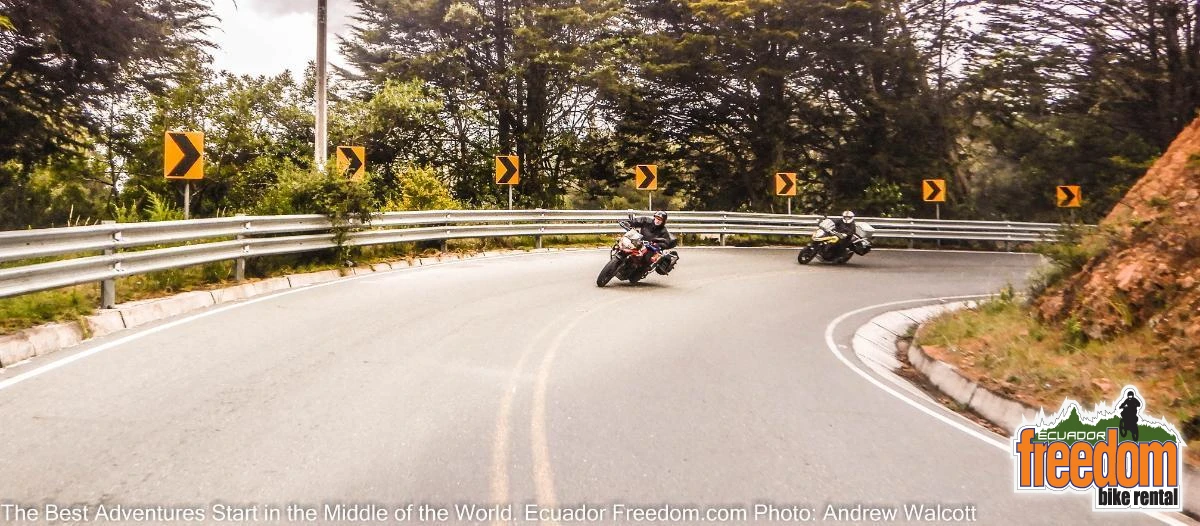
Above all, this tour includes some of the best motorcycle roads in South America. You'll tackle the twisties around active volcanoes, ride the altiplanos at 14,500 feet, carve through deep river canyons and go deep into the Amazon jungle.
| Hero Xpulse200*
| $5,030 |
| Honda XRE300*
| $5,230 |
| BMW G310GS
| $5,230 |
| SWM Gran Milano 440
| $4,830 |
| Honda XR650L
| $5,530 |
| Suzuki DR650 LOW*
LOW SEAT: 33.2 inches REGULAR: 34.8 inches | $5,430 |
| Suzuki DR650*
LOW SEAT: 33.2 inches REGULAR: 34.8 inches | $5,430 |
| SWM RS650S*
| $5,430 |
| Aprilia Tuareg 660
| $6,030 |
| Yamaha Tenere 700
| $5,930 |
| Husqvarna 701 Enduro*
| $5,930 |
| BMW F750GS
| $5,930 |
| Suzuki DL800DE
| $5,930 |
| BMW F850GS
| $6,130 |
| Triumph Tiger 850 Sport
| $6,030 |
| Moto Guzzi V85 TT
| $6,130 |
| Triumph Tiger 900 Rally
| $6,130 |
| BMW F900GS*
| $6,130 |
| Husqvarna Norden 901
| $6,130 |
| Suzuki V-Strom 1000
| $6,030 |
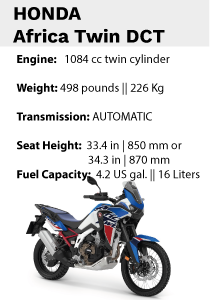
| Honda Africa Twin DCT 2 AC
| $6,330 |
| Passenger Sharing Room
If you will be riding with a passenger, (pillion) who will share your double room (1 or 2 beds), add this price. | $2,150
If you will be riding with a passenger, (pillion) who will share your double room (1 or 2 beds), add this price. |
| 2 Vehicles Sharing Room
If you are traveling with someone who will be riding a separate motorcycle and sharing your room (1 or 2 beds), take 10% off the price of each bike! | 10% Discount
If you are traveling with someone who will be riding a separate motorcycle and sharing your room (1 or 2 beds), take 10% off the price of each bike! |
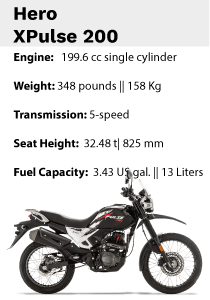
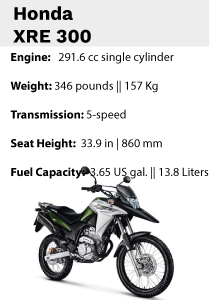
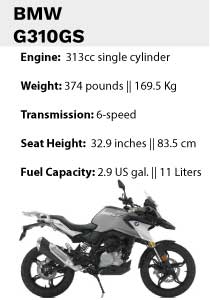
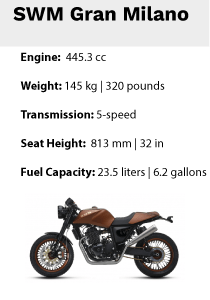
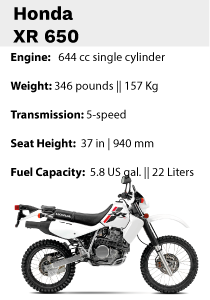
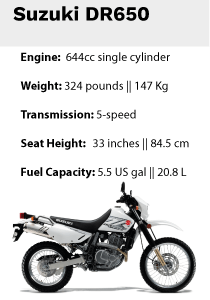
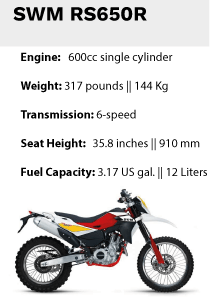
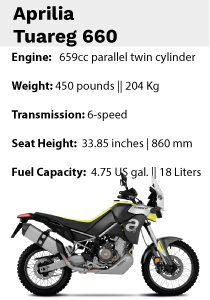
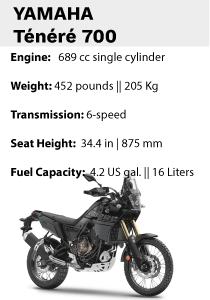
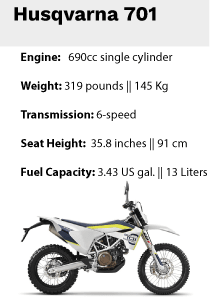
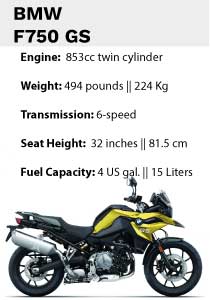
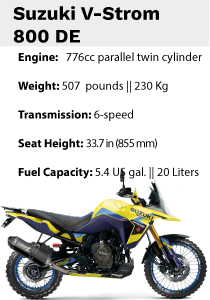
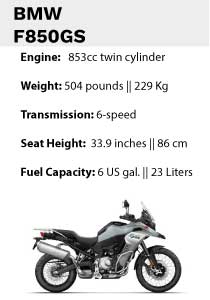
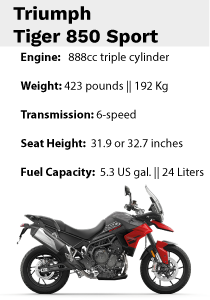
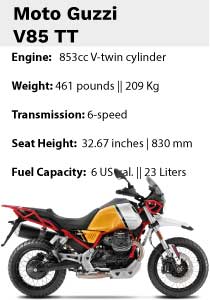
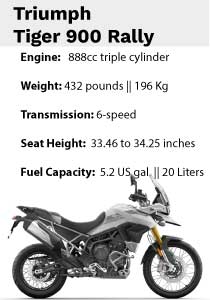
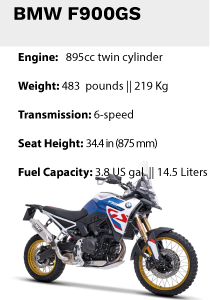
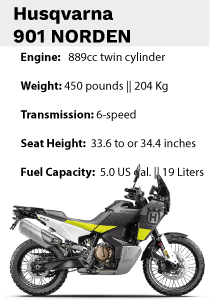
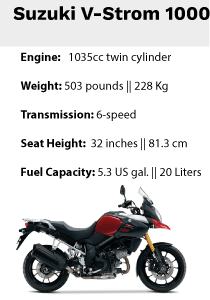
* Bikes marked with an asterisk are not configured to take a passenger.
All prices are in United States Dollars (USD) - the official currency of the Republic of Ecuador.
Featured in:

ITINERARY
Elevation Profile - Day 1

 You’ll begin your tour from our shop in Quito, Ecuador - 2850 meters (almost 2 miles above sea level) in the Andes Mountains, on the Equator, in South America. Quito was declared a World Heritage Site by UNESCO in the 1970s for having the best-preserved and least altered historic center in all of Latin America. We suggest you arrive a day or two early to experience this amazing town and get used to the altitude before your ride. We will provide you with tickets to ride the double-decker hop-on / hop-off bus to see the sights. Quito was the second capital of the Inca Empire after Cusco, Peru.
On the morning of the tour departure, you’ll be outfitted with the motorcycle of your choice and given a thoughtful presentation that will answer all your questions concerning local customs, rules of the road, riding signals, etc.
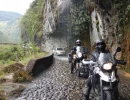
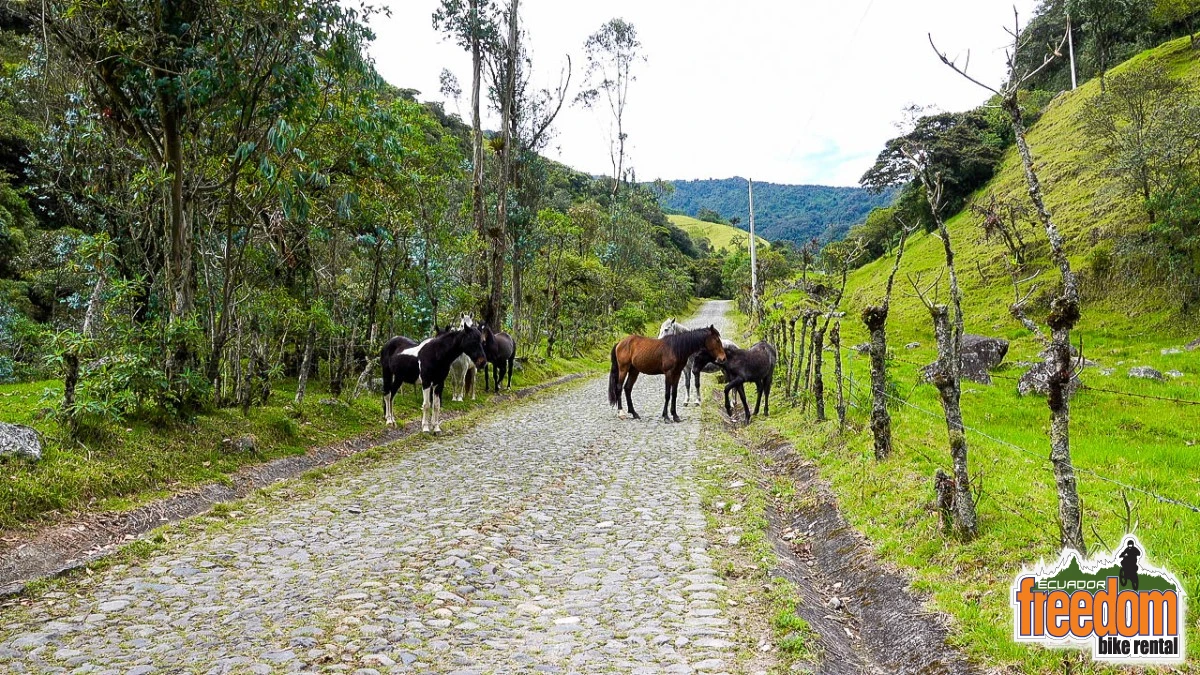
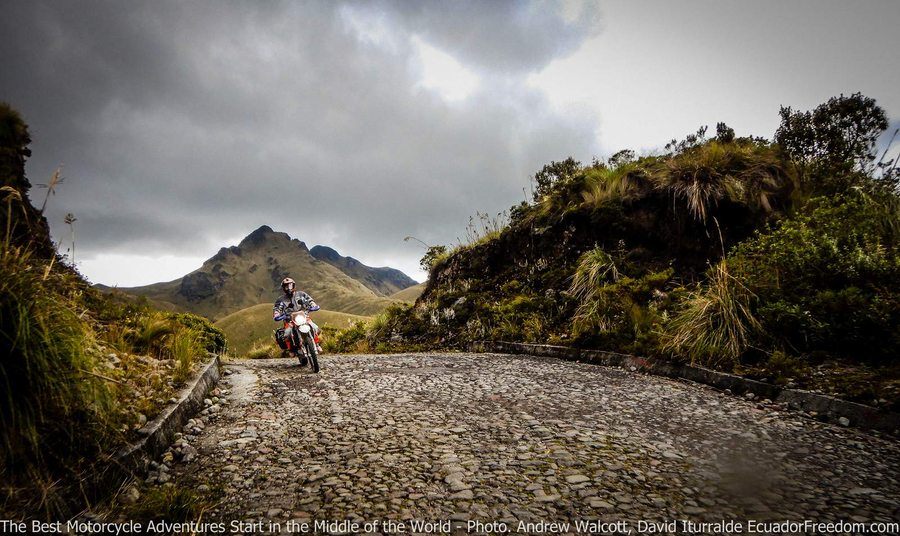
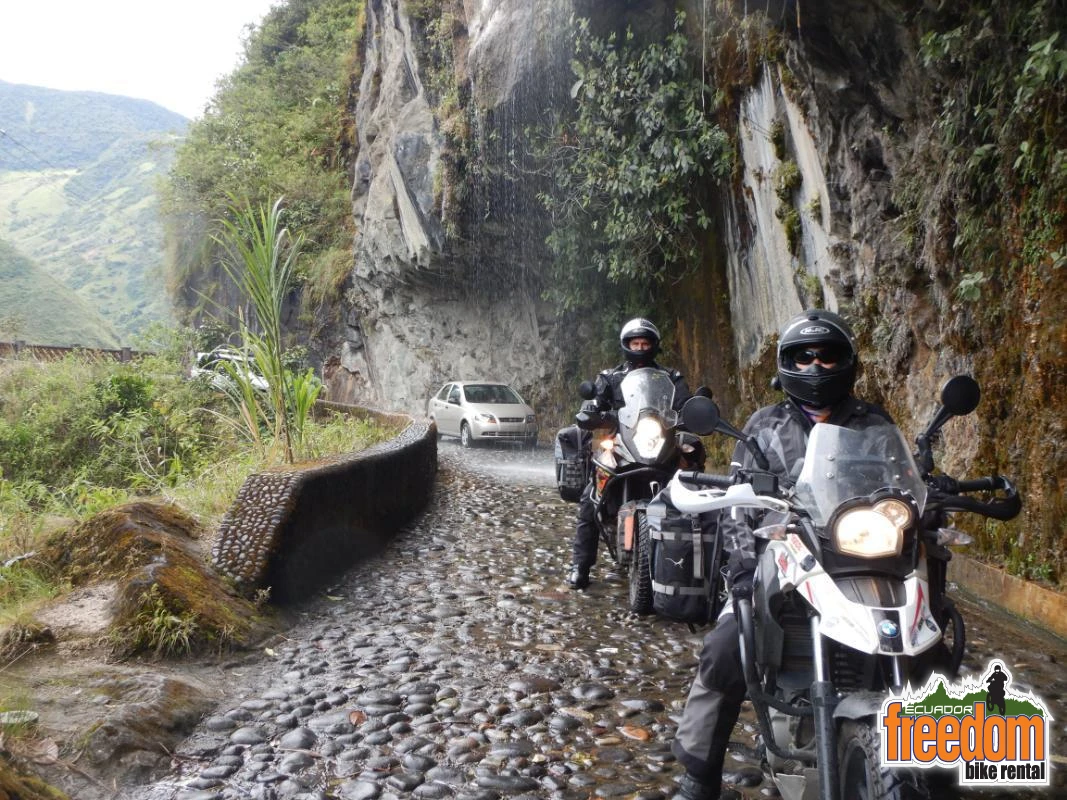
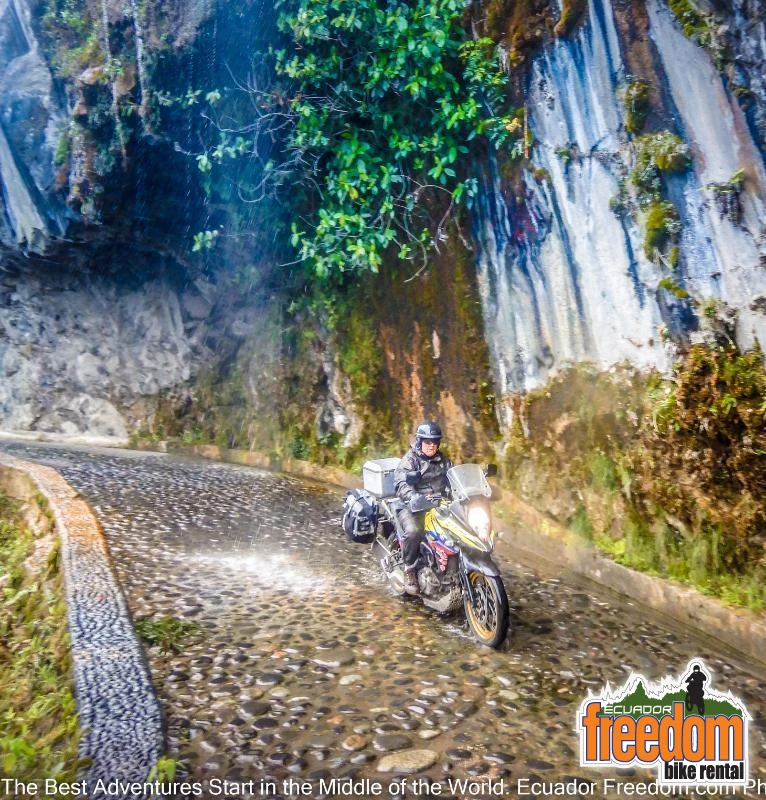
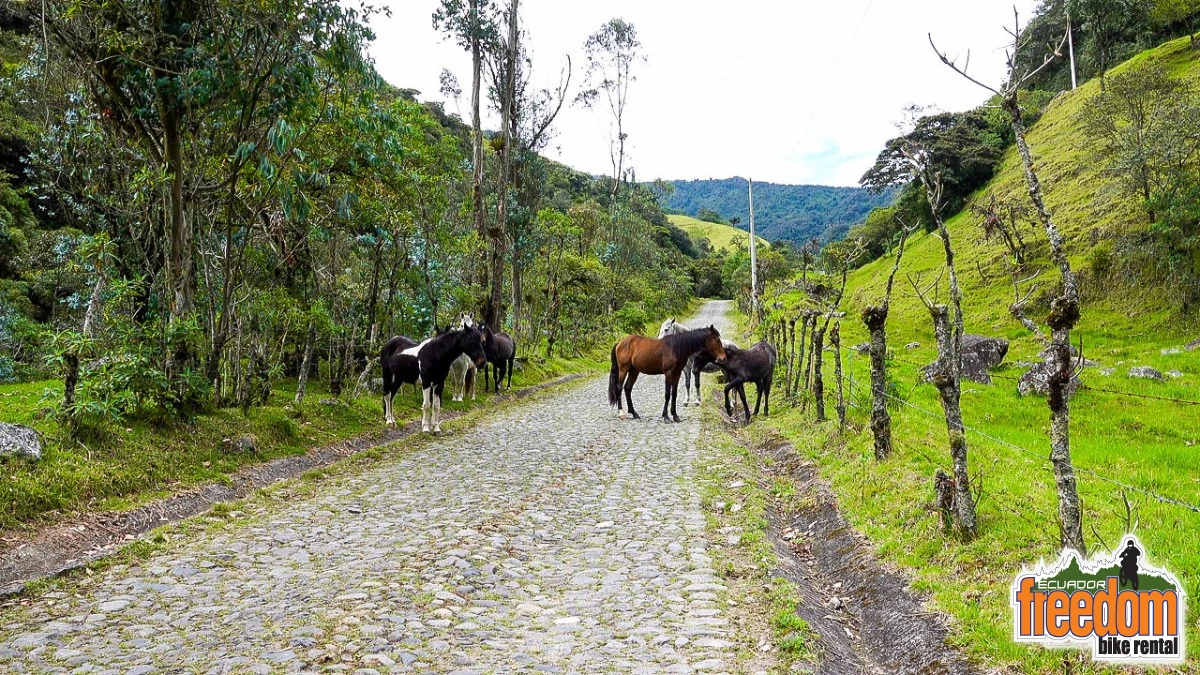
The first day's ride is intended to give you a sampling of the different types of roads we will be riding. We will have a chance to ride on asphalt and just a few miles of ancient Incan cobblestone roads. The uneven roads are not to challenge you or to push you beyond your limits - it's so we may determine your riding level and so that you become accustomed to your motorcycle quickly.
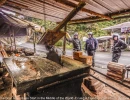
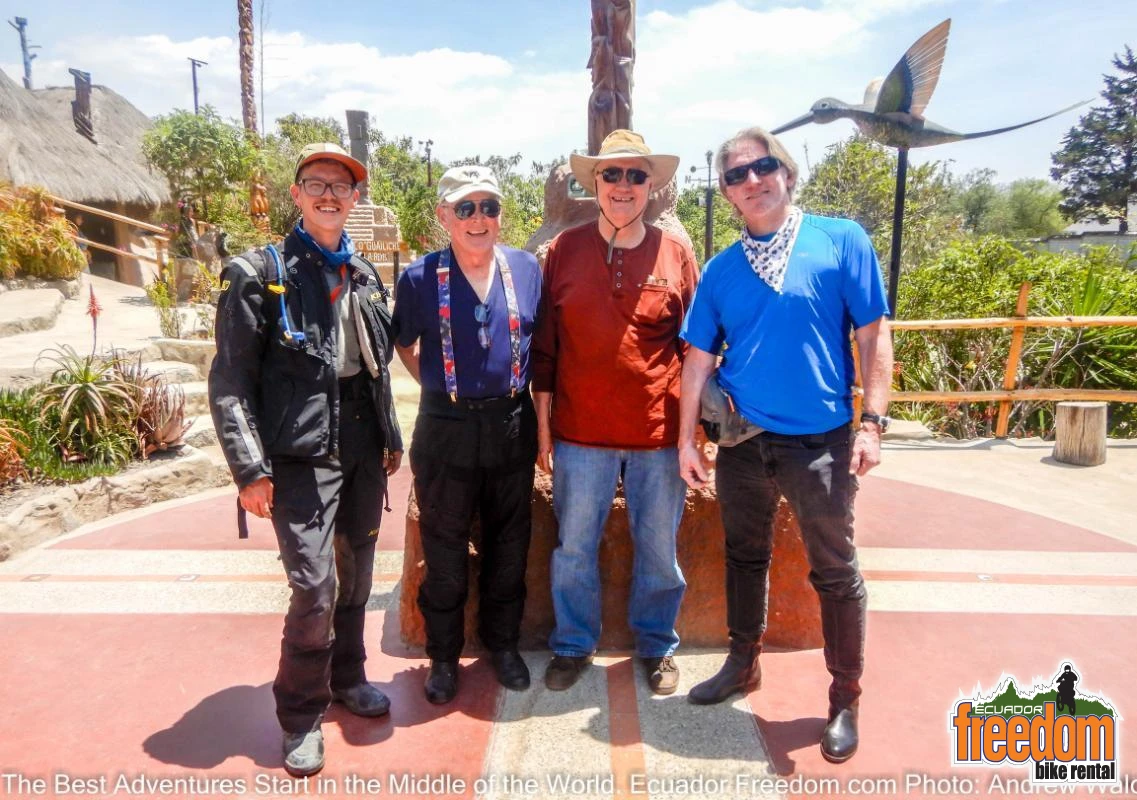
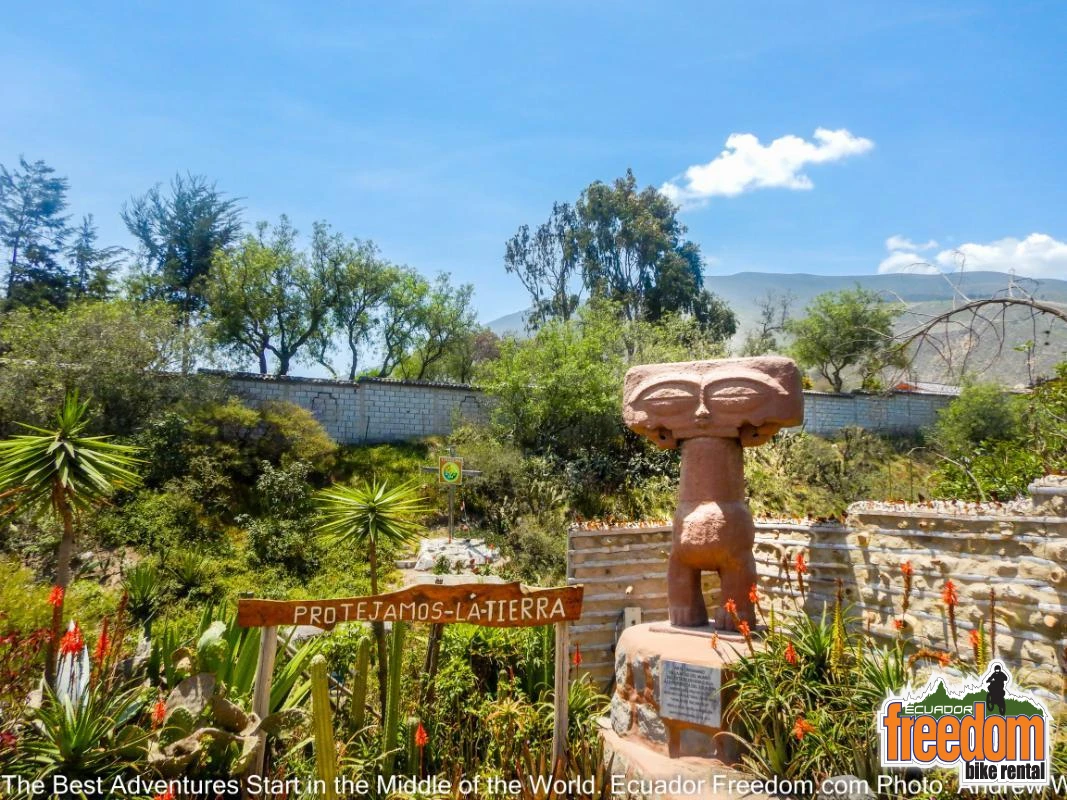
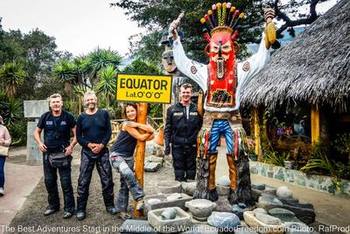
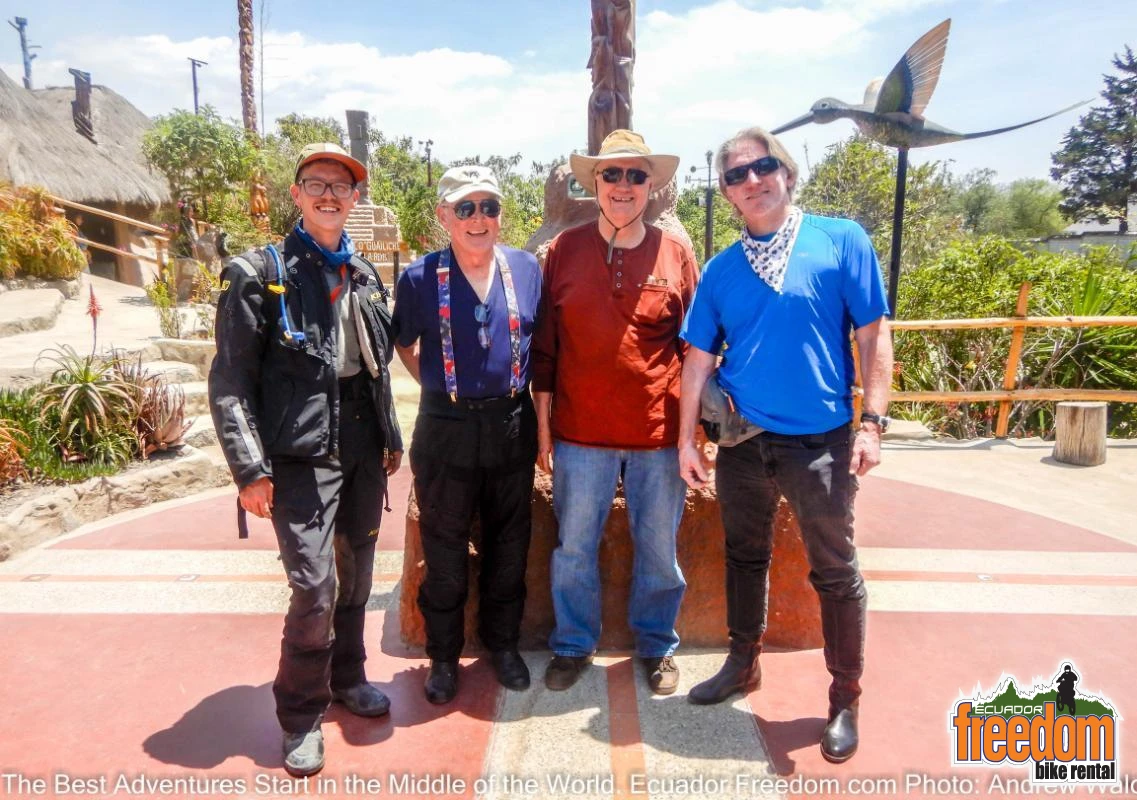
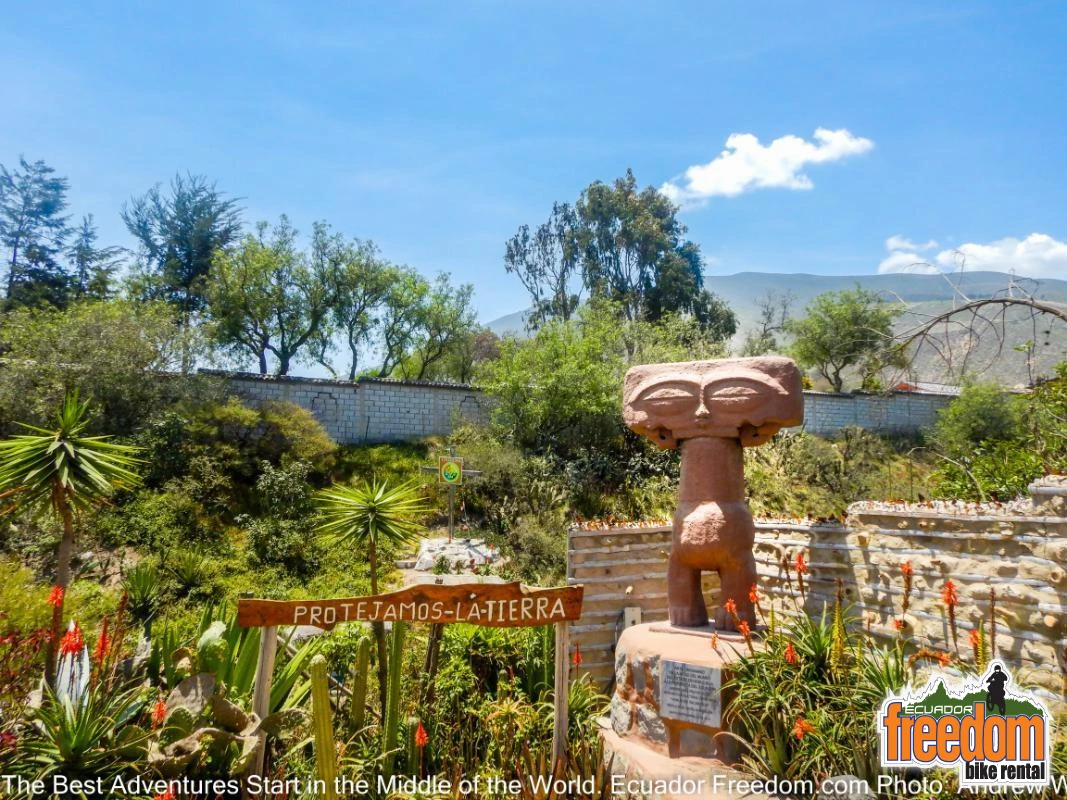
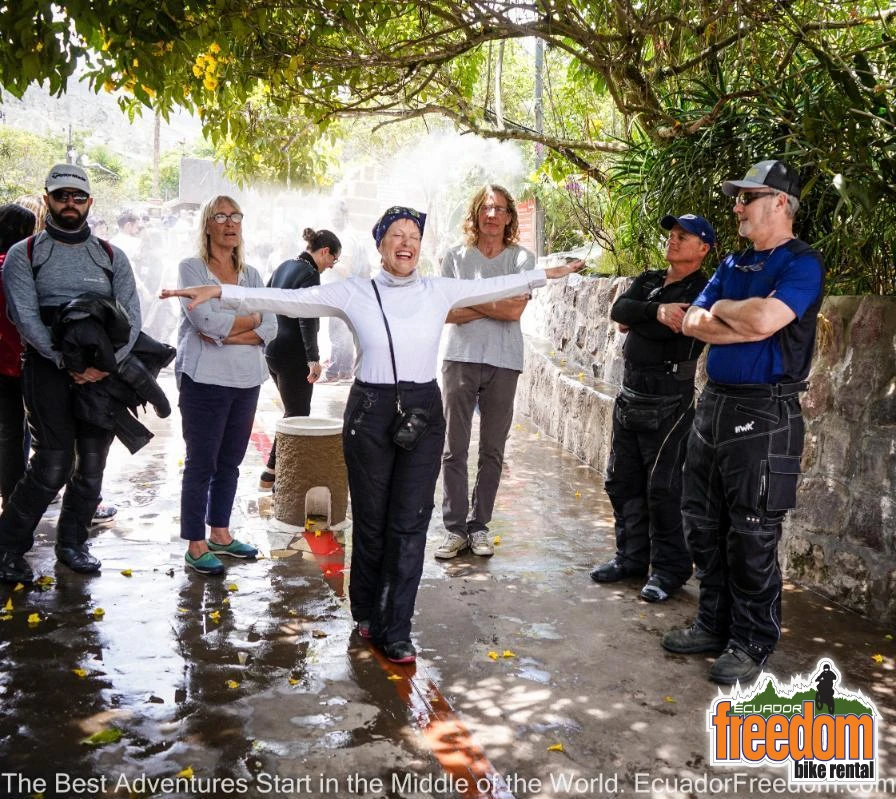
 Our first stop will be in the middle of the world. The Inti-ñan museum is situated right on the Equator. Inti-ñan means "path of the sun" in Quechua, a native language of Ecuador. We will take a tour of this magical site, a place that the indigenous peoples have revered for thousands of years. We will learn how the ancient people came to understand that this was the center of the world, centuries before "modern" geography or GPS devices. We will play with gravity here and perform some experiments to learn about the Coriolis effect caused by the Earth's rotation. We will also get to know how the indigenous populations of Ecuador live and visit some typical homes. This tour will give excellent background information on Ecuador so that you will better understand the cultures as we pass through various regions of Ecuador over the next ten days.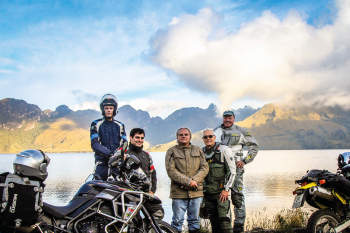
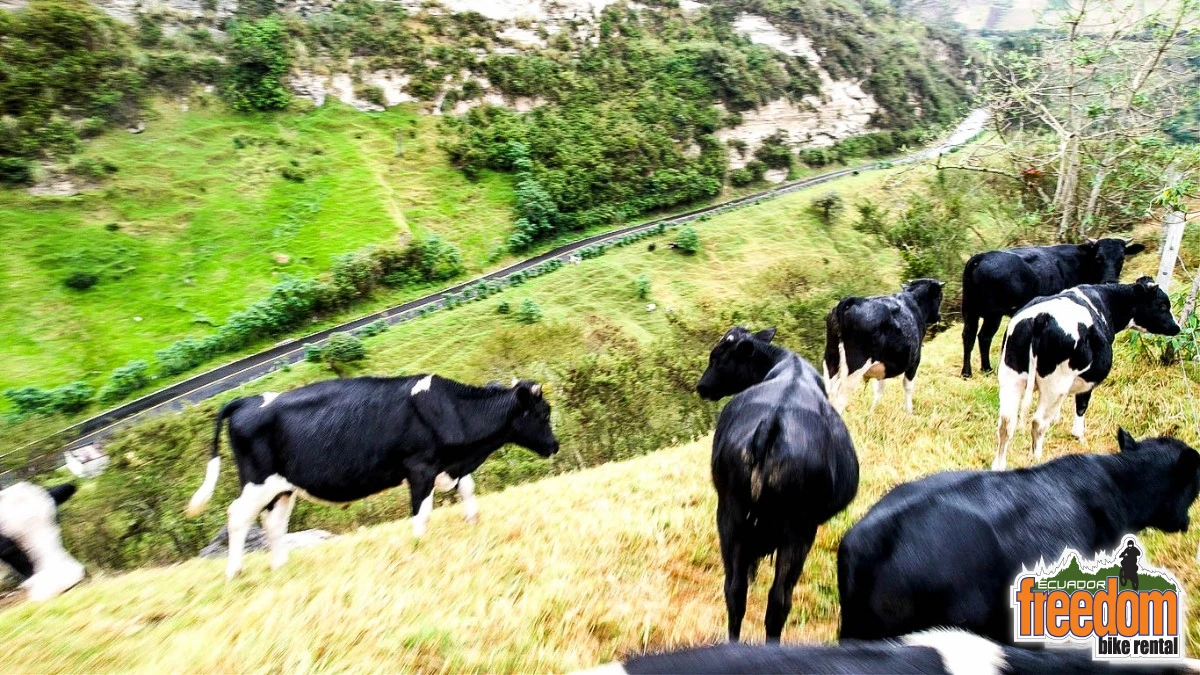
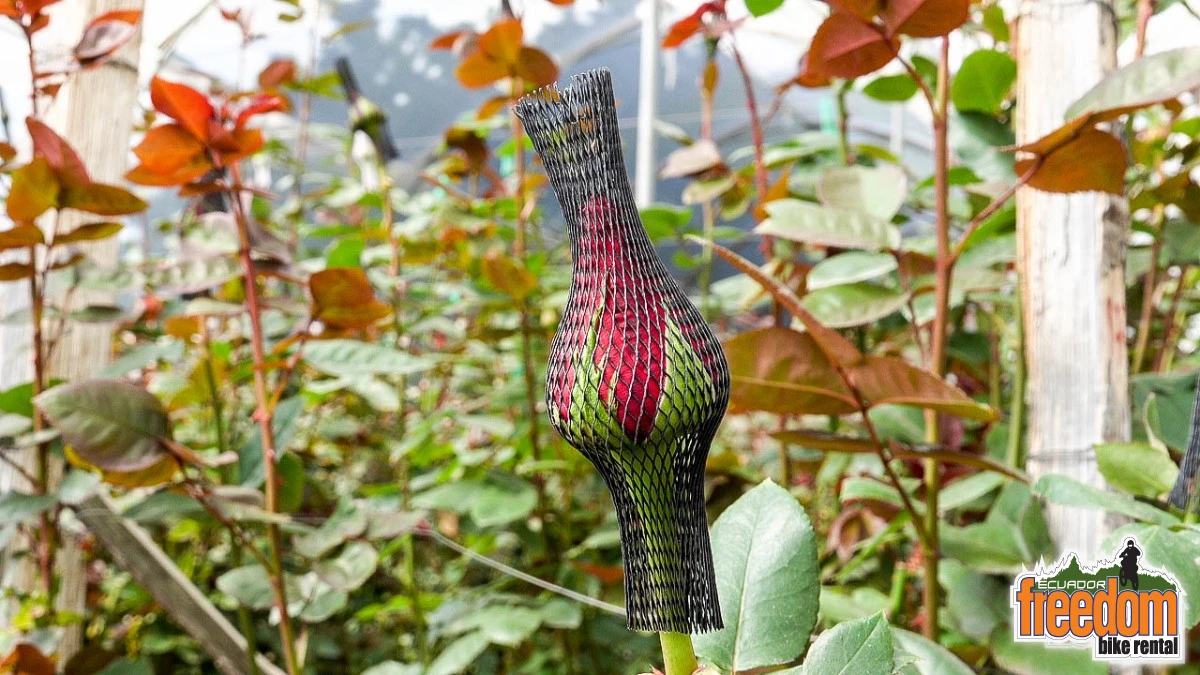
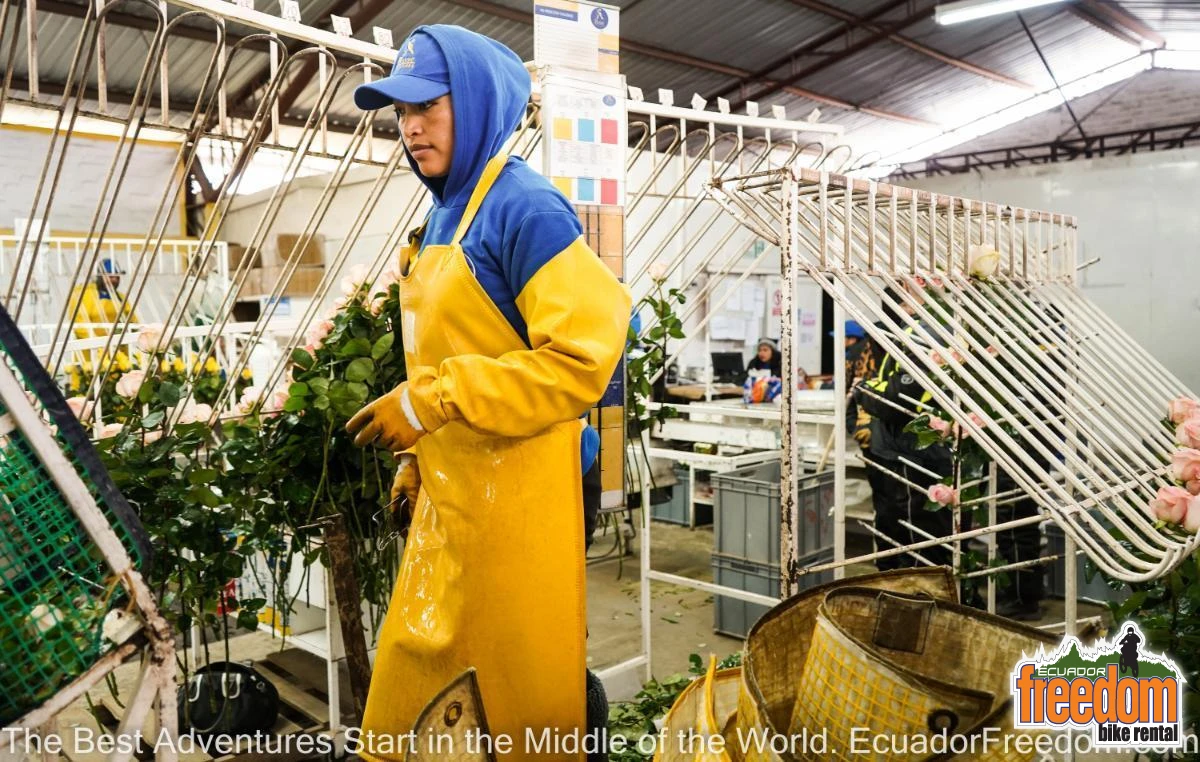
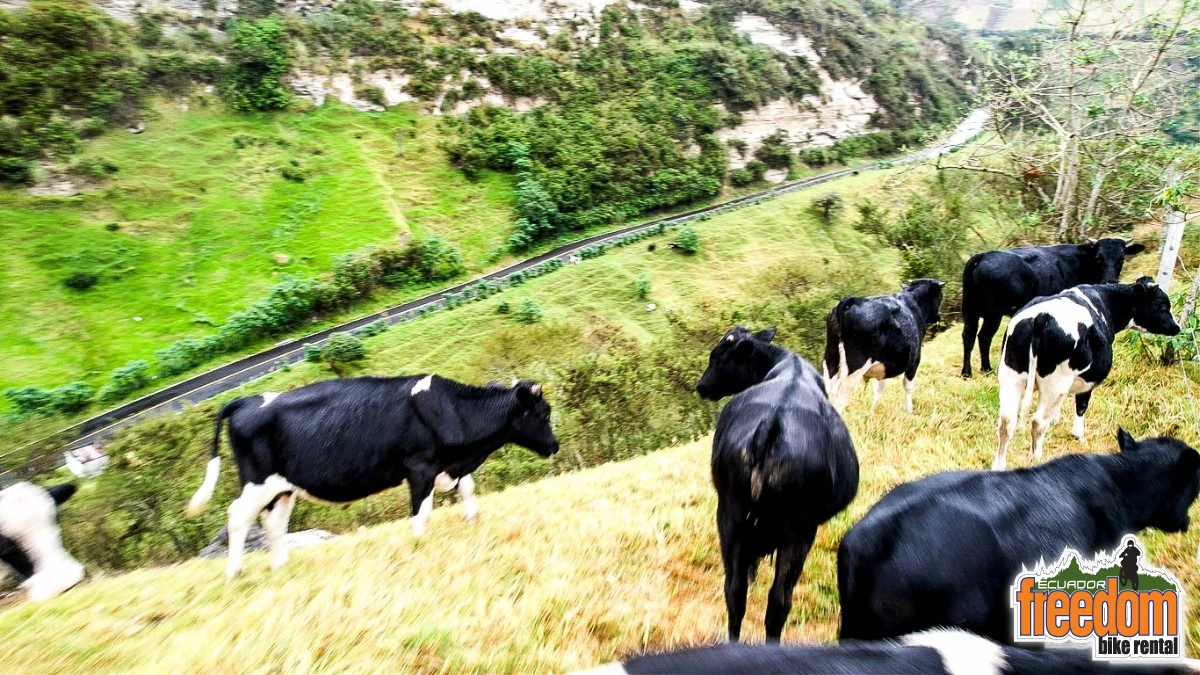
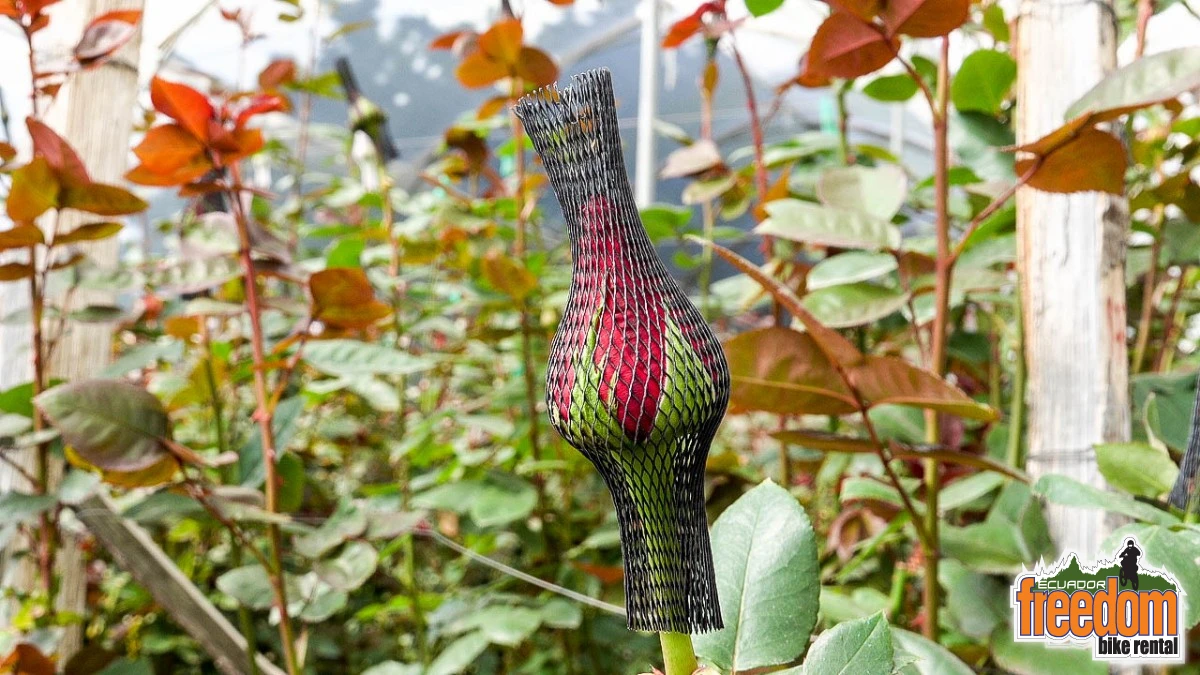
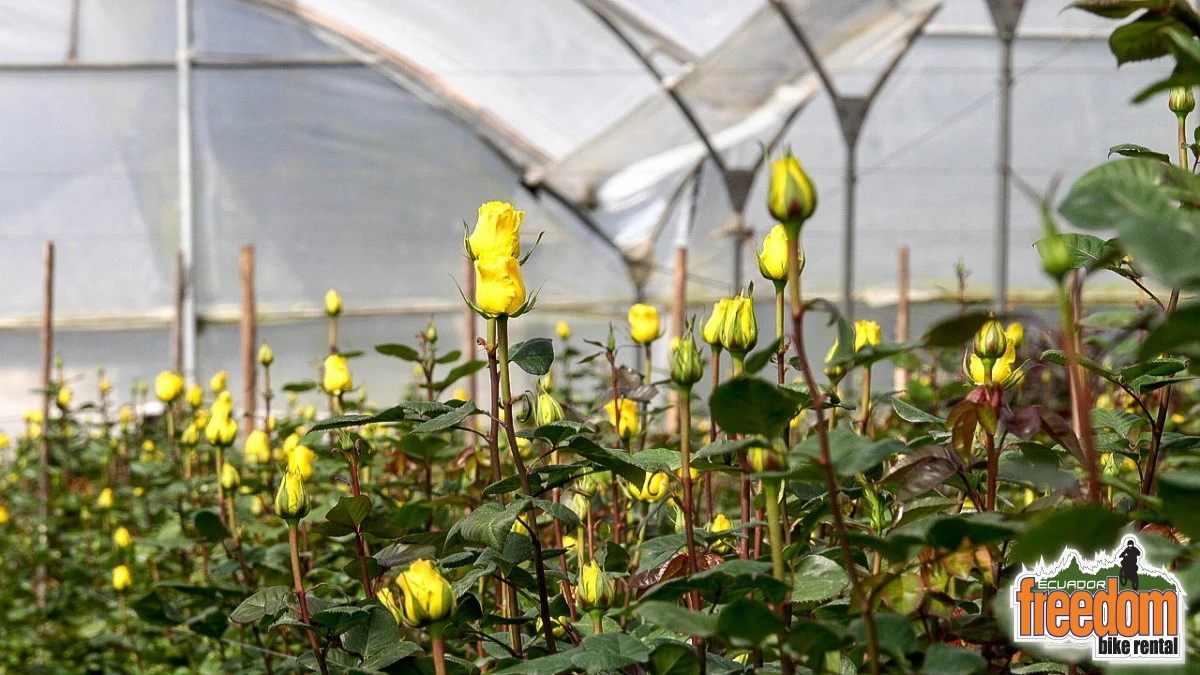
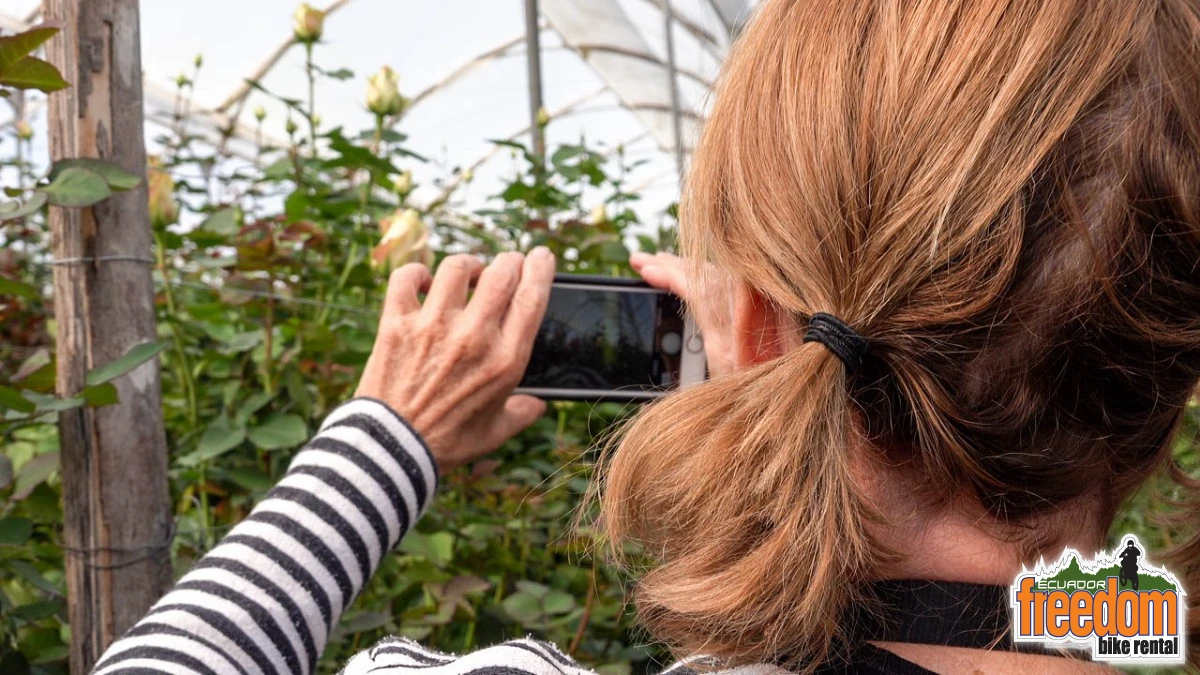
After the visit to the Inti-ñan museum, we will be riding in the Northern Hemisphere. We will first pass through a desert canyon that will bring us into a deep gorge. We will then ride out of the canyon into a lush green patchwork of fields of vegetables, roses, and dairy cattle. We'll stop in the charming little town of San José de Minas with its beautiful stone church and well-manicured central park. This abrupt change will be your first taste of the remarkable diversity of terrains and climates that you will experience on this ride.
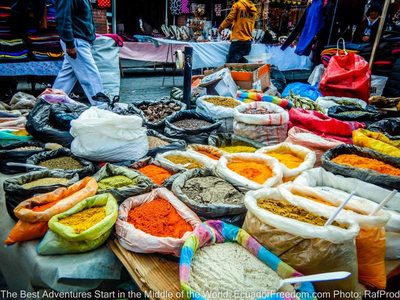 From San José de Minas, we will climb in altitude on back roads giving us grand vistas of the serene farmlands and forests below. We will experience great aromas as we pass through eucalyptus and pine forests.
We will stop to add a layer of clothing as we ride up to a height of over 12,000 feet (3714 meters) to view the majestic Mojanda Lake surrounded by the Fuya-Fuya volcano, which guards the lake. This will be the first time we will be in the high-altitude paramo climate.
From there, we will ride down through the colonial city of Otavalo, famous for its expansive indigenous market. 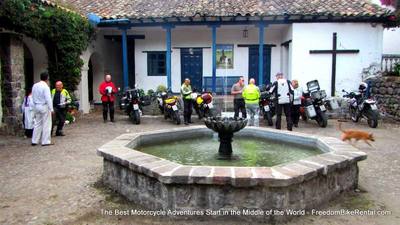
We will finish today's ride enjoying the local music and delicious local fare at the 300-year-old Hacienda Pinsaqui - one of the oldest haciendas in Ecuador and famous as the site of the Pinsaqui Treaty, which brought lasting peace with neighboring Colombia.
Elevation Profile - Day 2
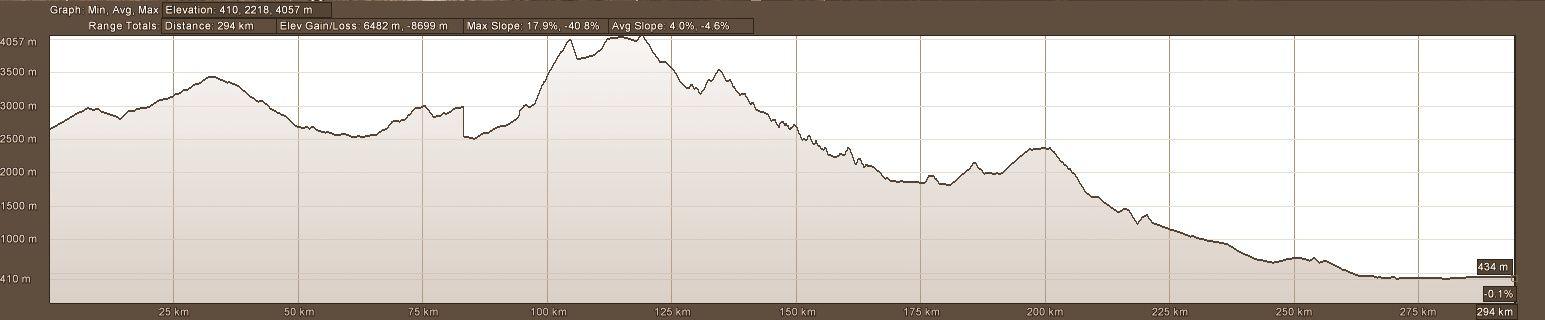
Otavalo - Papallacta - Baeza - Puerto Misahualli
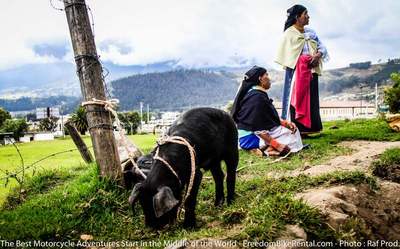 After a hearty breakfast of fresh juices, freshly baked loaves of bread, and eggs, we'll start the day by riding to the indigenous market in Otavalo. For hundreds of years, the indigenous people have brought their animals, crafts, and produce down from the surrounding hills to sell in the market here. Don't worry - this market has very little to do with typical knick-knacks and tourist dollars. This market is the real thing! We'll witness the frenzy of the animal market - one of the most authentic experiences you'll find anywhere. We'll also have time to explore the Plaza de Los Ponchos- a maze of hanging tapestries, weavings, and handmade garments. A second animal section of the market deals with fowl, cuyes (guinea pigs), rabbits, puppies, and kittens.
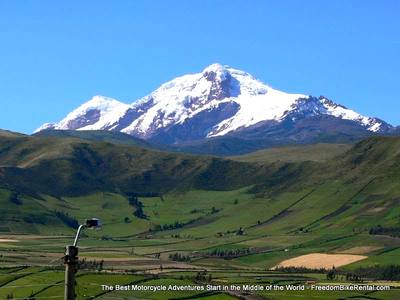
We'll head down the Panamericana Highway from Otavalo, rolling past rural green dairy farms and through dense forests. We'll stop to meet a traditional saddlemaker who hand makes leather saddles in the traditional way for customers around the world. Ahead of us, we will catch a glimpse of the Volcan Cayambe, the highest point in the world on the equator and the only place where the line between the hemispheres crosses snow. We'll ride across the equator once again and continue our ride in the southern hemisphere, passing warm valleys bursting with orchards and rose plantations.
 We'll turn east off the Panamericana and stop to add a layer of clothes. We'll be riding steeply up to the Papallacta Pass at 4064 meters (13,350 feet). From here, we'll cross the Paramo de Papallacta grasslands and view the high altitude trout paradise, Lake Campucocha. Here, we have passed the continental divide, and now we'll start descending onto the Eastern Slopes. Grandiose waterfalls of several hundred feet tower over the road in several spots and will inspire pure awe. We'll see the four peaks of the Antisana Volcano peep through the clouds to the south as the air begins to warm and the humidity begins to rise.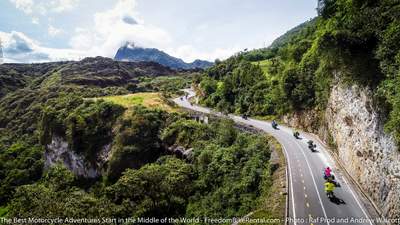
Once we reach the cloudforest town of Baeza, rolling pastoral landscapes take over, which are banked by steep hillsides. The road becomes a series of twisty curves that float above the roaring Papallacta river - whose waters are heading briskly to the Amazon, just like us.
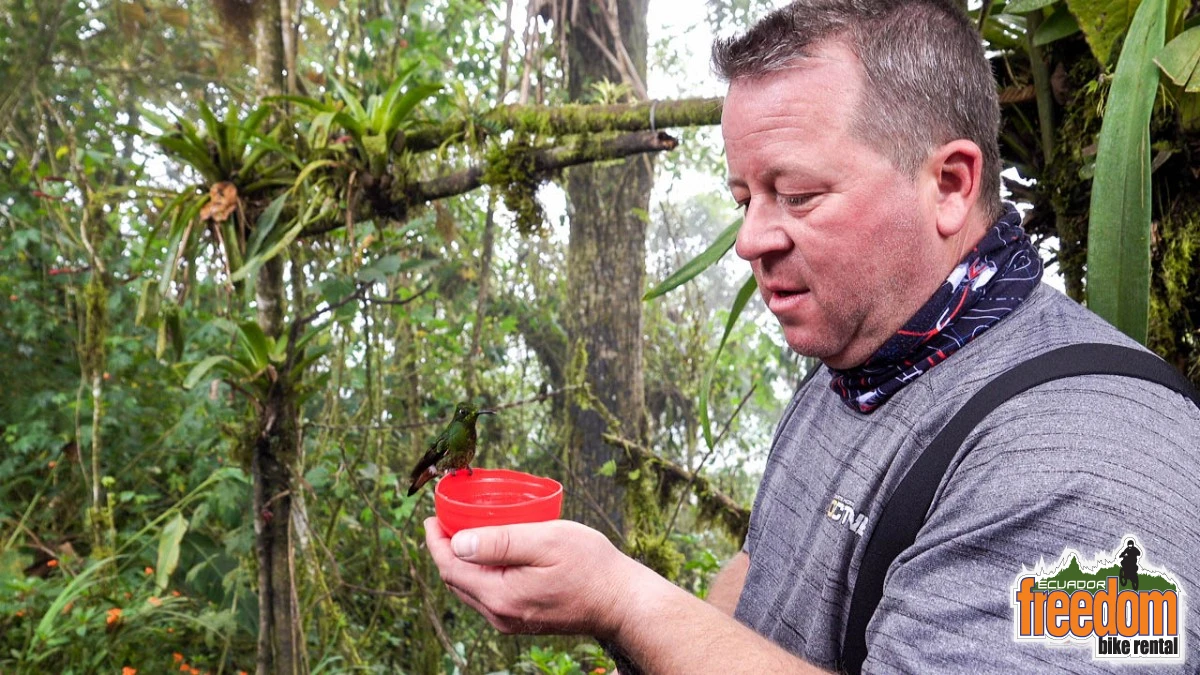
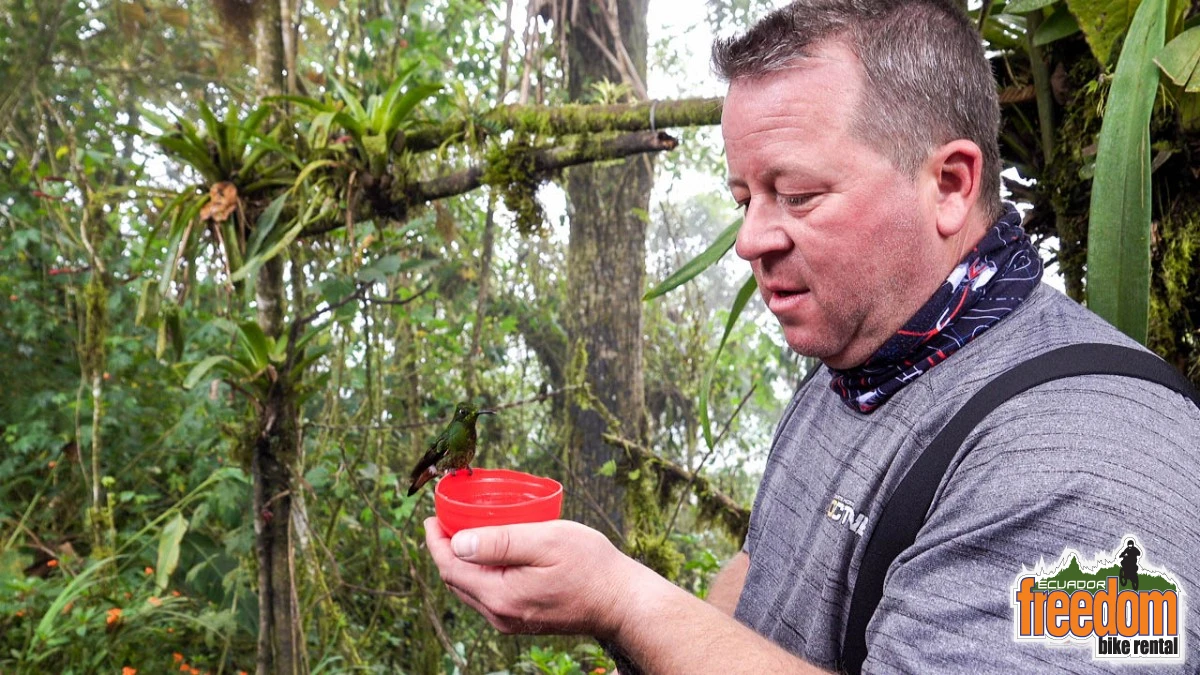
We will come down through the foothills of the Andes, and the road drops again in elevation. The vegetation gets thicker and greener while the air becomes more substantial with occasional wisps of steam. We're now in the Amazon basin, and an area is specifically known for its abundant condors and rare birds, such as the black-billed mountain toucan.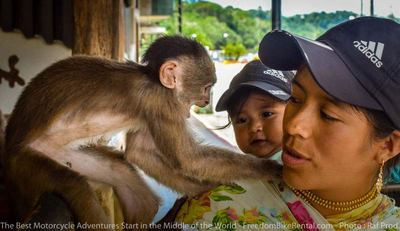
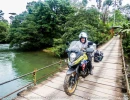
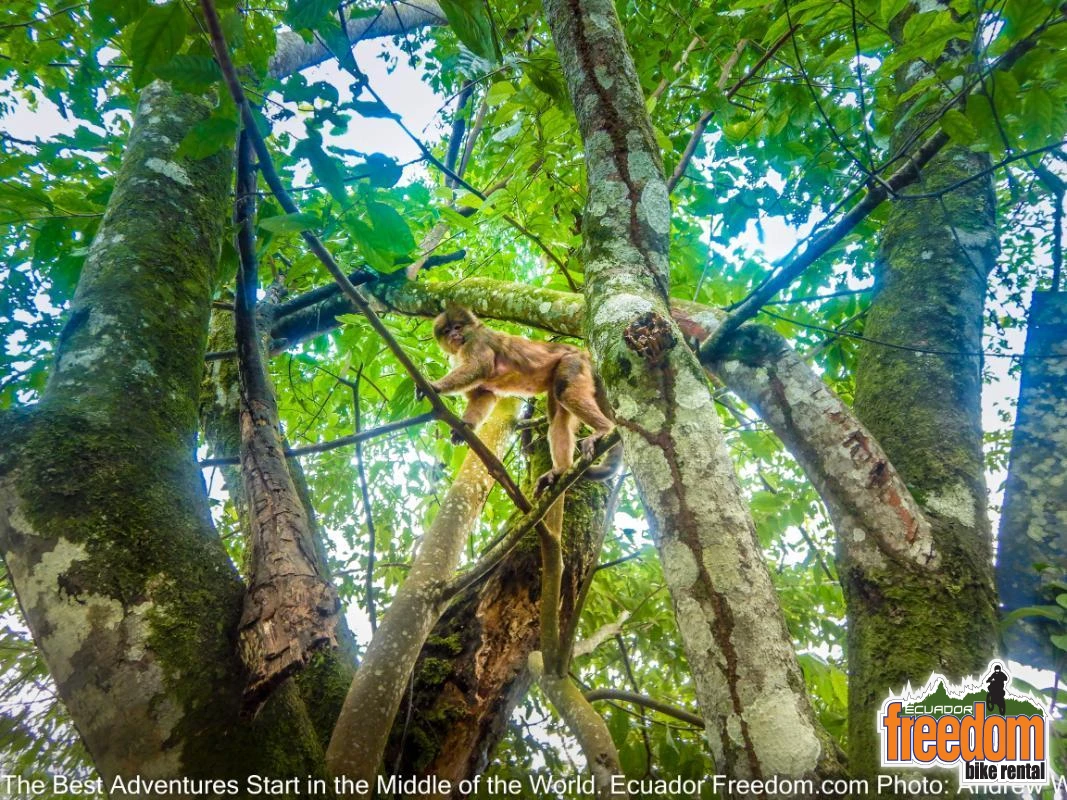
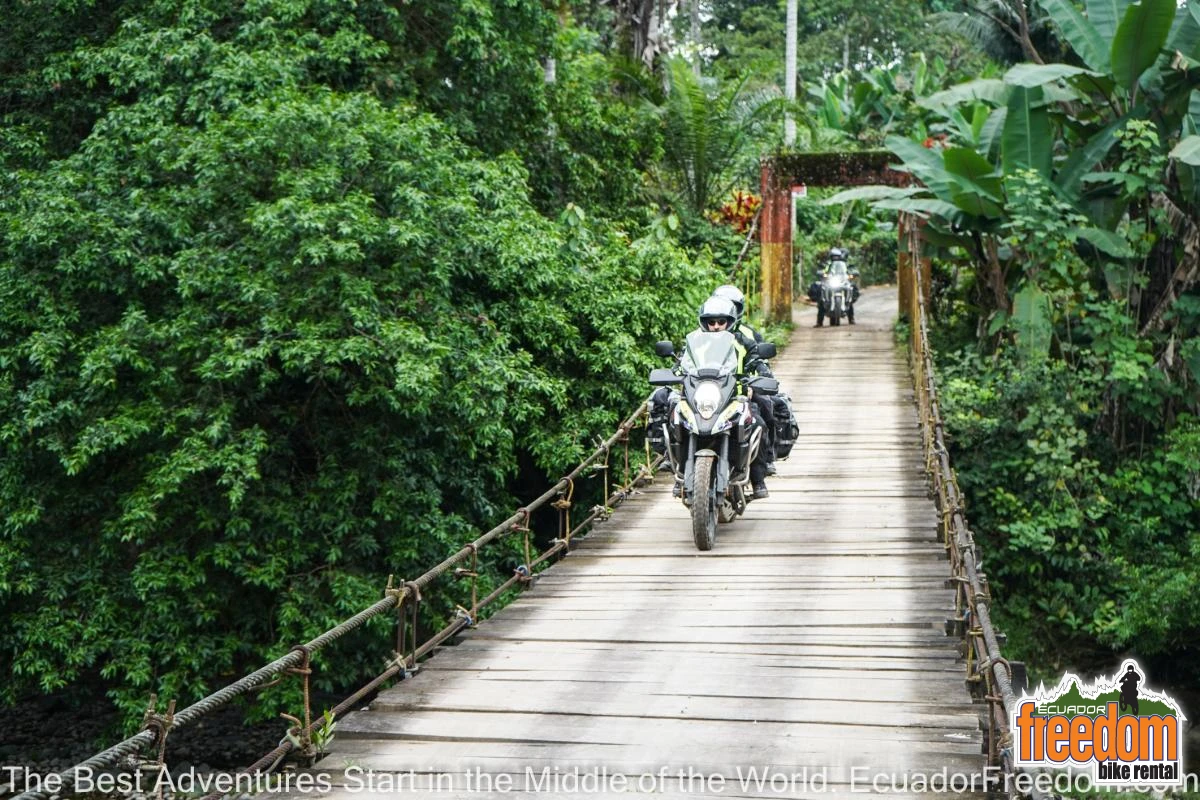
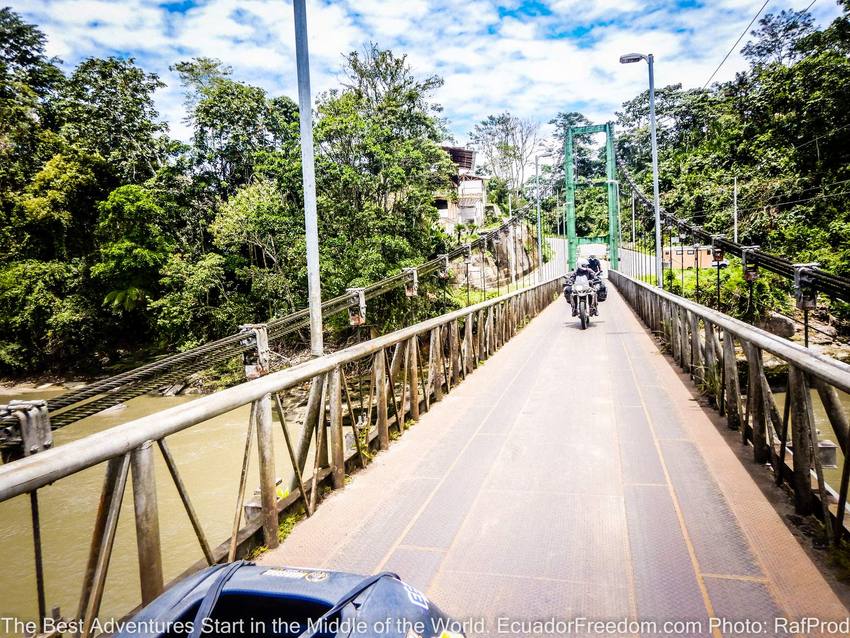
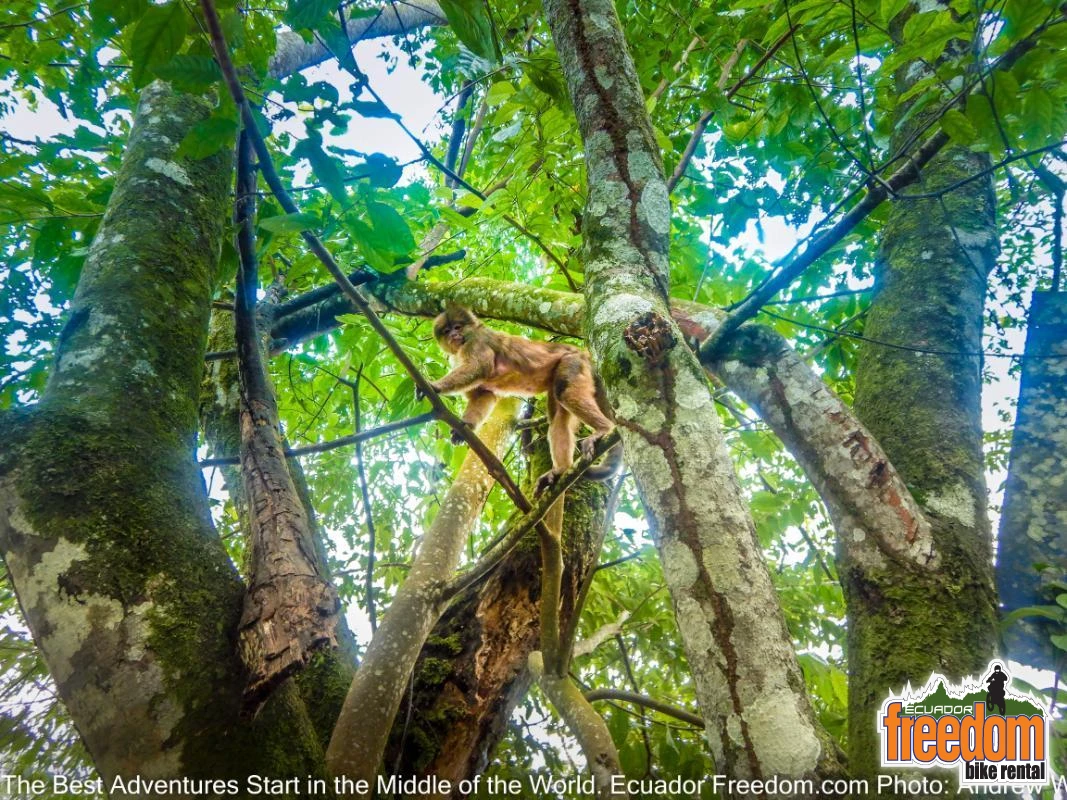
Further along, we'll pass through the whitewater kayaking capital of Tena and cross a narrow bridge at Puerto Napo. We'll follow the Rio Napoeastward and stop in the town of Puerto Misahualli. This jungle town is the western-most navigable port in the Amazon network of rivers. The Amazonian culture and way of life begin here. Life is centered on the river, and long canoes take the locals to hunt, fish, and pan for gold along the river. In town, a mischievous population of monkeys.
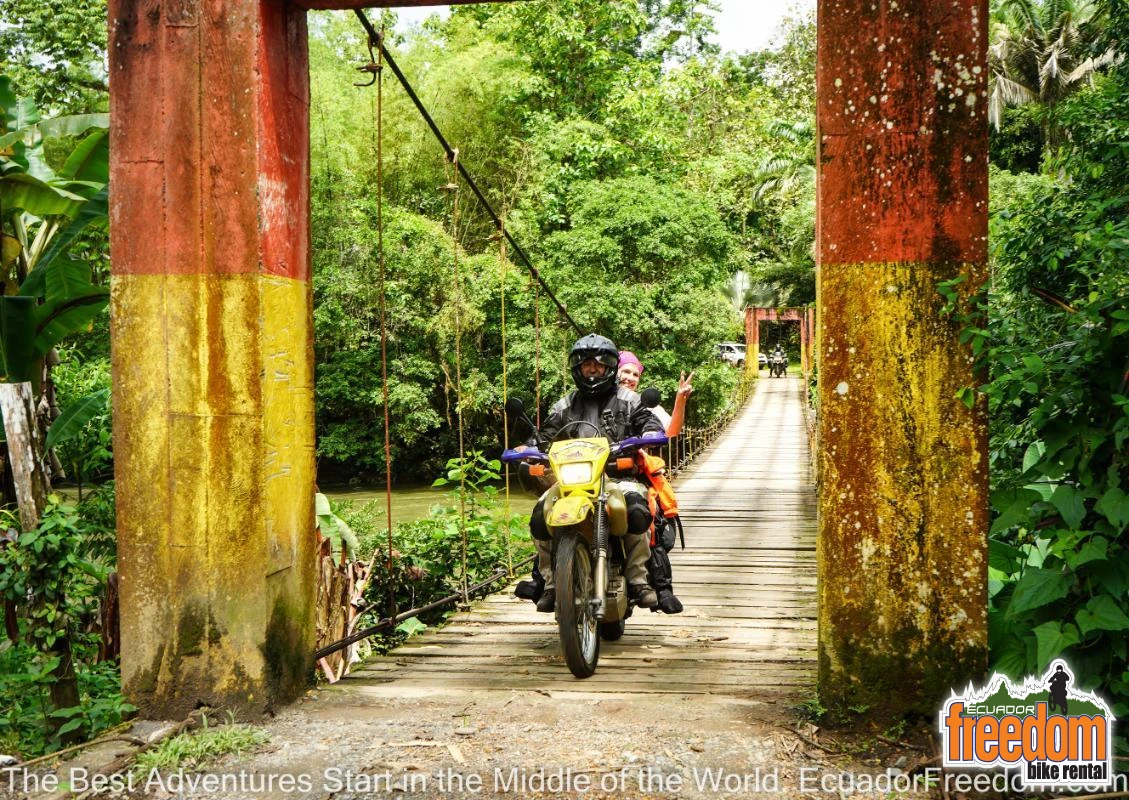
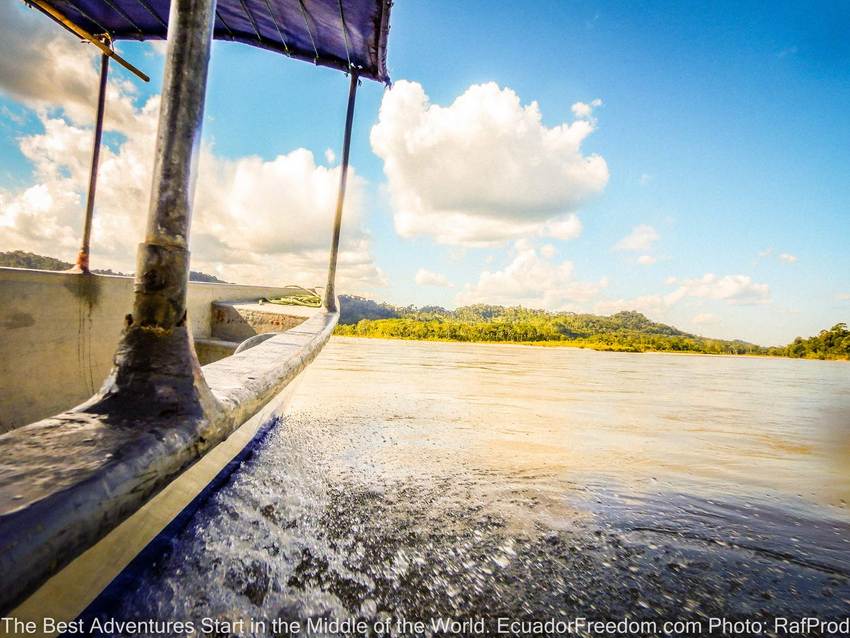
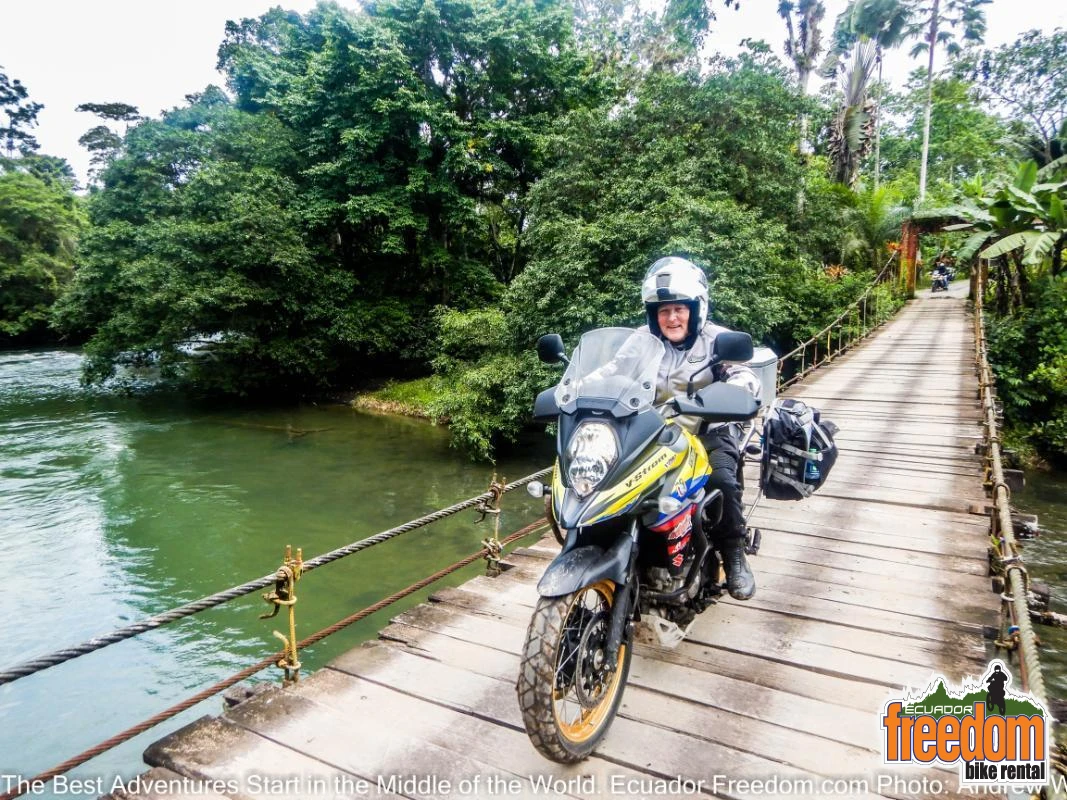
 You will get onto a road that follows the Napo River and goes even deeper into the Amazon jungle. The Napo River is the fifth widest tributary to the Amazon River.
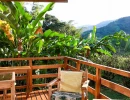
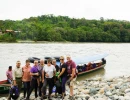
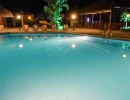
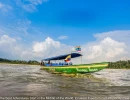
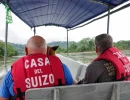
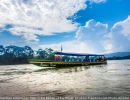
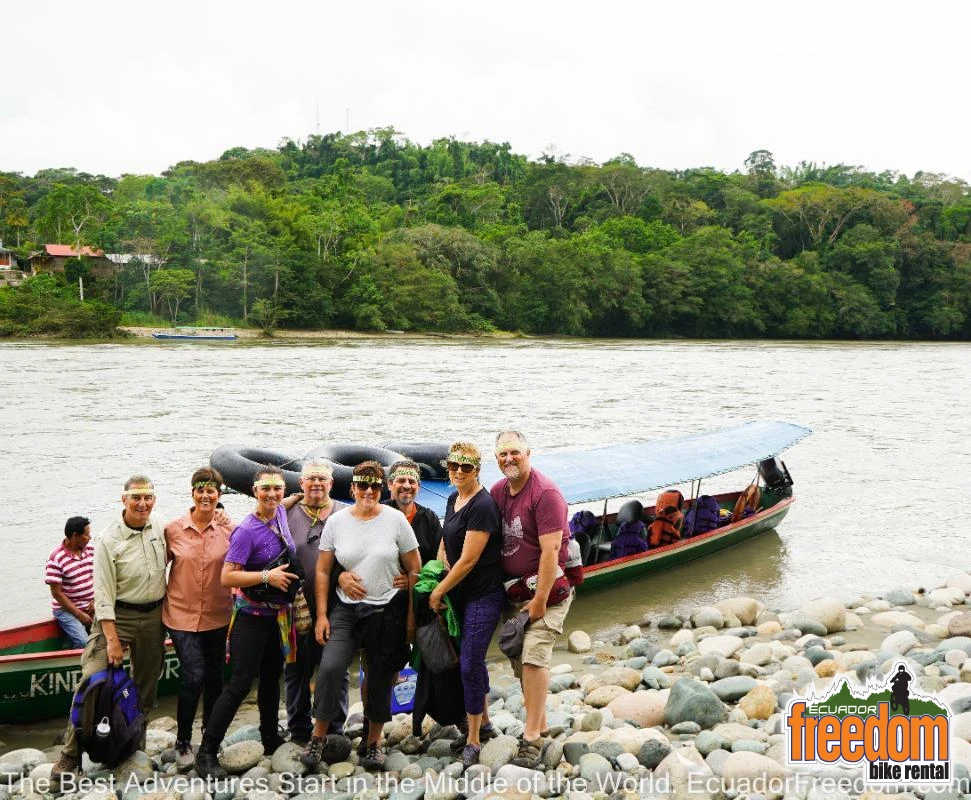
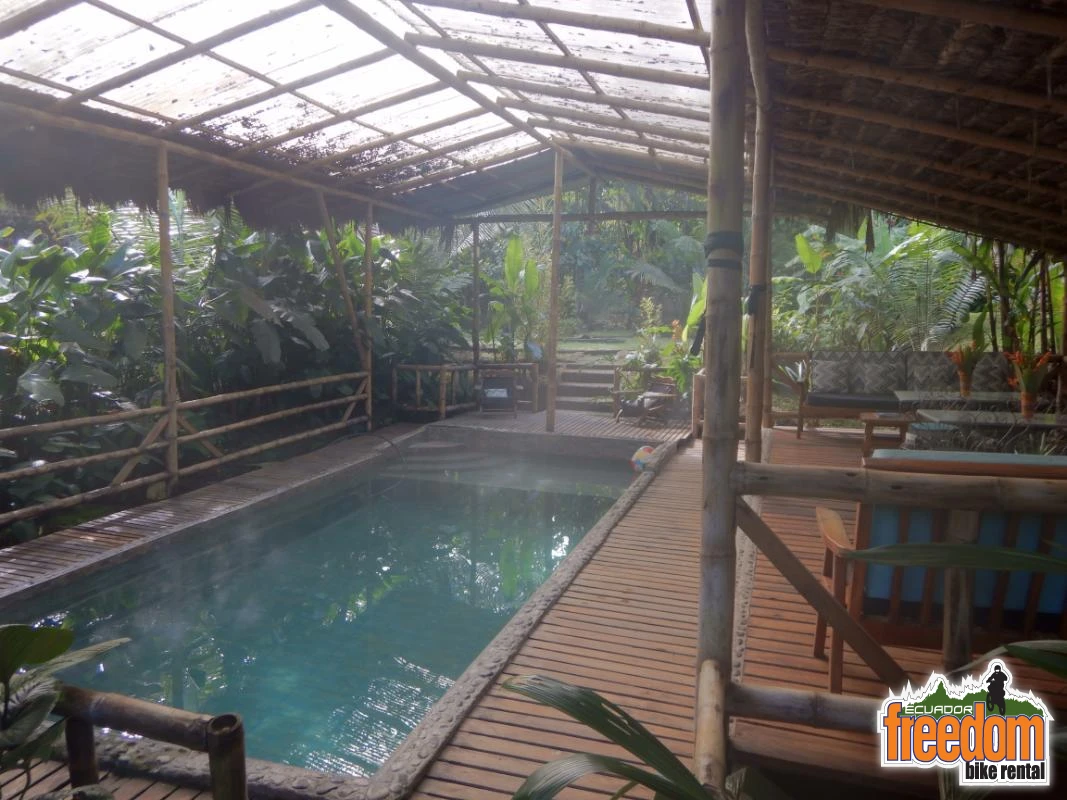
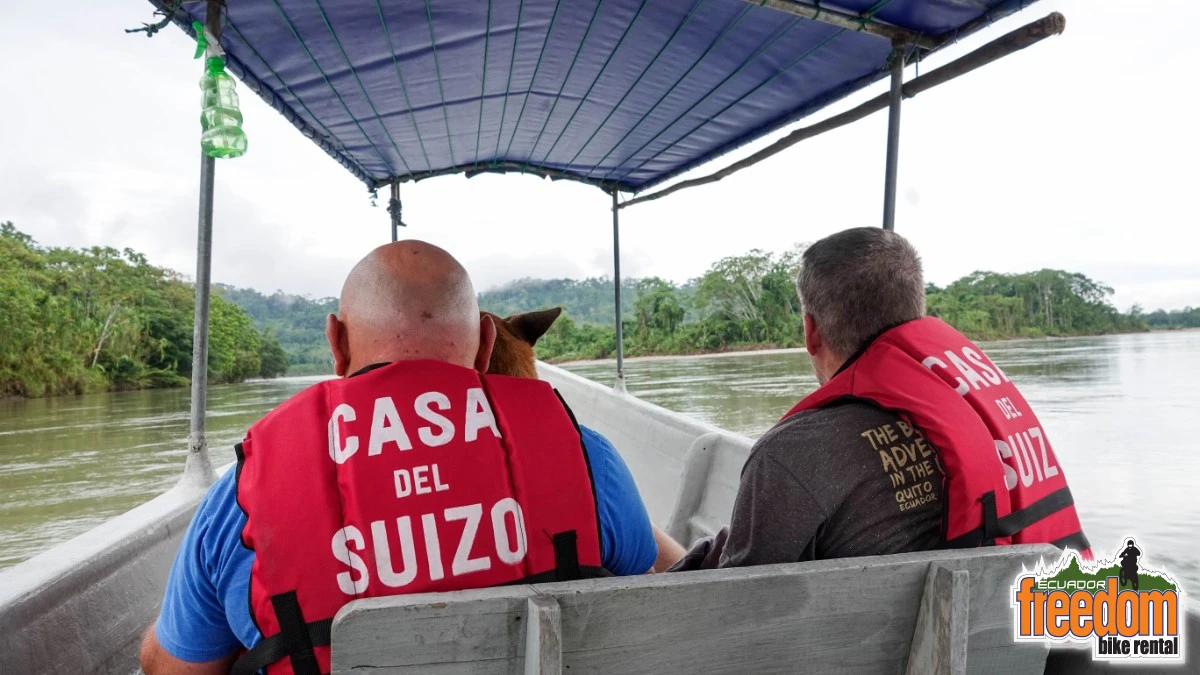
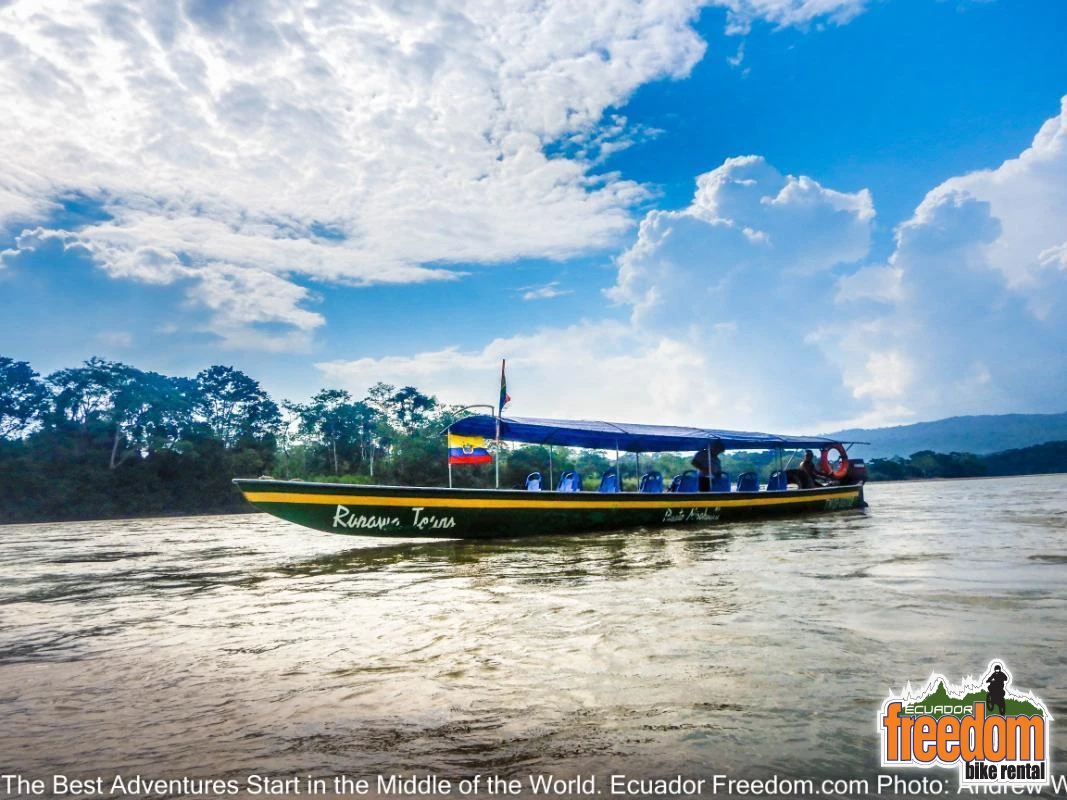
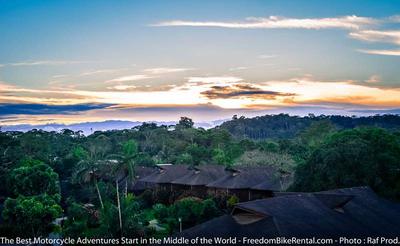
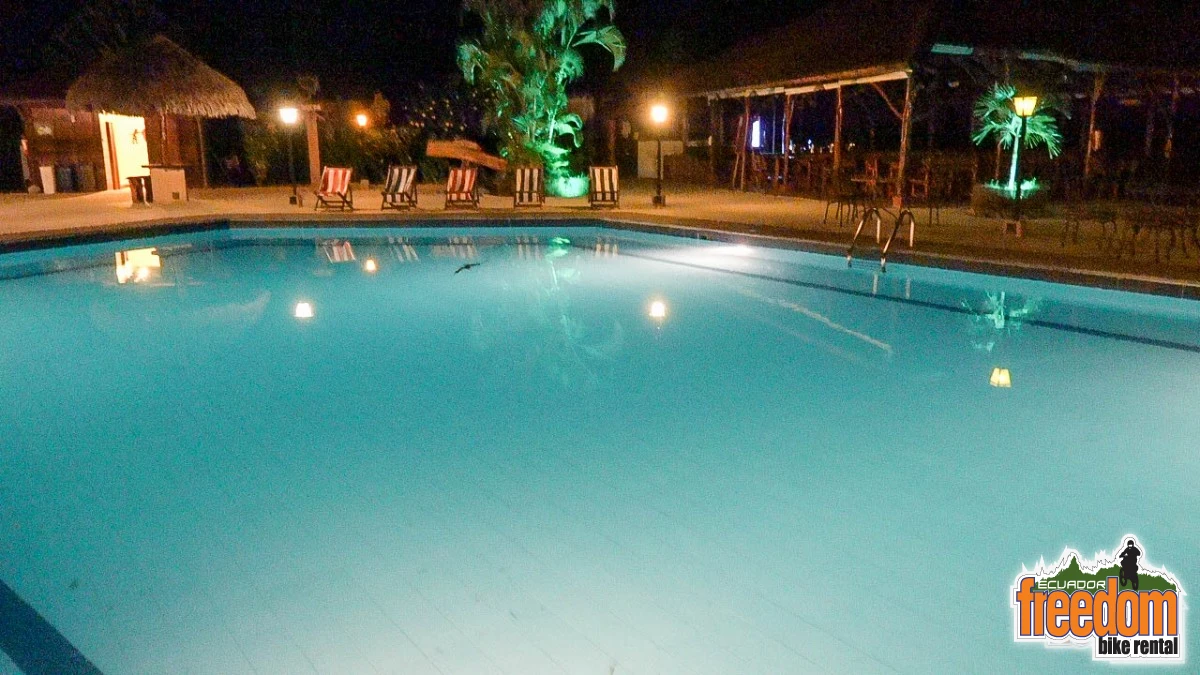
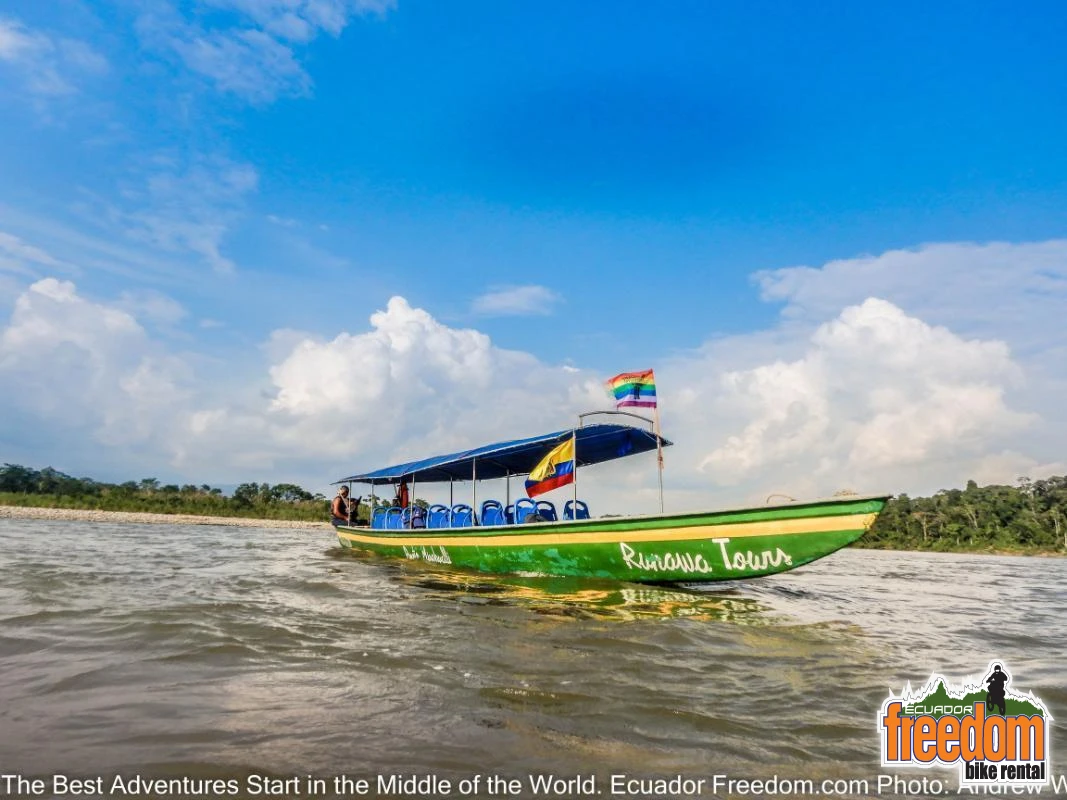
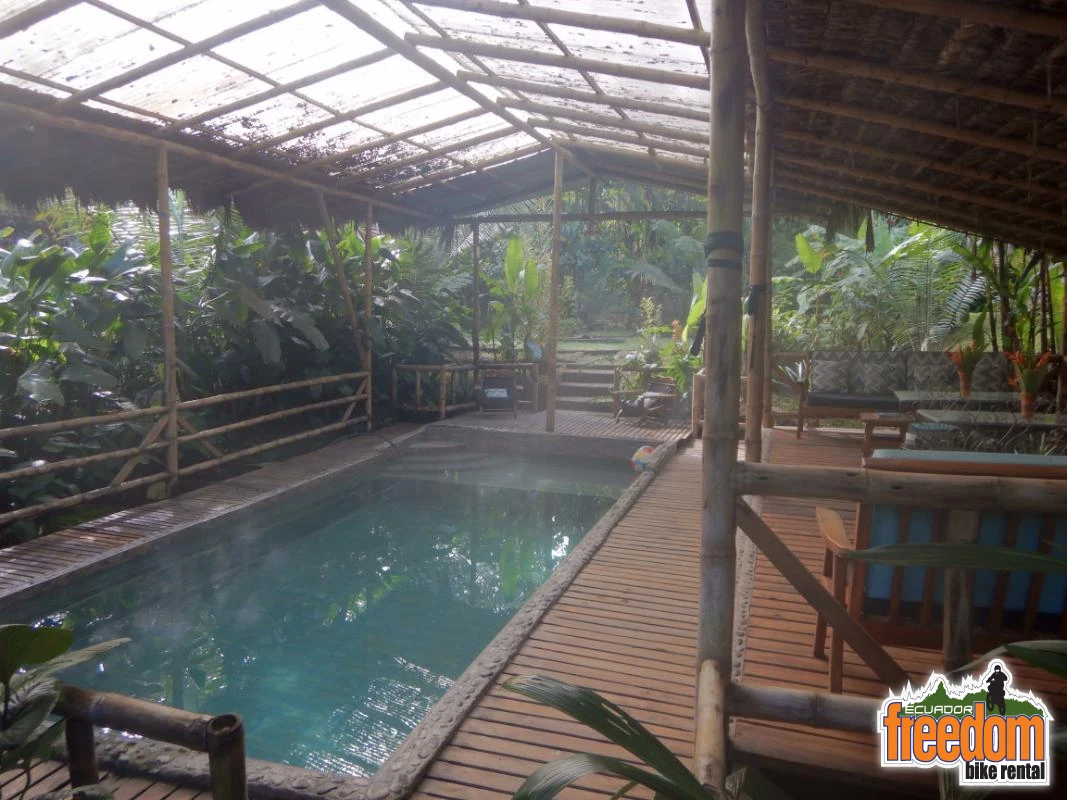
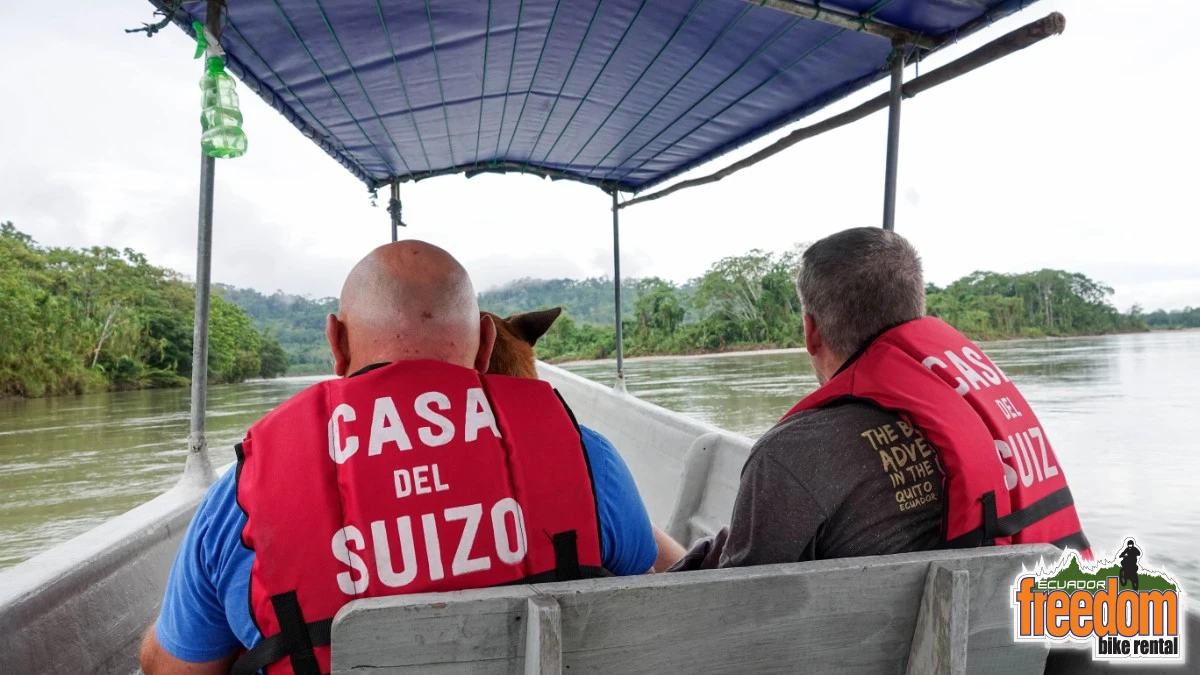
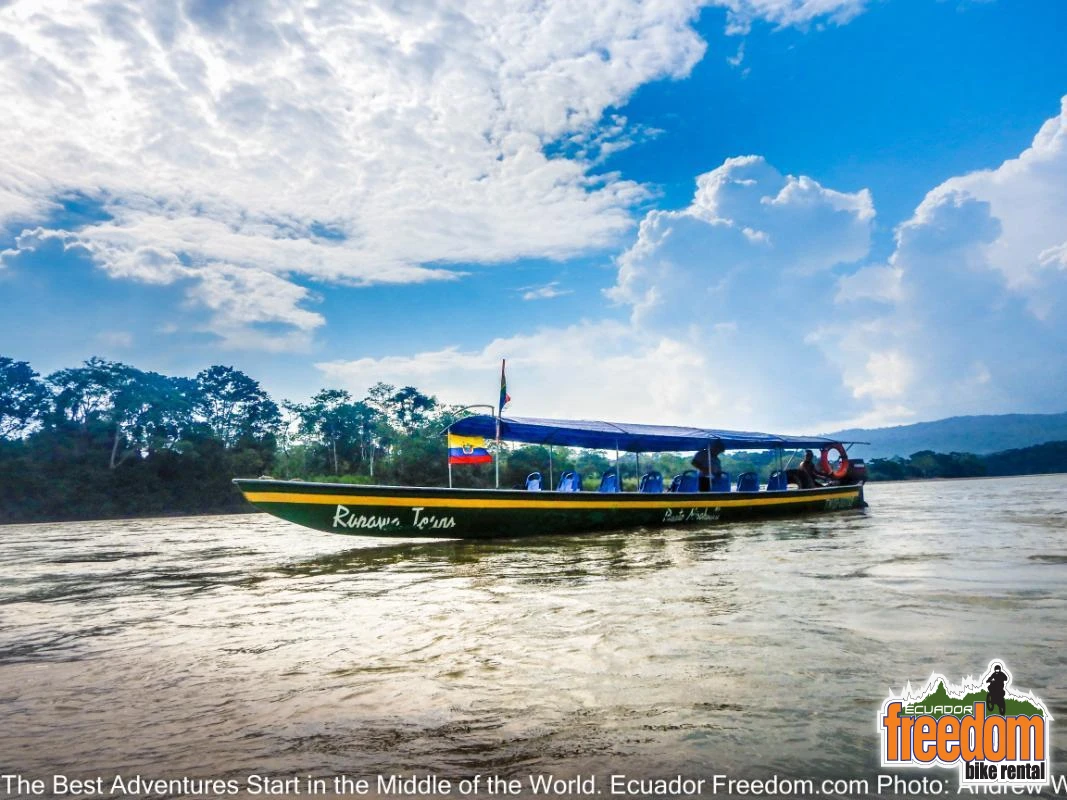
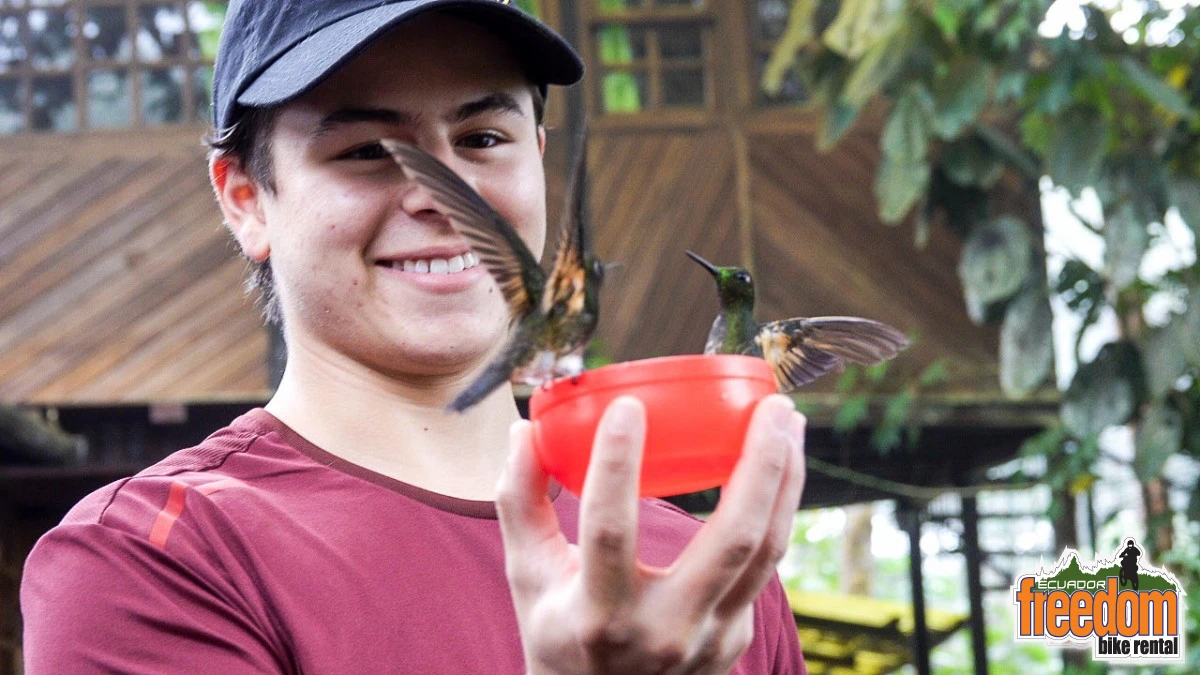
You'll leave your bike in a secure lot next to the Napo River and board a motorized canoe that will take you down the river a few miles, yet deeper into the jungle. You'll arrive at the Casa del Suizo Amazon Lodge - one of the best in the country. Its pool and balcony area is a comfortable spot to sit and listen to the sounds of the jungle that will envelop you through the night.
Elevation Profile - Day 3

Day 3
Puerto Misahualli - Puyo - Paillon del Diablo - Baños
160 km | 99 miles
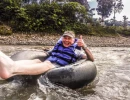
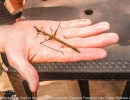
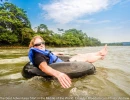
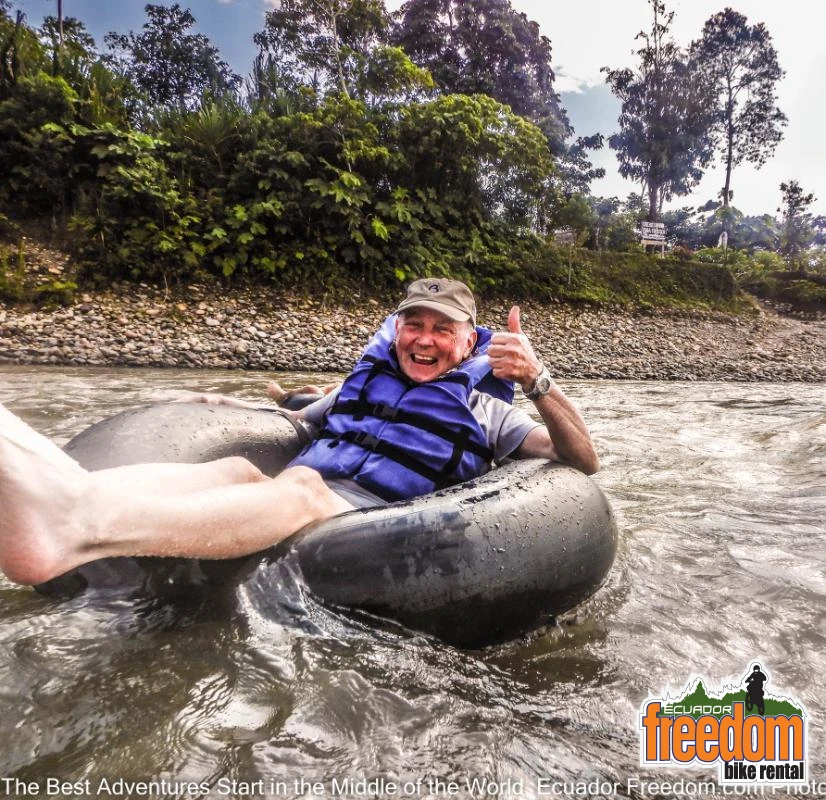
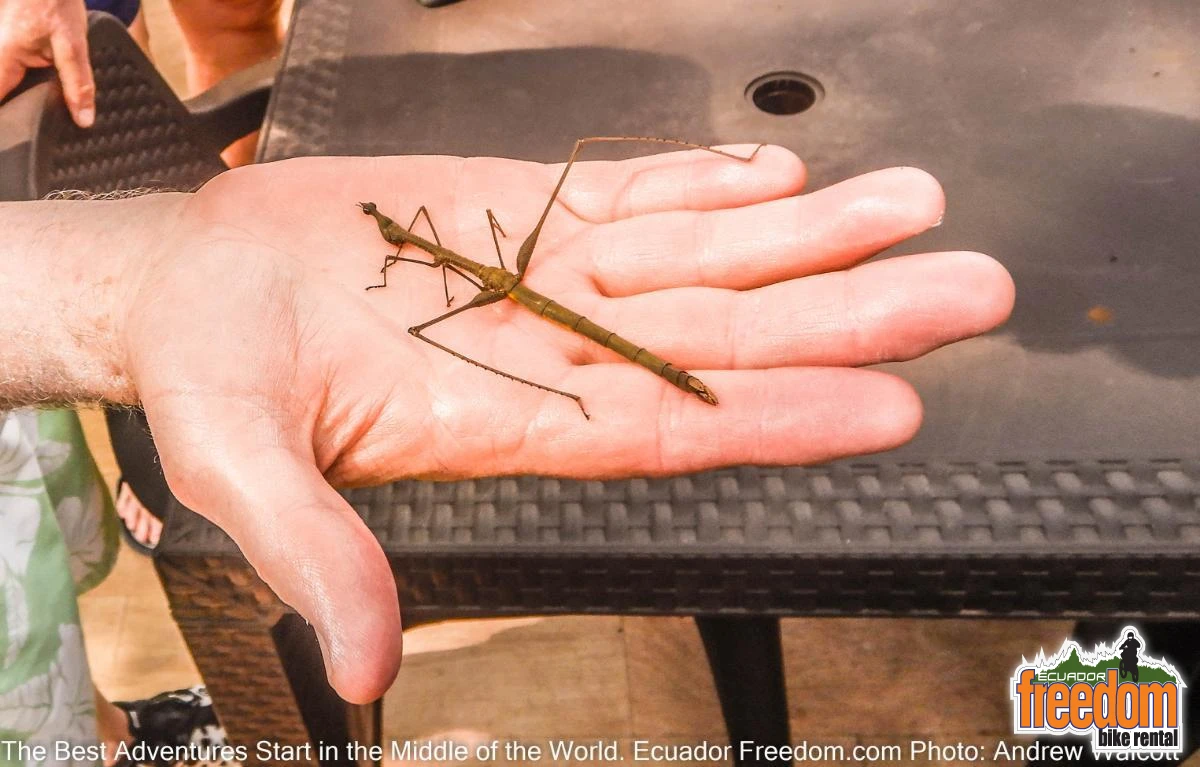
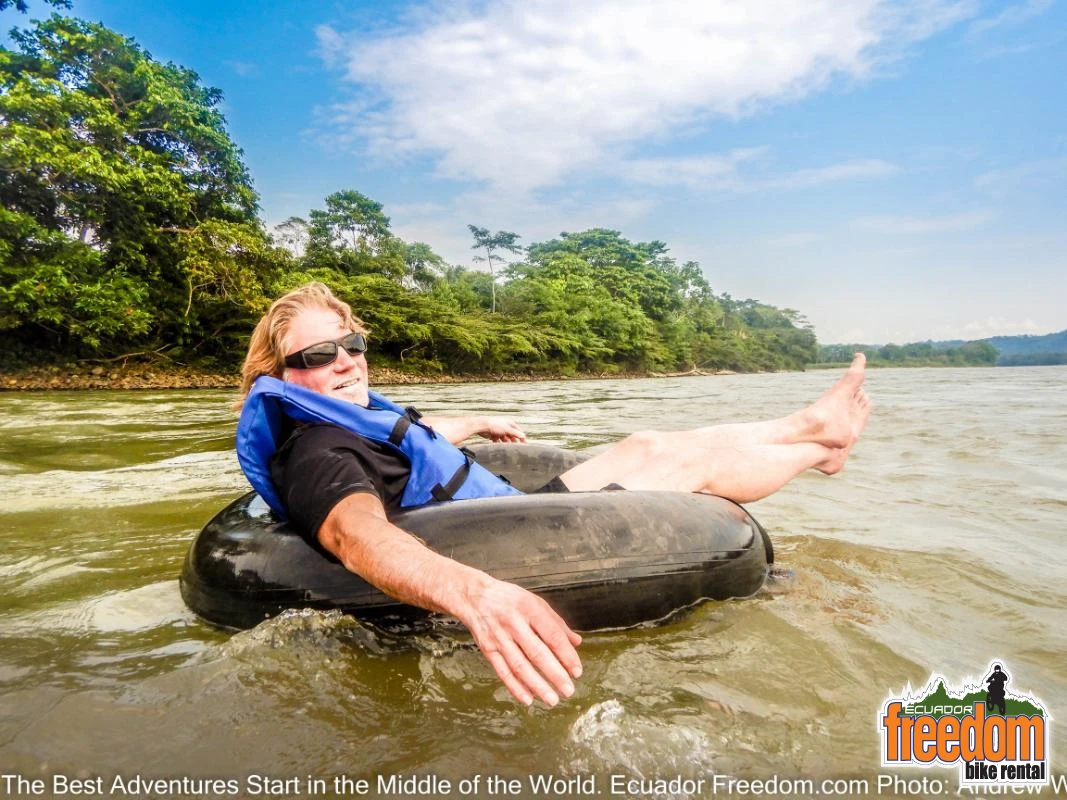
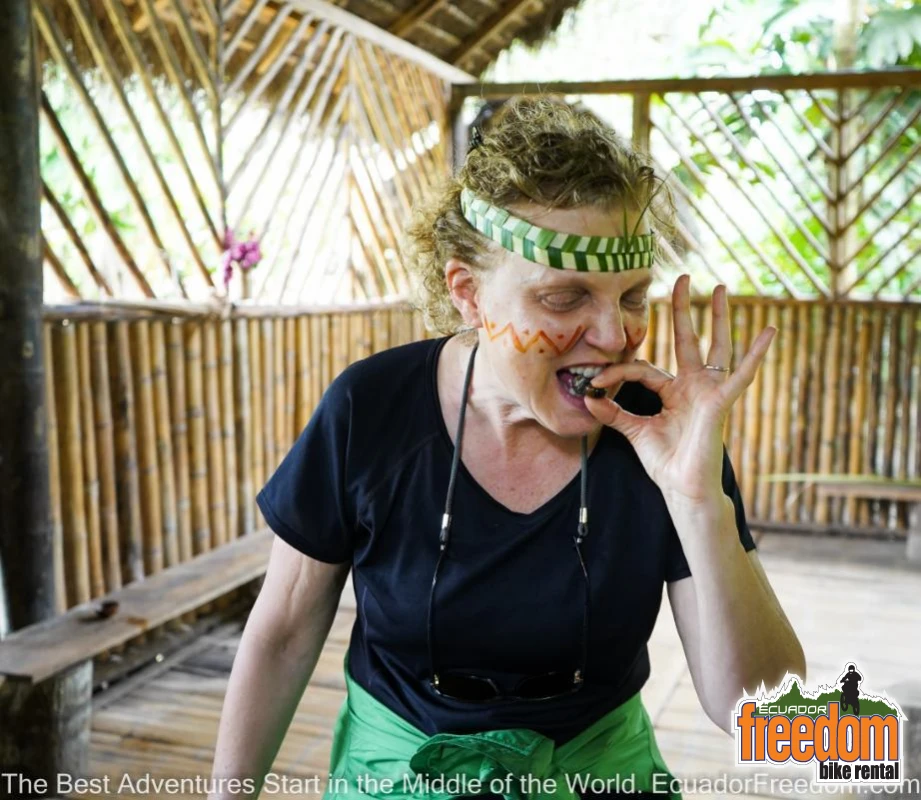
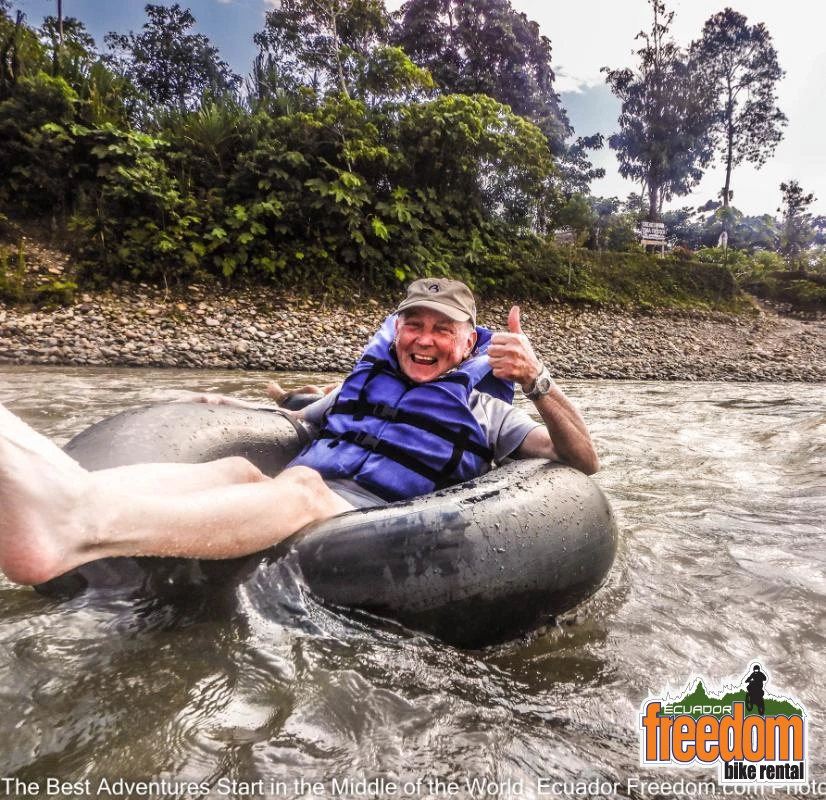
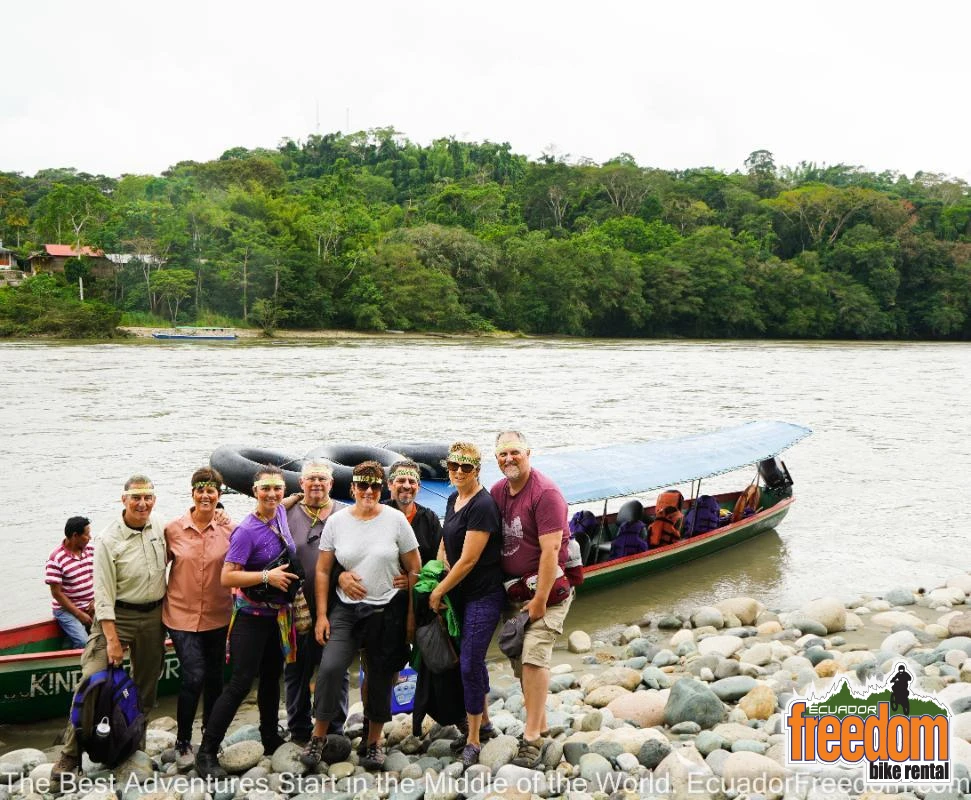
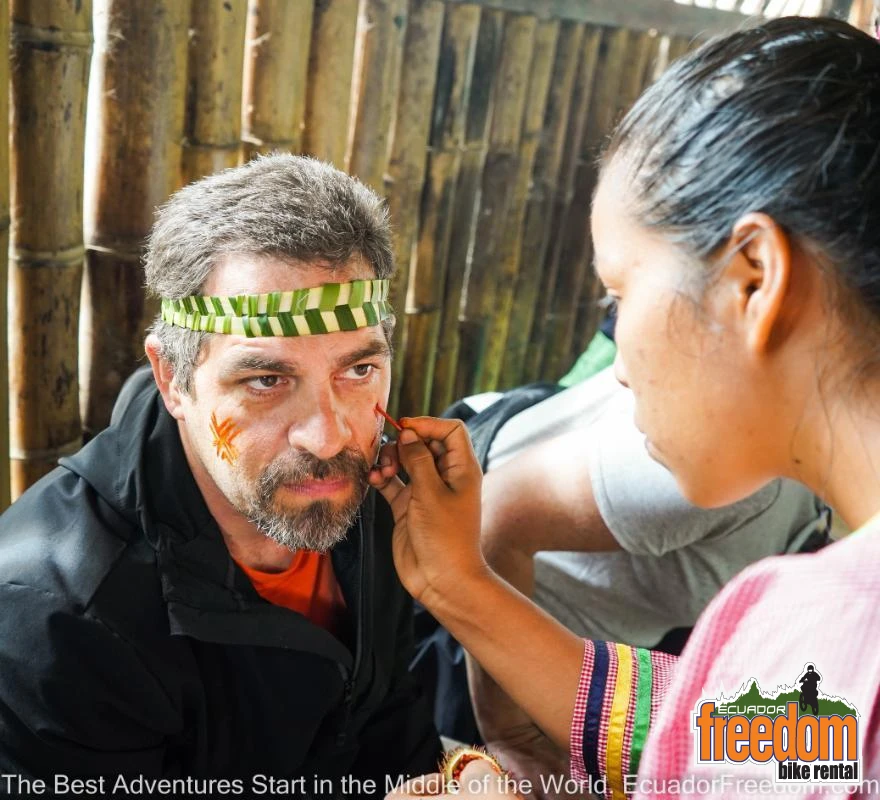
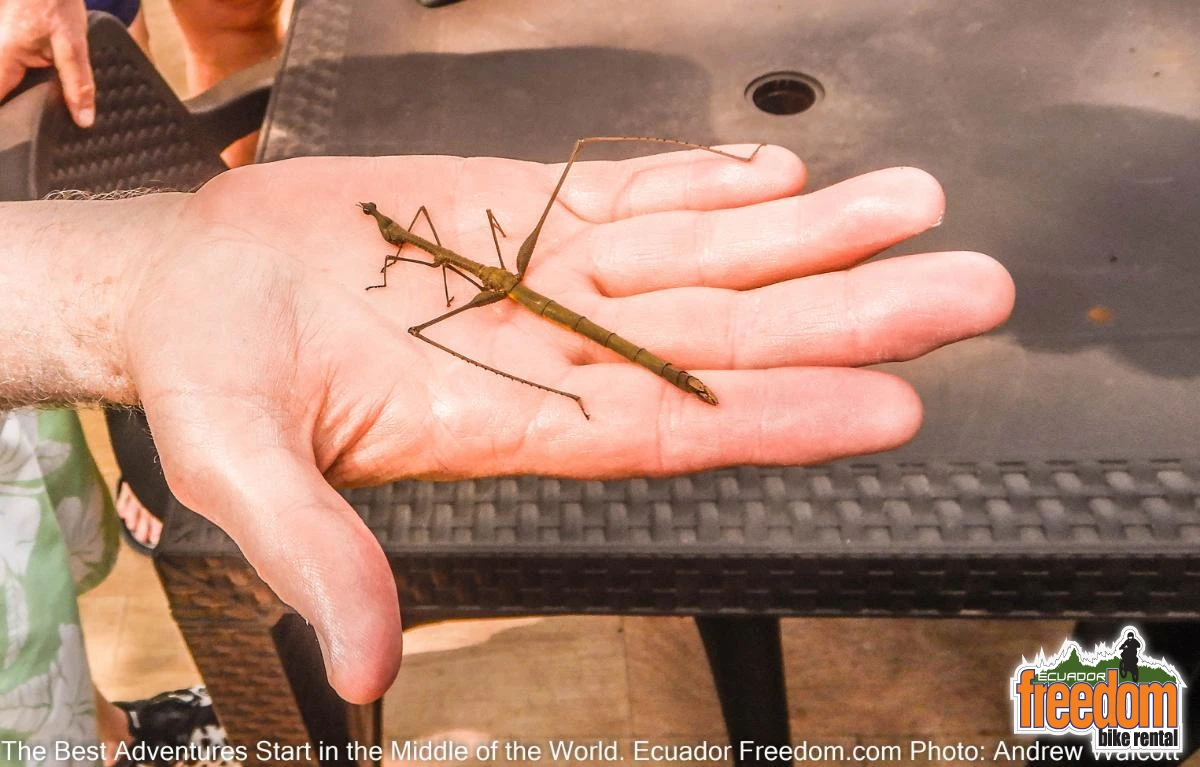
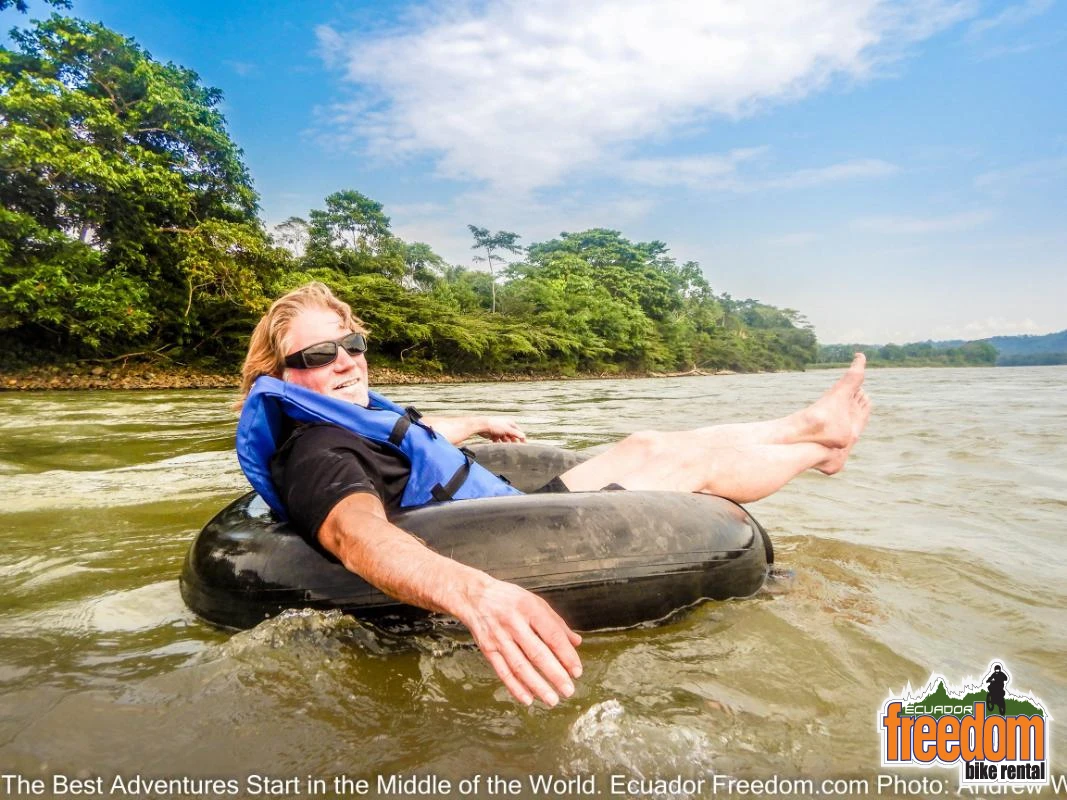
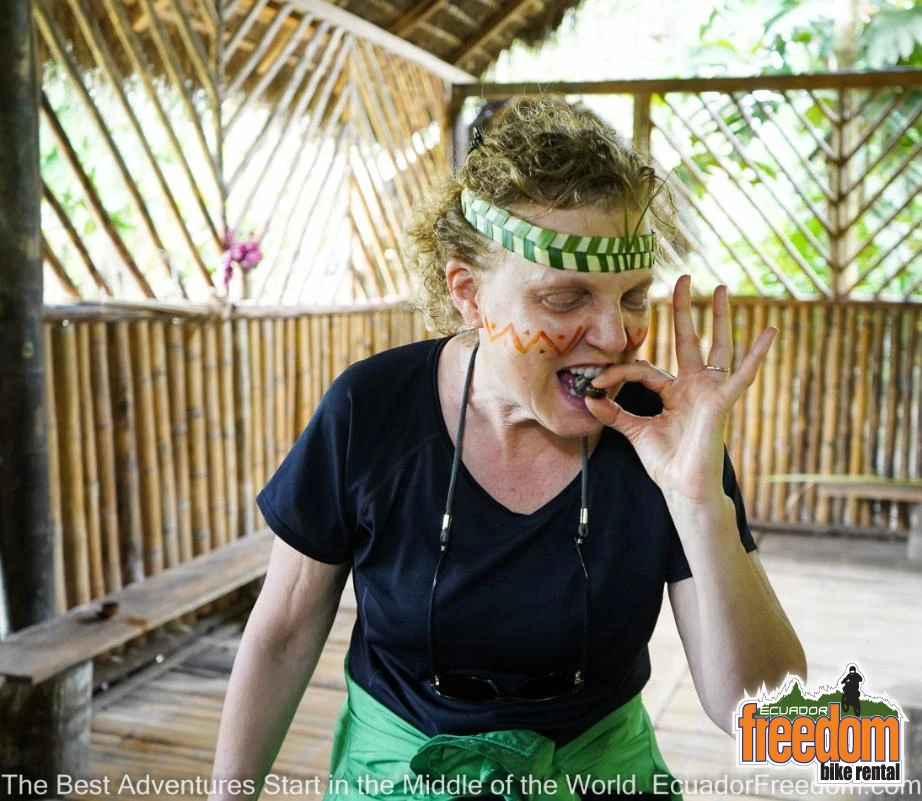
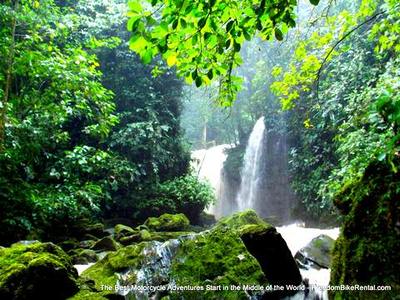 We'll wake up to the scents and sounds of the Amazon jungle and enjoy a buffet breakfast before setting out in a canoe for a private expedition in the wilderness with a native guide. We will learn about the many different species of plants, birds, insects, and animals in the jungle and their traditional and medicinal uses. We'll float back to the lodge in innertubes enjoying the tranquility of river life before we pack up and return to our motorcycles via canoe.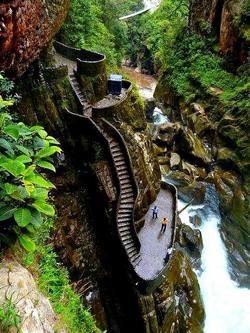
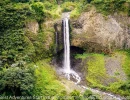
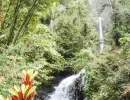
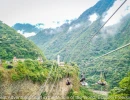
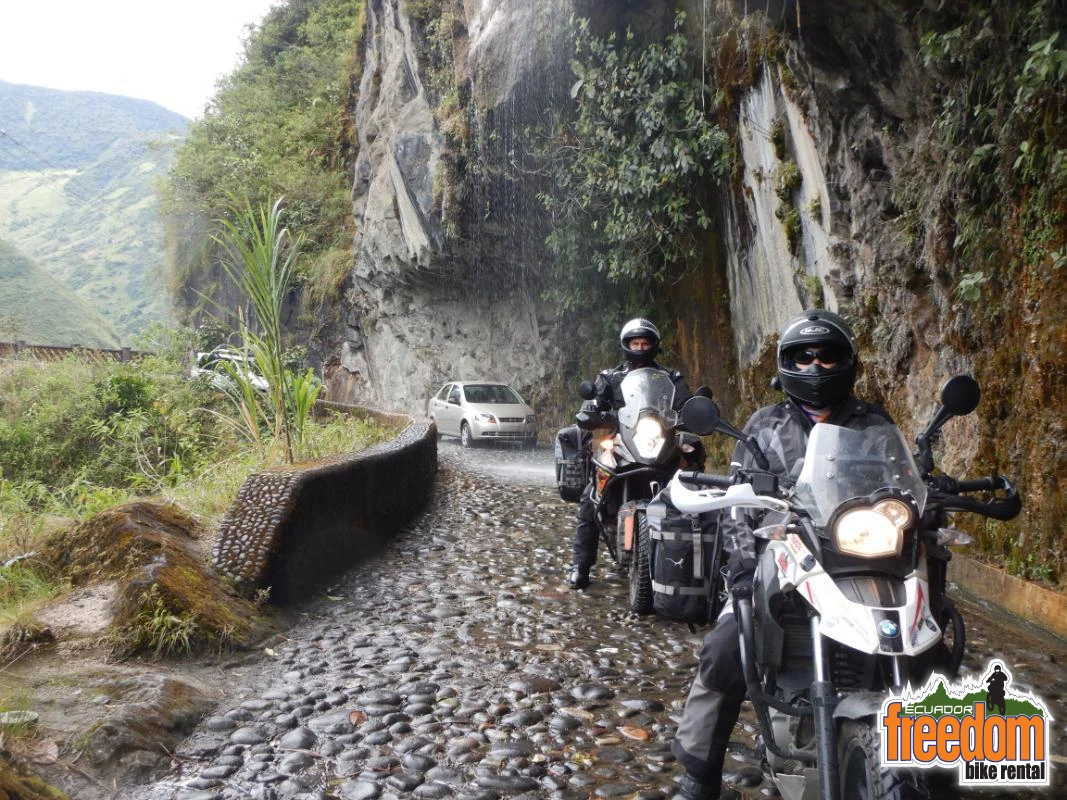
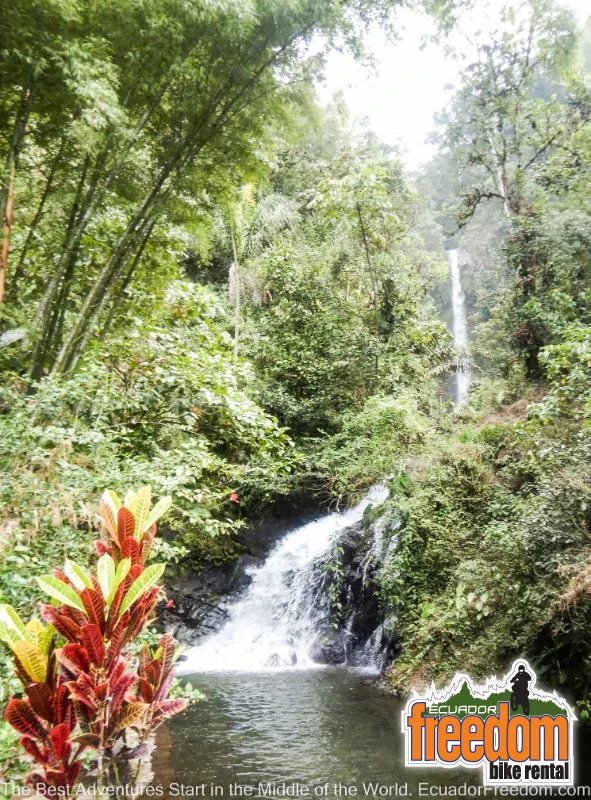
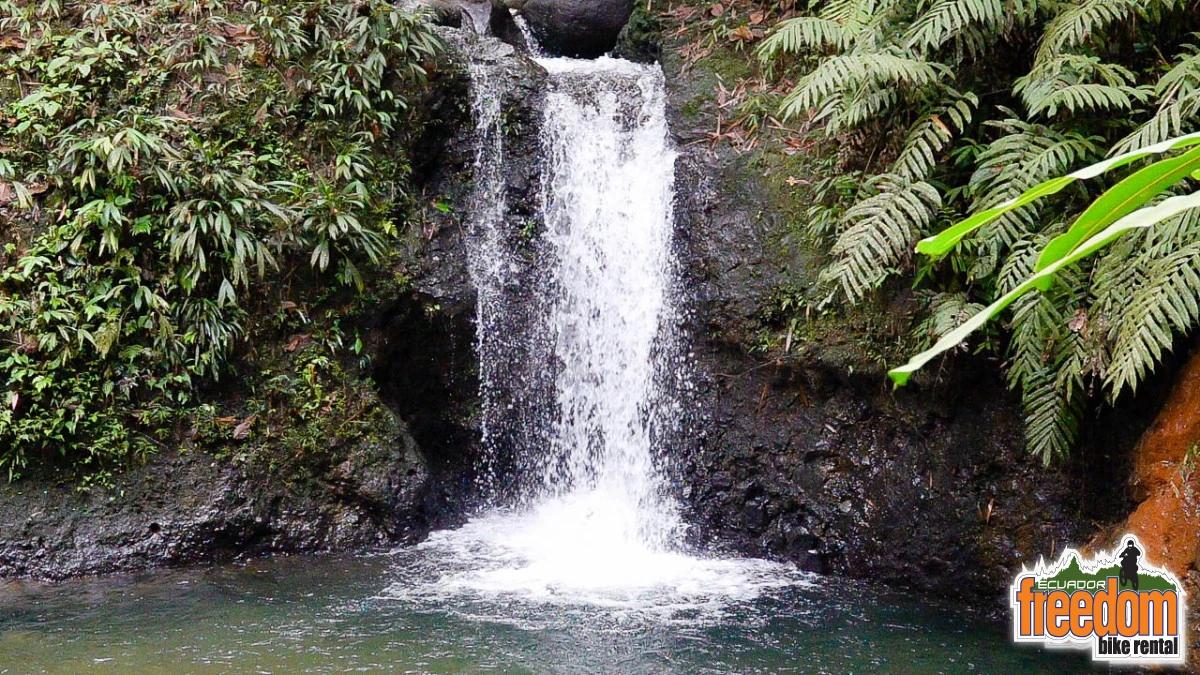
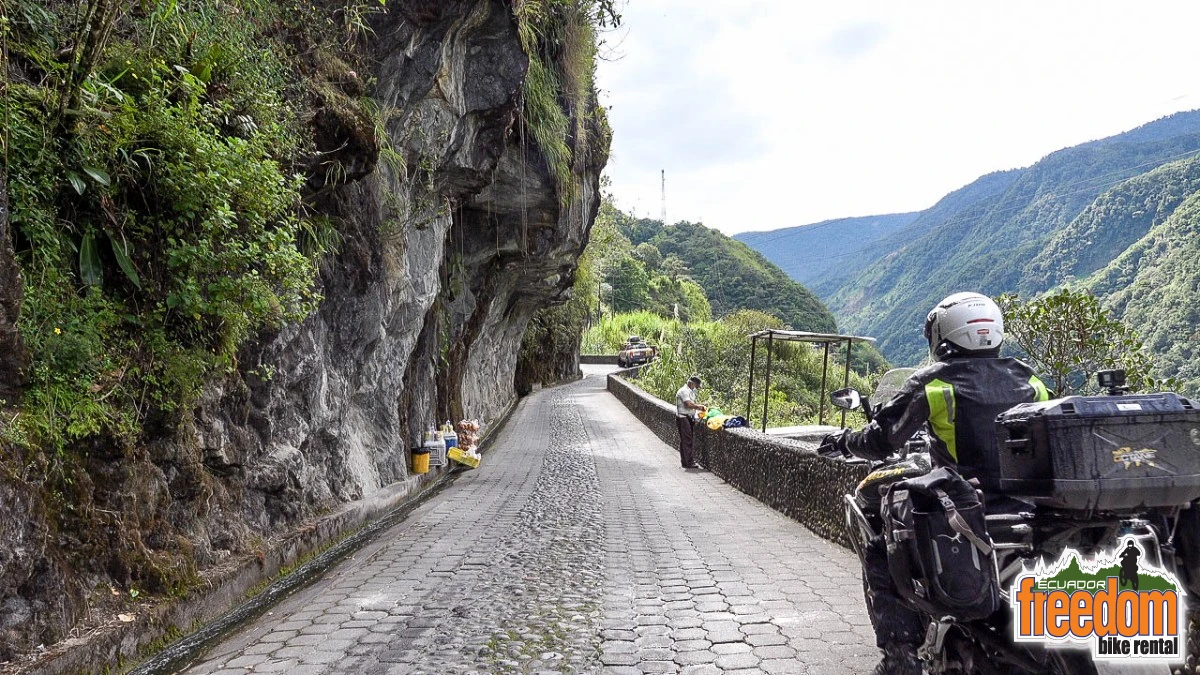
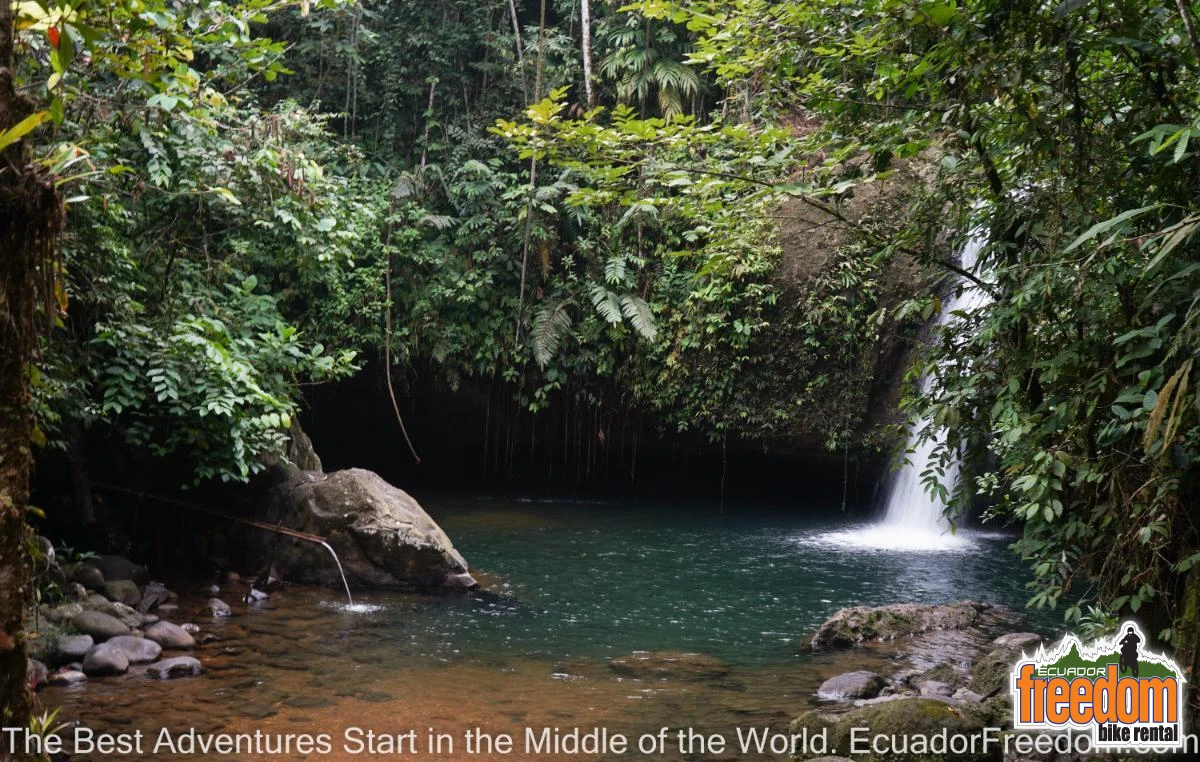
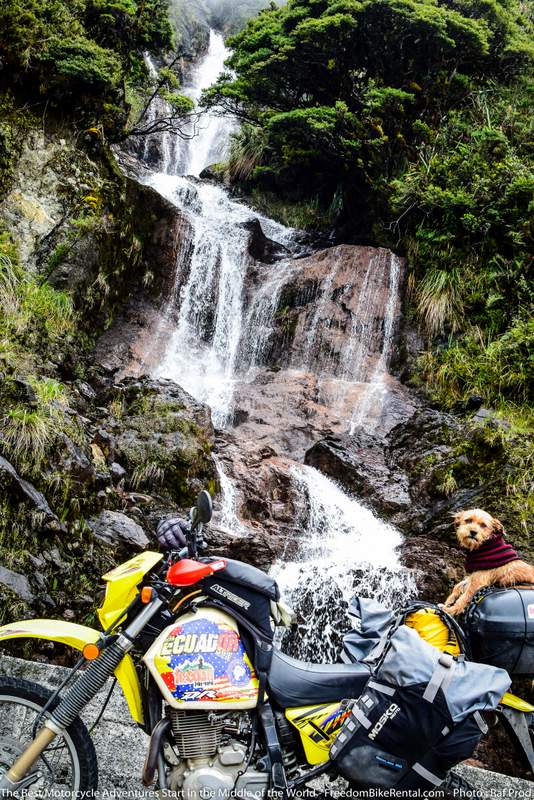
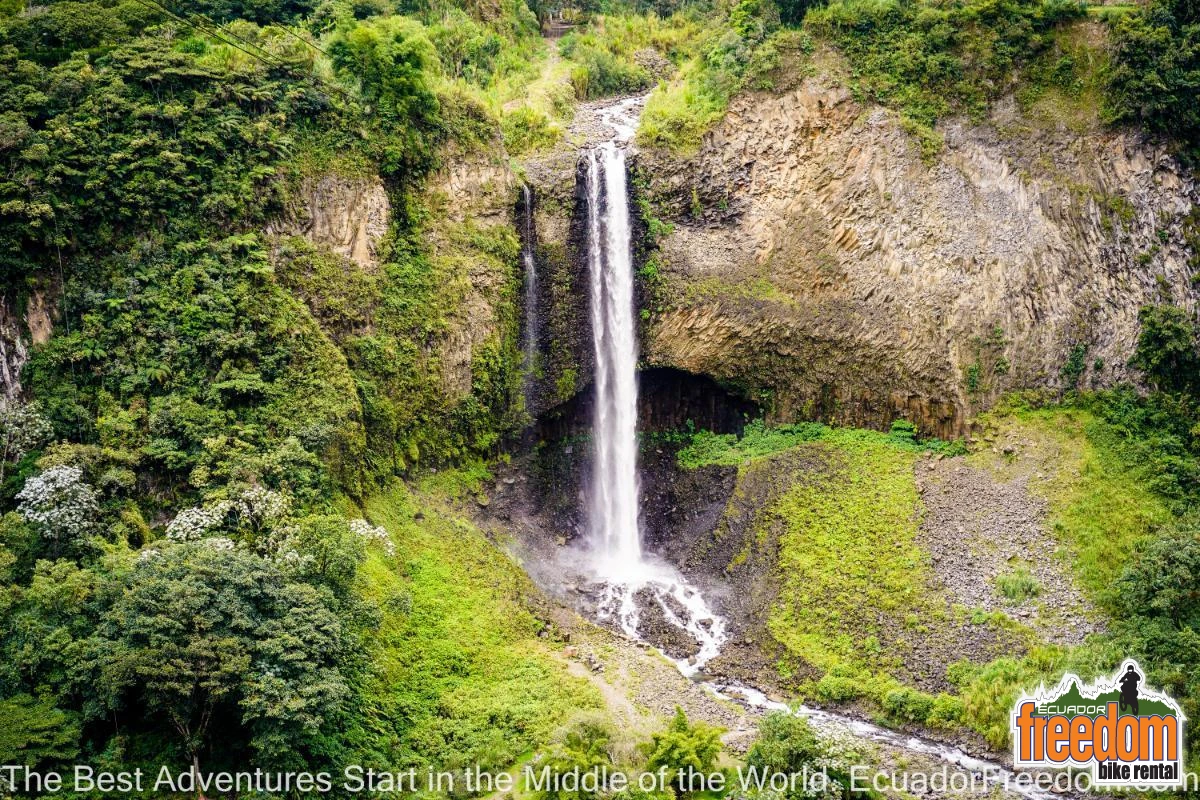
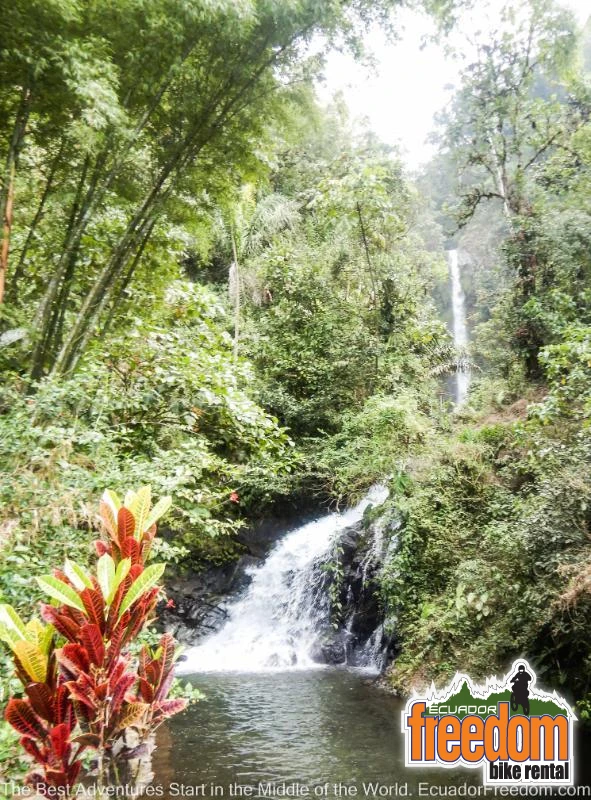
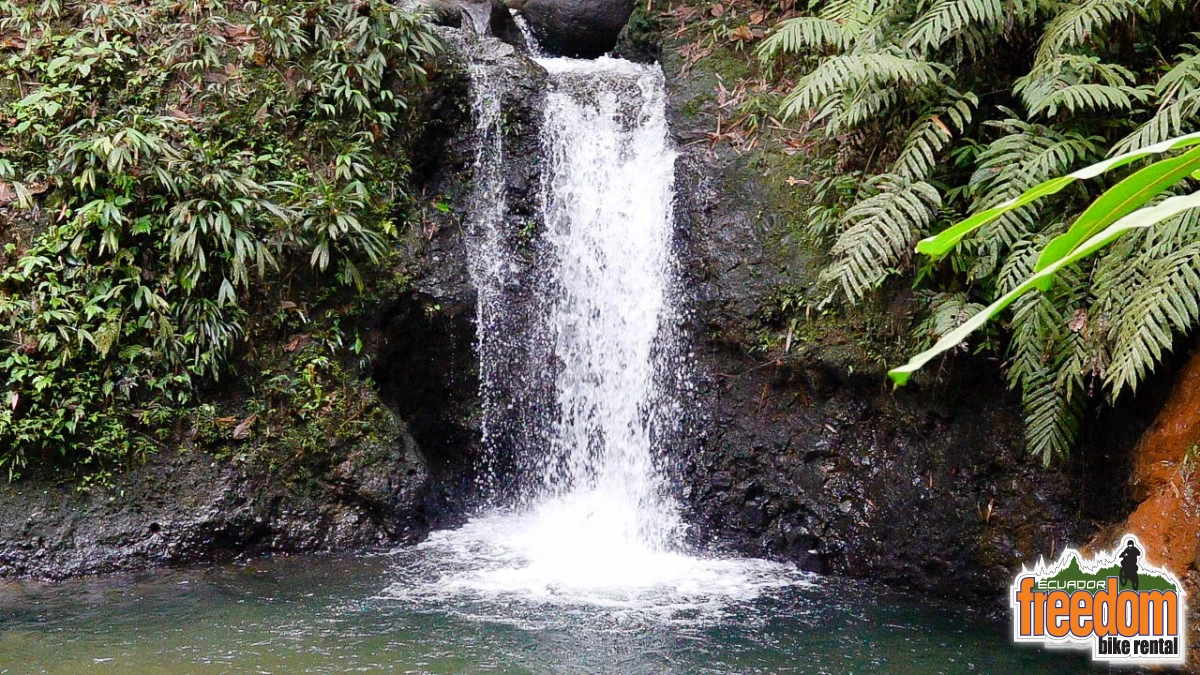
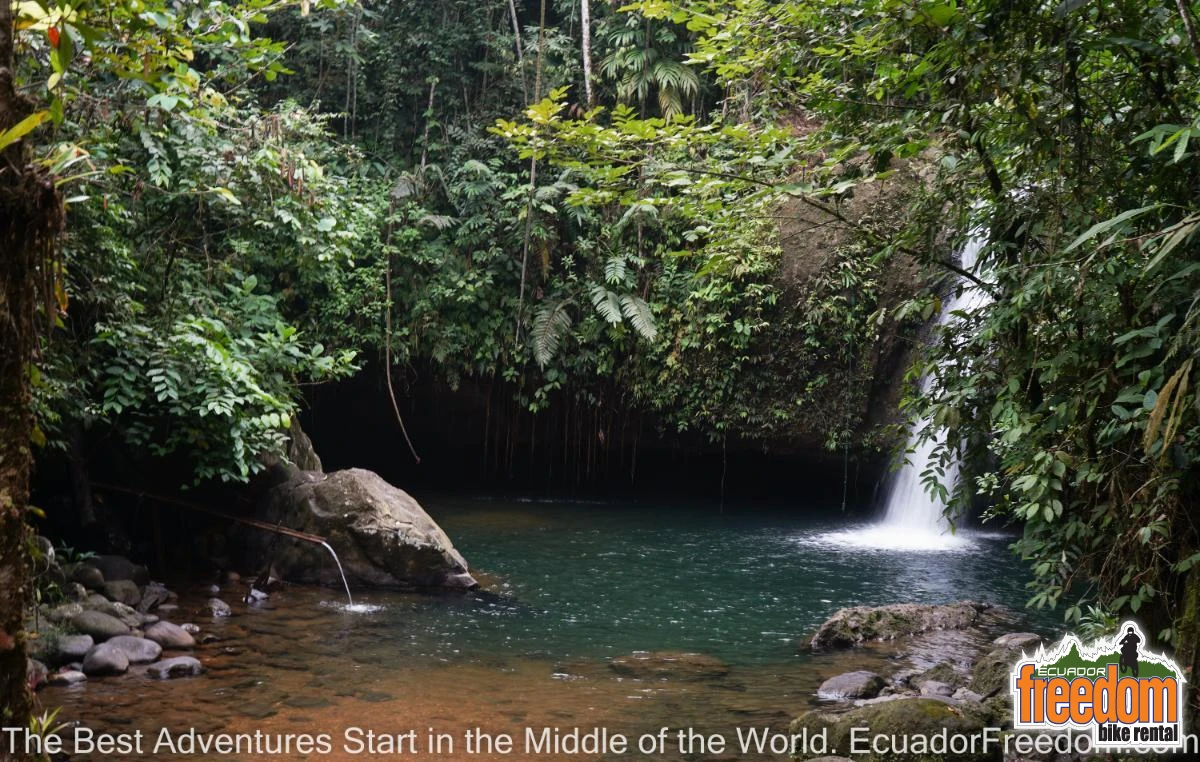
We will head south, skirting alongside the jungle's dense vegetation, and continue to the town of Puyo, where we will turn west to begin our climb back up the Eastern Slopes. We'll be riding in a deep gorge cut out by the mighty Rio Pastaza (a tributary to the Amazon), which will get narrower and narrower as we ascend. This road has been dubbed the "Ruta de las Cascadas" for the many waterfalls that tumble from the green valley walls. Many of them fall right overhead from overhanging rocks.
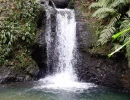
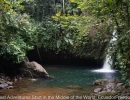
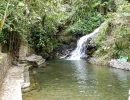
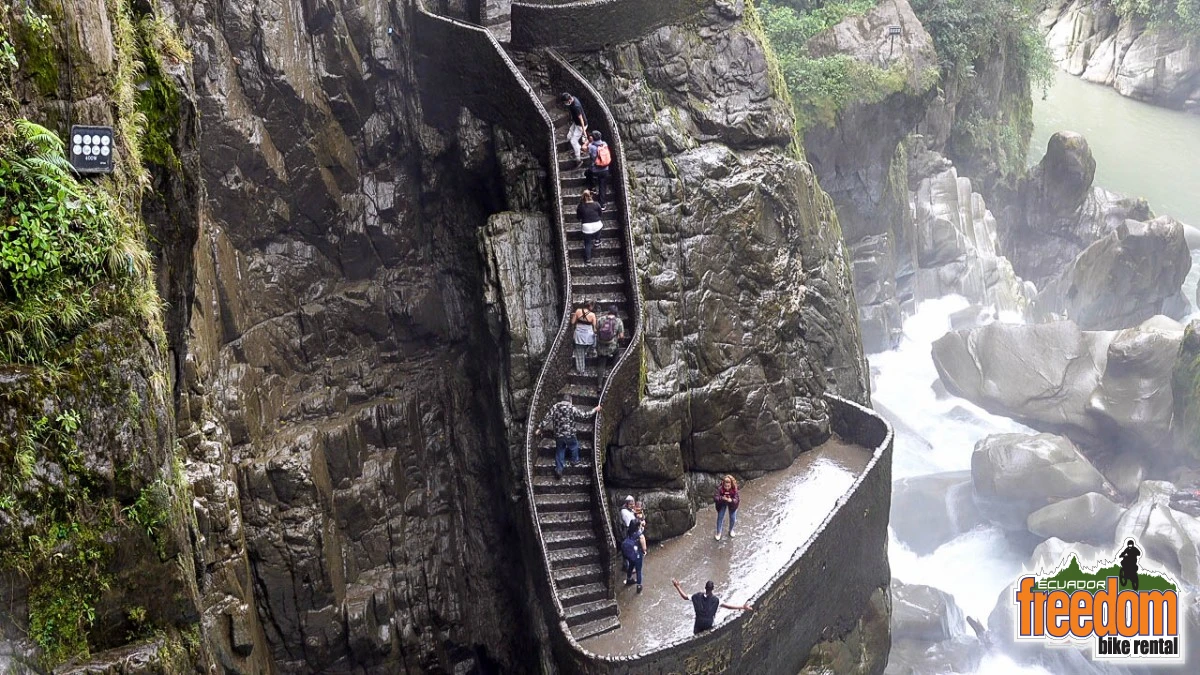
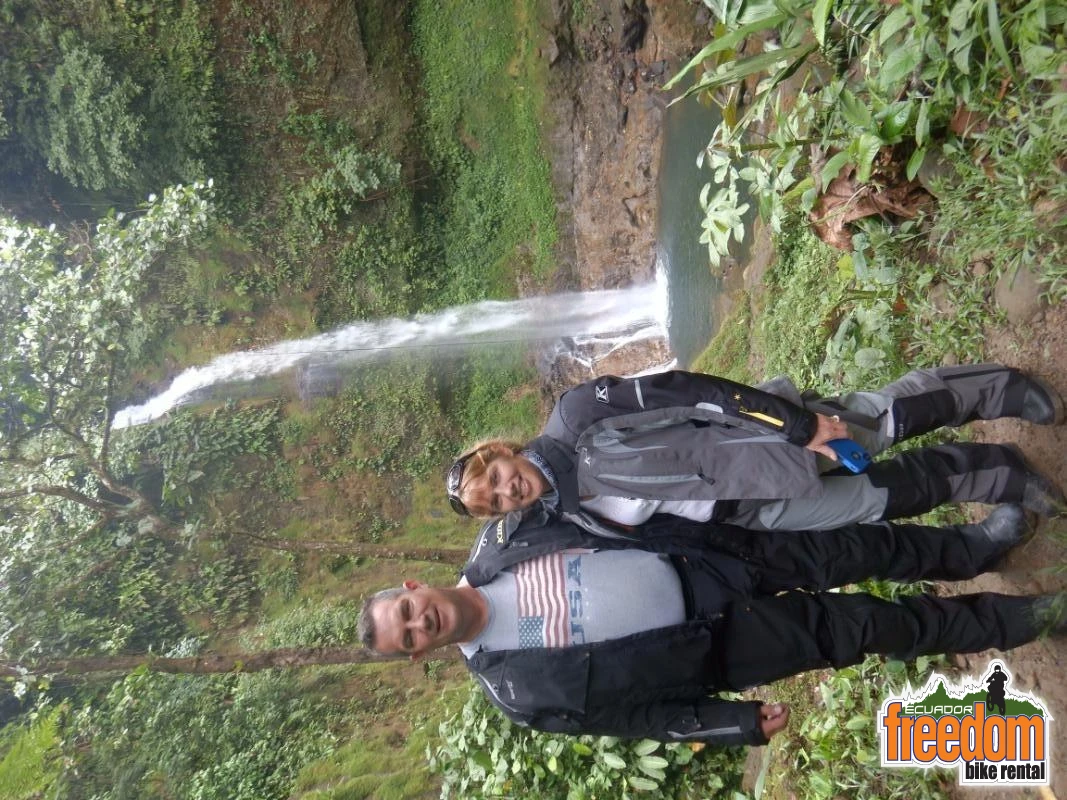
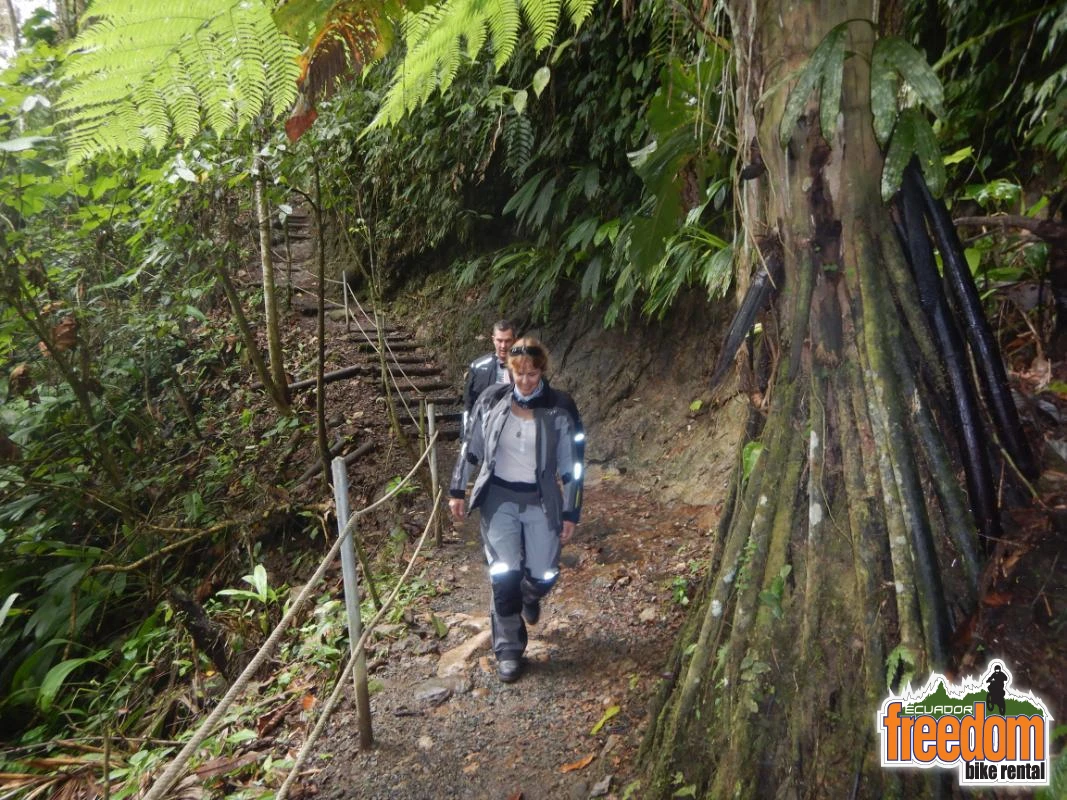
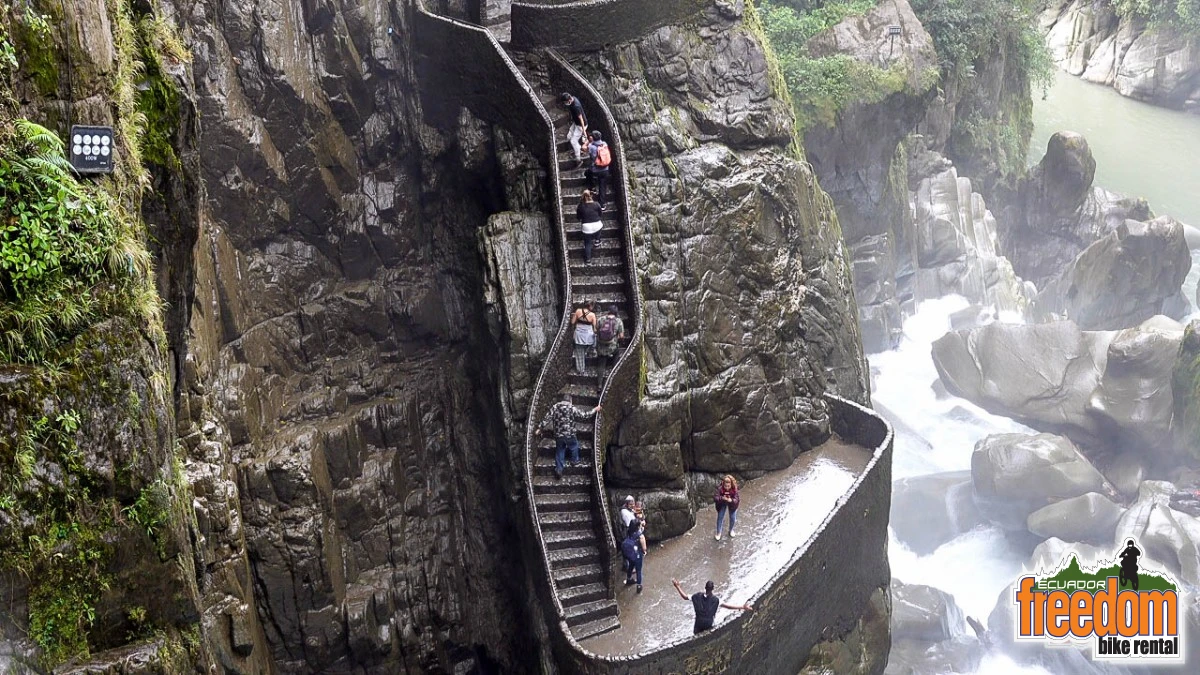
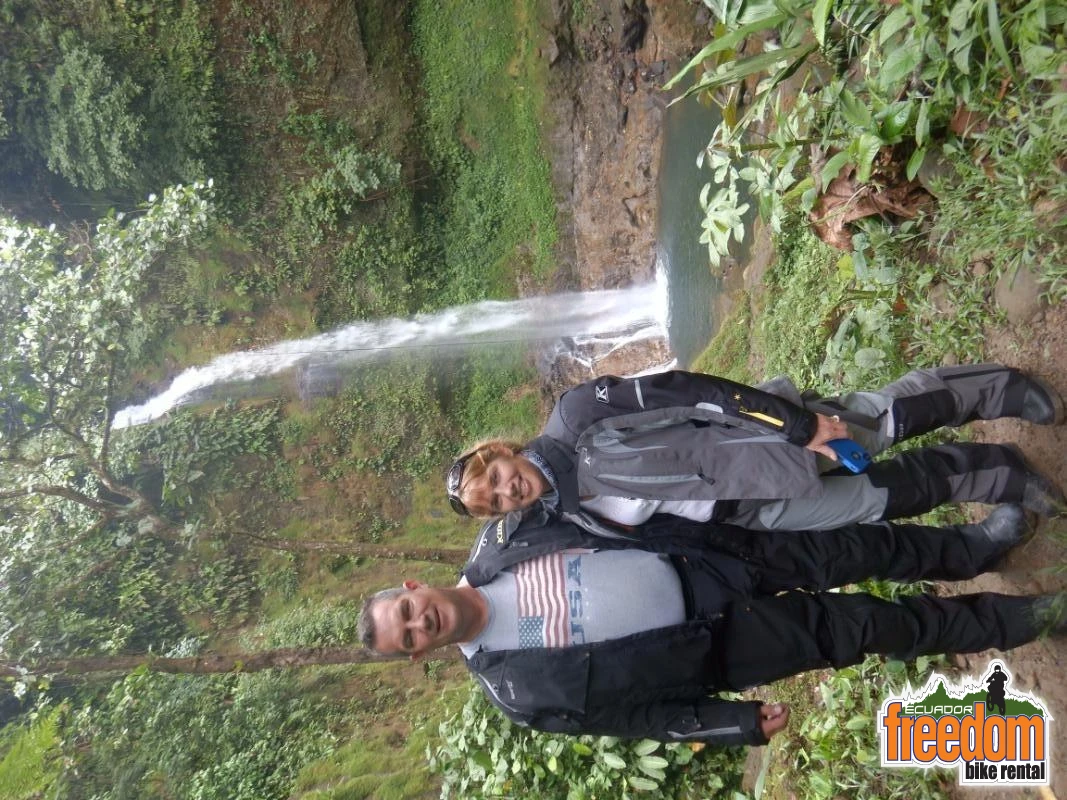
The vegetation is luxuriant and exotic, with the scent of many wild orchids that will fill your helmet. We'll stop to visit the Paillon del Diablo (Devil's Cauldron) falls, which are a thundering set of waterfalls that we will view from a beautiful set of steps. It is an awe-inspiring display of mother nature's tremendous power.
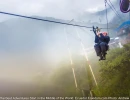
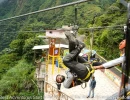
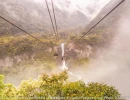
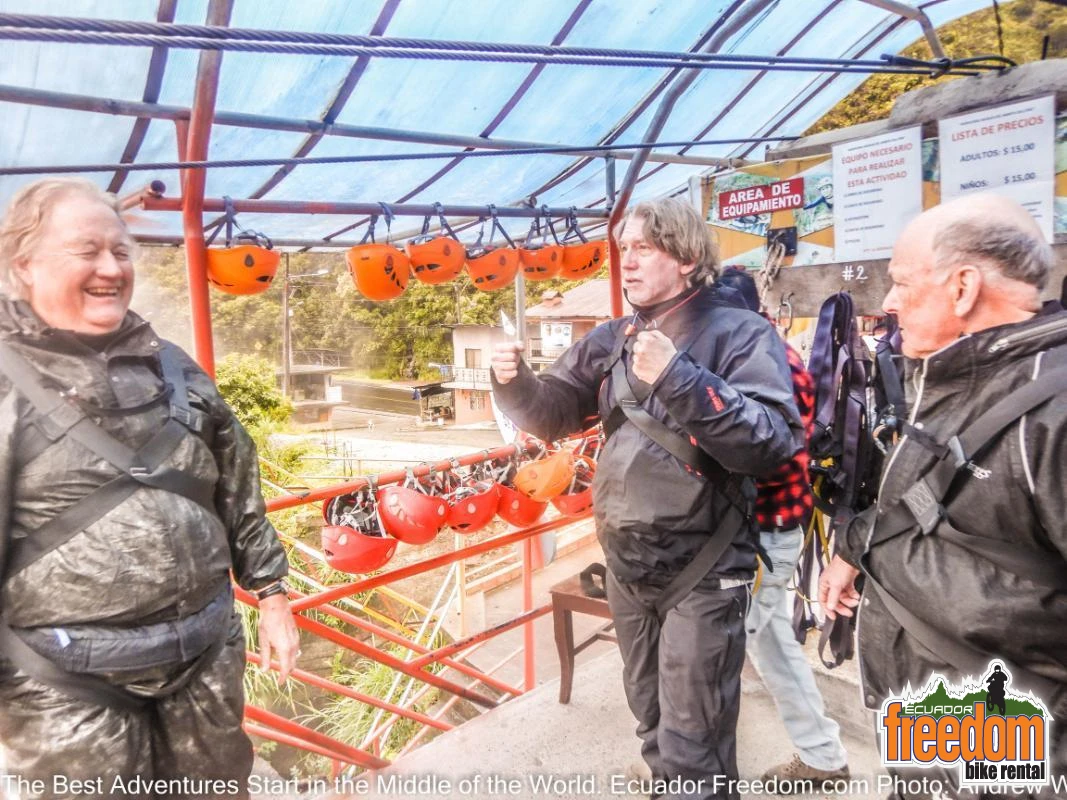
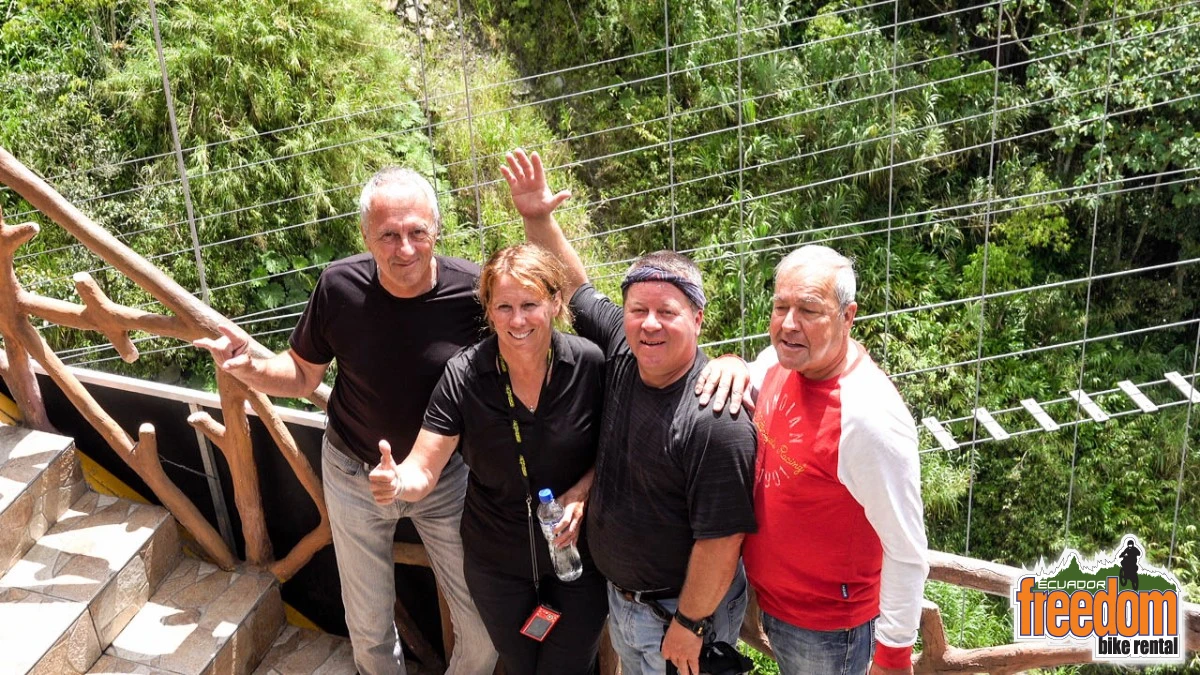
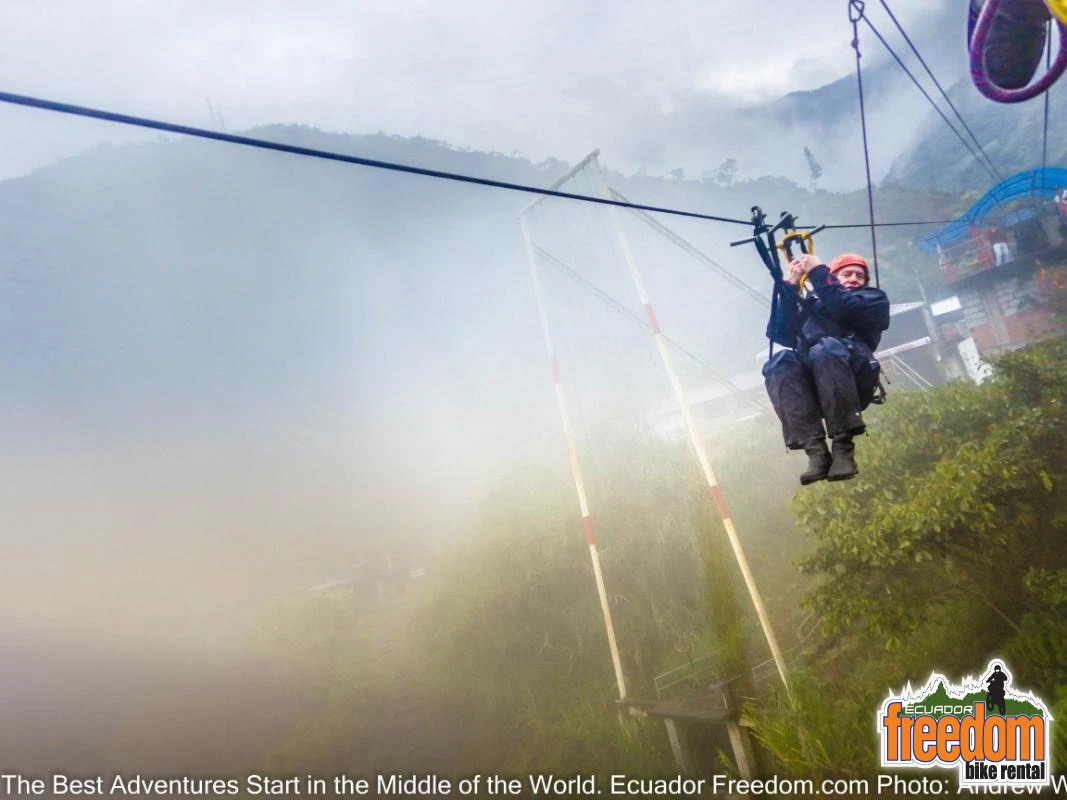
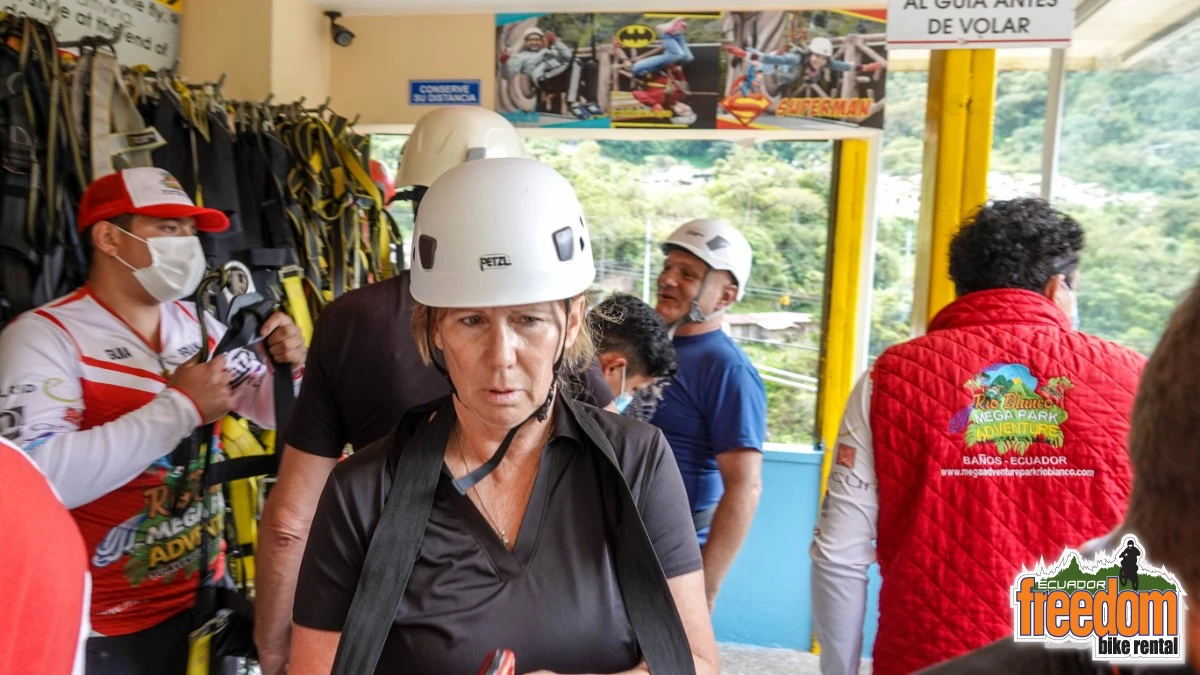
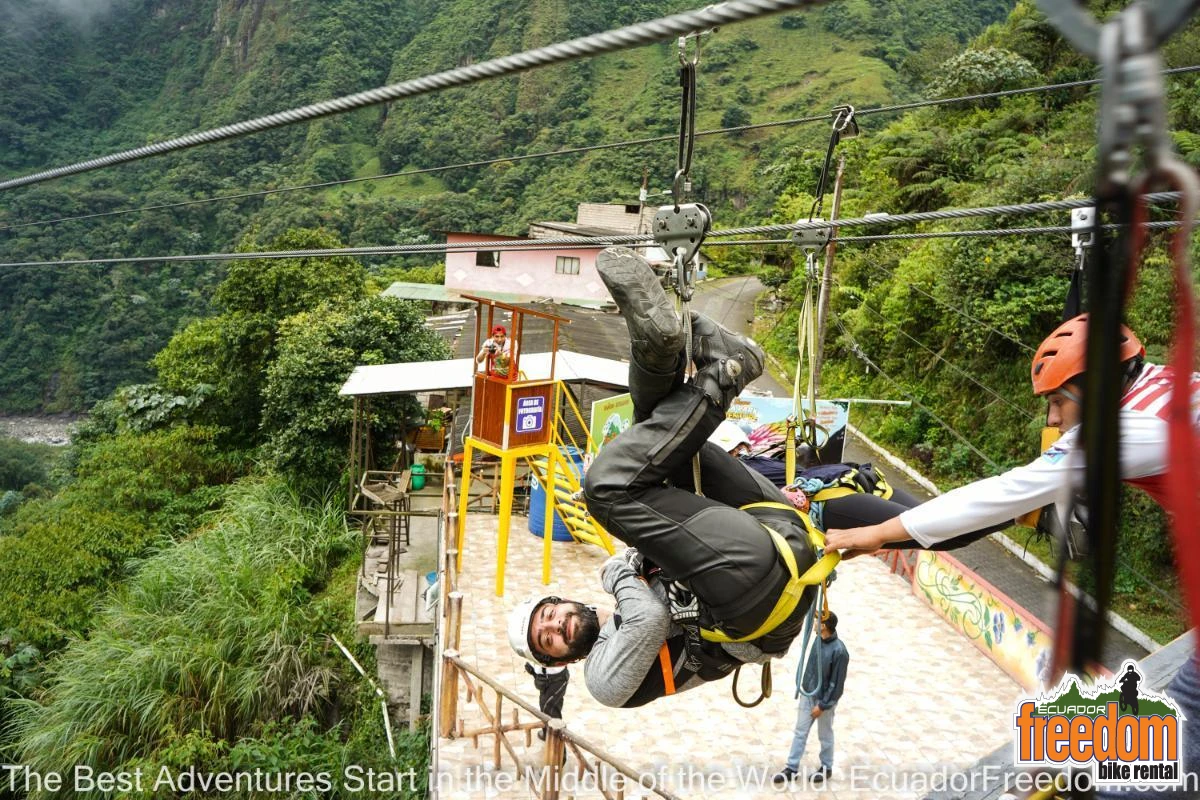
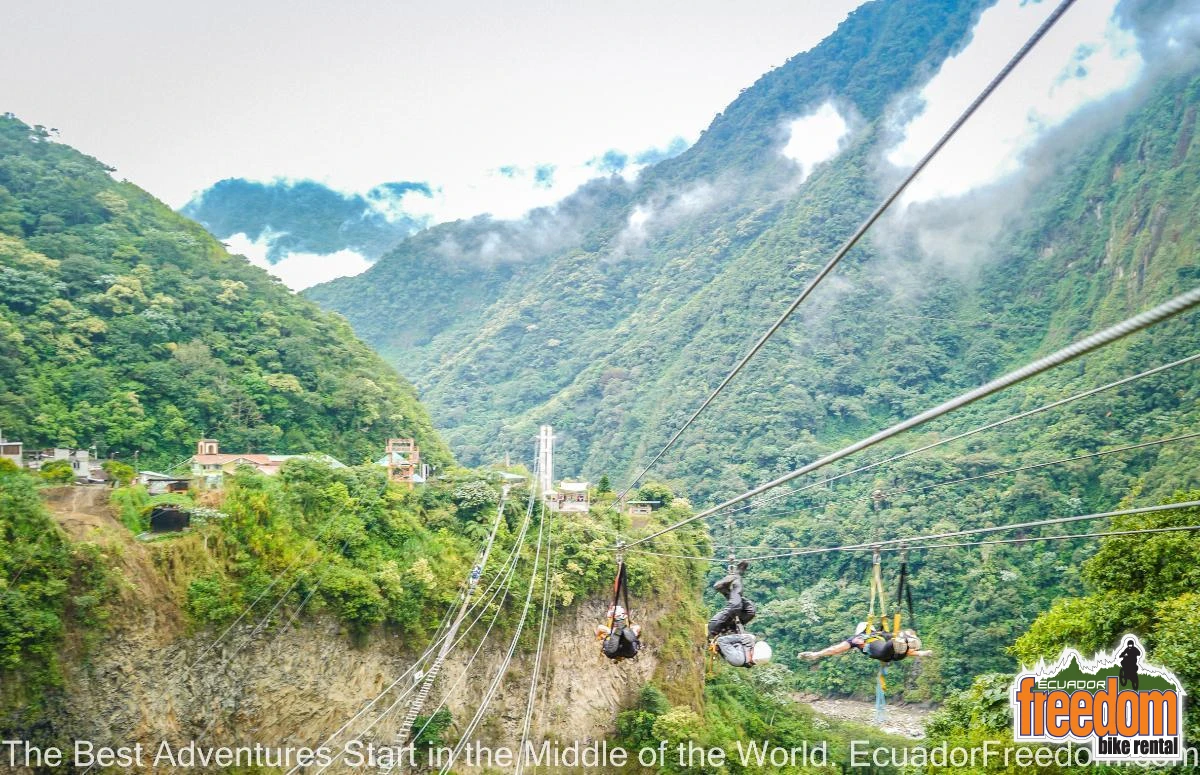
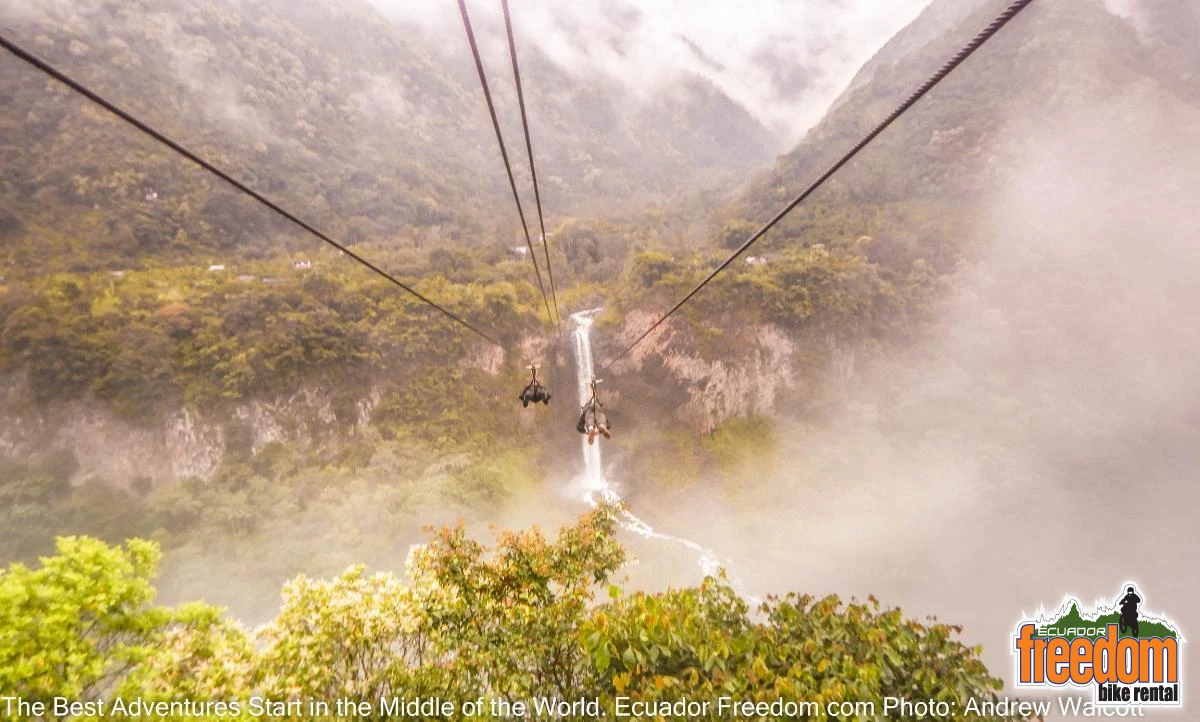
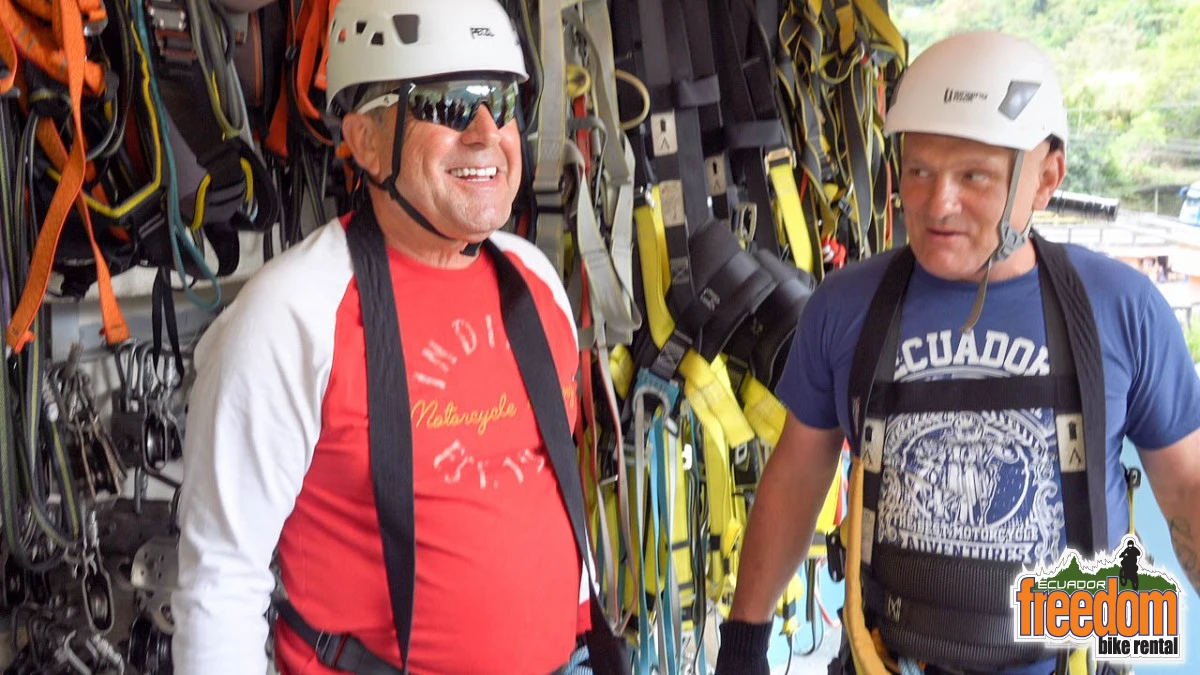
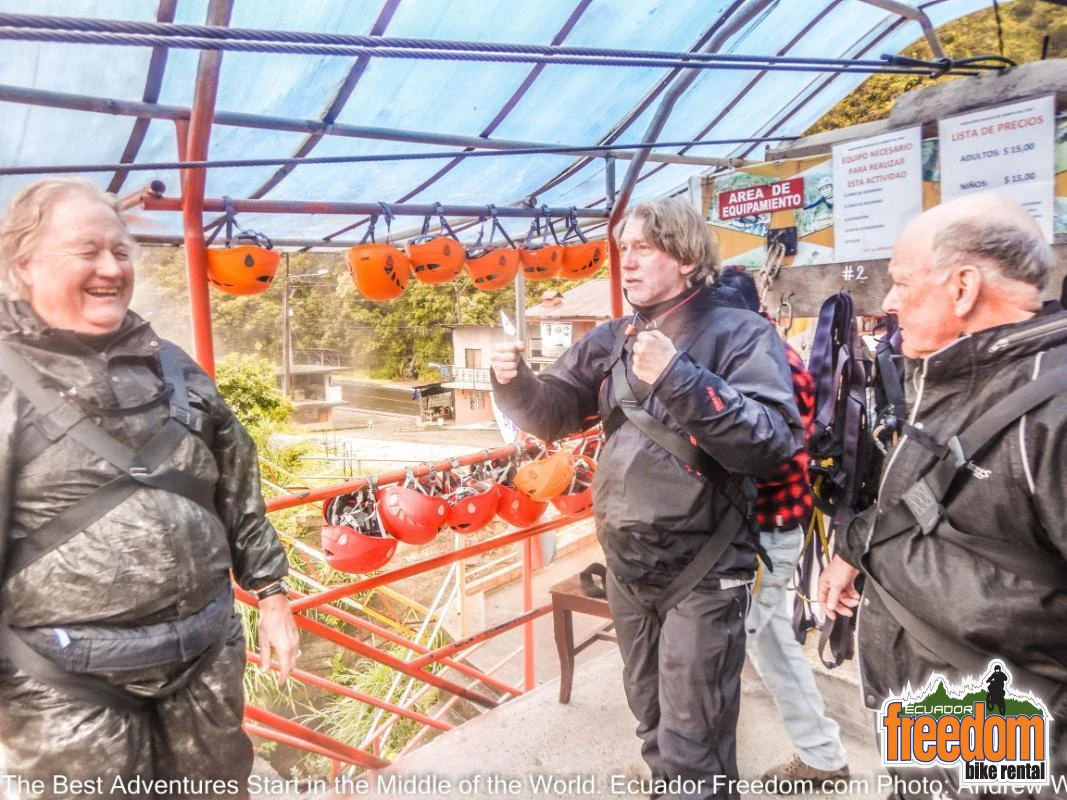
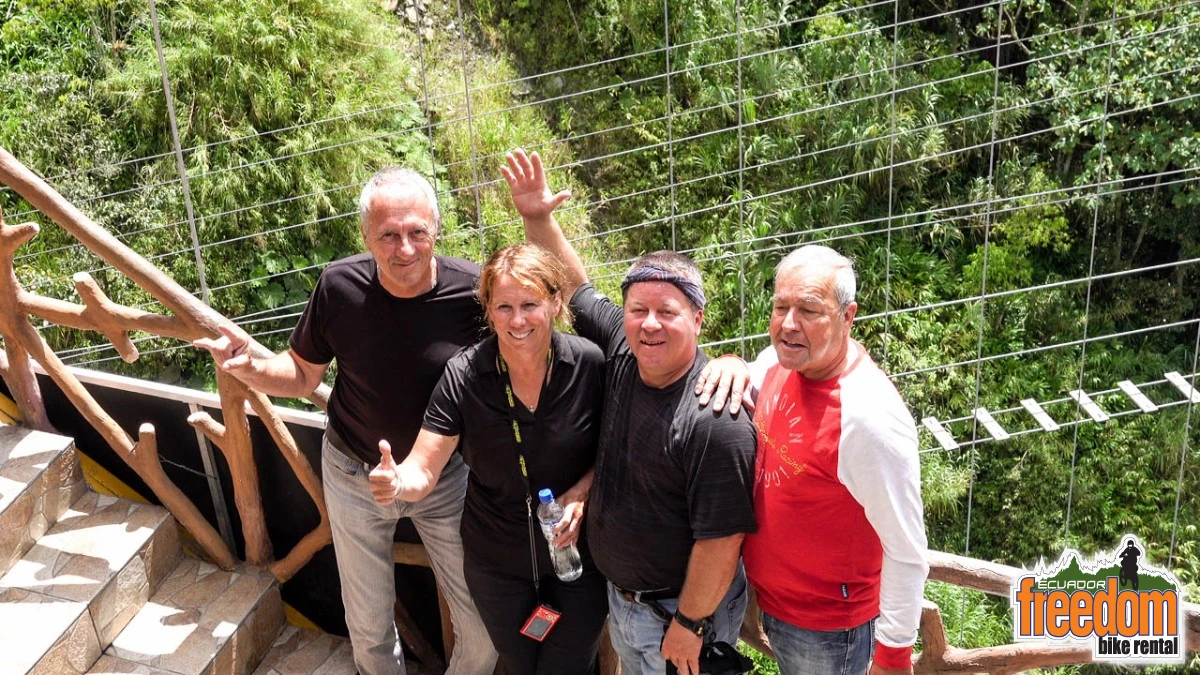
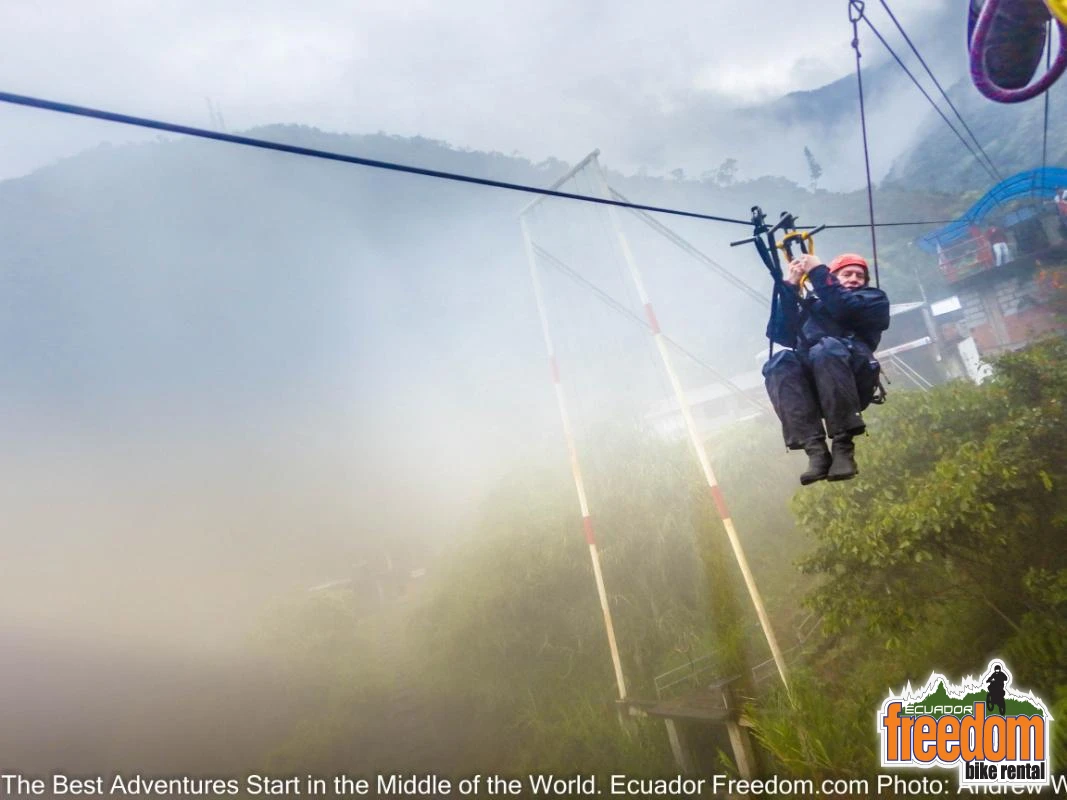
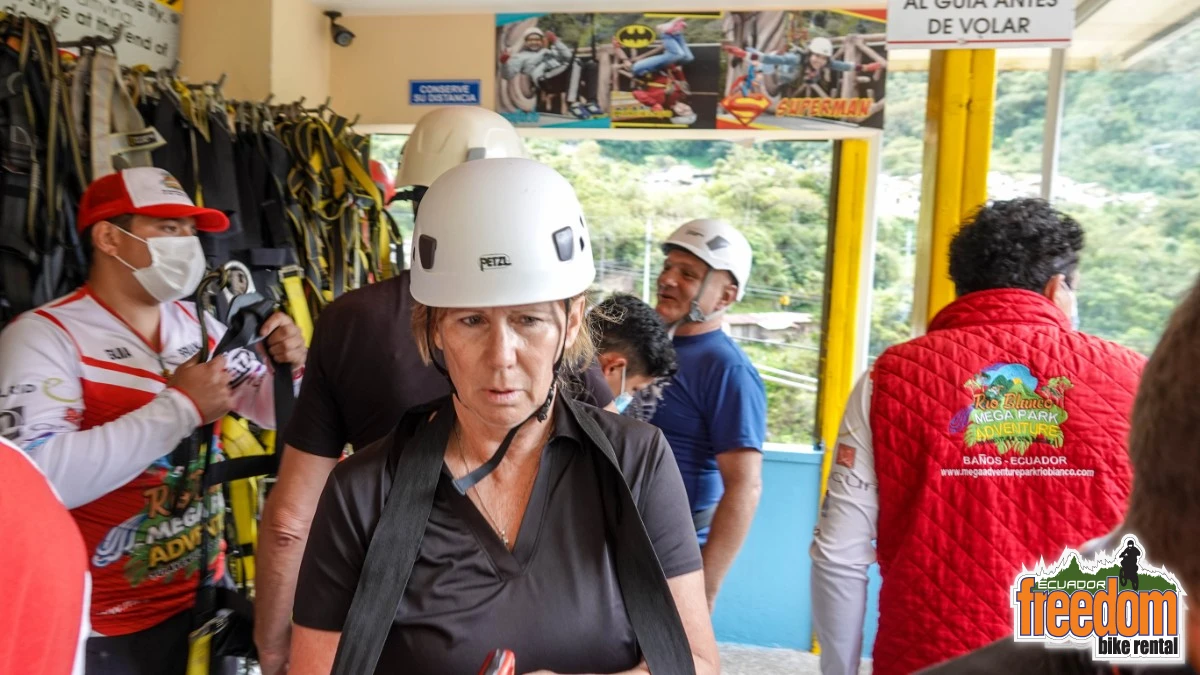
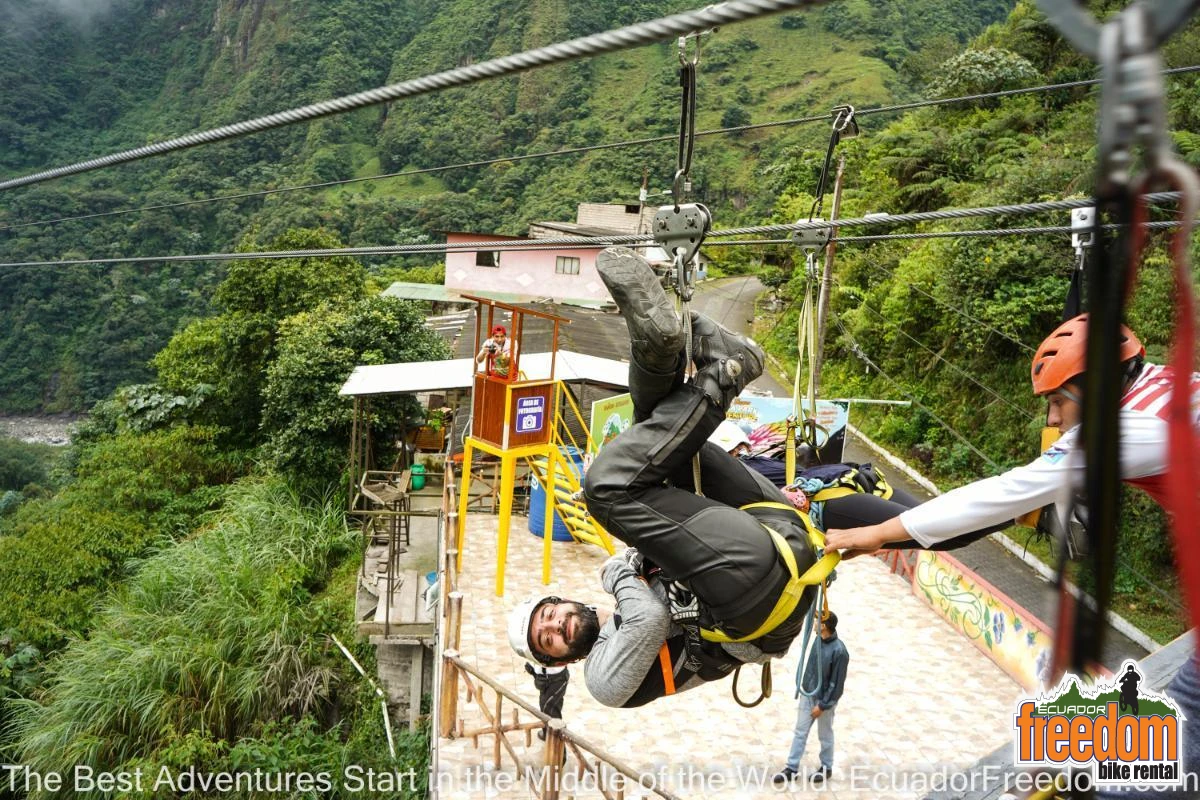
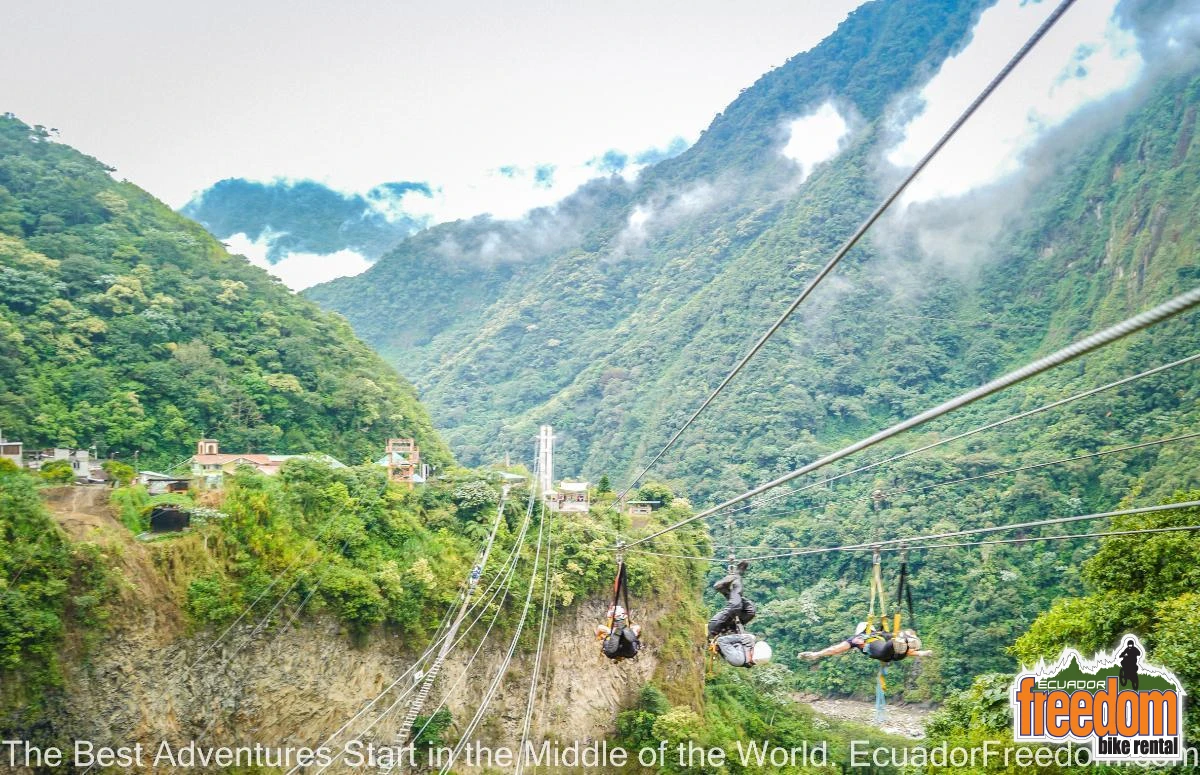
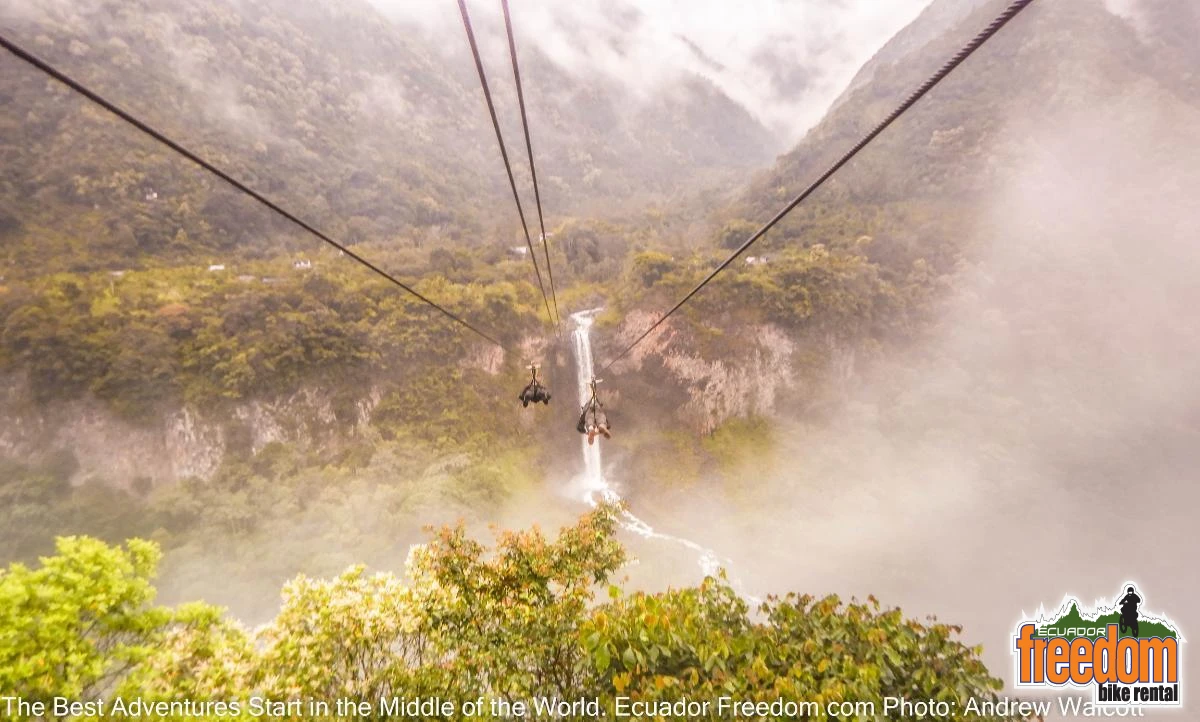
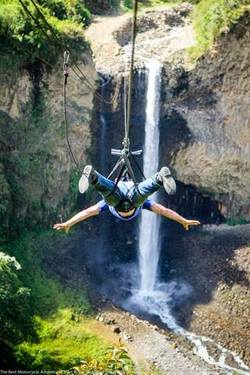 We'll continue our climb up the eastern slopes on the bikes and stop next for a real thrill. We'll tie into a zip line and cross a 200-foot chasm head-first across for about a half a mile canyon straight into the Agoyan waterfall. It feels like you have grown wings and become a bird. There is also a cable car if you want to do this at a slower pace!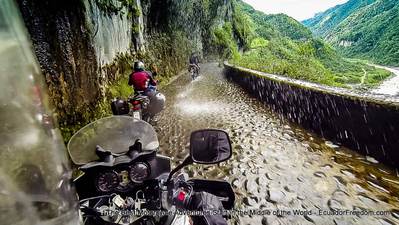
Once we have reached an altitude of about 6,000 feet (1850 m), we will be in the resort town of Baños, at the base of the active Tungurahua Volcano. Baños was settled in 1553 and enjoys a warm, subtropical climate nestled among soaring green hills lined with waterfalls.
Volcan Tungurahua (meaning "throat of fire") rises above the town at 5053 meters (about 16,500 feet) and erupts frequently. These mild eruptions provide an exuberant display of pyroclastic flows and ash, which we can view from the hills above the town.
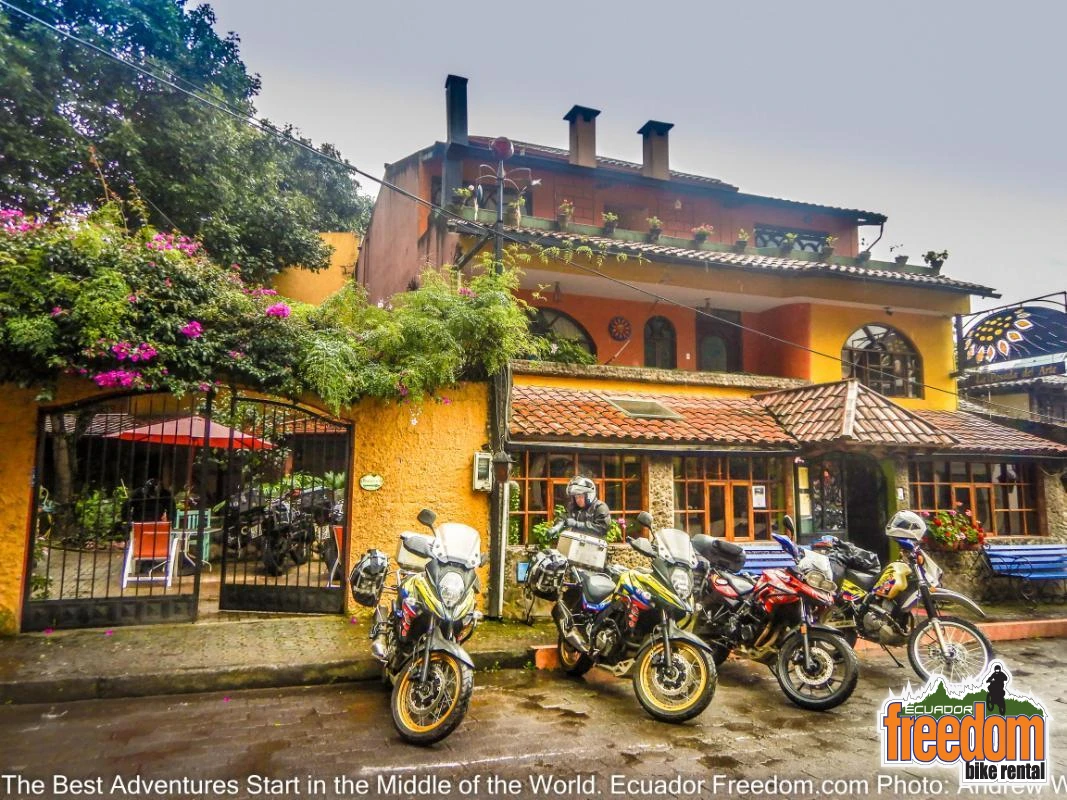
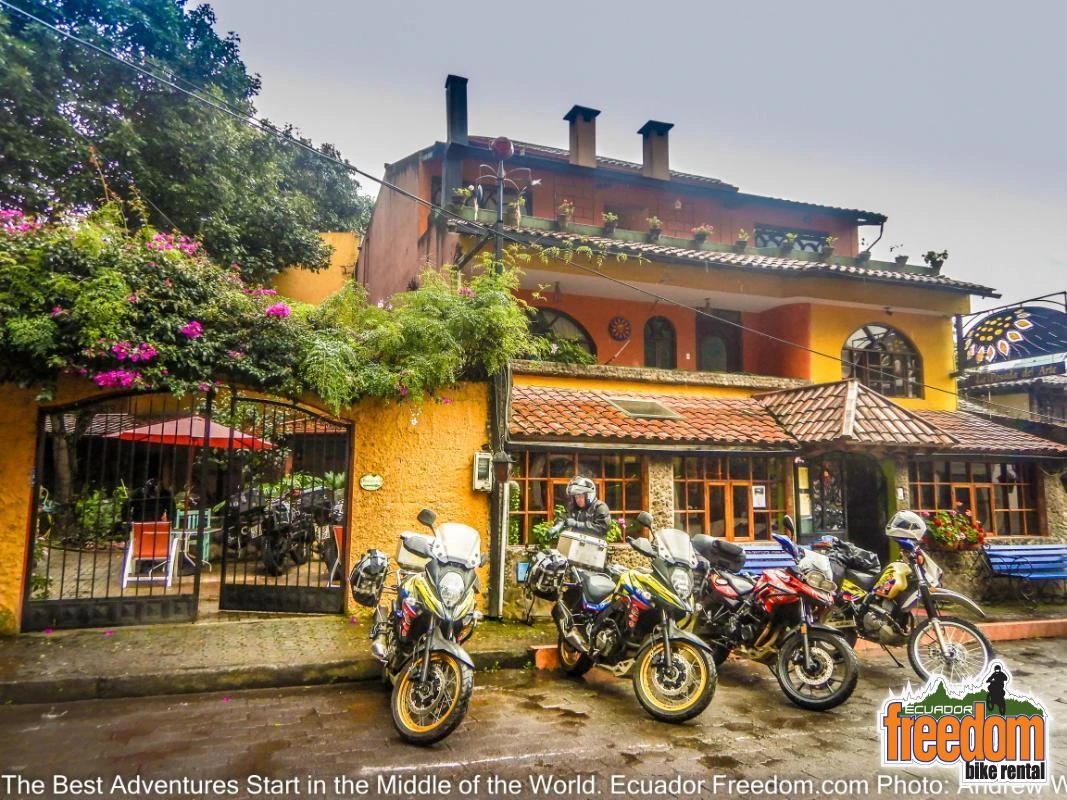
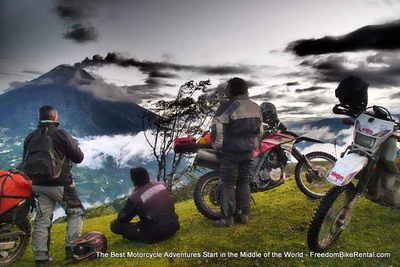 We'll check into the cozy and friendly Posada del Arte Hotel and walk a block up the street to soak ourselves in the volcanic baths that make this town famous. There are various pools of different temperatures and sizes. One is so hot that it will leave a red mark around you like a cooked lobster once you get out. These baths are a great way to relax after a day of excitement and great riding. We'll have dinner in one of the town's international restaurants.
Elevation Profile - Day 4

Day 4
Baños - Penipe - Riobamba - Alausi
 Today's ride will be beautiful but not so long, so we'll have some time in the morning to do an activity in Baños such as canyoning, hiking, horseback riding, or just taking a little extra time to go shopping and exploring the town. We'll pack up the bikes at around noon and head out of town, taking the route that crawls around the base of the mighty Volcan Tungurahua.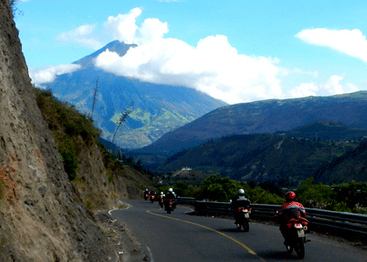
From there, we will follow the Chambo River valley, and the landscapes will alternate between deep green pastoral lands and dense eucalyptus and pine forests. We'll pass several orchards and scenic agricultural villages as we climb out of the valley and into the city of Riobamba.
Riobamba is a colonial city with pastel buildings and well-groomed parks and squares. We'll ride through the city's cobblestone streets and head out on a back road leading to breathtaking pastoral lands tended by shepherds and dairy farmers. The serpentine road leads past a region of green pastures and cool waters flowing in rivers dropping from the mountains above.
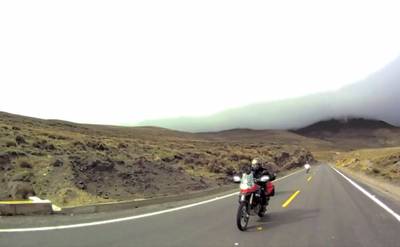
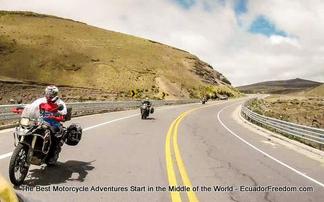 We'll re-join the Panamericana Highway again in the town of Guamote and ride in the fresh air of the altiplano at 11,500 feet. To the left, we'll ride by the high-altitude Palmira desert, which was once the fastest-growing desert in the world but has been contained thanks to an effective environmental campaign and reforestation efforts. It is a stunningly beautiful yet rare landscape.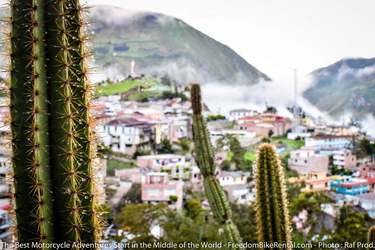
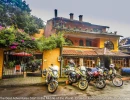
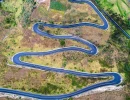
We'll downshift and enter a series of switchbacks that lead to the town of Alausi. Alausi is in a round valley and encircled by steep hills. The town has an old-world feel to it, much like a southern European town, with narrow cobblestone streets and colorful adobe houses. The town's activities center around the railroad tracks (we'll see why tomorrow), and we'll settle into the town's most comfortable hotel, the Hosteria La Quinta, which has lovely balconies overlooking the city below.
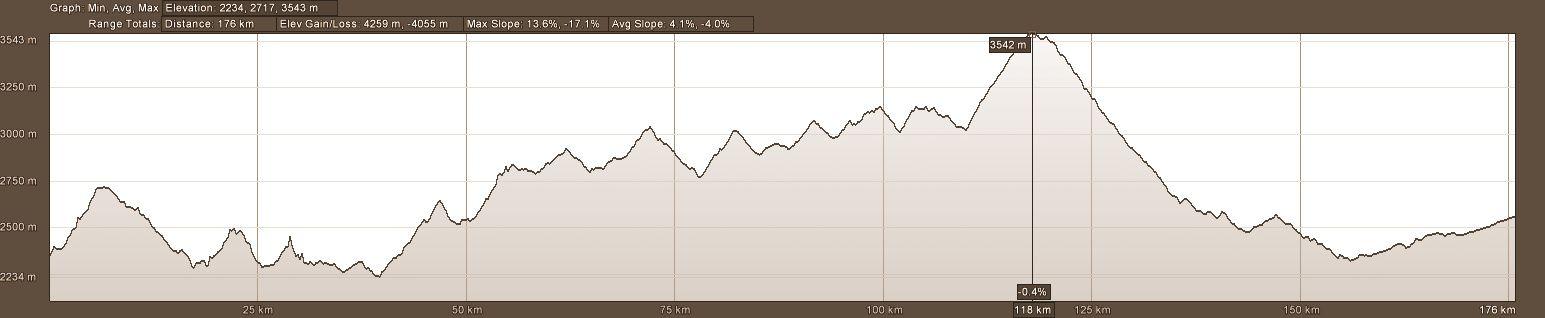
Elevation Profile - Day 5
Day 5
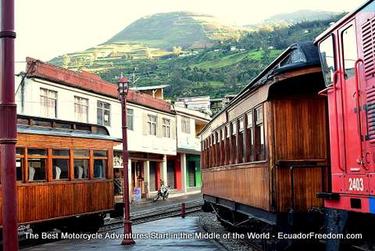 We will pack many fantastic experiences and amazing riding into the day today to start with a filling breakfast. We will first walk a block away to the train station and board the train bound for the "Nariz del Diablo" (Devil's Nose).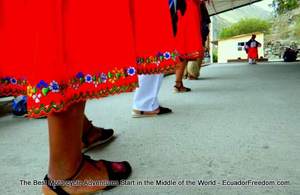
When they built the Ecuadorian railroad in the early 1900s, this section was known as the "most difficult railway in the world." It is a fantastic feat of engineering indeed. At one point, the train will descend over 3,000 feet, having to move backward and then forwards as it descends the steep switchbacks. The train will let us off in Sibambe, where we will visit the condor museum there and see these powerful birds close -up. Then we ride the train back to Alausi and get ready for an astounding ride through the southern Ecuadorian Andes.
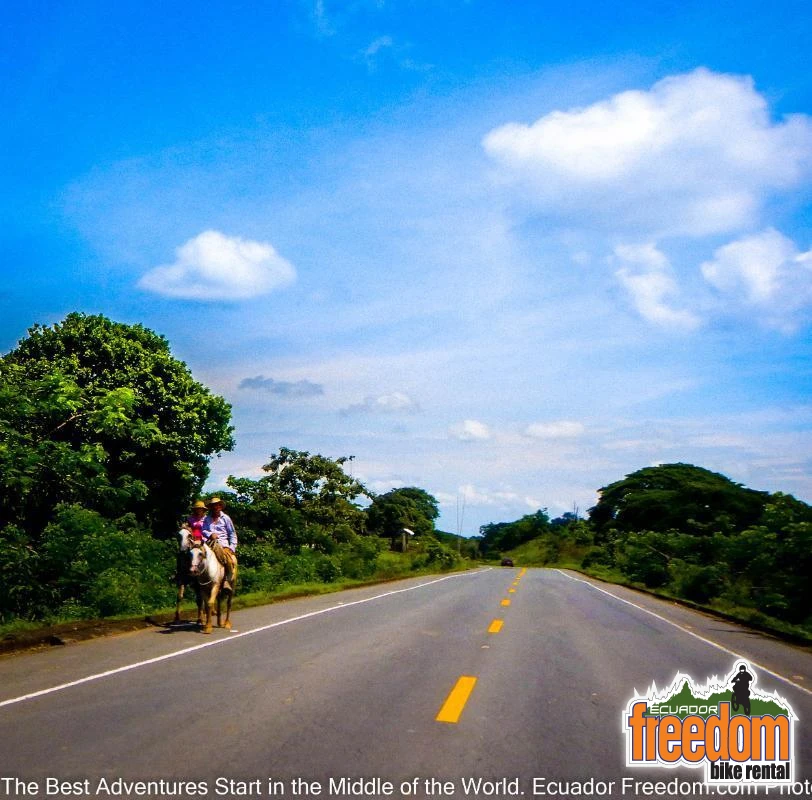
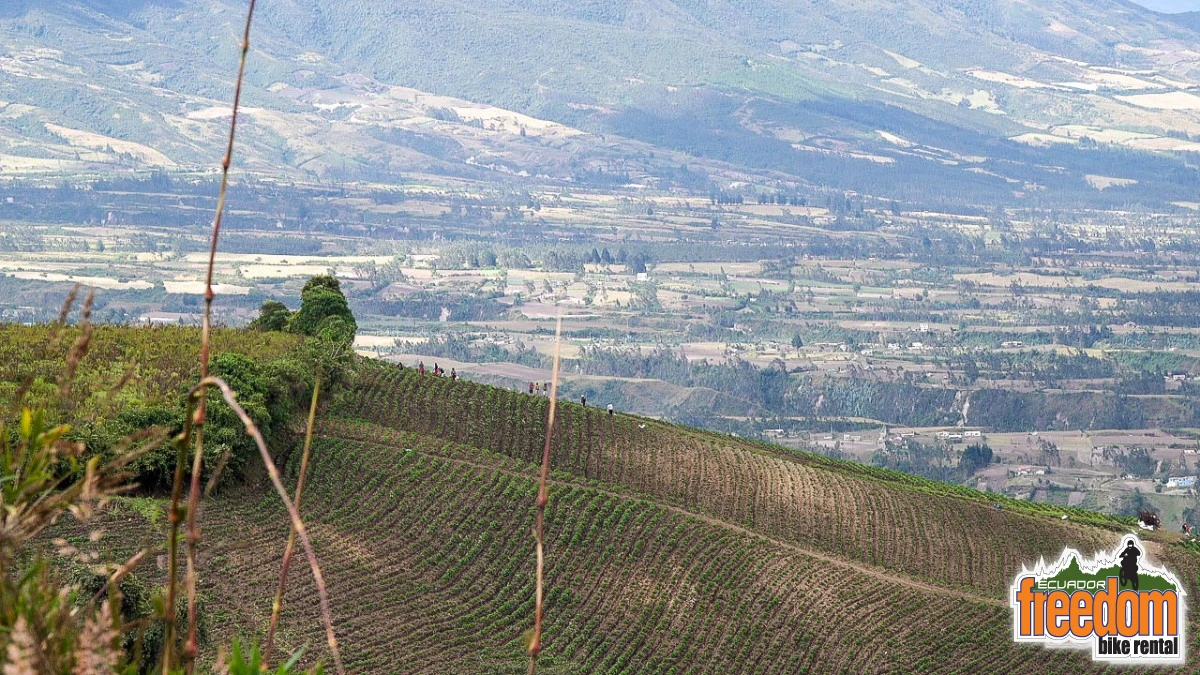
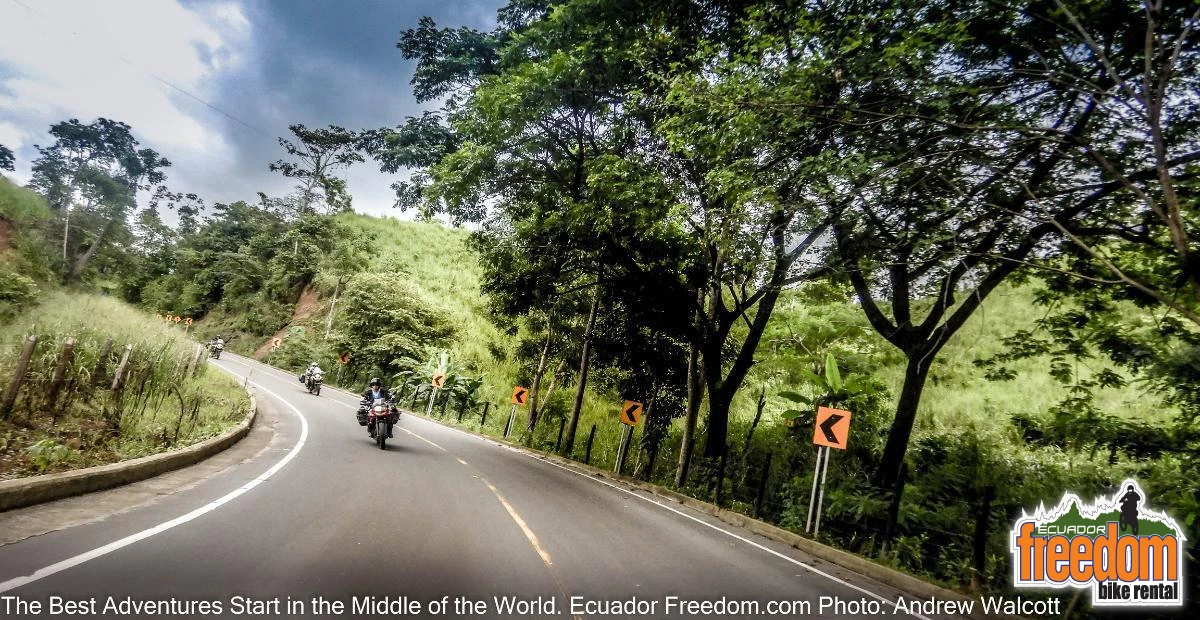
As we head south down this lonesome stretch of the Panamericana Highway, we'll see some profound changes in the landscape. The rugged, sharp peaks and snow-capped volcanoes of the North will give way to softer, greener, and tamer lower elevations. The climate and terrain are also a little drier here. Until just a few years ago, this stretch of the Panamericana 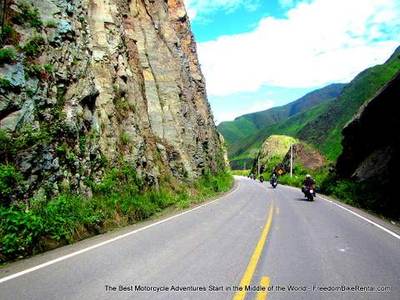 Highway was abysmal, which isolated this section of the country for many years. We can still witness these effects as we ride through the virtually uninhabited countryside. The whole region feels very far away and strikingly different from the North of Ecuador. The motorcycle riding here is some of the best you'll find on the entire Panamericana (which stretches from Alaska to Ushuaia in Argentina). This section of the multinational highway is brand-new pavement, and the seemingly endless curves and vistas will be an afternoon delight for sure.
The little town of Tambo was an ancient Chasqui (Inca courier) way station on the Inca Royal Road between Cusco and Quito. We'll turn off here from Panamericana Highway and into the traditional lands of the Cañari people.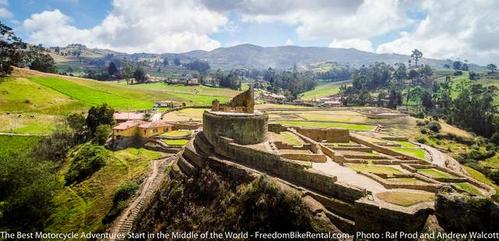
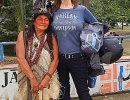
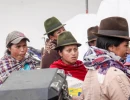
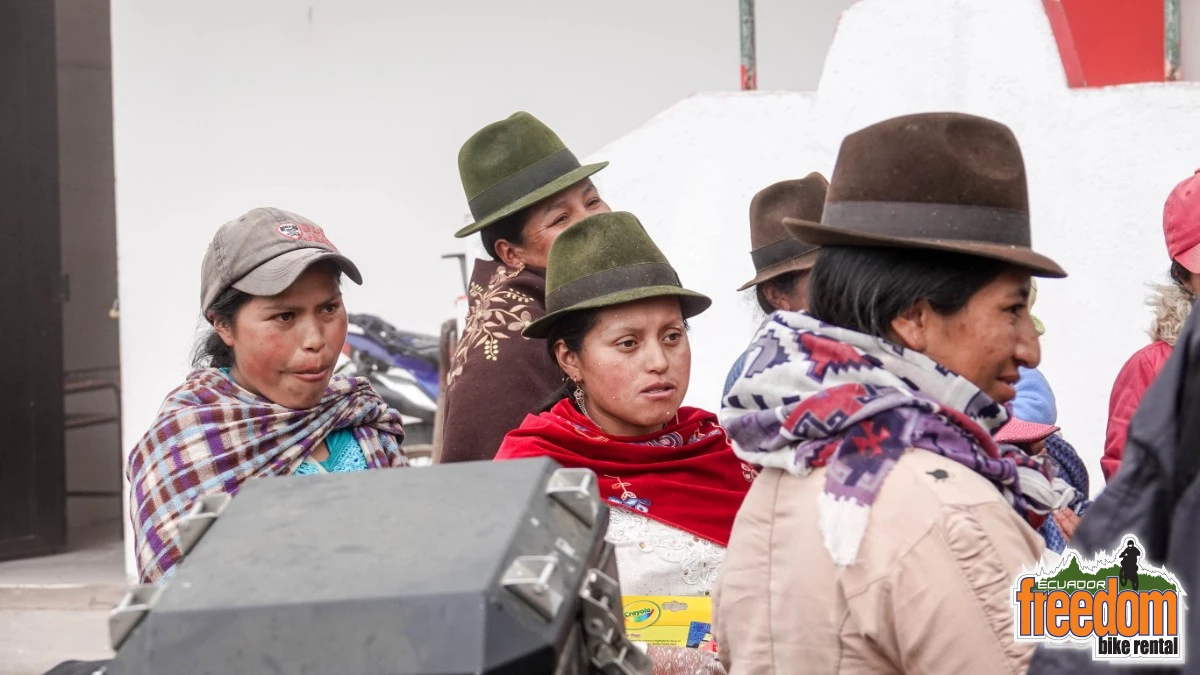
The Cañari are particularly noted for their resistance against the Inca Empire. Eventually conquered by the Inca shortly before the Spanish arrival, the Cañari would later ally with the Spanish against the Inca. The landscapes here are astounding, with rolling patchwork fields still tended to by animal - not machine - power. In many ways, a ride through this region is a throwback to another simpler, healthier time. We'll see many Cañari dressed in brightly colored ponchos and white felt bowlers.
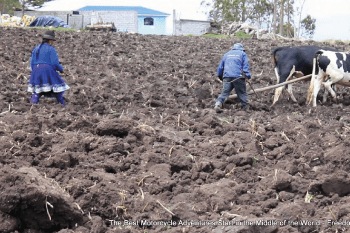 The meandering road leads to Ingapirca, which is the best-preserved Inca site in Ecuador. Constructed during the Inca expansion into Ecuador in the late 15th century, the Cañari people had previously occupied the site for more than 500 years. The vast ruins here include the Temple of the Sun and remain mostly intact. It is composed of an immense oval-shaped platform whose slightly inward-tapering walls are made of superbly carved stone blocks, fitted together with enigmatic precision. The site exhibits other architectural emblems of the Inca empire, such as trapezoidal doorways and exquisite stonework that are usually reserved for ceremonial temples. We will get a brief tour of the site to reveal the fascinating history of this region and the ancient empire.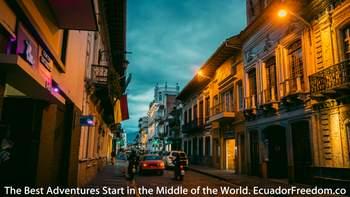
From Ingapirca, we'll continue down this magnificent stretch of the Panamericana, through the towns of Cañar, Biblian, and Azoques, which all feature gothic temples and churches that sit righteously above the highway. And although the Inca defeated them, the Canari culture lives on. Passing through paramo and then thick forests, the road brings us to the city of Cuenca.
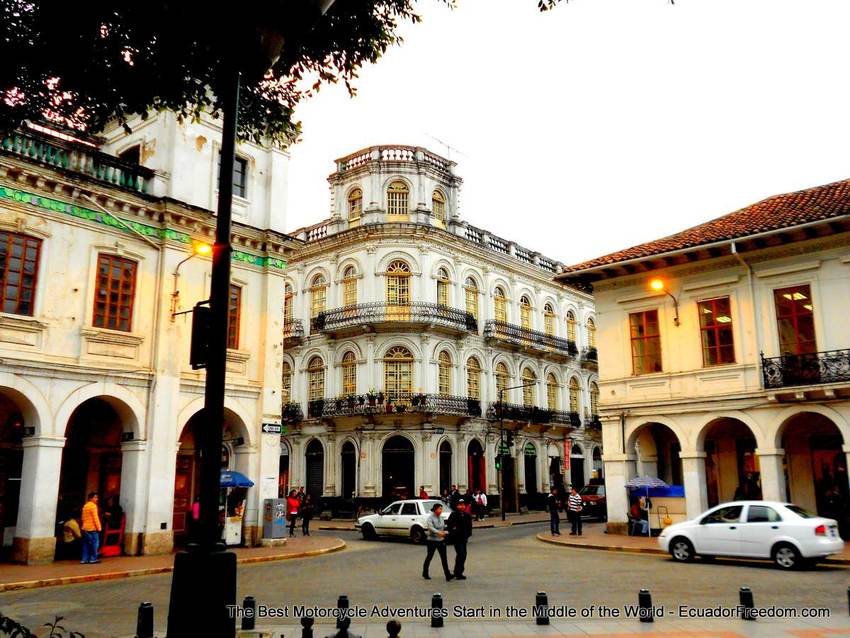
Cuenca is Ecuador's most beautiful city. The UNESCO World Heritage City features narrow, cobblestone streets, harmonious houses with balconies and flowery interior courtyards, and many churches and monasteries built of precious stone. The Spanish founded it in 1557 on the site of Tomebamba - a city established by the Inca in 1470, which was said to have rivaled Cusco in Peru with its pomp and majesty.
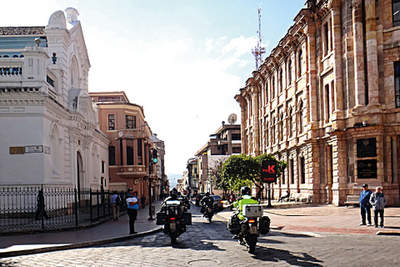 We'll check into one of Cuenca's most luxurious hotels - Hotel Victoria for our two-night stay. It is located in the colonial center of the city and overlooks the beautiful Tomebamba River. We'll have a stroll around the center of this city, visiting the Catedral Vieja - a cathedral built in 1557 and the Parque Calderon, as well as the famous flower market. Cuenca offers an outstanding choice of excellent restaurants, and we'll choose from a wide variety of cuisines to celebrate the end of a fantastic day.
Day 6
Rest Day in Cuenca
Today is a day for relaxation and activity. We'll be staying in the colonial center of the UNESCO World Heritage City of Cuenca - voted as the #1 place for retirement by International Living Magazine. You'll have a chance to get to know this beautiful city. There are fantastic restaurants, hot spring inexpensive luxury spas, museums, zoos, and several markets to explore. Click here for a guide of things to do on your day off in Cuenca.
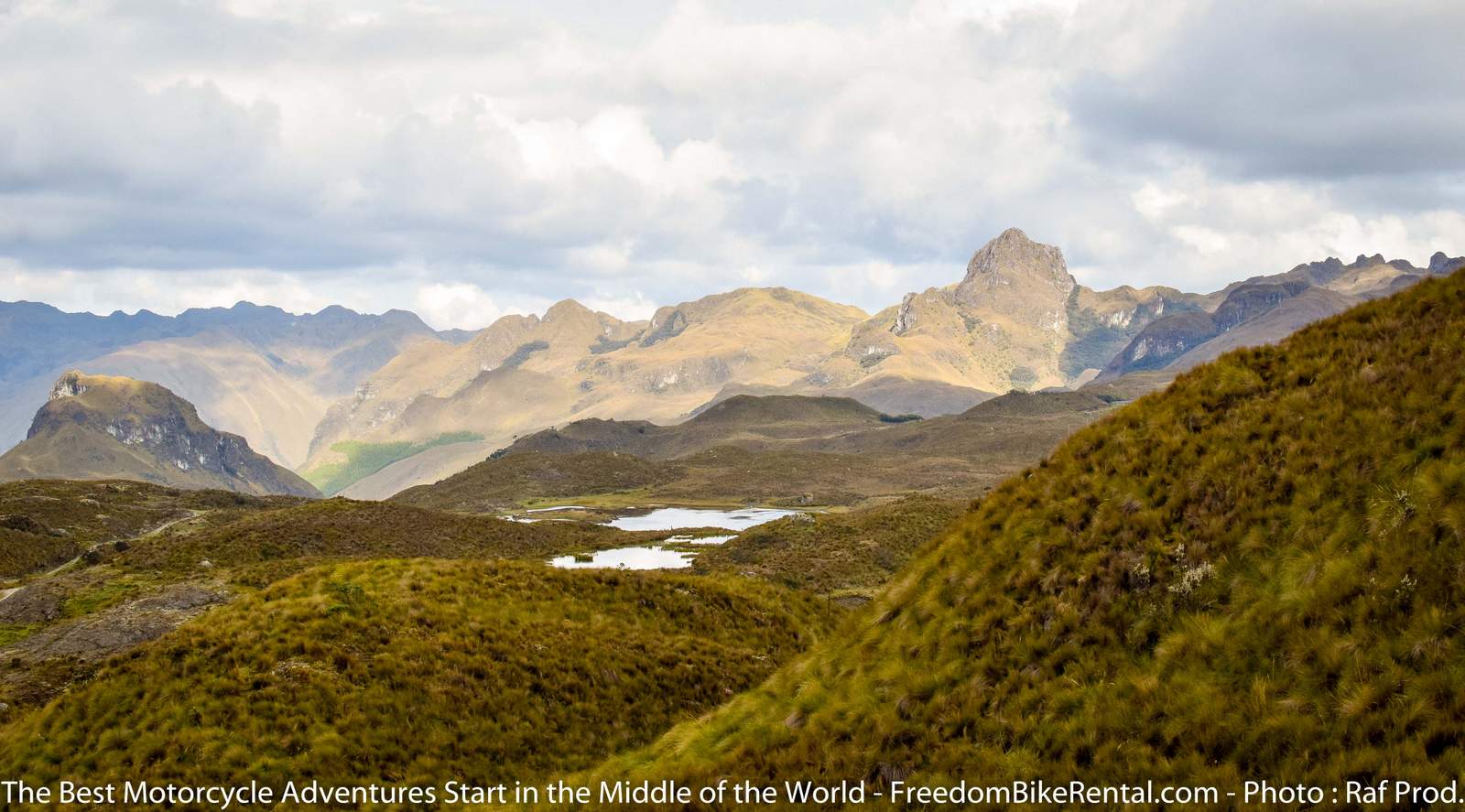
If you want more riding, we can set up a self-guided motorcycle tour of the Cajas National Park (pictured above) - one of the most exhilarating rides in South America.
You'll have a fantastic day, no matter what you choose to do!
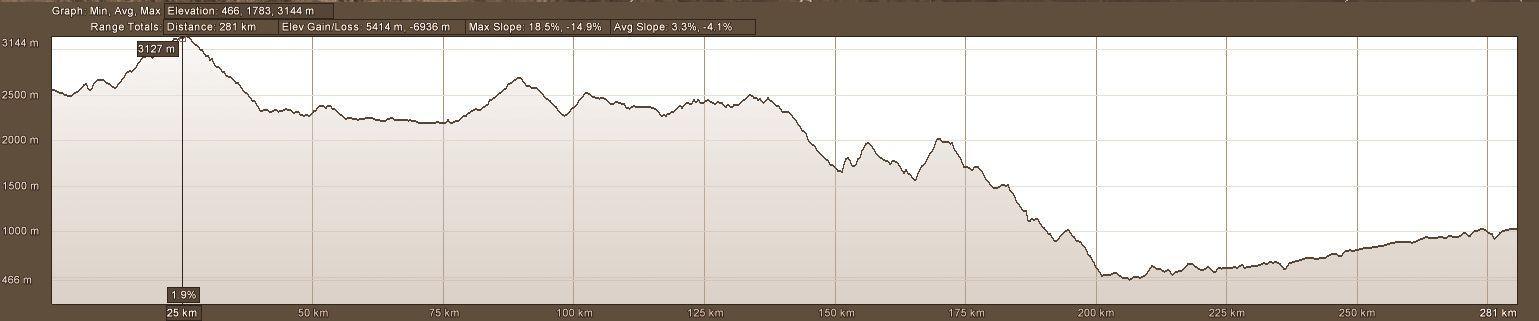
Elevation Profile Day 7
Cuenca - Paute - Sucua - Macas
After a delightful buffet breakfast, we'll pack up our bikes and ride through Cuenca's cobblestone streets and depart the city, heading east. The road will first bring us past fantastic rock outcroppings and then drop down into a warmer, greener valley. The valley is replete with fruit orchards, flower plantations, and orchid nurseries. This is a newly paved road, and this beautiful valley is becoming a popular place for Cuencanos to buy their weekend homes.
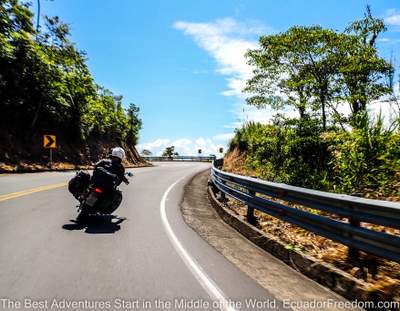 We will be riding on what is known as the "Guitar Road" because the region is known for its handmade guitars made by several craftsmen with shops along this scenic mountain road. The guitars made here have ended up in the hands of many famous musicians, including Bob Dylan, Judy Collins, and Andrés Segovia.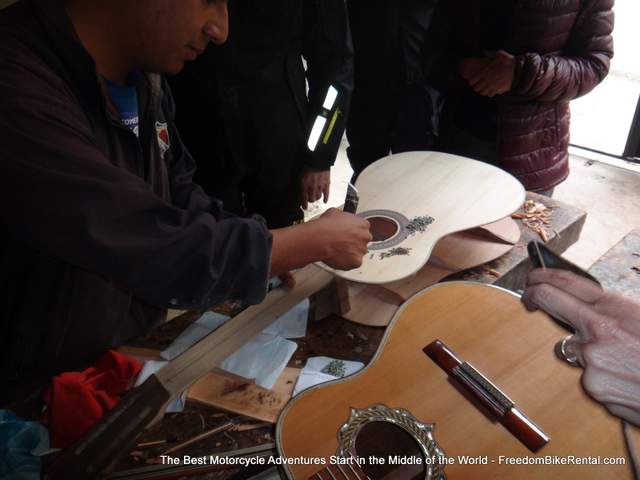
Ride along the pleasant Rio Cutilcay, which brings you to the town of Paute. Paute is a beautiful town with a well-manicured central park. The town is famous for its fruit, and you can pick up a great jar of jam from the town to bring home.
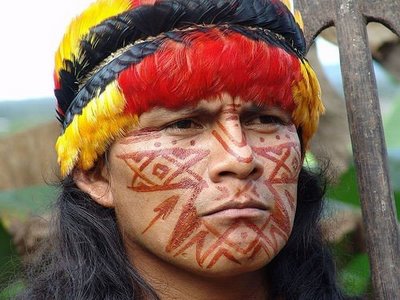 From here, climb again in altitude before descending into the Amazonian town of Sucua, the major home, and center of the Shuar people. "Shuar" in the Shuar language means people. But the Shuar refer to Spanish speakers as apach and non-Spanish/non-Shuar speakers as inkis. Europeans and European Americans used to refer to Shuar as jívaros or jíbaros; this word probably derives from the 16th-century Spanish spelling of "Shuar" but has taken other meanings, including "savage"; outside of Ecuador, The Shuar were largely left undisturbed by the Inca for good reason.
The Spanish, in their quest for gold, tried to colonize them. When they tried to impose taxation and laws, they became deeply angered and attacked a Spanish outpost, killing thousands of settlers. The Spanish Governor was then killed by having molten gold poured down his throat until his bowels burst - their attempt at poetic justice. Most recently, the Shuar continued their culture of being great warriors in the war with Peru in 1995, where they consistently outwitted the Peruvians. They have only recently been integrated into Ecuadorian society. This area of the Amazon, protected by the Shuar, is one of the most pristine parts of the jungle in Ecuador.
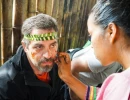
 The Shuar are famous for shrinking the heads (Tzantzas) of their enemies, which ceased just 2 generations ago; the process evolved to take revenge from the bewitchment of the enemy over others serving as a warning to any would-be future attackers and predators. Don't worry and have a stop in the center of town. Members of the older generation can still be seen with their facial tribal tattoos, although the younger generation has taken to wearing jeans and t-shirts...
Continue your ride, passing a display of waterfalls on all sides, and arrive in the town of Macas. Macas is a very orderly and clean town with very friendly people. We will settle into the hotel Farallon for a stay full of relaxation and fun.
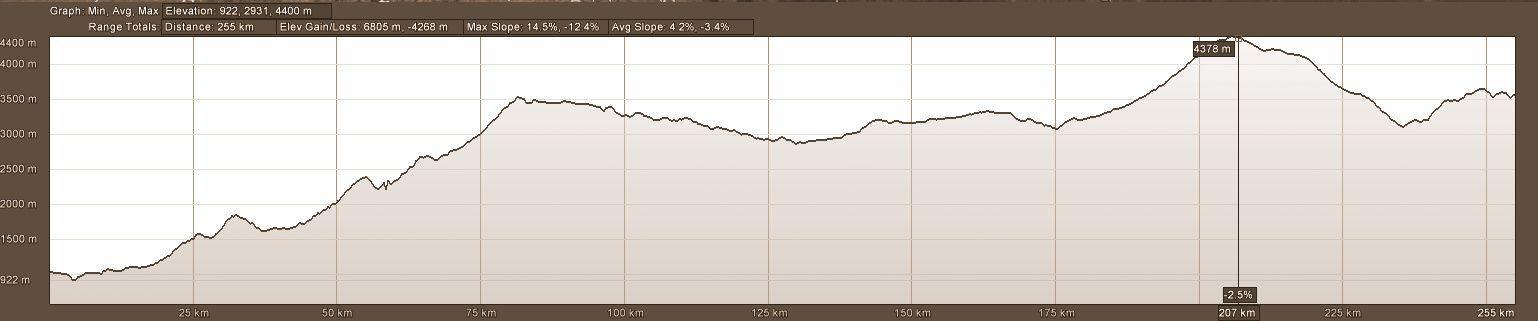
Elevation Profile - Day 8
Day 8
Macas - Sangay National Park- Chimborazo National Wildlife Refuge - Salinas de Guaranda
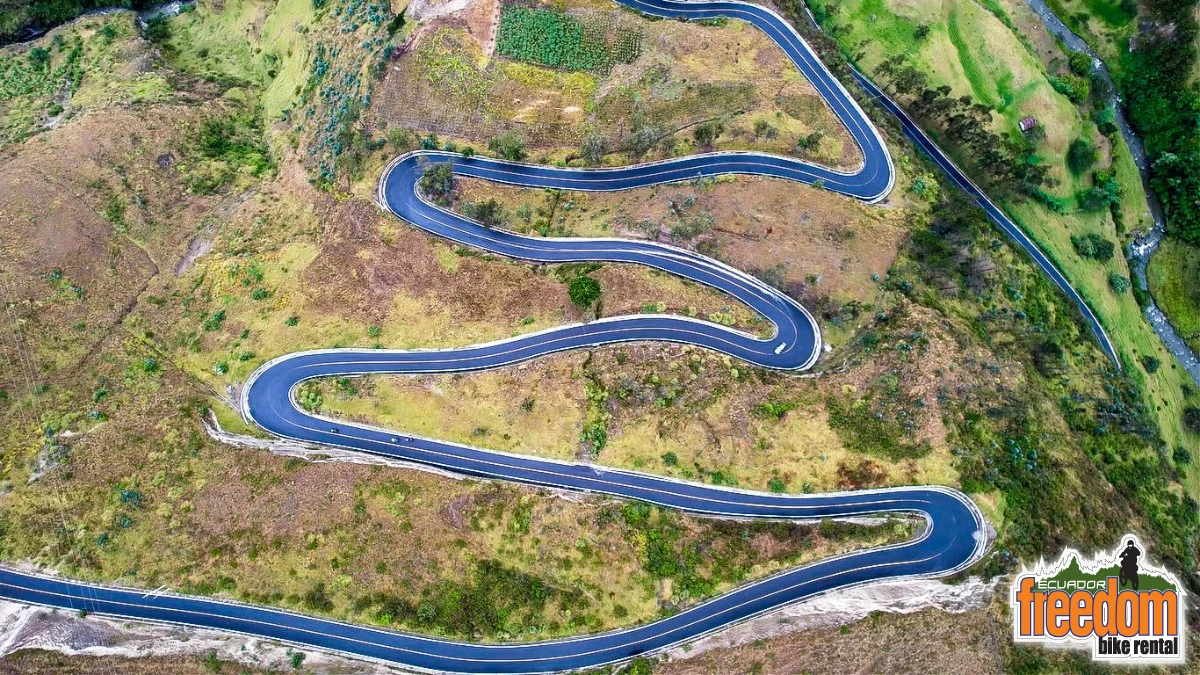
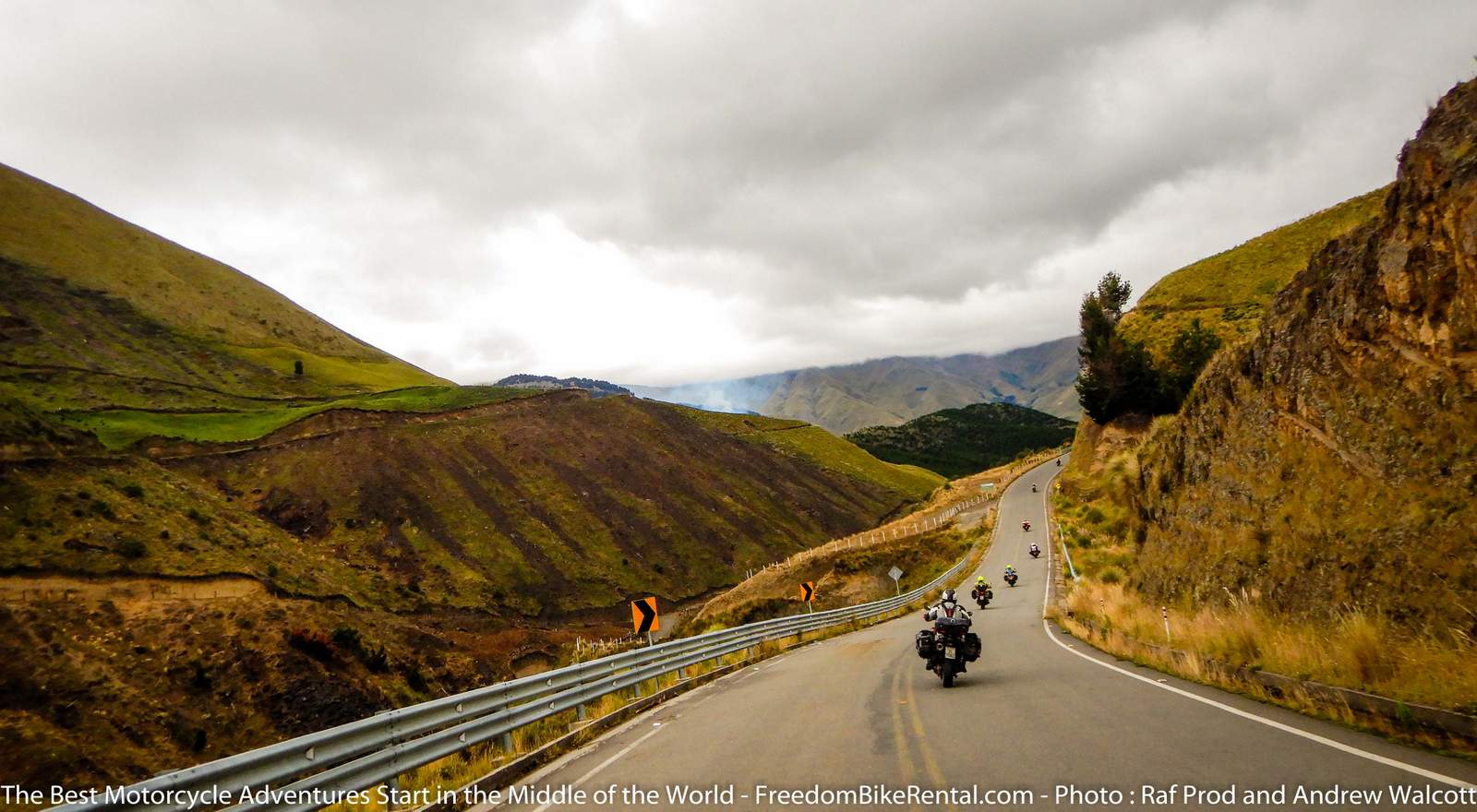
T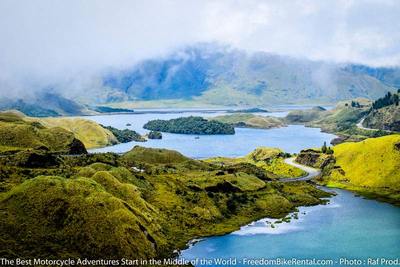 oday's ride will take us through a wide variety of terrains and changing climates, so you will need to be prepared with extra layers of clothes and a heavy set of gloves. We'll set out of Macas, heading west to enter the Sangay National Park on the pristine new tarmac. The government had been promising to create this road for the past 111 years- and it was just completed in 2014. There had been a lot of controversy about bringing vehicles into what is considered one of the most beautiful natural areas of Ecuador.
We're delighted they built this road - and you will see why! It starts, in the lower elevations, with a show of several dramatic waterfalls and provides the perfect cambering in the many curves we ride as we climb in altitude. We'll pass into the cloudforest and through the small town of Zuñac- with amiable residents.
From Zuñac, we'll start climbing again - with more dramatic tumbling waterfalls to entertain us as we twist and turn. The forest will begin to give way to a windswept paramo, and we will come upon the stunning Lagunas de Atillo. The ancient natives of this region, the Puruháe people used to drown their convicted criminals in the icy waters. Jagged, pointy peaks frame the lakes. We'll be stopping here for some photos.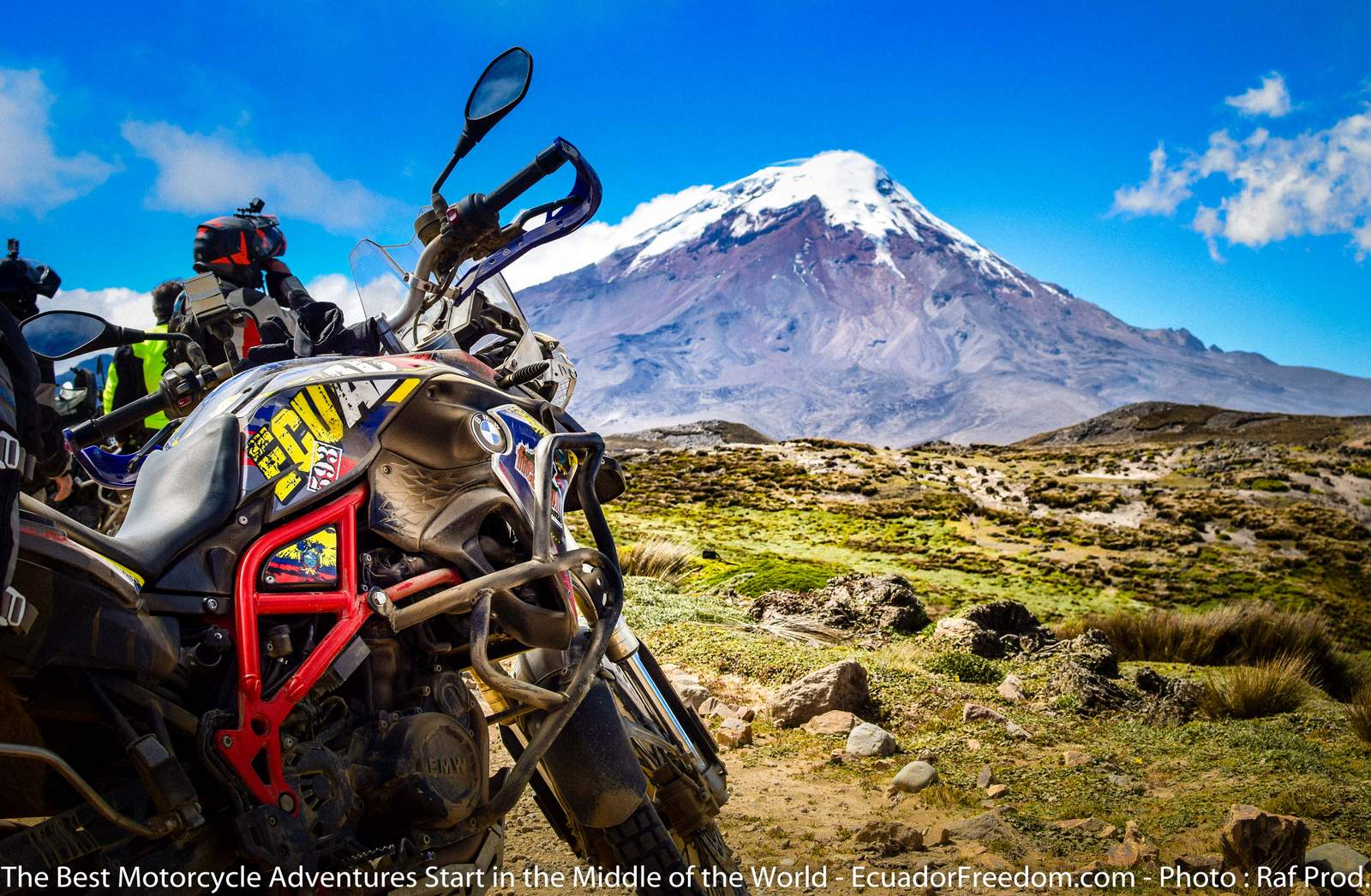
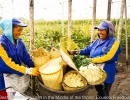
We'll descend a bit in elevation to arrive in a patchwork of bright and dark green fields interspersed between cold flowing brooks. Here the people are raising sheep, and the scenery is stunning. We'll come through a dusty little town of Calaceda and turn to the west to re-join the Panamerican Highway north. We'll pass the Laguna de Colta from which the local women gather the reeds and sell baskets alongside the road. We'll stop to see the Balbanera Church, said to be the first chapel the Conquistadors raised in 1534. It still has carvings of angels and gargoyles and makes a great photo with the snow-capped Chimborazo mountain behind it.
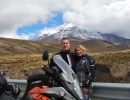
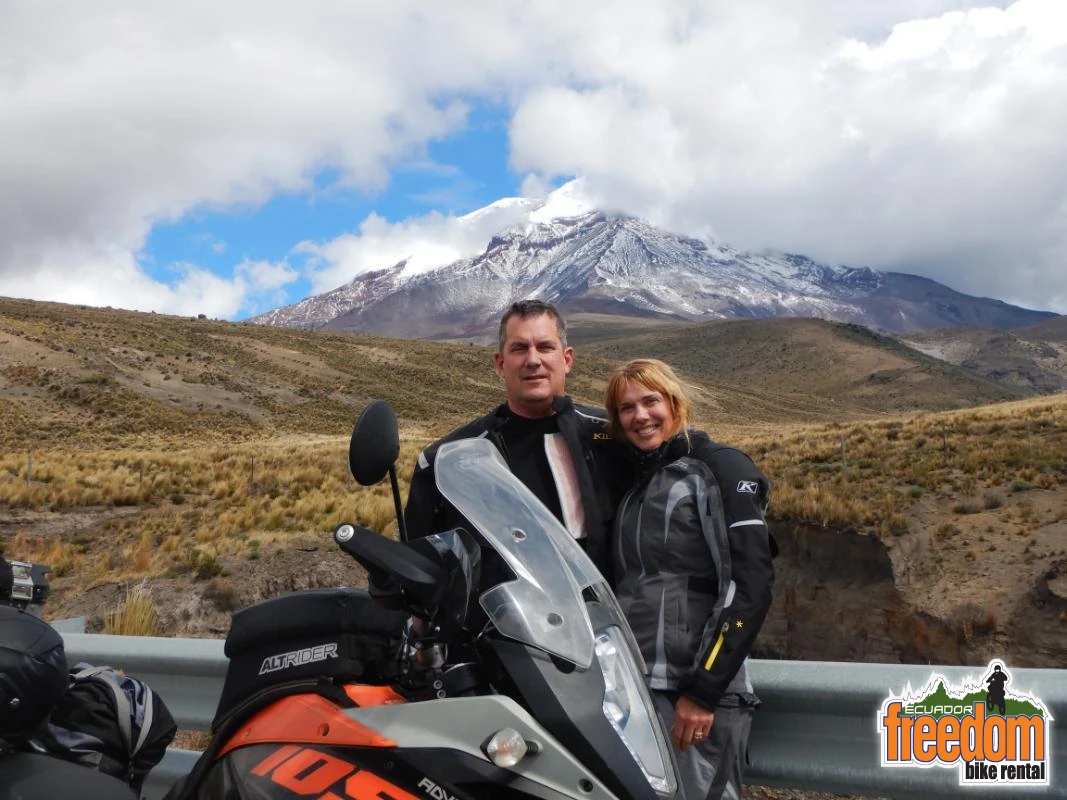
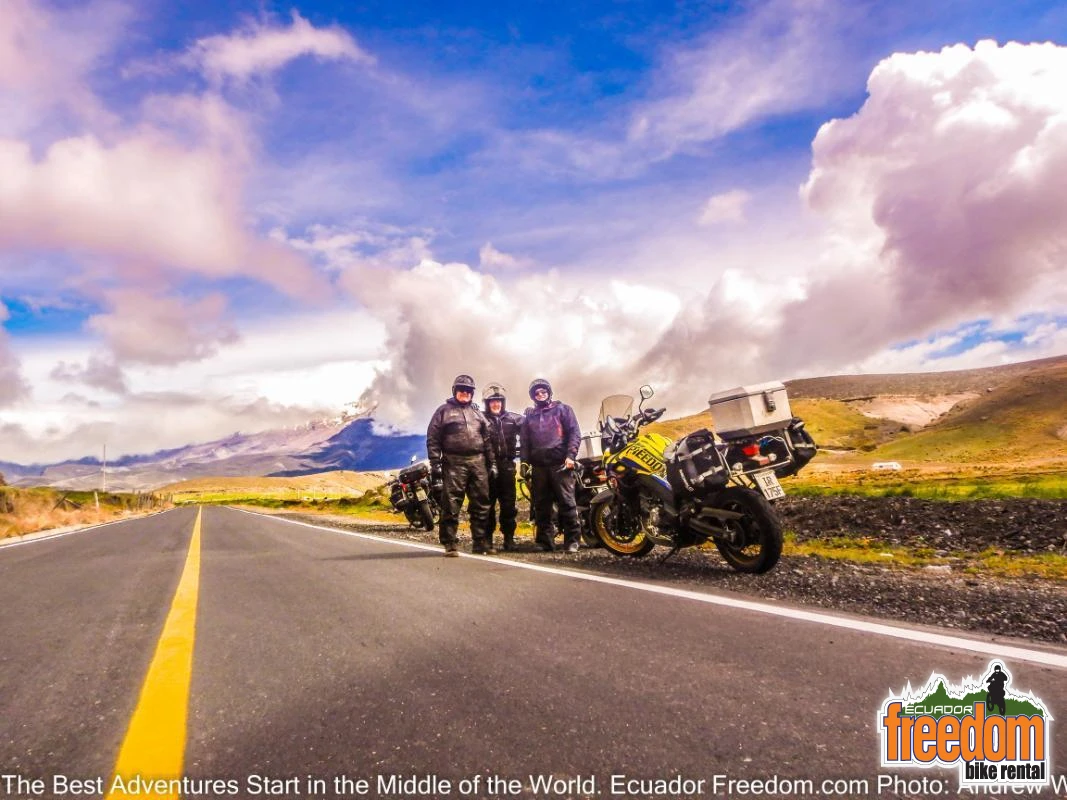
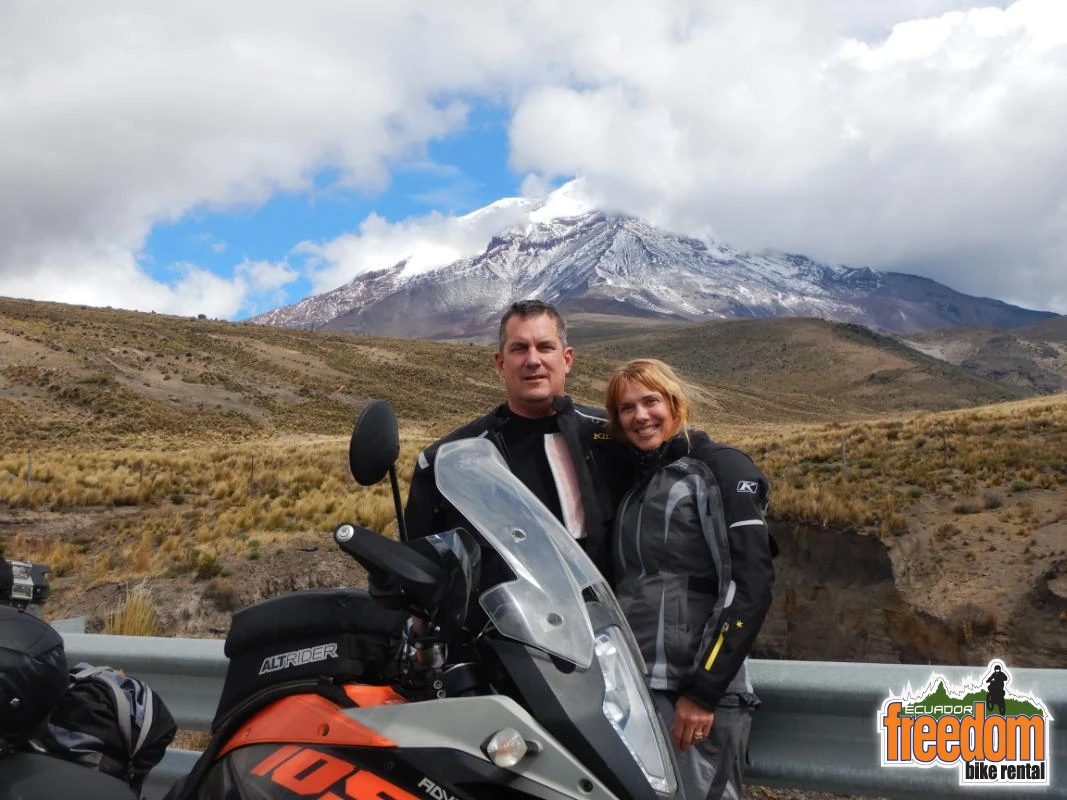
 We'll turn west again and begin rising into highlands paramo, climbing the base of the Chimborazo Mountain. With permanent glaciers at its peak, Chimborazo is the highest point in Ecuador and is the highest point on Earth. This notable factoid is because the Earth bulges at the Equator and Chimborazo's peak is the furthest piece of land from Earth's core.
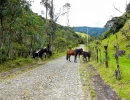
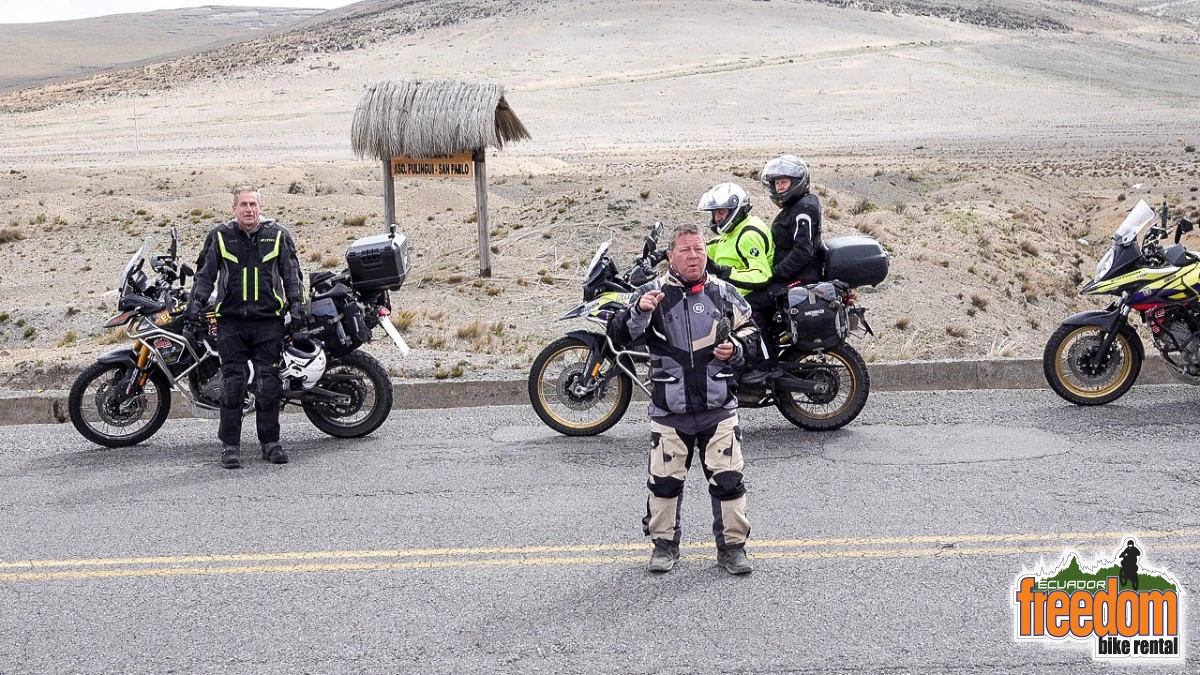
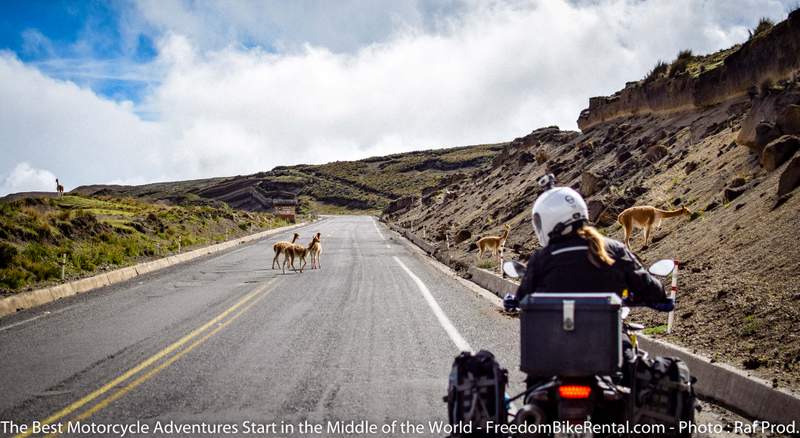
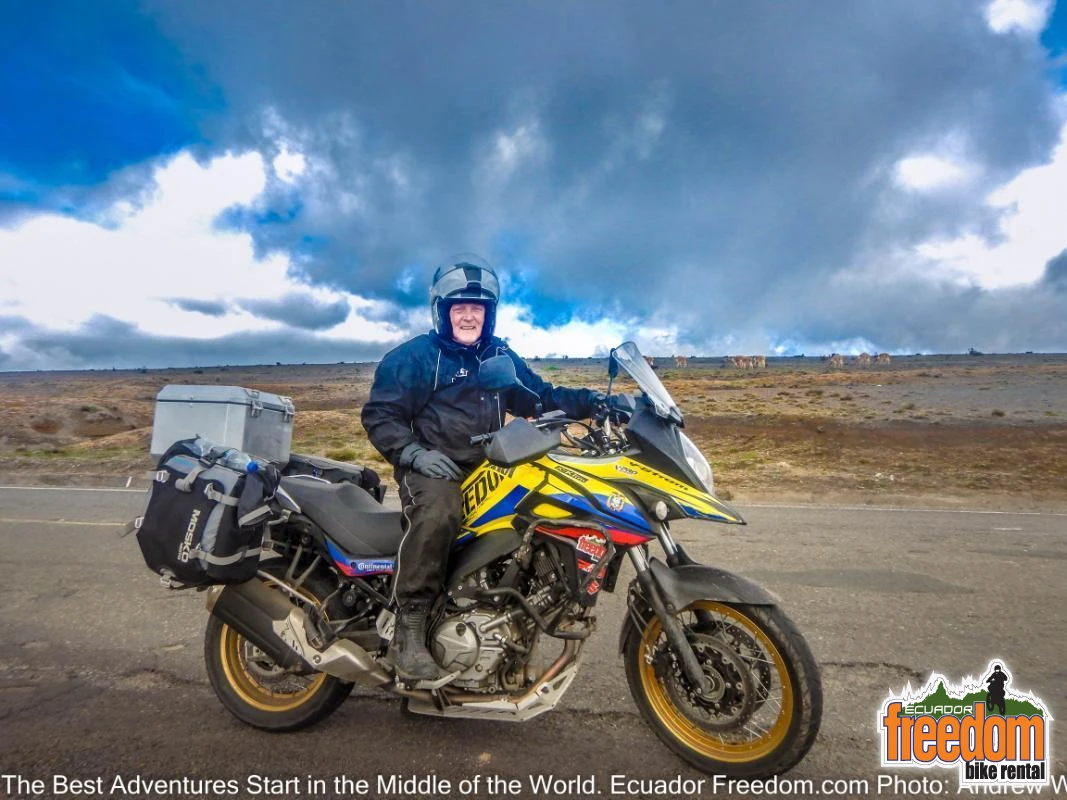
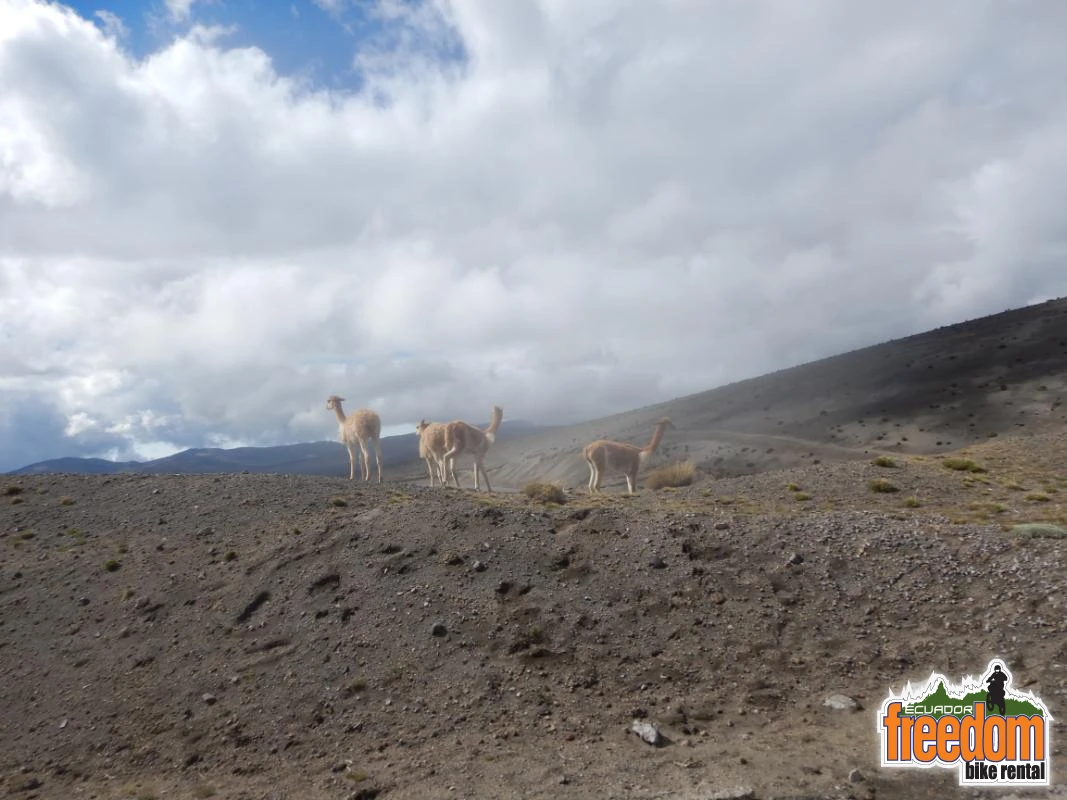
The road we take crosses through the Chimborazo National Wildlife Refuge, home to thousands of wild vicuña, the smaller lighter faster cousin of the llama and camel. Ecuador has one of the best-protected vicuña populations in the world, and we will be sure to see these majestic creatures as we wind around the colossal mountain. We'll reach an altitude of over 14,500 feet (4.500 meters), and here, the weather is unpredictable. Be ready for bright sunshine, freezing rain, hail or even snow!
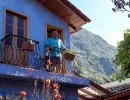
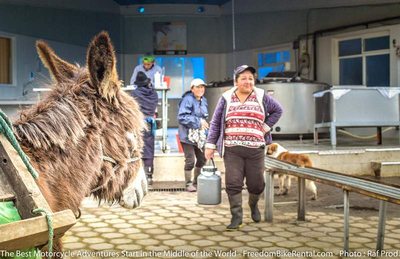 We'll descend from this high altitude and ride into the Guaranda valley and turn to the west again on a twisty road that winds through deep green pastures. We'll arrive in the alpine town of Salinas (photo left), a grouping of colorful homes near the foot of a vertical wall of rock, surrounded by rolling fields and plains. Salinas is so named because it has a natural spring that brings forth water with the perfect combination of iodized salt, known for its healing qualities.
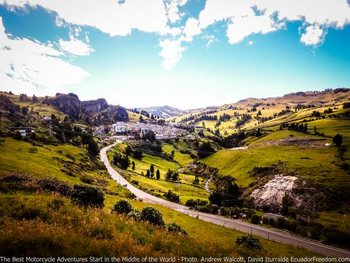 We'll check into the basic but comfortable "El Refugio" hotel and grab some dinner made with the town's most popular products - cheeses and sausage. The evenings will be a bit chilly as we are at an altitude of 11,500 feet, so we'll warm ourselves around the fire in the hotel and meet the other guests before sleeping in this tranquil setting.
Elevation Profile - Day 9
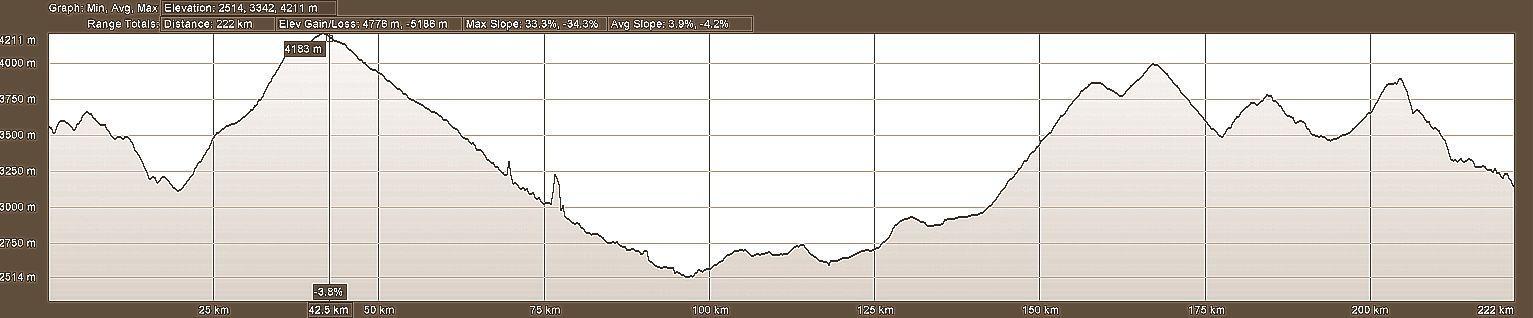
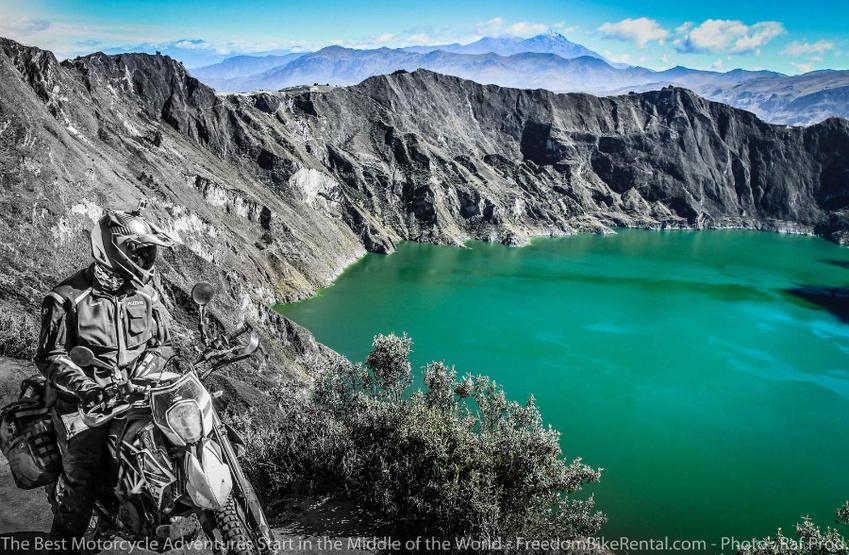
Salinas de Guaranda - Tigua - Laguna de Quilotoa - Chugchilán
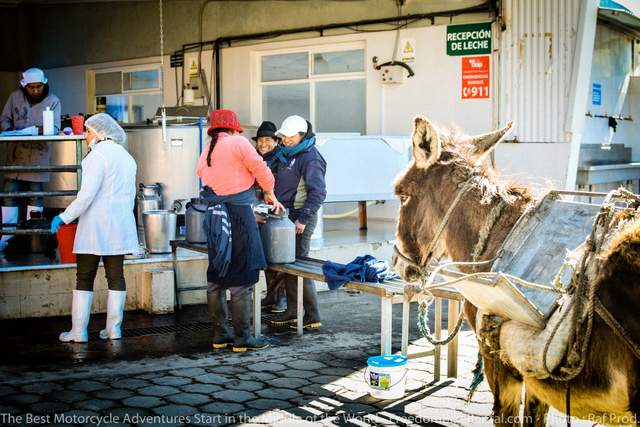 We'll wake up in the high altitude town of Salinas and have a great breakfast of fresh cheeses, eggs, and juice. We'll get a tour of this unique town and learn about its amazing history. Until 1971, the town lived under feudal law - the men worked in the fields and had to pay tribute to the land owner. This set up changed with land reform signed into law by President Cordova (who was assassinated soon after that).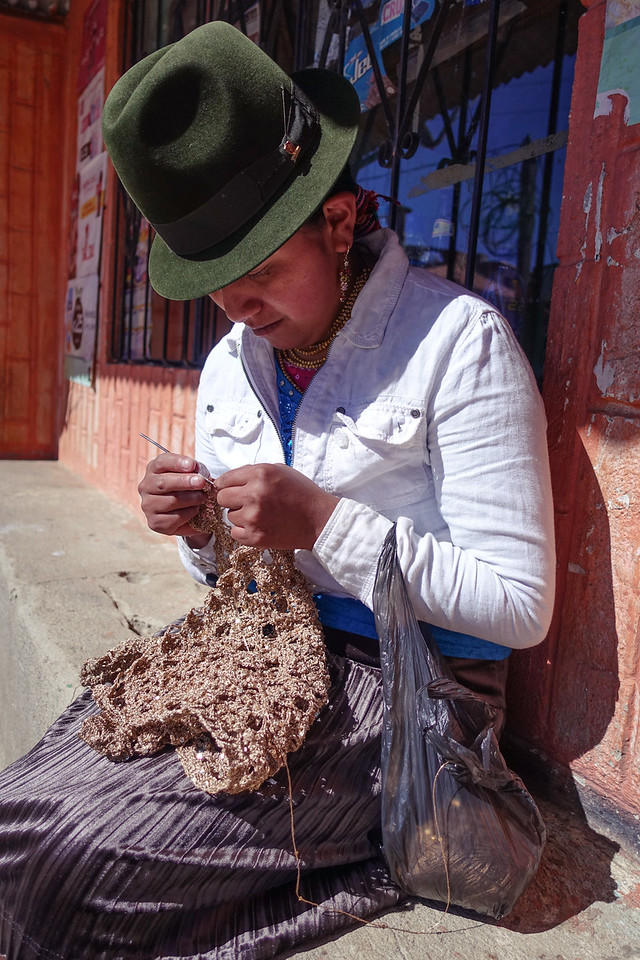
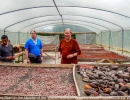
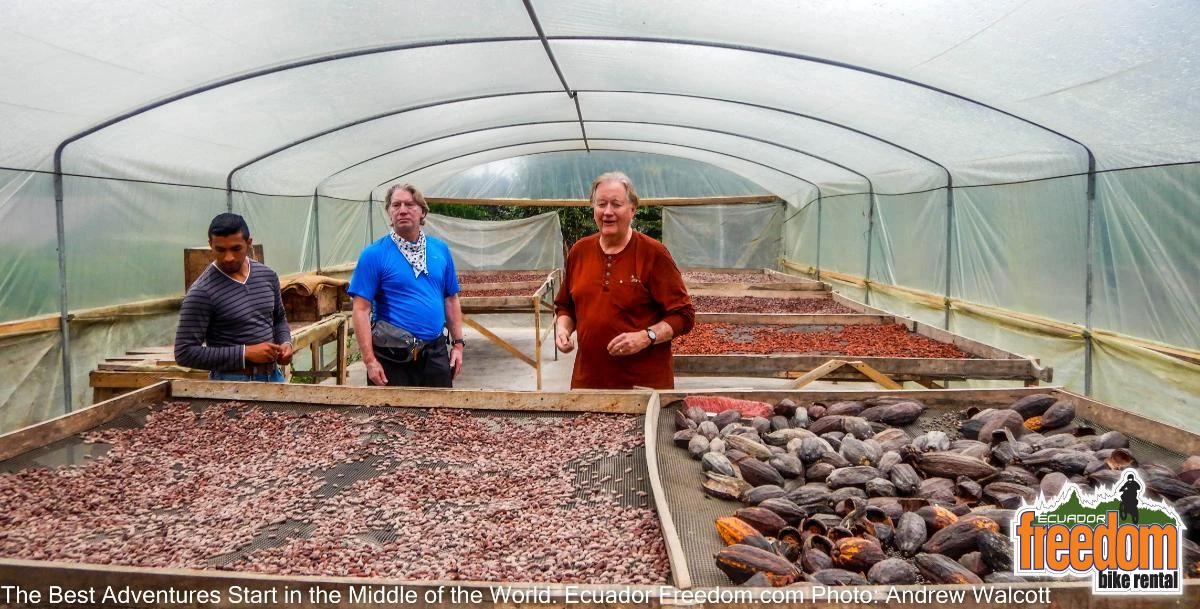
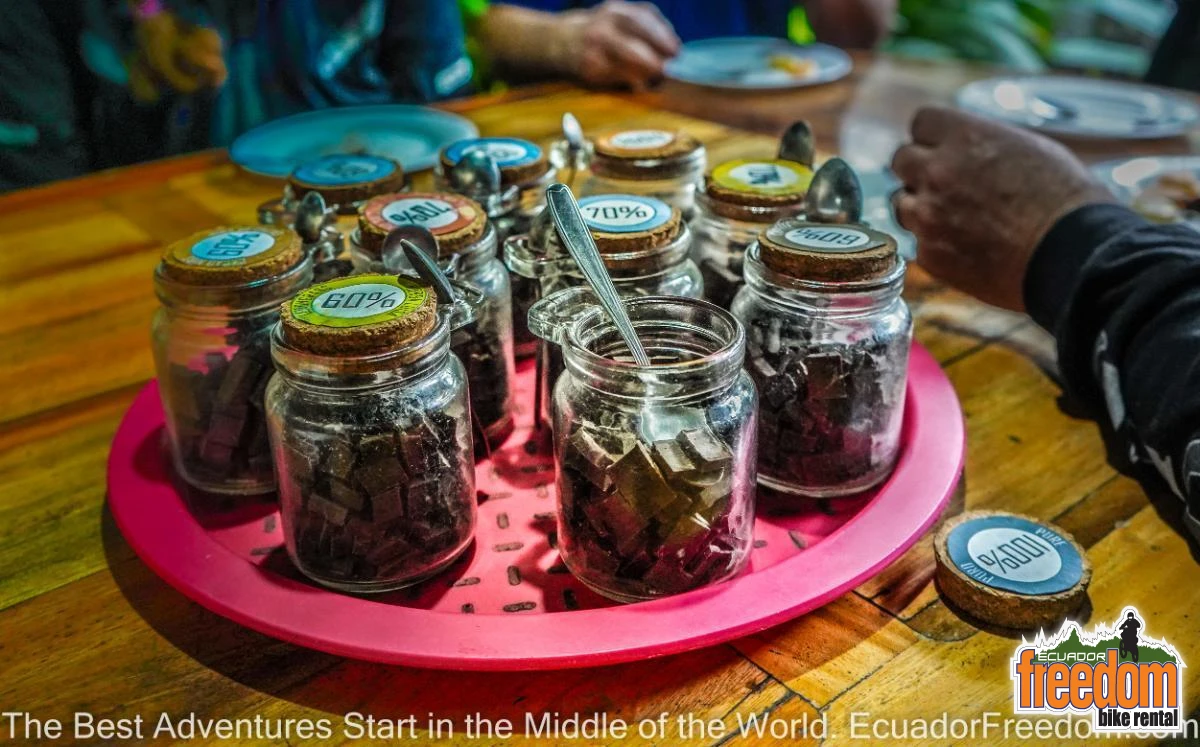
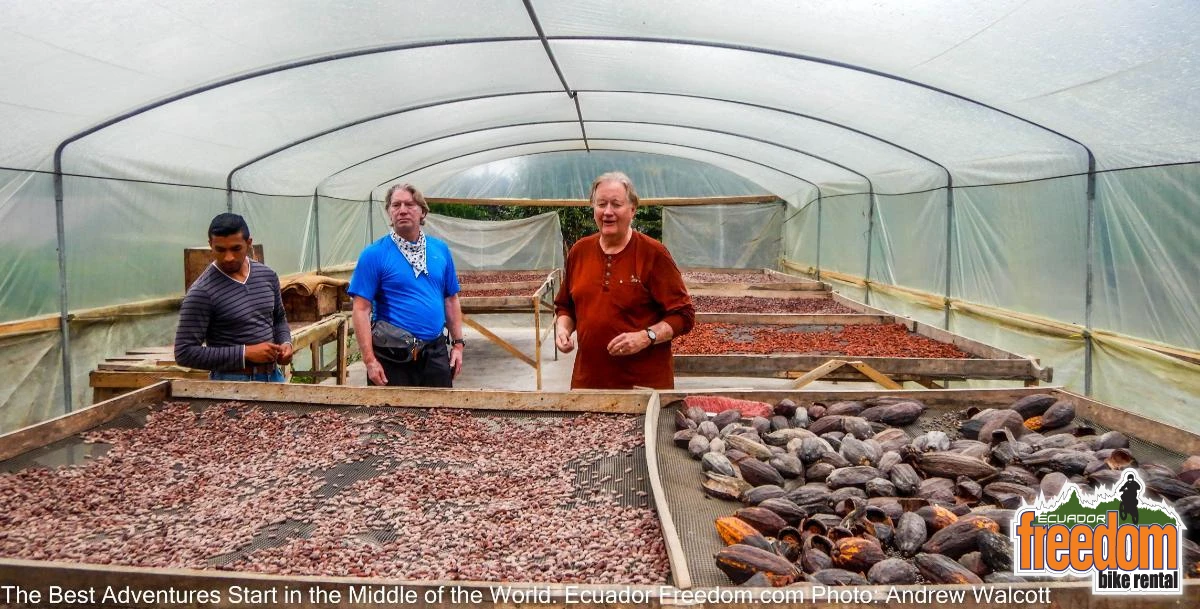
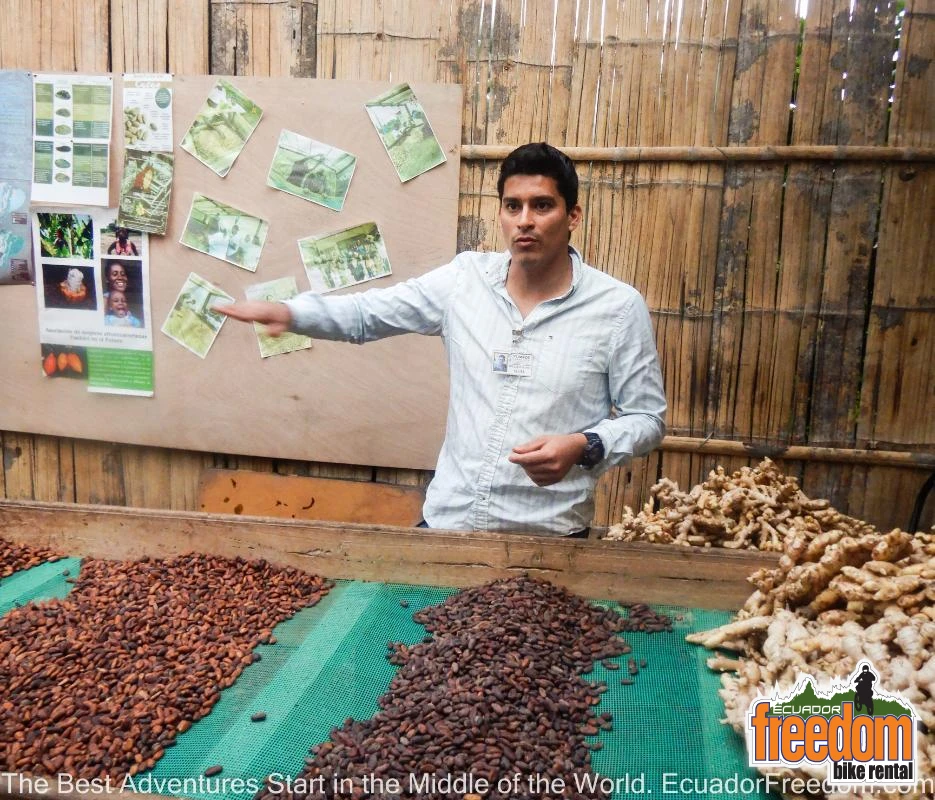
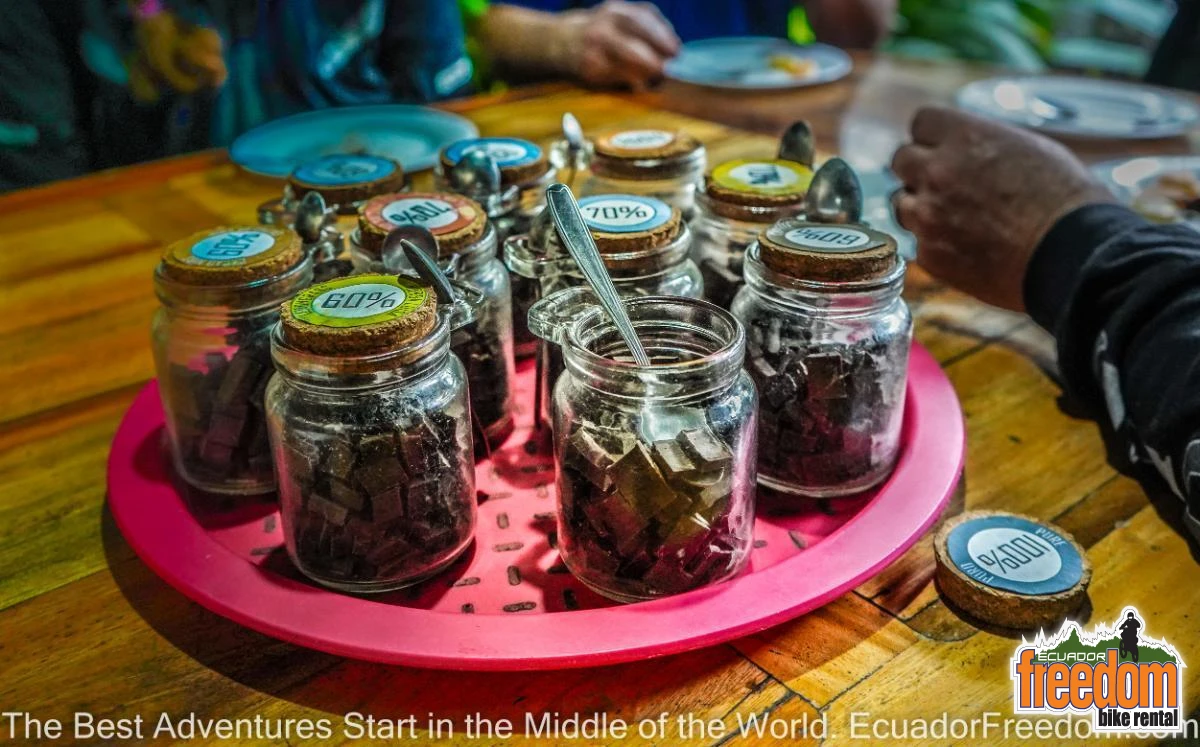
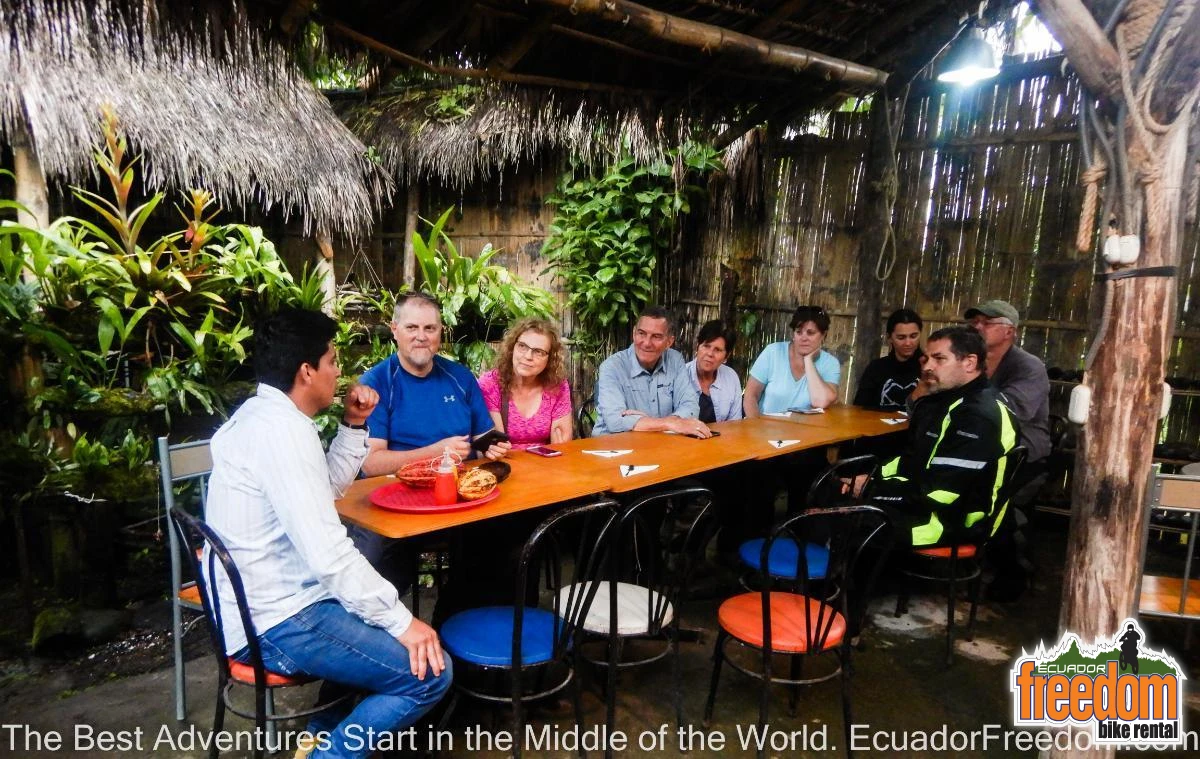
A Swiss philanthropist came to help pull the town out of poverty and to the point is today with full employment and a prospering economy. His foundation created a cooperative economy and provided the locals with training, materials, technical support and bank loans. They imported machinery from the closed mills in Massachusetts. It transformed the lives of the local sheep owners who had previously sold raw wool to intermediaries for a pittance. They began to manufacturer their wool and sell it directly to manufacturers for a much better profit. With this success, the town turned to make cheeses, importing Swiss cheese making technology. Now they were able to turn the locally produced milk into the tastiest cheeses in the Andes. A similar expansion of the town's economy has happened with other activities such as providing chocolate and soccer balls. We will spend an hour or so visiting this town and learning about its inspiring rags to riches story.
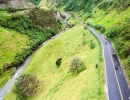
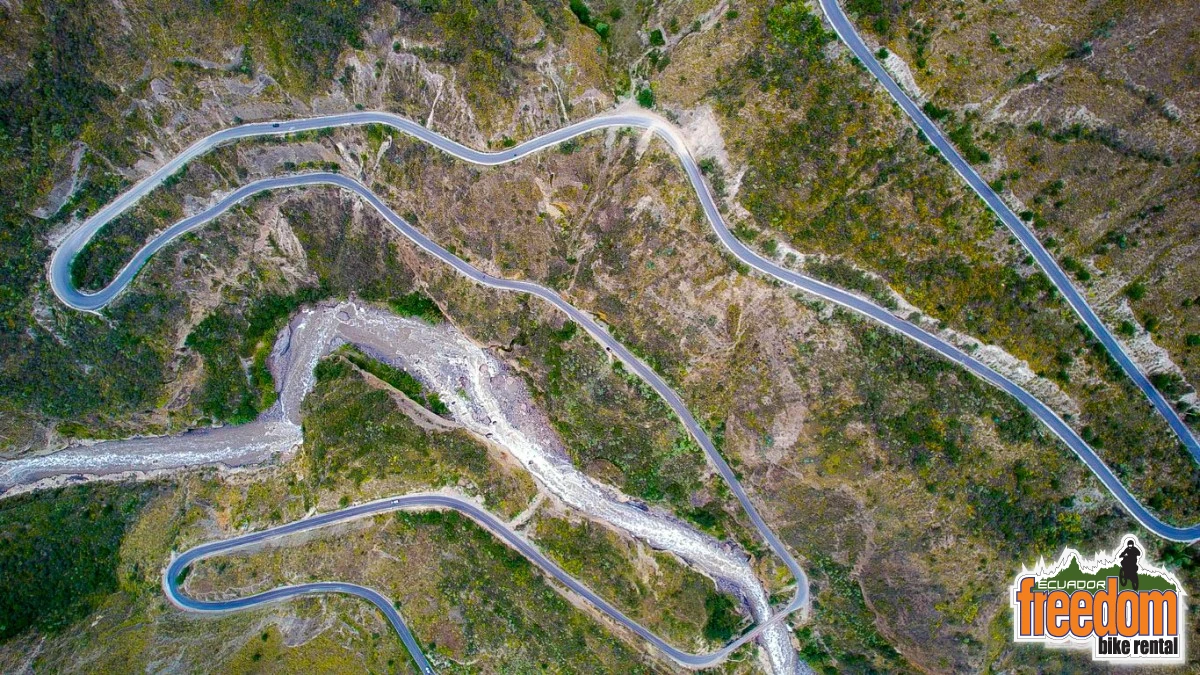
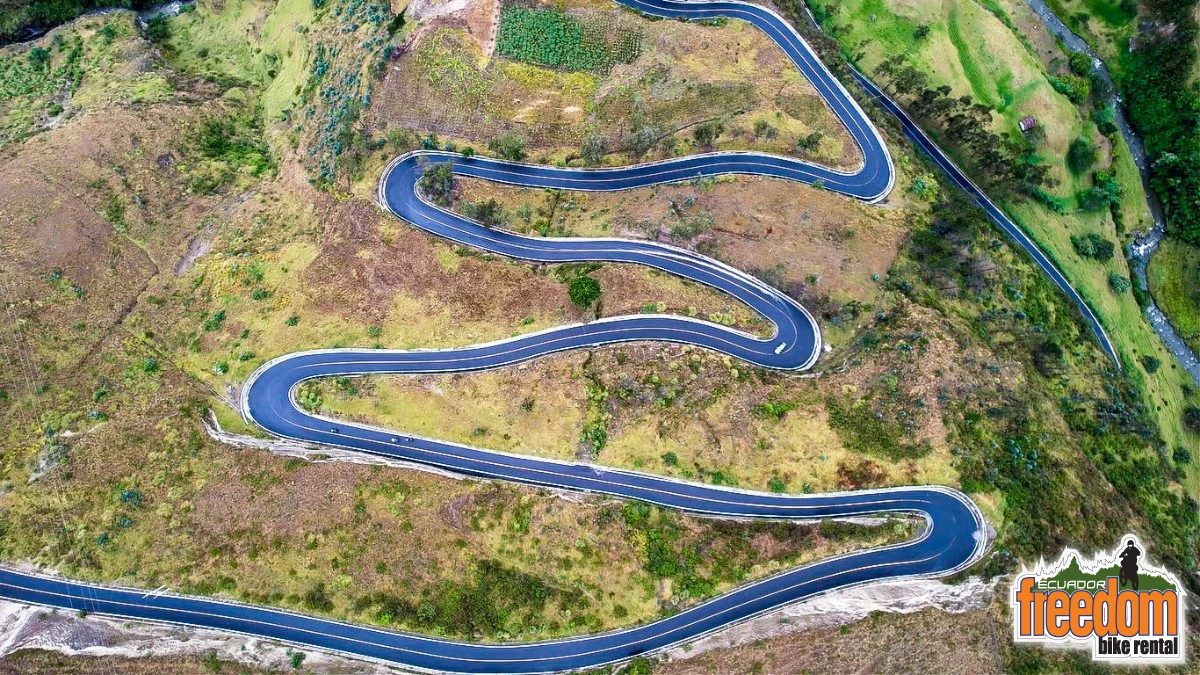
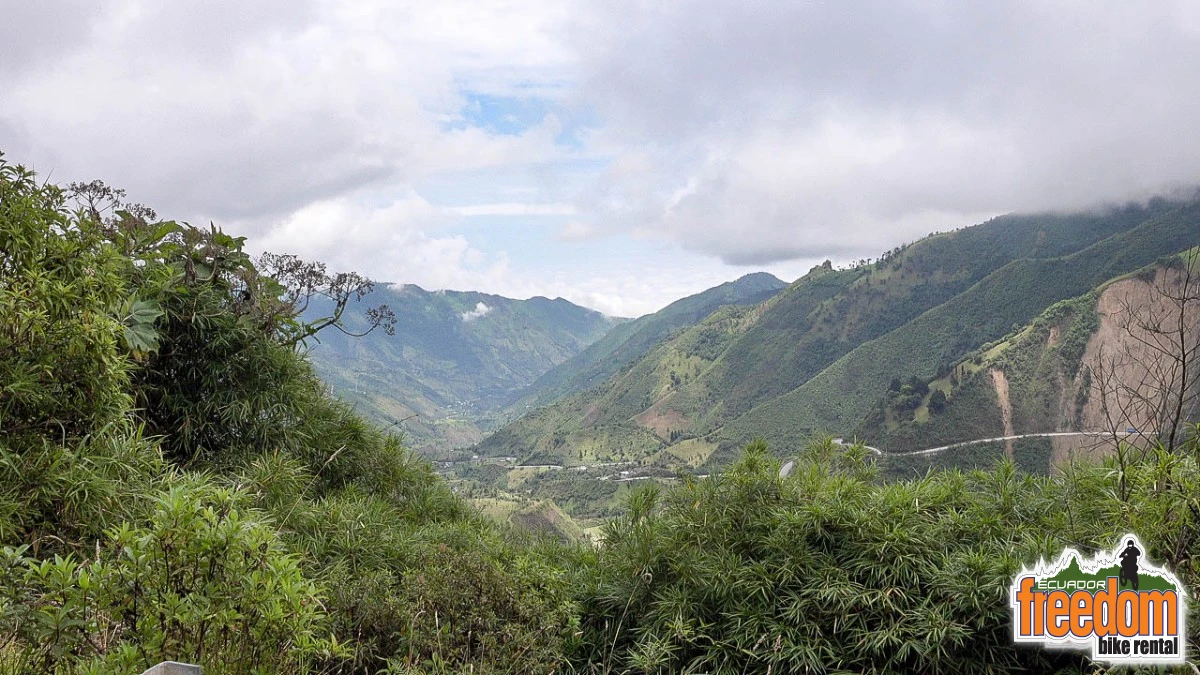
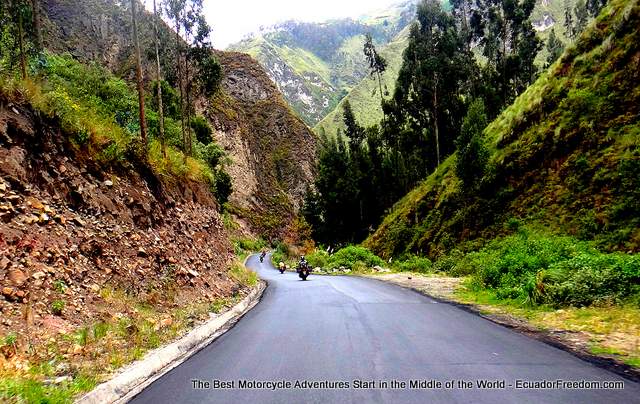 We'll head out of Salinas and ride back into the heights surrounding Chimborazo at about 14,000 feet, and descend along with another of the best roads in Ecuador which takes us through a deep gorge of a whitewater river. The canyon starts very narrowly, but as we continue our descent, the gorge becomes wider and wider. This road is located within a protected ecological zone, so the traffic is limited, and we usually have the road to ourselves.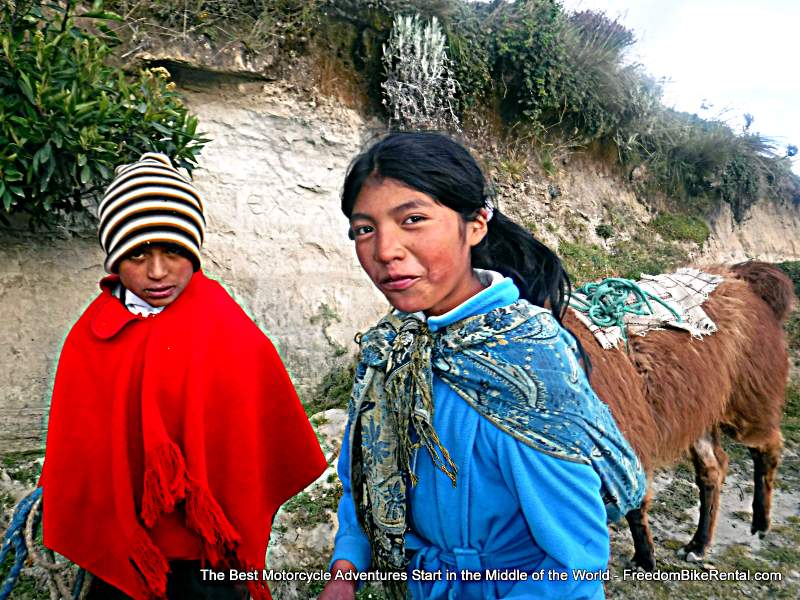
We'll skirt around the city of Ambato and head north to the city of Latacunga. We'll turn here on the route that is known as one of Ecuador's most scenic - The Quilotoa Loop. The road first leads to the town of Pujillí, with a beautiful central park and church. From here, we'll climb higher and higher, with stunning views of Latacunga and the valley below. As we continue to rise to over 13,000 feet, the temperature will drop sharply, and we will soon find ourselves in a dramatic open landscape of highlands paramo. We'll see the traditional homes made of mud adobe and thatch roofs, called chozas.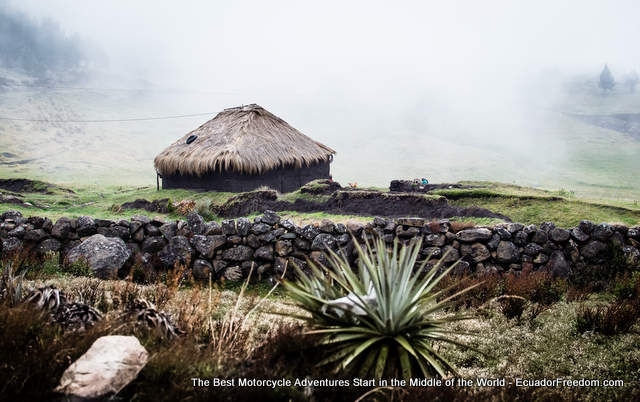
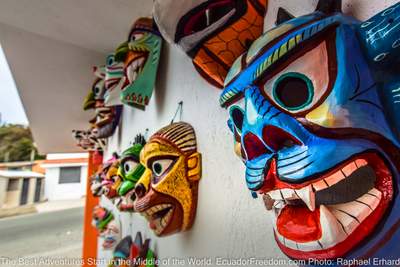
We will visit the art gallery in Tigua, which is famous and displays the work of local artists. The works include painted hides, ceremonial masks and paintings depicting daily life in this region. Tigua is a beautiful village comprised of tiled roofs against a dramatic setting of steep hills and cliffs. From Tigua, we'll roll downhill into the small town of Zumbahua. We'll visit the market there and get a snack of fresh empanadas.
 We'll then ride to the Laguna Quilotoa. This fantastic lake was created by a collapsed volcano that left behind minerals that now give the deep crater lake an odd blue-green color. From the Quilotoa Lake the road will become unpaved and (don't worry it is straightforward to ride) will wind through some incredibly picturesque countryside along jagged cliffs. We arrive at our destination for today: the small village of Chugchilan, home to about a dozen families, a cheese maker, and a women's knitting cooperative. We will stay for the night at the award-winning Black Sheep Inn in the center of the village.
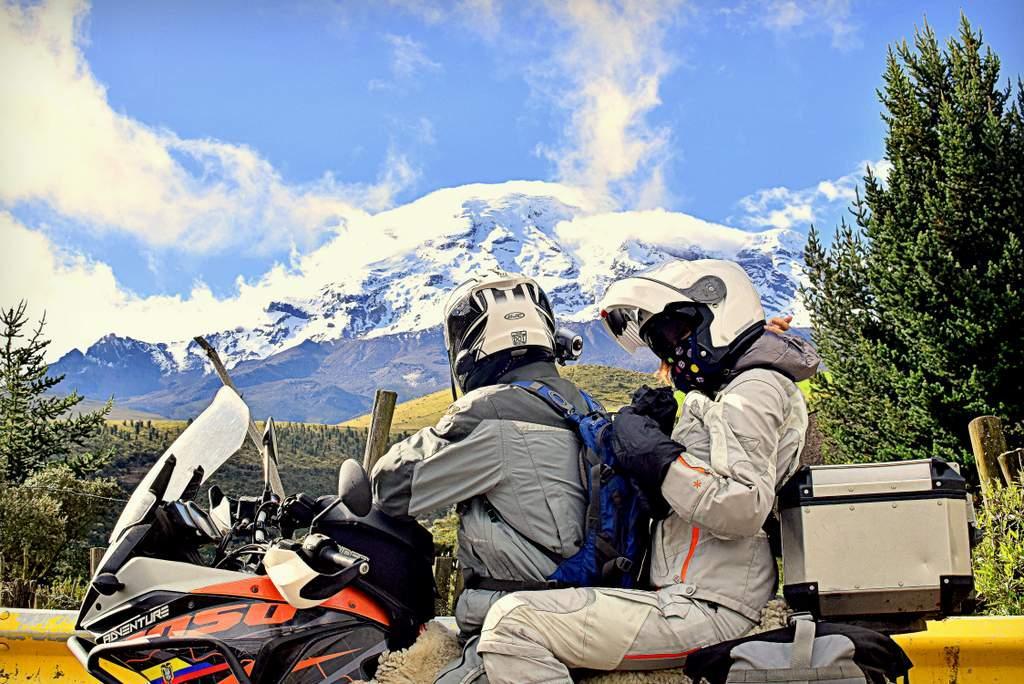
Elevation Profile - Day 10
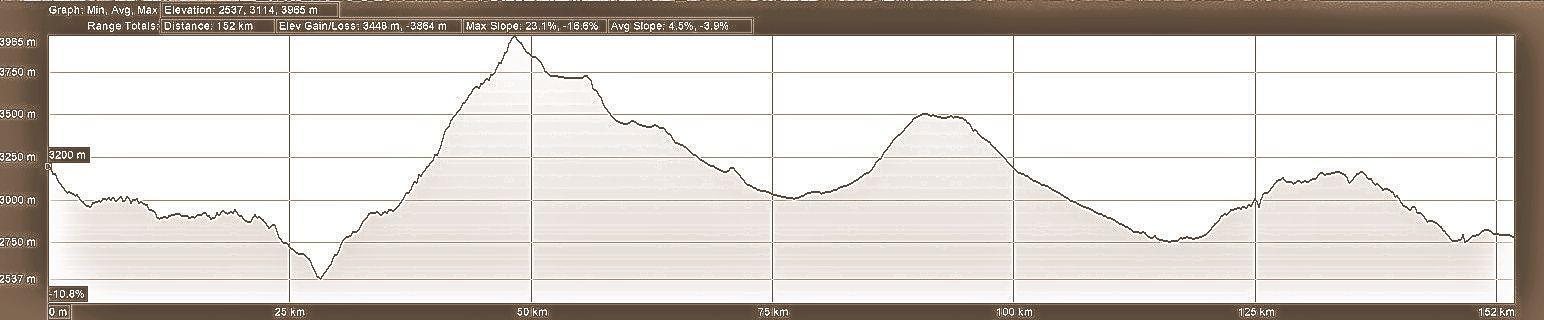
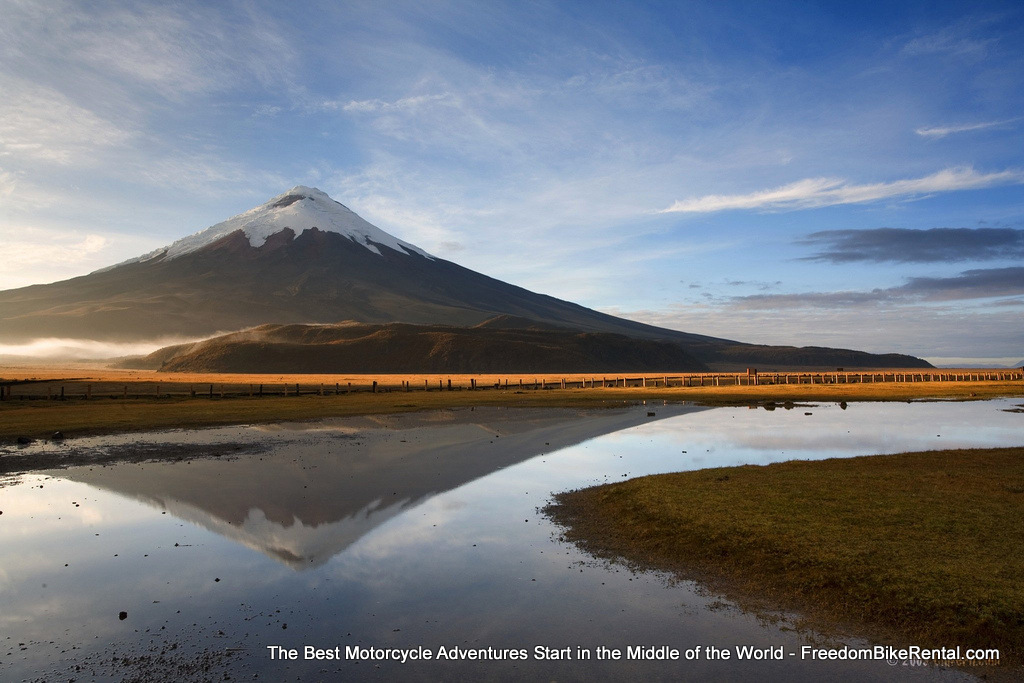
Distance Covered: 161 Km / 100 miles
 We will enjoy a hearty hacienda breakfast with fresh fruits and juices and then head out on the road. For those with offroad riding experience and a desire for a more offroad route home, we can provide you with a route to take you on back roads back to Quito by request.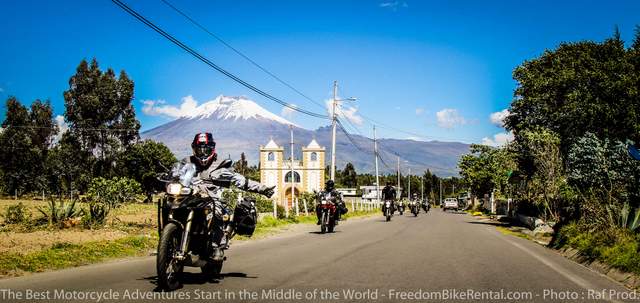
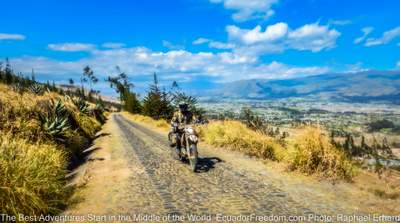
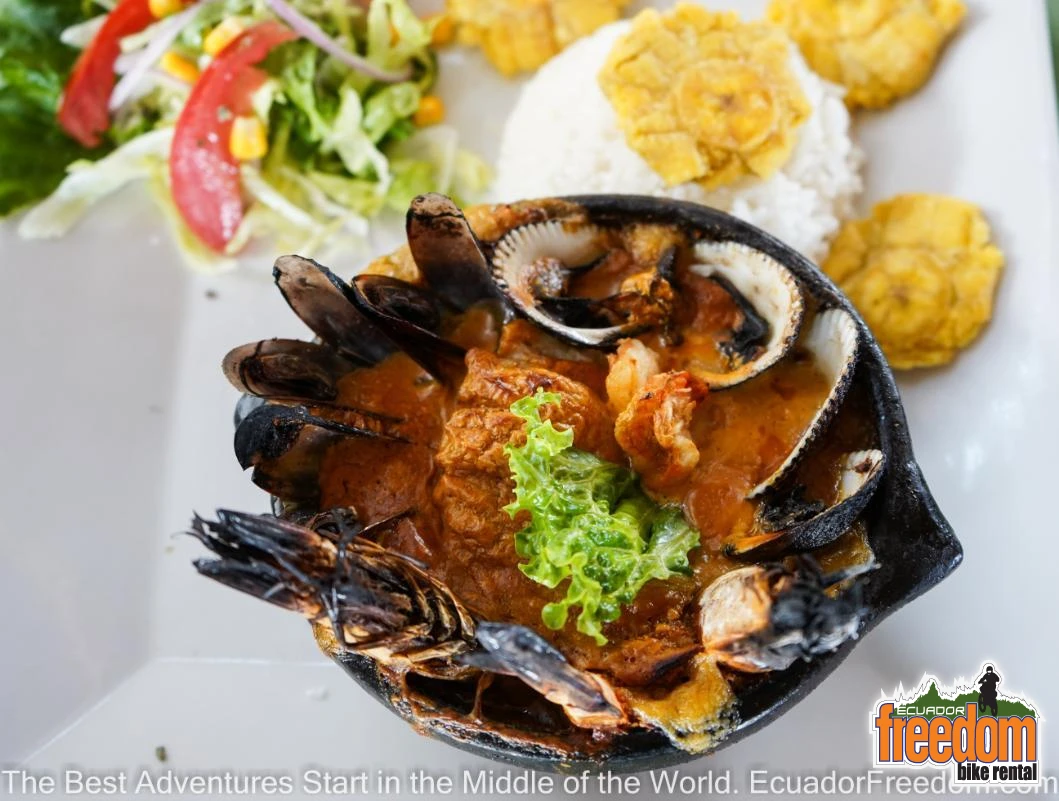
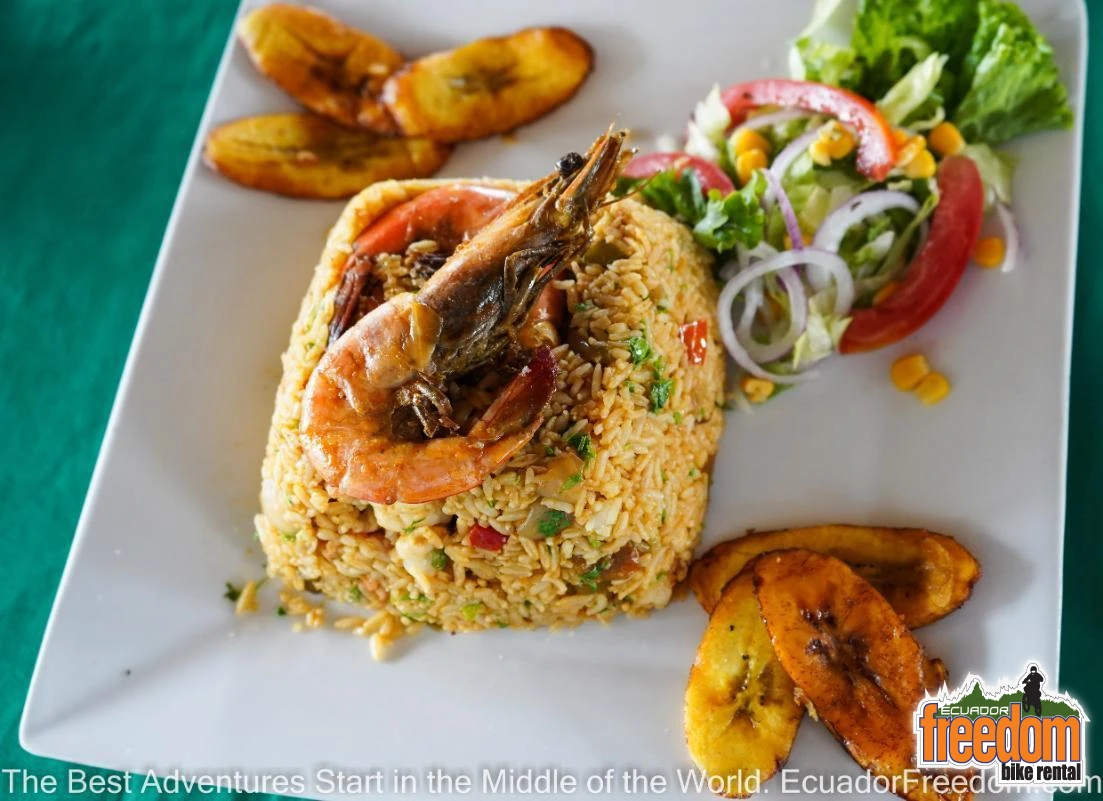
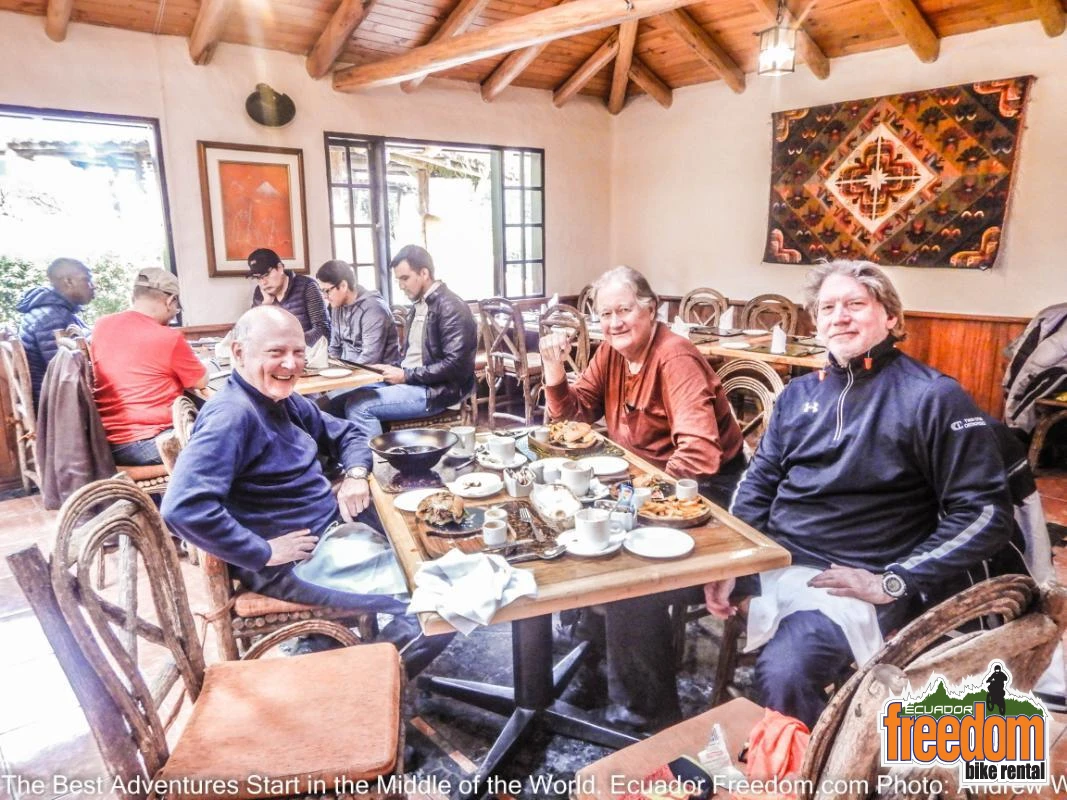
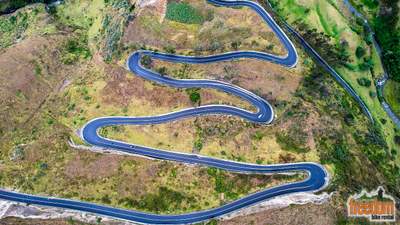 To end your tour on a festive note, we will stop at the famous "Cafe de la Luz" in Machachi. They set the standard for Ecuadorian food and have great Ecuadorian coffee.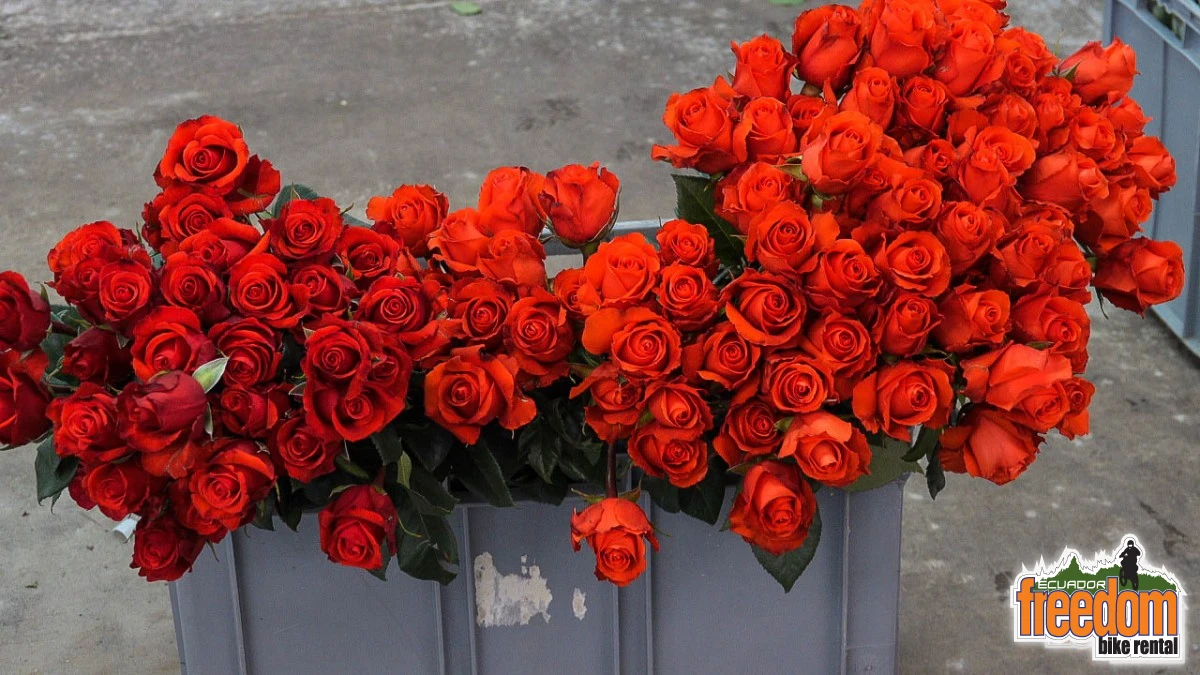
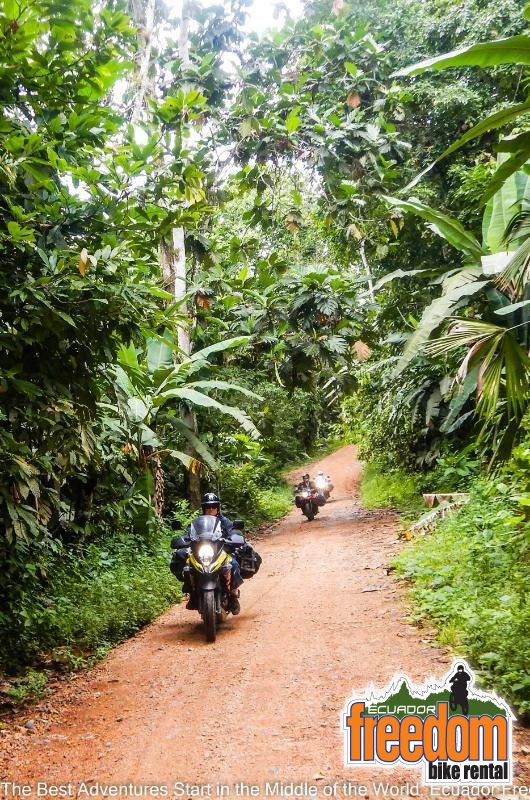
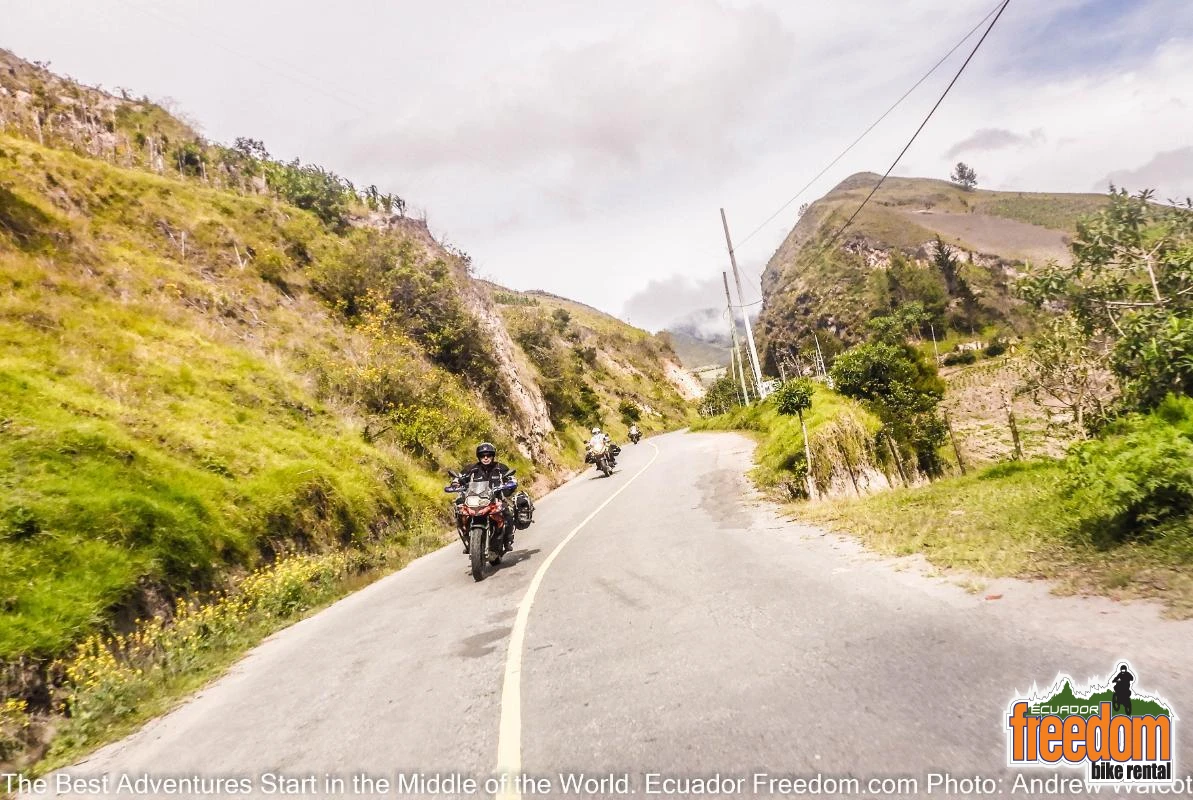
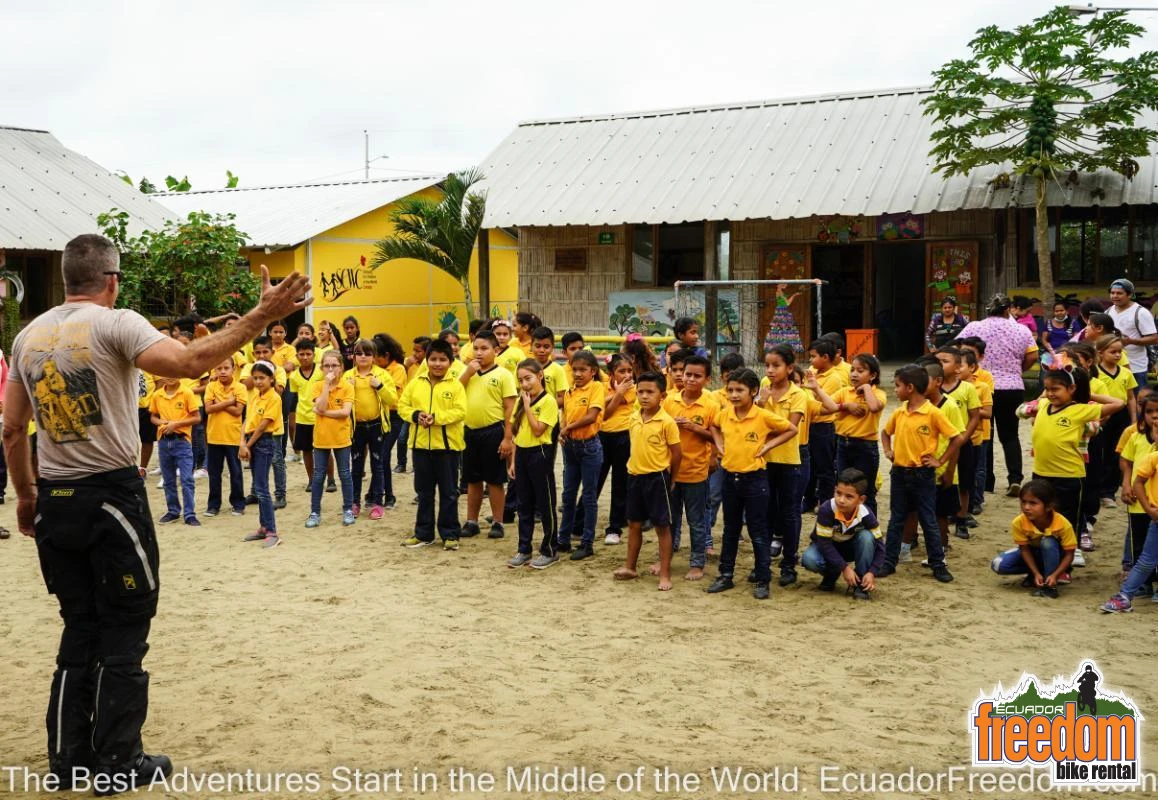

What to Expect
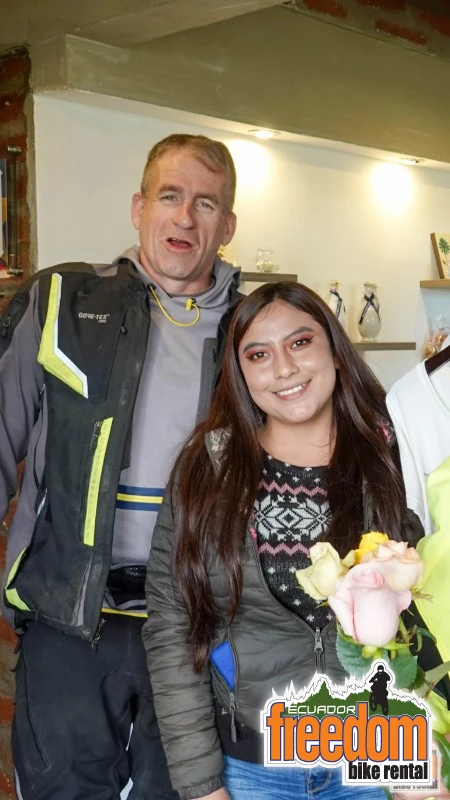
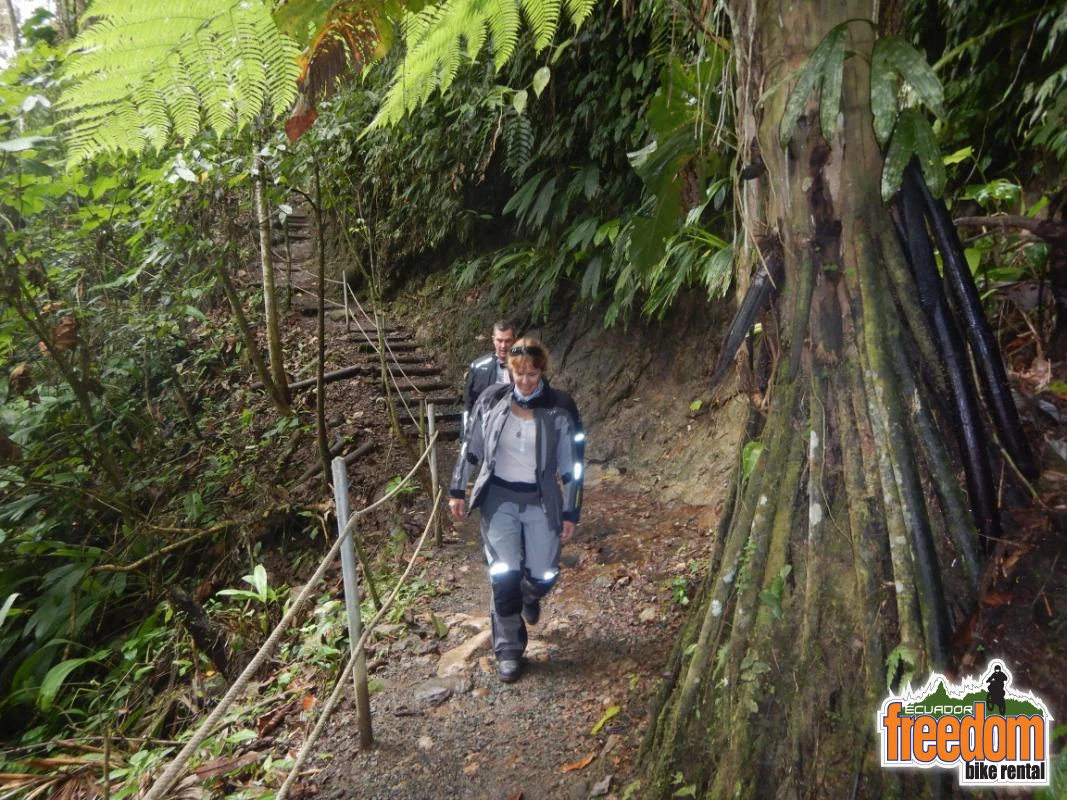
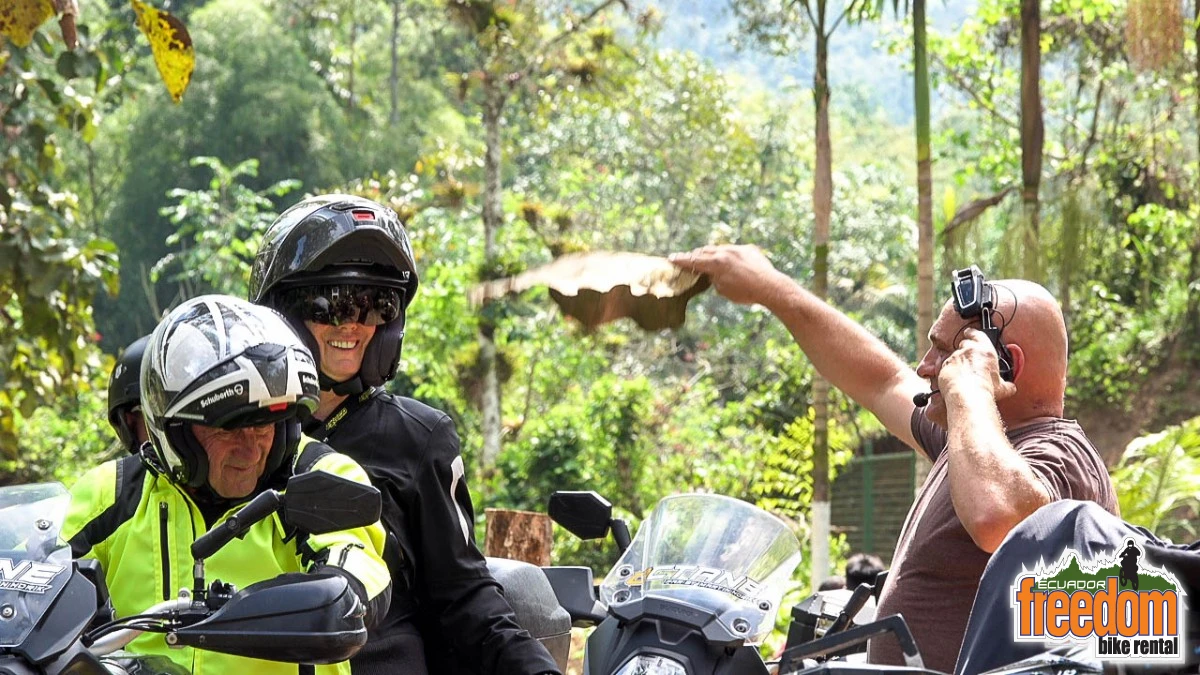
This guided motorcycle adventure tour will start in our offices located in the fashionable Carolina neighborhood of Quito. Prior to our departure, we will give you a detailed and thoughtful presentation on Ecuadorian rules of the road, customs and group riding protocol. We'll review the route in detail with you.
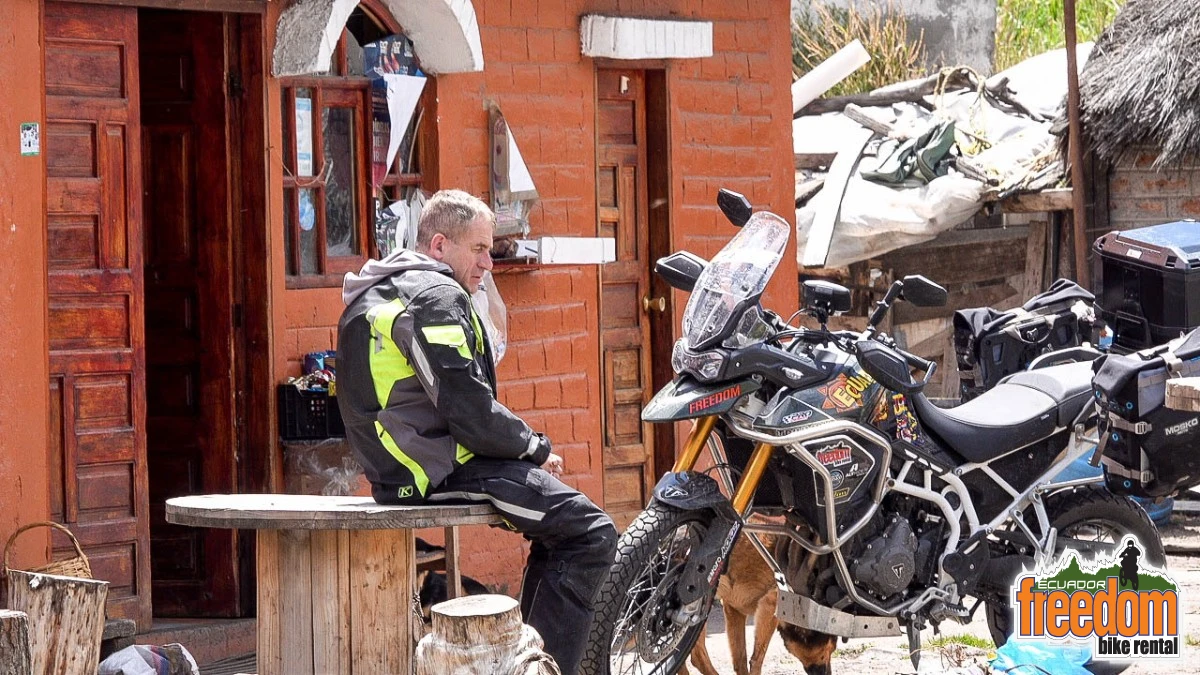
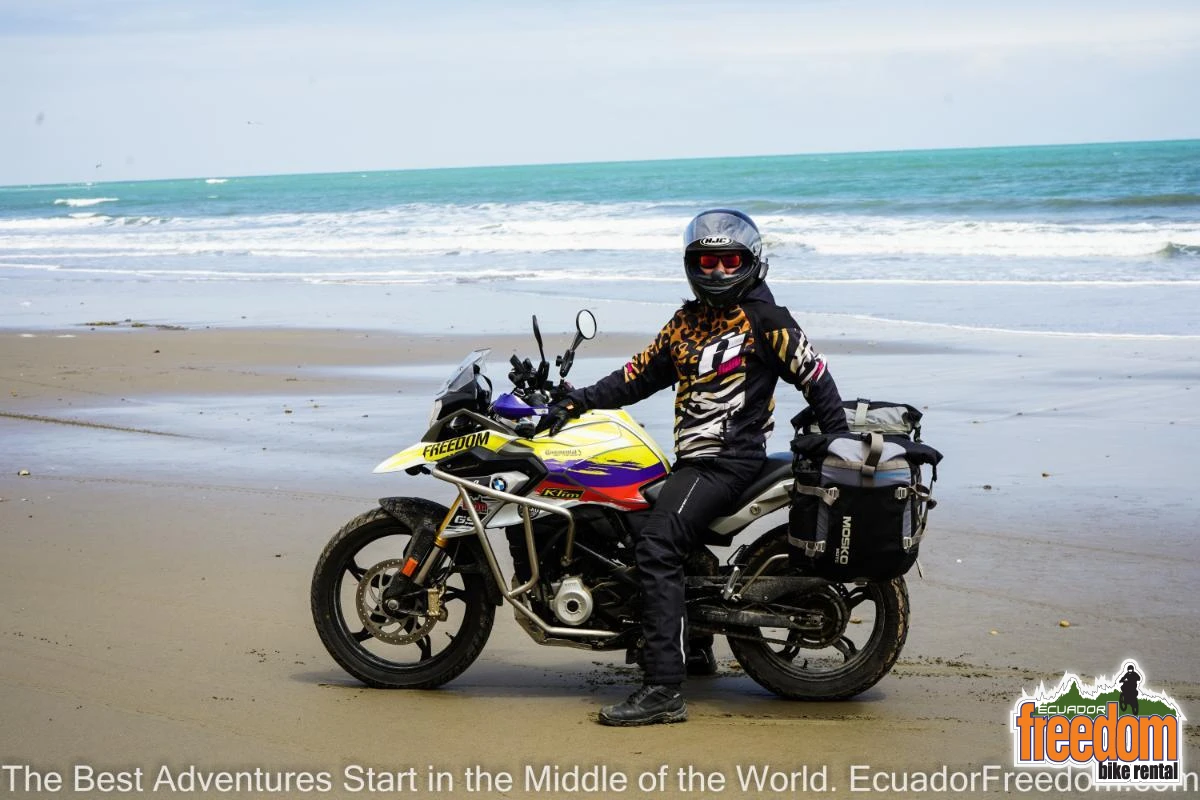
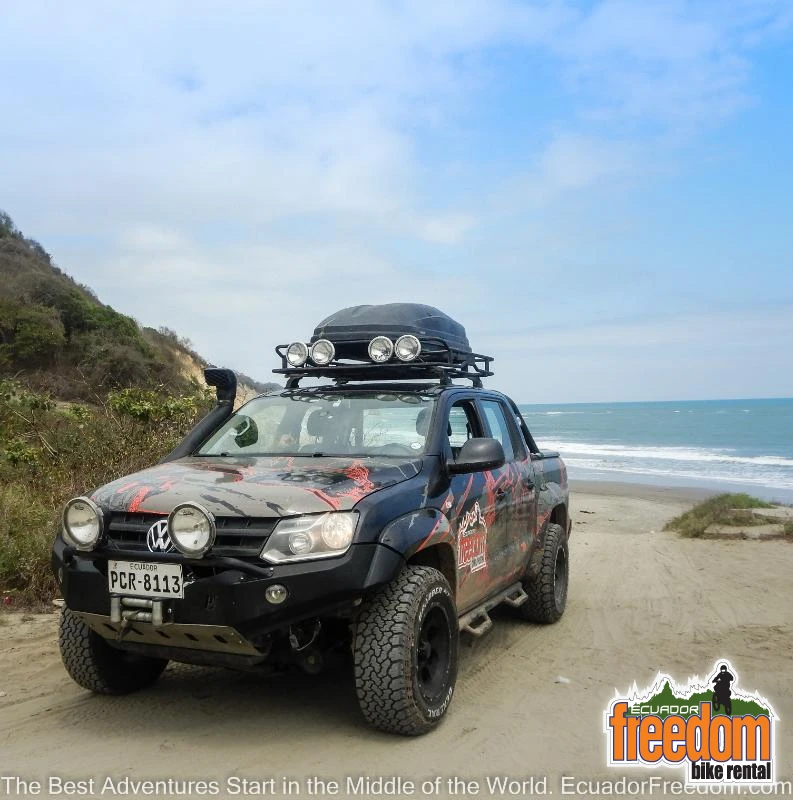
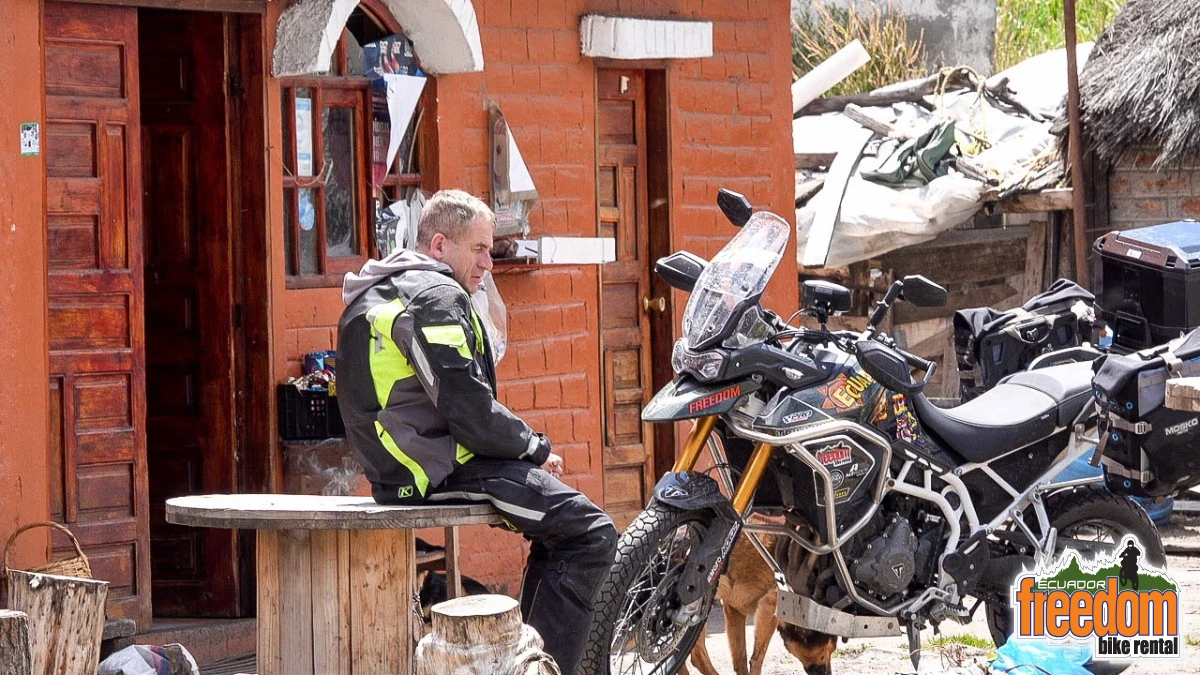
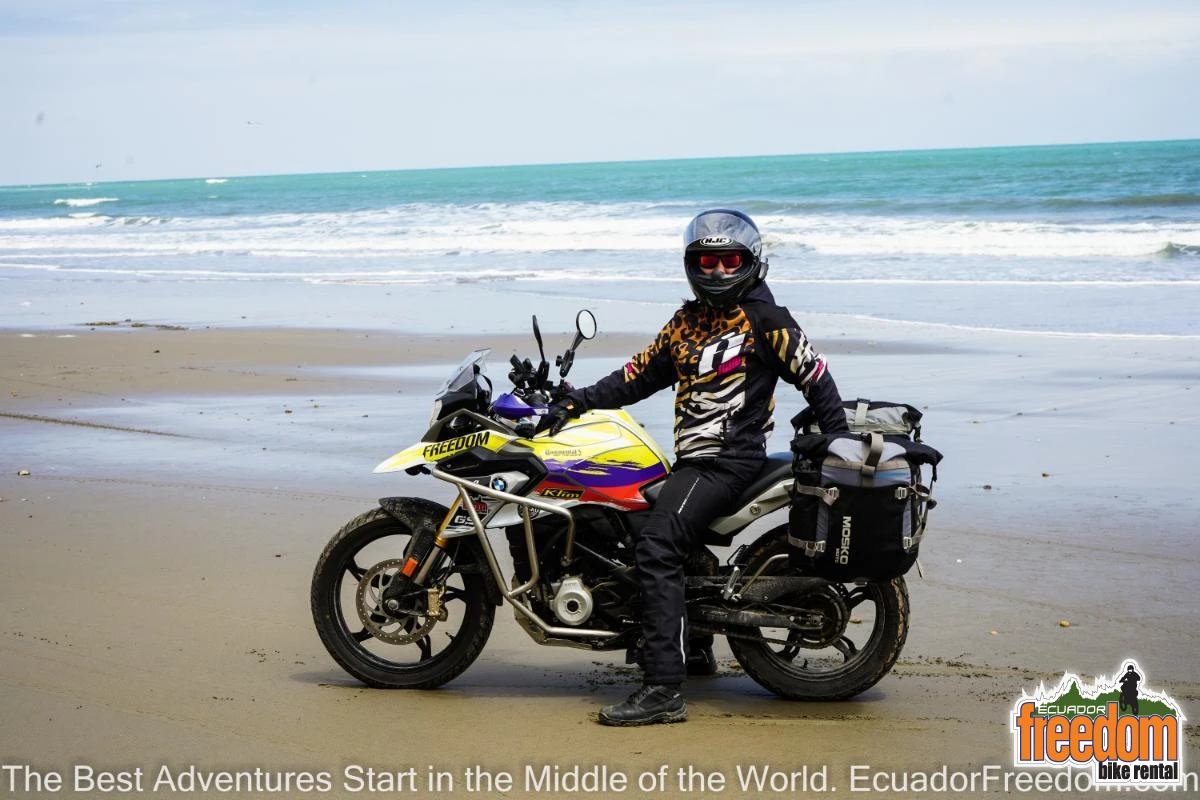
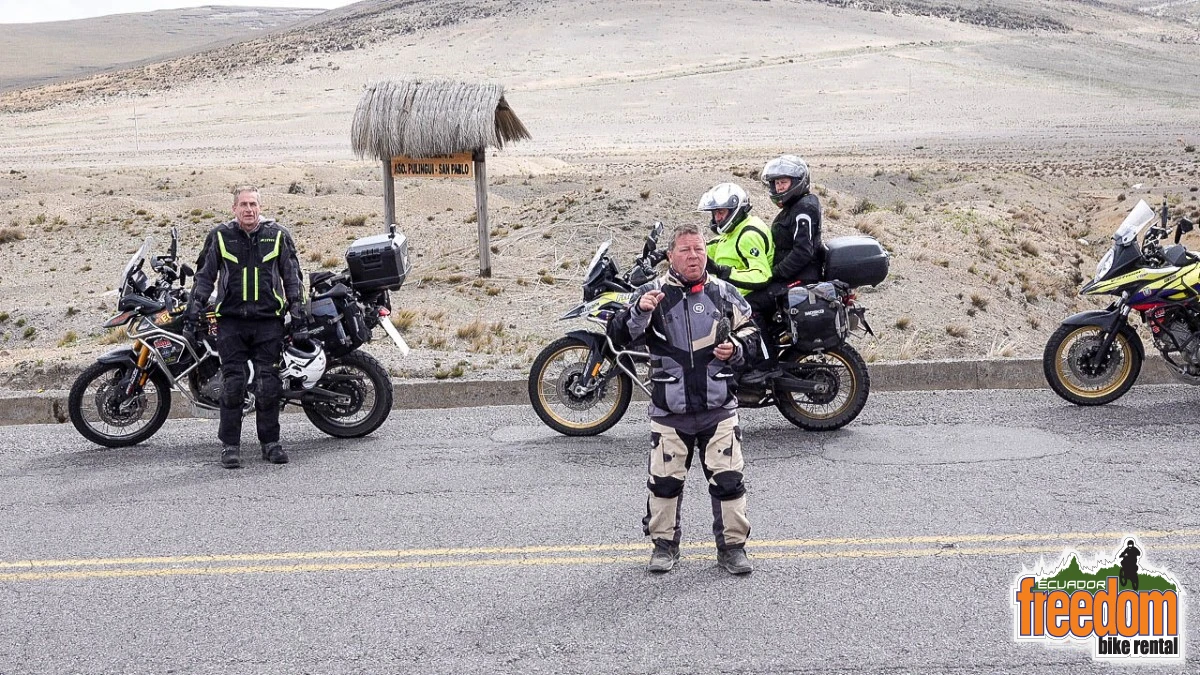
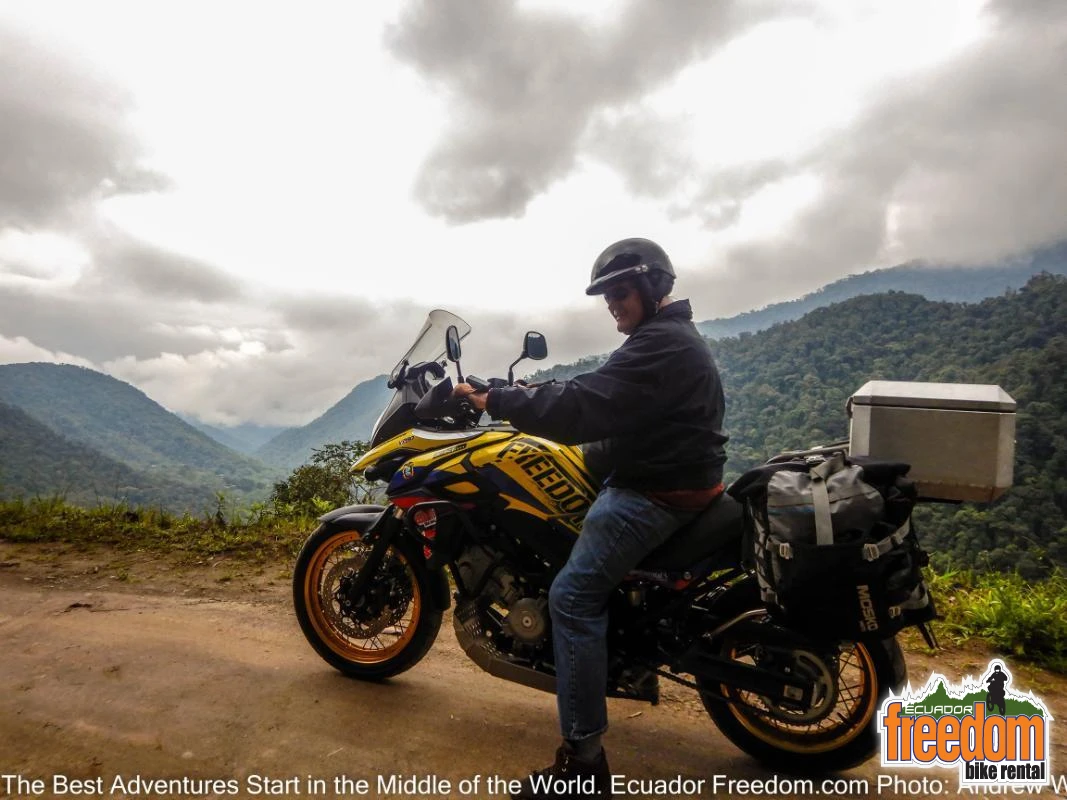
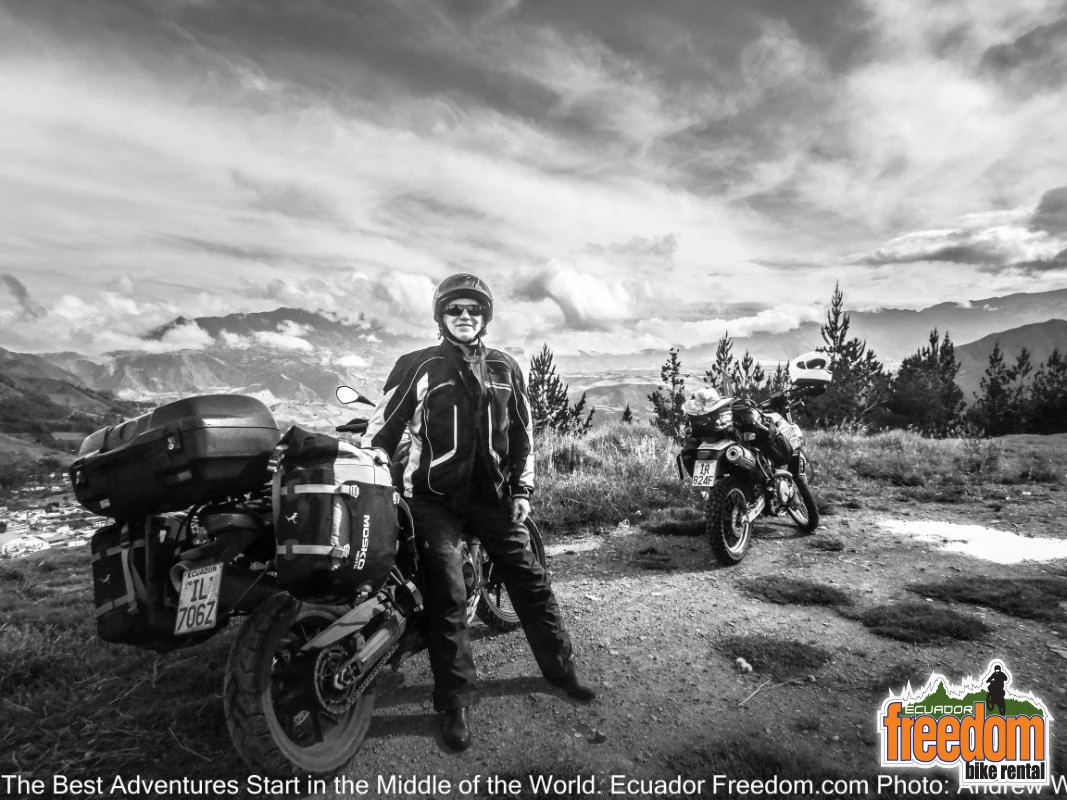
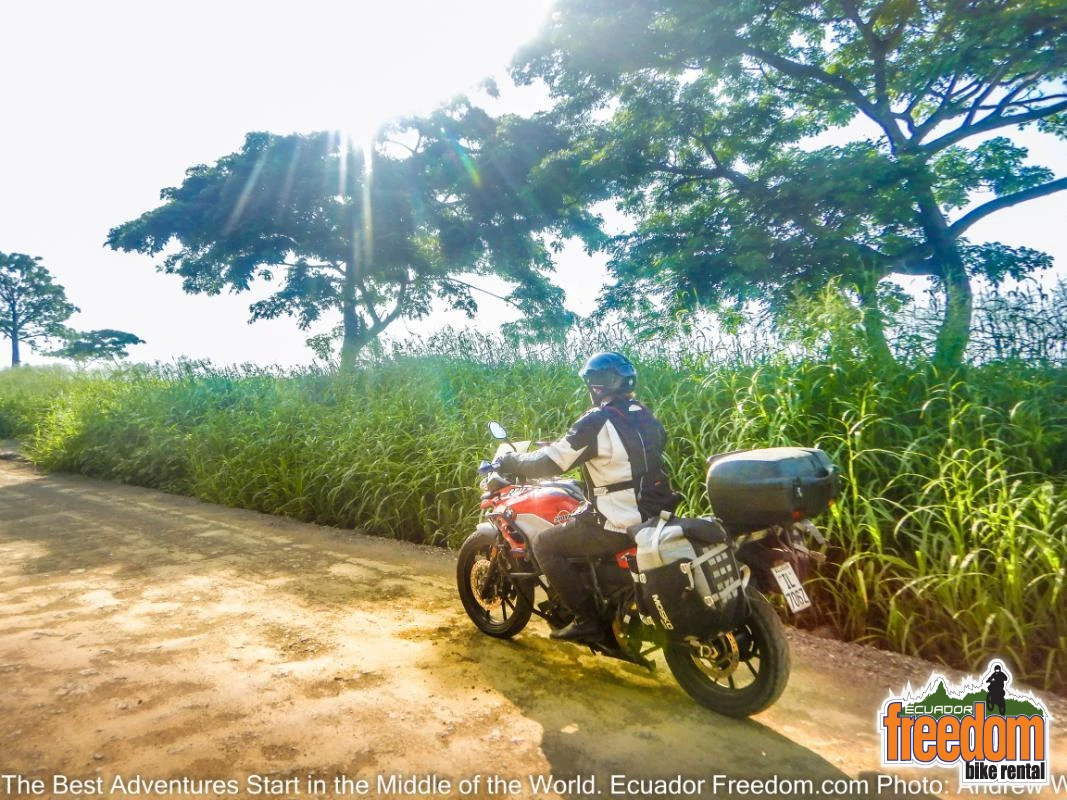
On the morning of our departure, we will provide you with the adventure-ready motorcycle of your choice which is fitted with a waterproof luggage system including a tankbag if you want one. If there are more than five riders on the tour, a support truck will be available to carry your luggage. If there are fewer than five riders on the trip, we may not provide a support truck, and you will need to take your gear in the saddlebags or luggage system supplied with your bike.
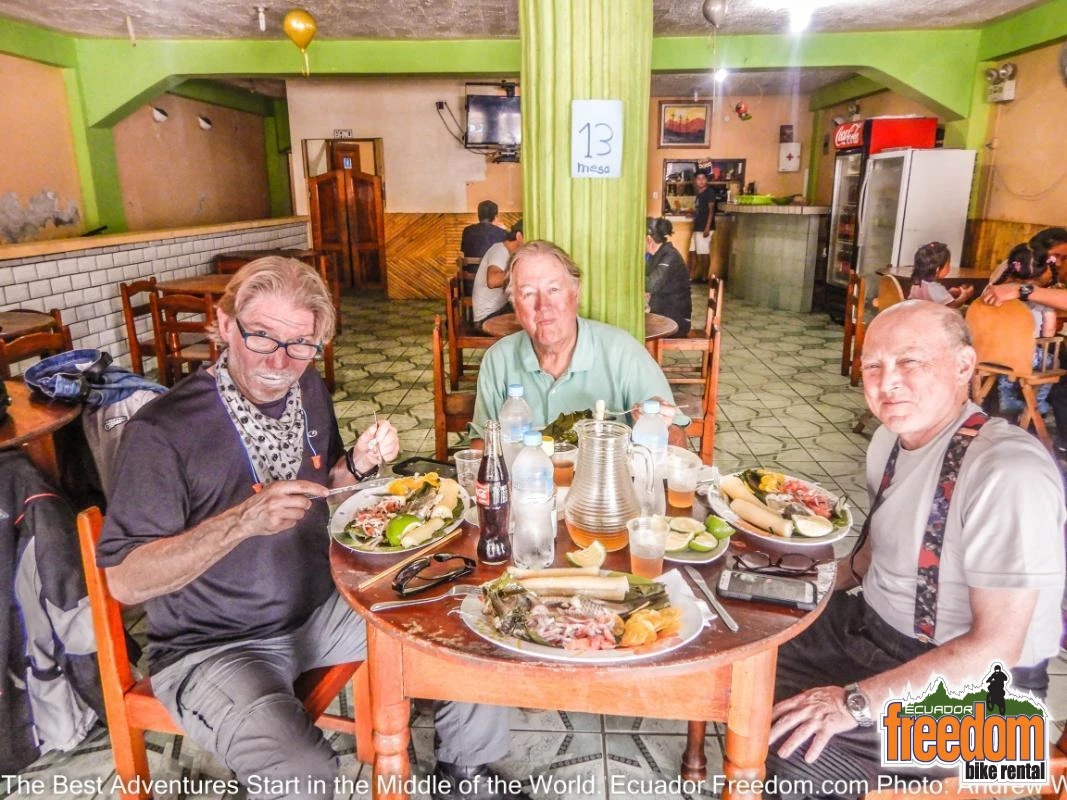
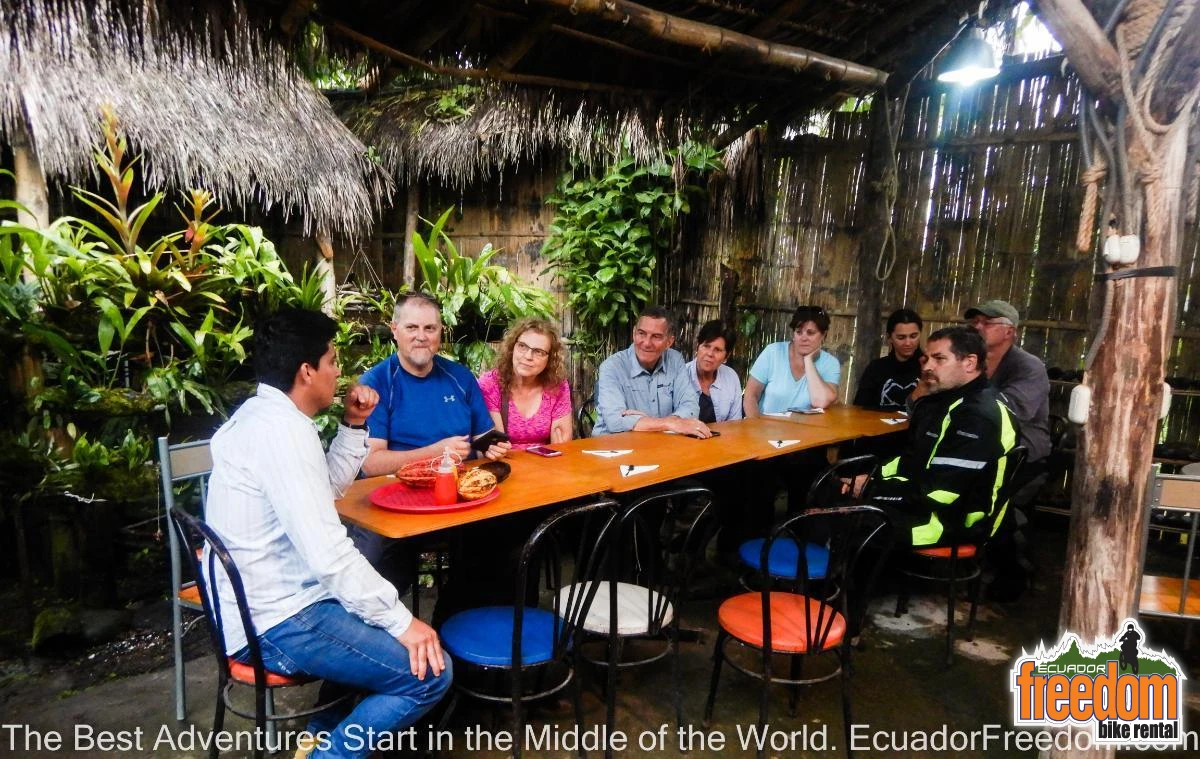
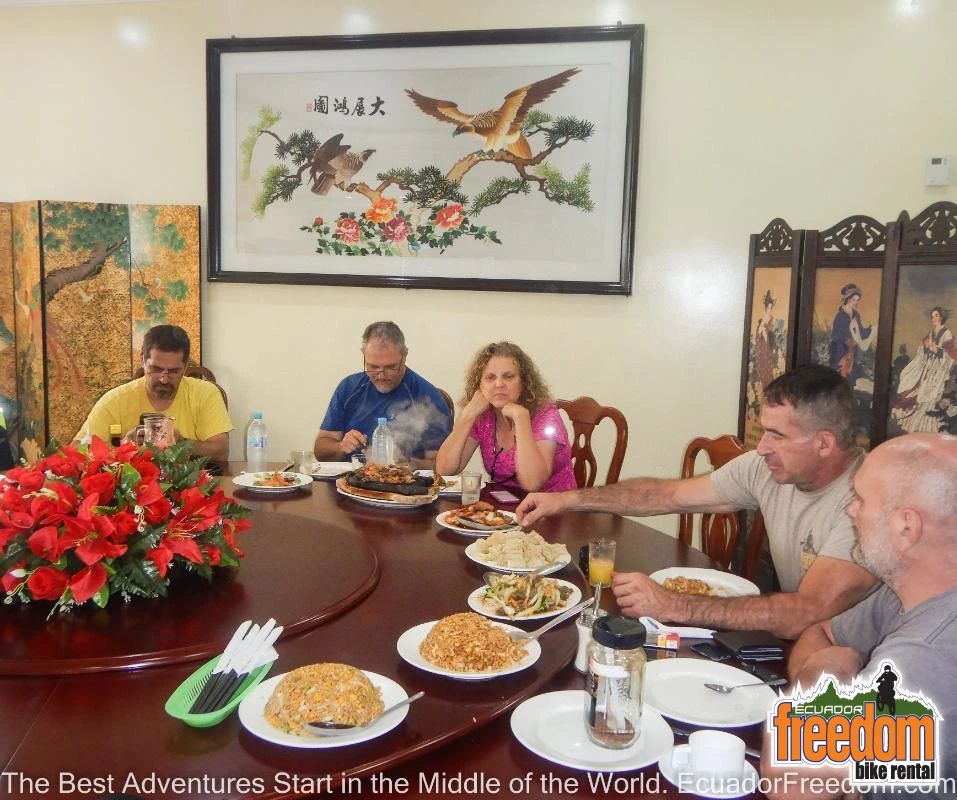
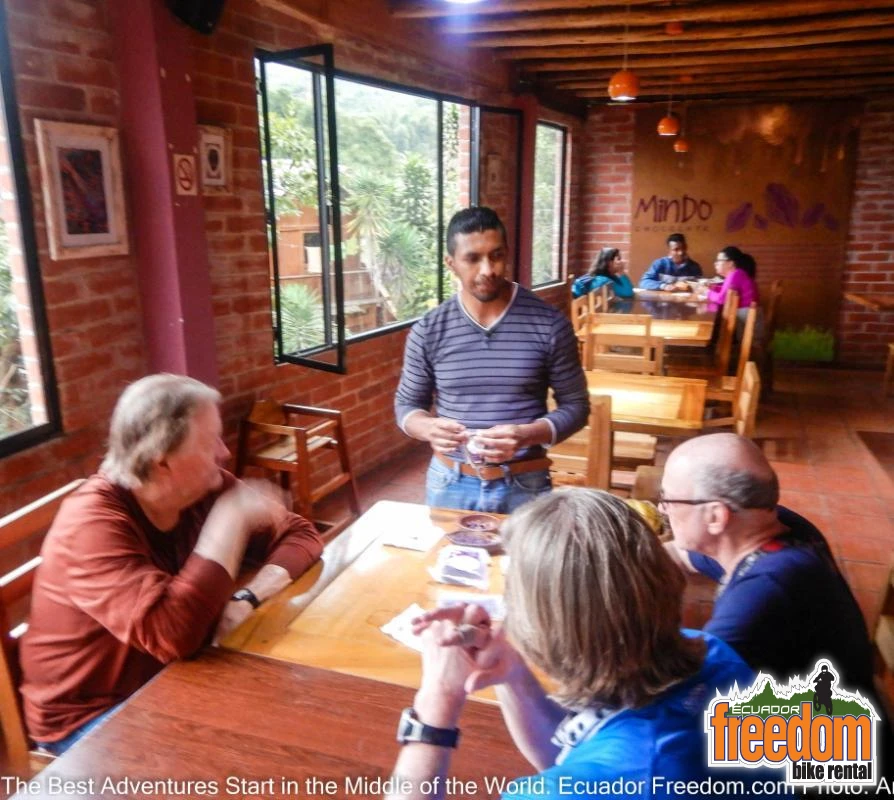
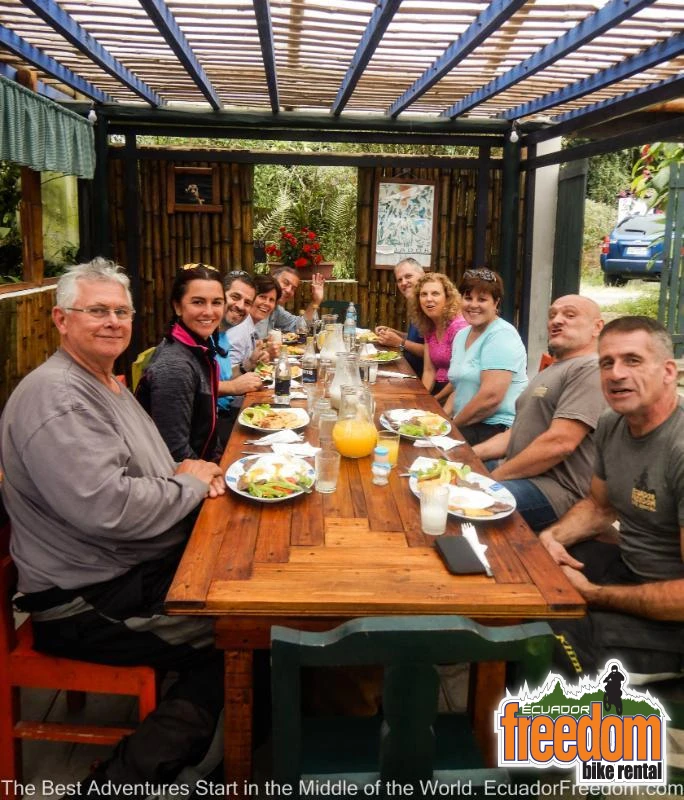
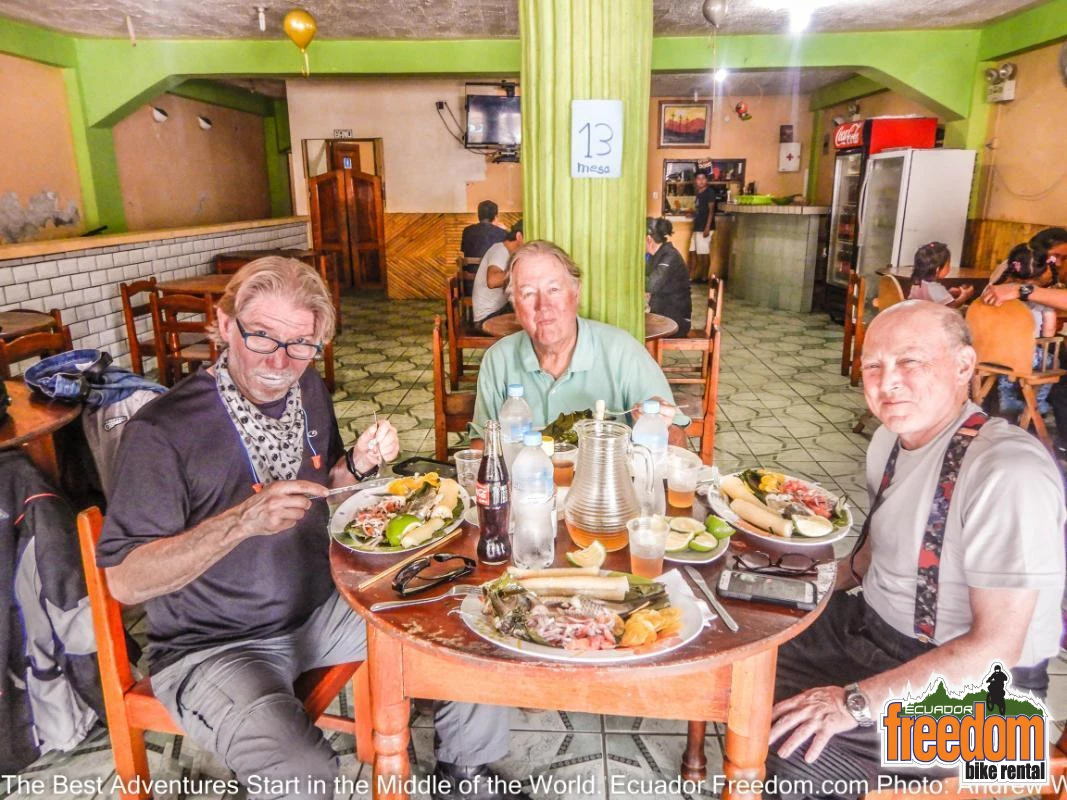
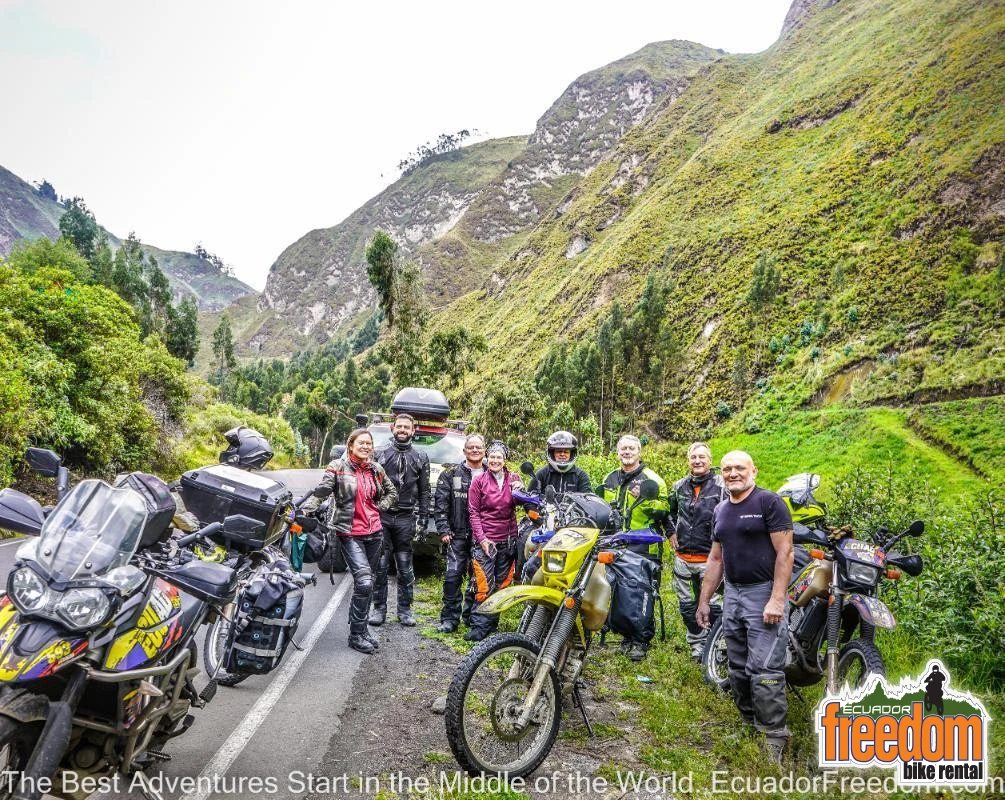
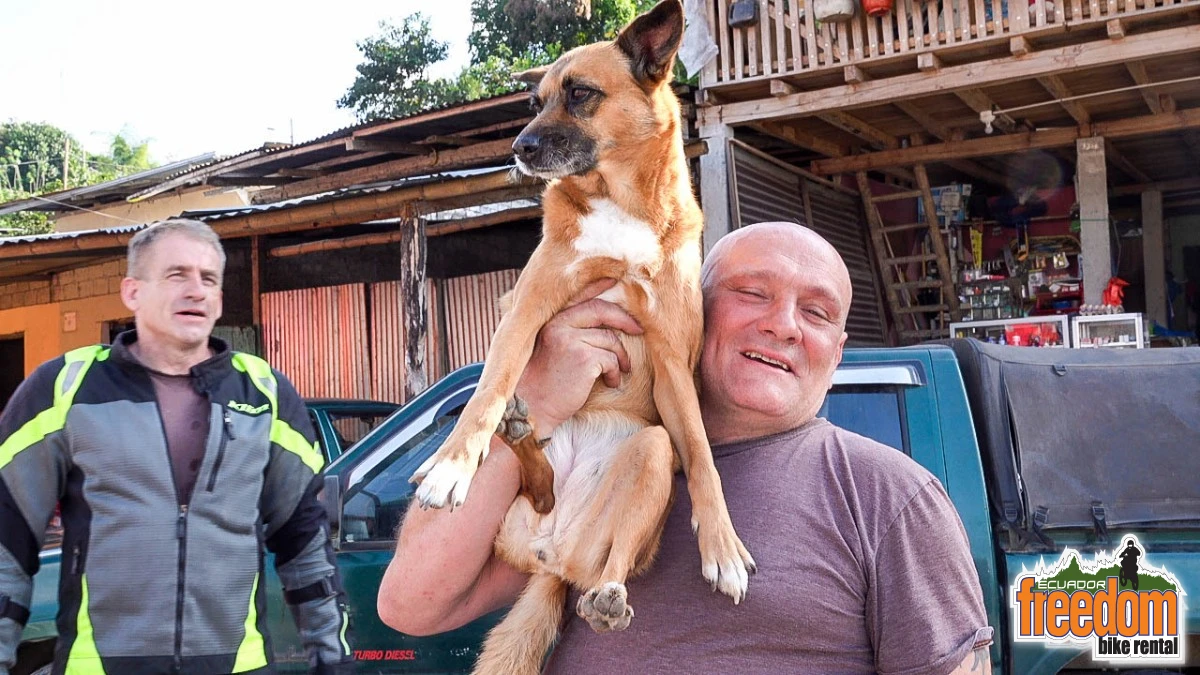
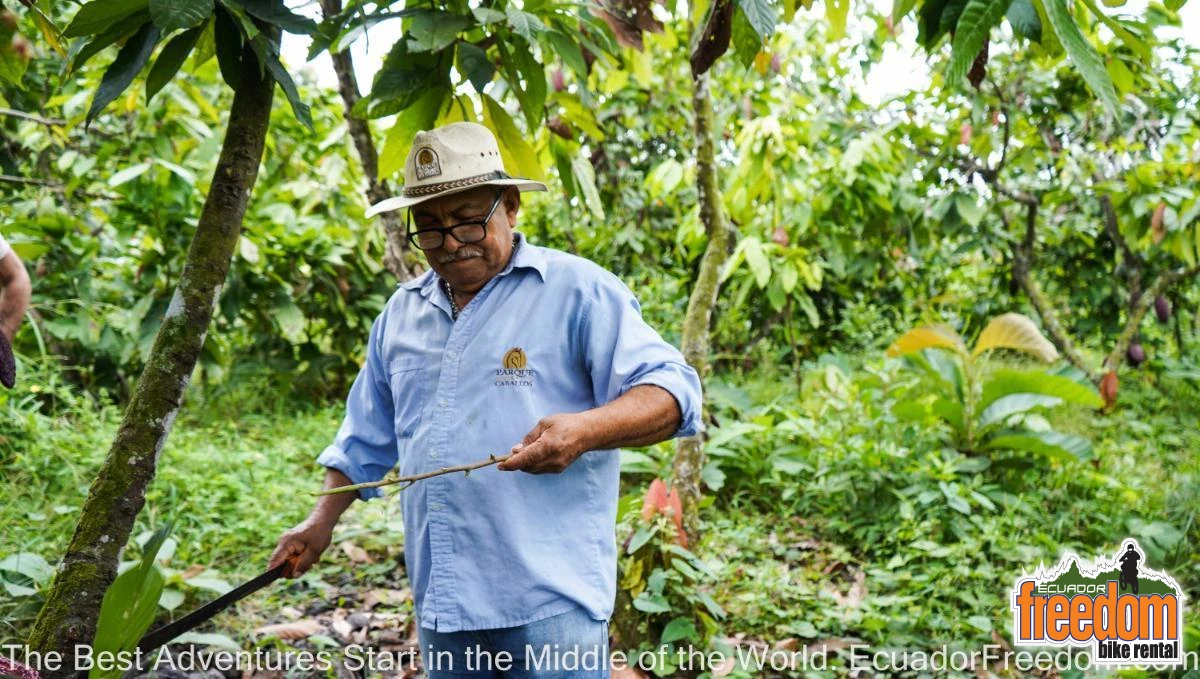
We developed this tour after years of research, exploration, and testing and your Guide knows the route thoroughly, having ridden it several times. The Guide will make many stops throughout the day to introduce you to the locals, explain the local history and show you "hidden gems" that are not common knowledge. All meals are included during riding days as well as all expenses such as gas, tolls, etc. There is no need to pay for anything apart from personal spending (snacks, souvenirs, tips to hotel personnel, etc.) on riding days.
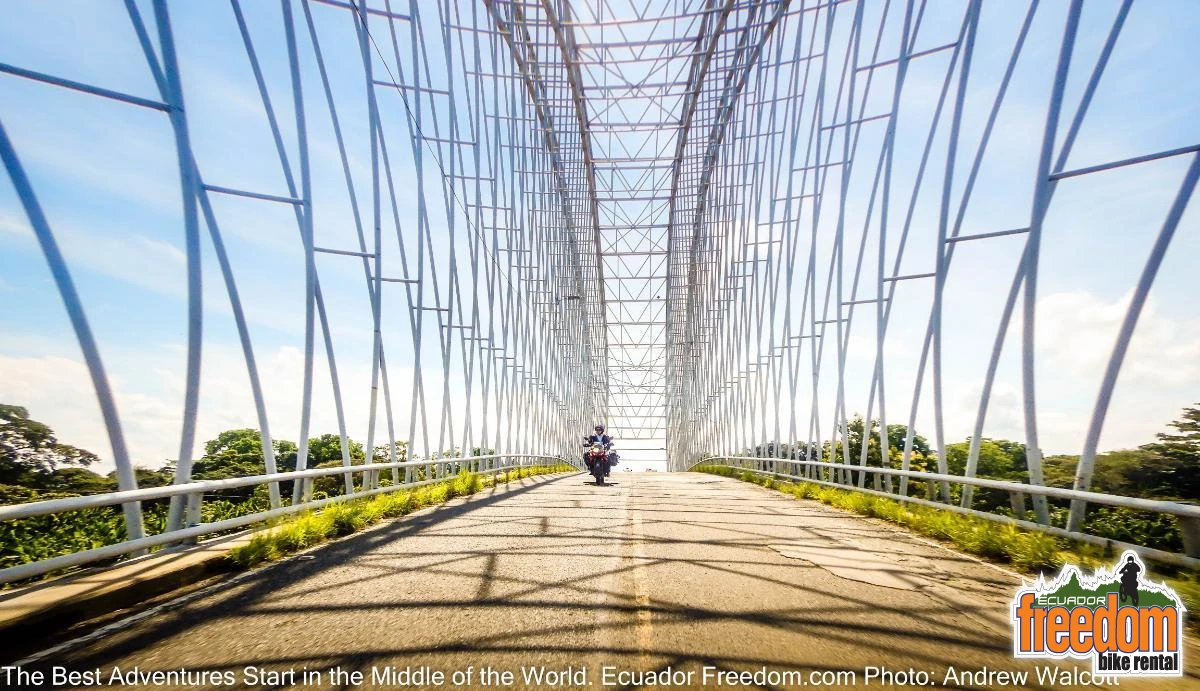
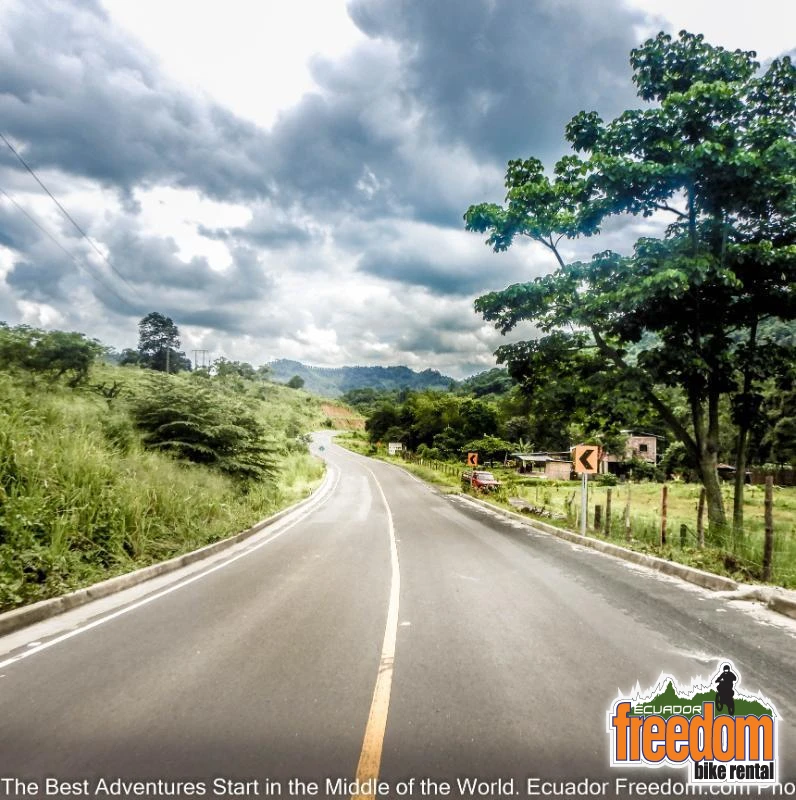
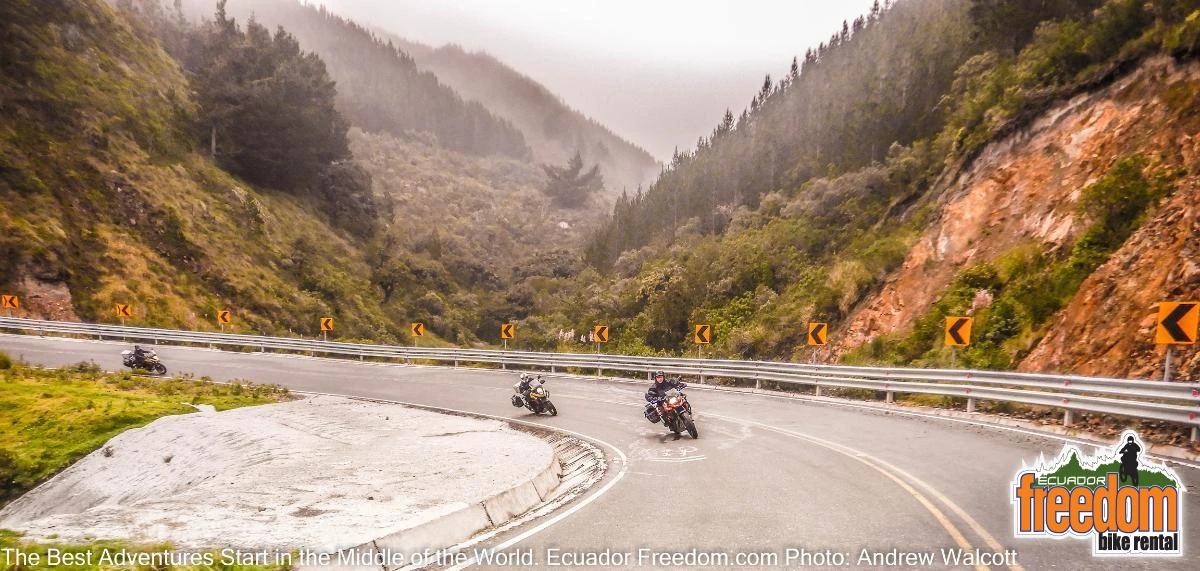
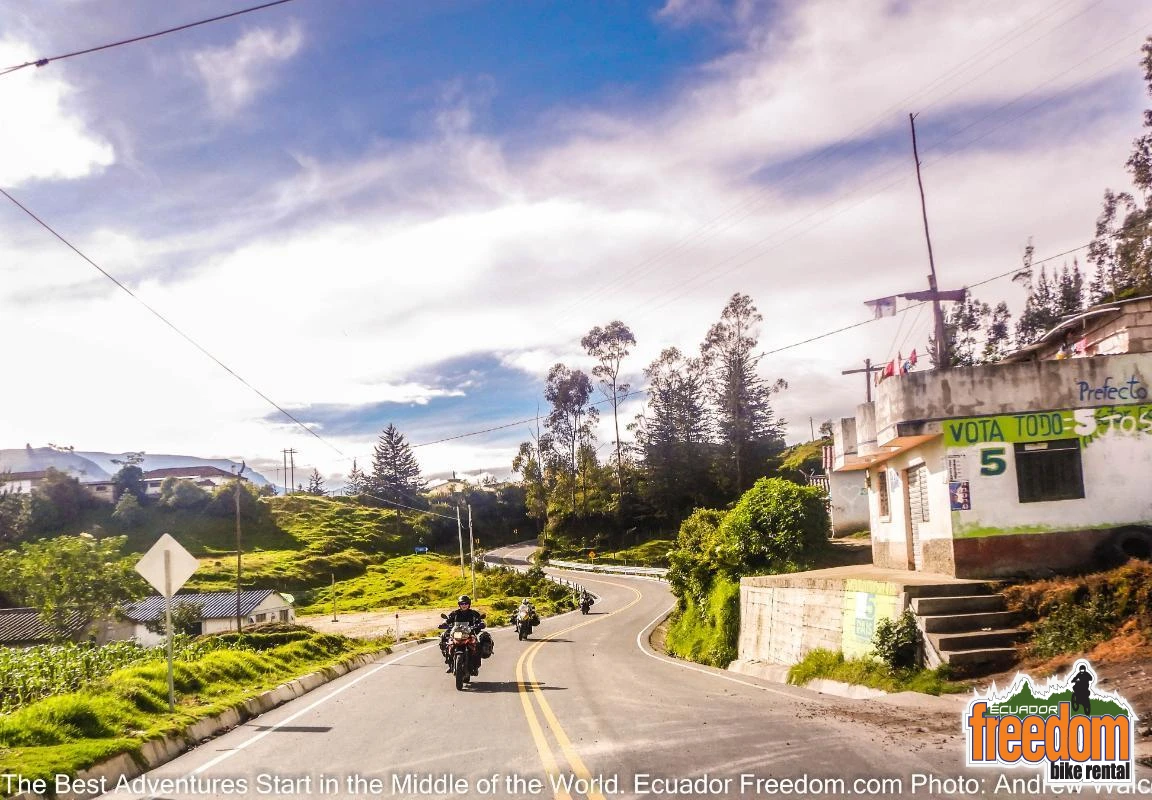
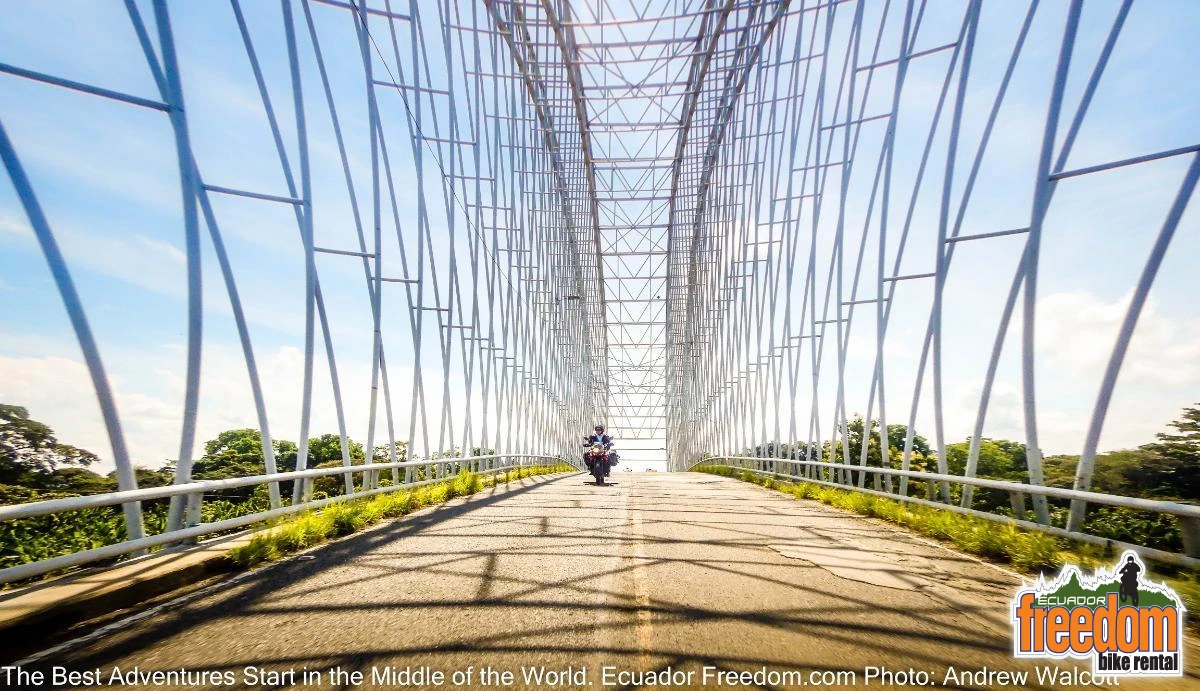
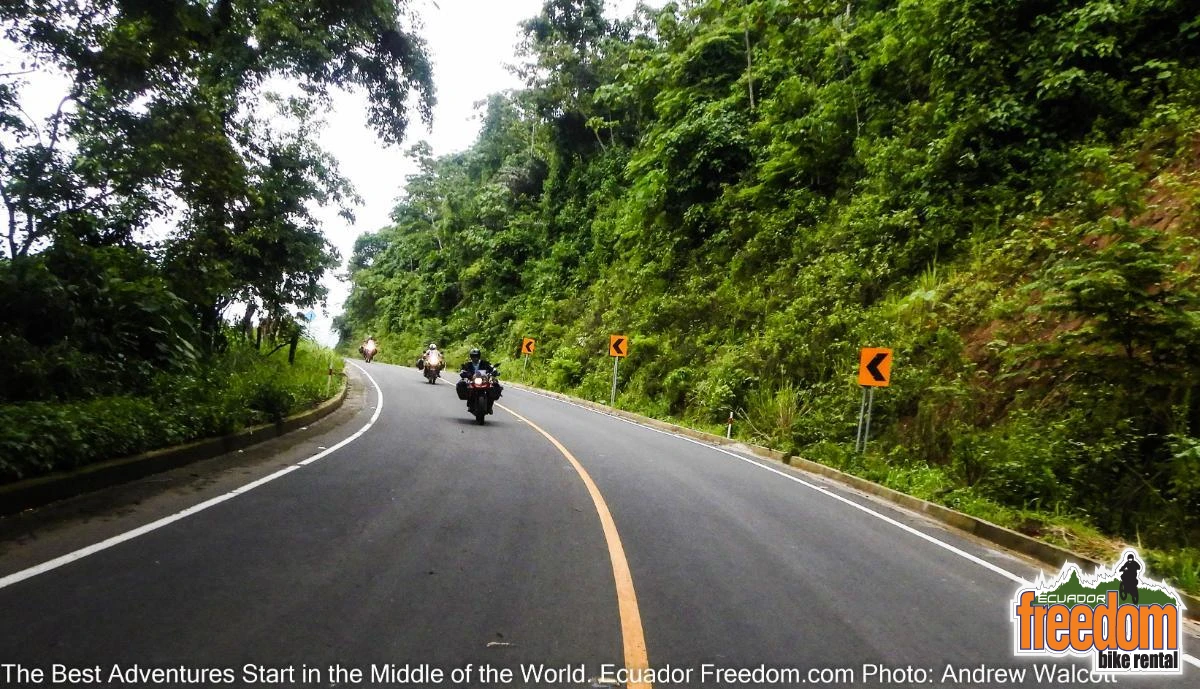
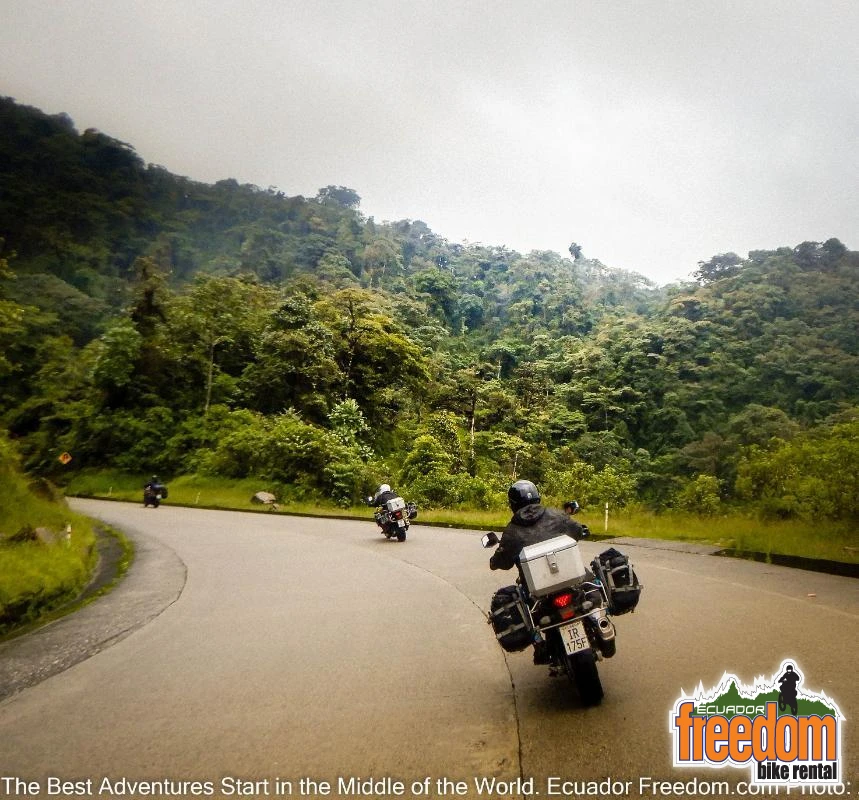
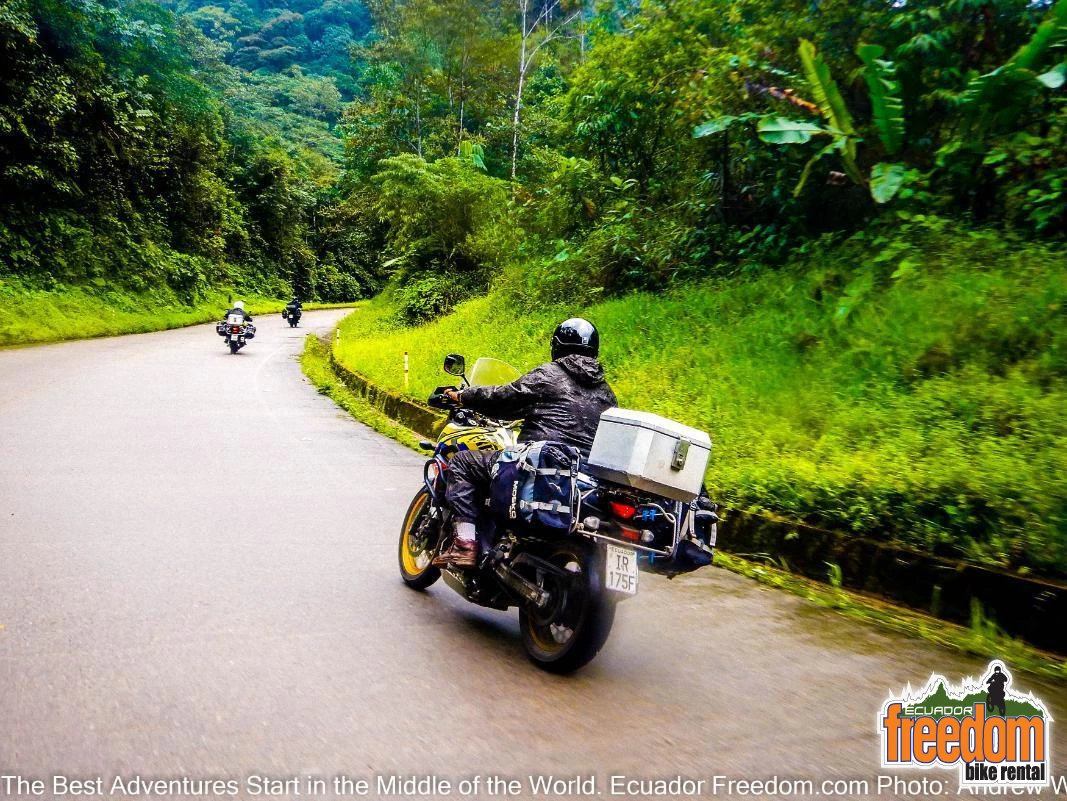
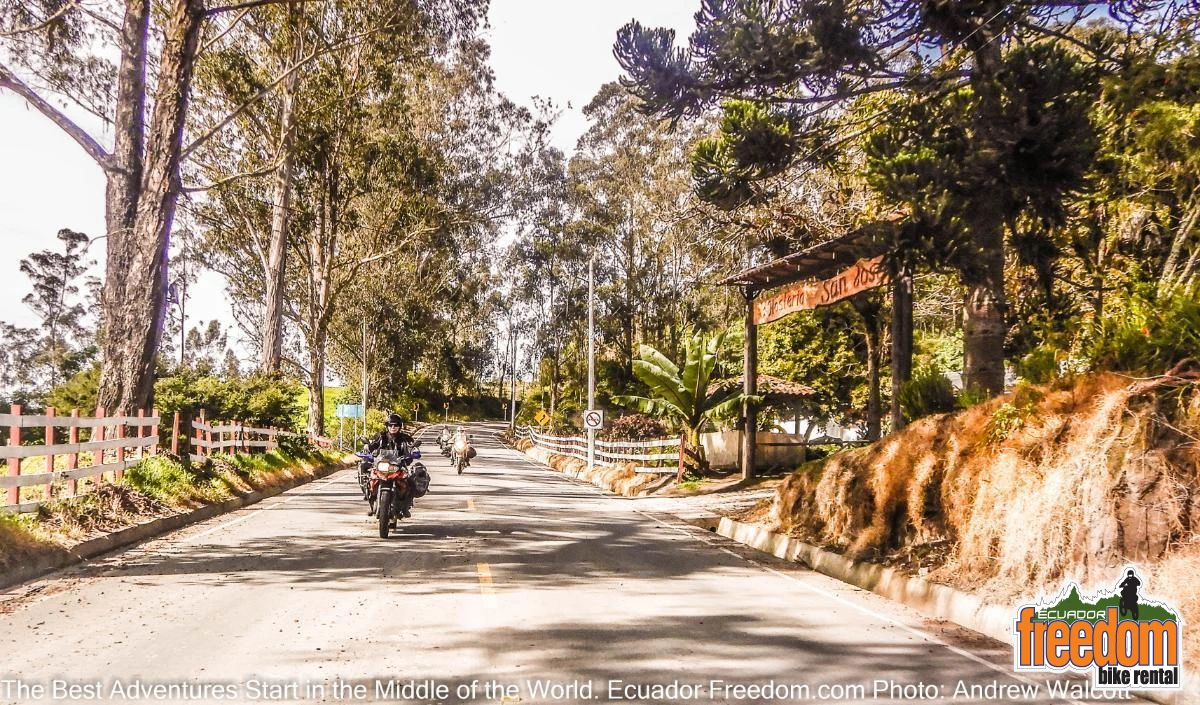
The route is based on several years' of experience and of riding these routes. The route consists of paved backroads that avoid traffic as much as possible.
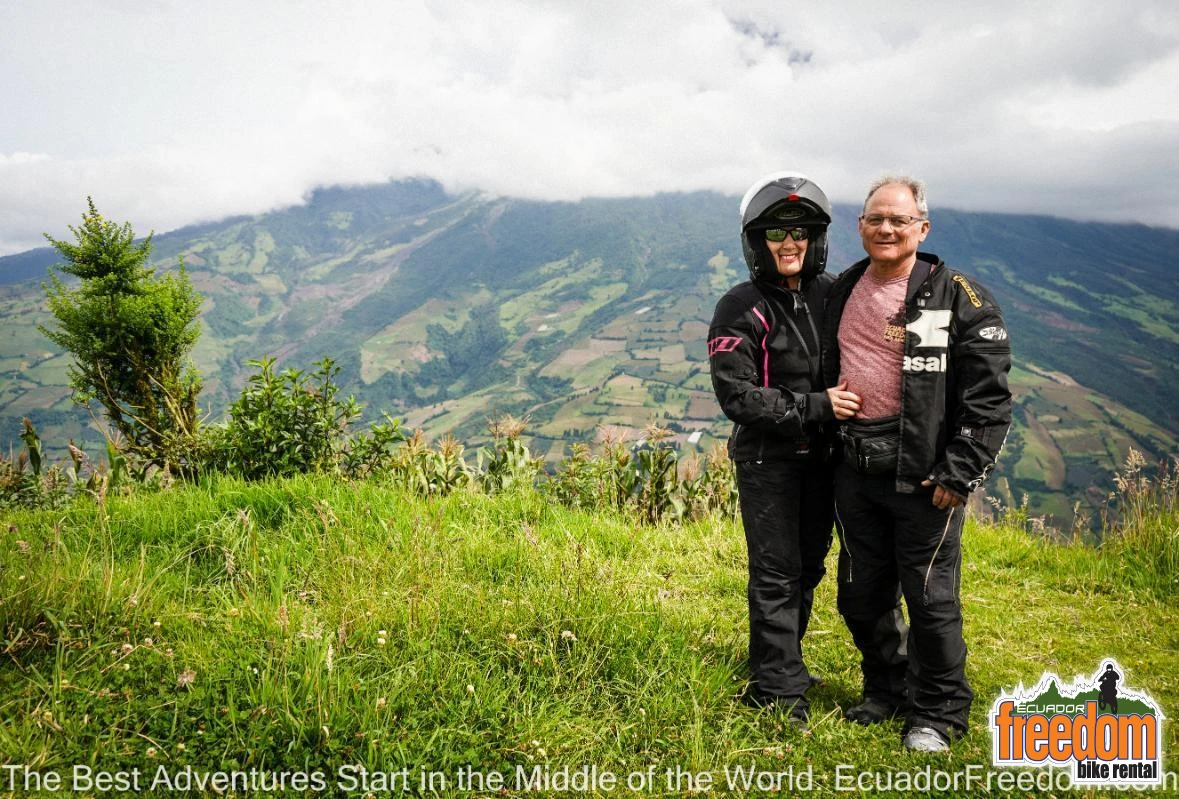
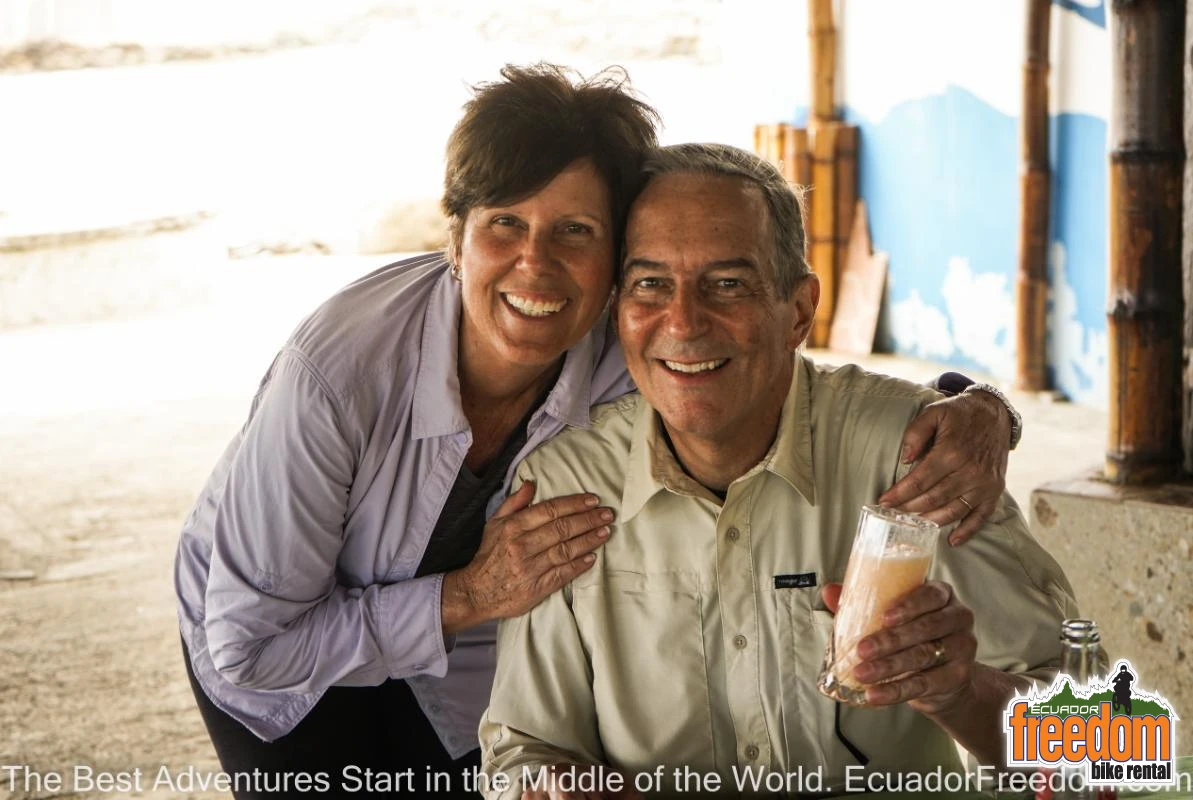
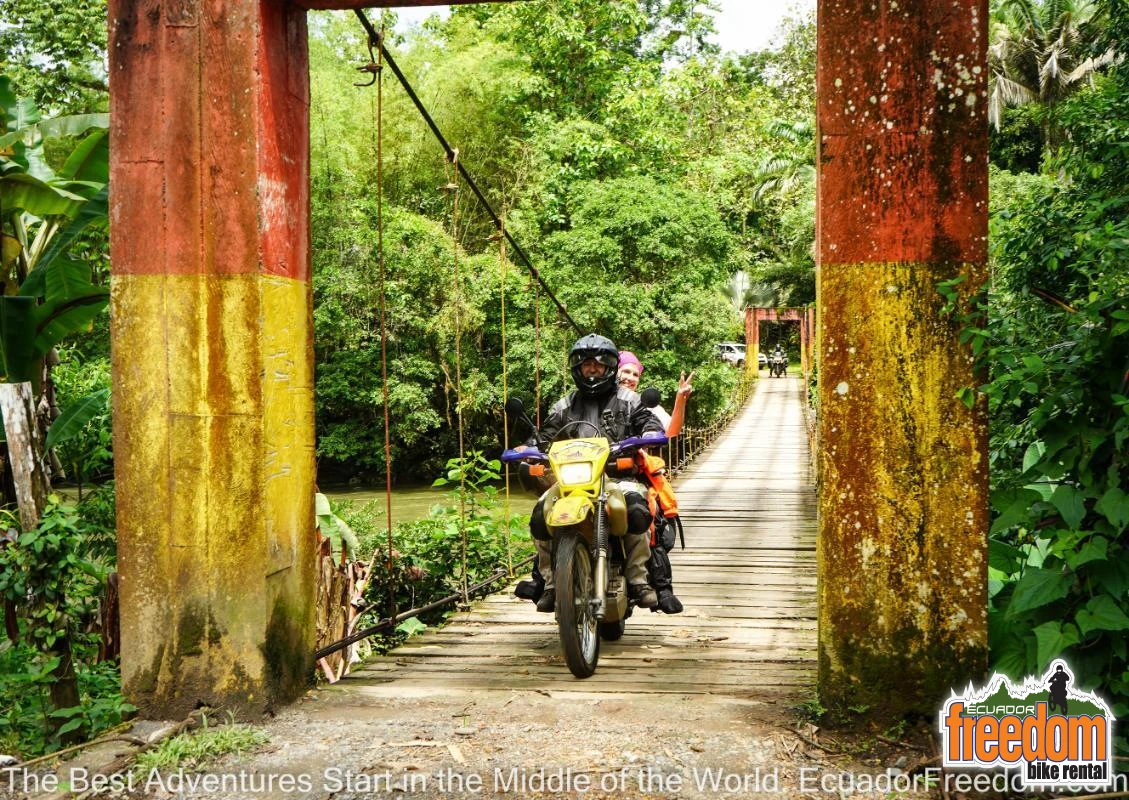
You will have many opportunities for amazing photos and stops in remote villages where visitors are infrequent. Locals are friendly and the areas visited are very safe with very low crime rates.
Upon returning, you will have access to our honor bar, jacuzzi, hot shower and staff that can assist you with getting to your next destination.
Weather and Temperatures
Weather and temperature ranges in Ecuador are generally the same year round. In the highlands, you can expect the chance of passing showers but rarely a full day of rain. Chances for a full day of rain are more likely on the western slopes of the Andes in March, April and early May. This ride will be in elevations between 1200 feet in the Amazon basin (where temperatures can be around 80 degrees Fahrenheit) to 14,500 feet (where temperatures can be in the 30's Fahrenheit). Dressing in layers is recommended. Please see this article for more information about the weather in Ecuador.
Accommodations
Throughout the tour, you will stay in carefully selected, ideally-located, non-touristy, comfortable, accommodations. See this page for details, photos, and links to the accommodations provided. Ecuador Freedom has the right to substitute accommodations of equal quality due to availability and will notify you of these changes.
Packing List and Preparation
Ecuador Freedom will provide you with detailed information to prepare for the ride, including a packing list. Before you travel, we recommend that you familiarize yourself in advance with these recommended guidebooks and maps.
Accommodations
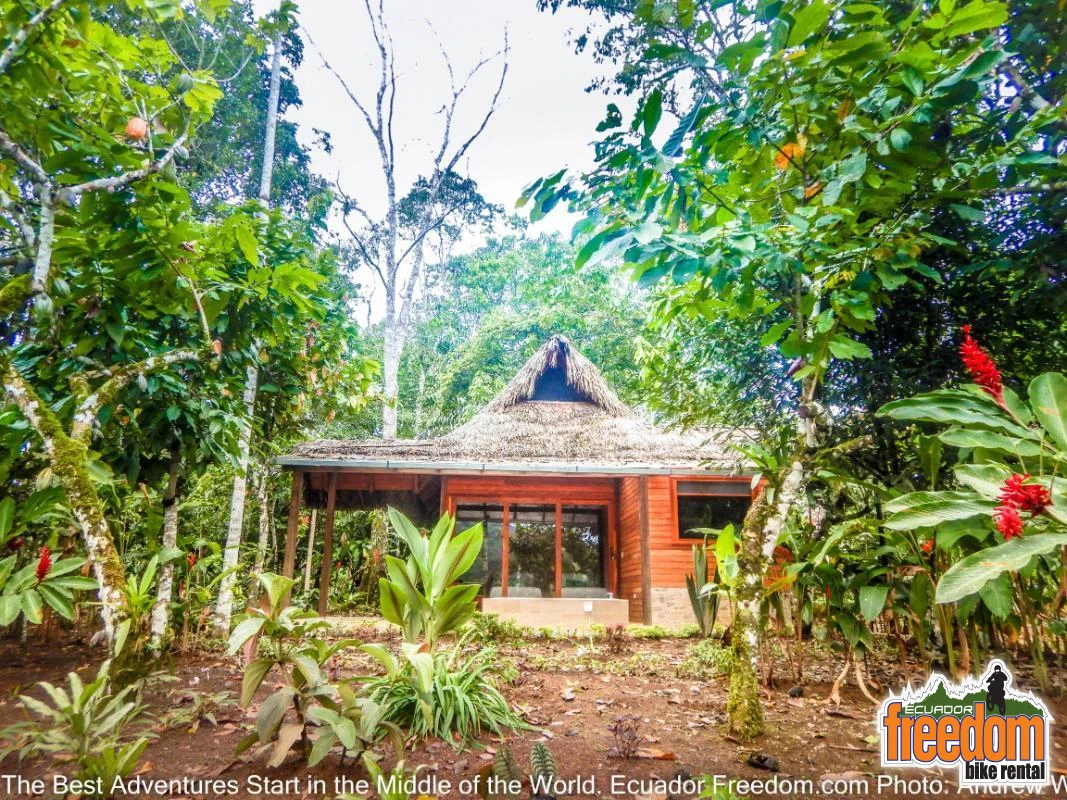
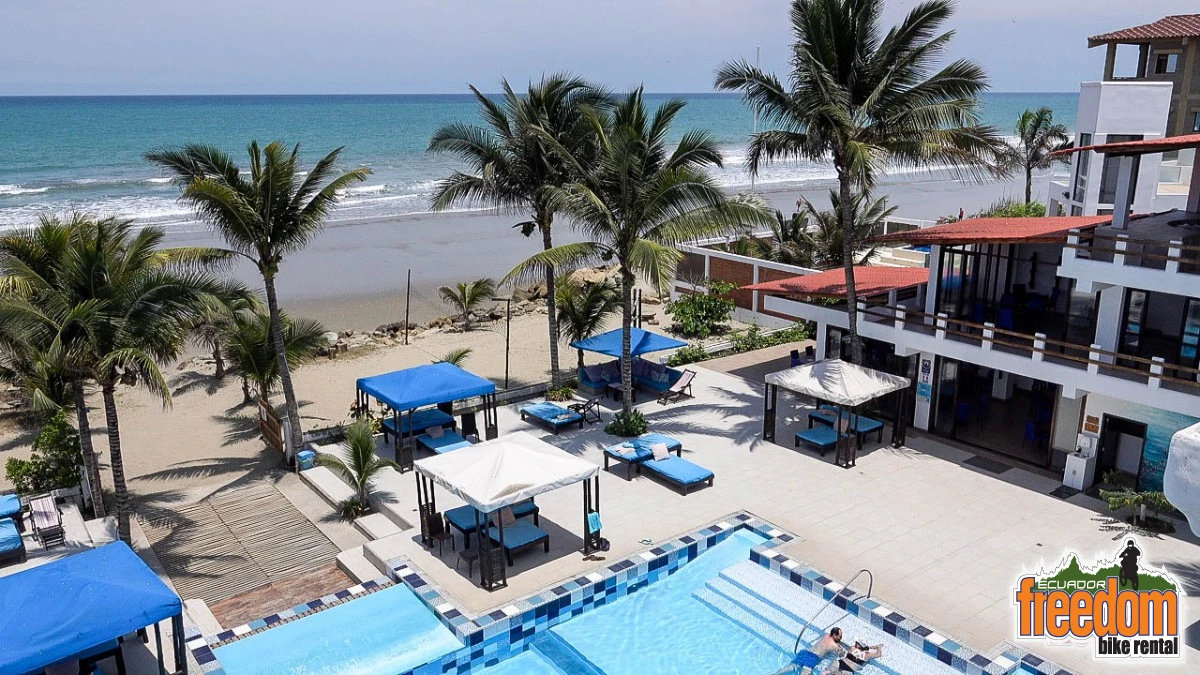
Our accommodations are selected for their exceptional quality, location, and unique character. Below are the accommodations featured on this tour.
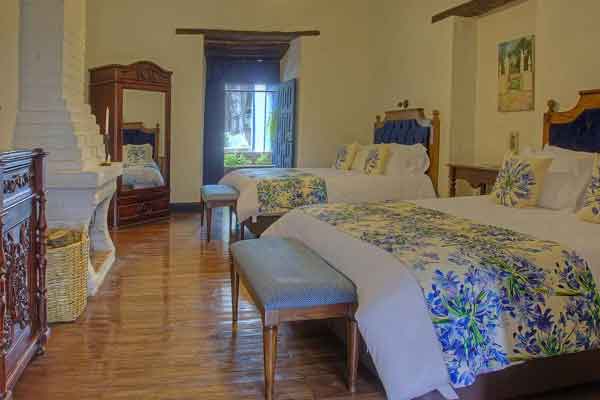
Hacienda Pinsaqui
With three centuries of existence, the traditional Hacienda Pinsaqui Inn you will feel like a part of the magic and legend of this place. The Hacienda Pinsaqui Inn has the necessary amenities to make your stay a unique and unforgettable event.
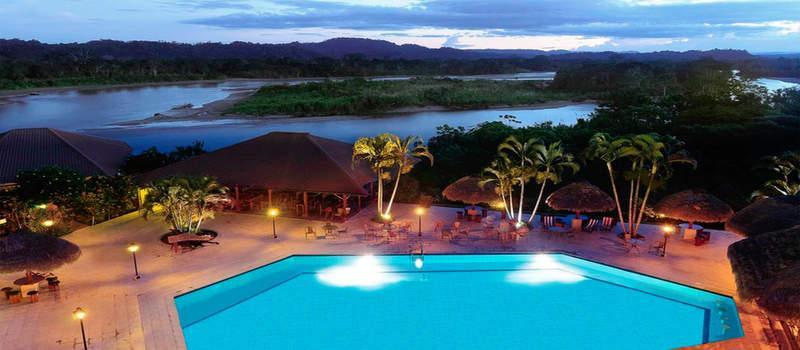
La Casa del Suizo Lodge
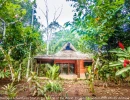
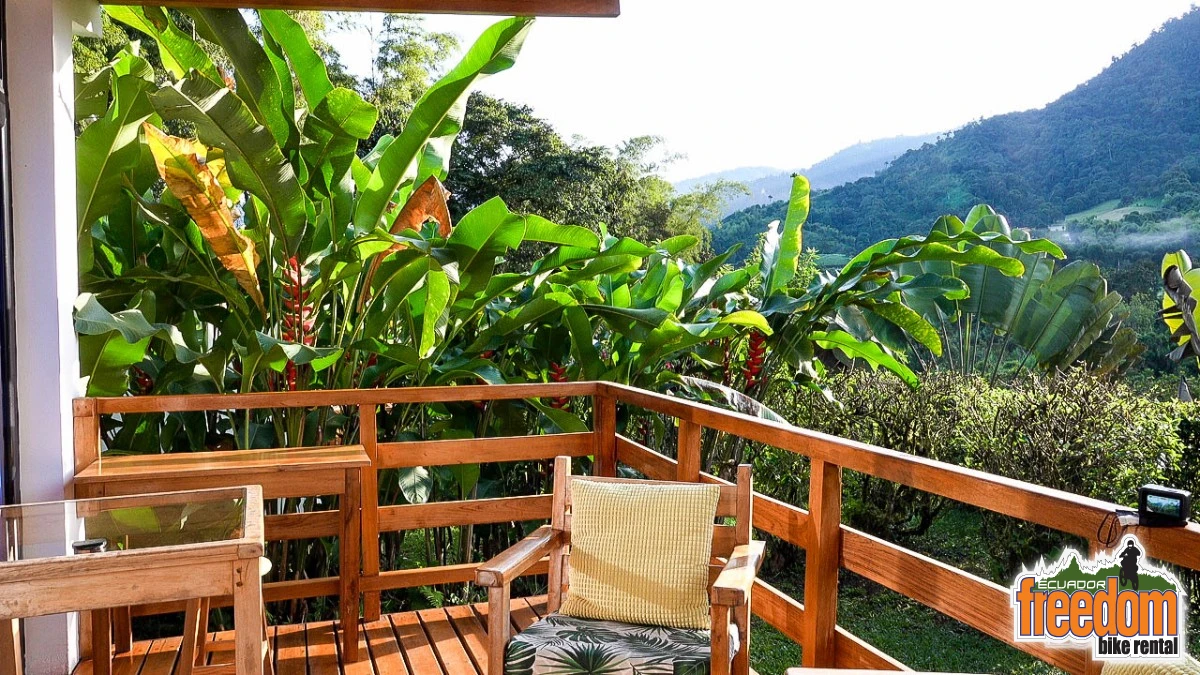
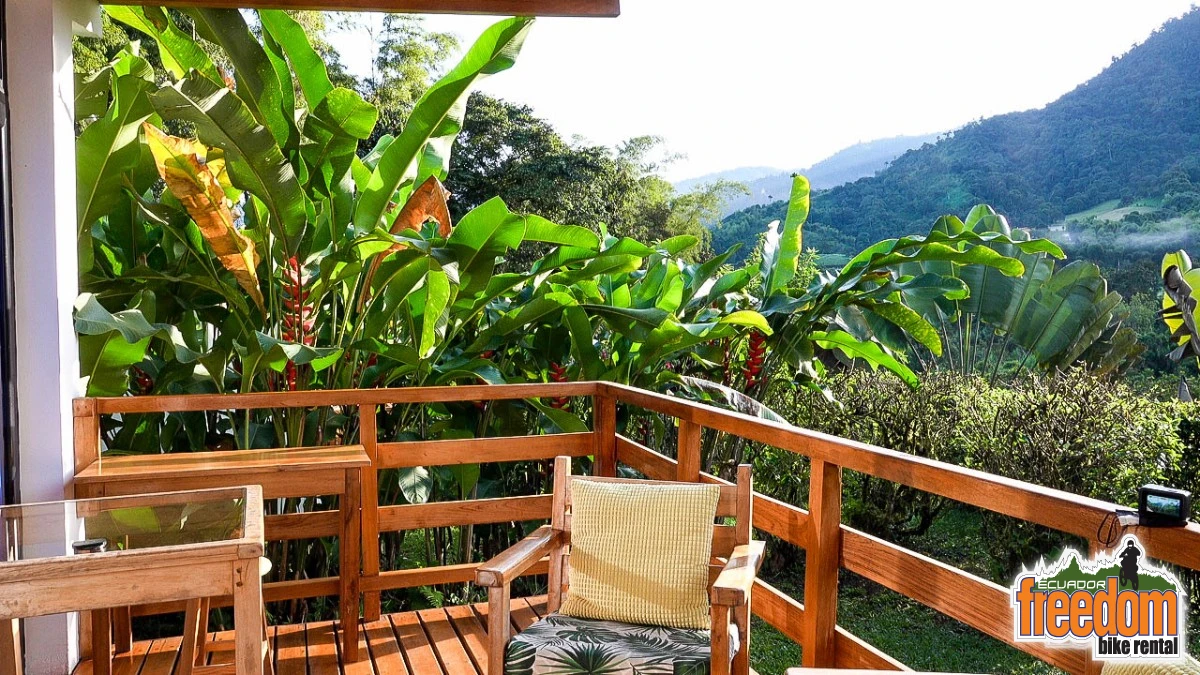
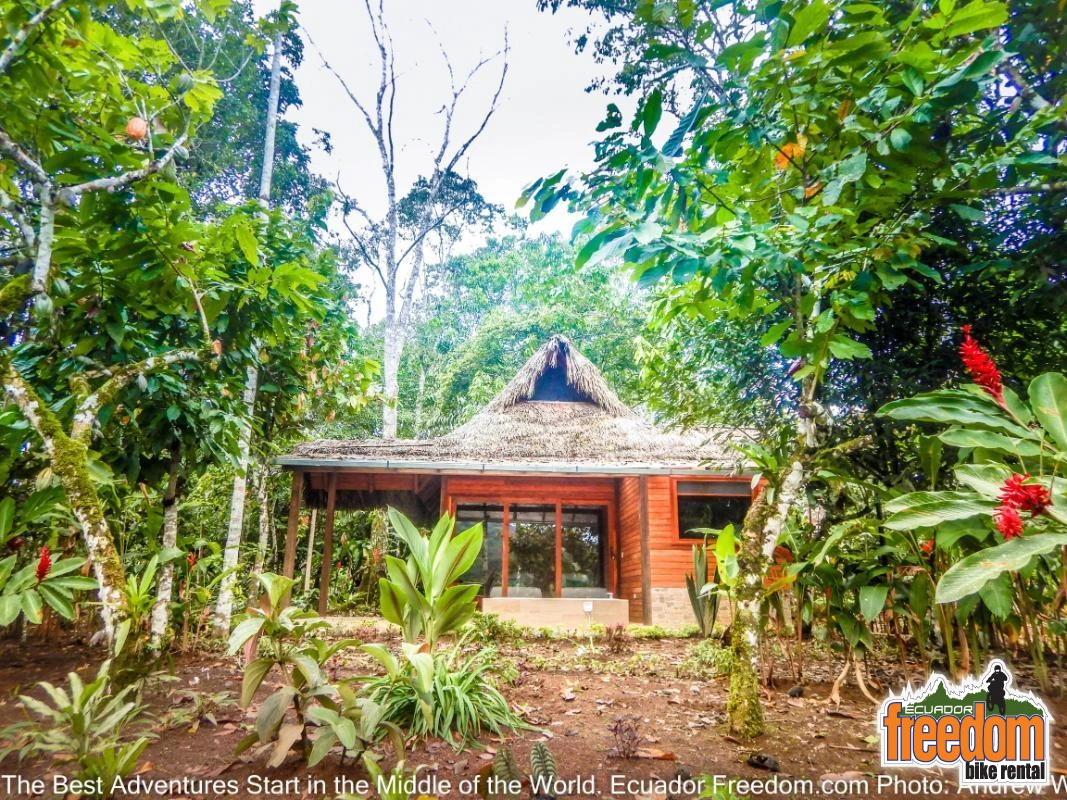
This luxury lodge is located along the Napo River. To get there, you will need to take a motorized canoe down the rive Each of their rooms offers an outdoor seating area to appreciate the beauty of the jungle. The restaurant prepares local food with ingredients from the Amazon region.
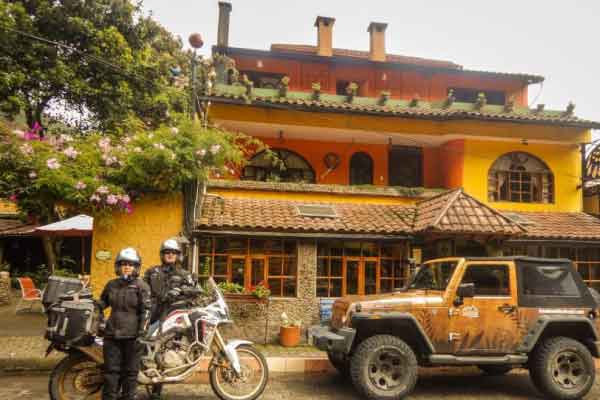
Posada del Arte
This small, cozy, 15-room bed and breakfast is also a showcase for Ecuadorian painters. The presence of these fine works sets the tone for the overall ambiance. Their restaurant serves up hearty breakfasts and local favorites such as fresh trout, steaks, and locro (potato-cheese soups). The hotel is ideally located just a block from the volcanic hot springs.
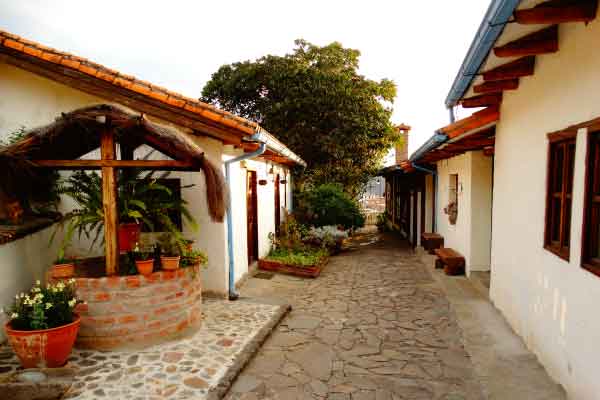
La Quinta Alausi
This beautiful boutique inn sits above the town with an impressive view of all the activity below. It is just a short walk to the downtown train station and restaurants. Personal and attentive service.
Hotel Victoria, Cuenca
The Hotel Victoria is one of Cuenca's finest hotels. Locate right in the Historic center and just above the Tomebamba River walk, it offers rooms that are comfortable and tastefully decorated in Cuencano style.
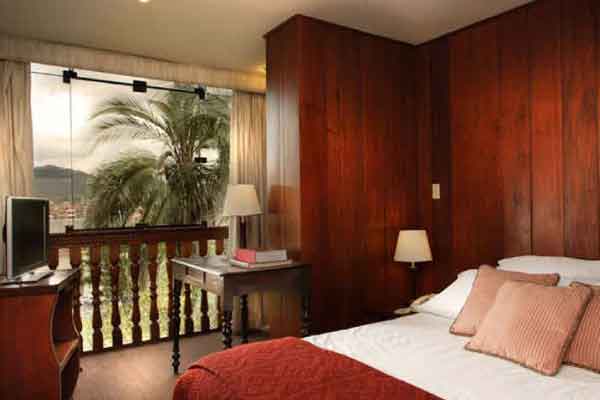
Arrayan y Piedra, Macas
Arrayan y Piedra is a beautiful resort on the Upano River in Ecuador’s south-eastern Amazon designed from the ground up with a focus on authentic Ecuadorian architectural and horticultural design. Pure comfort and relaxation with a touch of luxury in every detail.
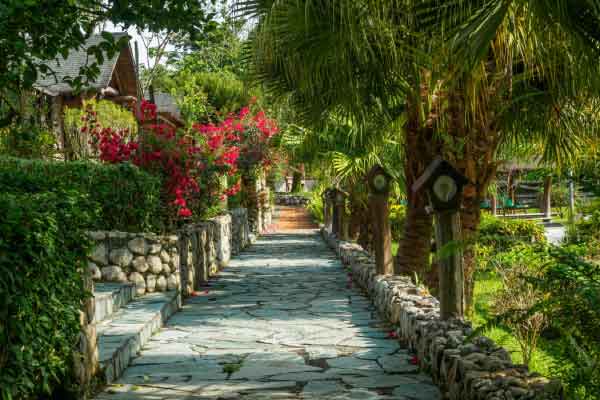
Hotel Cachi Yaku
The Hotel Cachi Yaku is in the village center of Salinas de Guaranda. It is a newly constructed hotel, opened in 2018 and offers bright rooms. The staff are knowledgeable about the town and the activities that can be done in the area. They serve a country-style breakfast with local cheeses, meats and eggs.
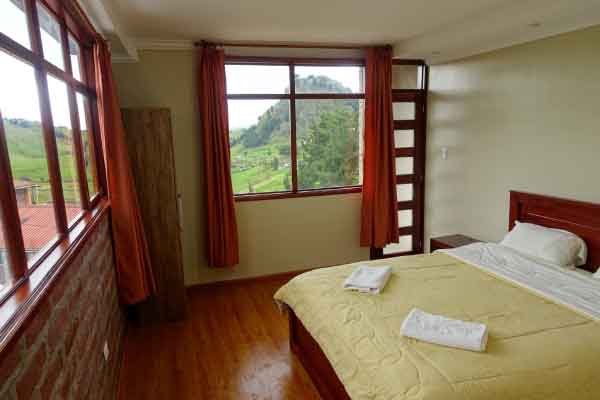
Black Sheep Inn
Black Sheep Inn is an ecologically friendly hotel high in the Andes Mountains of Ecuador. At over 10,400 feet in elevation (3200 meters above sea level) the views will take your breath away! The rural lodge is a perfect place to discover the centuries-old culture and diverse ecosystems.
Pricing
| Hero Xpulse200*
| $5,030 |
| Honda XRE300*
| $5,230 |
| BMW G310GS
| $5,230 |
| SWM Gran Milano 440
| $4,830 |
| Honda XR650L
| $5,530 |
| Suzuki DR650 LOW*
LOW SEAT: 33.2 inches REGULAR: 34.8 inches | $5,430 |
| Suzuki DR650*
LOW SEAT: 33.2 inches REGULAR: 34.8 inches | $5,430 |
| SWM RS650S*
| $5,430 |
| Aprilia Tuareg 660
| $6,030 |
| Yamaha Tenere 700
| $5,930 |
| Husqvarna 701 Enduro*
| $5,930 |
| BMW F750GS
| $5,930 |
| Suzuki DL800DE
| $5,930 |
| BMW F850GS
| $6,130 |
| Triumph Tiger 850 Sport
| $6,030 |
| Moto Guzzi V85 TT
| $6,130 |
| Triumph Tiger 900 Rally
| $6,130 |
| BMW F900GS*
| $6,130 |
| Husqvarna Norden 901
| $6,130 |
| Suzuki V-Strom 1000
| $6,030 |
| Honda Africa Twin DCT 2 AC
| $6,330 |
| Passenger Sharing Room
If you will be riding with a passenger, (pillion) who will share your double room (1 or 2 beds), add this price. | $2,150
If you will be riding with a passenger, (pillion) who will share your double room (1 or 2 beds), add this price. |
| 2 Vehicles Sharing Room
If you are traveling with someone who will be riding a separate motorcycle and sharing your room (1 or 2 beds), take 10% off the price of each bike! | 10% Discount
If you are traveling with someone who will be riding a separate motorcycle and sharing your room (1 or 2 beds), take 10% off the price of each bike! |
* Bikes marked with an asterisk are not configured to take a passenger.
All prices are in United States Dollars (USD) - the official currency of the Republic of Ecuador.
Before booking a tour with us, please carefully read our Motorcycle Tour Terms and Conditions.
Our reservation system is automated and accessible through the "Book Now" or "Reserve Online" buttons. The system will take you through a few easy steps to book your tour and any desired extensions. The system is secure and uses a third-party, Ecuadorian payment system called Kushki, which meets all international regulations and security standards. Payment may be made using any major credit card. Please note that we must collect a government-issued ID number from you when booking due to Ecuadorian banking regulations. You may use your passport, driver's license, or any other government identification number.
Alternatively, you may request payment through PayPal in the system (click the PayPal logo on checkout). If you prefer to send a wire transfer, please let us know (using the "Ask a Question" button or "Contact" menu item, and we will provide our banking details.
Deposits are refundable minus 10% of the total rental or tour price only if canceled at least 90 days before departure or pickup date. Cancellations are very costly to us as they impede our planning and ability to sell rentals and tours to other customers. Therefore, cancellations for any reason made less than 90 days before the pickup or departure date are not refundable, nor may they be applied to a future rental or tour.
To protect yourself from this loss of your deposit, it is up to you to secure travel insurance that covers cancellations due to health problems, civil unrest, acts of God, family tragedies or problems with flight departures, etc.
Global Rescue has created the industry’s most complete travel insurance that was built with the outdoorsman in mind. With minimal exclusions, the IMG Signature Travel Insurance is the perfect add-on to your Global Rescue membership.
To find out more information please visit our landing page at: https://partner.globalrescue.com/freedombikerental
The balance (second 50%) of your rental or tour is due when you pick up the bike in our office in Quito. The second 50% can be paid in cash (United States Dollars), with PayPal, or a credit card. We accept Mastercard, Visa, and American Express. A 100% refundable security deposit using a credit card for the rental motorcycle or 4x4 is also required and is separate from the payment for the tour. Security deposits are $500 - $2500, depending on the vehicle selected.
What's Included
- Unlimited Mileage Motorcycle Rental
- Knowledgeable, Experienced, Local Resident Guide
- Saddlebags or hard luggage system
- Tank bag
- Luggage storage and locker use while riding
- Guaranteed departure policy (we go even if only one participant signs up - we do not cancel tours on you!)
- Support Vehicle (5+ riders)
- Single occupancy (your own room at no extra charge)
- Breakfast every day
- Lunch and dinner on all riding days
- Tolls
- Gasoline
- Amazon jungle excursion with a native guide
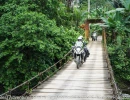
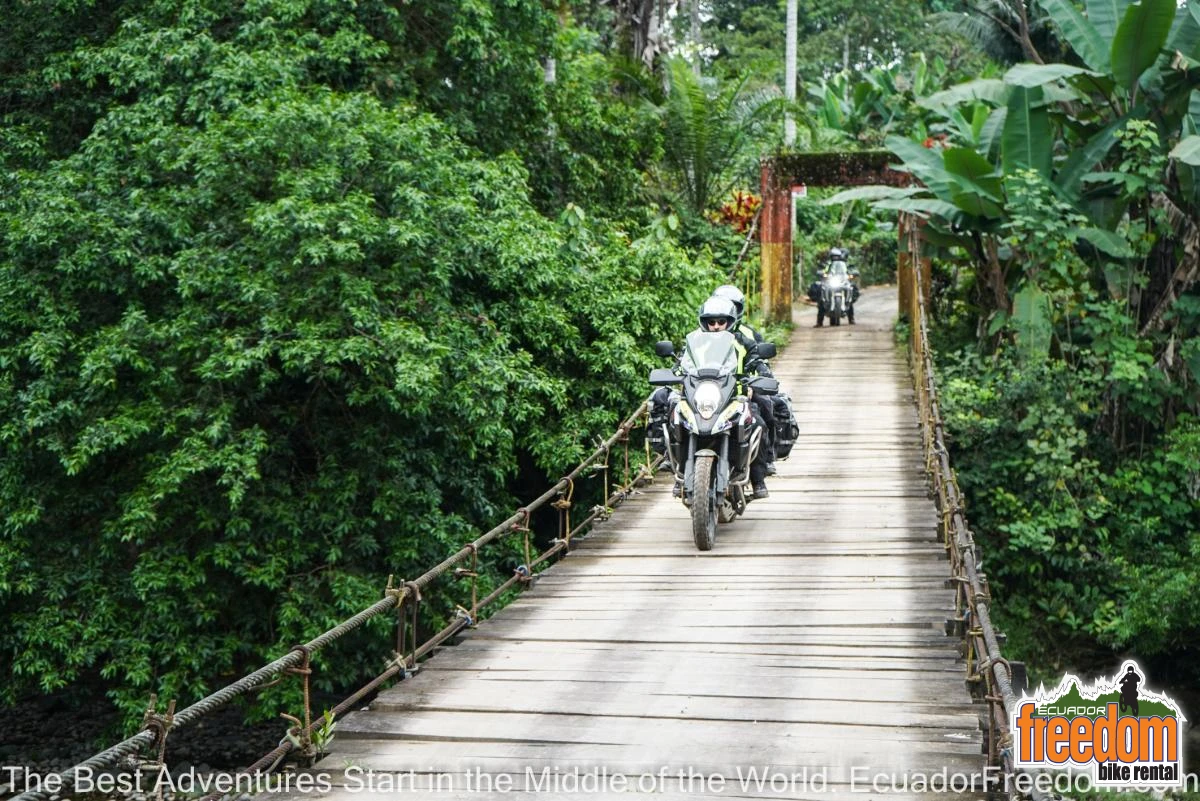
- Zip Lines and /or Tibetan Bridge
- Intiñan Solar Museum at the Equator
- Ingapirca Ruins entrance fee and tour
- All entries to parks and museums listed
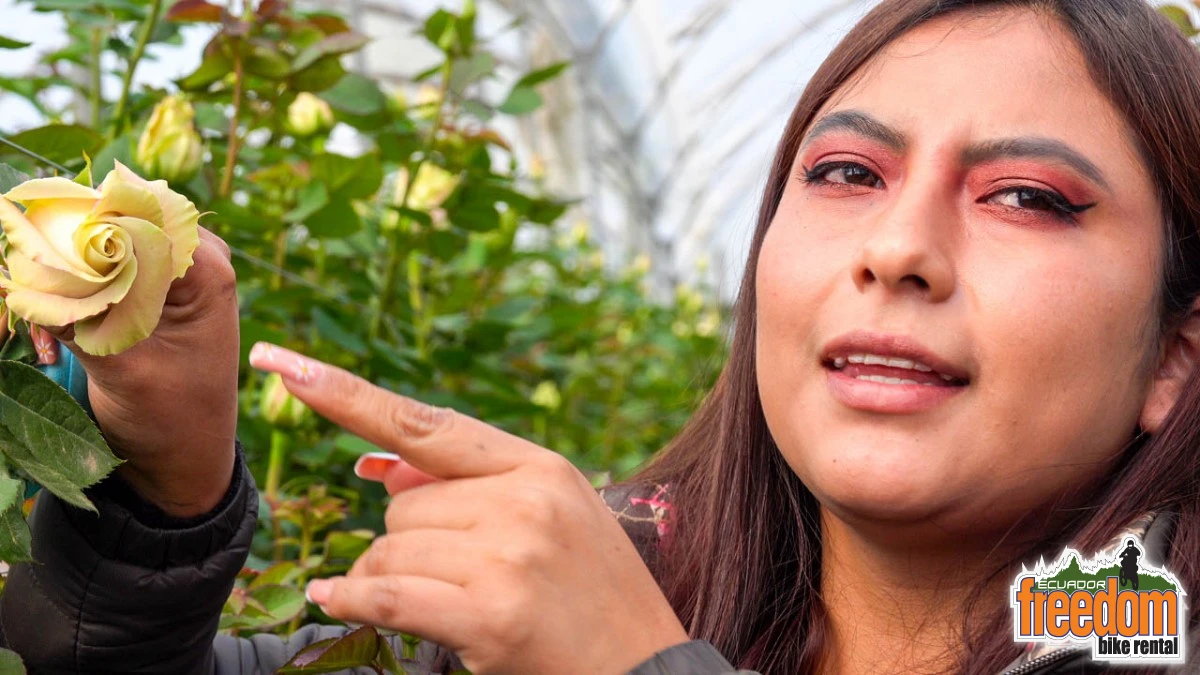
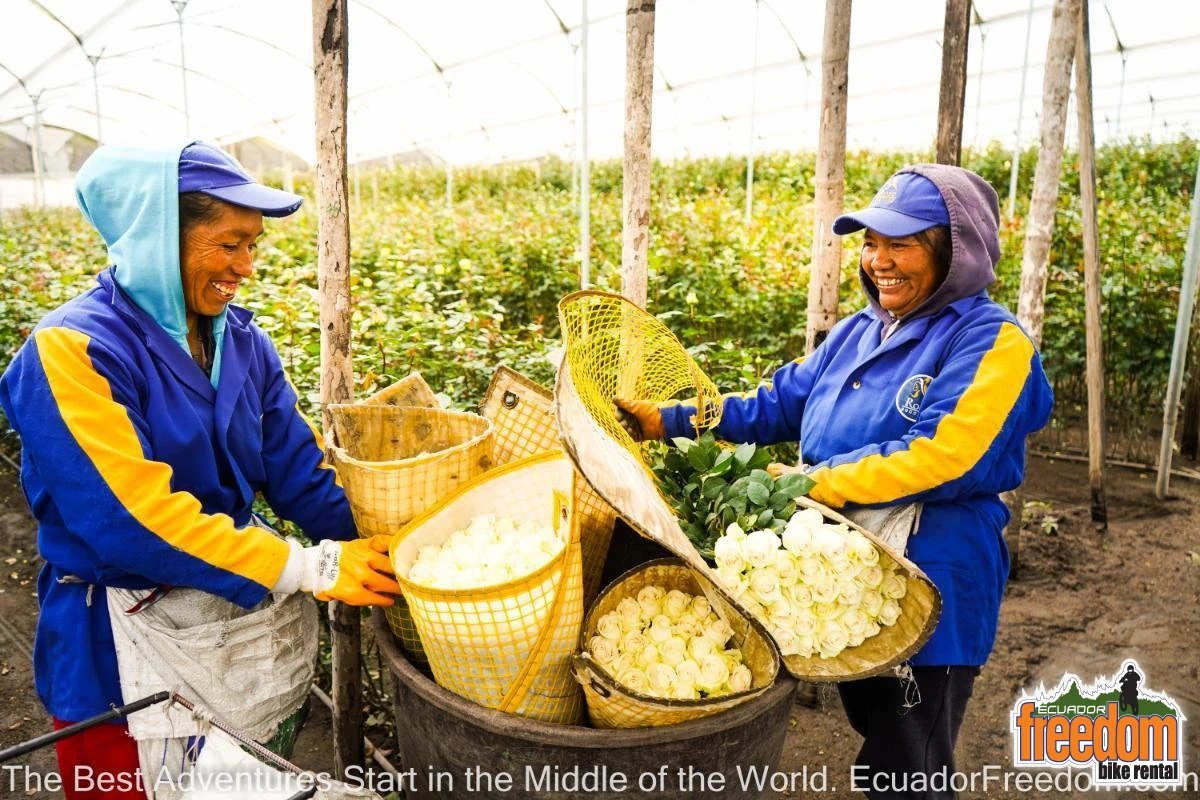
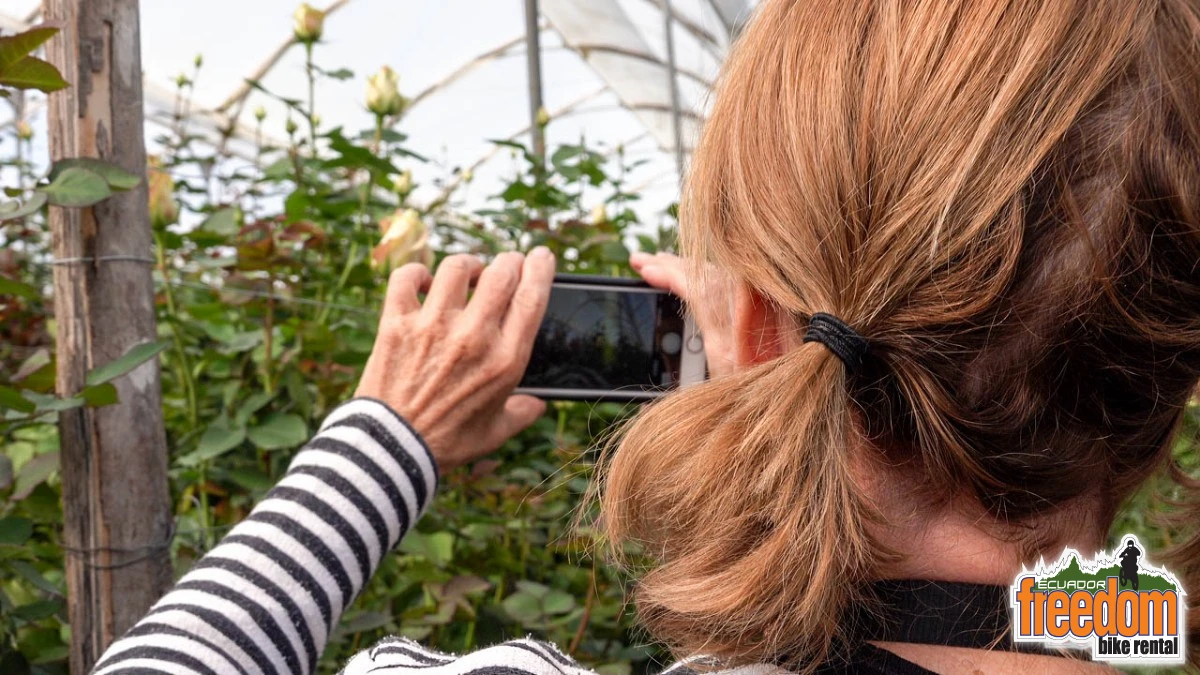
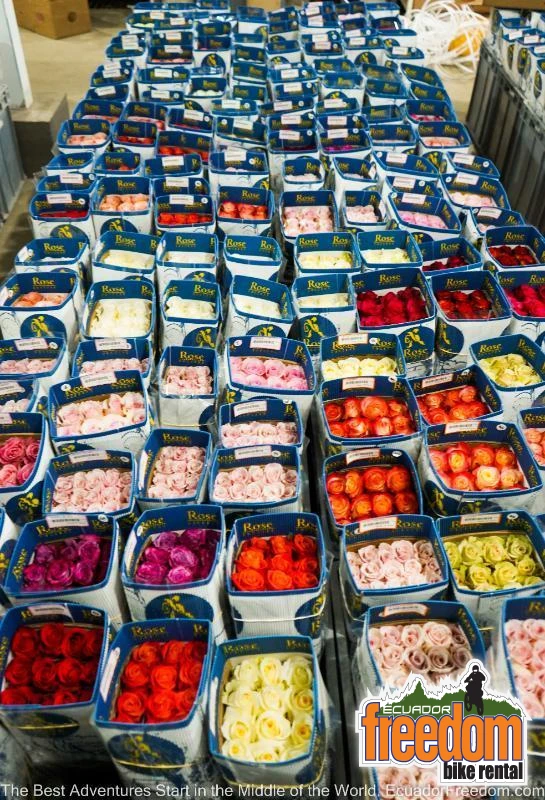
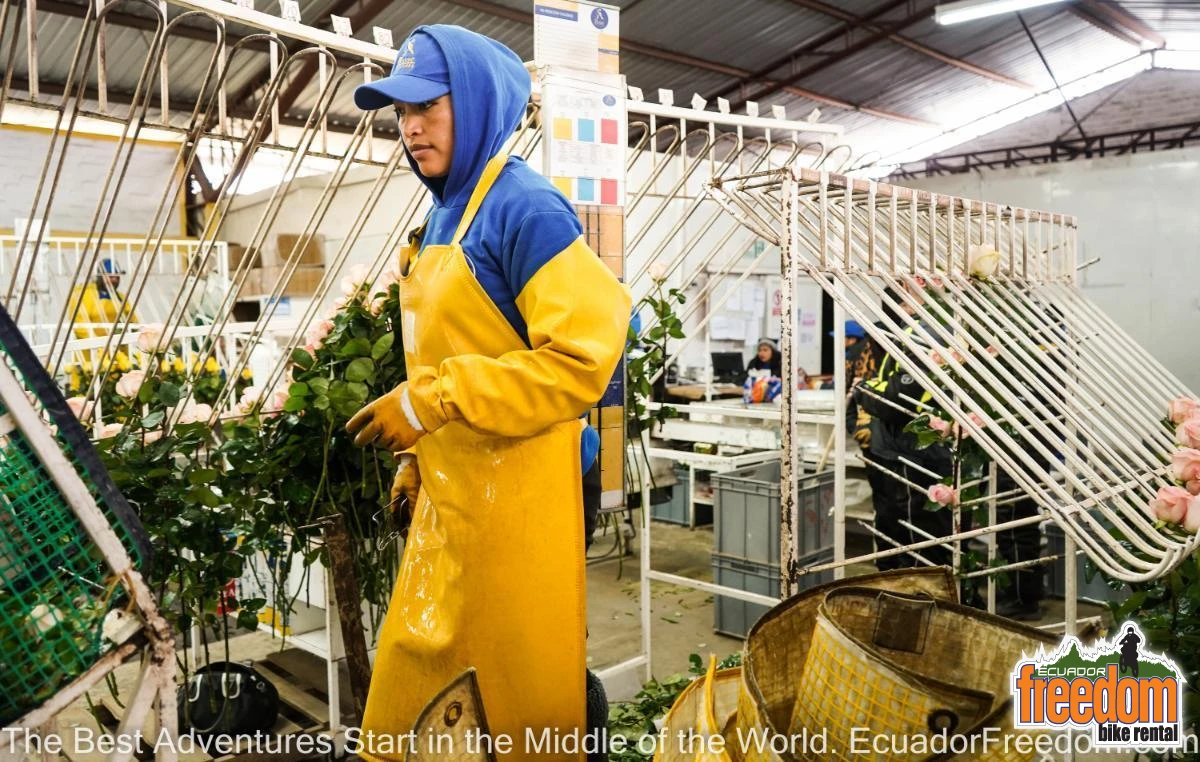
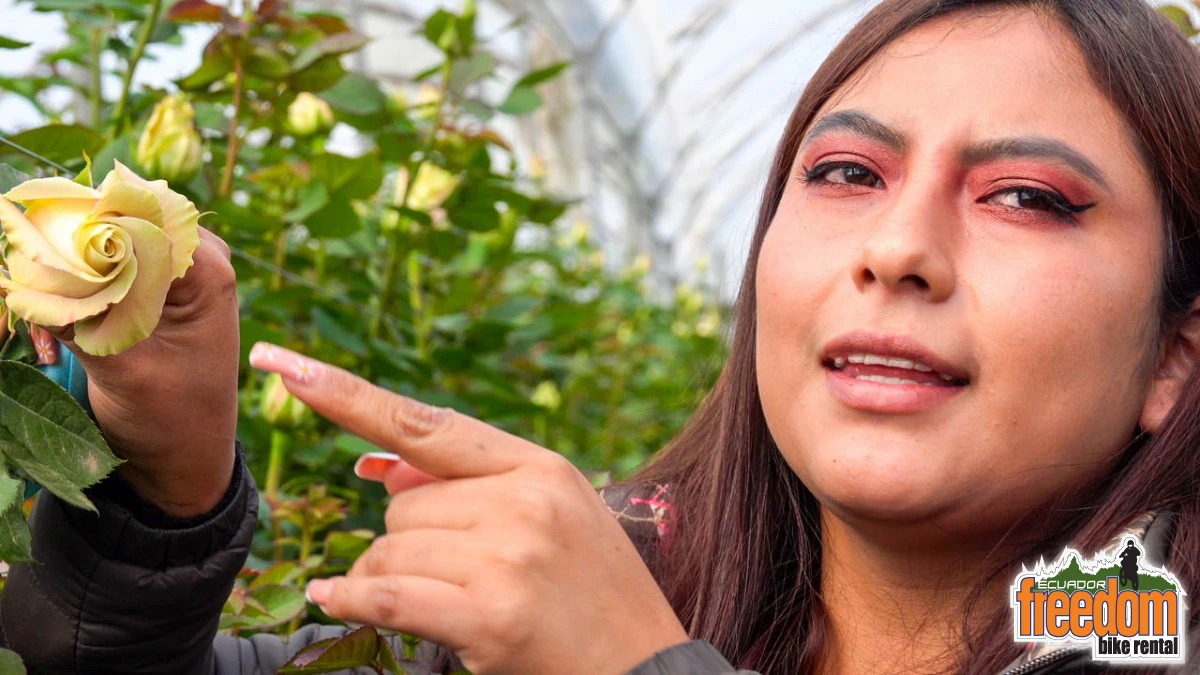
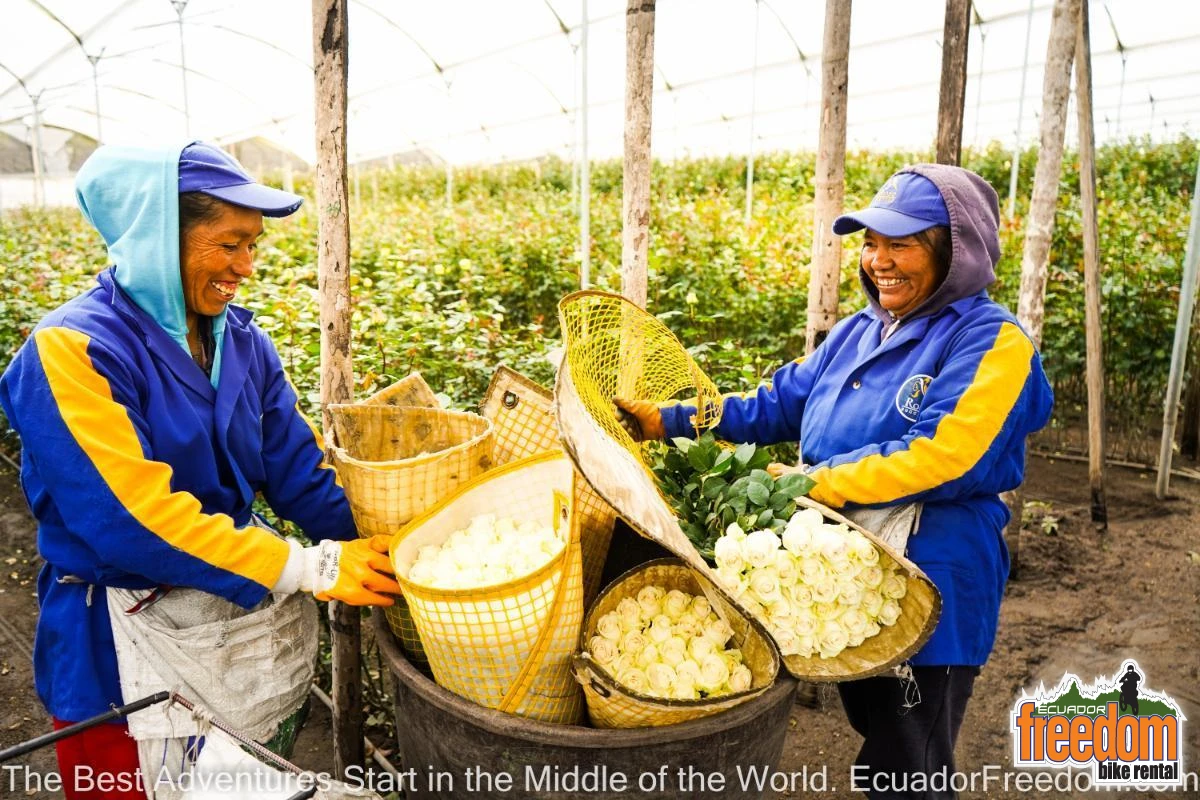
- Rose Plantation Tour
- All other activities and tours listed in the itinerary
- Pre-tour 20% discount on high-quality riding gear from Klim
- Souvenir T-Shirt
- Souvenir Decal
- VIP access to the Freedom After-Ride Lounge with a hot shower, gym, library, jacuzzi, and honor bar (great for after ride if your flight leaves the same evening)
You do NOT have to pull your wallet out on our guided tours!
What's Not Included
- 100% Refundable security deposit to cover any damage to the rental motorcycle
- Hotel accommodations before and after the tour in Quito
- Trip cancellation, medical and emergency evacuation insurance
- Any activity not described in What's Included
- Meals not listed
- Alcoholic Beverages
- Gratuities
- There are no taxes on tour packages (non-Ecuador residents only)
Click on any of the dates above to begin the quick online reservation process. If you don't see a tour date that works for you, please request a new tour date.
 = The truck icon indicates that this tour date has enough riders to have a support truck provided. A support truck is guaranteed for the tour date(s) with this icon.